An instant crypto swap can be an account conversion or a same-chain trade through liquidity pools. A cross-chain route adds a bridge or liquidity network. These products follow different custody and quoting models. Their fees, failure modes, and completion points also differ. Start with the asset and network required on each side, then compare the amount received and every system trusted in between.
Top Crypto Swap Exchanges and Platforms
- Cost
- Pro spot base: maker 0.25%, taker 0.40%
- Assets
- 643 crypto (review)
- Fiat funding
- ACH (US); SEPA (EEA); FPS (UK)
- Check your own balance in its reserve proof
- No breach has cost clients their funds
- Kraken+ waives buy fees on $10,000 a month
- Cost
- Advanced spot base: maker 0.40%, taker 0.60%
- Assets
- 382 tradable (review)
- Fiat funding
- ACH/wire (US); cards/PayPal if eligible
- 24/7 live phone support for every customer
- Simple Buy and Advanced share one balance
- Pass-through FDIC cover on USD cash
- Cost
- Spot base: maker/taker 0.10%
- Assets
- 500+ crypto
- Fiat funding
- Bank transfer, cards (by region)
- Multi-million-dollar depth on BTC and ETH books
- SAFU, a $1 billion emergency fund in BTC
- Bot Marketplace with grid and DCA bots
- Cost
- Spot base: maker/taker 0.10%
- Assets
- 600+ crypto
- Fiat funding
- Cards, P2P, regional bank rails
- Mirror lead traders on spot and futures
- Cash Plus yield with instant free redemption
- 3M USDT daily withdrawal limit at VIP 0
- Cost
- US spot base: maker 0.20%, taker 0.35%
- Assets
- US asset count not disclosed
- Fiat funding
- ACH, USD wire, debit (eligible US)
- USDG holding rewards without a lockup
- Bitcoin staking through Babylon, paid in BABY
- Hold assets, not just trade, to reach VIP fees
- Cost
- Advanced spot: maker 0%, taker 0.02%
- Assets
- 204 assets (Sep. 2026 review)
- Fiat funding
- ACH/wires/cards (eligible US)
- One of the lowest entry spot fees we review
- Iceberg, OCO and post-only orders on web
- No paid membership needed for its rates
- Cost
- Quoted spread; no maker/taker
- Assets
- US crypto count not reconciled
- Fiat funding
- ACH (US); FPS (UK); SEPA (EEA)
- Direct conversions between supported assets
- Vault multisig gives you two of three keys
- Metals trade beside crypto in one app
CryptoSlate may earn a commission when you visit partner sites through links on this page, at no extra cost to you. Our rankings and reviews remain editorially independent and based on our published methodology. Read disclosure
Disclaimer: CryptoSlate may receive a commission when you click links on our site and make a purchase or complete an action with a third party. This does not influence our editorial independence, reviews, or ratings, and we always aim to provide accurate, transparent information to our readers.Every ranked row must prove the exact swap product and its serving entity or protocol. It must also document custody and the supported route, followed by regional access. A generic spot or simple-buy tag cannot establish that a two-asset conversion exists. A global wallet feature also cannot prove the same route is available through a local exchange account.
Keep the existing rating values for centralized rows and present them as the category-specific Instant Swap Score. The evidence must cover the exact conversion route, entity, and region. Wallet-first protocols belong in a separate non-ranked route comparison unless the same category method can assess them on comparable evidence.
Compare Crypto Swap Platforms
| Name | Total Assets | Products | Staking | Trading fees (low) | Trading fees (high) |
|---|---|---|---|---|---|
 Kraken Kraken | 600 | Spot, Margin, Futures or Perps, OTC, Simple-buy Broker | Yes | 0.00 | 0.80 |
 Coinbase Coinbase | 270 | Spot, Futures or Perps, OTC, Simple-buy Broker | Yes | 0.00 | 0.90 |
 Binance Binance | 500 | Spot, Margin, Futures or Perps, Options, OTC, Simple-buy Broker | Yes | 0.00 | 0.10 |
 Bitget Bitget | 800 | Spot, Margin, Futures or Perps, OTC, Simple-buy Broker | Yes | 0.02 | 0.10 |
 OKX.us OKX.us | — | Spot, Simple-buy Broker | Yes | -0.005 | 0.35 |
 Binance.US Binance.US | 204 | Spot, OTC, Simple-buy Broker | Yes | 0 | 0.02 |
 Uphold Uphold | — | Simple-buy Broker | Yes | — | — |
The useful columns start with custody and same-chain or cross-chain scope. Supported networks and the quote model come next. The table must also show minimum received and visible cost layers, followed by approvals and completion evidence. Asset counts, staking flags, derivatives tags, and generic trading fees do not explain the result of a swap.
Crypto Swap Platform Reviews
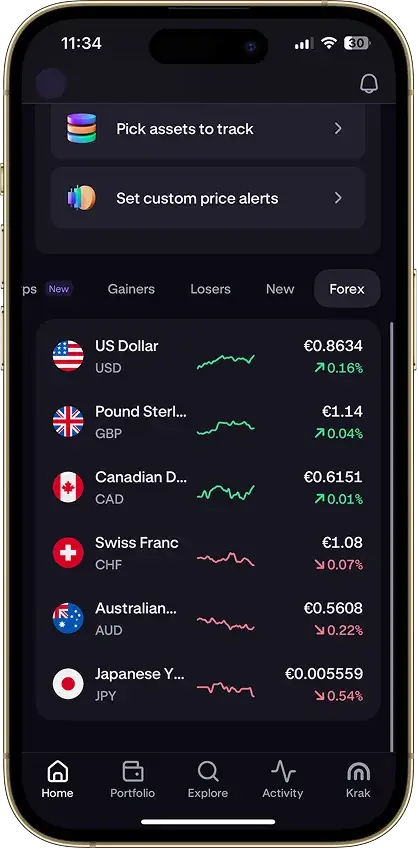
Kraken
- Cost
- Pro spot base: maker 0.25%, taker 0.40%
- Assets
- 643 crypto (review)
- Fiat funding
- ACH (US); SEPA (EEA); FPS (UK)
Pros
- Free U.S. ACH withdrawals
- Sixteen U.S. perpetual contracts after checks
- REST, WebSocket, FIX, and futures APIs
- FIDO2 passkeys and Global Settings Lock
- Advanced orders from TWAP to iceberg
Cons
- 0.40% maker, 0.80% taker at entry on Pro
- Seven-day hold on Plaid ACH amounts
- Simple buys add 1% to 1.5% plus spread

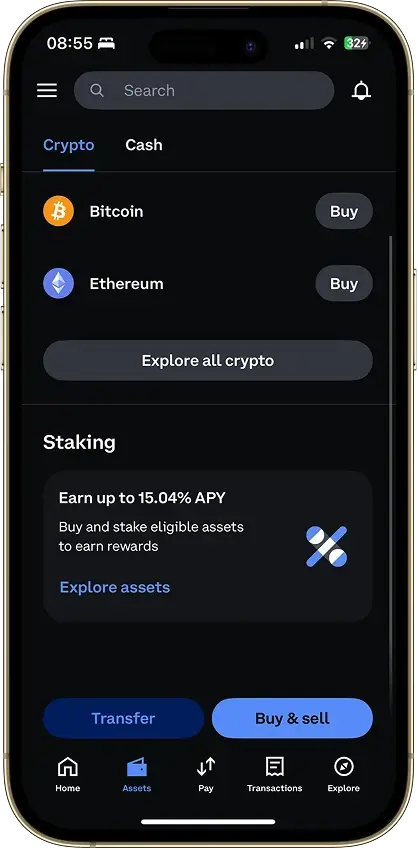
Coinbase
- Cost
- Advanced spot base: maker 0.40%, taker 0.60%
- Assets
- 382 tradable (review)
- Fiat funding
- ACH/wire (US); cards/PayPal if eligible
Pros
- Free U.S. ACH deposits and withdrawals
- SEC filings and annual financial audits
- Spot trading in every U.S. state
- Passkeys, hardware keys and allowlisting
- U.S. futures and perpetual-style contracts
Cons
- Small Simple Buy orders cost up to 3.5%
- No user-verifiable Merkle inclusion
- 35% commission on staking rewards

Binance
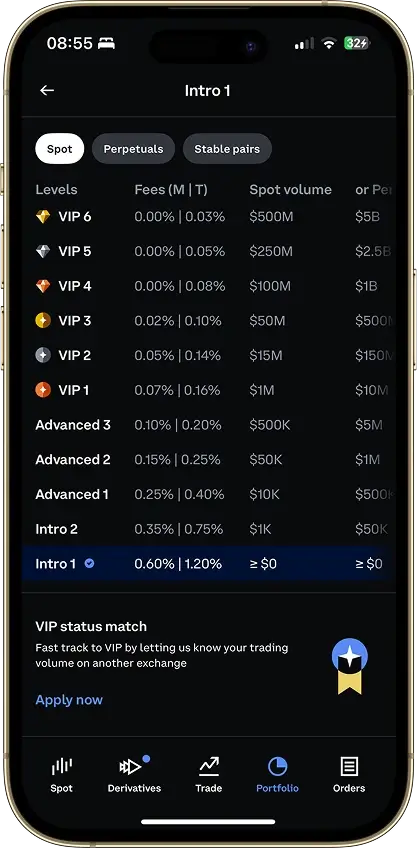
- Cost
- Spot base: maker/taker 0.10%
- Assets
- 500+ crypto
- Fiat funding
- Bank transfer, cards (by region)
Pros
- 0.10% at entry, 0.075% paying in BNB
- Futures, options and FIX API access
- User-verifiable reserve inclusion
- Hardware keys and withdrawal allowlists
- 1,358 spot pairs across 486 assets
Cons
- No MiCA authorization in the EU
- Account reviews can hold withdrawals
- $4.3B U.S. guilty plea in 2023


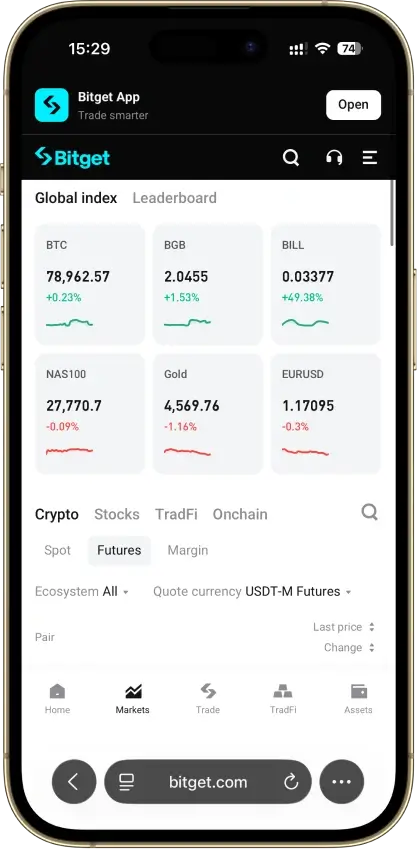
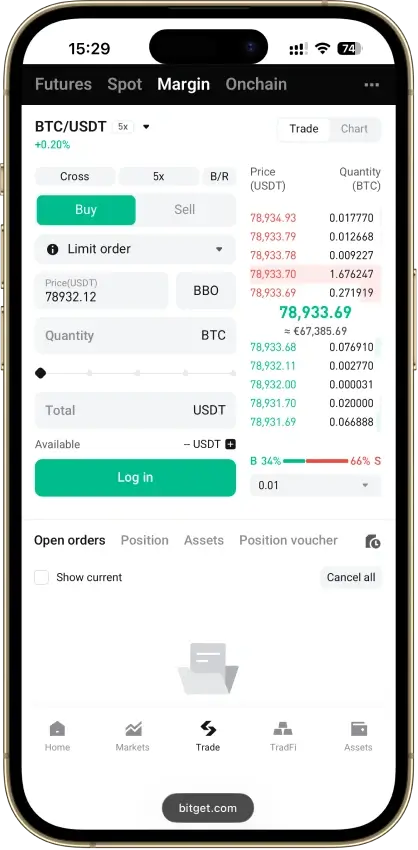
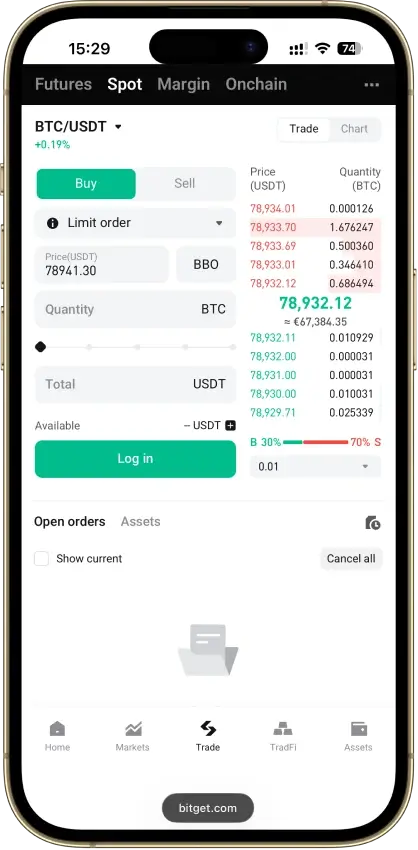
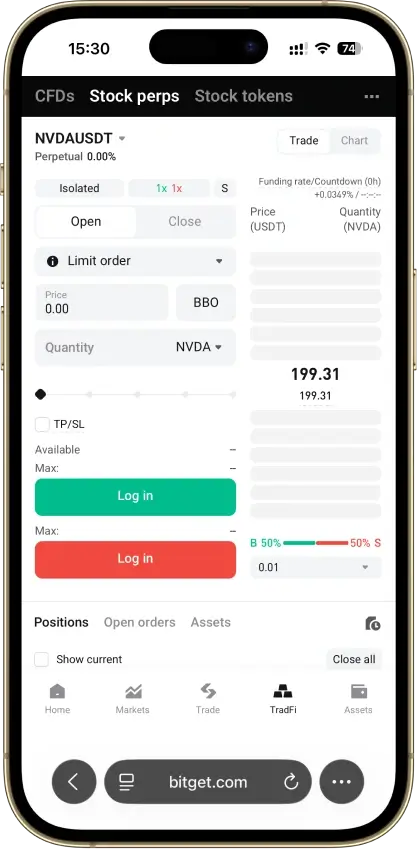
Bitget
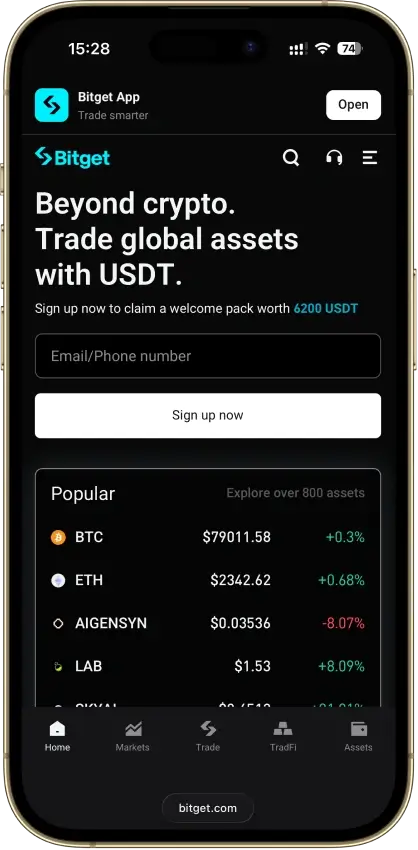
- Cost
- Spot base: maker/taker 0.10%
- Assets
- 600+ crypto
- Fiat funding
- Cards, P2P, regional bank rails
Pros
- 0.10% standard spot fees
- Monthly Merkle inclusion checks
- 800+ coins on the global exchange
- Demo trading and scoped API keys
- Bots for automated trading
Cons
- Earn rates and terms change product by product
- BGB flash crash in 2024, trade rollback in 2025
- Simple-buy and P2P spreads sit outside fee tables
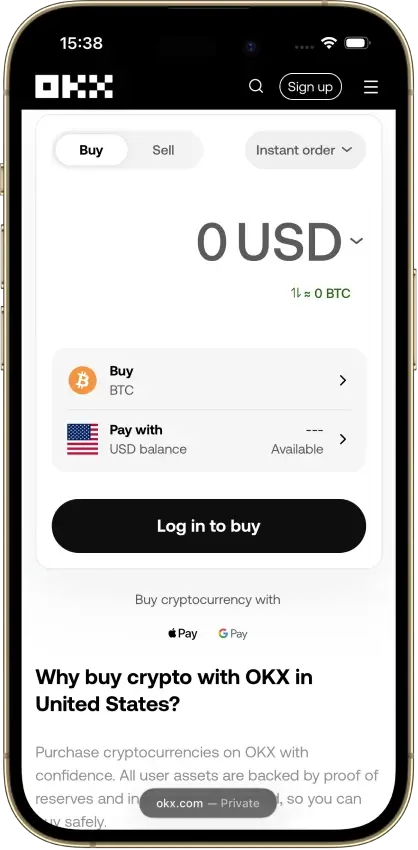
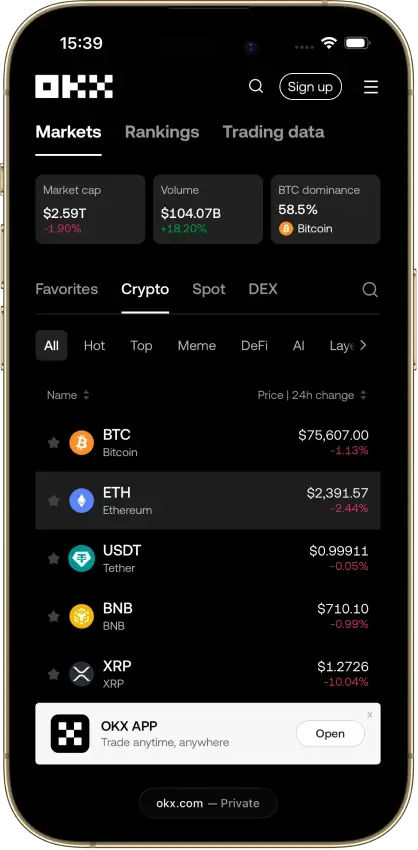
OKX.us
- Cost
- US spot base: maker 0.20%, taker 0.35%
- Assets
- US asset count not disclosed
- Fiat funding
- ACH, USD wire, debit (eligible US)
Pros
- Dollar funding by ACH or domestic wire
- REST and WebSocket trading connections
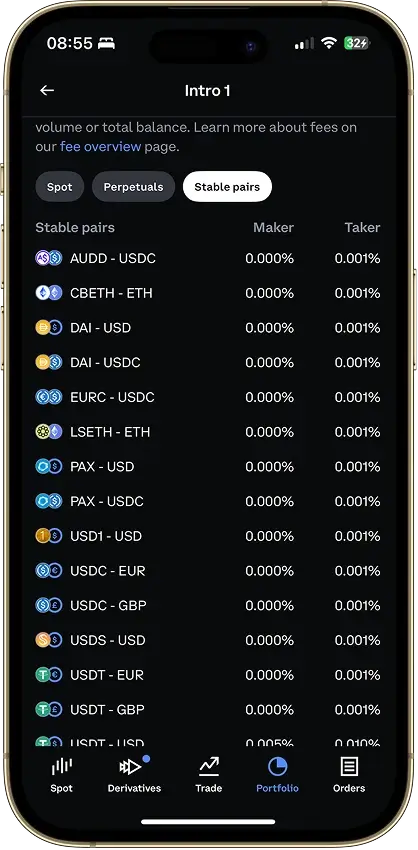
- Zero-fee USDC-USDT and PYUSD-USDT pairs
- Same-account buy, sell, and Convert
- Limit orders on a full spot order book
Cons
- ACH-funded buys can't be withdrawn right away
- No private insurance for crypto holdings
- Up to 1% spread on simple buys
- $30 fee on domestic wire withdrawals
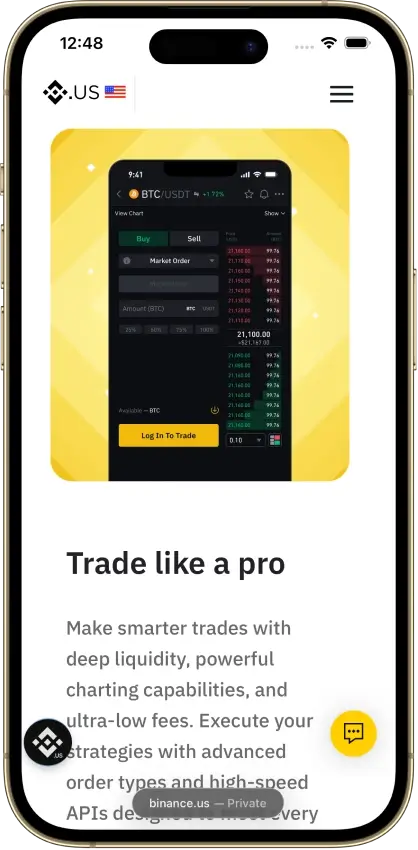
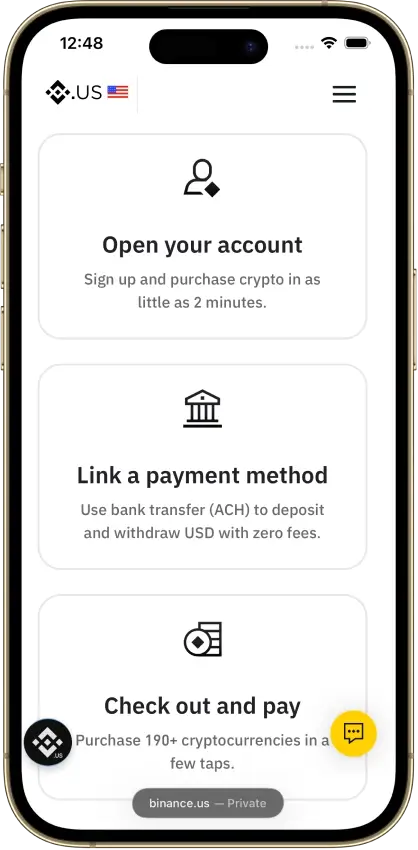
Binance.US
- Cost
- Advanced spot: maker 0%, taker 0.02%
- Assets
- 204 assets (Sep. 2026 review)
- Fiat funding
- ACH/wires/cards (eligible US)
Pros
- Free ACH once holds clear
- Optional 5% BNB fee-payment discount
- Wire funding and mobile card deposits
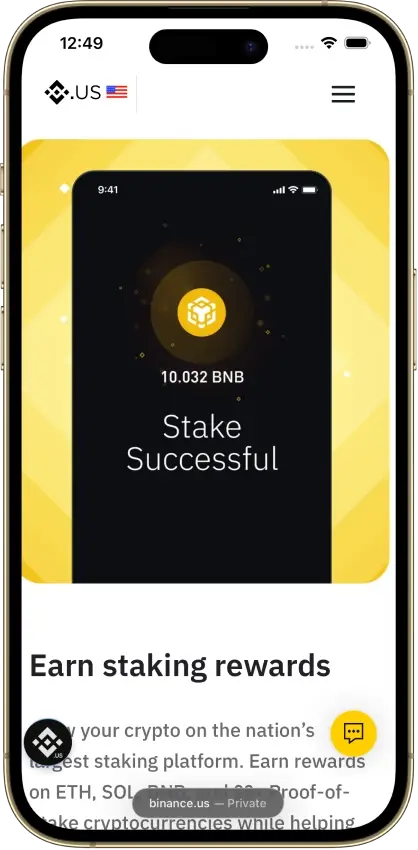
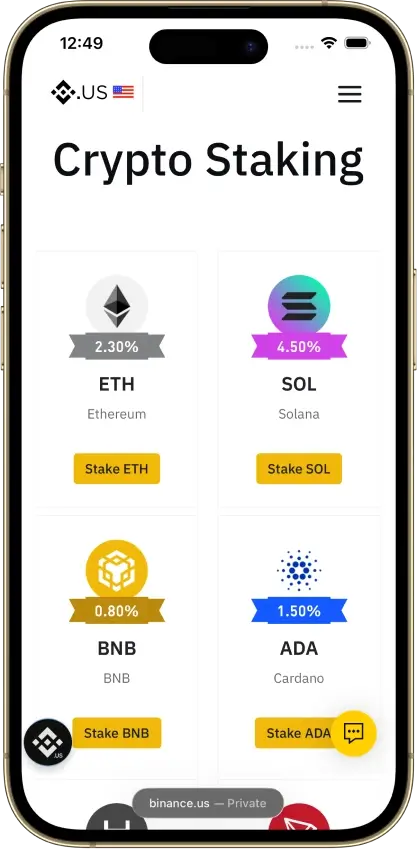
- Soft-Staking leaves balances available
- CSV and PDF transaction-history exports
Cons
- Seven-day ACH and card withdrawal holds
- No way to verify your balance in reserves
- Soft-Staking required for new accounts
Uphold
- Cost
- Quoted spread; no maker/taker
- Assets
- US crypto count not reconciled
- Fiat funding
- ACH (US); FPS (UK); SEPA (EEA)
Pros
- Free standard U.S. ACH transfers
- Flexible and Boosted staking options
- Limit, take-profit and trailing-stop orders
- Transaction-history CSV downloads
- Exact amount shown before each conversion
Cons
- BTC/ETH spreads typically exceed 2%
- Flexible Staking takes 50% of rewards
- Some ACH funds face a 65-day destination hold
- No conventional retail order book
- Self-reported reserves, no Merkle check

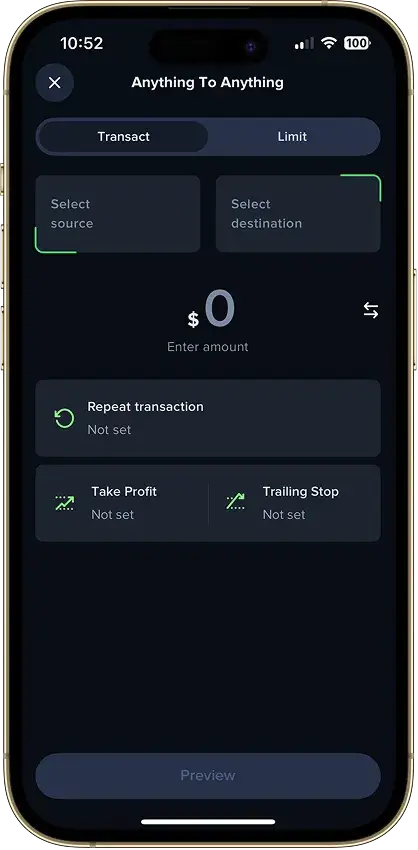
Each review needs to follow one real route from input to output. An account conversion test covers the price preview and entity, then balances and withdrawal. A wallet test starts with token identity and network. It then follows approval and routing through the minimum received, transaction status, and final asset. A general exchange verdict cannot replace this test.
How We Rank
- Security & custody 22% weight
Cold‑vs‑hot balance, key management (HSM/MPC), incident history, withdrawal controls, client‑asset segregation
- Market quality & reliability 18% weight
Order‑book depth/dispersion, spreads, uptime/SLOs, circuit‑breaker design, incident response
- Regulatory posture 12% weight
Licensing/registrations (MSB/MTL, FCA, MiCA, AUSTRAC, FSA), governance, compliance record
- Fees & pricing 12% weight
Maker/taker levels by tier, “instant buy” spread, funding/withdrawal costs, fee transparency
- Proof of reserves & transparency 8% weight
Frequency/scope of attestations, Merkle user‑verifiable liabilities, on‑chain wallet disclosures, auditor independence
- On/Off‑ramps & payments 8% weight
Breadth of fiat rails (ACH/SEPA/FPS/wire), settlement speed, geographic coverage
- Product breadth 8% weight
Spot, margin, perps/options, staking/earn, card, OTC, API availability
- UX & support 7% weight
App stability/performance, accessibility, documentation, support SLAs, incident communication
- API & pro tooling 5% weight
REST/WebSocket depth, rate limits, sandbox, SDKs, change management and monitoring
The published instant-swap rating framework frames the category-specific Instant Swap Score. CryptoSlate tests the exact conversion route, beginning with asset and network support. Custody and quote clarity follow, together with price impact and slippage protection. Fees and completion need separate evidence. Records and withdrawal close the test.
The top crypto exchange comparison covers broader account and platform selection. This page keeps the existing numerical ratings as Instant Swap Scores because it owns conversion-route decisions. Account-based exchanges and DEX interfaces remain separate from aggregators and bridges unless the same category method can compare them fairly.
What Counts as a Crypto Swap?
A crypto swap exchanges one asset for another without requiring the trader to manage separate visible buy and sell orders. The interface normally presents an input amount and output estimate before confirmation. The process underneath may be an internal exchange conversion or order-book execution. Other routes use an automated market maker, aggregator, or bridge-assisted cross-chain process.
“Instant” describes the interface or expected flow while finality follows the product's own conditions. A centralized conversion may update an internal balance quickly while later withdrawal waits. An onchain swap can remain pending until included and confirmed. A cross-chain route may require source confirmation and message validation before liquidity delivery and destination confirmation.
The product must be identified before any quote comparison because the same asset symbol can represent different token contracts or wrapped forms across networks. Receiving the wrong version on the wrong chain can turn a cheap-looking quote into an expensive recovery problem.
Centralized Convert, DEX Swap, or Cross-Chain Route?
| Route | Custody During Trade | Price and Route View | Main Added Risk |
|---|---|---|---|
| Centralized convert | Exchange account | Simple quote, often with limited route detail | Entity, custody, spread, account restriction, and withdrawal |
| Same-chain DEX swap | Wallet and smart contracts | Pool or aggregator route with minimum received | Approval, smart contract, liquidity, MEV, gas, and token risk |
| Cross-chain swap | Wallet plus bridge or liquidity network | Source, bridge, and destination legs | Validator or bridge design, wrapped asset, delay, and recovery |
| Public order book | Exchange account | Visible bids, offers, depth, and orders | More manual execution and possible extra pair conversion |
A centralized convert flow can be convenient when funds already sit in the account and the output can leave through the required network. Its spread may be embedded in the quote. A wallet-based route gives more control over custody and can expose the path. The trader must then verify contracts and approvals, followed by gas and transaction results.
A cross-chain route adds a bridge or liquidity network to the same-chain execution path. That addition introduces verification and custody assumptions, along with messaging dependencies. Ethereum.org's bridge documentation describes smart-contract and wrapped-asset risk. Counterparty and congestion exposure also vary by design.
Read the Entire Swap Quote
A useful quote shows what leaves and what should arrive. It also identifies the route and price impact or rate. Explicit charges and minimum received come next, followed by expiry and network. Save it before confirming because a refreshed quote can use a different path.
| Quote Field | Question to Answer | Failure to Avoid |
|---|---|---|
| Input asset | Which token contract and network leaves? | Sending a look-alike or wrong-network token |
| Output asset | Which exact contract or account balance arrives? | Receiving a wrapped or unsupported version |
| Route | Which pools, market makers, bridges, or internal books are used? | Trusting an unknown intermediate system |
| Price impact | How much does this size move available liquidity? | Treating a large quote like a small one |
| Slippage tolerance | How far may execution move while pending? | Overpaying or accepting too little output |
| Minimum received | What is the protected lower bound? | Confirming an estimate without protection |
| Fees | Which platform, liquidity, network, and bridge charges apply? | Comparing only one cost layer |
| Expiry and completion | When does the quote lapse and when is the route final? | Assuming submission equals settlement |
Price impact comes from the order's interaction with available liquidity, while slippage describes movement away from the quoted state during a pending transaction. The Uniswap developer documentation explains that liquidity affects price impact and that execution outside an accepted slippage range can cause the swap to fail.
Calculate an exchange convert's effective rate against a timestamped market reference and the amount received after withdrawal. An onchain route must include approval and swap gas. Add bridge and claim costs, plus any failed attempt. Compare like for like at the same size and networks.
Total Cost: Spread, Price Impact, Gas, and Bridge Fees
The cheapest advertised platform may not produce the highest final output. Cost can appear in the quoted spread, pool fee, price impact, slippage, network gas, bridge charge, protocol fee, front-end fee, currency conversion, or withdrawal.
Run the same input and desired output through candidate routes within a short time window. Record the minimum received instead of the optimistic estimate. For cross-chain comparisons, finish at the destination asset and network, not at an intermediate wrapped token.
Fixed network costs can dominate a small swap, while price impact and route depth can dominate a larger one. A route that wins at one amount may lose at another, so the comparison table needs an assessed size and capture date.
A failed onchain transaction can still consume gas because validators process work before the revert. A tight slippage tolerance can increase failures, while a loose one can permit poor execution or harmful ordering. The appropriate setting changes with the asset and network, as well as market conditions.
Custody, Wallet Approvals, and Signing
In a centralized account, the exchange controls assets during the conversion. Review the exact entity and custody terms. Then check the quote and balance credit, followed by the withdrawal network and any hold. A quick internal balance update does not prove that the output can be withdrawn immediately.
In a wallet route, a token approval can authorize a contract to transfer up to a stated amount. Read the spender and asset first. Confirm the amount and network, followed by the permission scope or expiry. Prefer the smallest practical allowance and review active permissions after the swap.
A wallet should display transaction details that explain the requested action before the holder signs it. An unclear prompt makes the interface summary insufficient. The Ethereum Foundation's clear-signing initiative highlights the risk of confirmations that people cannot meaningfully interpret.
Verify the application domain through a trusted route, then confirm the connected network and account. Fake interfaces and search ads can imitate a real protocol. Hardware wallets protect keys, but they cannot make an unsafe approval or malicious contract safe if the holder authorizes it.
Same-Chain and Cross-Chain Swaps
A same-chain swap changes tokens within one network even when the transaction calls several pools or contracts. The input and output remain on that chain. Confirm that the wallet will receive the exact output contract and retain enough native gas token for later actions.
A cross-chain route moves value or messages between networks. Designs include lock-and-mint and burn-and-mint. Liquidity networks and other verification systems provide alternatives. The destination asset may be native or bridged, including a wrapped form. Each choice carries issuer and redemption assumptions, followed by liquidity and bridge risk.
Before confirming cross-chain execution, record:
- Source and destination networks.
- Exact input, intermediate, and output token contracts.
- Bridge or verification design and provider.
- Expected time and finality condition for each leg.
- Fees and gas needed on both networks.
- Recovery procedure and transaction identifiers.
Keep enough destination gas to move or use the received token after arrival. A token without the network's native fee asset can remain temporarily unusable. A route that supplies gas may charge for the convenience or support only certain assets.
Route Quality, Liquidity, and MEV
An aggregator can compare several pools or paths while splitting an order and accounting for gas. That can improve the quote but also adds contracts and dependencies, which increase route complexity. Review the actual path instead of assuming that aggregation guarantees the best result.
Route quality depends on the input and output at the assessed size. Network and liquidity state matter too, as do transaction conditions. Direct routing can be cheaper for a small liquid pair. A split route can reduce price impact for a larger trade but use more gas. Cross-chain aggregation adds bridge selection and destination execution.
Public pending transactions can be observed and reordered under some network conditions. Harmful front-running or sandwich behavior can worsen execution. Slippage protection and private transaction routes may reduce certain risks. Limit-style instructions and deeper liquidity provide other defenses, with their own availability or trust limits.
Do not interpret a successful simulated quote as guaranteed execution. Pool state and gas can change before inclusion. So can oracle data, bridge availability, and token behavior.
Failed, Pending, and Partial Swap Routes
First determine whether the action was unsigned or signed without submission. Then check for a pending or reverted state. A cross-chain route may be complete on the source while still waiting on the destination. Do not submit a second transaction until the first state is understood.
For an account conversion, save the quote identifier and account ledger. Add the status message and support case. For an onchain transaction, save the hash and network with the block explorer result. Keep the route identifier and any bridge or destination hash too.
A reverted same-chain swap usually leaves the original tokens in the wallet but can consume gas. Cross-chain recovery depends on the specific bridge and stage. Never trust a person who contacts the trader first and asks for a seed phrase, private key, or additional recovery transfer.
Regional Access and Token Availability
Centralized product access depends on the serving entity and residence. Account class and asset rules can narrow it further. A convert feature can support one token pair globally but omit it locally or permit conversion without withdrawal on a desired network.
Wallet interfaces can also restrict access by location, while the underlying smart contracts may have separate technical availability. Interface access does not settle the legal question. Traders remain responsible for local rules and token status, along with tax treatment.
Confirm both sides of the route. A token can be tradable but not depositable or withdrawable on the required chain. A bridge can deliver an asset that a later exchange does not accept. Check destination support before sending, not after.
How to Test a Crypto Swap in Six Steps
- Write down the exact input asset, output asset, source network, and destination network.
- Verify the account entity or application domain, token contracts, wallet, and network.
- Capture the quote, route, minimum received, expiry, and all visible costs.
- Review every approval and transaction signature before confirming.
- Start with a small amount and monitor each status to final completion.
- Reconcile the amount received, gas, fees, records, and withdrawal or wallet control.
A small test proves only that one route worked at that time and size. Repeat the quote comparison for a materially larger amount because price impact and routing can change, as can bridge selection.
Crypto swaps can result in complete loss through price movement and malicious tokens. Unsafe approvals and smart-contract failures add more risk, as do bridges and account restrictions. Choosing a network the receiving address or service does not support can make the funds unrecoverable. Verify every asset and contract, followed by the entity and route. Begin with a small test and risk only funds you can afford to lose.