The best crypto exchanges for beginners make funding and the first purchase understandable. They also explain how to withdraw cash or send crypto to a wallet. A simple purchase screen is useful only when the price and fee are clear before confirmation, along with any hold or network choice. This page shows how to test ease of use, account safety, and cost with a small amount.
Top Crypto Exchanges for Beginners
- Cost
- US Adv 0.5%/0.9% maker/taker
- Assets
- 270–315 crypto
- Fiat funding
- ACH/wire (US); others vary
- 24/7 live phone support for every customer
- Simple Buy and Advanced share one balance
- Pass-through FDIC cover on USD cash
- Cost
- AT spot 0.6%/1.2% maker/taker
- Assets
- 99 crypto
- Fiat funding
- ACH/wire/PayPal (US)
- Audited financials and SOC examinations
- Every state plus D.C. and Puerto Rico
- No-fee credit card that pays back in crypto
- Cost
- Pro spot 0.4%/0.8% maker/taker
- Assets
- 600+ crypto
- Fiat funding
- ACH (US); SEPA (EEA); FPS (UK)
- Check your own balance in its reserve proof
- No breach has cost clients their funds
- Kraken+ waives buy fees on $10,000 a month
- Cost
- Spot 0.25%/0.5% maker/taker
- Assets
- 422 spot assets
- Fiat funding
- ACH (US); SEPA (EEA); cards
- DCA and Grid bots for U.S. spot traders
- Mandatory whitelist for withdrawal addresses
- Discretionary $250,000 cover for unauthorized use
- Cost
- Pro spot 0.3%/0.4% maker/taker
- Assets
- 107 crypto
- Fiat funding
- ACH (US); SEPA (EEA); wires
- 50+ licenses, including a New York BitLicense
- HTTP, WebSocket, FIX and PSD2 banking APIs
- USD, EUR, GBP and SGD order books
- Cost
- Spot usual: maker/taker 0.10%
- Assets
- 330+ listed
- Fiat funding
- SEPA (eligible EEA); cards
- Advanced trading with deep tooling
- Strong security and reserve signals
- Broad fiat and product ecosystem
- Cost
- Quoted spread; no maker/taker
- Assets
- US count not confirmed
- Fiat funding
- ACH (US); FPS (UK); SEPA (EEA)
- Direct conversions between supported assets
- Vault multisig gives you two of three keys
- Metals trade beside crypto in one app
- Cost
- Buy/convert: quoted rate
- Assets
- 97 crypto
- Fiat funding
- SEPA/wire (eligible regions)
- Borrow without selling; Turbocharge liquidity
- Earn passive returns with flexible access
- MultiHODL and Turbocharge in one account
- Cost
- US spot: 0.2% M / 0.35% T
- Assets
- US asset count not disclosed
- Fiat funding
- ACH/wire/debit (eligible US)
- USDG holding rewards without a lockup
- Bitcoin staking through Babylon, paid in BABY
- Hold assets, not just trade, to reach VIP fees
- Cost
- Spot 0%/0.02% maker/taker
- Assets
- 204 assets
- Fiat funding
- ACH/wires/cards (eligible US)
- One of the lowest entry spot fees we review
- Iceberg, OCO and post-only orders on web
- No paid membership needed for its rates
CryptoSlate may earn a commission when you visit partner sites through links on this page, at no extra cost to you. Our rankings and reviews remain editorially independent and based on our published methodology. Read disclosure
Disclaimer: CryptoSlate may receive a commission when you click links on our site and make a purchase or complete an action with a third party. This does not influence our editorial independence, reviews, or ratings, and we always aim to provide accurate, transparent information to our readers.The leading rows pair a simple-buy path with access to an order-book market. Accounts farther down the list include conversion-led and crypto-finance services whose workflows differ from a conventional spot exchange.
Start with the account type and transaction you need. Product tags cannot establish that a platform will be easy to fund and use. A workable exit needs its own test.
Comparison Table
| Name | Custody | Products | Staking | Trading fees (low) | Trading fees (high) |
|---|---|---|---|---|---|
 Coinbase Coinbase | 270 | Spot, Futures or Perps, OTC, Simple-buy Broker | Yes | 0.00 | 0.90 |
 Gemini Gemini | 99 | Spot, Margin, Futures or Perps, OTC, Simple-buy Broker | Yes | 0.00 | 1.20 |
 Kraken Kraken | 600 | Spot, Margin, Futures or Perps, OTC, Simple-buy Broker | Yes | 0.00 | 0.80 |
 Crypto.com Crypto.com | 422 | Spot, Margin, Futures or Perps, Options, OTC, Simple-buy Broker | Yes | 0.00 | 0.50 |
 Bitstamp Bitstamp | 107 | Spot, Futures or Perps, OTC | Yes | 0.00 | 0.40 |
 WhiteBIT WhiteBIT | 330 | Spot, Margin, Futures or Perps, OTC | Yes | — | 0.1 |
 Uphold Uphold | — | Simple-buy Broker | Yes | — | — |
 YouHodler YouHodler | 97 | Spot, Simple-buy Broker | Yes | — | — |
 OKX.us OKX.us | — | Spot, Simple-buy Broker | Yes | 0 | 0.35 |
 Binance.US Binance.US | 204 | Spot, OTC, Simple-buy Broker | Yes | 0 | 0.02 |
The fee columns show order-book rates and exclude instant-quote markups or card charges. Network fees and bank cash-out costs sit elsewhere. Asset and product counts also say little about supported withdrawal networks or the clarity of an order preview. The useful comparison is the complete route at the amount and payment method you plan to use.
Crypto Exchanges for Beginners Reviews
Coinbase
- Cost
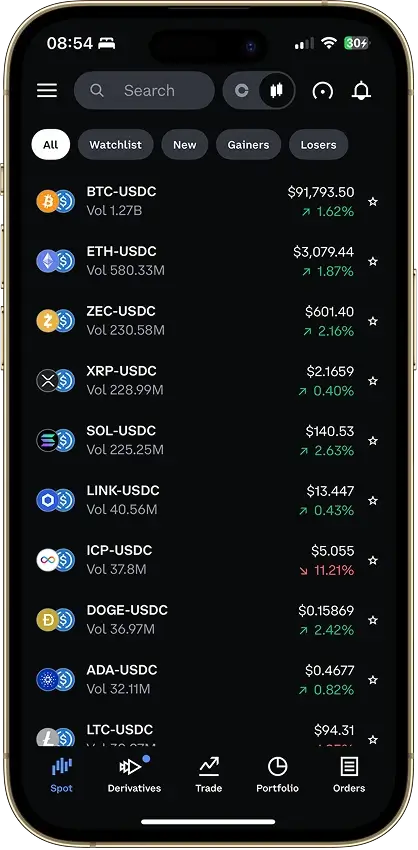
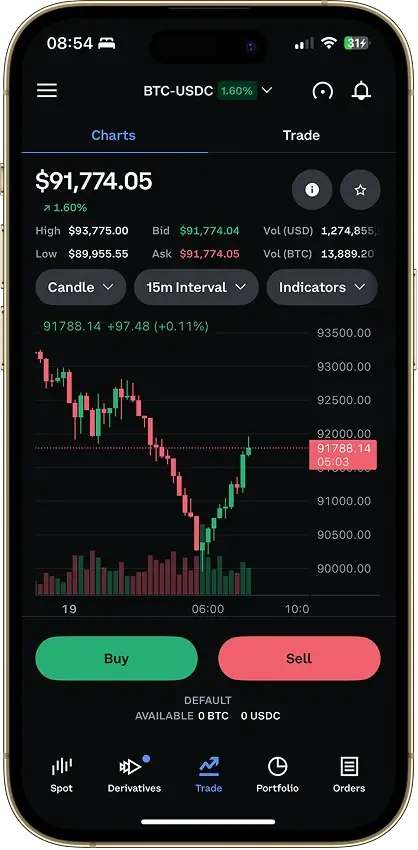
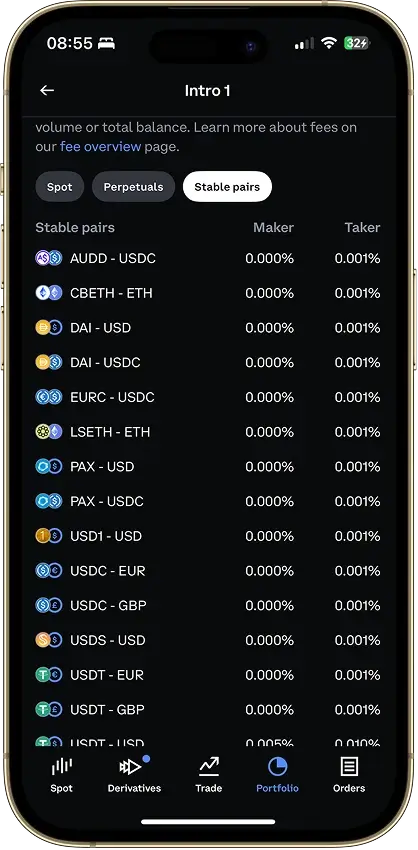
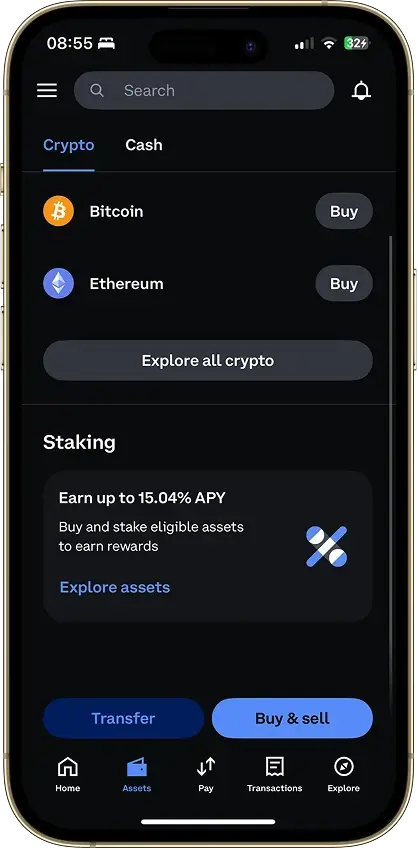
- US Adv 0.5%/0.9% maker/taker
- Assets
- 270–315 crypto
- Fiat funding
- ACH/wire (US); others vary
Pros
- Free U.S. ACH deposits and withdrawals
- SEC filings and annual financial audits
- Spot trading in every U.S. state
- Passkeys, hardware keys and allowlisting
- U.S. futures and perpetual-style contracts
Cons
- Small Simple Buy orders cost up to 3.5%
- No user-verifiable Merkle inclusion
- 35% commission on staking rewards

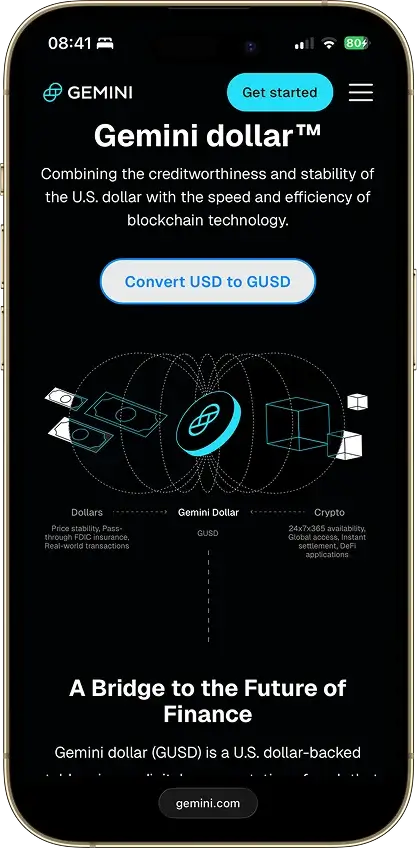
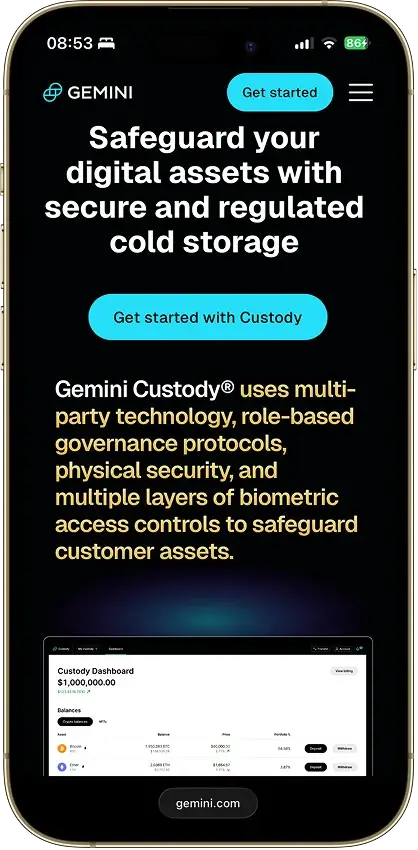
Gemini
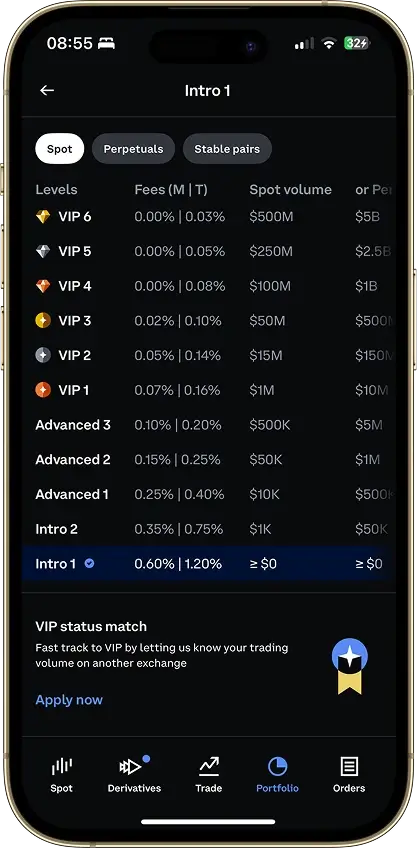
- Cost
- AT spot 0.6%/1.2% maker/taker
- Assets
- 99 crypto
- Fiat funding
- ACH/wire/PayPal (US)
Pros
- Free ACH, up to $100,000 a day out
- REST and WebSocket plus FIX access
- TradingView charts in ActiveTrader
- RLUSD/USD and GUSD/USD trade fee-free
- ETH, SOL and MON staking with monthly rewards
Cons
- 1.20% taker fee at the ActiveTrader entry tier
- No user-verifiable Merkle reserve proof
- Exchange support relies on form and email
- Card and Apple Pay buys cost 3.49%

Kraken
- Cost
- Pro spot 0.4%/0.8% maker/taker
- Assets
- 600+ crypto
- Fiat funding
- ACH (US); SEPA (EEA); FPS (UK)
Pros
- Free U.S. ACH withdrawals
- Sixteen U.S. perpetual contracts after checks
- REST, WebSocket, FIX, and futures APIs
- FIDO2 passkeys and Global Settings Lock
- Advanced orders from TWAP to iceberg
Cons
- 0.40% maker, 0.80% taker at entry on Pro
- Seven-day hold on Plaid ACH amounts
- Simple buys add 1% to 1.5% plus spread

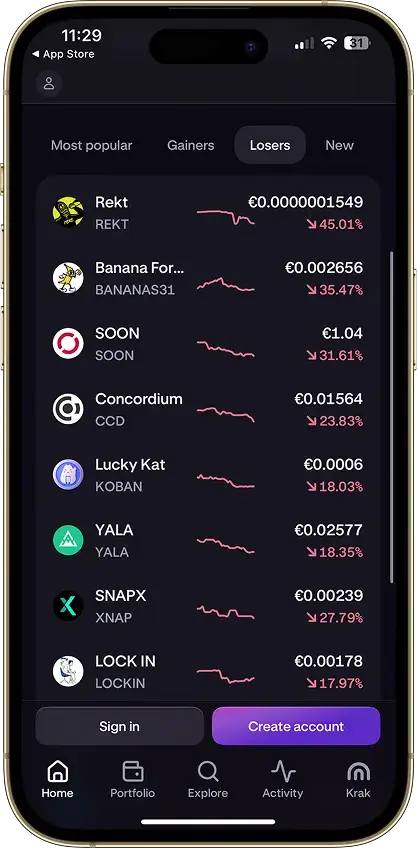
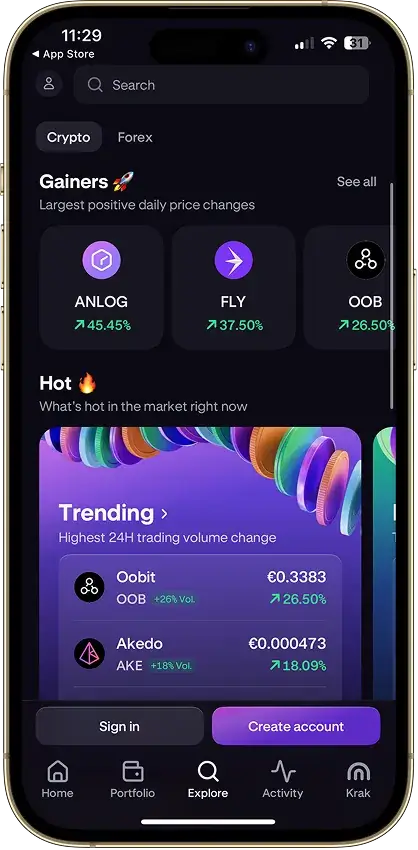
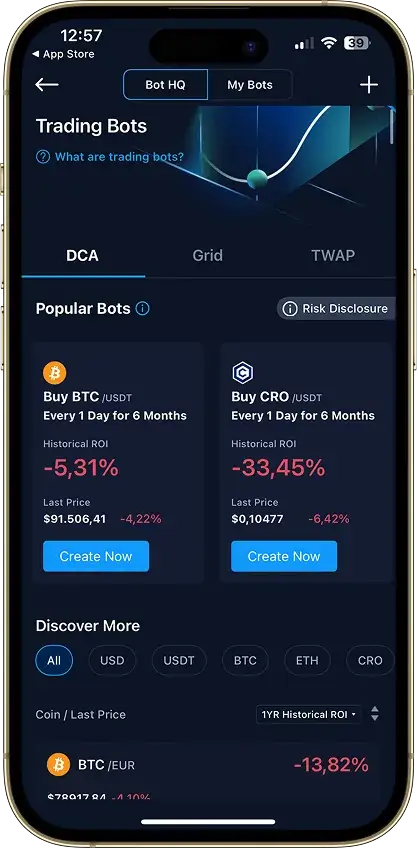
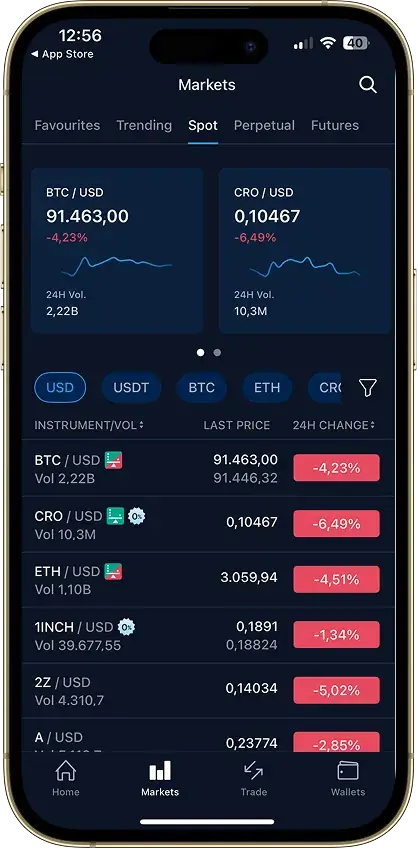
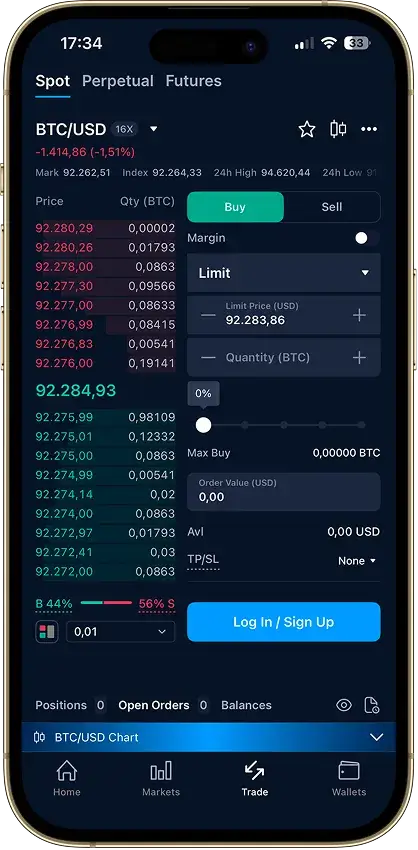
Crypto.com
- Cost
- Spot 0.25%/0.5% maker/taker
- Assets
- 422 spot assets
- Fiat funding
- ACH (US); SEPA (EEA); cards
Pros
- 400+ spot coins on the global Exchange
- 0.25% / 0.50% entry spot fees
- CRO balance can cut maker fees to 0%
- U.S. ACH and Fedwire funding where available
- Passkeys, FIDO2 and an anti-phishing code
Cons
- Reserve attestation dates to 2022
- Seven-business-day hold on Instant ACH
- No open retail API sandbox

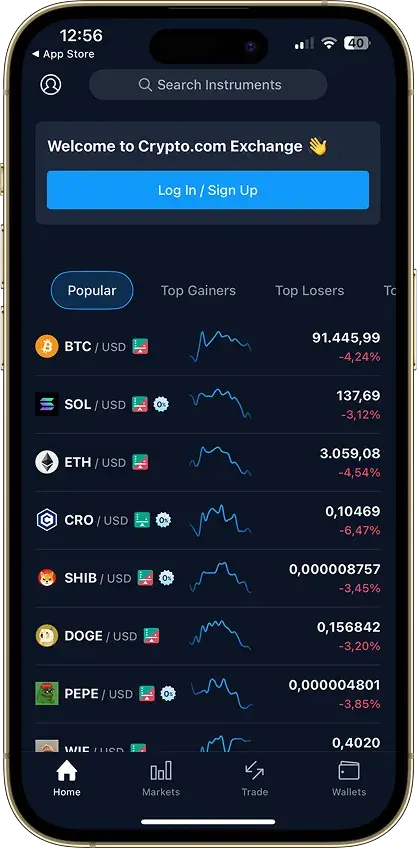

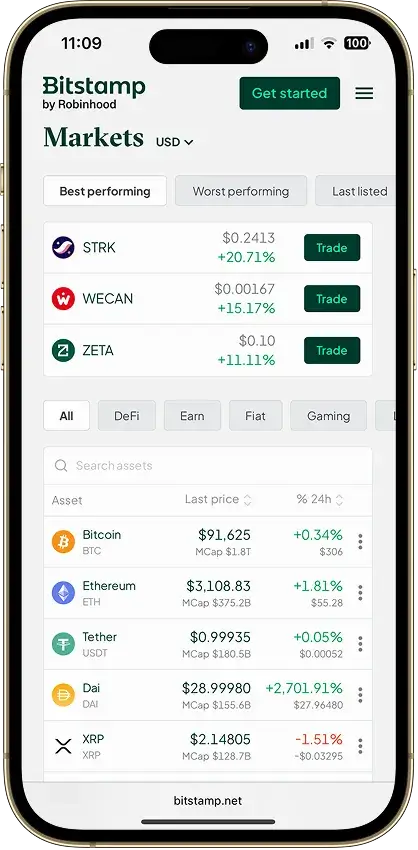
Bitstamp
- Cost
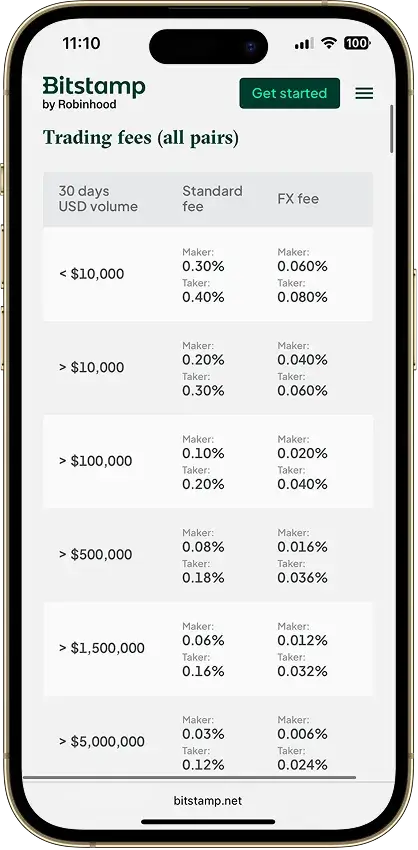
- Pro spot 0.3%/0.4% maker/taker
- Assets
- 107 crypto
- Fiat funding
- ACH (US); SEPA (EEA); wires
Pros
- Free ACH withdrawals, flat €3 SEPA cash-outs
- Fees to 0.00%/0.03%, FastPass from 0.01%
- Per-asset networks shown before login
- 95% cold storage with BitGo custody
- Tradeview charting on desktop
Cons
- No public proof-of-reserves page
- Slow support when accounts get restricted
- Instant Purchase costs 4% vs order-book path


WhiteBIT
- Cost
- Spot usual: maker/taker 0.10%
- Assets
- 330+ listed
- Fiat funding
- SEPA (eligible EEA); cards
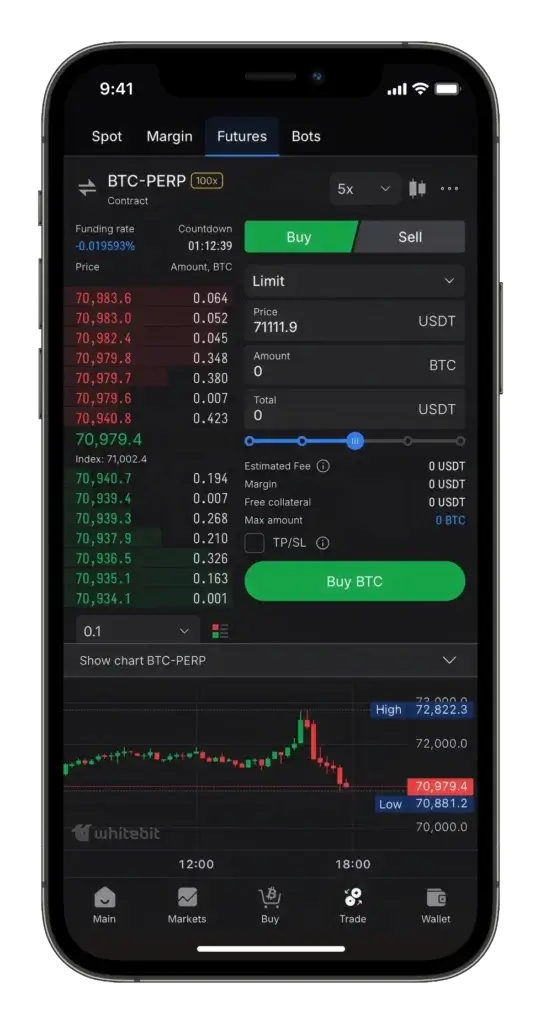
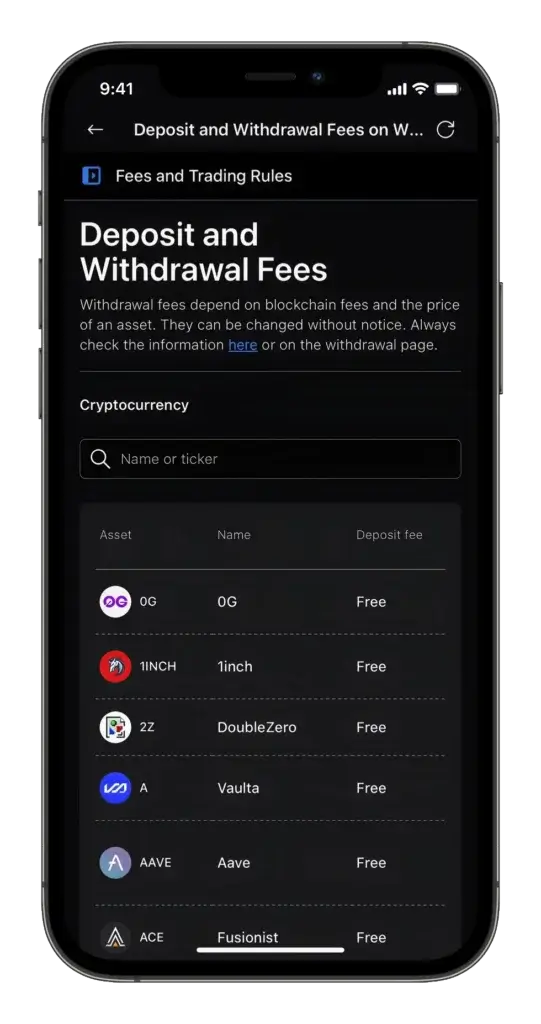
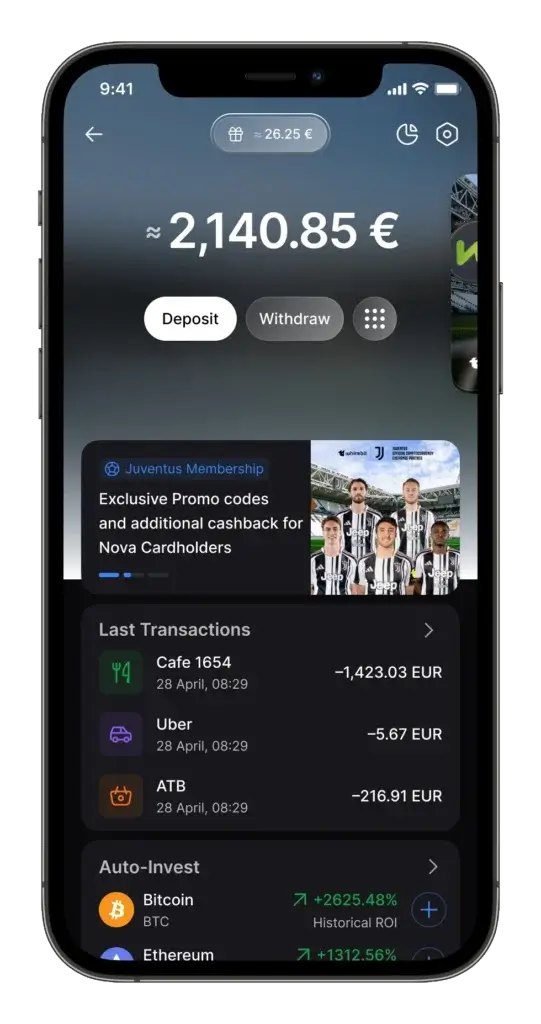
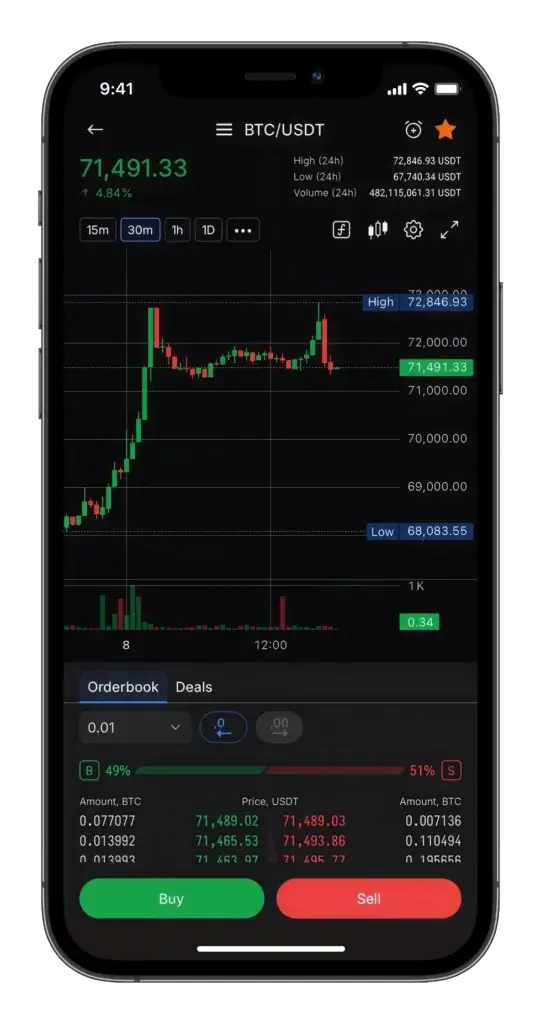
Pros
- AAA security, No. 3 on CER.live, zero hacks
- Earn yields up to 22.1% with WBT benefits
- Advanced tools, APIs, and sub-accounts
- Nine fiat currencies and flexible payment rails
- WBT perks and utility across Whitechain
Cons
- Licensing details are difficult to verify
- PoR is a snapshot, not a full financial audit
- Limited public uptime and liquidity data
- Complex regional and product restrictions
Uphold
- Cost
- Quoted spread; no maker/taker
- Assets
- US count not confirmed
- Fiat funding
- ACH (US); FPS (UK); SEPA (EEA)
Pros
- Free standard U.S. ACH transfers
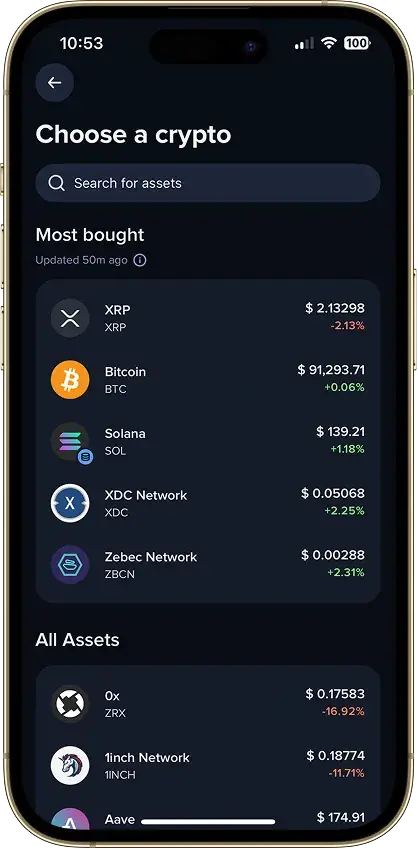
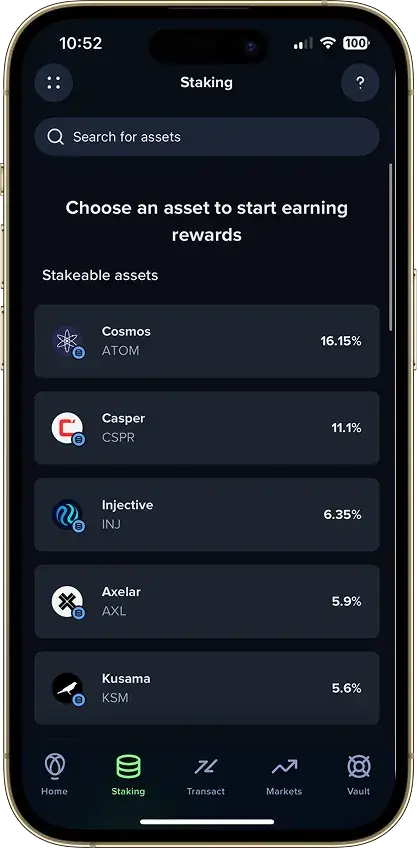
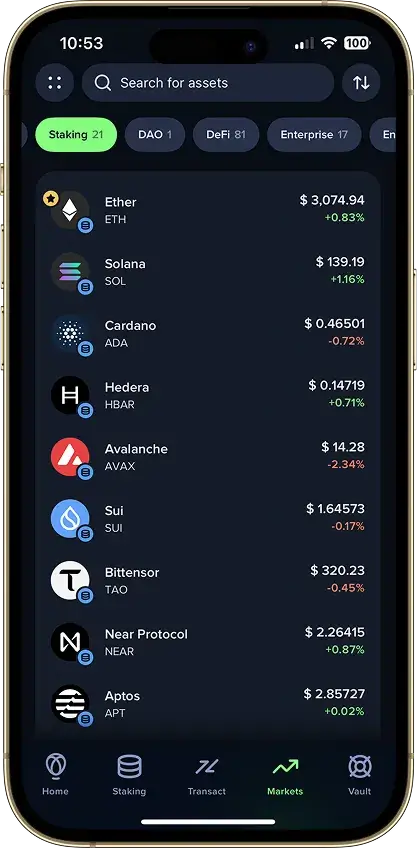
- Flexible and Boosted staking options
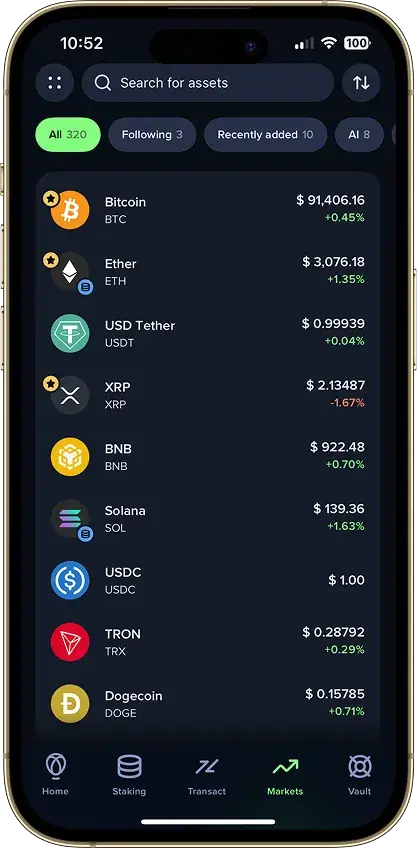
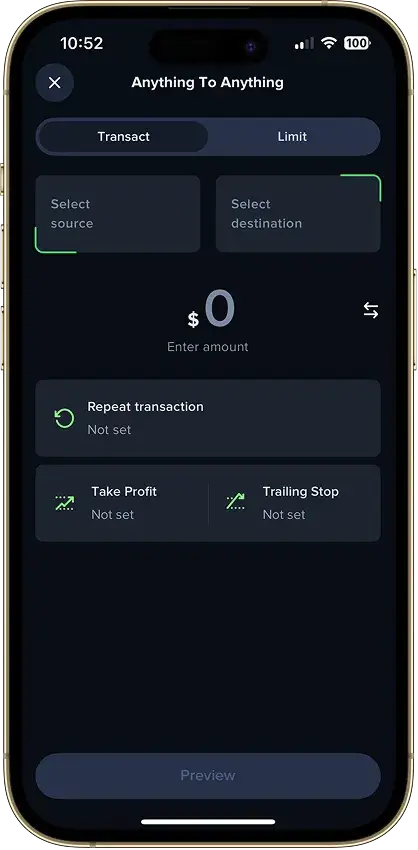
- Limit, take-profit and trailing-stop orders
- Transaction-history CSV downloads
- Exact amount shown before each conversion
Cons
- BTC/ETH spreads typically exceed 2%
- Flexible Staking takes 50% of rewards
- Some ACH funds face a 65-day destination hold
- No conventional retail order book
- Self-reported reserves, no Merkle check

YouHodler
- Cost
- Buy/convert: quoted rate
- Assets
- 97 crypto
- Fiat funding
- SEPA/wire (eligible regions)
Pros
- Ledger Vault custody and pooled insurance
- Clear fee and limit tables for fiat rails
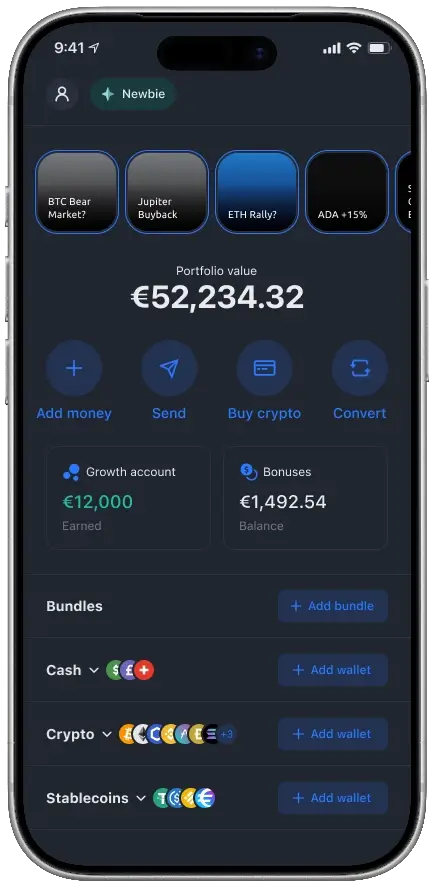
- Simple Buy/Sell/Convert with fee previews
- Multiple transfer networks available by asset
Cons
- No proof of reserves or attestations
- Not designed for order-book trading
- Restrictions vary by region and product
- Some currencies and methods carry higher fees
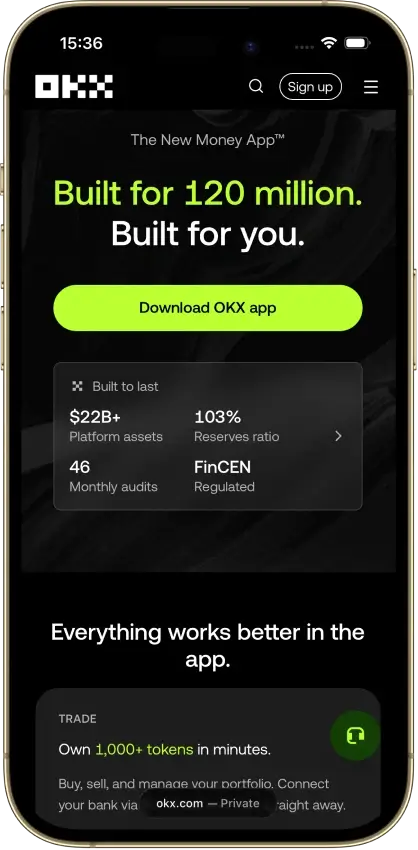
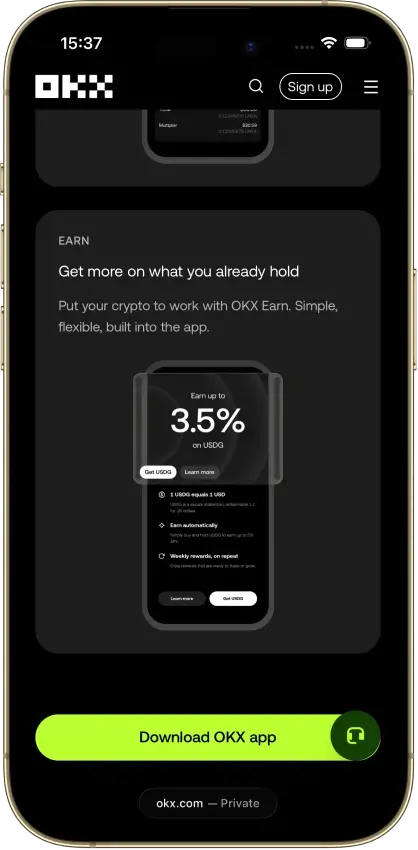
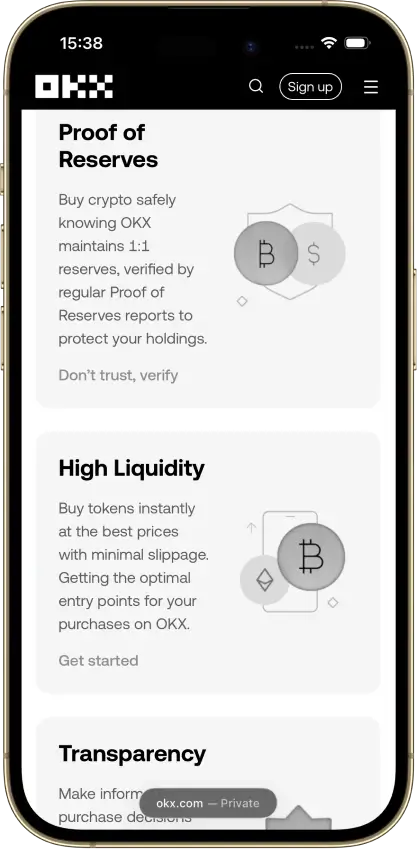
OKX.us
- Cost
- US spot: 0.2% M / 0.35% T
- Assets
- US asset count not disclosed
- Fiat funding
- ACH/wire/debit (eligible US)
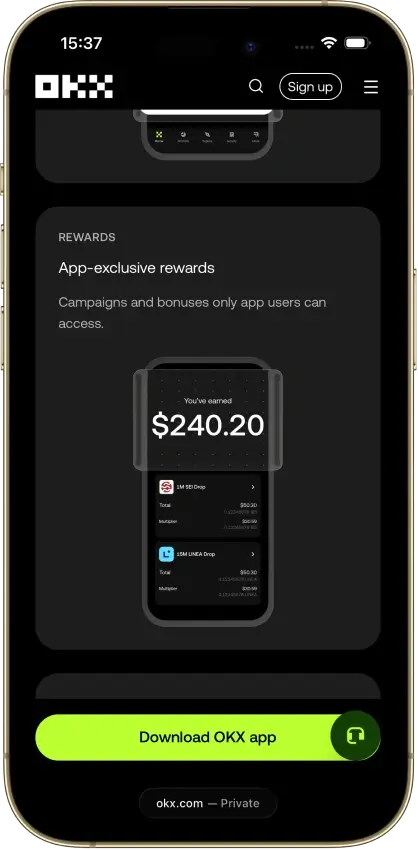
Pros
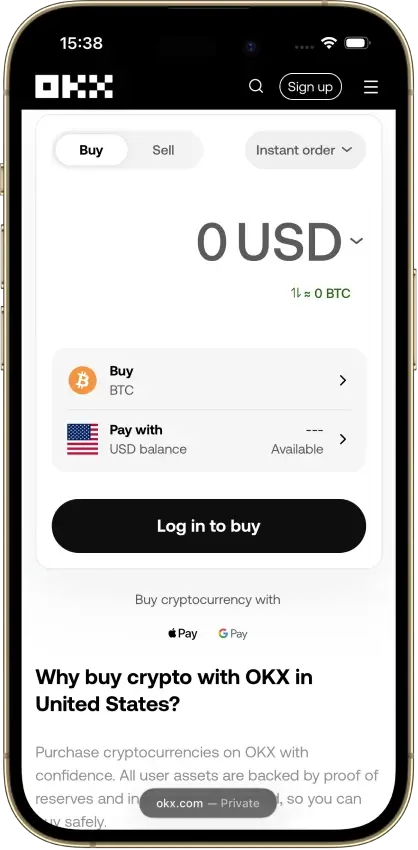
- Dollar funding by ACH or domestic wire
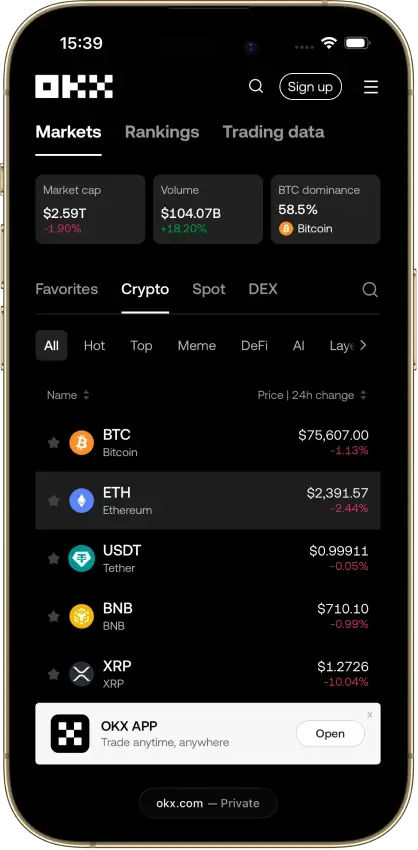
- REST and WebSocket trading connections
- Zero-fee USDC-USDT and PYUSD-USDT pairs
- Same-account buy, sell, and Convert
- Limit orders on a full spot order book
Cons
- ACH-funded buys can't be withdrawn right away
- No private insurance for crypto holdings
- Up to 1% spread on simple buys
- $30 fee on domestic wire withdrawals
Binance.US
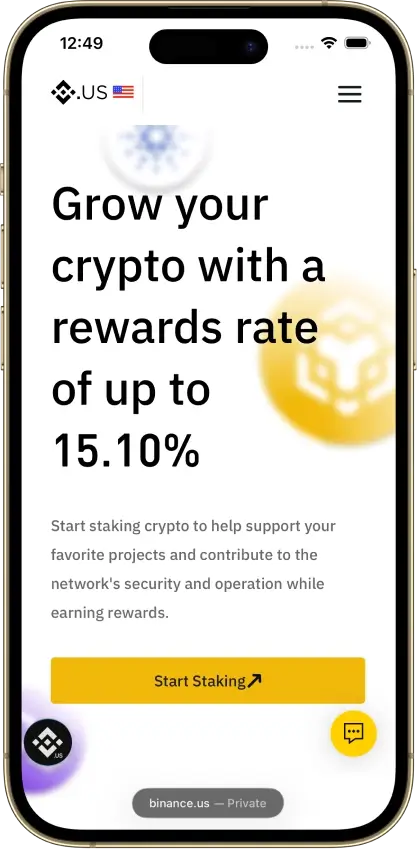
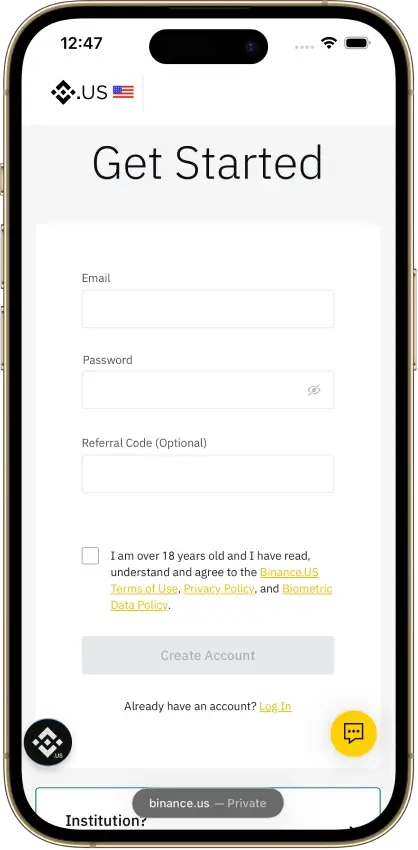
- Cost
- Spot 0%/0.02% maker/taker
- Assets
- 204 assets
- Fiat funding
- ACH/wires/cards (eligible US)
Pros
- Free ACH once holds clear
- Optional 5% BNB fee-payment discount
- Wire funding and mobile card deposits
- Soft-Staking leaves balances available
- CSV and PDF transaction-history exports
Cons
- Seven-day ACH and card withdrawal holds
- No way to verify your balance in reserves
- Soft-Staking required for new accounts
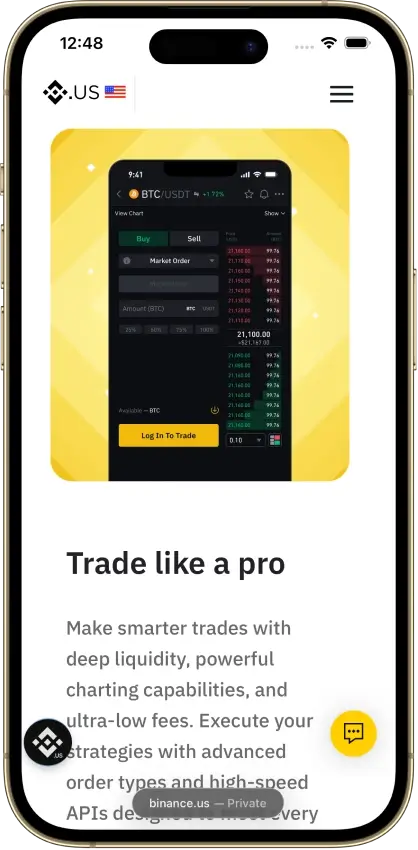
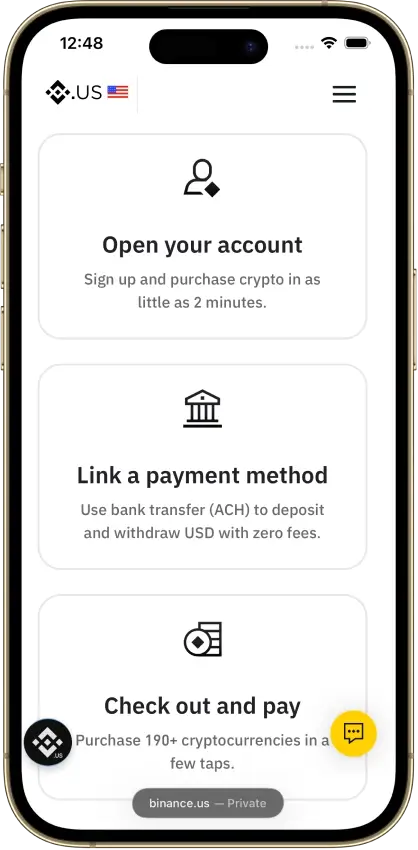
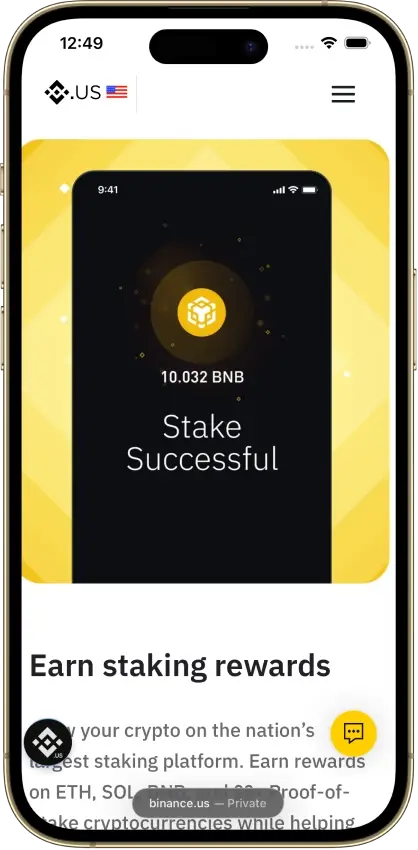
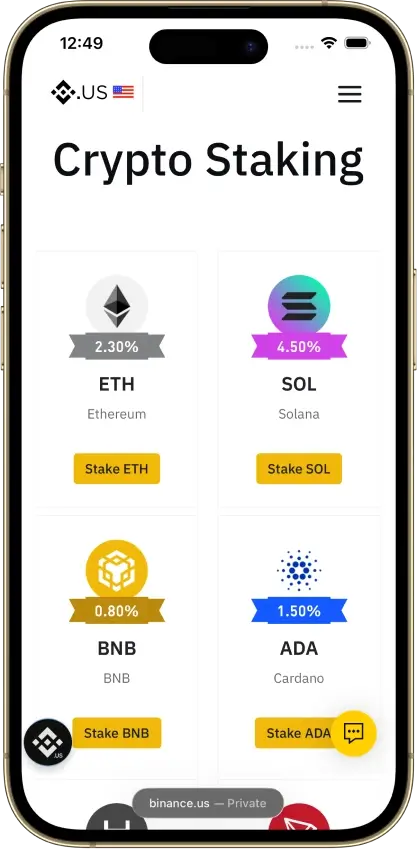
The review cards combine beginner fit with platform-wide facts. Use them to identify candidates, then check the exact account and interface available in your location. Test the funding method and withdrawal path separately. App design says little about custody or pricing, while a low order-book rate does not prove either one.
How We Rank
- Security & custody 22% weight
Cold‑vs‑hot balance, key management (HSM/MPC), incident history, withdrawal controls, client‑asset segregation
- Market quality & reliability 18% weight
Order‑book depth/dispersion, spreads, uptime/SLOs, circuit‑breaker design, incident response
- Regulatory posture 12% weight
Licensing/registrations (MSB/MTL, FCA, MiCA, AUSTRAC, FSA), governance, compliance record
- Fees & pricing 12% weight
Maker/taker levels by tier, “instant buy” spread, funding/withdrawal costs, fee transparency
- Proof of reserves & transparency 8% weight
Frequency/scope of attestations, Merkle user‑verifiable liabilities, on‑chain wallet disclosures, auditor independence
- On/Off‑ramps & payments 8% weight
Breadth of fiat rails (ACH/SEPA/FPS/wire), settlement speed, geographic coverage
- Product breadth 8% weight
Spot, margin, perps/options, staking/earn, card, OTC, API availability
- UX & support 7% weight
App stability/performance, accessibility, documentation, support SLAs, incident communication
- API & pro tooling 5% weight
REST/WebSocket depth, rate limits, sandbox, SDKs, change management and monitoring
Treat the Beginner Score as a shortlist signal. A higher score means the account performed better across the published checks that matter during setup, purchase, and withdrawal. It does not promise the lowest quote or establish that every payment method is available in the reader's location.
The evidence process behind each score explains how the ratings are assembled. The beginner assessment starts with questions that apply to every exchange account, then looks more closely at what a new customer sees before committing money. The clearest accounts disclose verification requirements, the final purchase amount, funding restrictions, and the route back out.
Do not treat a small difference between two scores as a reason to ignore account fit. Remove any candidate that lacks the required bank route, withdrawal network, or basic security setting. For the accounts that remain, compare the quote screen and complete one small withdrawal. Those direct checks are more useful than choosing the highest number without testing the intended transaction.
What Makes a Crypto Exchange Beginner-Friendly?
A beginner-friendly exchange explains the next decision on the screen where it is made. The reader should not need to search a help center to learn that verification is incomplete, a deposit is still on hold, or a selected network is unavailable.
The Next Action Is Visible
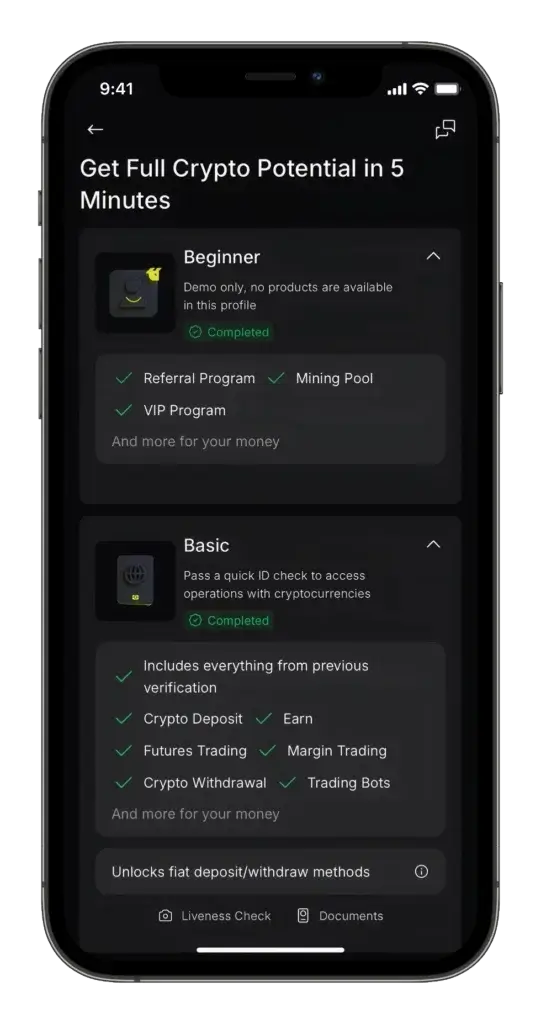
The signup area should list the documents and account details required for the customer's location. After approval, the main navigation should keep deposit, buy, sell, and withdraw actions easy to distinguish. Status messages need to say what is pending and what the customer can do next.
An interface can feel simple because it hides choices that later become necessary. Before opening an account, confirm that the visible route matches the intended task, whether that is returning money to a bank or sending an asset to a wallet.
The Quote Explains Itself
The final preview should show the money charged and the crypto received. It should identify any separate fee and keep the quote visible long enough to review. If the exchange also has an order book, the account should make clear that its trading fee is not the same thing as the price built into a simple-buy quote.
Convenience matters, but it should not prevent a customer from understanding the result. A confirmation button is not useful when the amount received, payment charge, or temporary hold appears only afterward.
Money Status Is Unambiguous
An account balance may be available to trade before it is available to withdraw. A useful status label distinguishes those states and gives the expected next update. The cash-out screen should show the eligible bank route, minimum amount, and any stated fee before a request is submitted.
For a crypto transfer, the asset and network should appear as separate choices. The screen should flag a memo or tag requirement before the address is accepted. It should also show the withdrawal minimum and the amount expected to leave the account.
Help Comes From a Verifiable Place
New customers are common targets for fake support accounts and search ads. The exchange should provide an authenticated support route inside the account and explain how official messages are delivered. Recovery instructions should be available before the customer loses access, including what happens after a phone or security key is replaced.
Advanced Products Are Clearly Separated
Spot purchases and recurring buys involve different pricing. Staking has its own custody and withdrawal terms, while margin and contract products introduce borrowed exposure or settlement rules. A beginner interface should not blur them into one menu.
The order confirmation needs to state when the customer buys an asset. It should identify a contract or collateralized position on the same screen.
A path from simple buy to an order book can be useful once the customer understands market and limit orders. Access to borrowed exposure is not a beginner benefit by itself. Product limits and availability also vary by location, so the signed-in account is a better check than a global feature page.
Readers considering a paid evaluation rather than a beginner exchange account should check prop firms for beginners for entry fees, drawdown rules, and payout conditions.
How to Choose a Crypto Exchange as a Beginner
A first purchase funded by bank transfer has different requirements from an order sent immediately to a private wallet. Choose the main task before comparing interfaces or product counts.
| If You Want To | Look For | Reject the Account If |
|---|---|---|
| Make an occasional purchase | A readable quote and a direct exit | The fee or amount received is hidden until confirmation |
| Set up recurring purchases | Schedule, pause, and cancellation controls | The recurring quote method is unexplained |
| Learn limit orders | A basic order form with persistent order status | Pair, order type, or cancellation state is unclear |
| Send crypto to a wallet | A network-specific withdrawal preview | The destination network or expected amount cannot be confirmed |
| Return money to a bank | A supported cash balance and bank withdrawal | The account accepts payment but offers no usable cash-out route |
Then inspect the signed-in account before adding a meaningful balance. Confirm that the required funding method appears, the intended asset can be withdrawn through the correct network, and the account offers a support route that does not depend on social media. Product labels on a public page cannot answer those account-specific questions.
Crypto Exchange Fees Beginners Should Check
The easiest way to understand cost is to preview the same purchase in the interfaces the account actually offers. Do this while the market is stable enough to read both screens. A fee page helps explain the rules, but it cannot show the final quote for a specific payment method and amount.
Start on the simple-buy screen. Enter the amount of cash you intend to spend without confirming the order. Record the crypto amount shown and any separate charge. If the quote expires, refresh it and note the new time rather than comparing values captured at different moments.
Next, open the spot order form for the same asset and amount. Check whether the order uses a market or limit price and identify the trading fee shown for the account. A market preview can change before execution, while a limit order may remain open. The two interfaces therefore need to be compared as different purchase methods, not as guaranteed final prices.
Return to the payment selector and switch between the bank and card methods you could realistically use. Watch whether the amount received changes or a new charge appears. Finally, open the relevant cash or crypto withdrawal screen and note the minimum, fee, and expected amount. The useful result is what reaches the intended destination, not the lowest percentage advertised at the start.
Beginner-Friendly Does Not Mean Safe
Ease of use describes the interface, not the financial condition of the company holding the account. For a first account, set a unique password and protect the recovery email. Use a passkey or security key when available, with an authenticator app as the next practical option. CISA's authentication guidance explains why phishing-resistant methods provide more protection than codes that can be relayed.
Review active sessions and turn on withdrawal protection before depositing. Save recovery codes away from the device used to sign in. Learn where the account reports a lost device, unfamiliar login, or withdrawal that you did not request.
These steps reduce account-takeover risk, but they do not establish how customer assets are held or whether the company can meet its obligations. Our deeper exchange-safety review covers custody terms, reserves and liabilities, legal entities, operational history, and withdrawal controls. Treat those as a separate decision from whether the app feels easy to use.
How to Make a First Crypto Purchase and Withdrawal
Use the live screens as a checklist and stop whenever the next state is unclear.
- Complete identity checks. Confirm that the account shows the funding method and product you intend to use.
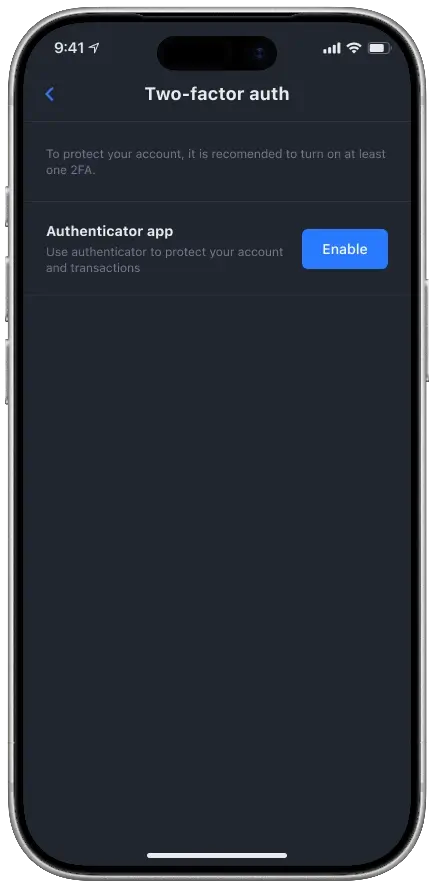
- Open the security settings before depositing. Add the best authentication option you can maintain and store the recovery material.
- Enter a small deposit. Read the confirmation for its charge and expected arrival. Note any period during which the balance cannot leave.
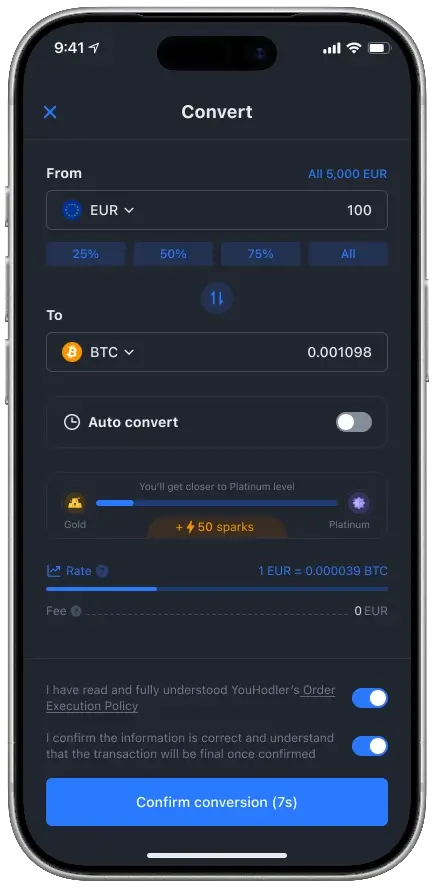
- Review the final purchase preview. Confirm the cash amount and crypto amount, followed by the fee and order type.
- Compare the completed transaction with the preview. Save its price, quantity, timestamp, transaction identifier, and separate fee.
- Complete the intended exit. Withdraw a small cash amount to the selected bank, or use the exact network supported by the receiving wallet for a test transfer. Confirm receipt, then export the account activity and find the authenticated support route.
This is a screen-reading exercise, not a race to complete signup. A clear account should let a new customer explain what happened at every step. If the receipt differs from the preview or the withdrawal status has no useful explanation, resolve it before adding more money.
Common Mistakes New Crypto Buyers Can Avoid
Funding Before the Limits Are Clear
A completed signup is not the same as an unrestricted account. Finish the requested checks and read the funding limit before sending money. Confirm separately when the deposit can be traded and when it can leave.
Choosing Speed Before Reading the Quote
A fast card purchase may use a different price from a bank-funded order. Compare the crypto amount received on each preview and watch for a payment-provider charge outside the trading fee. Convenience can be worthwhile, but the screen should make its cost visible.
Matching the Asset but Not the Network
The same asset can exist on several networks. Match the network on the exchange and receiving wallet, then verify the address format and any memo or tag. The wallet-selection questions for new holders explain the different wallet types. Whichever type you use, a correct address does not repair an incompatible network choice.
Trusting an Unsolicited Support Message
Search results and social networks can surface convincing impersonators. Open support from the signed-in account or a saved official address. Do not disclose a password, authentication code, or recovery phrase to someone claiming they can release a transfer.
Opening an Advanced Product by Mistake
Spot purchases, staking products, and leveraged contracts can appear in the same app. Read the confirmation to identify what is being bought and whether collateral, borrowing, lockups, or settlement rules apply. The CFTC's virtual-currency risk advisory also warns about volatility, cyber risk, manipulation, and guaranteed-strategy claims.
When to Move Beyond Simple Buy
Simple-buy tools reduce the number of controls on screen, which can be useful for an occasional purchase. Move to an order book when you want to set a maximum buying price or understand the trading fee separately from the quote.
An order book becomes useful when price control and explicit trading fees matter. Start by placing and canceling a small limit order. Then inspect how a partial fill affects the remaining quantity and fee before attempting more complex order types.
Recurring purchases become useful when the schedule is more important than manual timing. Before enabling one, find the pause control and read how each execution is priced. Check what happens after a failed payment and make sure every purchase appears in the account export.
FAQ
Which crypto exchange is best for beginners?
What makes a crypto exchange easy to use?
Is a beginner-friendly crypto exchange safer?
What crypto exchange fees should beginners check?
Do beginner crypto exchanges require identity verification?
Should a beginner use simple buy or an order book?
Should beginners keep crypto on an exchange?
How much should a beginner deposit first?
Risk warning: Crypto assets can lose value quickly, and withdrawals can be irreversible. This page is informational and does not provide investment, legal, or tax advice. Check availability and terms for your location. Use an amount you can afford to lose, then test the complete funding and withdrawal route before increasing it.