An OTC crypto desk can reduce the visible market impact of a large order, but a private quote is not automatically a better price. The useful comparison starts with eligibility and the exact legal counterparty. It then checks quote validity, settlement, and the total amount delivered. This page shows how to test those points before moving a large balance.
Top OTC Crypto Exchanges
- Cost
- Pro spot base: maker 0.25%, taker 0.40%
- Assets
- 643 crypto (review)
- Fiat funding
- ACH (US); SEPA (EEA); FPS (UK)
- Check your own balance in its reserve proof
- No breach has cost clients their funds
- Kraken+ waives buy fees on $10,000 a month
- Cost
- Advanced spot base: maker 0.40%, taker 0.60%
- Assets
- 382 tradable (review)
- Fiat funding
- ACH/wire (US); cards/PayPal if eligible
- 24/7 live phone support for every customer
- Simple Buy and Advanced share one balance
- Pass-through FDIC cover on USD cash
- Cost
- Spot maker/taker: global 0.08%/0.10%; EEA 0.20%/0.35%
- Assets
- 296 crypto (review)
- Fiat funding
- SEPA (EEA); other rails vary
- Monthly zk-STARK reserve inclusion checks
- Simulated trading to test before going live
- RFQ block trades for large orders
- Cost
- Spot base: maker/taker 0.10%
- Assets
- 350 crypto (profile)
- Fiat funding
- SEPA/FPS via partners (by region)
- One V5 API across every Bybit market
- Three margin modes on one trading account
- Launchpool and Launchpad token events
- Cost
- Pro spot base: maker 0.30%, taker 0.40%
- Assets
- 107 crypto
- Fiat funding
- ACH (US); SEPA (EEA); wires
- 50+ licenses, including a New York BitLicense
- HTTP, WebSocket, FIX and PSD2 banking APIs
- USD, EUR, GBP and SGD order books
- Cost
- Exchange spot base: maker 0.25%, taker 0.50%
- Assets
- 400+ crypto
- Fiat funding
- ACH (US); SEPA (EEA); cards
- DCA and Grid bots for U.S. spot traders
- Mandatory whitelist for withdrawal addresses
- Discretionary $250,000 cover for unauthorized use
- Cost
- Spot base: maker 0.60%, taker 1.20%
- Assets
- 70+ crypto
- Fiat funding
- ACH/wire (US); cards/PayPal (US)
- Audited financials and SOC examinations
- Every state plus D.C. and Puerto Rico
- No-fee credit card that pays back in crypto
- Cost
- Spot base: maker/taker 0.10%
- Assets
- 600+ crypto
- Fiat funding
- Cards, P2P, regional bank rails
- Mirror lead traders on spot and futures
- Cash Plus yield with instant free redemption
- 3M USDT daily withdrawal limit at VIP 0
- Cost
- Advanced spot: maker 0%, taker 0.02%
- Assets
- 204 assets (Sep. 2026 review)
- Fiat funding
- ACH/wires/cards (eligible US)
- One of the lowest entry spot fees we review
- Iceberg, OCO and post-only orders on web
- No paid membership needed for its rates
CryptoSlate may earn a commission when you visit partner sites through links on this page, at no extra cost to you. Our rankings and reviews remain editorially independent and based on our published methodology. Read disclosure
Disclaimer: CryptoSlate may receive a commission when you click links on our site and make a purchase or complete an action with a third party. This does not influence our editorial independence, reviews, or ratings, and we always aim to provide accurate, transparent information to our readers.The ranked module must include only accounts with a live OTC or request-for-quote product for the stated client type and region. An OTC product tag does not prove that a retail account qualifies, that fiat settlement is supported, or that the named exchange entity is the trade counterparty.
Keep the existing OTC Score as the category-specific rating. Its supporting evidence must cover the desk that is actually available to the assessed customer and region. Product eligibility, quote terms, counterparty, minimums, and settlement therefore remain part of the rating record rather than a separate platform-wide overlay.
Compare OTC Crypto Exchanges
| Name | Custody | Products | Staking | Trading fees (low) | Trading fees (high) |
|---|---|---|---|---|---|
 Kraken Kraken | 600 | Spot, Margin, Futures or Perps, OTC, Simple-buy Broker | Yes | 0.00 | 0.80 |
 Coinbase Coinbase | 270 | Spot, Futures or Perps, OTC, Simple-buy Broker | Yes | 0.00 | 0.90 |
 OKX OKX | 300 | Spot, Margin, Futures or Perps, Options, OTC, Simple-buy Broker | Yes | 0.02 | 0.35 |
 Bybit Bybit | 350 | Spot, Margin, Futures or Perps, Options, OTC, Simple-buy Broker | Yes | 0.00 | 0.10 |
 Bitstamp Bitstamp | 107 | Spot, Futures or Perps, OTC | Yes | 0.00 | 0.40 |
 Crypto.com Crypto.com | 422 | Spot, Margin, Futures or Perps, Options, OTC, Simple-buy Broker | Yes | 0.00 | 0.50 |
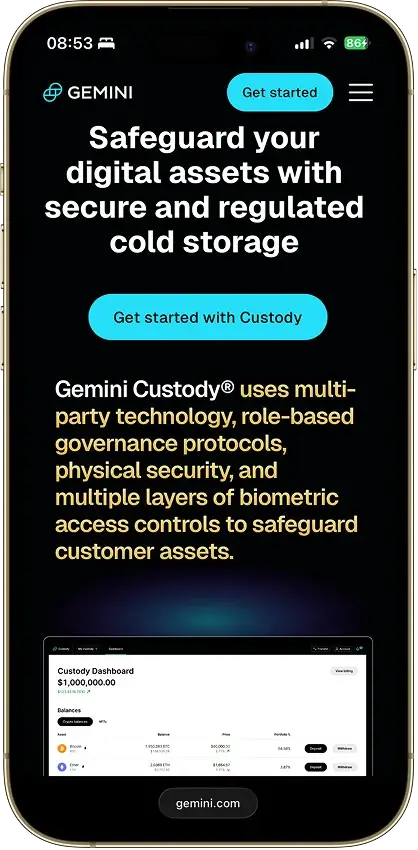
 Gemini Gemini | 99 | Spot, Futures or Perps, OTC, Simple-buy Broker | Yes | 0.00 | 1.20 |
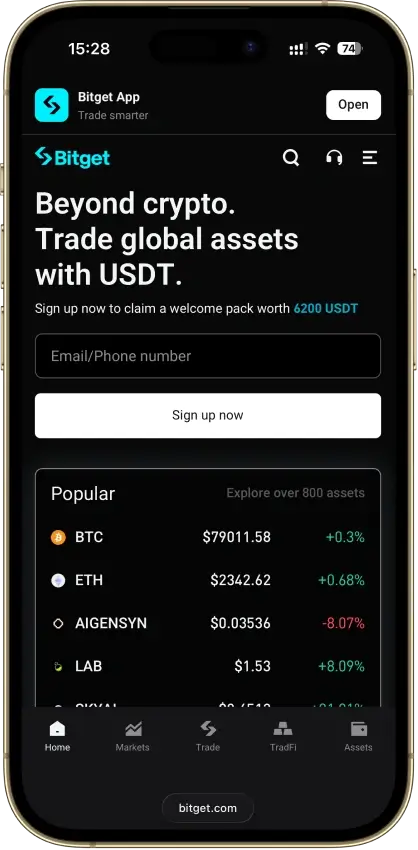
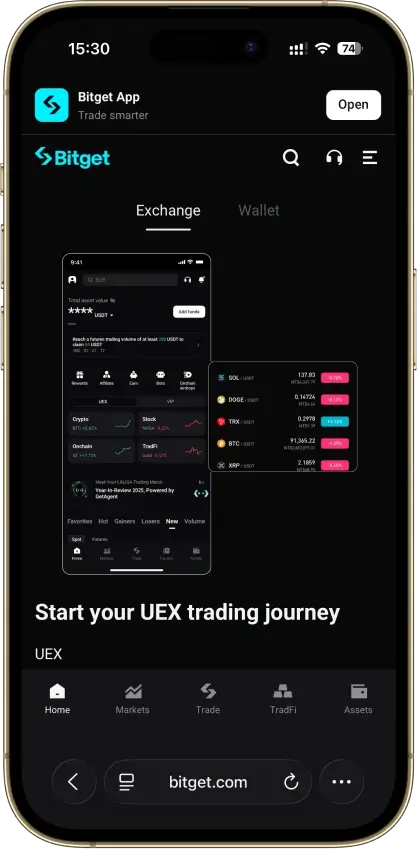
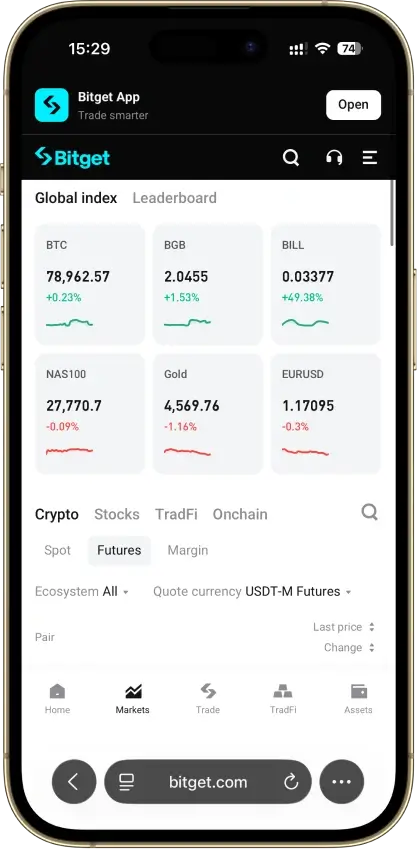
 Bitget Bitget | 800 | Spot, Margin, Futures or Perps, OTC, Simple-buy Broker | Yes | 0.02 | 0.10 |
 Binance.US Binance.US | 204 | Spot, OTC, Simple-buy Broker | Yes | 0 | 0.02 |
The decisive columns first show access tier and quote model. A second group covers minimum size, settlement assets, counterparty, and stated desk hours. Raw coin totals and staking indicators do not describe an OTC quote, and neither do broad product menus or spot fees. Minimums and settlement cutoffs need a capture date because both can change without the wider exchange product changing.
OTC Crypto Exchange Reviews
Kraken
- Cost
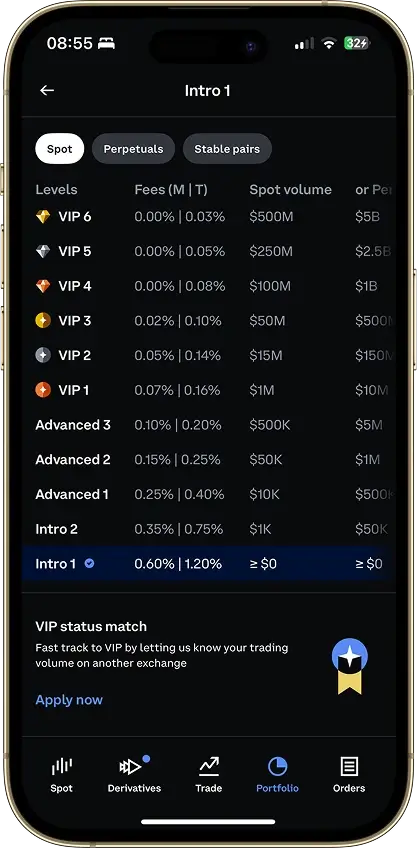
- Pro spot base: maker 0.25%, taker 0.40%
- Assets
- 643 crypto (review)
- Fiat funding
- ACH (US); SEPA (EEA); FPS (UK)
Pros
- Free U.S. ACH withdrawals
- Sixteen U.S. perpetual contracts after checks
- REST, WebSocket, FIX, and futures APIs
- FIDO2 passkeys and Global Settings Lock
- Advanced orders from TWAP to iceberg
Cons
- 0.40% maker, 0.80% taker at entry on Pro
- Seven-day hold on Plaid ACH amounts
- Simple buys add 1% to 1.5% plus spread

Coinbase
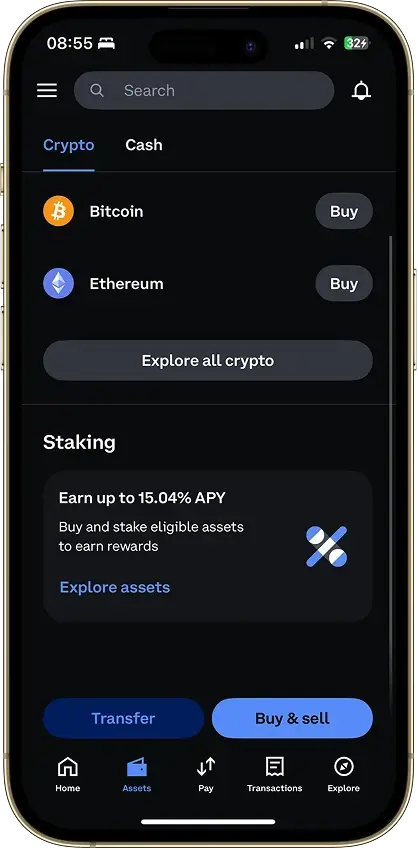
- Cost
- Advanced spot base: maker 0.40%, taker 0.60%
- Assets
- 382 tradable (review)
- Fiat funding
- ACH/wire (US); cards/PayPal if eligible
Pros
- Free U.S. ACH deposits and withdrawals
- SEC filings and annual financial audits
- Spot trading in every U.S. state
- Passkeys, hardware keys and allowlisting
- U.S. futures and perpetual-style contracts
Cons
- Small Simple Buy orders cost up to 3.5%
- No user-verifiable Merkle inclusion
- 35% commission on staking rewards

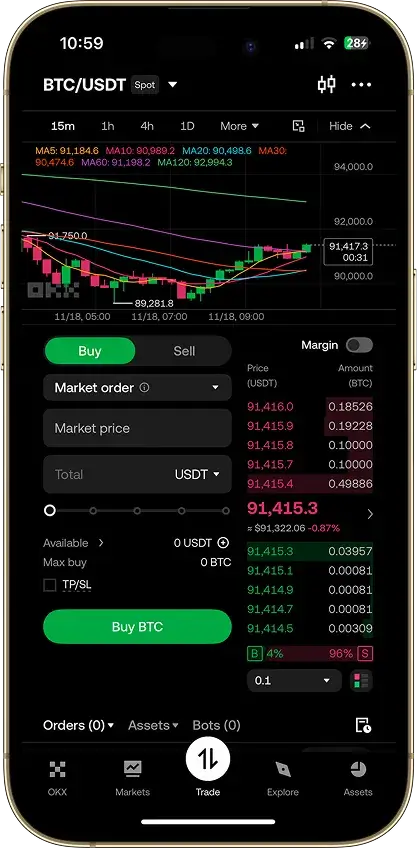
OKX
- Cost
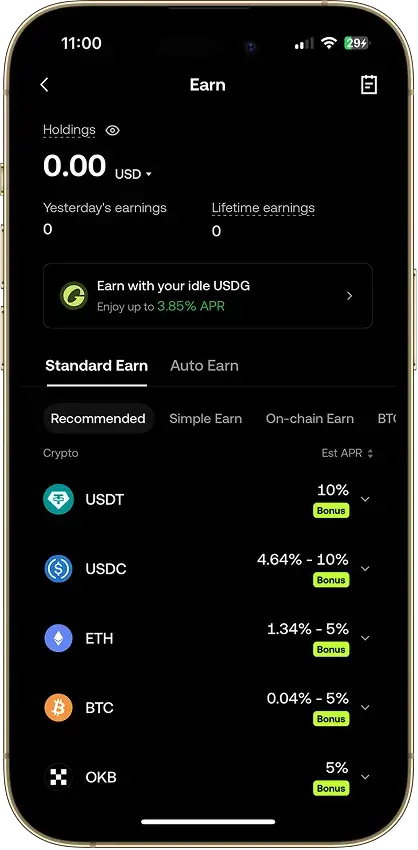
- Spot maker/taker: global 0.08%/0.10%; EEA 0.20%/0.35%
- Assets
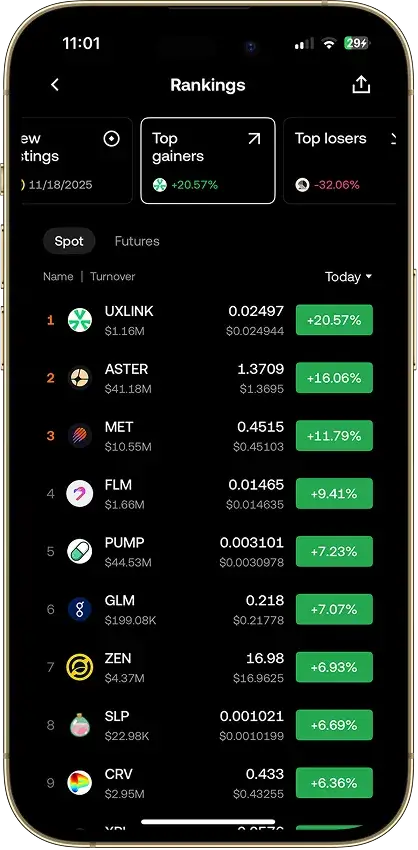
- 296 crypto (review)
- Fiat funding
- SEPA (EEA); other rails vary
Pros
- 0.08% global maker and 0.10% taker fees
- Margin, futures, perpetuals, and options
- REST and WebSocket APIs with subaccounts
- Copy trading and bots where permitted
Cons
- No independent reserve attestation
- $505M U.S. settlement by an affiliate, 2025
- U.S. users get a separate, pricier exchange

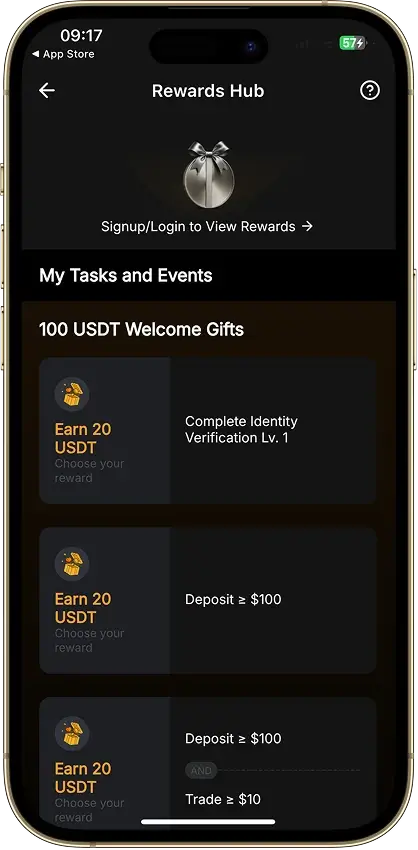
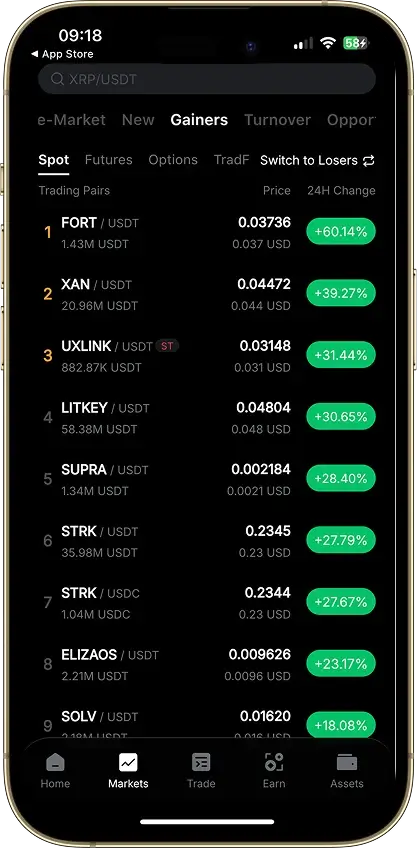
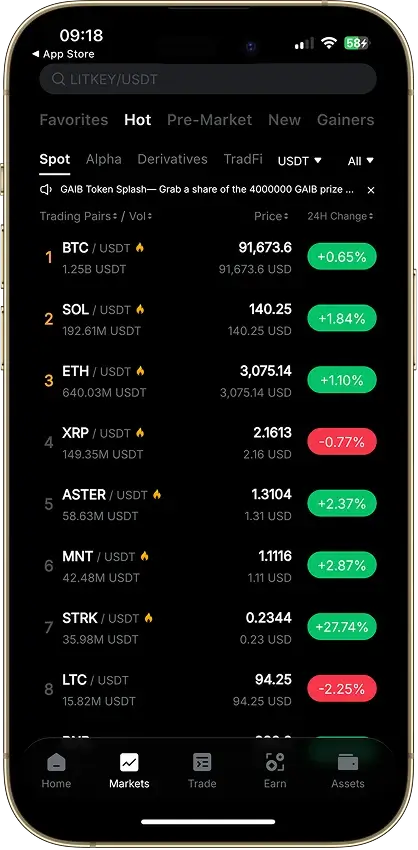
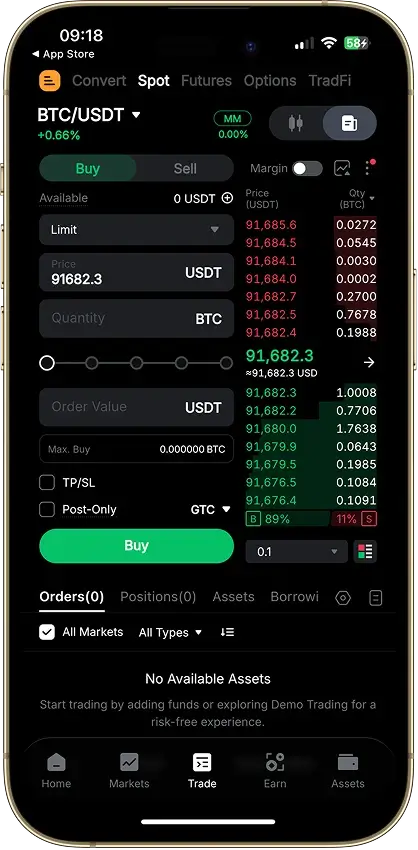
Bybit
- Cost
- Spot base: maker/taker 0.10%
- Assets
- 350 crypto (profile)
- Fiat funding
- SEPA/FPS via partners (by region)
Pros
- MNT payment trims spot fees to 0.075%
- 450+ perpetual pairs on Global Bybit
- Options, copy trading, and built-in bots
- Hacken-checked reserve snapshot
- Passkeys and a new-address withdrawal lock
Cons
- One-Click Buy can cost far more than spot
- Bank cash-out relies on partners or P2P
- $1.5B ETH custody breach in 2025

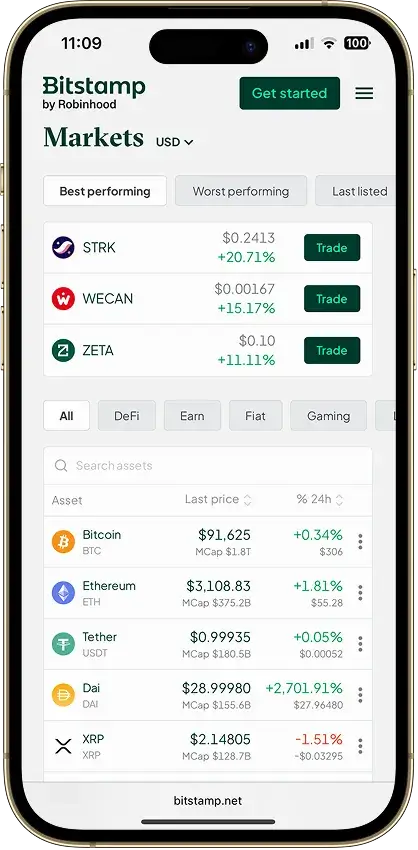
Bitstamp
- Cost
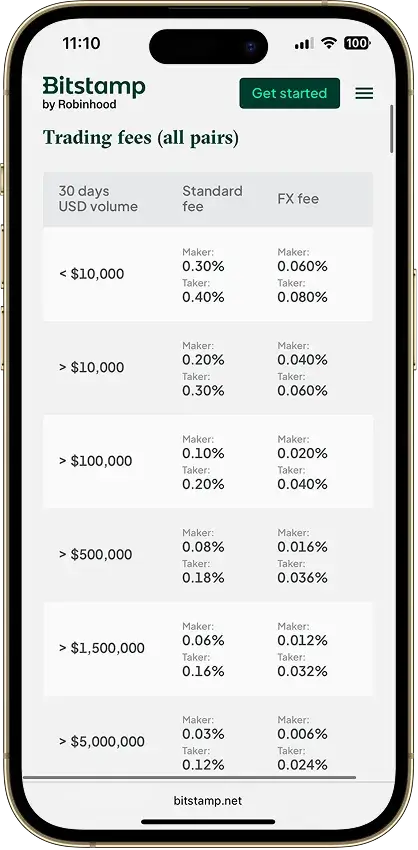
- Pro spot base: maker 0.30%, taker 0.40%
- Assets
- 107 crypto
- Fiat funding
- ACH (US); SEPA (EEA); wires
Pros
- Free ACH withdrawals, flat €3 SEPA cash-outs
- Fees to 0.00%/0.03%, FastPass from 0.01%
- Per-asset networks shown before login
- 95% cold storage with BitGo custody
- Tradeview charting on desktop
Cons
- No public proof-of-reserves page
- Slow support when accounts get restricted
- Instant Purchase costs 4% vs order-book path


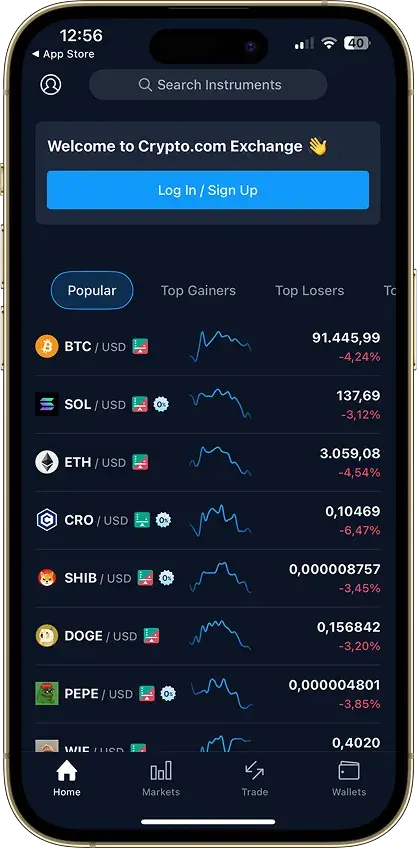
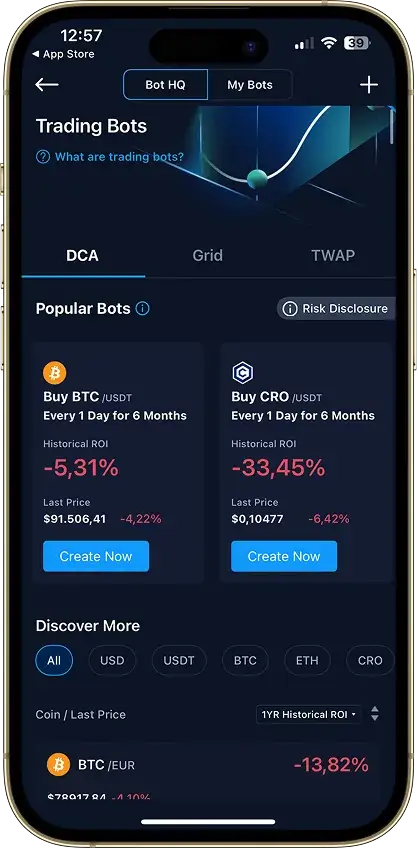
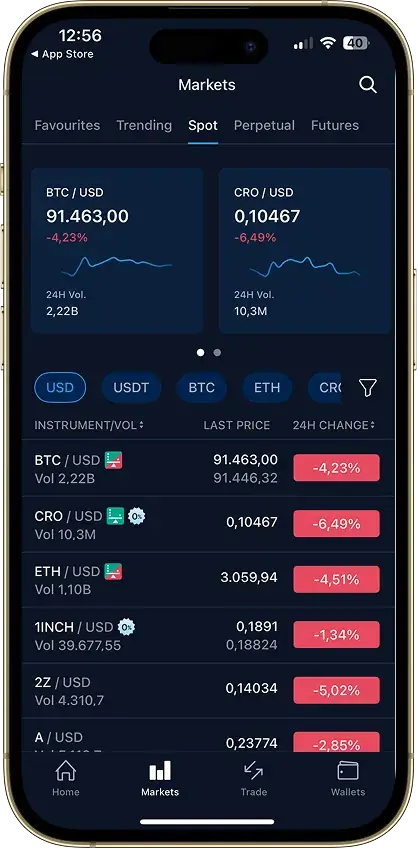
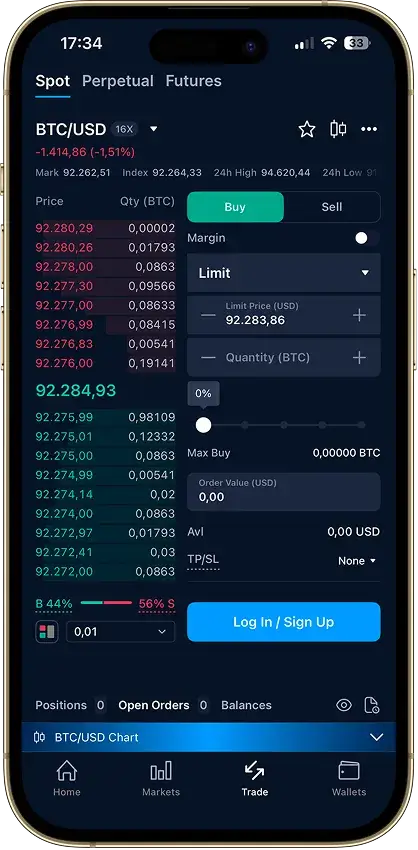
Crypto.com
- Cost
- Exchange spot base: maker 0.25%, taker 0.50%
- Assets
- 400+ crypto
- Fiat funding
- ACH (US); SEPA (EEA); cards
Pros
- 400+ spot coins on the global Exchange
- 0.25% / 0.50% entry spot fees
- CRO balance can cut maker fees to 0%
- U.S. ACH and Fedwire funding where available
- Passkeys, FIDO2 and an anti-phishing code
Cons
- Reserve attestation dates to 2022
- Seven-business-day hold on Instant ACH
- No open retail API sandbox


Gemini
- Cost
- Spot base: maker 0.60%, taker 1.20%
- Assets
- 70+ crypto
- Fiat funding
- ACH/wire (US); cards/PayPal (US)
Pros
- Free ACH, up to $100,000 a day out
- REST and WebSocket plus FIX access
- TradingView charts in ActiveTrader
- RLUSD/USD and GUSD/USD trade fee-free
- ETH, SOL and MON staking with monthly rewards
Cons
- 1.20% taker fee at the ActiveTrader entry tier
- No user-verifiable Merkle reserve proof
- Exchange support relies on form and email
- Card and Apple Pay buys cost 3.49%

Bitget
- Cost
- Spot base: maker/taker 0.10%
- Assets
- 600+ crypto
- Fiat funding
- Cards, P2P, regional bank rails
Pros
- 0.10% standard spot fees
- Monthly Merkle inclusion checks
- 800+ coins on the global exchange
- Demo trading and scoped API keys
- Bots for automated trading
Cons
- Earn rates and terms change product by product
- BGB flash crash in 2024, trade rollback in 2025
- Simple-buy and P2P spreads sit outside fee tables
Binance.US
- Cost
- Advanced spot: maker 0%, taker 0.02%
- Assets
- 204 assets (Sep. 2026 review)
- Fiat funding
- ACH/wires/cards (eligible US)
Pros
- Free ACH once holds clear
- Optional 5% BNB fee-payment discount
- Wire funding and mobile card deposits
- Soft-Staking leaves balances available
- CSV and PDF transaction-history exports
Cons
- Seven-day ACH and card withdrawal holds
- No way to verify your balance in reserves
- Soft-Staking required for new accounts
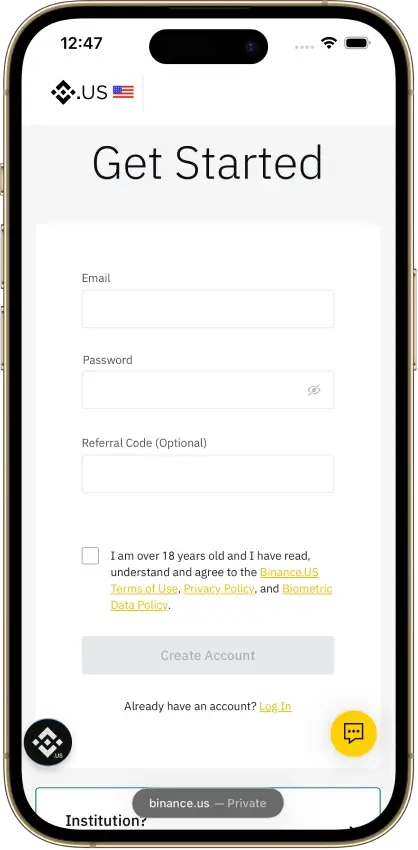
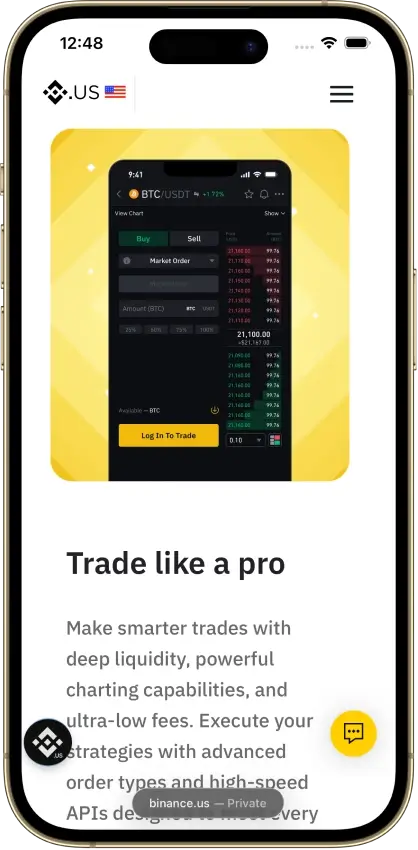
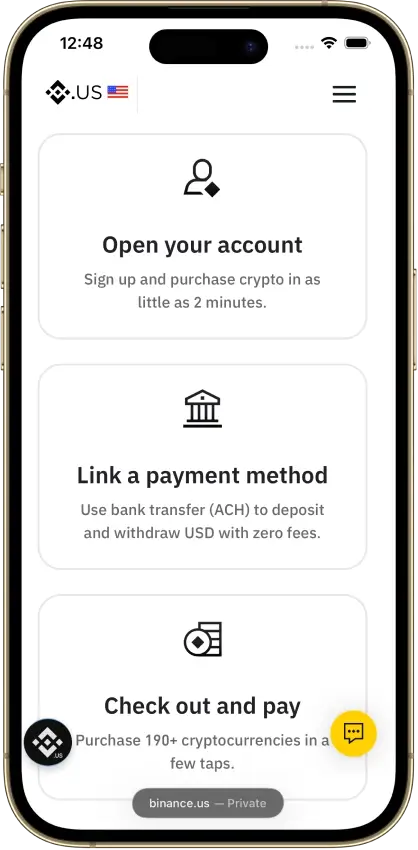
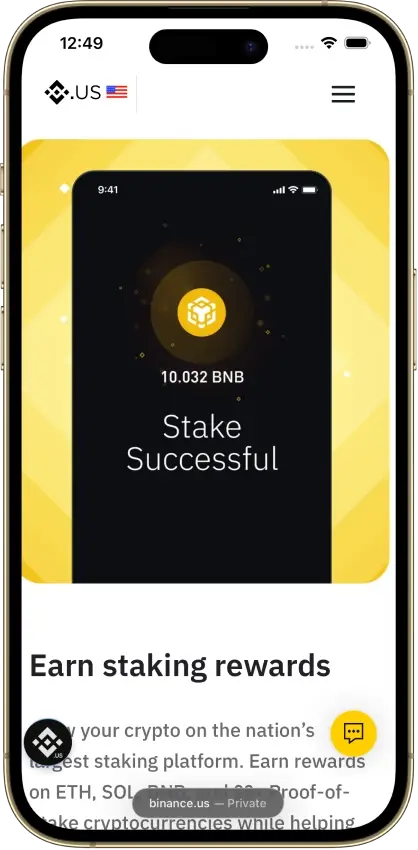
Each review needs to test the exact desk instead of reusing a general exchange verdict. The evidence should show whether the account can request a firm quote and how long that quote remains valid. It should also show the trade confirmation and settlement of each payment and asset leg. Platform-wide custody or liquidity claims cannot fill those fields.
How We Rank
- Security & custody 22% weight
Cold‑vs‑hot balance, key management (HSM/MPC), incident history, withdrawal controls, client‑asset segregation
- Market quality & reliability 18% weight
Order‑book depth/dispersion, spreads, uptime/SLOs, circuit‑breaker design, incident response
- Regulatory posture 12% weight
Licensing/registrations (MSB/MTL, FCA, MiCA, AUSTRAC, FSA), governance, compliance record
- Fees & pricing 12% weight
Maker/taker levels by tier, “instant buy” spread, funding/withdrawal costs, fee transparency
- Proof of reserves & transparency 8% weight
Frequency/scope of attestations, Merkle user‑verifiable liabilities, on‑chain wallet disclosures, auditor independence
- On/Off‑ramps & payments 8% weight
Breadth of fiat rails (ACH/SEPA/FPS/wire), settlement speed, geographic coverage
- Product breadth 8% weight
Spot, margin, perps/options, staking/earn, card, OTC, API availability
- UX & support 7% weight
App stability/performance, accessibility, documentation, support SLAs, incident communication
- API & pro tooling 5% weight
REST/WebSocket depth, rate limits, sandbox, SDKs, change management and monitoring
The published CryptoSlate OTC rating methodology starts with the entity that actually serves the assessed region. The OTC Score then requires a live OTC product and an eligible client type. The row must also prove its supported trade direction and a workable settlement route. A high category rating cannot qualify a desk that is unavailable to that customer.
The broader guide to compare top crypto exchanges helps readers choose a general trading account. OTC keeps its existing category score because block-trade access and quote quality drive this narrower decision. Minimums, counterparties, and settlement also shape the result. A row stays out when its desk or entity is unverified. The same rule applies to an unknown minimum or region.
What Counts as OTC Crypto Trading?
Over-the-counter crypto trading uses a private quote outside the visible public order book. One route uses a human desk, while another uses an electronic RFQ interface. Approved accounts may also receive automated quotes. Each model supplies a price for a defined asset and direction at a stated size, with a limited acceptance period.
The execution model determines what the OTC label leaves unclear. A principal desk can quote from its own balance sheet or sourced liquidity. An agency desk may seek prices from other counterparties. An RFQ marketplace can collect competing responses. A conversion screen may look similar but give the customer less information about the counterparty and price construction.
A peer-to-peer marketplace has a different role because it helps separate customers find each other and may use escrow. An OTC desk normally provides or arranges the quote and controls the settlement workflow. Confirm which model applies before assuming that the exchange itself stands behind both legs.
When OTC Can Beat a Public Order Book
The clearest OTC use case is an order large enough to move the visible book or reveal trading intent. Splitting that order across many market orders can consume several price levels. Posting a large limit order can advertise the intended size. A firm private quote makes the full price easier to assess before acceptance.
The benefit depends on a quote that covers the exact asset and settlement currency. A desk may also protect itself with a wider spread during volatile conditions. A private execution can reduce displayed slippage and still cost more than a carefully managed order-book trade.
Compare both routes against the same reference time and intended size. Record the visible bid or offer with estimated book depth. Then capture the OTC quote, explicit charges, and expected settlement amount. The complete result decides the cheaper route. A zero-commission promise does not.
Small or routine orders with manageable book impact rarely need a high-touch desk. The normal order book provides more visible price formation, while the best crypto swap exchanges may offer a simpler route for a modest conversion. OTC becomes more useful when market impact and confidentiality matter, or when settlement coordination and client service change the outcome.
How to Read an OTC Quote
An OTC quote should identify the asset pair and buy or sell side. It should also state quantity, price, validity period, and settlement terms. Save the preview or confirmation with a timestamp. A quote that expires in seconds cannot be compared fairly with a market reference captured several minutes later.
| Quote Field | What It Establishes | Practical Check |
|---|---|---|
| Asset and side | What the client gives and receives | Confirm symbols, networks, and buy or sell direction |
| Quantity | Size covered by the quoted price | Check whether the amount is gross or net of charges |
| Quoted price | Agreed conversion rate | Compare with a timestamped public reference |
| Validity | Acceptance window | Note when the quote expires and when acceptance becomes binding |
| Explicit fees | Charges outside the price | Ask whether desk, banking, custody, or withdrawal fees remain |
| Settlement method | How both legs complete | Confirm account balance, wallet, bank, or custodian delivery |
| Counterparty | Entity responsible for the trade | Match the confirmation to the legal terms and account entity |
| Expected completion | Operational timeline | Separate crypto transfer time from banking hours and review holds |
An all-in quote can be clear even when it does not itemize a fee. The test is whether the customer can compare its delivered result with another route. If a desk advertises no fee, calculate the distance between the quote and the relevant market reference instead of treating the claim as zero cost.
OTC Minimums, Access, and Client Type
Identity verification may be only the first access requirement. A desk can require a business account or an institutional one. Other gates include a professional-client classification, relationship manager, account balance, and marketplace approval. The global product page may not describe the account served in the customer's country.
Treat a minimum as one part of eligibility, not as proof of access. Ask whether it applies per quote or per settlement. Then check for a daily total. Confirm whether buys and sells share the same threshold and whether fiat pairs have different requirements from crypto-to-crypto trades.
The signed-in request screen carries more weight than a general marketing page. The account should show the assets and settlement routes available to that client. Where access requires desk approval, record the approved entity and customer type before a row is published or a large transfer is made.
Settlement and Counterparty Risk
Accepting a price creates the trade, while settlement completes delivery of cash and crypto. One leg may move before the other. That gap can expose a customer to principal risk. Replacement-cost and liquidity risk can also remain if the counterparty or payment rail fails.
Ask whether the desk uses prefunding or account balances. Other possible arrangements include escrow, a custodian, and delivery versus payment. The Bank for International Settlements explains that linking delivery to payment can remove principal risk in securities settlement, although other risks can remain. Crypto OTC arrangements vary, so the confirmation and legal terms must show what protection actually applies.
Fiat settlement can be limited by bank cutoffs and weekends. Holidays, compliance review, and currency support add further limits even when the desk quotes around the clock. Crypto settlement can pause for wallet checks and network congestion, as well as address approval. “24/7 OTC” should never be read as a guarantee that both legs complete at any hour.
Before using an external wallet, confirm the network and any memo or tag requirement. Check address allowlist rules and responsibility for the network charge. Before using a bank, confirm the beneficiary name and currency. Then check the payment reference, cutoff, and return procedure. Send test transfers where the workflow permits them.
How to Test an OTC Desk Before Trading Size
Start with onboarding before funding. Identify the serving entity and client classification, then record the approved product. Read the trade terms and determine when acceptance becomes final. Confirm whether the desk is a principal, an agent, or a marketplace provider.
Then run a controlled quote test:
- Choose one liquid pair, side, size, and settlement method.
- Capture a public reference price immediately before requesting the quote.
- Record the quote, timestamp, expiry, explicit charges, and counterparty.
- Confirm the exact amount expected on each settlement leg.
- Ask what happens after a failed payment, wrong network, or compliance hold.
- Save the final confirmation and reconcile it with the account statement.
Do not transfer a large balance merely to discover whether a desk works. Where the minimum makes a small live test impossible, use a demonstration, written confirmation, and legal-document review before prefunding. Keep alternative settlement instructions independently verified because impersonation and payment-detail fraud can target large transfers.
OTC, Order Book, or Instant Swap?
| Route | Best Fit | Price View | Main Limitation |
|---|---|---|---|
| OTC desk or RFQ | Large or operationally complex trade | Firm or executable private quote | Eligibility, counterparty, and settlement terms require scrutiny |
| Public order book | Liquid pair with manageable market impact | Visible bids, offers, and depth | Large orders can move the book or expose intent |
| Instant convert | Modest account-based conversion | Simple preview with amount received | Spread may be embedded and order control is limited |
| Wallet-based swap | Onchain asset conversion | Route, minimum received, and network cost | Smart-contract, approval, price-impact, and transaction risks |
Order size can change the right route even when the exchange remains the same. A trader may use an order book for normal activity and request OTC quotes only when expected market impact exceeds the desk spread. Compare the terms attached to each product because the logo settles nothing.
Regional Access and Records
An exchange's license or registration does not prove that its OTC product is live in a particular country. Confirm the legal entity on the account agreement and trade confirmation, then check whether that entity can offer the product to the customer's classification. A global desk may exclude residents served by a local spot-only entity.
Keep quote requests, confirmations, deposits, and withdrawals. Save wallet transaction identifiers, bank references, and account statements as well. These records support account reconciliation and tax reporting. They can also support a dispute. They do not replace professional legal or tax advice, especially when the trade crosses entities or jurisdictions.
The CFTC's virtual-currency risk advisory recommends researching platforms and understanding the product and its loss risks before transferring money. Readers outside the United States should apply the same verification discipline through their local regulator and the exact entity named in the account terms.
Crypto trading can result in the loss of all funds committed. Large private trades add counterparty and settlement risk, along with operational and fraud exposure. Verify the exact entity and product. Secure payment instructions independently and never transfer more than you can afford to lose.