Not every Solana launchpad does the same job. Some let you mint a token and enter live trading in under a minute. Others are built around controlled sale access, vesting design, or exchange distribution once a token is already live. This page covers both Solana-native tools and broader platforms that can matter for Solana launches. The right pick depends on what you are actually trying to do, not which brand you recognize.
Top Solana Launchpads
- Access
- Exchange accountFull KYC
- Token gate
- High dependenceBNB-based access
- Allocation
- Pro-rata subscription
- Launches list straight onto Binance spot
- Launchpool rewards accrue hourly, claim anytime
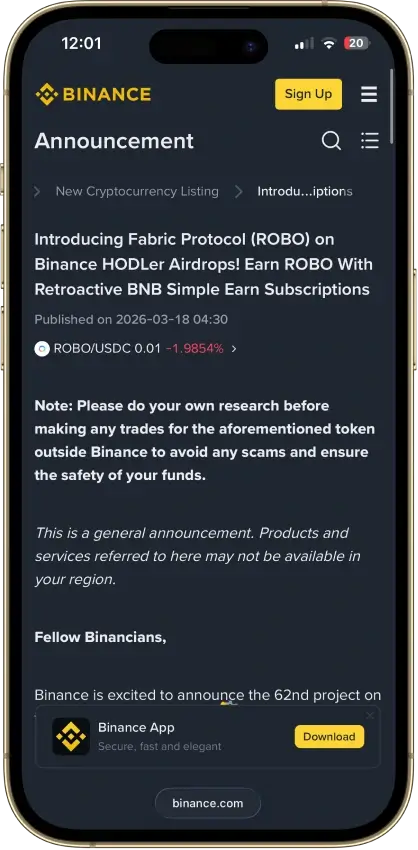
- 72 Launchpool projects and 62 HODLer Airdrops
- Access
- Account + walletFull KYC
- Token gate
- No platform token
- Allocation
- Varies by saleFCFS / pro-rata / hybrid
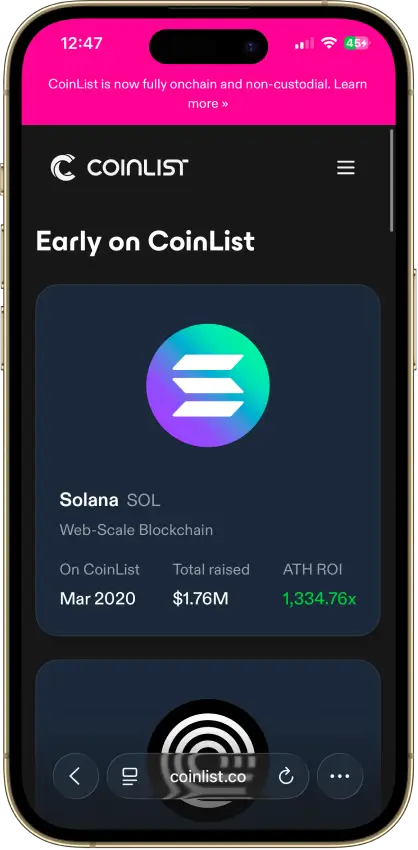
- Past sales include Solana, Filecoin and Ondo
- Sealed-bid Dutch and clearing auctions
- No platform token to buy or stake
- Access
- Connected walletKYC varies by sale / region
- Token gate
- High dependencePOLS-based access
- Allocation
- Lottery + guaranteed tiersSnapshot-based / hybrid
- 140 funded projects, 141,188 participants
- POLS Power from staking, holding or LP
- Council review before a project can raise
- Access
- Connected walletNo KYC listed; varies by region
- Token gate
- None for base access
- Allocation
- Bonding curve
- No platform fee to create a coin
- Sign up with email or Apple ID, no wallet needed
- Card and Apple Pay deposits in the mobile app
- Access
- Connected walletNo KYC listed
- Token gate
- No platform token
- Allocation
- Bonding curveVaries by sale
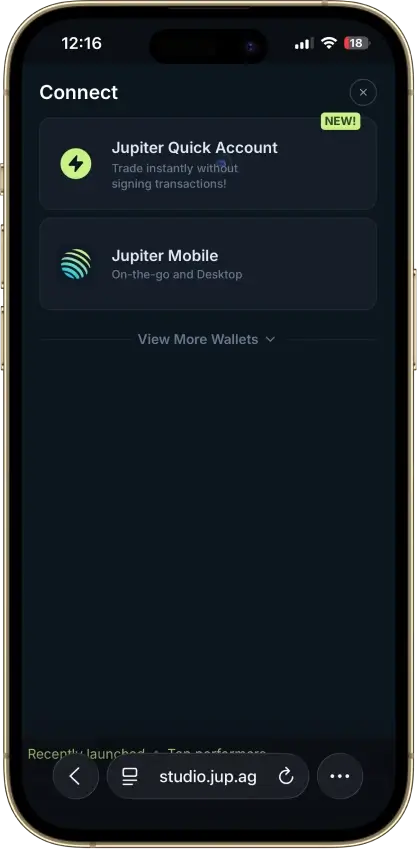
- Built into Jupiter's swap and discovery flow
- Alphascan and a screener track new launches
- Graduates into a Meteora DAMMv2 pool
CryptoSlate may earn a commission when you visit partner sites through links on this page, at no extra cost to you. Our rankings and reviews remain editorially independent and based on our published methodology. Read disclosure
Disclaimer: CryptoSlate may receive a commission when you click links on our site and make a purchase or complete an action with a third party. This does not influence our editorial independence, reviews, or ratings, and we always aim to provide accurate, transparent information to our readers.Pump.fun and Jupiter Studio are native Solana launch tools. CoinList, Polkastarter, and Binance Launchpad are broader access platforms that can matter for Solana projects, but they do not replace a native Solana launch flow. A creator launching a meme token, a team that wants token controls, and a buyer chasing pre-market access are each solving a different problem.
Comparison Table
| Name | How It Works | What You Need | Money Up Front | After Launch |
|---|---|---|---|---|
 Binance Launchpad Binance Launchpad | IEO, Launchpool, Airdrop / Quest Distribution | Exchange Account | High | Watchlist |
 Coinlist Coinlist | ICO, Private / Community Round, Presale | Exchange Account, Connected Wallet | None | Live |
 Polkastarter Polkastarter | IDO, INO, Private / Community Round | Connected Wallet | High | Live |
 Pump.Fun Pump.Fun | Fair Launch | Connected Wallet | None For Base Access | Live |
 Jupiter Studio Jupiter Studio | Fair Launch, Presale | Connected Wallet | None | Live |
The two Solana-native options win on speed and direct control. They ask less from the user before launch and make the path from setup to trading much shorter.
The broader platforms can still be useful, but only when the extra gates buy you something real. That can mean better project filtering, a more formal sale process, or faster centralized exchange liquidity once the token is live.
Solana Launchpads Reviews
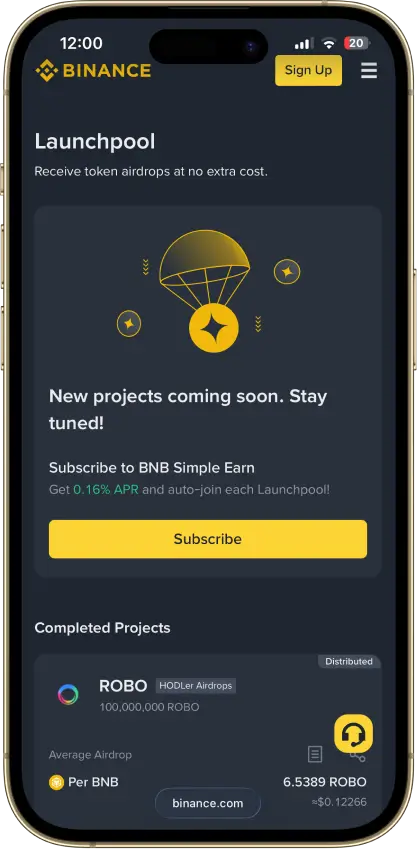
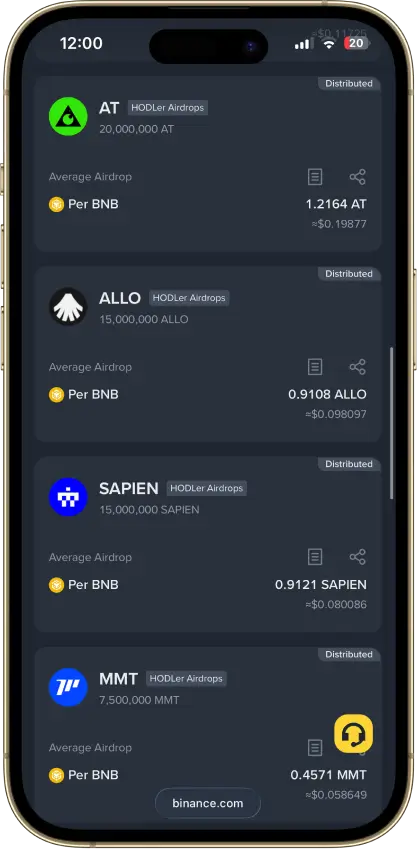
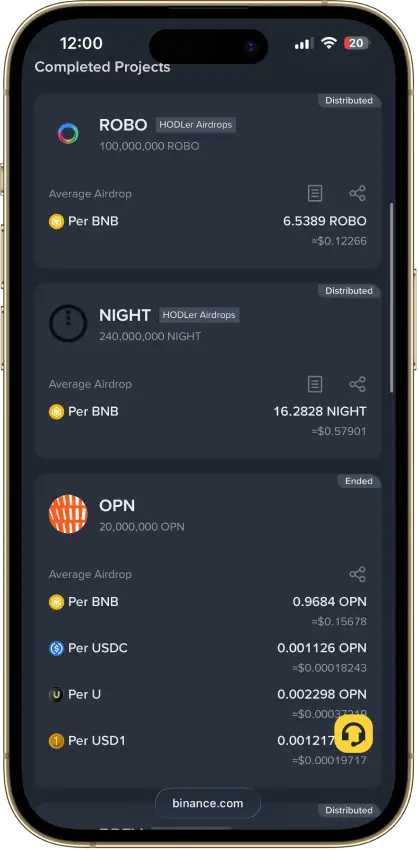
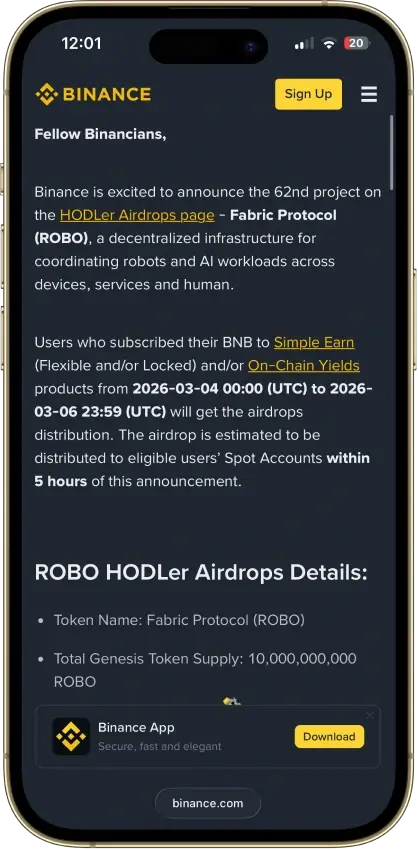
Binance Launchpad
- Access
- Exchange accountFull KYC
- Token gate
- High dependenceBNB-based access
- Allocation
- Pro-rata subscription
Pros
- No wallet, bridge or gas for core entry
- Deeper liquidity than most retail launchpads
- BNB in Binance Earn can feed newer formats
- Account flow cuts missed-claim risk
- Stricter project selection than most rivals
Cons
- Small BNB balances get tiny pro-rata fills
- You carry BNB risk before a project proves itself
- Classic fixed-price sales are now the minority
Coinlist
- Access
- Account + walletFull KYC
- Token gate
- No platform token
- Allocation
- Varies by saleFCFS / pro-rata / hybrid
Pros
- 21 sales in 2025, still active
- Tokens go straight to your own wallet
- Refunds for unsuccessful bids once sales close
- Early access to infrastructure and DeFi projects
- Tokens sold directly by each issuer
Cons
- Sale design changes often, a learning curve
- Vesting and unlocks vary by sale
- Each sale needs the right asset and chain ready
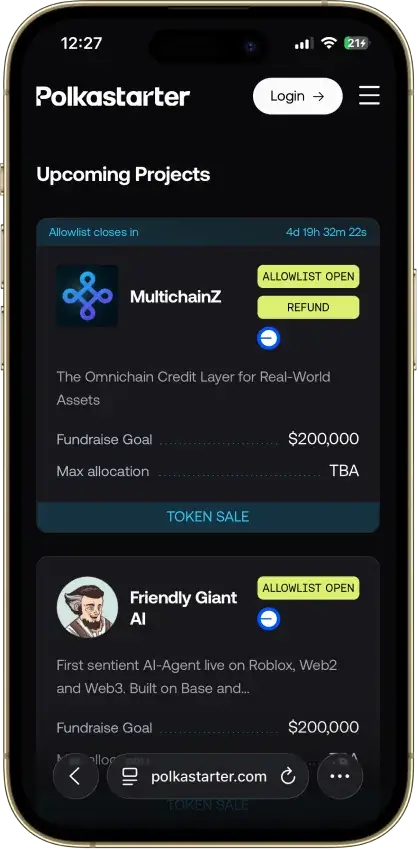
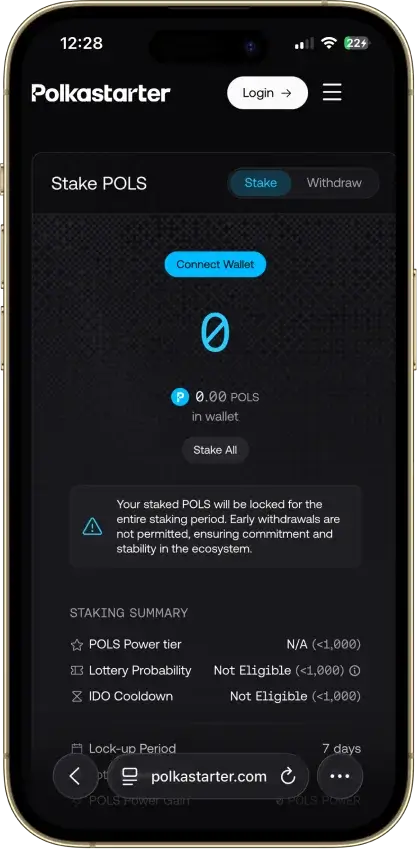
Polkastarter
- Access
- Connected walletKYC varies by sale / region
- Token gate
- High dependencePOLS-based access
- Allocation
- Lottery + guaranteed tiersSnapshot-based / hybrid
Pros
- Visible tier odds before you apply
- Sales across nine chains, Base to Sei
- Tokenomics and listing support for projects
- About $46.7 million raised across sales
- Staking builds POLS Power faster than holding
Cons
- Sales require at least 1,000 POLS Power
- Bronze and Silver odds stay unreliable
- Cooldowns limit repeat wins
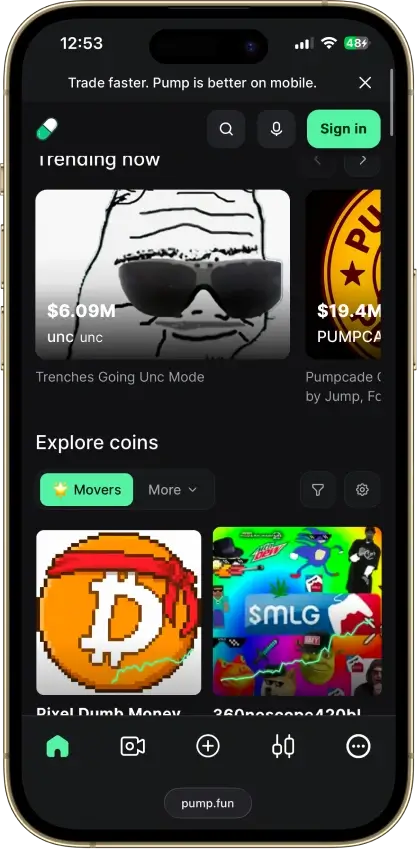
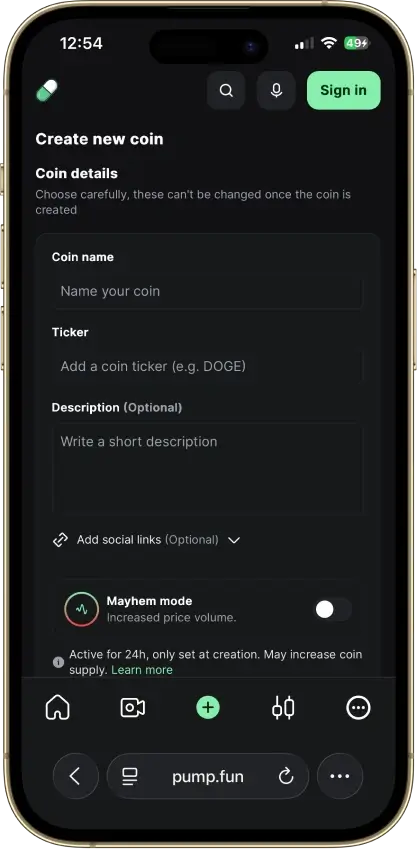
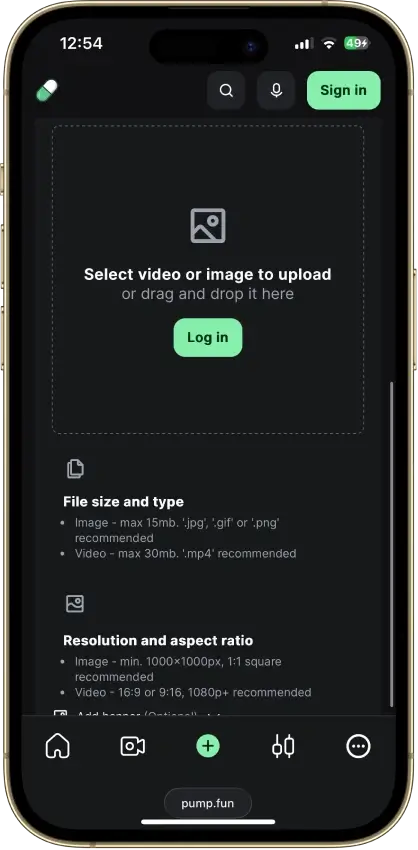
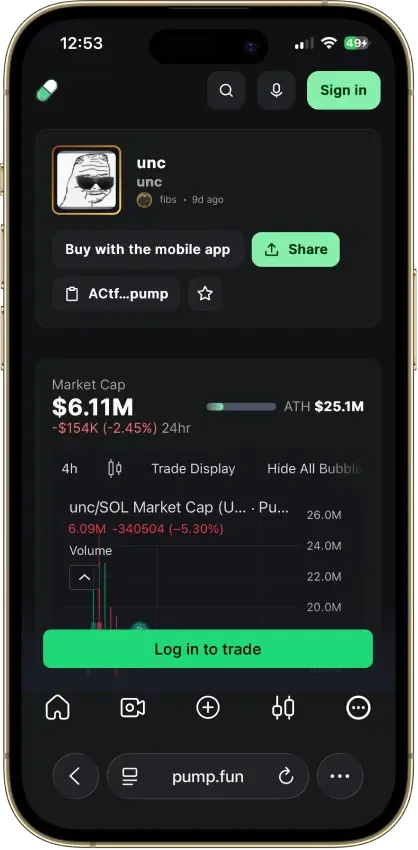
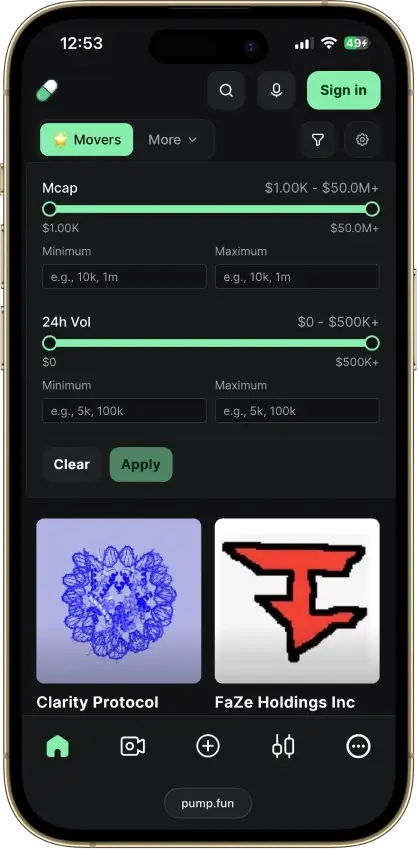
Pump.Fun
- Access
- Connected walletNo KYC listed; varies by region
- Token gate
- None for base access
- Allocation
- Bonding curve
Pros
- Trading starts at launch, no whitelist or claim
- No staking or house-token lock to join
- Graduated coins move into PumpSwap trading
- Social chat built into the app
Cons
- Most launches never reach usable liquidity
- Bots and snipers punish slow entries
- Noisy discovery since anyone can launch
- Prices can collapse before graduation
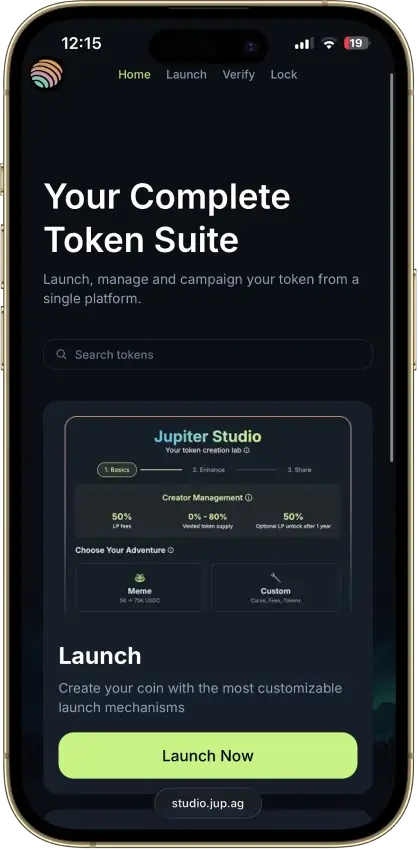
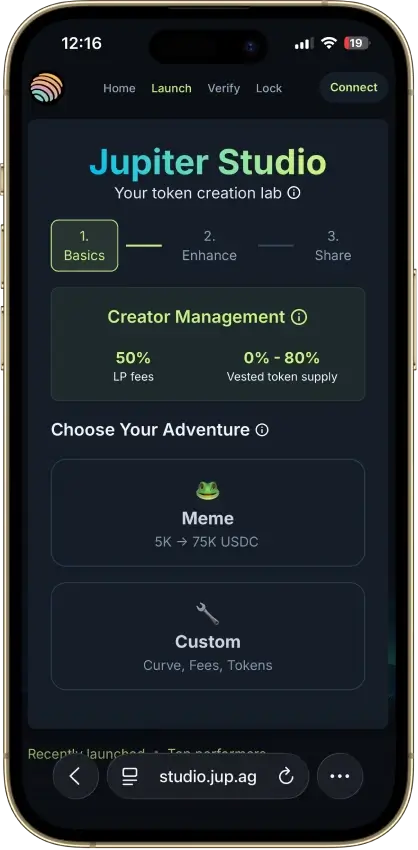
Jupiter Studio
- Access
- Connected walletNo KYC listed
- Token gate
- No platform token
- Allocation
- Bonding curveVaries by sale
Pros
- No exchange account needed for base access
- Token pages show curve progress and risk flags
- Faster from launch to trading than IDO pages
- No house token to stake for access
Cons
- Looser screening than the old Jupiter LFG
- Solana only, no cross-chain sales
- Early trades risk slippage and bad timing
- Risk flags don't stop creator abuse
Our Ranking Methodology
These rankings focus on how useful each platform is for Solana launch activity now, not how well-known the brand is or how strong one old token chart looked after launch. A platform scores well when it still solves a real Solana job cleanly, whether that job is launching fast, shaping token mechanics, or getting into a sale before public trading opens. That is a narrower test than a generic crypto launchpad ranking.
Current relevance matters more than old reputation. A launchpad that once hosted major launches but now asks for too much capital, offers too little Solana activity, or leaves users with weak exit conditions cannot rank near the top on name recognition alone.
The rankings also check what happens before and after the launch. Before launch: wallet or account setup, KYC friction, staking burden, balance requirements, and whether the path makes sense for the average user. After launch: claim flow, vesting, early liquidity, sell path, and whether the token can be traded without excessive slippage or delay.
The scoring model below keeps the rankings grounded in how these platforms work day to day.
- Solana relevance and current activity
- Wallet or account setup friction
- KYC, staking, or balance requirements
- Launch quality and transparency
- Cost drag before and after launch
- Liquidity and sell path after launch
- Bot pressure and fair launch risk
- Trust checks, token controls, and real user friction
These factors explain why native Solana tools can outrank bigger names. A broader launchpad may have more history, but that does not help much if the user needs a direct Solana launch flow, lower upfront burden, or faster access to trading once the token is live.
What Counts As A Solana Launchpad In 2026
“Solana launchpad” covers more ground than a meme-token mint page. It can mean a native Solana launcher, a token creation tool with launch controls, a curated sale platform that supports Solana projects, or an exchange-led access route that puts users into a Solana-linked launch before broad spot trading begins.
That wider definition matters because users come to this category with different goals. Some need a fast launch surface. Others need a more controlled sale process. Others are only trying to reach an early allocation without building anything themselves. Here is what qualifies for this page:
- Solana-native launchpads built for fast token launches on Solana
- Solana token launch tools that help create and manage a launch
- Multi-chain launchpads that can support Solana projects
- Exchange launchpads that can give access to some Solana launches
This page sits between broader IDO platforms, older ICO access pages, and some exchange-backed launch routes. The category is wider than it first looks, but the right pick still depends on the exact job you need done.
How Solana Launchpads Work
The basic flow is not hard to follow, but the details change depending on whether you are launching onchain or joining a gated sale. Native tools usually begin with one of the common Solana wallets, while broader launchpads may start with an account, KYC, and a funded balance. Many users still begin with a hot wallet setup even when the later sale flow moves through a centralized platform.
From there, the sequence generally follows the same path:
- Connect a wallet or create an account
- Fund with SOL, stablecoins, or exchange balance
- Create a token or join a token sale
- Launch, allocate, or add liquidity
- Start trading, claim tokens, or wait for vesting
The flow usually breaks at setup, eligibility, or the exit. Users fund the wrong wallet, miss a KYC window, misunderstand claim dates, or reach live trading only to find thin books and poor pricing across the first decentralized exchange venues. That is why checking the platform's requirements before launch matters more than moving fast.
Wallet Setup, KYC, And What You Need Before You Start
Setup friction is very different across this list. Pump.fun and Jupiter Studio are wallet-first Solana tools, while CoinList and Binance Launchpad are account-first and push more of the work into verification, funding format, and eligibility checks. Polkastarter sits in the middle because it starts with wallet connect, but real access can still depend on POLS Power, allowlist steps, and sale-specific compliance.
A few things hold across all five platforms and are worth checking before you start:
- Pump.fun and Jupiter Studio are wallet-first; CoinList and Binance are account-first; Polkastarter mixes wallet connect with gated sale access
- KYC is a real gate on CoinList and Binance, and it can also appear on Polkastarter sales
- SOL is needed on Pump.fun and Jupiter Studio, and it still matters later for Solana-side trading or claims
- Staking or holding a platform token is not required on Pump.fun or Jupiter Studio, but it is a real access cost on Polkastarter and often on Binance paths tied to BNB
- Mobile can work for quick activity, but desktop is safer when checking wallets, sale forms, claim addresses, and launch settings
- The sell path is simplest when trading starts inside the same venue, and more complicated when claims, vesting, or external wallet delivery come first
That setup difference changes who each platform suits. Pump.fun is the lightest to start, Jupiter Studio adds more launch design work, and the broader sale venues ask for more preparation before you even find out whether you can participate.
Bot Risk, Snipers, And Fair Launch Problems On Solana
Fast Solana launches bring speed, but they also compress abuse into the first minutes. Pump.fun runs an open launch model, and open access does not stop snipers, bundled buys, or aggressive early rotation. Jupiter Studio is better placed here because anti-sniping can be built into the launch design. CoinList, Polkastarter, and Binance shift more of the fairness question toward allocation rules and access gates before trading starts.
The abuse patterns to watch for fall into a few consistent categories:
- Sniper pressure is highest where tokens go live into instant public trading
- Bundled or automated buy pressure can distort the first prints even when the launch looks open to everyone
- “Fair launch” reduces some presale bias but does not remove bot speed or early wallet clustering
- Early charts are often noisy enough to mislead buyers about real demand
- Visible liquidity can still trade badly when bots, thin size, and fast flips dominate the first window
- Tokens can dump before price discovery settles, especially when attention arrives before stable depth does
Early abuse can break the launch even when the interface looks clean. A platform can appear fair at the top level and still produce bad fills, unreadable charts, and weak price discovery once real trading begins.
Should You Buy At Launch Or Wait For Trading?
The right answer depends on where the edge sits. Buying at launch makes sense when early access is the whole point, the setup is clean, and you already understand the platform's claim, liquidity, and sell path. Waiting makes more sense when the first minutes look noisy, price discovery is weak, or the token is likely to trade more cleanly once the initial rush passes.
Three situations where the answer changes:
- Buy at launch when early access is the whole edge and the setup risk is acceptable
- Wait for trading when the main goal is cleaner price discovery and less launch-day noise
- Wait for stabilization when the launch looks hot but the early order flow looks distorted
Early access is only worth it when it buys something real: a good entry, better allocation, or faster participation in a launch you already trust. If the launch adds more friction than edge, waiting for the market to settle is often the better move.
How To Choose The Best Solana Launchpad
The best Solana launchpad is the one that matches your goal with the least extra friction. Start with what you are trying to do, then check whether the platform's setup, costs, and post-launch path still make sense once the token is live.
- Decide whether you are launching a token or trying to buy early
- Decide whether you want meme coin speed, curated sale access, or more launch control
- Check what you need before you can use the platform
- Check the real costs, not just the headline fee
- Check what happens after launch, not just before it
- Check trust signals, token controls, and bot risk
- Check whether waiting for trading is smarter than joining at launch
Common Solana Launchpad Mistakes
Most launchpad mistakes happen because users treat every platform as if it works the same way. The biggest losses usually come from choosing the wrong type of platform, underestimating setup friction, or rushing into the first minutes without a clear exit plan. The patterns below come up often enough to be worth naming directly:
- Picking a platform because it is popular, not because it fits the job
- Treating all Solana launchpads as interchangeable
- Ignoring what happens after launch
- Ignoring failed transactions, slippage, or priority fees
- Buying into the first minutes without understanding bot pressure
- Locking money just to chase access
- Assuming “fair launch” means low risk
Checking setup, liquidity, and exit conditions before launch does not remove risk, but it puts you in a better position than reacting to early hype.