A crypto exchange can look inexpensive and still be a poor day-trading platform. The intended pair may be thin or the spread wide. The service can also become unreliable during volatile periods.
The useful test covers funding and order entry through execution. It continues through position control and record review to withdrawal. This page explains what to measure before increasing size or frequency.
Top Crypto Exchanges for Day Trading
- Cost
- Spot maker/taker: global 0.08%/0.10%; EEA 0.20%/0.35%
- Assets
- 296 crypto (review)
- Fiat funding
- SEPA (EEA); other rails vary
- Monthly zk-STARK reserve inclusion checks
- Simulated trading to test before going live
- RFQ block trades for large orders
- Cost
- Spot base: maker/taker 0.10%
- Assets
- 500+ crypto
- Fiat funding
- Bank transfer, cards (by region)
- Multi-million-dollar depth on BTC and ETH books
- SAFU, a $1 billion emergency fund in BTC
- Bot Marketplace with grid and DCA bots
- Cost
- Pro spot base: maker 0.25%, taker 0.40%
- Assets
- 643 crypto (review)
- Fiat funding
- ACH (US); SEPA (EEA); FPS (UK)
- Check your own balance in its reserve proof
- No breach has cost clients their funds
- Kraken+ waives buy fees on $10,000 a month
- Cost
- Spot base: maker/taker 0.10%
- Assets
- 350 crypto (profile)
- Fiat funding
- SEPA/FPS via partners (by region)
- One V5 API across every Bybit market
- Three margin modes on one trading account
- Launchpool and Launchpad token events
- Cost
- Spot usual: maker/taker 0.10%
- Assets
- 330+ listed
- Fiat funding
- SEPA (eligible EEA); cards
- Advanced trading with deep tooling
- Strong security and reserve signals
- Broad fiat and product ecosystem
- Cost
- Advanced spot base: maker 0.40%, taker 0.60%
- Assets
- 382 tradable (review)
- Fiat funding
- ACH/wire (US); cards/PayPal if eligible
- 24/7 live phone support for every customer
- Simple Buy and Advanced share one balance
- Pass-through FDIC cover on USD cash
- Cost
- Exchange spot base: maker 0.25%, taker 0.50%
- Assets
- 400+ crypto
- Fiat funding
- ACH (US); SEPA (EEA); cards
- DCA and Grid bots for U.S. spot traders
- Mandatory whitelist for withdrawal addresses
- Discretionary $250,000 cover for unauthorized use
- Cost
- Spot base: maker/taker 0.10%
- Assets
- 600+ crypto
- Fiat funding
- Cards, P2P, regional bank rails
- Mirror lead traders on spot and futures
- Cash Plus yield with instant free redemption
- 3M USDT daily withdrawal limit at VIP 0
- Cost
- US spot base: maker 0.20%, taker 0.35%
- Assets
- US asset count not disclosed
- Fiat funding
- ACH, USD wire, debit (eligible US)
- USDG holding rewards without a lockup
- Bitcoin staking through Babylon, paid in BABY
- Hold assets, not just trade, to reach VIP fees
- Cost
- Advanced spot: maker 0%, taker 0.02%
- Assets
- 204 assets (Sep. 2026 review)
- Fiat funding
- ACH/wires/cards (eligible US)
- One of the lowest entry spot fees we review
- Iceberg, OCO and post-only orders on web
- No paid membership needed for its rates
CryptoSlate may earn a commission when you visit partner sites through links on this page, at no extra cost to you. Our rankings and reviews remain editorially independent and based on our published methodology. Read disclosure
Disclaimer: CryptoSlate may receive a commission when you click links on our site and make a purchase or complete an action with a third party. This does not influence our editorial independence, reviews, or ratings, and we always aim to provide accurate, transparent information to our readers.Every ranked row must prove that the exact entity and regional account offers the product being assessed. A global derivatives label is insufficient for a local spot-only account, while a broad exchange score cannot prove liquidity in the trader's chosen pair and order size.
Keep the existing Day Trading Score as the category-specific rating. Its evidence should show pair-level depth and effective spread, together with order controls and reliability across the full round-trip cost.
Product and regional eligibility remain mandatory even when the current rating value is preserved.
Compare Crypto Day-Trading Exchanges
| Name | Total Assets | Products | Staking | Trading fees (low) | Trading fees (high) |
|---|---|---|---|---|---|
 OKX OKX | 300 | Spot, Margin, Futures or Perps, Options, OTC, Simple-buy Broker | Yes | 0.02 | 0.35 |
 Binance Binance | 500 | Spot, Margin, Futures or Perps, Options, OTC, Simple-buy Broker | Yes | 0.00 | 0.10 |
 Kraken Kraken | 600 | Spot, Margin, Futures or Perps, OTC, Simple-buy Broker | Yes | 0.00 | 0.80 |
 Bybit Bybit | 350 | Spot, Margin, Futures or Perps, Options, OTC, Simple-buy Broker | Yes | 0.00 | 0.10 |
 WhiteBIT WhiteBIT | 330 | Spot, Margin, Futures or Perps, OTC | Yes | — | 0.1 |
 Coinbase Coinbase | 270 | Spot, Futures or Perps, OTC, Simple-buy Broker | Yes | 0.00 | 0.90 |
 Crypto.com Crypto.com | 422 | Spot, Margin, Futures or Perps, Options, OTC, Simple-buy Broker | Yes | 0.00 | 0.50 |
 Bitget Bitget | 800 | Spot, Margin, Futures or Perps, OTC, Simple-buy Broker | Yes | 0.02 | 0.10 |
 OKX.us OKX.us | — | Spot, Simple-buy Broker | Yes | -0.005 | 0.35 |
 Binance.US Binance.US | 204 | Spot, OTC, Simple-buy Broker | Yes | 0 | 0.02 |
A fee schedule becomes useful only after the trader's eligible tier and intended pair are known. The lowest published maker tier may require unreachable volume, while a zero-fee pair can carry a wider spread or different execution rules. Compare the default tier with a timestamped order-book sample at the intended size. Add funding and conversion costs, along with borrowing and withdrawal.
Crypto Day-Trading Exchange Reviews
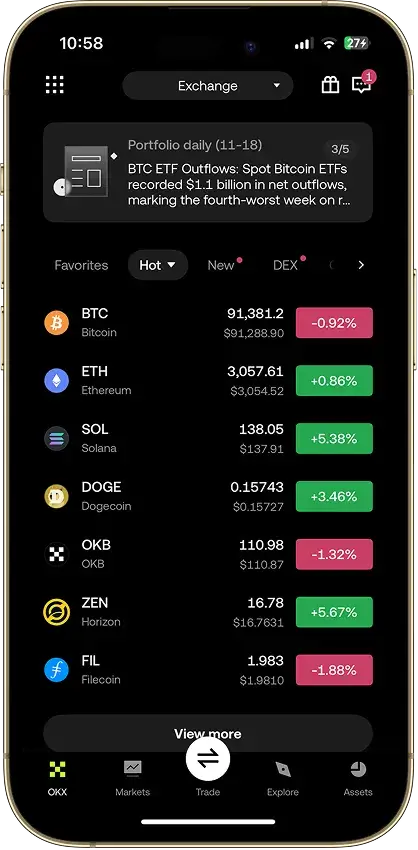
OKX
- Cost
- Spot maker/taker: global 0.08%/0.10%; EEA 0.20%/0.35%
- Assets
- 296 crypto (review)
- Fiat funding
- SEPA (EEA); other rails vary
Pros
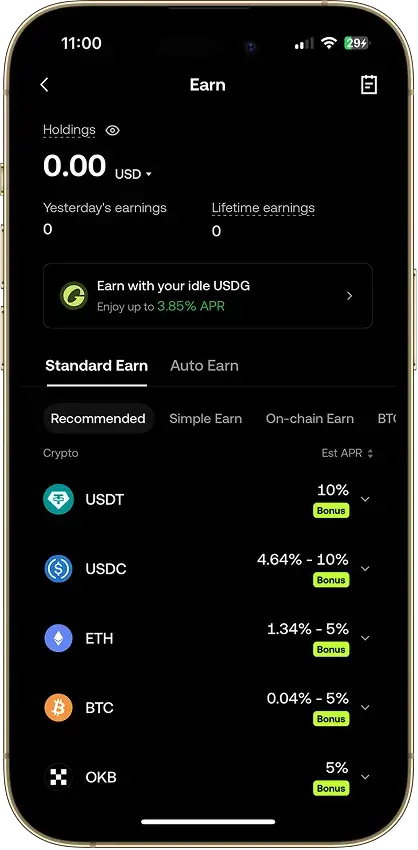
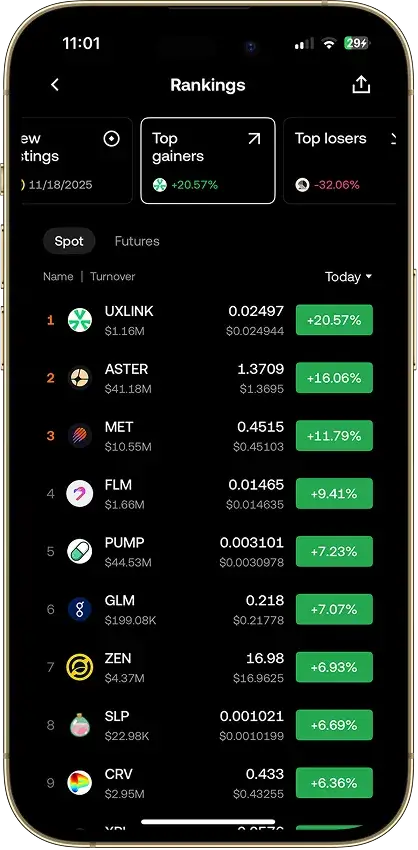
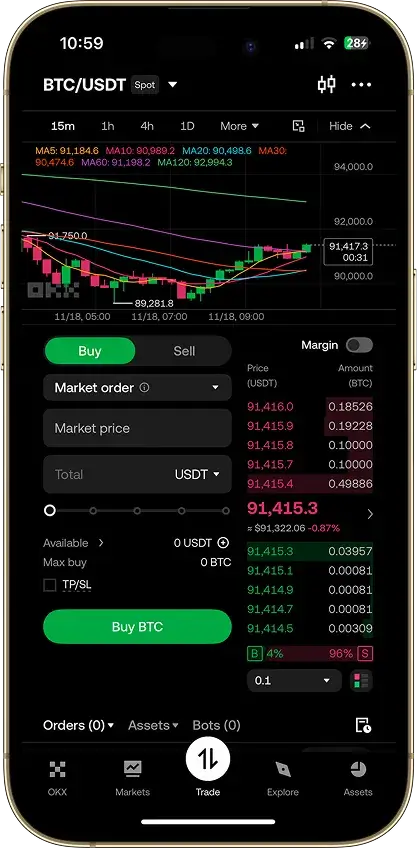
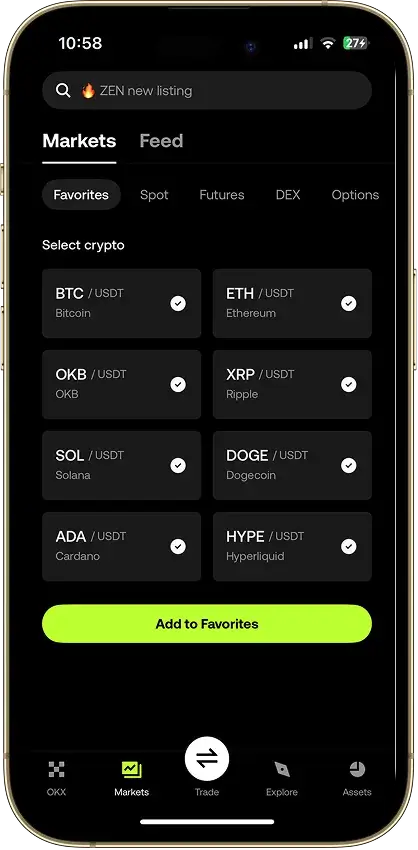
- 0.08% global maker and 0.10% taker fees
- Margin, futures, perpetuals, and options
- REST and WebSocket APIs with subaccounts
- Copy trading and bots where permitted
Cons
- No independent reserve attestation
- $505M U.S. settlement by an affiliate, 2025
- U.S. users get a separate, pricier exchange

Binance
- Cost
- Spot base: maker/taker 0.10%
- Assets
- 500+ crypto
- Fiat funding
- Bank transfer, cards (by region)
Pros
- 0.10% at entry, 0.075% paying in BNB
- Futures, options and FIX API access
- User-verifiable reserve inclusion
- Hardware keys and withdrawal allowlists
- 1,358 spot pairs across 486 assets
Cons
- No MiCA authorization in the EU
- Account reviews can hold withdrawals
- $4.3B U.S. guilty plea in 2023


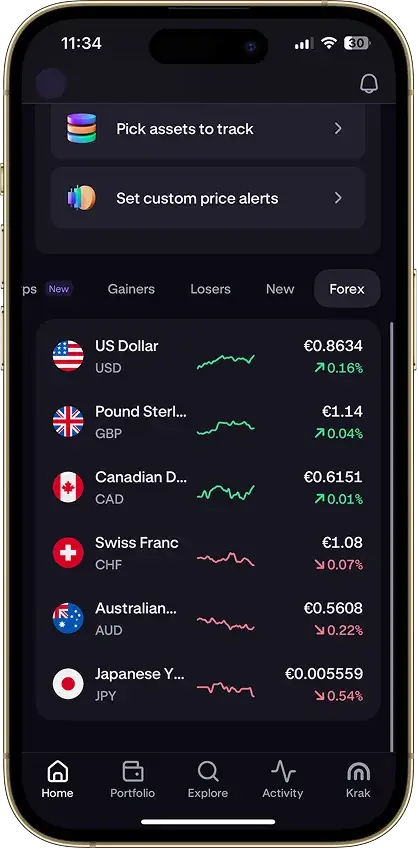
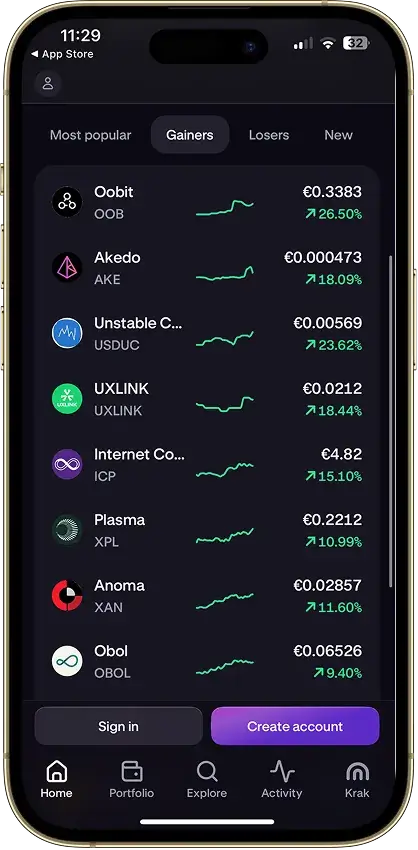
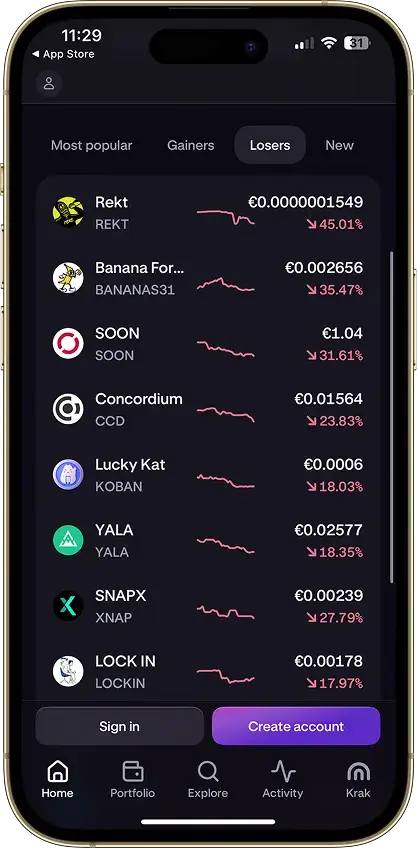
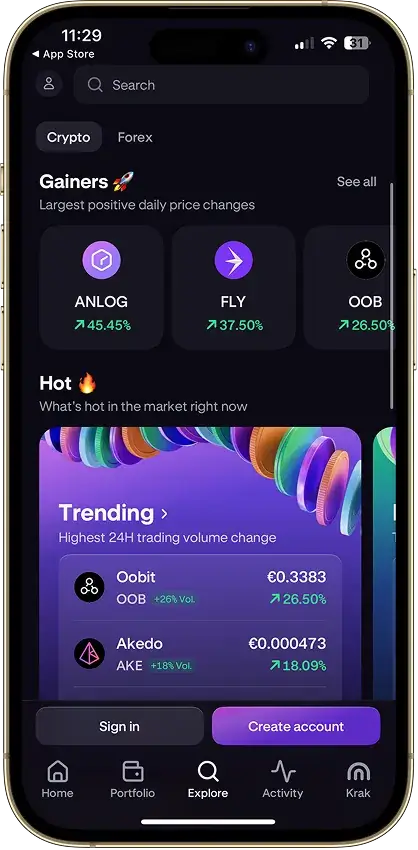
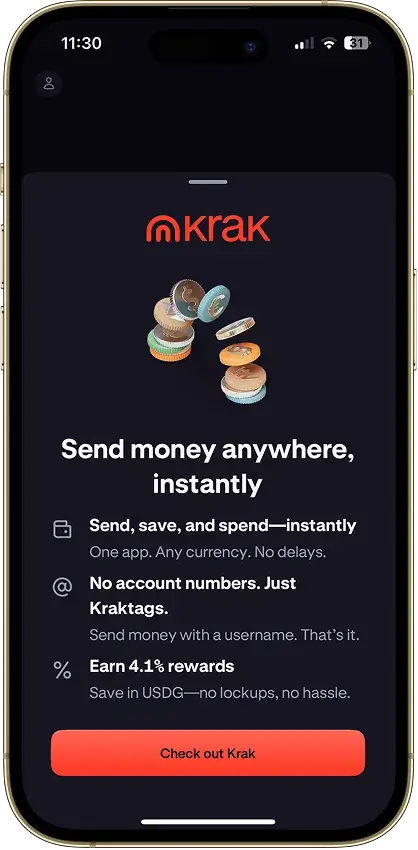
Kraken
- Cost
- Pro spot base: maker 0.25%, taker 0.40%
- Assets
- 643 crypto (review)
- Fiat funding
- ACH (US); SEPA (EEA); FPS (UK)
Pros
- Free U.S. ACH withdrawals
- Sixteen U.S. perpetual contracts after checks
- REST, WebSocket, FIX, and futures APIs
- FIDO2 passkeys and Global Settings Lock
- Advanced orders from TWAP to iceberg
Cons
- 0.40% maker, 0.80% taker at entry on Pro
- Seven-day hold on Plaid ACH amounts
- Simple buys add 1% to 1.5% plus spread

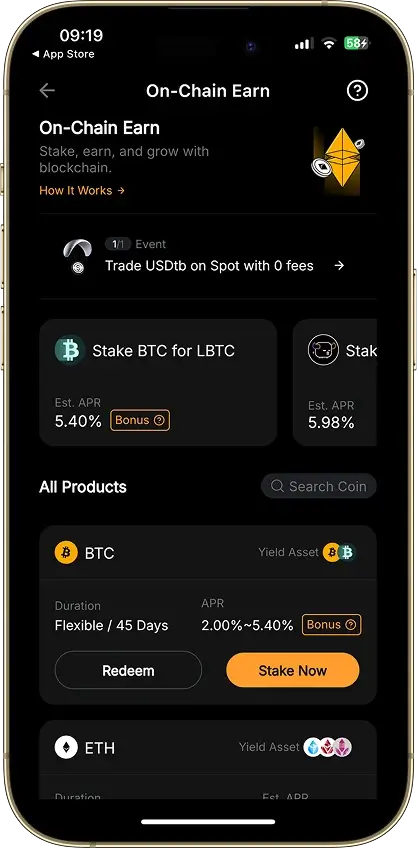
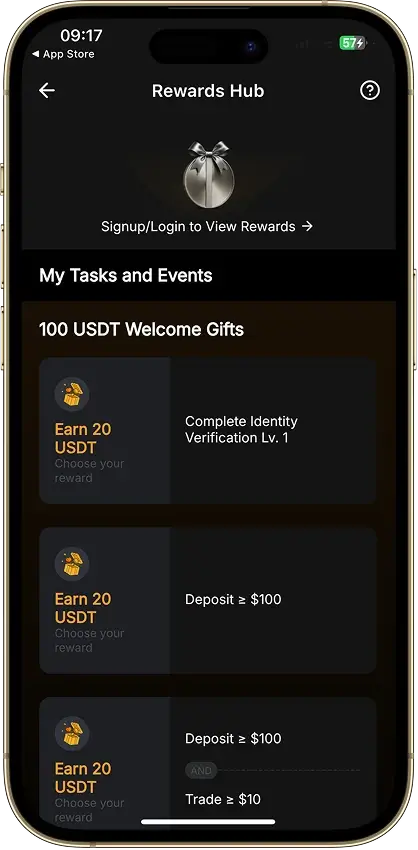
Bybit
- Cost
- Spot base: maker/taker 0.10%
- Assets
- 350 crypto (profile)
- Fiat funding
- SEPA/FPS via partners (by region)
Pros
- MNT payment trims spot fees to 0.075%
- 450+ perpetual pairs on Global Bybit
- Options, copy trading, and built-in bots
- Hacken-checked reserve snapshot
- Passkeys and a new-address withdrawal lock
Cons
- One-Click Buy can cost far more than spot
- Bank cash-out relies on partners or P2P
- $1.5B ETH custody breach in 2025

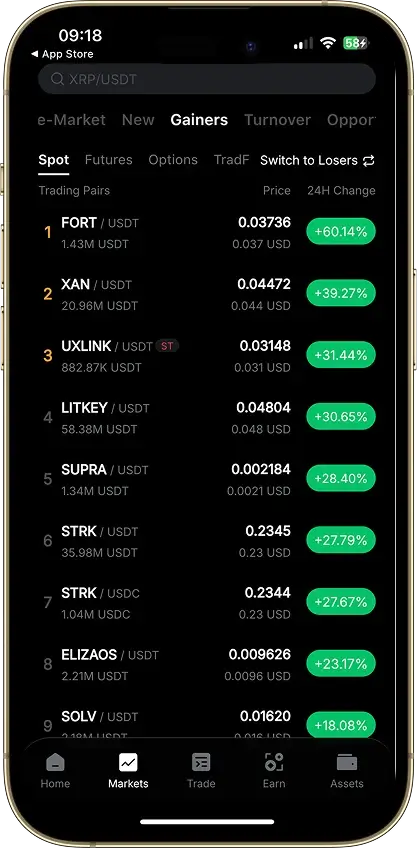
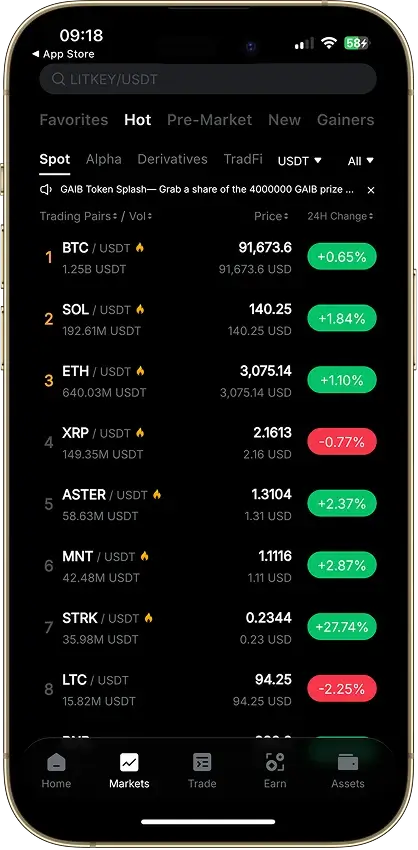
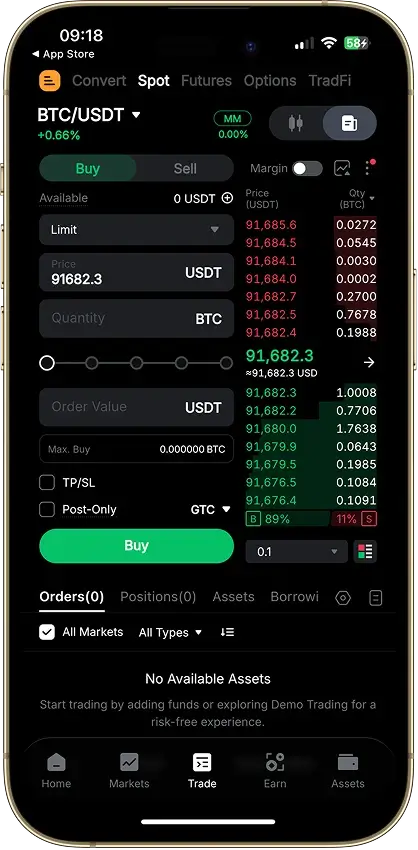
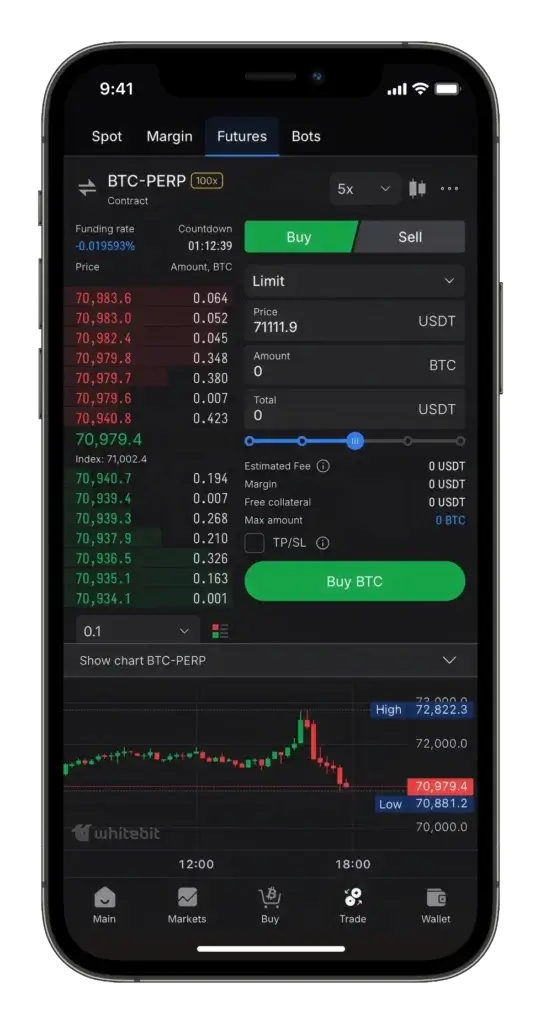
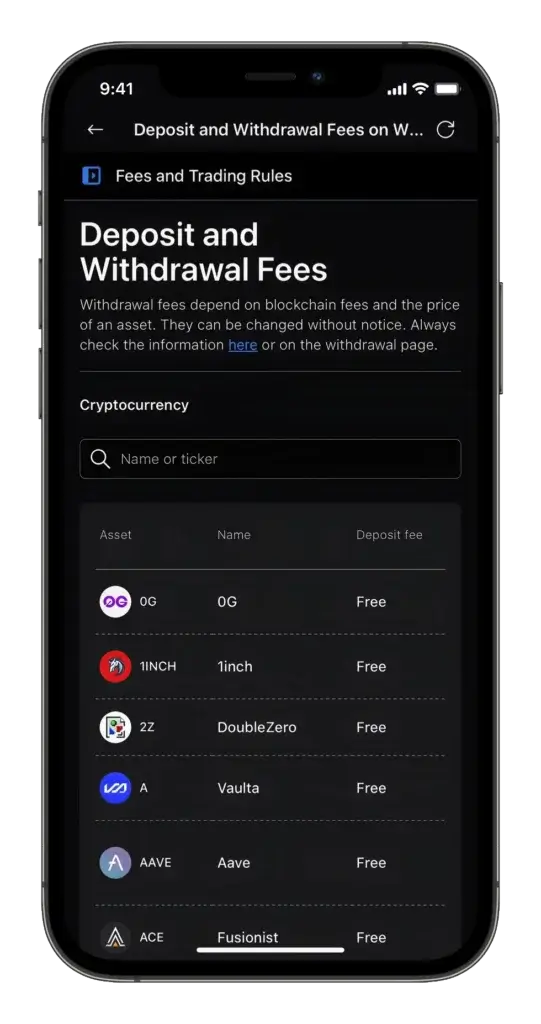
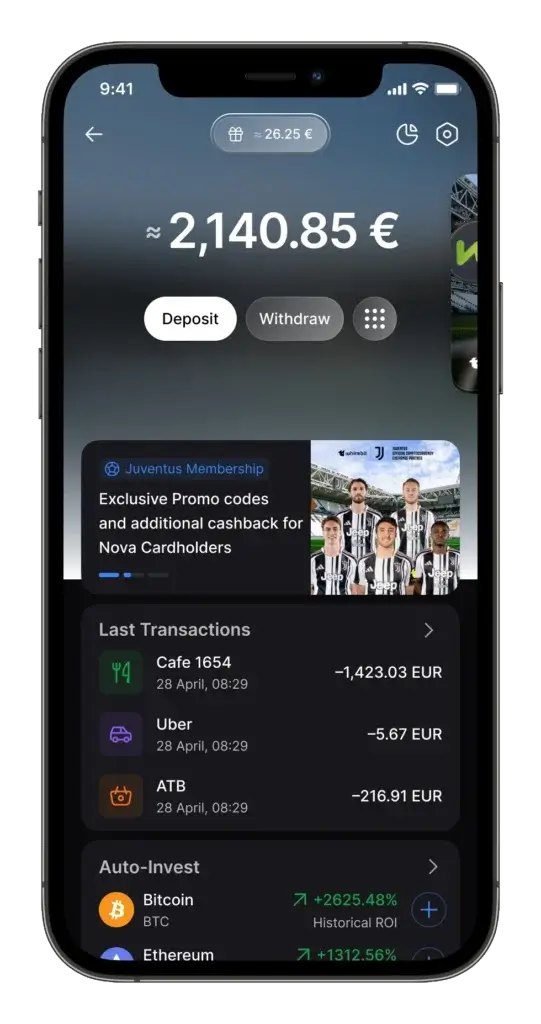
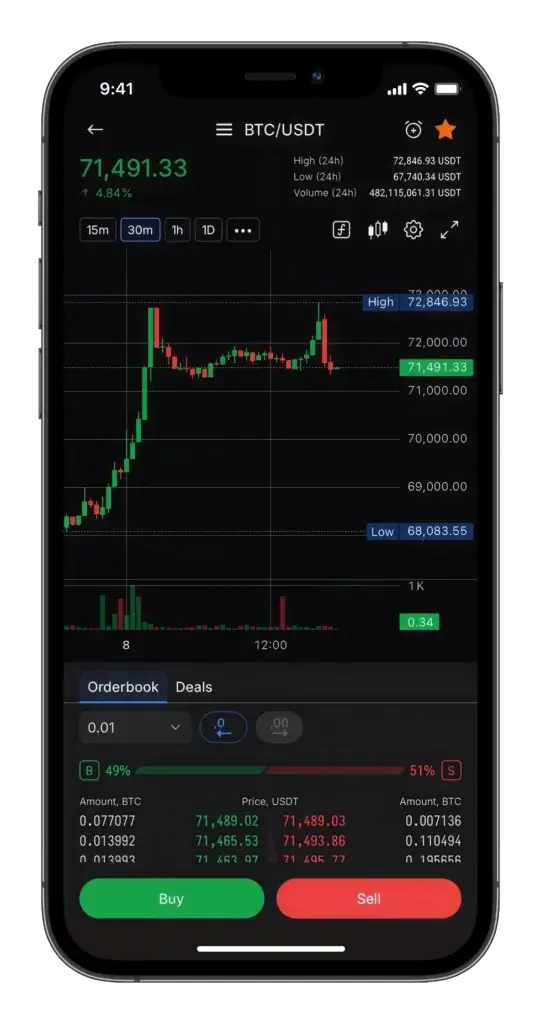
WhiteBIT
- Cost
- Spot usual: maker/taker 0.10%
- Assets
- 330+ listed
- Fiat funding
- SEPA (eligible EEA); cards
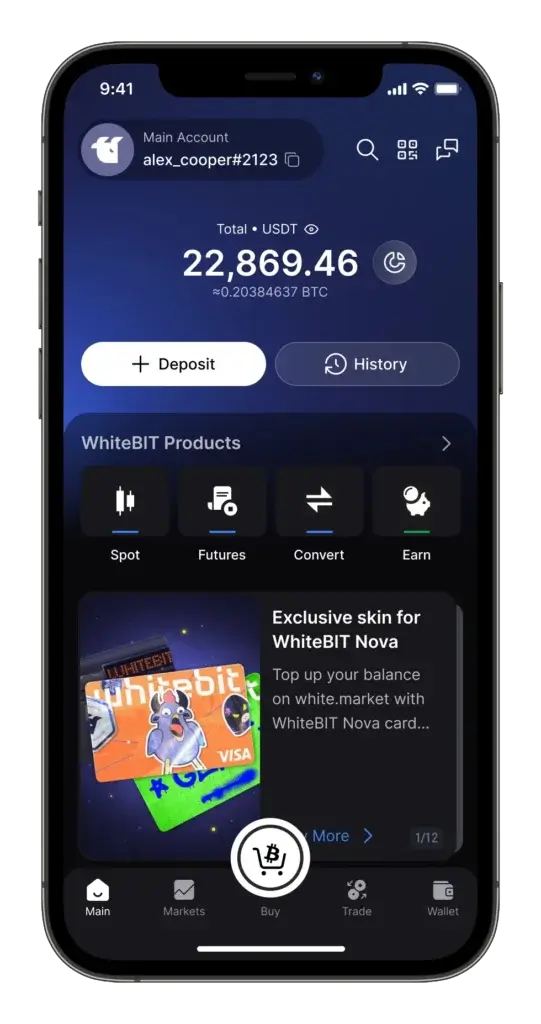
Pros
- AAA security, No. 3 on CER.live, zero hacks
- Earn yields up to 22.1% with WBT benefits
- Advanced tools, APIs, and sub-accounts
- Nine fiat currencies and flexible payment rails
- WBT perks and utility across Whitechain
Cons
- Licensing details are difficult to verify
- PoR is a snapshot, not a full financial audit
- Limited public uptime and liquidity data
- Complex regional and product restrictions
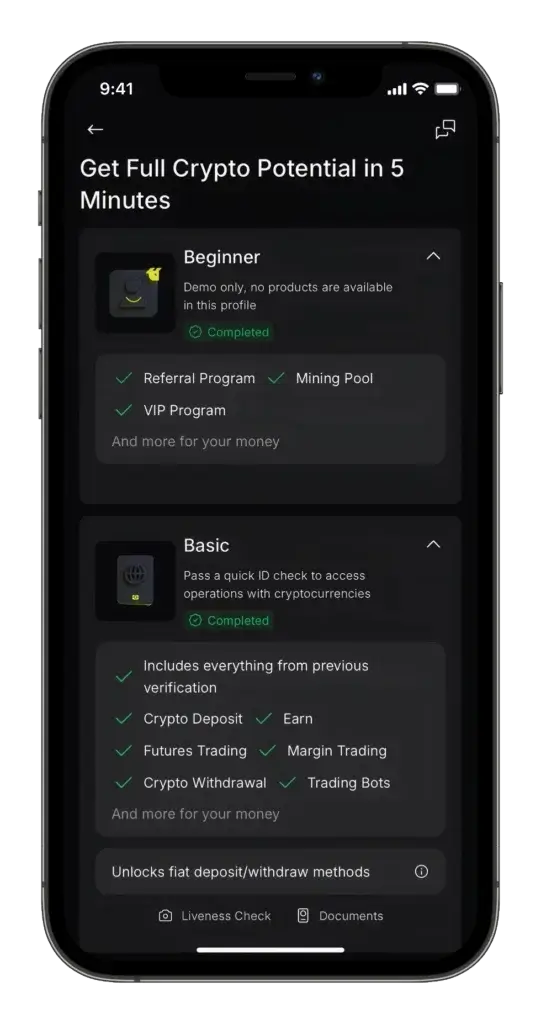
Coinbase
- Cost
- Advanced spot base: maker 0.40%, taker 0.60%
- Assets
- 382 tradable (review)
- Fiat funding
- ACH/wire (US); cards/PayPal if eligible
Pros
- Free U.S. ACH deposits and withdrawals
- SEC filings and annual financial audits
- Spot trading in every U.S. state
- Passkeys, hardware keys and allowlisting
- U.S. futures and perpetual-style contracts
Cons
- Small Simple Buy orders cost up to 3.5%
- No user-verifiable Merkle inclusion
- 35% commission on staking rewards

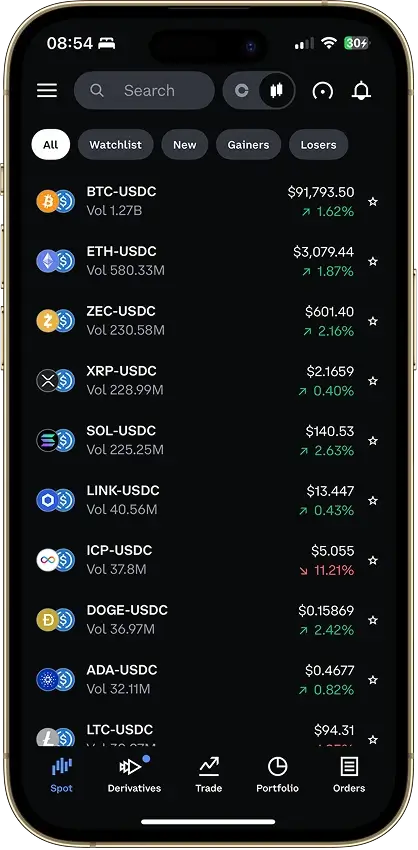
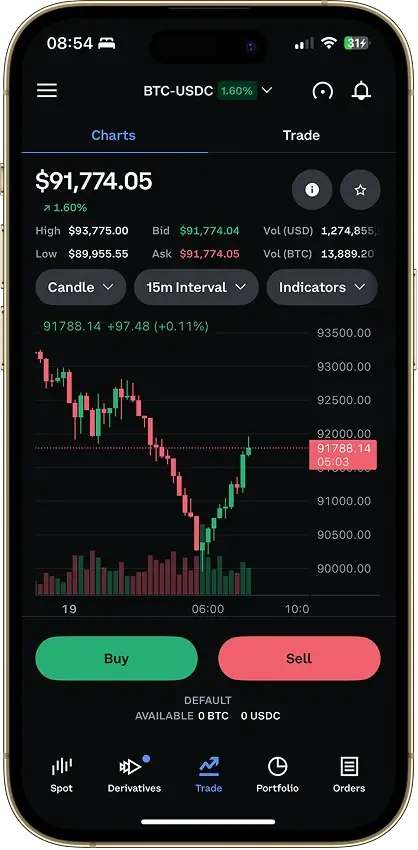
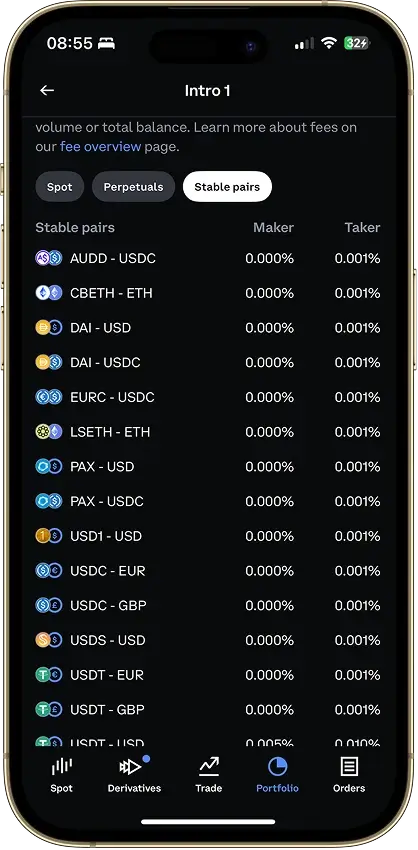
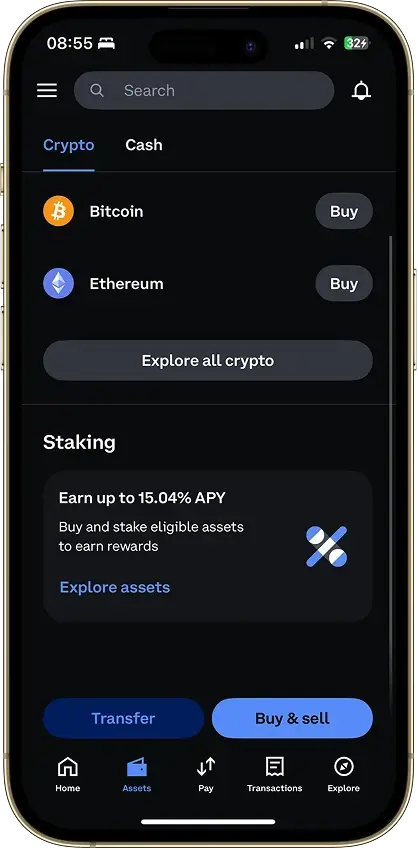
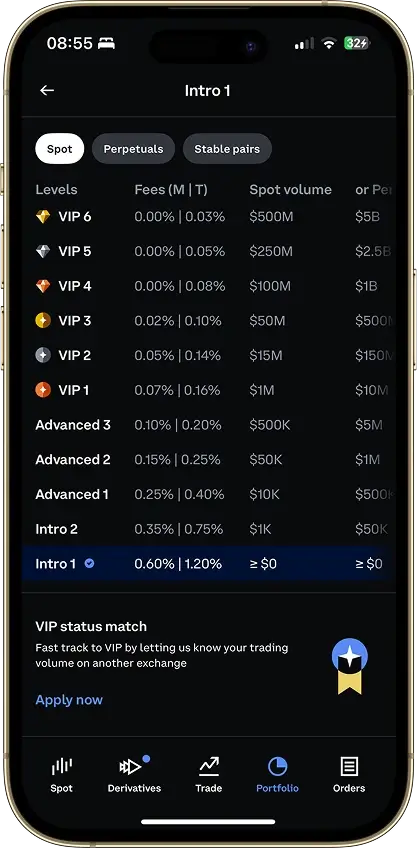
Crypto.com
- Cost
- Exchange spot base: maker 0.25%, taker 0.50%
- Assets
- 400+ crypto
- Fiat funding
- ACH (US); SEPA (EEA); cards
Pros
- 400+ spot coins on the global Exchange
- 0.25% / 0.50% entry spot fees
- CRO balance can cut maker fees to 0%
- U.S. ACH and Fedwire funding where available
- Passkeys, FIDO2 and an anti-phishing code
Cons
- Reserve attestation dates to 2022
- Seven-business-day hold on Instant ACH
- No open retail API sandbox

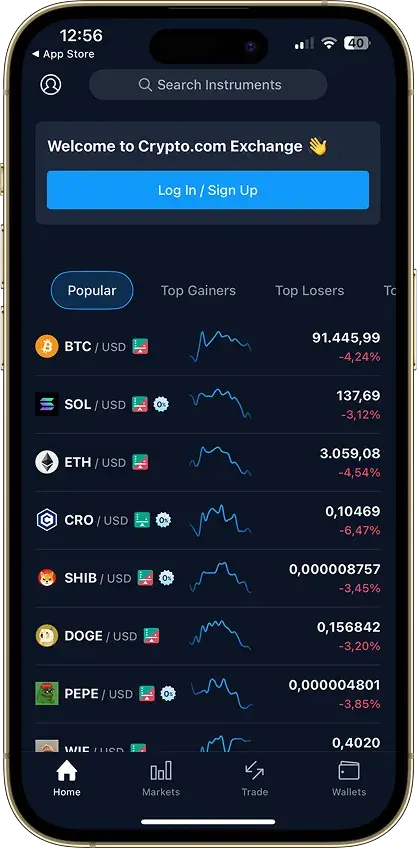
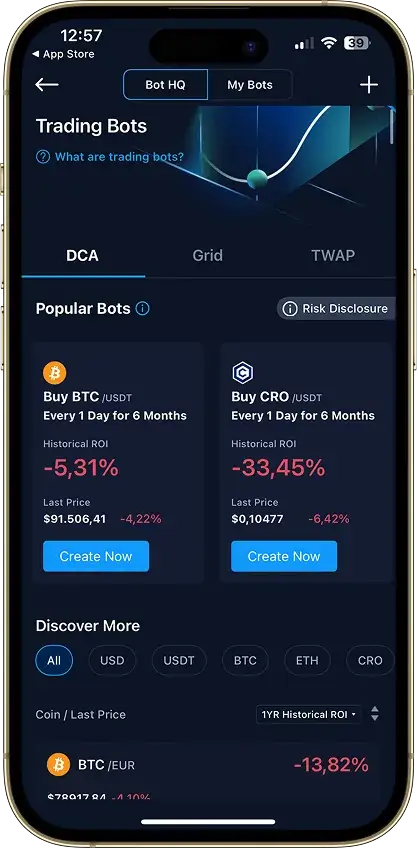
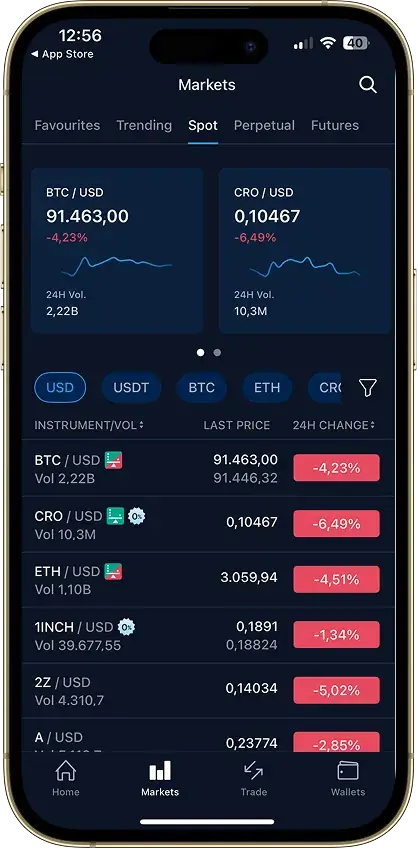

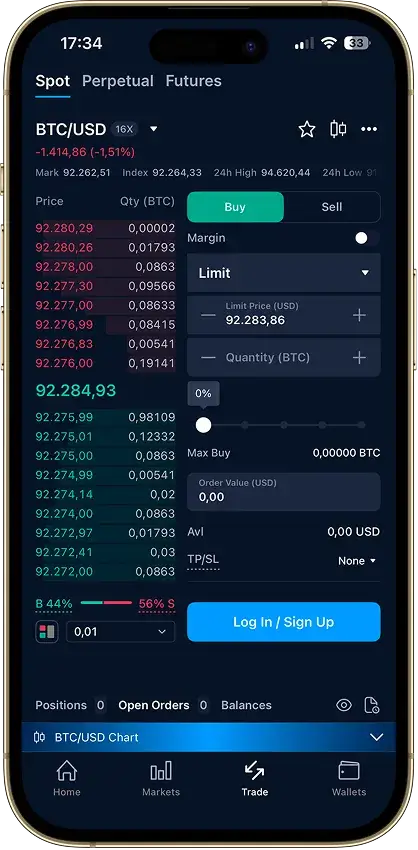
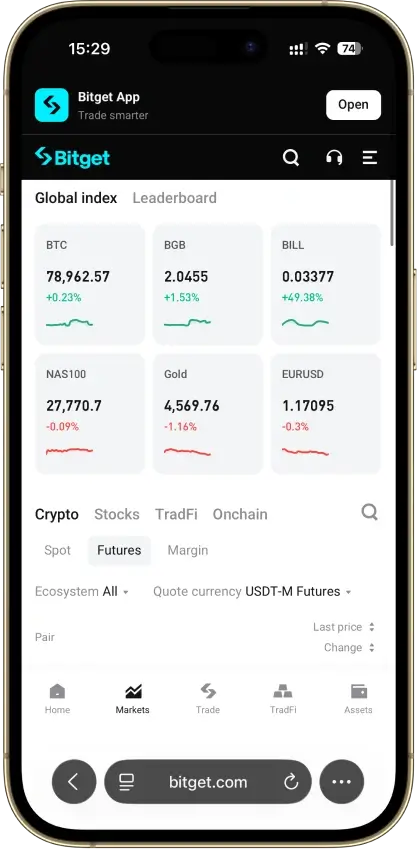
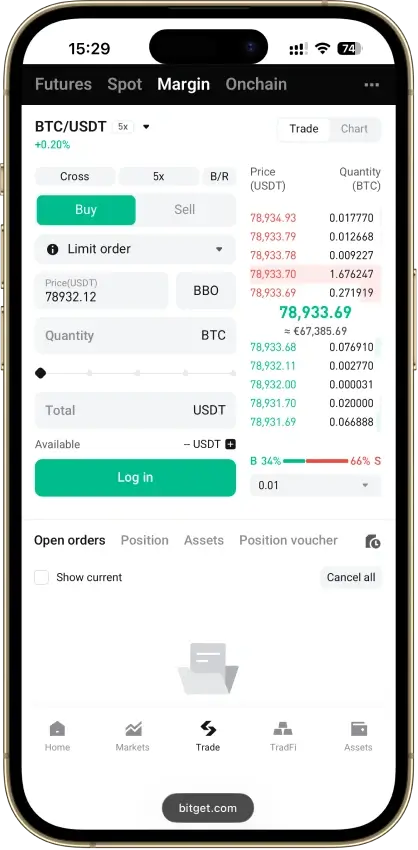
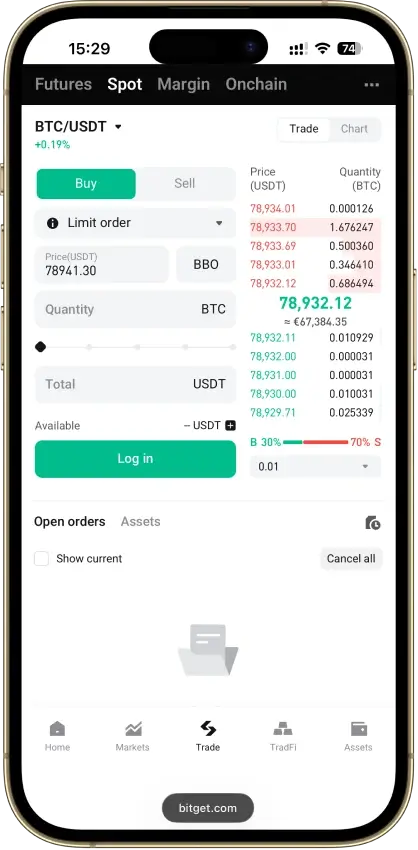
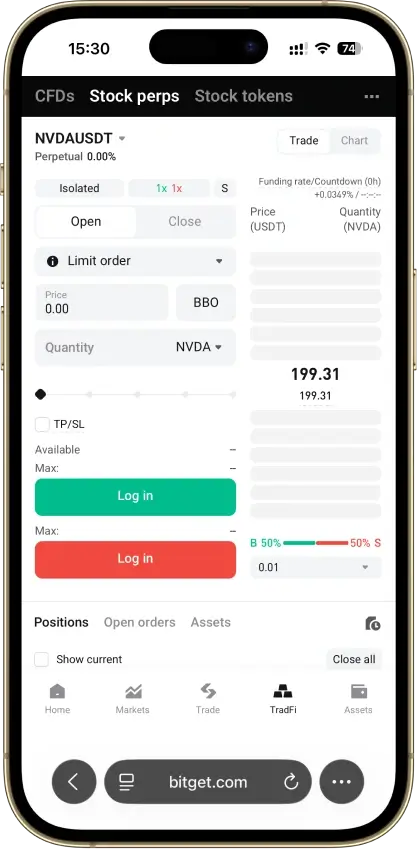
Bitget
- Cost
- Spot base: maker/taker 0.10%
- Assets
- 600+ crypto
- Fiat funding
- Cards, P2P, regional bank rails
Pros
- 0.10% standard spot fees
- Monthly Merkle inclusion checks
- 800+ coins on the global exchange
- Demo trading and scoped API keys
- Bots for automated trading
Cons
- Earn rates and terms change product by product
- BGB flash crash in 2024, trade rollback in 2025
- Simple-buy and P2P spreads sit outside fee tables
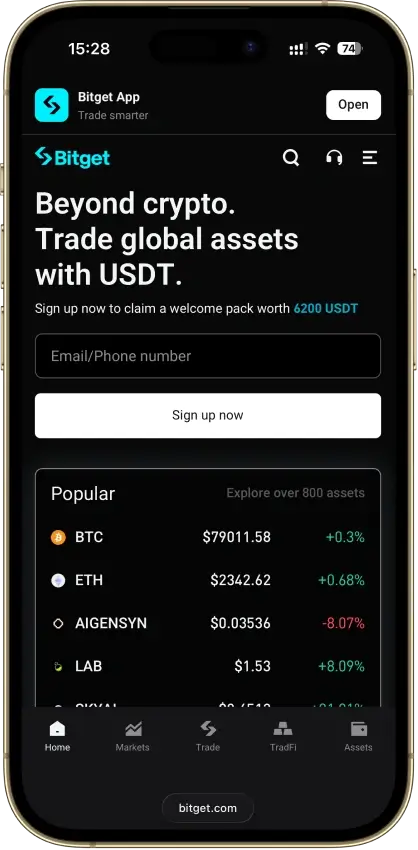
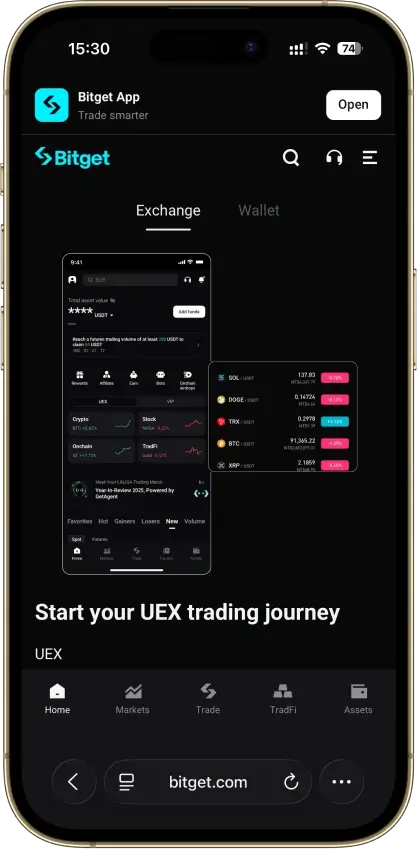
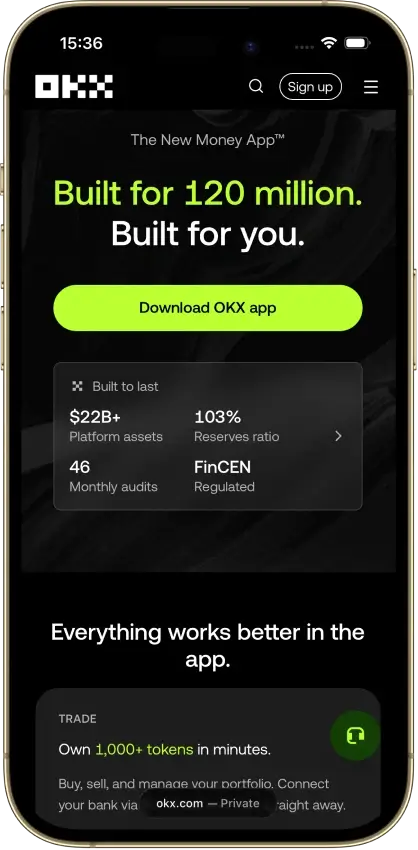
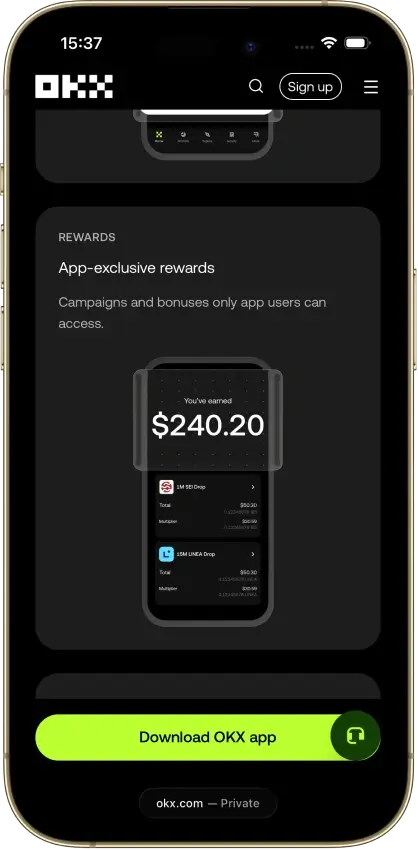
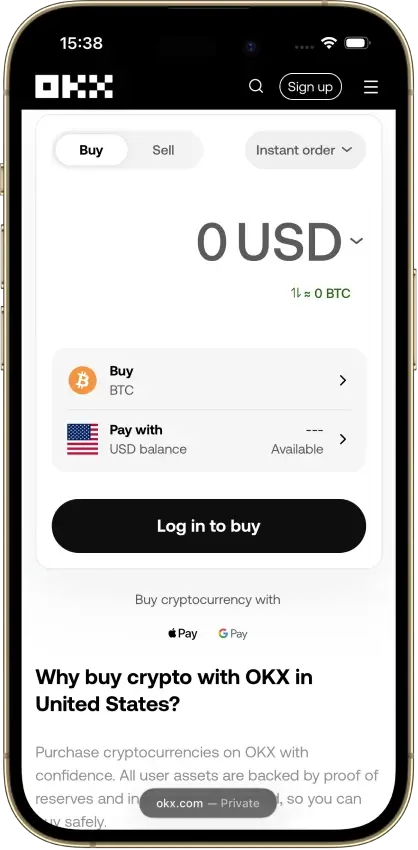
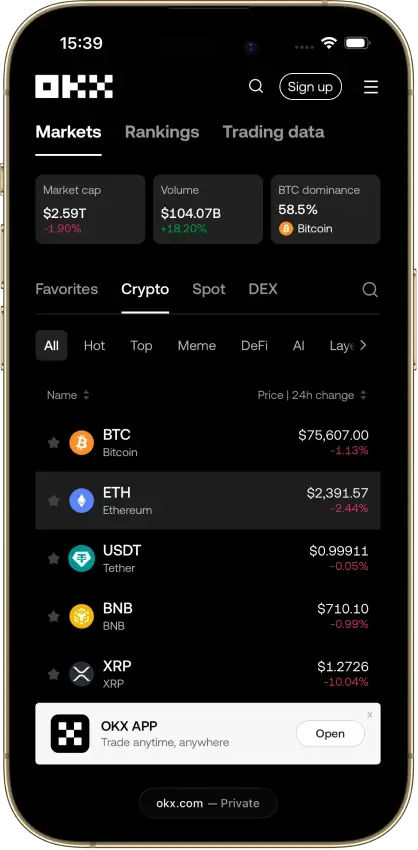
OKX.us
- Cost
- US spot base: maker 0.20%, taker 0.35%
- Assets
- US asset count not disclosed
- Fiat funding
- ACH, USD wire, debit (eligible US)
Pros
- Dollar funding by ACH or domestic wire
- REST and WebSocket trading connections
- Zero-fee USDC-USDT and PYUSD-USDT pairs
- Same-account buy, sell, and Convert
- Limit orders on a full spot order book
Cons
- ACH-funded buys can't be withdrawn right away
- No private insurance for crypto holdings
- Up to 1% spread on simple buys
- $30 fee on domestic wire withdrawals
Binance.US
- Cost
- Advanced spot: maker 0%, taker 0.02%
- Assets
- 204 assets (Sep. 2026 review)
- Fiat funding
- ACH/wires/cards (eligible US)
Pros
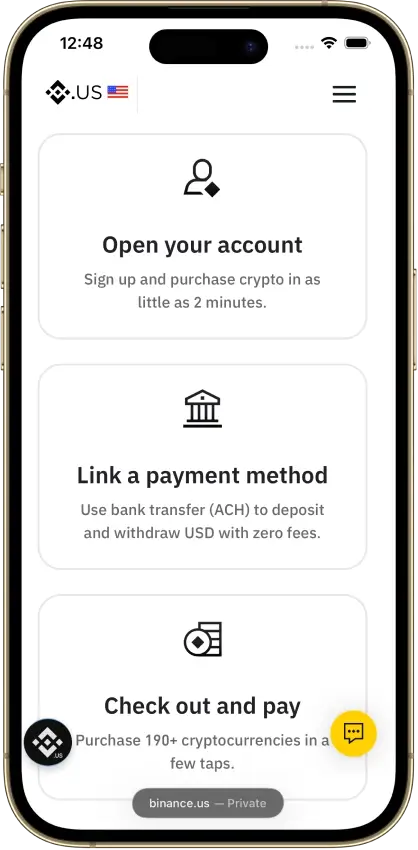
- Free ACH once holds clear
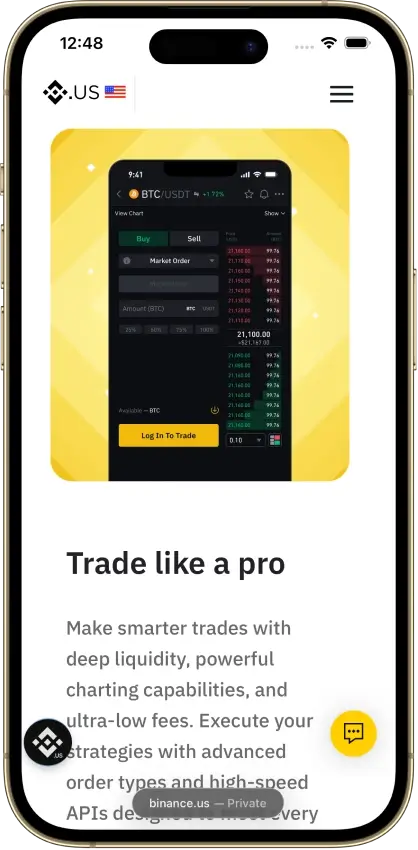
- Optional 5% BNB fee-payment discount
- Wire funding and mobile card deposits
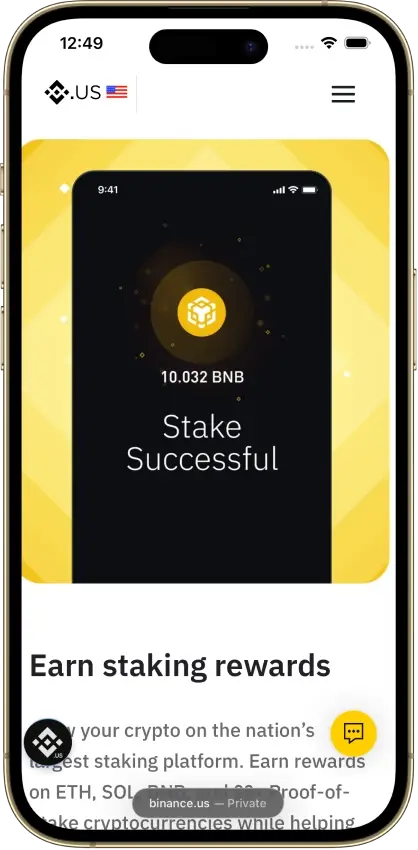
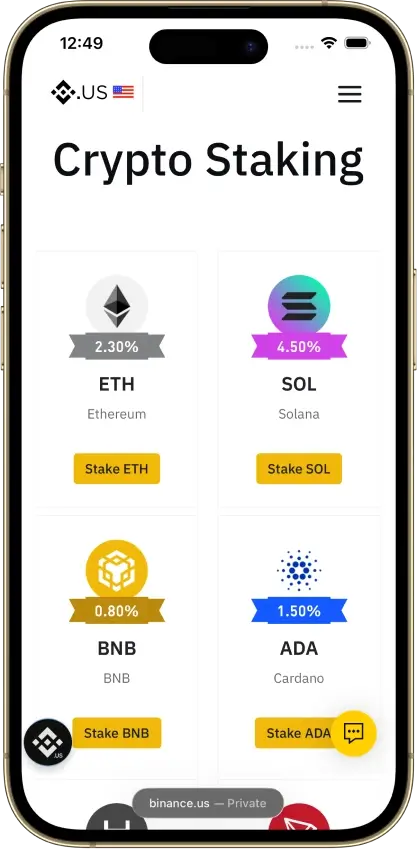
- Soft-Staking leaves balances available
- CSV and PDF transaction-history exports
Cons
- Seven-day ACH and card withdrawal holds
- No way to verify your balance in reserves
- Soft-Staking required for new accounts
A fee schedule becomes useful only after the trader's eligible tier and intended pair are known. The lowest published maker tier may require unreachable volume, while a zero-fee pair can carry a wider spread or different execution rules. Compare the default tier with a timestamped order-book sample at the intended size. Add funding and conversion costs, along with borrowing and withdrawal.
How We Rank
- Security & custody 22% weight
Cold‑vs‑hot balance, key management (HSM/MPC), incident history, withdrawal controls, client‑asset segregation
- Market quality & reliability 18% weight
Order‑book depth/dispersion, spreads, uptime/SLOs, circuit‑breaker design, incident response
- Regulatory posture 12% weight
Licensing/registrations (MSB/MTL, FCA, MiCA, AUSTRAC, FSA), governance, compliance record
- Fees & pricing 12% weight
Maker/taker levels by tier, “instant buy” spread, funding/withdrawal costs, fee transparency
- Proof of reserves & transparency 8% weight
Frequency/scope of attestations, Merkle user‑verifiable liabilities, on‑chain wallet disclosures, auditor independence
- On/Off‑ramps & payments 8% weight
Breadth of fiat rails (ACH/SEPA/FPS/wire), settlement speed, geographic coverage
- Product breadth 8% weight
Spot, margin, perps/options, staking/earn, card, OTC, API availability
- UX & support 7% weight
App stability/performance, accessibility, documentation, support SLAs, incident communication
- API & pro tooling 5% weight
REST/WebSocket depth, rate limits, sandbox, SDKs, change management and monitoring
The published day-trading exchange scoring method begins with the precise account entity and its assessed market. A day-trading row must then pass product availability and pair-level execution checks. Order control and cost come next. Reliability and exit complete the assessment. An exchange must support the required spot or margin market, or the required contract.
The guide to the best cryptocurrency exchange platforms covers account and custody questions. It also assesses solvency evidence and funding through withdrawal. This page narrows the decision to repeated intraday execution. The assessment does not predict returns or reward borrowed exposure. Raw volume and token count do not decide the rank, and neither do promotional rebates.
What Makes an Exchange Fit Day Trading?
Day trading means opening and closing a position within the same trading day. The platform decision is operational. A trader needs enough liquidity at the actual size and an understood order model. Consistent access and clear records also matter, as does a reliable way to reduce or close exposure.
The product determines the best fit because spot involves buying and selling an asset, while margin adds borrowing. A perpetual or dated futures trader holds a contract with collateral and liquidation rules. Similar charts can conceal different legal entities and balances. They can also conceal fees, settlement, and loss paths.
Traders considering an evaluation account for repeated intraday execution can compare crypto prop firms for active trading by fees, drawdown limits, and payout terms separately from exchange execution.
Pair-Level Execution Matters
Headline exchange volume does not show the available depth in one pair. Inspect the bid and offer with the spread and nearby book levels. Then check recent trade cadence and the estimated result for the intended size. Repeat the observation during normal and stressed conditions because a liquid major pair does not make every altcoin market liquid.
The quote currency can add an extra stablecoin or fiat conversion to the route. That step can add spread and fees while changing balance risk. Compare the entire route from the trader's funding currency to the final asset and back.
Orders Need Predictable States
The interface should distinguish submitted and open orders from partial or complete fills. Canceled, rejected, and triggered states must also be clear. A trader needs to know whether canceling a remaining limit order leaves an already filled position. Conditional instructions need a clear trigger price and execution type, plus defined behavior during gaps.
Exchange-specific definitions determine how advanced orders behave. Read the local rules for stop and stop-limit orders first. Then check take-profit, reduce-only, post-only, immediate-or-cancel, and fill-or-kill. Test with a small order before relying on an instruction during a fast market.
The Exit Must Work Under Pressure
The normal purchase flow says little about what happens when the platform is congested. Check order cancellation and position closure. Then test exposure reduction, account recovery, and authenticated support. Save the status-page link separately from the trading session.
For margined products, distinguish a normal close from forced liquidation. Automatic deleveraging and any insurance-fund process need separate review. The interface should show the relevant reference or mark price and margin state before the account is at immediate risk.
Measure the Full Round-Trip Cost
Repeated intraday costs make small pricing differences compound across a session. Use the same pair and order size across exchanges. Match the order type and account tier as well. Measure a round trip because the spread and fee apply again on the exit.
| Cost Layer | Where It Appears | Comparison Method |
|---|---|---|
| Funding | Cash or crypto entering the account | Record deposit fee, conversion, and time unavailable |
| Bid-offer spread | Difference between immediate buy and sell prices | Capture both sides at the same timestamp and size |
| Trading fee | Charged on each fill | Use the eligible maker or taker tier, not the lowest advertised tier |
| Slippage | Difference between expected and completed price | Compare order preview, fills, and volume-weighted result |
| Borrow cost | Margin loan or asset borrow | Record rate basis, accrual interval, and repayment rules |
| Funding payment | Perpetual contract transfer | Record interval, current rate, cap, and position direction |
| Conversion | Quote asset or stablecoin change | Include every intermediate trade and spread |
| Withdrawal | Cash or crypto leaving the account | Include platform, bank, and network charges |
A limit price establishes a boundary, but it does not guarantee maker status. A marketable limit order can execute immediately and pay the taker rate. Post-only instructions can help control that outcome, although the order may be rejected or canceled if it would cross the book.
Rebates and token discounts add conditions that can change the effective rate. Calculate the cost without a promotion first. Then show the effect only if the trader qualifies and accepts the token exposure or volume requirement. A temporary campaign does not establish the normal cost of the exchange.
Liquidity, Spread, and Slippage
Liquidity includes the amount near the best price and the speed at which orders refill. Trading concentration and book behavior during market moves add another layer. One screenshot supports a planned-trade comparison at a known time. A durable ranking needs observations across more conditions.
Estimate the volume-weighted average price across the size that would execute immediately. Then compare it with a patient limit-order route, including the possibility of no fill or a partial fill. The correct choice depends on price certainty and completion certainty. Maker status can change that decision again.
Published volume can be distorted or refer to a different entity and product. Prefer observed depth and fills, then review market-quality data and incident history. An exchange that is deep on a global perpetual market may have a much thinner local spot book.
Order Types and Trading Controls
Market orders prioritize execution while accepting price uncertainty. Limit orders control the worst accepted price but may remain unfilled. Stop instructions become active only after a trigger condition and can then execute differently depending on whether the child order is market or limit.
For every instruction, confirm:
- Which price triggers it, such as last, index, or mark price.
- Whether it opens, reduces, or can accidentally reverse a position.
- What happens after a partial fill.
- Whether the order persists after logout, restart, or session expiry.
- How it behaves during a halt, maintenance window, or price gap.
- Whether mobile, web, and API versions use the same fields.
Reduce-only is especially important for contract positions because it is intended to prevent a closing instruction from increasing or reversing exposure. Test the exchange's implementation. Do not assume the label behaves identically across products.
Spot, Margin, or Derivatives for Intraday Trading?
| Route | What Is Traded | Additional Cost or Risk | Key Eligibility Check |
|---|---|---|---|
| Spot | Crypto asset balance | Spread, trading fee, custody, and withdrawal | Pair and withdrawal network are live in the account |
| Margin spot | Asset plus borrowed funds or tokens | Interest, collateral, margin call, and forced sale | Borrowing is allowed for the entity, asset, and customer |
| Perpetual contract | Non-expiring derivative | Funding, mark price, liquidation, and counterparty rules | Contract is live for the region and account class |
| Dated future | Expiring derivative | Basis, expiry, settlement, roll, and margin | Contract size and settlement method fit the trade |
| Option | Right or obligation under defined terms | Premium, expiry, volatility, exercise, and writer risk | Strike, expiry, exercise, and customer permission are supported |
Spot carries volatility, custody, execution, and platform risk without creating liquidation from borrowed exposure. Margin and derivatives can amplify both gains and losses. The CFTC warns that borrowed exposure magnifies price changes and can force an account to add funds or close positions.
Use the best crypto derivatives exchanges page to choose a product family. Detailed exchange decisions for contracts belong on the relevant futures or options page. This page stays focused on the trading workflow instead of teaching a margin-based strategy.
Reliability, Recovery, and Security
Day-trading reliability covers the trader's ability to see and control orders throughout an incident. Review scheduled maintenance and partial outages. Order-entry failures, delayed data, canceled orders, withdrawal pauses, and incident communication complete the record. A single uptime percentage cannot answer the control question.
Account security should remain intact when a trader wants faster session access. Use phishing-resistant authentication and withdrawal allowlists where supported. Add device and session review, unique credentials, and verified support routes. Do not weaken controls merely to log in faster.
Give each bot credential the narrowest practical scope. A key used to place trades normally does not need withdrawal access. Restrict addresses where supported and rotate secrets. Define system behavior after a rejected request, stale market data, or a disconnected stream.
Mobile, Desktop, API, and Bots
A mobile app is useful for monitoring and emergency actions, but a small screen can hide order conditions or position details. Test whether the ticket shows side, product, quantity, order type, trigger, reduce-only state, estimated fee, and resulting exposure before confirmation.
Desktop and web interfaces should keep order, fill, and balance histories consistent. API documentation should identify rate limits, authentication, time synchronization, order identifiers, error codes, and websocket recovery. A bot is only as reliable as its data checks, permissions, and failure handling.
Automation still needs explicit market and system risk limits. Set size limits and stale-price checks. Add a cap on open orders and a manual shutdown route. Run a sandbox or smallest-size test before connecting a strategy to meaningful funds.
Regional Access and Account Rules
Product access attaches to the legal entity and customer classification. The global exchange name cannot establish it. Confirm that the account can open and fund, then trade and close the exact product. Location rules and client-class restrictions can change the available interface.
Do not assume that a securities-market day-trading rule automatically applies to every crypto transaction or that crypto is exempt from every account rule. The legal wrapper, product, intermediary, and jurisdiction matter. FINRA's crypto asset overview also notes that crypto assets and service providers can carry risks beyond traditional investments.
Record the serving entity, product terms, fee tier, and eligibility decision. Recheck them after travel, address changes, entity migrations, or product notices. Access that worked in one account or country is not proof for another.
Records and Performance Measurement
Download orders, fills, deposits, withdrawals, funding payments, borrowing charges, and realized and unrealized profit records. A chart of account value cannot show whether the result came from execution, market direction, deposits, or borrowed exposure.
Measure gross result, fees, spread, slippage, funding or interest, and net result separately. Compare the result with the risk taken and the time the capital was exposed. A high win rate can coexist with poor outcomes if losing trades are much larger than winning trades.
Exchange exports may use different timestamps and identifiers across spot, margin, and derivatives accounts. Reconcile them regularly instead of waiting for tax season. Local tax treatment varies, so keep complete records and seek qualified advice for the relevant jurisdiction.
A Small First-Session Test
Before increasing size, complete one controlled session:
- Secure the account and save authenticated support and status links.
- Fund with a small amount through the intended route.
- Capture the pair's spread and depth at the intended test size.
- Place, amend, partially fill, and cancel a small limit order where practical.
- Confirm the fill, fee, balance change, and export record.
- Test the exit, including a small cash or crypto withdrawal.
For a leveraged account, add a separate product test that confirms collateral, mark price, reduce-only behavior, funding or interest, and liquidation information. A successful spot session does not validate a derivatives workflow.
Day trading can result in rapid and complete loss, especially when borrowed exposure is involved.
Past fills or platform performance do not predict returns.
Risk only money whose complete loss is affordable. Understand every order and product, then keep an independent route to monitor and reduce risk.
FAQ
What is the best crypto exchange for day trading?
The answer depends on the exact region, product, pair, order size, and account tier. Shortlist only accounts that support the intended market, then compare observed depth, spread, eligible fees, order controls, reliability, records, and withdrawal. A platform-wide score or volume claim cannot settle that pair-level decision.
Which crypto pair is best for day trading?
A useful pair must have enough observed depth at the intended size and an acceptable route from the funding currency. Its price behavior also needs to be understood. These conditions change by trader and session. Thin or newly listed assets can have wider spreads and unstable depth, which increases slippage.
Are zero-fee exchanges cheapest for day trading?
Zero-fee pricing can move cost into the bid-offer spread or conversion rate. A withdrawal charge, token-holding condition, or volume gate can also matter. Compare the net result of the same round trip at the eligible tier. Include spread and slippage, followed by funding, borrowing, and exit costs.
Is spot day trading safer than using borrowed funds?
Spot trading avoids margin liquidation caused by borrowed exposure, but it still carries volatility, custody, execution, and platform risks. Borrowing can magnify losses and force a position to close. “Safer” depends on the complete risk setup, but borrowed exposure adds forced-close processes that spot does not have.
Do pattern day trader rules apply to crypto?
The applicable rule depends on jurisdiction and legal entity. Account type and the instrument's legal treatment also matter. Check the exact agreement and local regulator. A rule for a specific securities margin account may not describe a spot crypto account.
Is a mobile app enough for crypto day trading?
A mobile app can handle monitoring and simple orders if it shows all required fields and order states. Test its position controls, trigger definitions, fee preview, records, and recovery route. Traders using complex orders or automation may need desktop or API tools, but those add their own failure modes.
What should I test before funding a day-trading account?
Confirm the serving entity, product access, security controls, funding and withdrawal routes, fee tier, pair depth, order definitions, status history, and exports. Then complete a small end-to-end session. Test an order change or cancellation and reconcile the fill and fee before increasing funds or frequency.
How does CryptoSlate rank day-trading exchanges?
CryptoSlate keeps the category-specific Day Trading Score assigned to the assessed product and market. Its evidence checks live product access, pair-level execution, eligible cost, order controls, reliability, records, and a workable exit. An existing value can be retained only when those category checks still support it.