A decentralized wallet is a non-custodial wallet that lets you control your private keys while your assets remain on-chain.
Most people use “decentralized” to mean self-custody: you sign transactions yourself instead of trusting an exchange or other custodian. This guide compares decentralized wallets and non-custodial wallets across two common setups: Web3 hot wallets for DeFi and everyday transfers, and hardware cold wallets for long-term storage. You’ll also get a comparison table and a quick checklist to choose the right wallet for your needs.
Top Decentralized And Non-Custodial Crypto Wallets
- Custody
- Non-custodialPartially open-source
- Networks
- Platforms
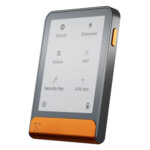
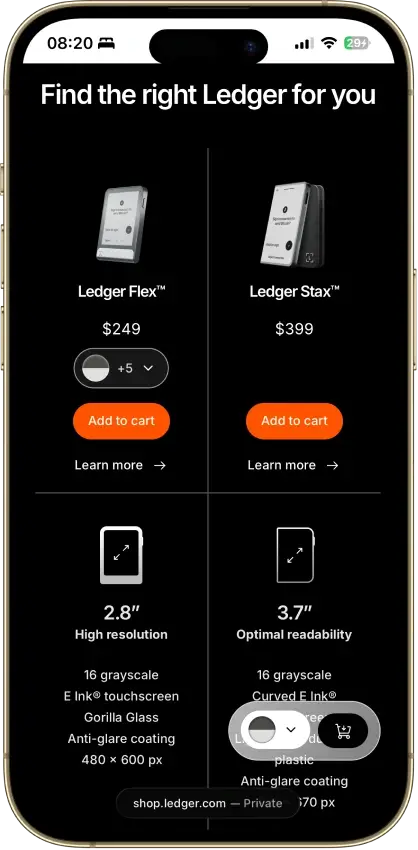
- 2.8-inch E Ink touchscreen for approvals
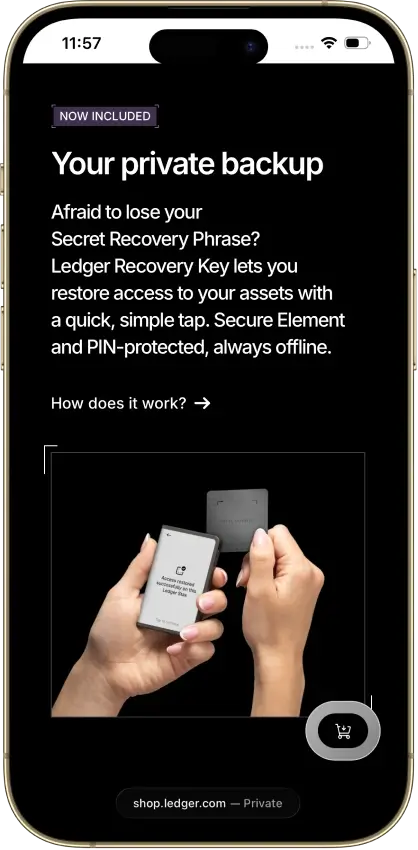
- Recovery Key card stores an encrypted backup
- Built by French device maker Ledger
- Custody
- Non-custodialPartially open-source
- Networks
- Platforms
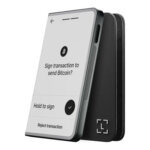
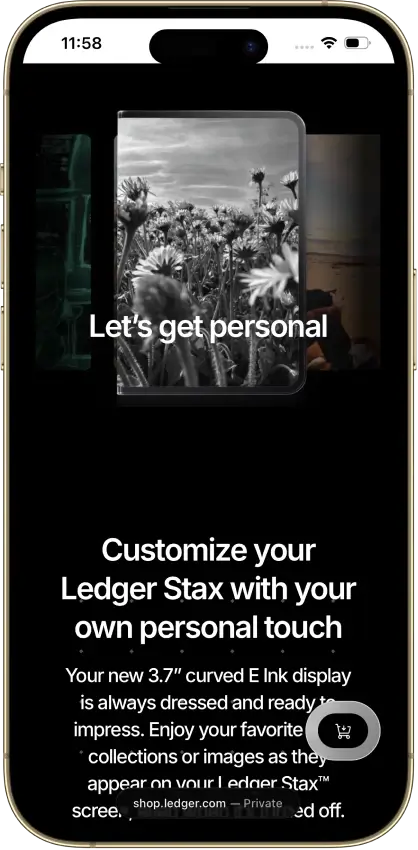
- Curved 3.7-inch E Ink touchscreen
- Qi charging alongside USB-C
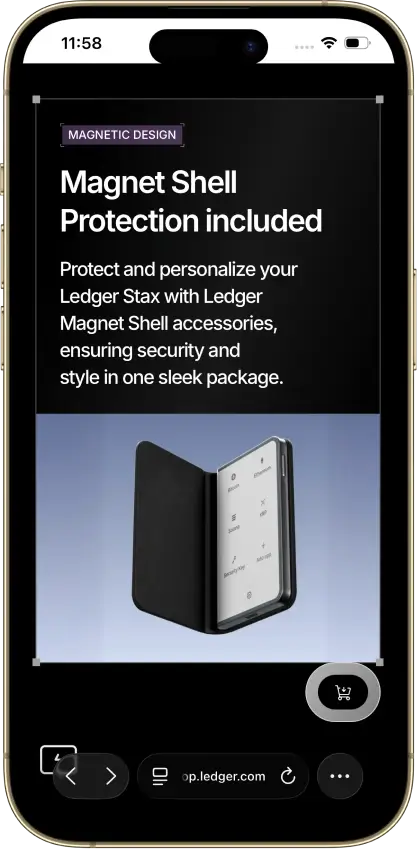
- Magnet Shell included in the box
- Custody
- Non-custodialFully open-source
- Networks
- Platforms
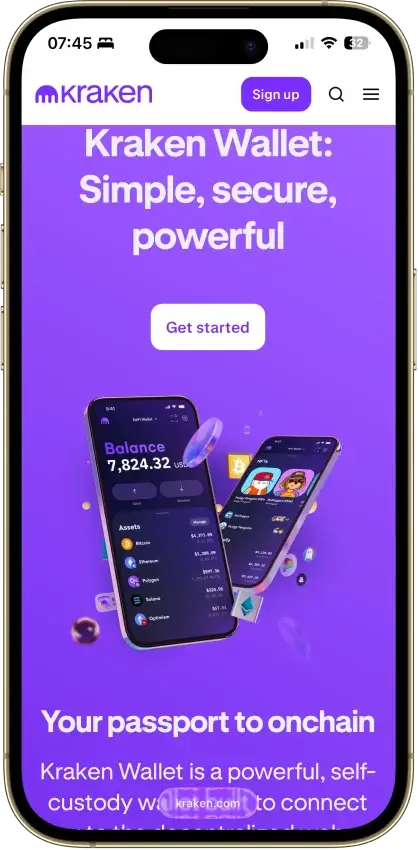
- Built by the team behind Kraken exchange
- Native Dogecoin support, not wrapped
- Token risk scoring and spam-NFT filter
- Custody
- Non-custodialPartially open-source
- Networks
- Platforms
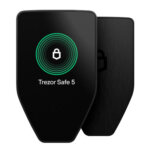
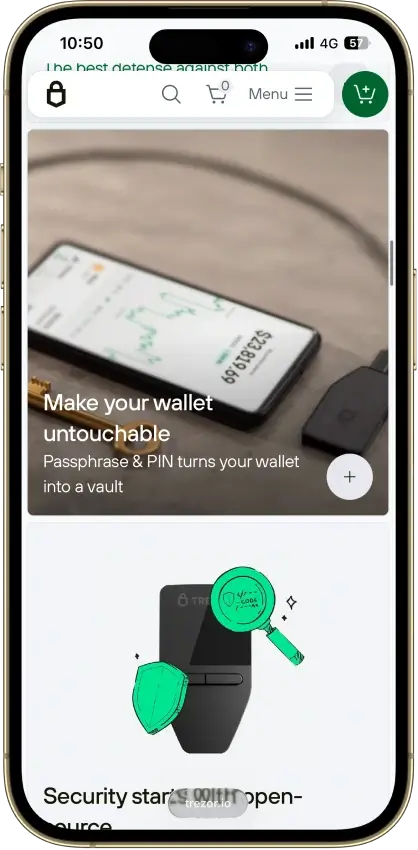
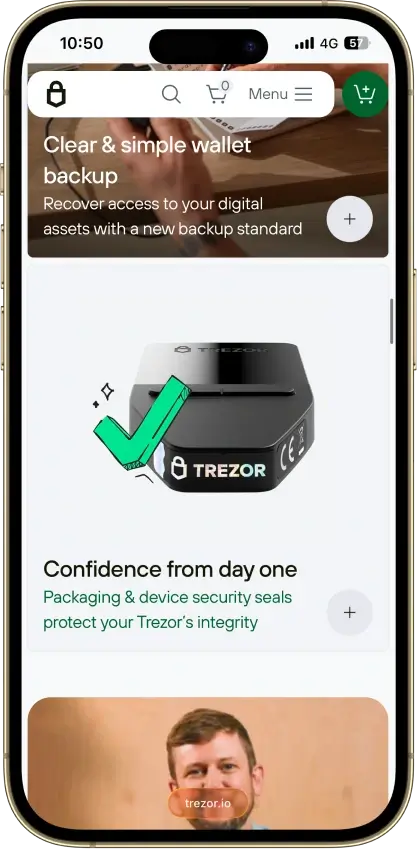
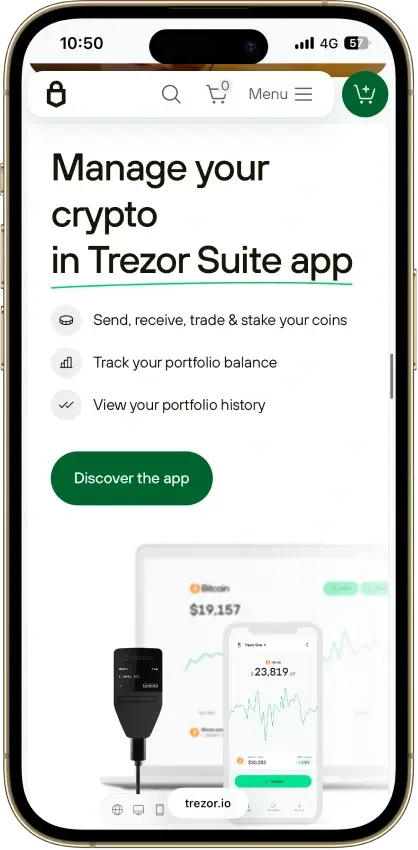
- Touchscreen Trezor for $120 less than Safe 7
- MicroSD card as a second unlock factor
- Recovery words entered on the touchscreen
- Custody
- Non-custodialPartially open-source
- Networks
- Platforms
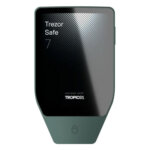
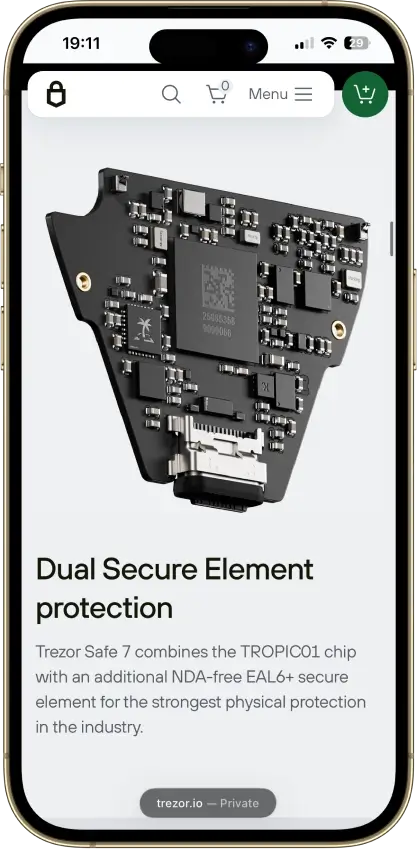
- Two secure elements protect PIN access
- Post-quantum device authentication
- The only Trezor that signs with an iPhone
- Custody
- Non-custodialFully open-source
- Platforms
- Solo-mine XMR from inside the wallet
- Merchant page for receiving payments
- Pruning shrinks the full-node disk footprint
- Custody
- Non-custodialPartially open-source
- Networks
- Platforms
- Tied for the cheapest hardware wallet we review
- Bitcoin-only firmware option
- FIDO2 authentication for compatible services
- Custody
- Non-custodialFully open-source
- Networks
- Platforms
- Only fully open-source hardware we review
- SeedQR temporary-signing option
- JadeLink storage for offline file signing
- Custody
- Non-custodialPartially open-source
- Networks
- Platforms
- Room for up to 100 apps on the device
- Recovery Check app tests your backup
- From Ledger, a wallet maker based in France
- Custody
- Non-custodialPartially open-source
- Networks
- Platforms
- Lowest price of any Bluetooth hardware wallet
- Wireless firmware updates from a phone
- Made by Ledger, a French company
- Custody
- Non-custodialFully open-source
- Platforms
- Freeze selected outputs before spending
- Animated-QR offline signing workflow
- Packages for Tails and Whonix
- Custody
- Non-custodialPartially open-source
- Networks
- Platforms
- The widest network list of any wallet we review
- DEX aggregator draws on 100+ liquidity pools
- Create and trade NFTs inside the wallet
- Custody
- Non-custodialPartially open-source
- Networks
- Platforms
- Separate Cash account for Solana payments
- Pay Solana network fees in the token you send
- PSOL keeps staked SOL tradable in DeFi
- Custody
- Non-custodialPartially open-source
- Networks
- Platforms
- Its own Shield card for hardware signing
- Selected Solana DeFi positions in portfolio
- Instant Unstake skips the 1–3 day wait
- Custody
- Non-custodialFully open-source
- Networks
- Platforms
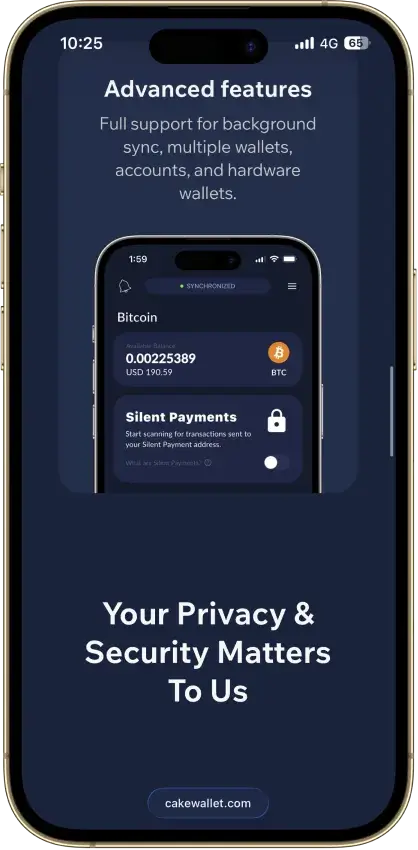
- Bitcoin Silent Payments with scan controls
- Mobile Litecoin MWEB private balances
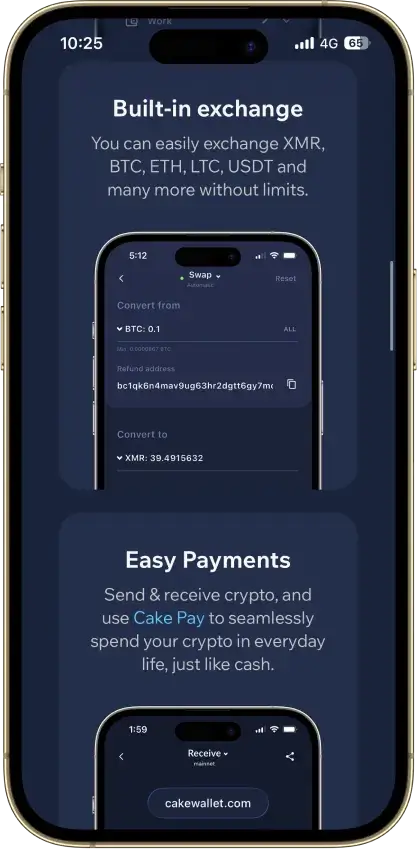
- Cake Pay buys gift cards with crypto
- Custody
- Non-custodialPartially open-source
- Networks
- Platforms
- Snaps add third-party wallet capabilities
- Social login that still signs on your device
- Transaction Shield cover on marked transactions
- Custody
- Non-custodialFully open-source
- Platforms
- PocketChange for repeated payments
- Street Mode conceals on-screen balances
- View-only wallets for incoming payments
- Custody
- Non-custodialClosed-source
- Networks
- Platforms
- Battery-free NFC card signing
- Separate cards managed in one app
- MoneyGram cash pickup via USDC on Stellar
- Custody
- Non-custodialPartially open-source
- Networks
- Platforms
- Smart-wallet recovery key can replace a passkey
- USDC sends on Base with sponsored gas
- Coinbase-funded USDC Rewards for holders
- Custody
- Non-custodialPartially open-source
- Networks
- Platforms
- Largest screen of any hardware wallet we review
- Public upgrade-file verification tool
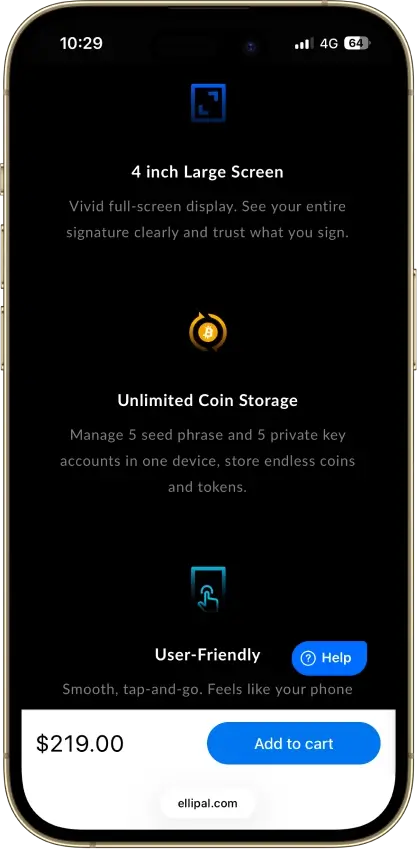
- Room for five seed and five key accounts
- Custody
- Non-custodialClosed-source
- Networks
- Platforms
- Quick Backup moves keyless wallets to new phones
- Web trading through Secure Auto Sign
- Buy DEX tokens with your Binance balance
- Custody
- Non-custodialFully open-source
- Networks
- Platforms
- Duress Mode hides funds under coercion
- No seed phrase to write down or lose
- Recovery token plus optional 2FA layer
- Custody
- Non-custodialClosed-source
- Networks
- Platforms
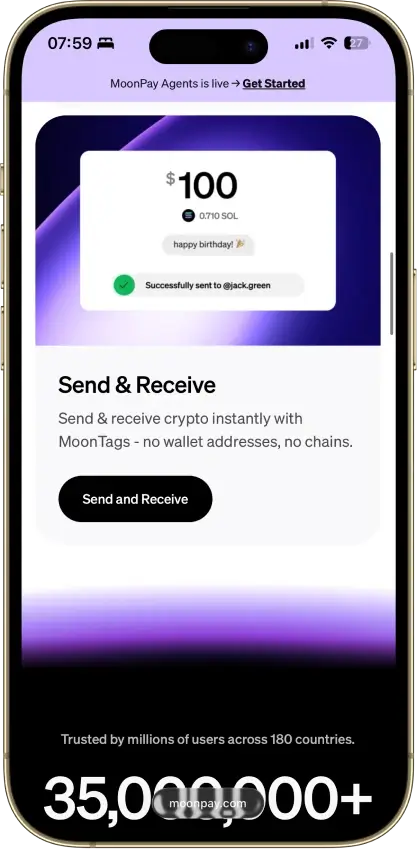
- MoonTag usernames for MoonPay-to-MoonPay sends
- US Balance buy/sell waives MoonPay's fee
- Phrase export still works on a restricted account
- Custody
- Non-custodialFully open-source
- Networks
- Platforms
- Only wallet we review with Firo and Epic Cash
- Clean record, no hack or key flaw on file
- Opt-in Tor routing for each node
- Custody
- Non-custodialPartially open-source
- Networks
- Platforms
- Ledger and Trezor portfolios in one app
- Cloud backup unlocked only by a passkey
- Listed company with public financial filings
- Custody
- Non-custodialPartially open-source
- Networks
- Platforms
- SWIFT offers passkey-based wallet recovery
- Second only to OKX for network coverage
- Premium loyalty tiers reward wallet activity
- Custody
- Non-custodialClosed-source
- Networks
- Platforms
- Seedless recovery through linked NFC cards
- 25-year limited hardware warranty
- Optional seed phrase on newer cards
CryptoSlate may earn a commission when you visit partner sites through links on this page, at no extra cost to you. Our rankings and reviews remain editorially independent and based on our published methodology. Read disclosure
Disclaimer: CryptoSlate may receive a commission when you click links on our site and make a purchase or complete an action with a third party. This does not influence our editorial independence, reviews, or ratings, and we always aim to provide accurate, transparent information to our readers.If you’re new to self-custody, Trust Wallet is a simple place to start on mobile. If you’re mainly using Ethereum and EVM DeFi, MetaMask is the default Web3 choice (and Rabby is a strong upgrade if you want clearer transaction previews). For long-term storage, move larger balances to a hardware wallet like Trezor Safe 5 or Ledger Nano S Plus.
Next, the comparison table breaks down chain support, XRP compatibility, backup options, and hardware signing so you can choose the right setup fast.
Remember, recovery and hardware support are no longer one-size-fits-all. Some wallets now offer seedless or email-based onboarding, some only support specific hardware devices, and some limit how dApps connect on mobile or iPhone. Check those details before treating two wallets as interchangeable.
Here’s a quick side-by-side look at what actually matters when you’re choosing a decentralized wallet for self-custody: chain support, XRP compatibility, how you back up access, and whether you can verify transactions on hardware.
Comparison Table
| Name | Custody | Blockchains | Hardware Support | Staking | Fiat On-ramp |
|---|---|---|---|---|---|
 Ledger Flex Ledger Flex | Non-custodial | No | Limited | Yes | |
 Ledger Stax Ledger Stax | Non-custodial | No | Limited | Yes | |
 Kraken Wallet Kraken Wallet | Non-custodial | No | Limited | No | |
 Trezor Safe 5 Trezor Safe 5 | Non-custodial | No | Limited | Yes | |
 Trezor Safe 7 Trezor Safe 7 | Non-custodial | No | Limited | Yes | |
 Monero GUI Wallet Monero GUI Wallet | Non-custodial | — | Yes | None | No |
 Trezor Safe 3 Trezor Safe 3 | Non-custodial | No | Limited | Yes | |
 Blockstream Jade Plus Blockstream Jade Plus | Non-custodial | No | None | Yes | |
 Ledger Nano S Plus Ledger Nano S Plus | Non-custodial | No | Limited | Yes | |
 Ledger Nano X Ledger Nano X | Non-custodial | No | Limited | No | |
 Feather Wallet Feather Wallet | Non-custodial | — | Yes | None | No |
 OKX Wallet OKX Wallet | Non-custodial | Yes | Limited | Yes | |
 Phantom Phantom | Non-custodial | Yes | Limited | Yes | |
 Solflare Solflare | Non-custodial | Yes | Full | Yes | |
 Cake Wallet Cake Wallet | Non-custodial | Yes | None | Yes | |
 MetaMask MetaMask | Non-custodial | Yes | Full | Yes | |
 Monerujo Wallet Monerujo Wallet | Non-custodial | — | Yes | None | No |
 Arculus Wallet Arculus Wallet | Non-custodial | No | Limited | Yes | |
 Coinbase Wallet Coinbase Wallet | Non-custodial | Yes | Limited | Yes | |
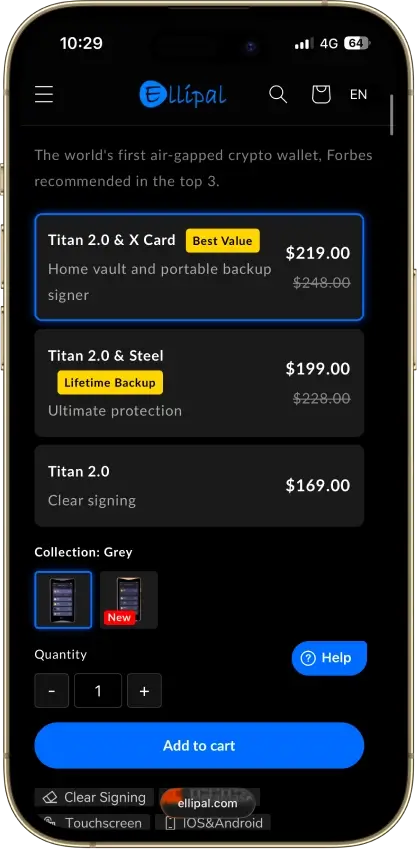
 ELLIPAL Titan 2.0 ELLIPAL Titan 2.0 | Non-custodial | No | Limited | Yes | |
 Binance Wallet Binance Wallet | Non-custodial | No | Limited | Yes | |
 Edge Wallet Edge Wallet | Non-custodial | No | Limited | Yes | |
 MoonPay MoonPay | Non-custodial | No | None | Yes | |
 Stack Wallet Stack Wallet | Non-custodial | No | None | No | |
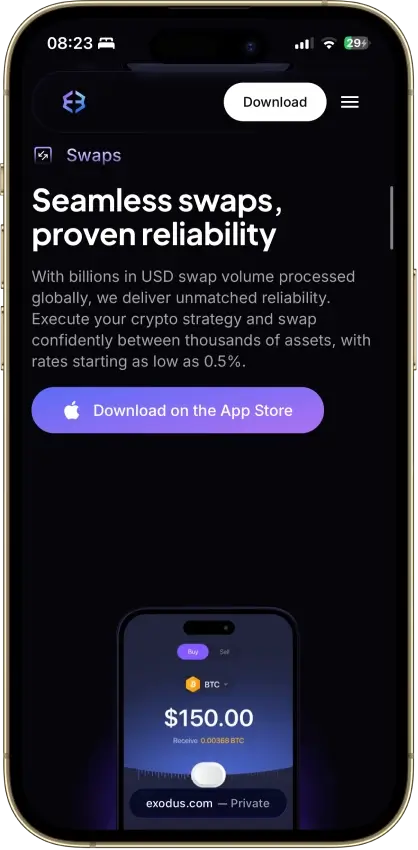
 Exodus Exodus | Non-custodial | Yes | Full | Yes | |
 Trust Wallet Trust Wallet | Non-custodial | Yes | Full | Yes | |
 Tangem Tangem | Non-custodial | No | Limited | Yes |
What this table shows is that hot/Web3 wallets are best when you’re actively using DeFi and dApps, while hardware wallets are usually the safer default for long-term self-custody. If XRP is a priority, stick to wallets with native XRPL support (not just wrapped XRP on other chains). Chain support and open-source status can change, so confirm details in the wallet’s documentation before you commit.
For many, the right answer is not one wallet but two. A hot wallet is useful for daily transfers, swaps, and dApps. A hardware wallet is the safer place for larger balances and long-term storage. Splitting those jobs reduces the damage a bad approval, phishing mistake, or malicious dApp can do to your main holdings.
Treat the Open Source column as a shorthand, not a full security verdict. On wallet products, app code, firmware, secure element design, and companion software are not always equally open, so a simple yes/no label can hide important differences.
Decentralized And Non-Custodial Crypto Wallets Reviews
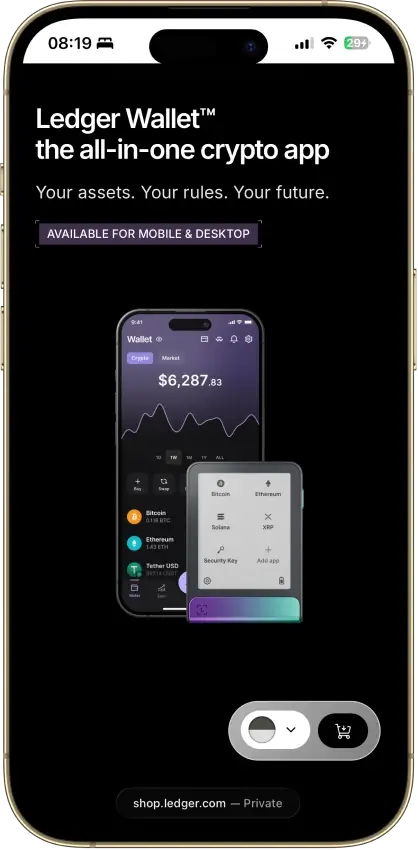
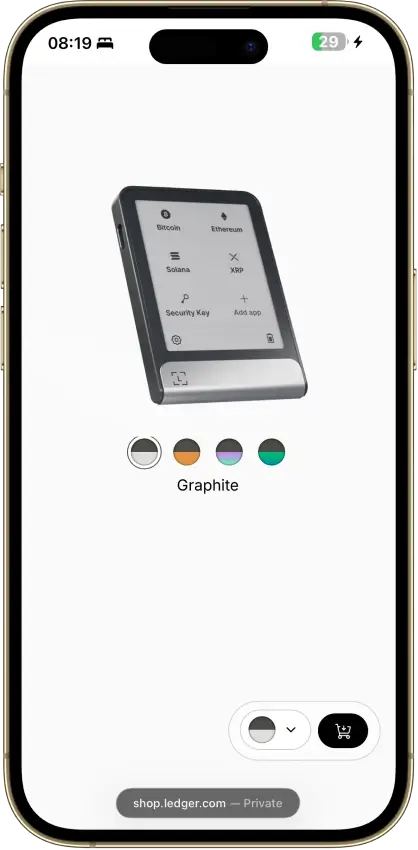
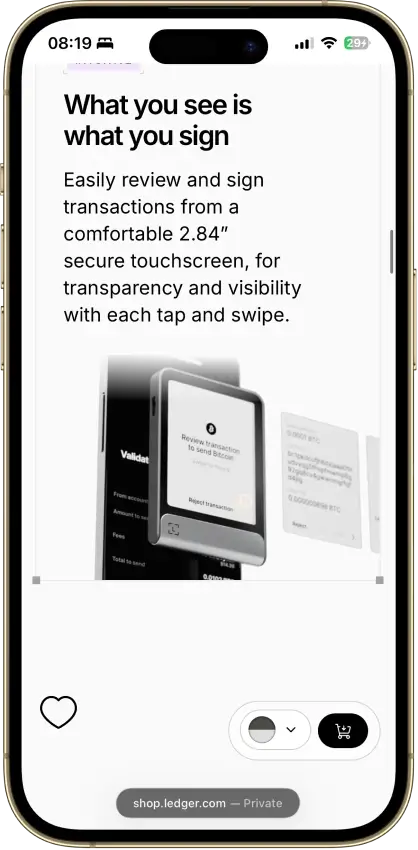
Ledger Flex
- Custody
- Non-custodialPartially open-source
- Networks
- Platforms
Pros
- Secure Element certified to CC EAL6+
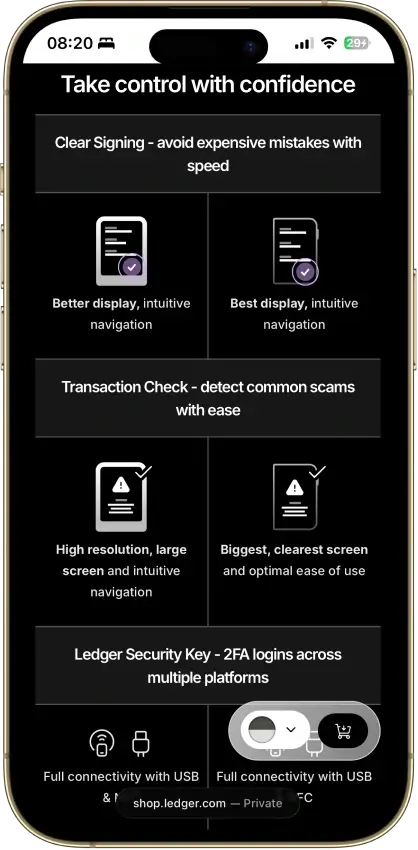
- Clear Signing on supported apps
- Doubles as a security key for logins
- Transaction Check shows a risk verdict on screen
- 500+ coins supported in Ledger Wallet
Cons
- Low-level firmware is partly closed source
- Recovery Key card skips any passphrase
- Some swap routes hold funds with a provider
Ledger Stax
- Custody
- Non-custodialPartially open-source
- Networks
- Platforms
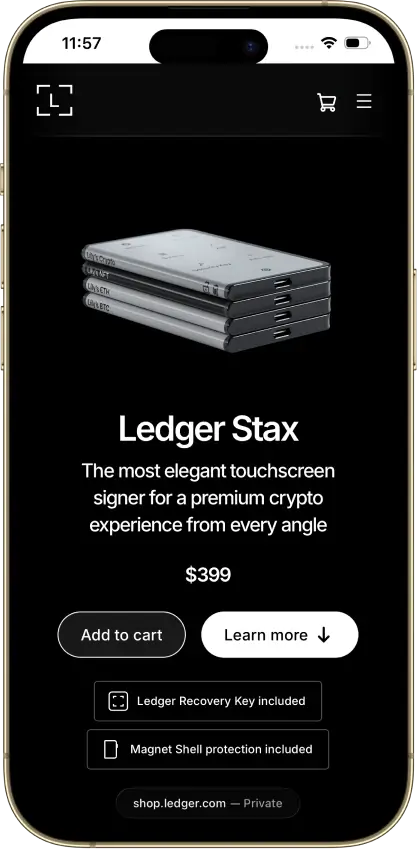
Pros
- PIN-protected offline backup card included
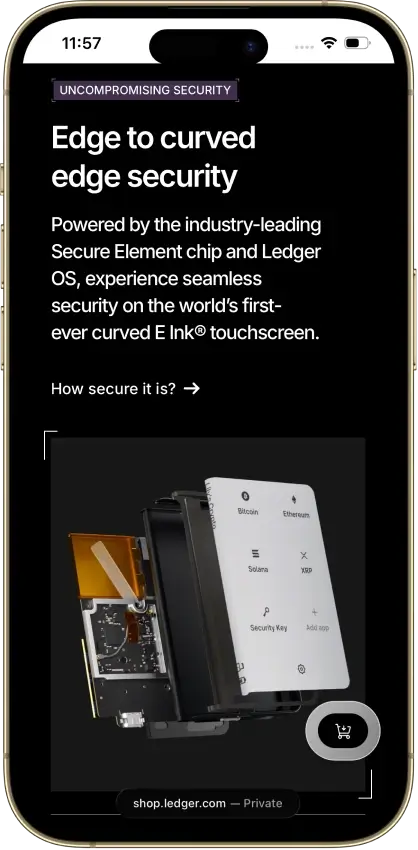
- EAL6+ certified Secure Element chip
- Bluetooth 5.2 for iPhone and Android
- Separate passphrase accounts supported
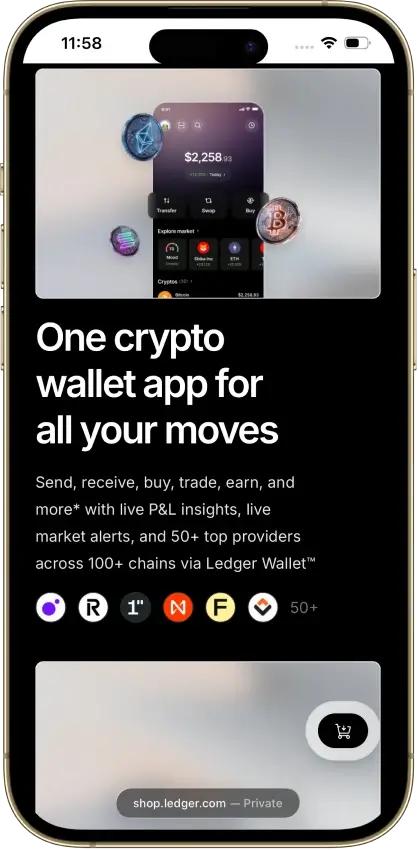
- Mobile and desktop companion apps
Cons
- Low-level firmware remains partly closed
- Coin-app updates need separate attention
- Recovery Key excludes extra passphrases
- Buyer data exposed in 2020 and again in 2026
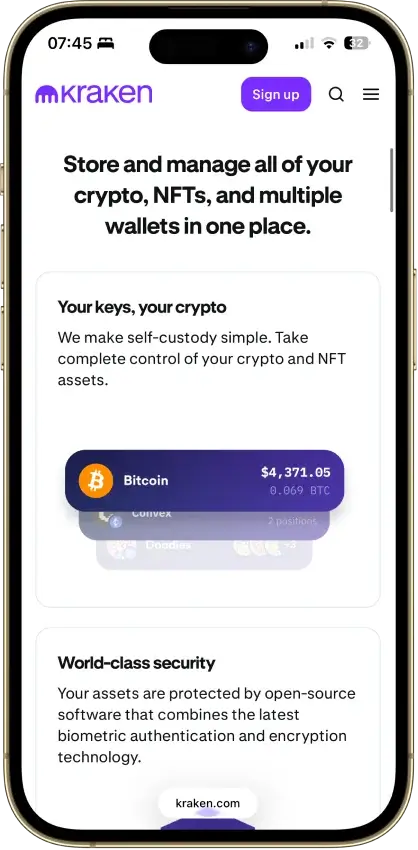
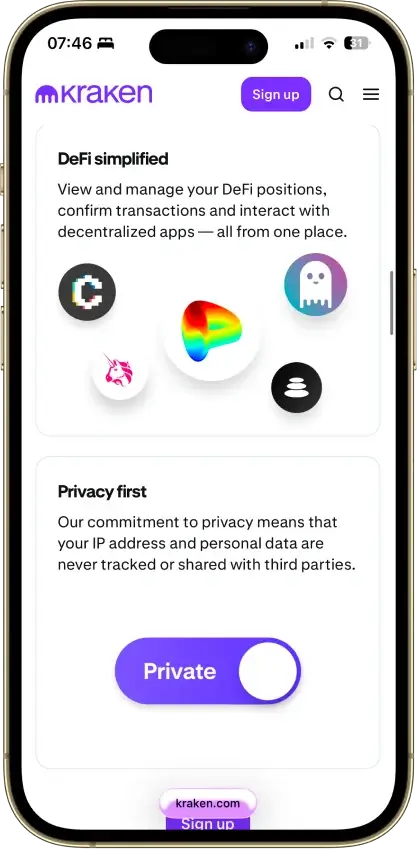
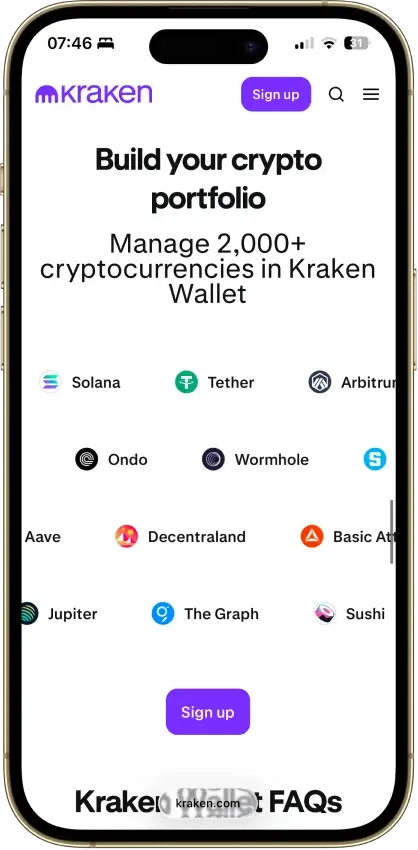
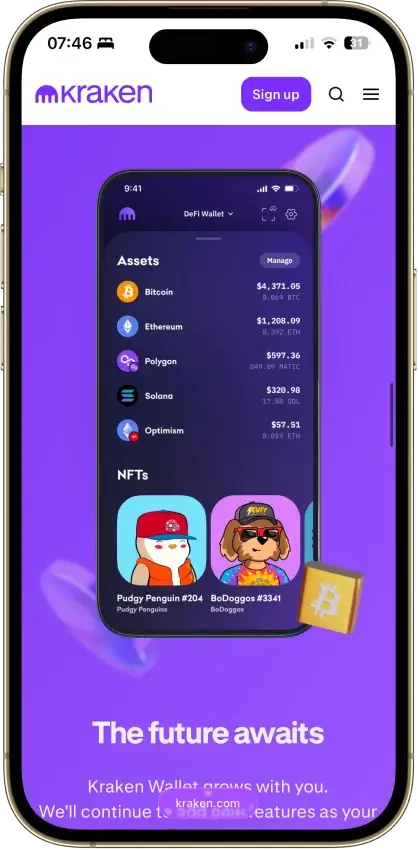
Kraken Wallet
- Custody
- Non-custodialFully open-source
- Networks
- Platforms
Pros
- Open code with reproducible-build instructions
- Trail of Bits audited its security
- Works without a Kraken exchange account
- Kraken Connect links your exchange account
- US-available with no geo-gate
Cons
- No hardware wallet pairing
- No browser extension or desktop app
- Swap spread is not disclosed
- No in-wallet fiat on-ramp
- No passphrase option
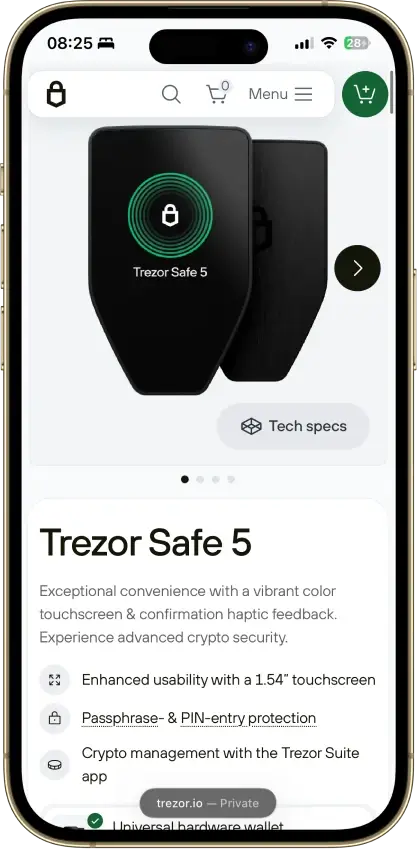
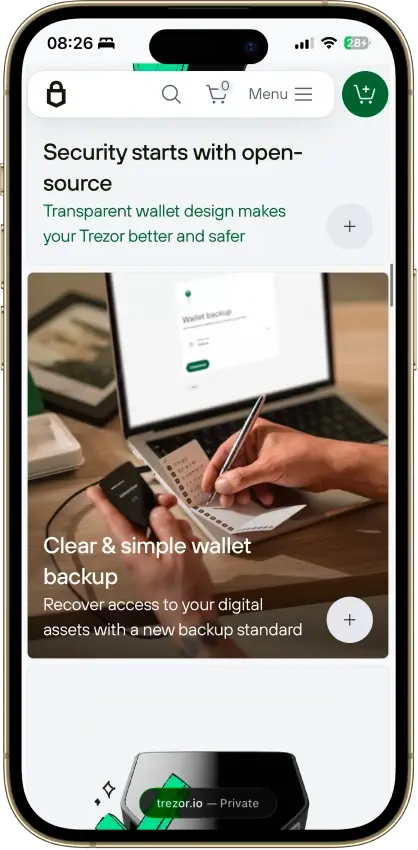
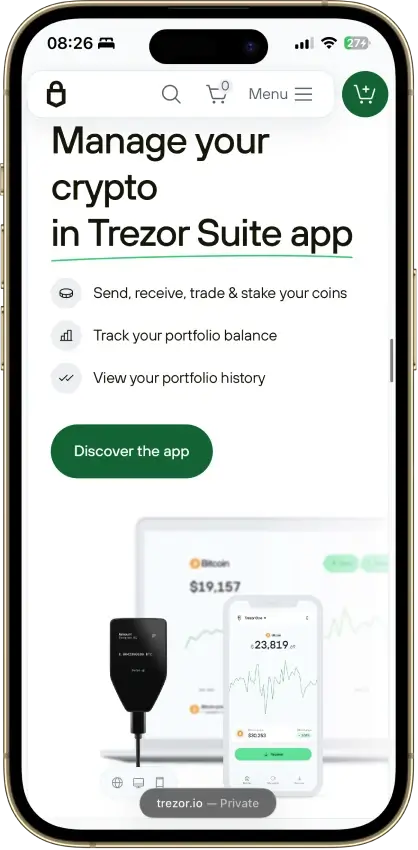
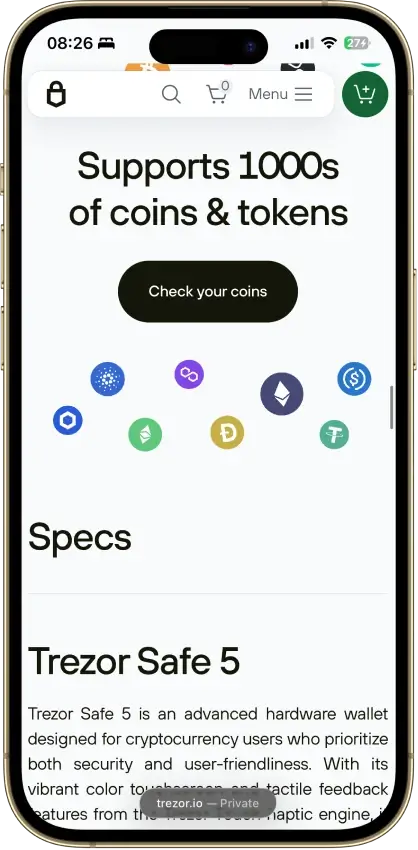
Trezor Safe 5
- Custody
- Non-custodialPartially open-source
- Networks
- Platforms
Pros
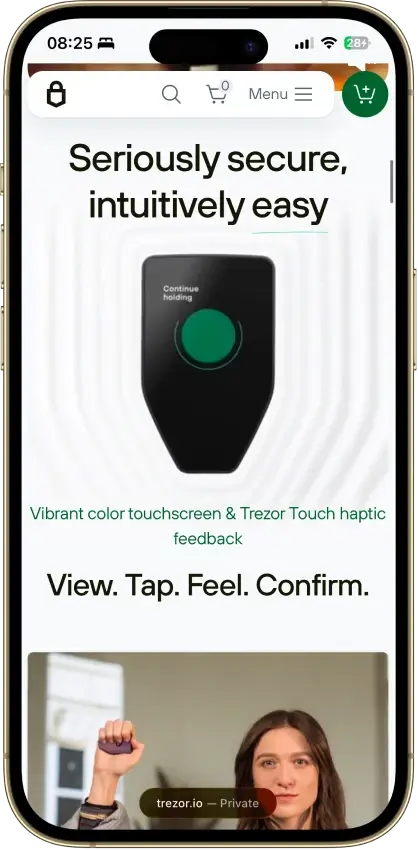
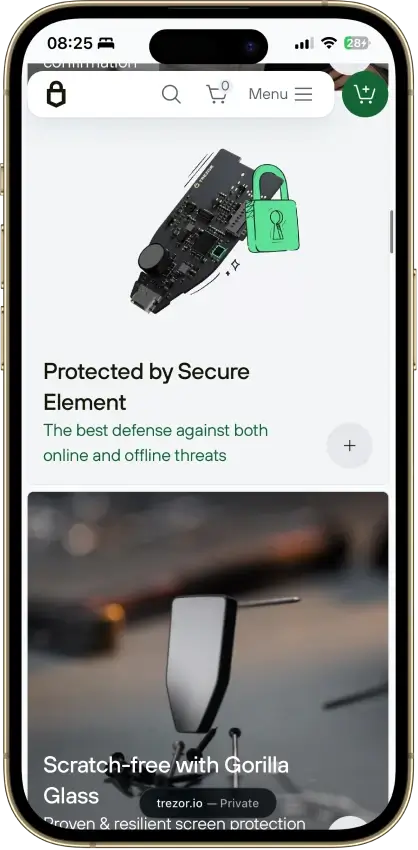
- Gorilla Glass 3 over the touchscreen
- Native Suite accounts for BTC, SOL and XRP
- Threshold-based SLIP39 backups
- Public core firmware and build instructions
- STM32U5 chip, not hit by the 2025 Safe 3 attack
Cons
- Cannot sign through an iPhone
- MicroSD setup uses a command-line tool
- Provider contracts add staking risk
- Suite has a restricted source license
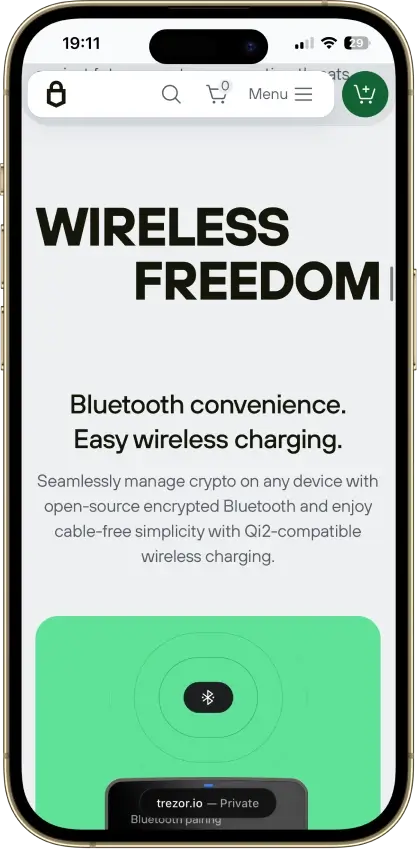
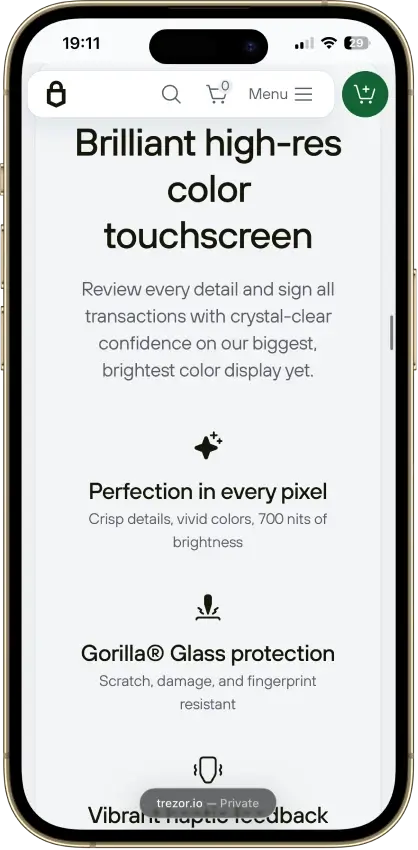
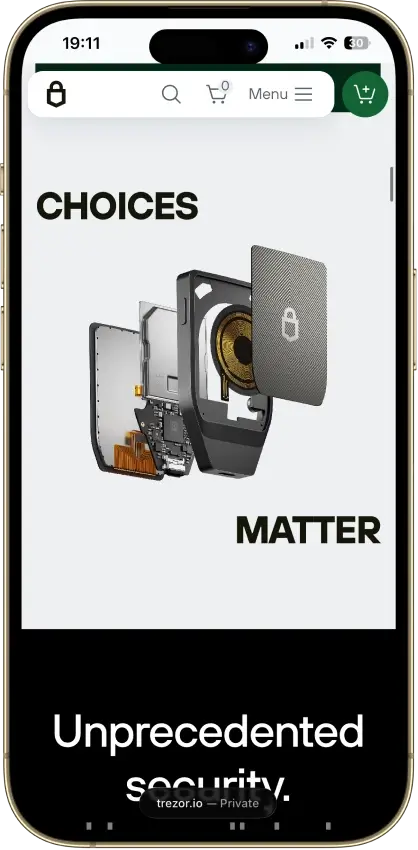
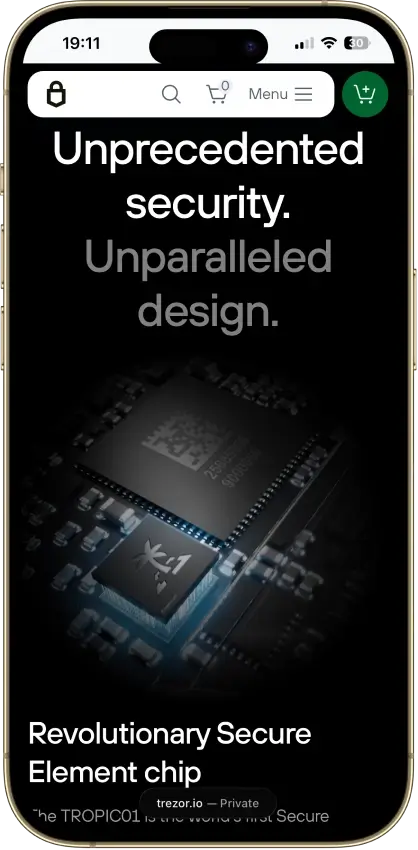
Trezor Safe 7
- Custody
- Non-custodialPartially open-source
- Networks
- Platforms
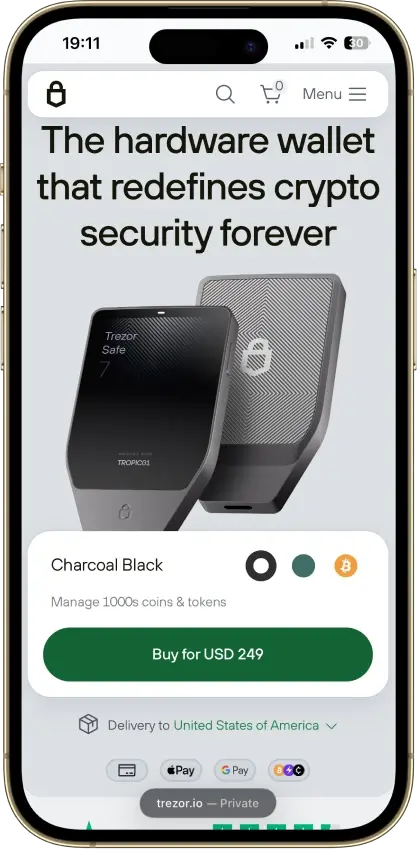
Pros
- Touchscreen backup recovery
- USB operation with a depleted battery
- GPLv3 firmware with reproducible builds
- Choice of single or multi-share backup
- Clear Signing for supported EVM contracts
Cons
- Costs $120 more than the Safe 5
- Battery cannot be replaced by the user
- Disclosed physical TROPIC01 vulnerability
- Monero needs a separate app
- iPhone signing works only over Bluetooth
Monero GUI Wallet
- Custody
- Non-custodialFully open-source
- Platforms
Pros
- Fully open source under BSD-3
- Simple mode gets you sending in minutes
- Official wallet maintained by the Monero Project
- Can run its own full Monero node
- Ledger and Trezor signing supported
Cons
- Monero only, no other coins
- Desktop only, no official mobile app
- Remote nodes can leak metadata
- 25-word seed differs from BIP-39
- Full node sync is a long first download
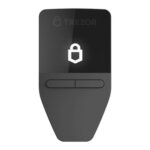
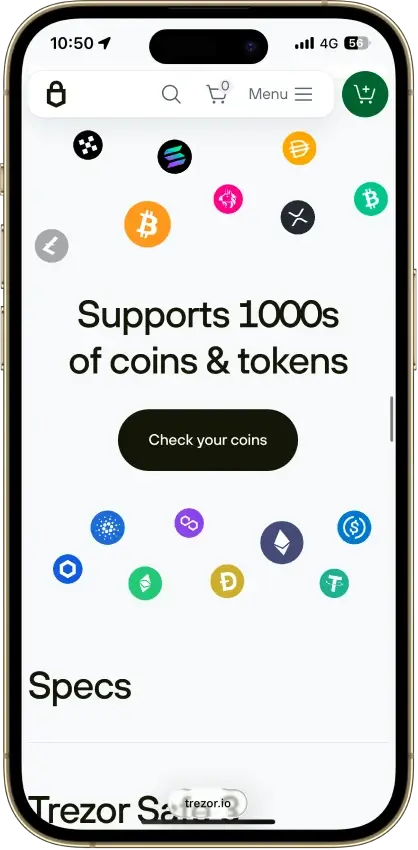
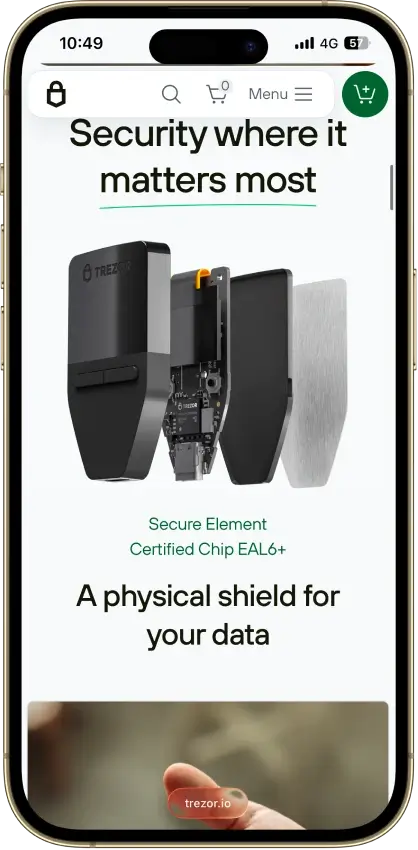
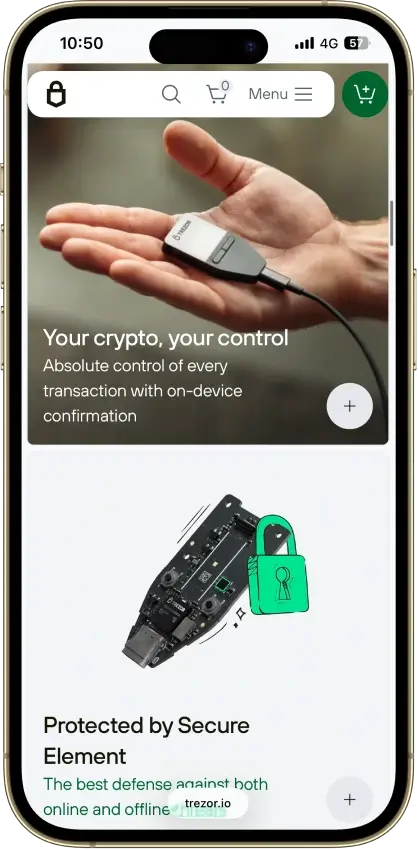
Trezor Safe 3
- Custody
- Non-custodialPartially open-source
- Networks
- Platforms
Pros
- USB power needs no battery maintenance
- Secure element guards the PIN
- Recovery words entered on the device
- SLIP39 supports distributed backup shares
- Core firmware can be inspected and rebuilt
Cons
- Cannot sign with an iPhone
- Small screen and repeated button navigation
- 2025 research bypassed its authenticity checks
- Secure element software is closed-source
- Shipping-data exposure raises phishing risk
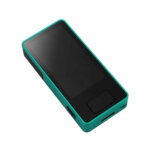
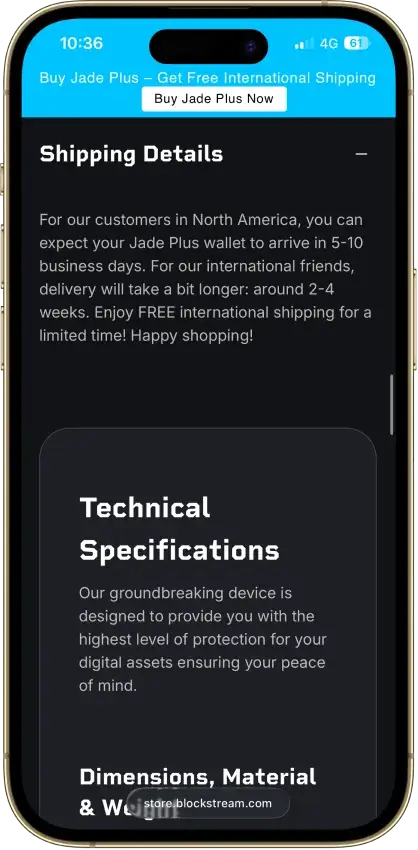
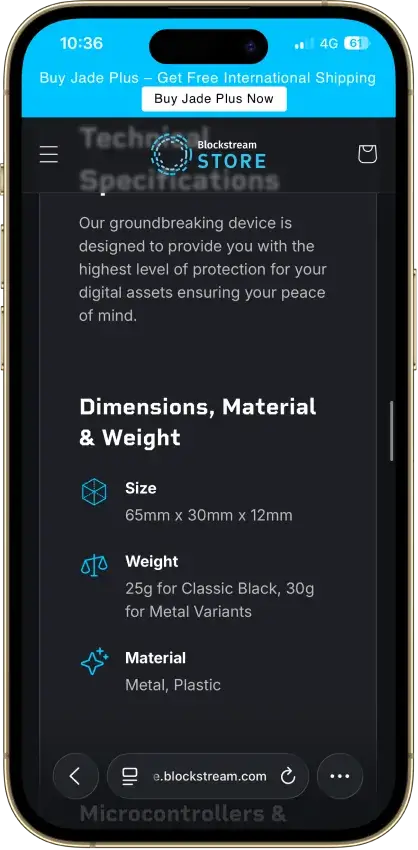
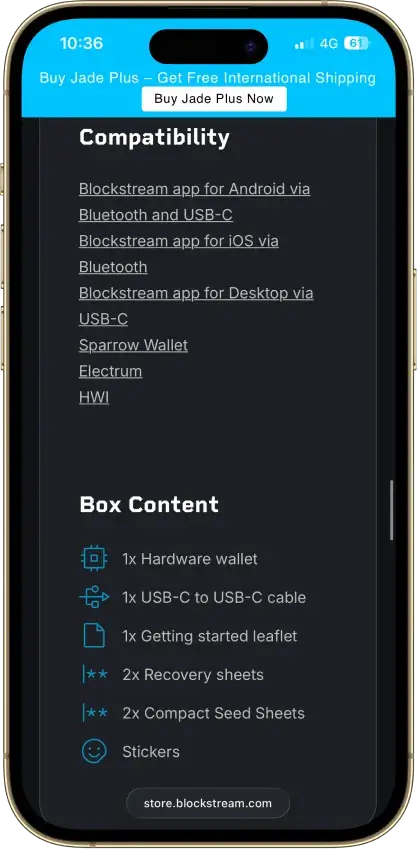
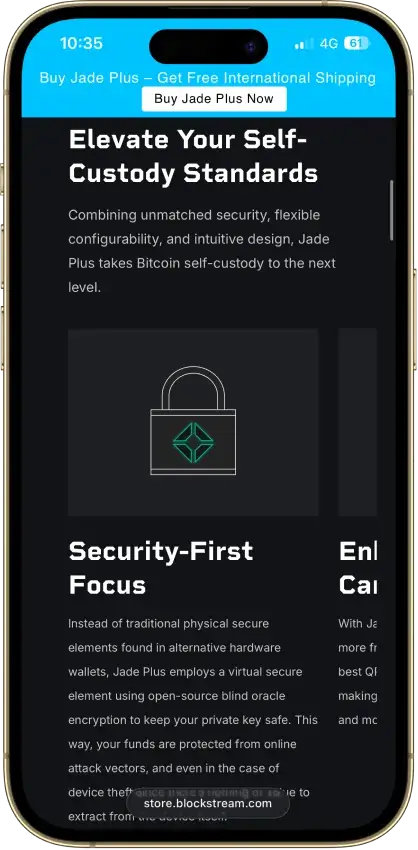
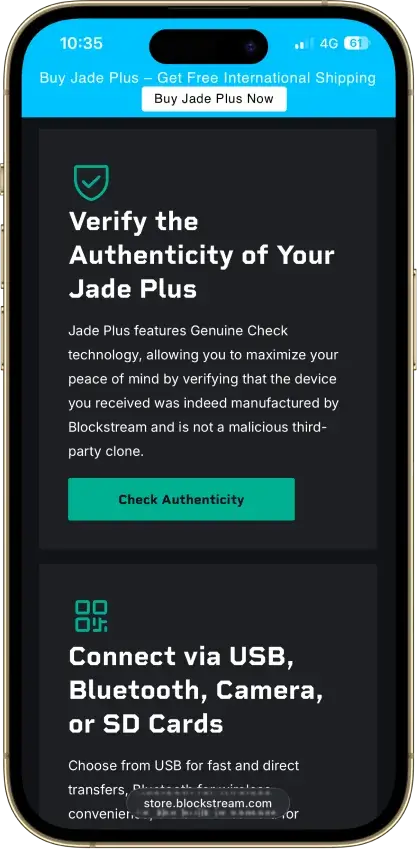
Blockstream Jade Plus
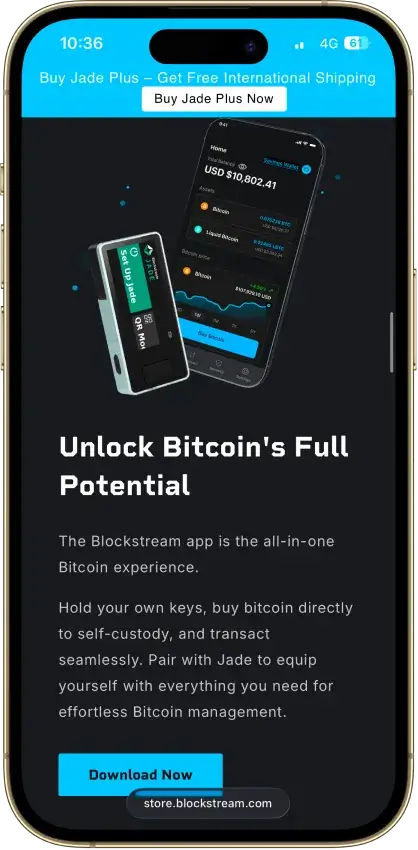
- Custody
- Non-custodialFully open-source
- Networks
- Platforms
Pros
- Bitcoin signing by camera, cable or Bluetooth
- Works with Sparrow, Electrum and Nunchuk
- Optional BIP39 passphrase wallets
- Board-design files open to anyone
- Firmware updates from removable storage
Cons
- Normal PIN access depends on an online oracle
- QR transaction signing excludes Liquid
- App Lightning balance uses an app-held key
- Liquid peg-outs limited after a September incident
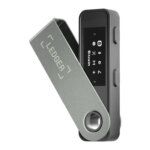
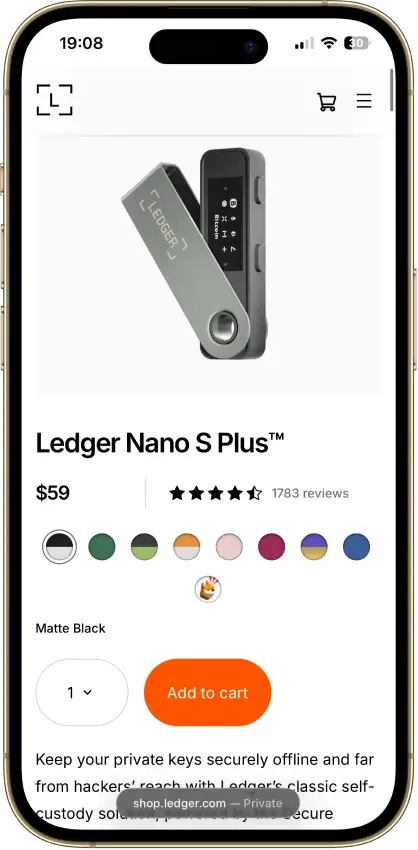
Ledger Nano S Plus
- Custody
- Non-custodialPartially open-source
- Networks
- Platforms
Pros
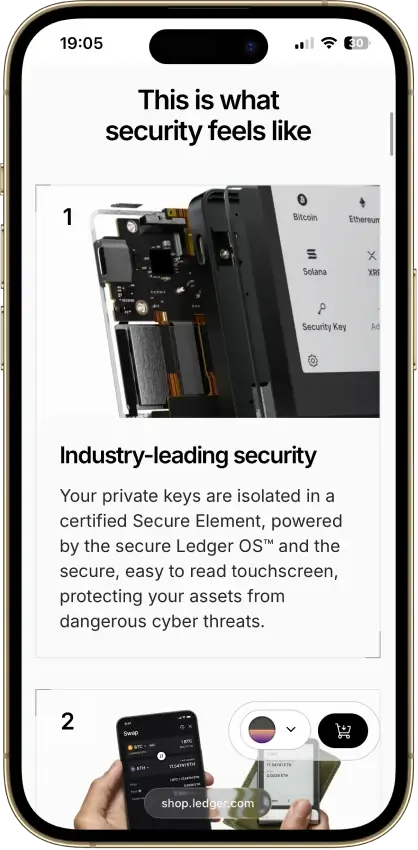
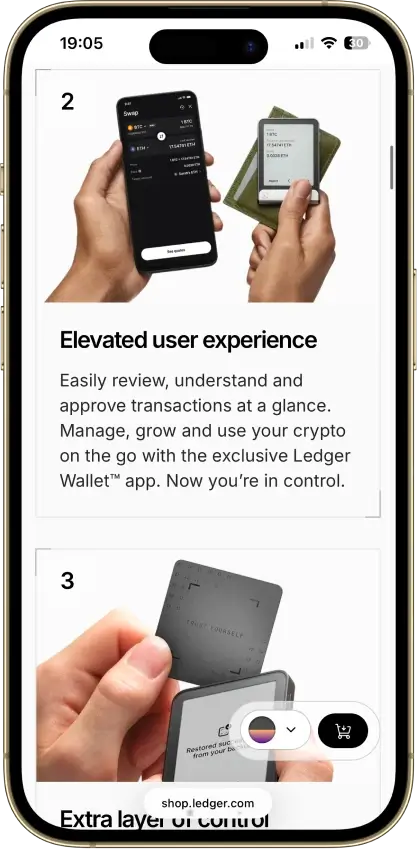
- CC EAL6+ certified Secure Element
- Battery-free operation
- Public companion and app code
- Bitcoin, Ethereum, Solana and XRP built in
- Ledger's $59 entry price
Cons
- No iPhone signing support
- Small screen and button navigation
- Closed low-level device firmware
- Blockchain apps need separate updates
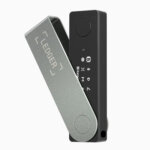
Ledger Nano X
- Custody
- Non-custodialPartially open-source
- Networks
- Platforms
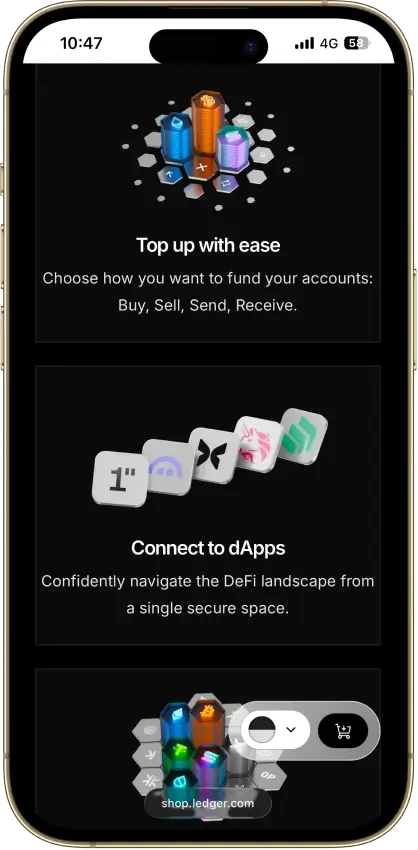
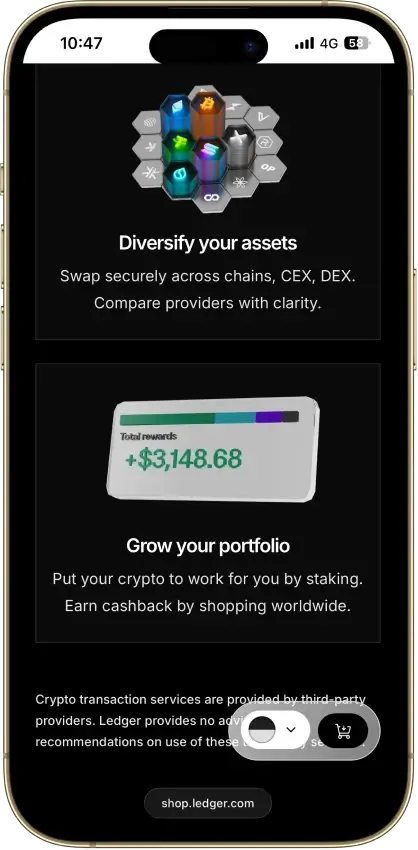
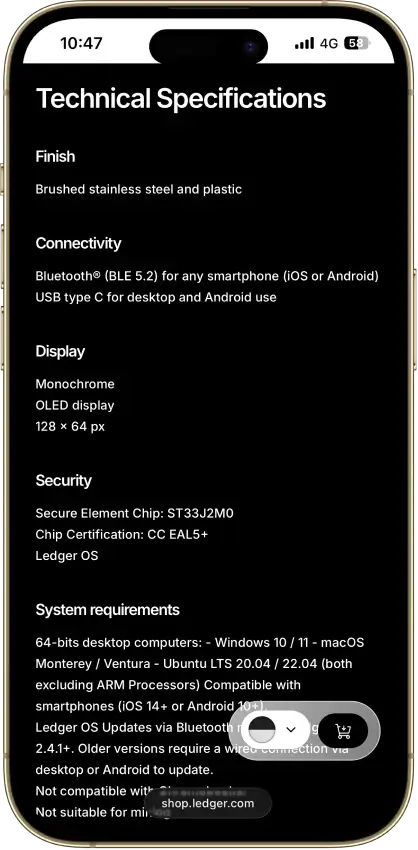
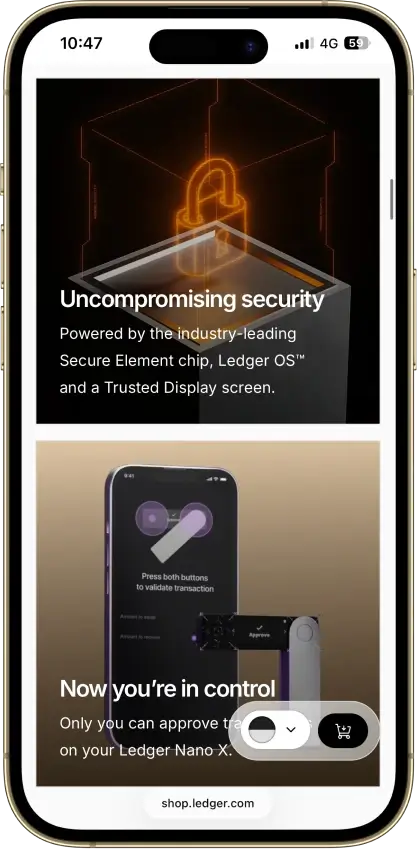
Pros
- CC EAL5+ certified Secure Element
- Public companion and device-app code
- Optional passphrase accounts
- Bluetooth for phones, USB-C for desktops
- Encrypted Bluetooth with pairing codes
Cons
- Small display requires scrolling
- Low-level firmware remains closed
- Apps need their own security updates
- 2026 Monero app flaw could expose keys
Feather Wallet
- Custody
- Non-custodialFully open-source
- Platforms
Pros
- Open-source code and build instructions
- Supports listed Ledger and Trezor models
- Transaction proofs for payment records
- Exports transaction history as CSV
- View-only wallets with key-image imports
Cons
- No Android or iOS release
- Initial sync is outside Tor by default
- No new release since April 2025
- 2024 bug halted sends for five hours
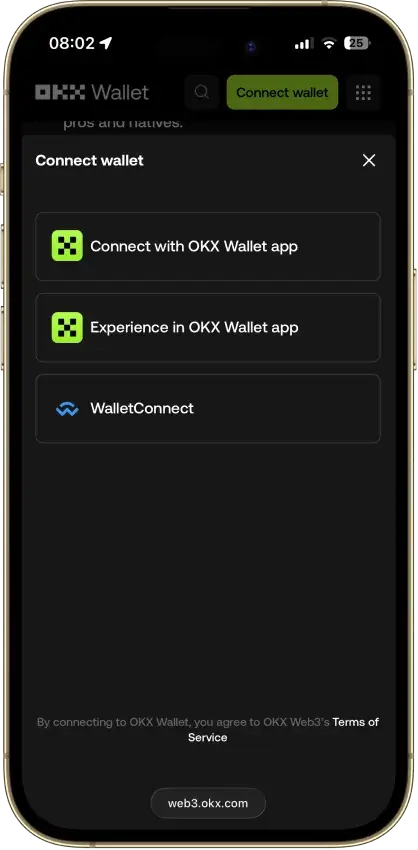
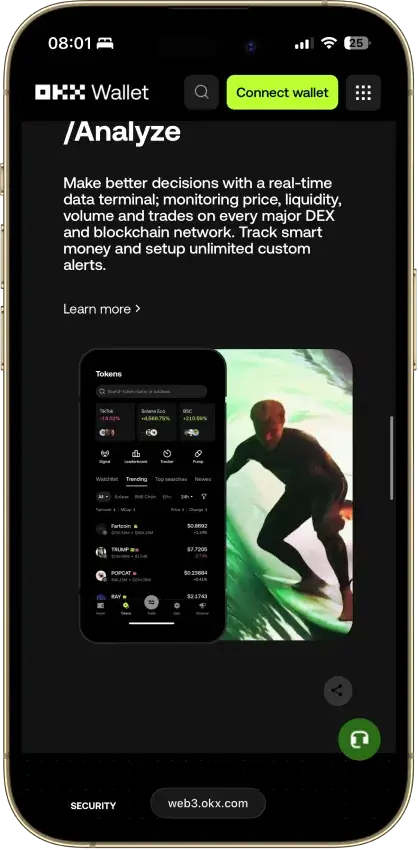
OKX Wallet
- Custody
- Non-custodialPartially open-source
- Networks
- Platforms
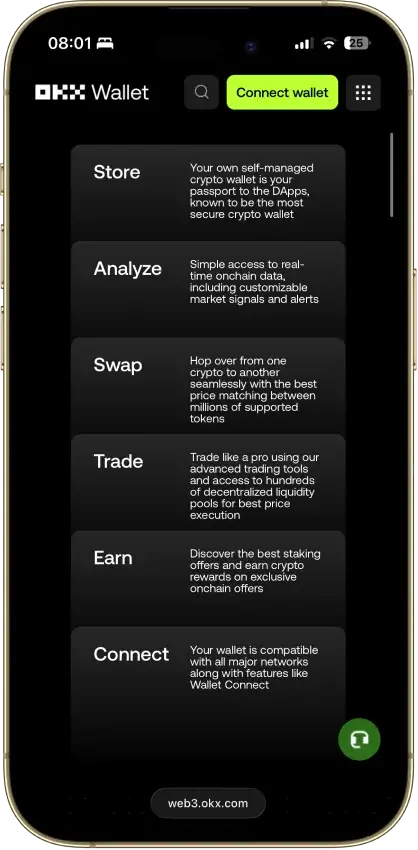
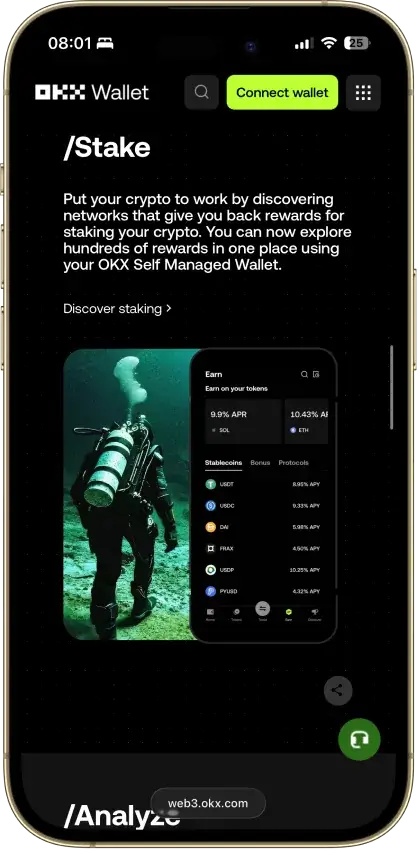
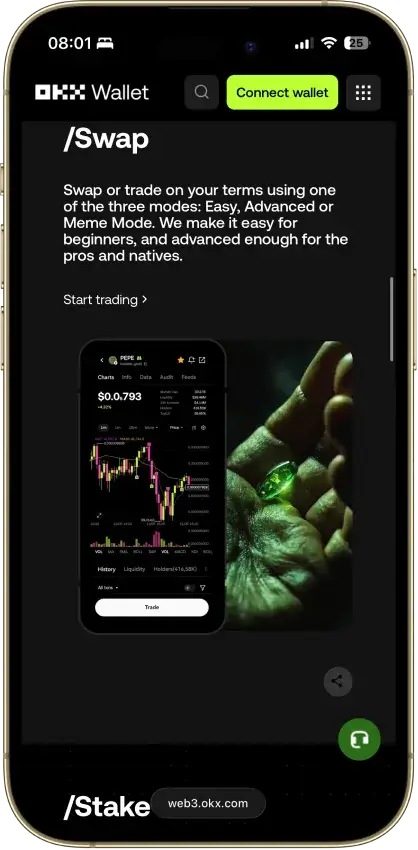
Pros
- Pre-approval scam and phishing alerts
- Built-in token-approval revoke tool
- CertiK and SlowMist audits plus bug bounty
- Cross-chain bridging in one interface
- Earn staking stays non-custodial
Cons
- $505M DOJ guilty plea, consultant to 2027
- Aggregator laundered ~$100M Bybit funds
- Keyless mode hands OKX one key share
- Client code is not fully open source
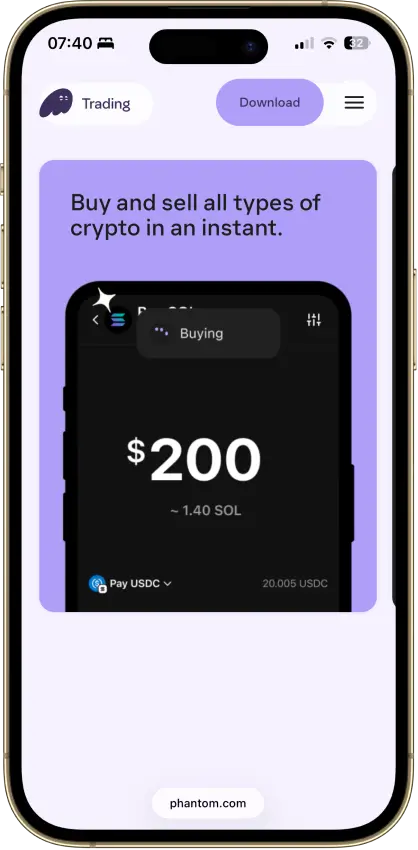
Phantom
- Custody
- Non-custodialPartially open-source
- Networks
- Platforms
Pros
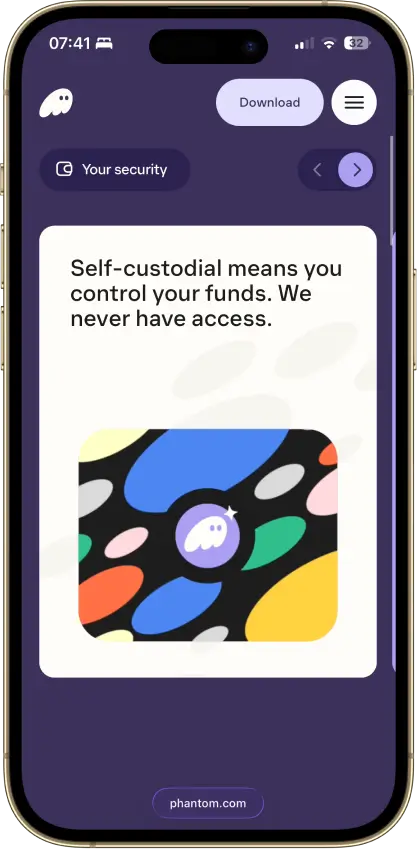
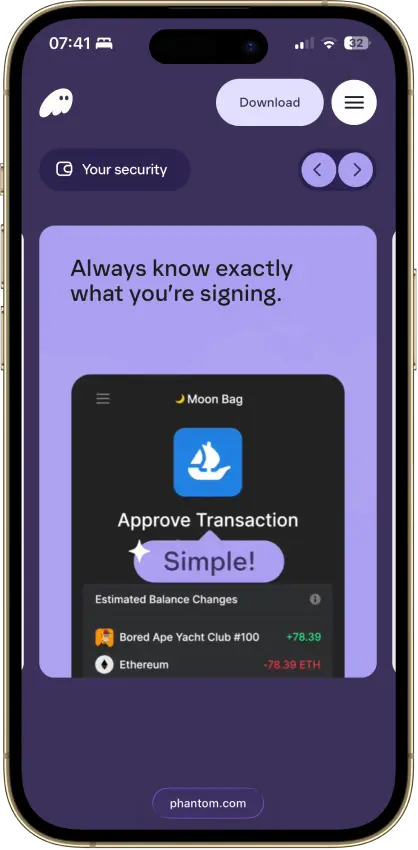
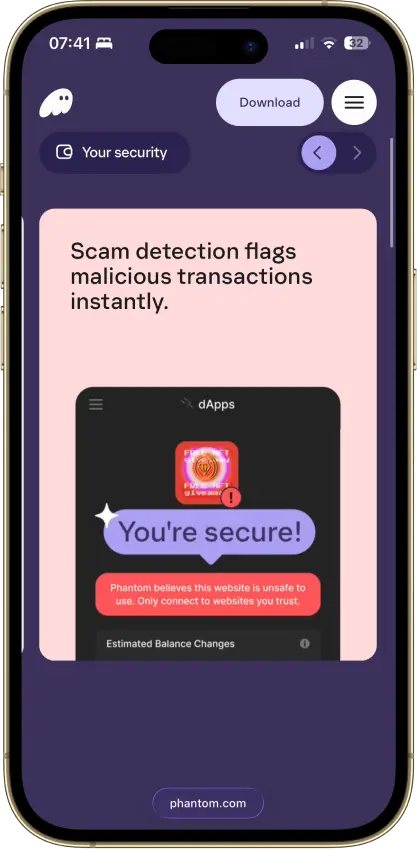
- Transaction previews and scam warnings
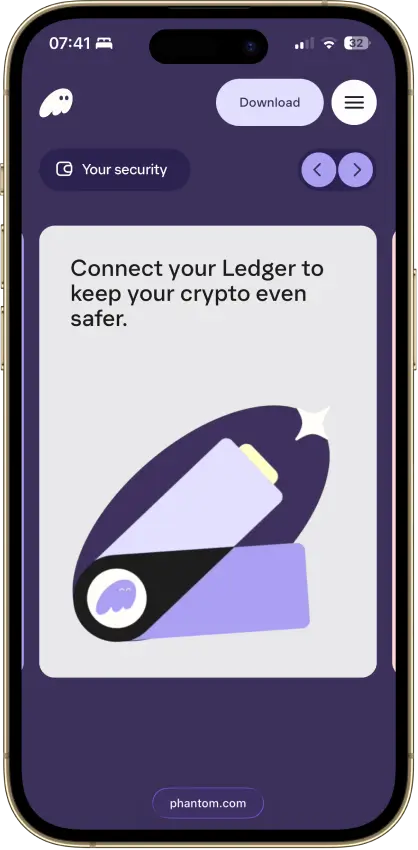
- Ledger Bluetooth support on mobile
- Bitcoin Native SegWit and Taproot support
- Third-party audit reports open to read
- Google or Apple login with a portable backup
Cons
- Core app is proprietary
- Dropped Sui and Monad support in 2026
- New native stakes need the extension
- Google and Apple wallets sign on a remote server
- No native Arbitrum, Optimism, BSC, or Avalanche
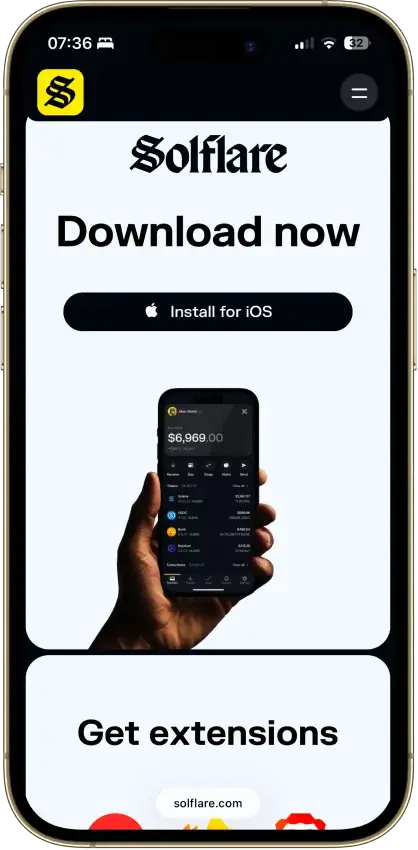
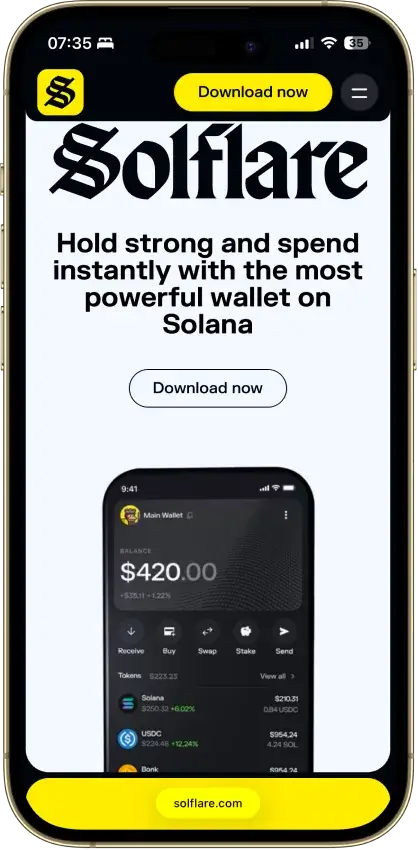
Solflare
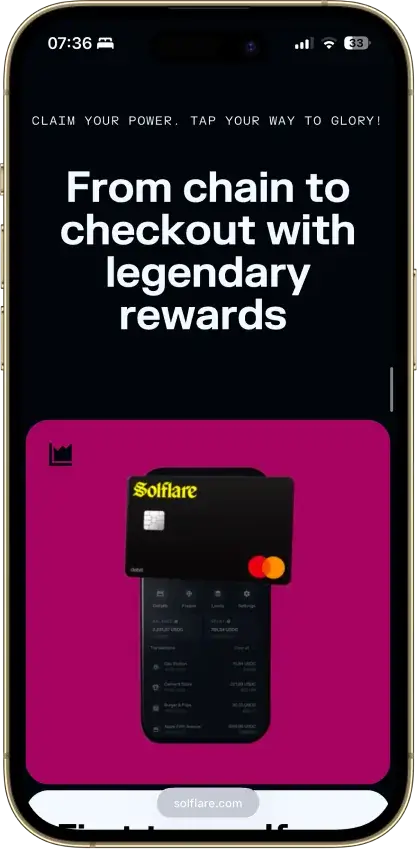
- Custody
- Non-custodialPartially open-source
- Networks
- Platforms
Pros
- Validator choice for native SOL staking
- Ledger and Keystone signing supported
- Jupiter swaps inside the wallet
- Transaction checks and biometric app lock
- NFT display in the wallet
Cons
- Shield has no independent signing screen
- Keystone extension connection is watch-only
- Shield's phrase is shown once at setup
- Instant Unstake costs 0.5% to 3%
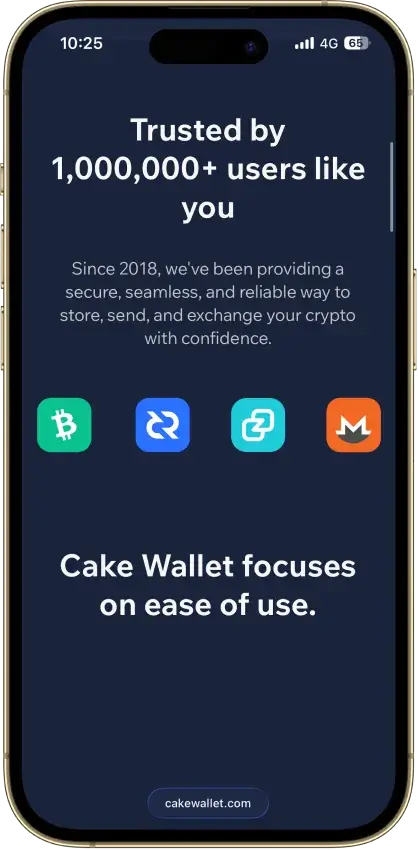
Cake Wallet
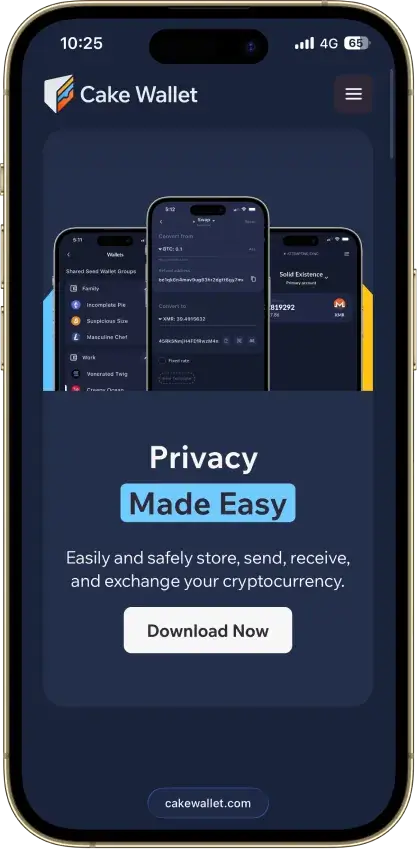
- Custody
- Non-custodialFully open-source
- Networks
- Platforms
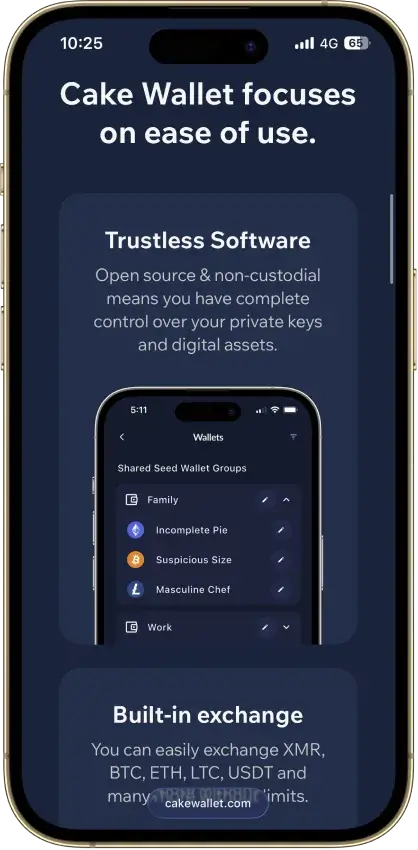
Pros
- Monero accounts and subaddresses
- Encrypted whole-app backup export
- Multiple swap providers to compare
- Publicly documented security fixes
- Custom nodes and restore-height control
Cons
- Windows builds are currently paused
- Past BTC seed flaw needs manual migration
- Tor routing is still labeled experimental
- Lightning sits in a separate Spark balance
- Ethereum NFTs display but can't be sent
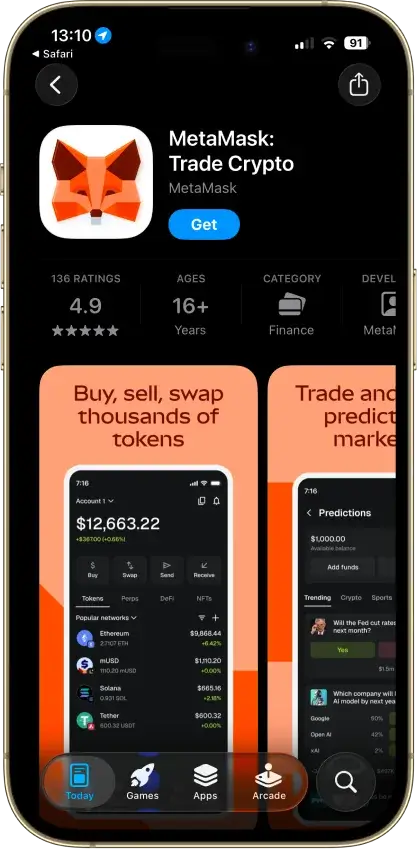
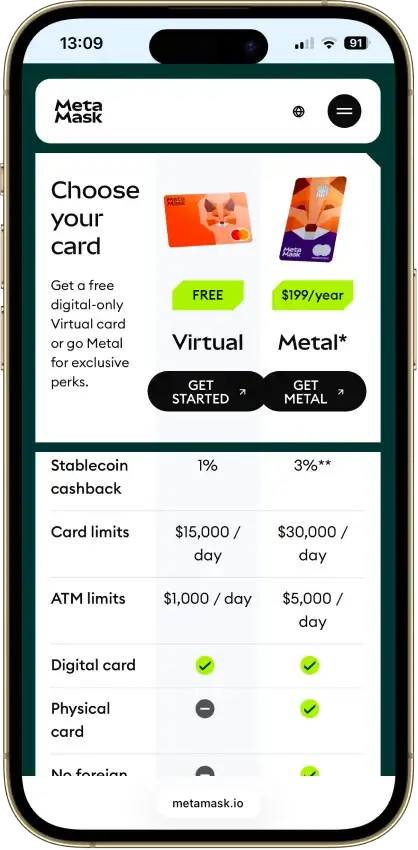
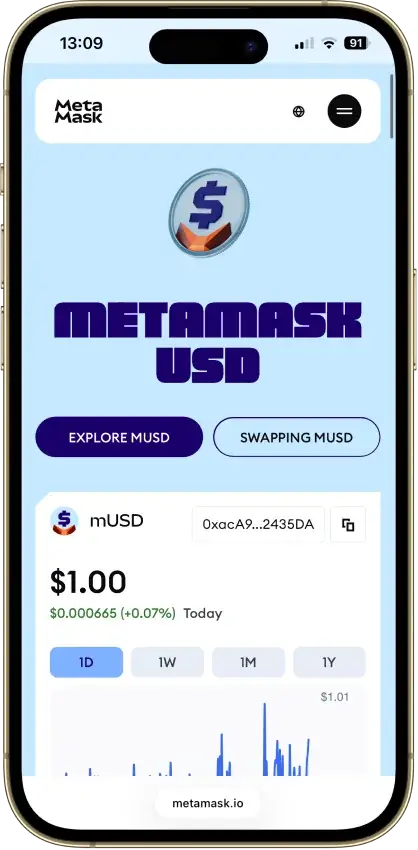
MetaMask
- Custody
- Non-custodialPartially open-source
- Networks
- Platforms
Pros
- Default-on transaction security alerts
- Mobile connections to compatible hardware
- ETH pooled staking without a product minimum
- Custom EVM networks alongside native Bitcoin
- Publicly accessible extension source code
Cons
- Swaps carry a 0.875% service fee
- Linked Ledger accounts are EVM-only
- Social login can't be changed or unlinked
- Passkeys unlock but can't restore the wallet
Monerujo Wallet
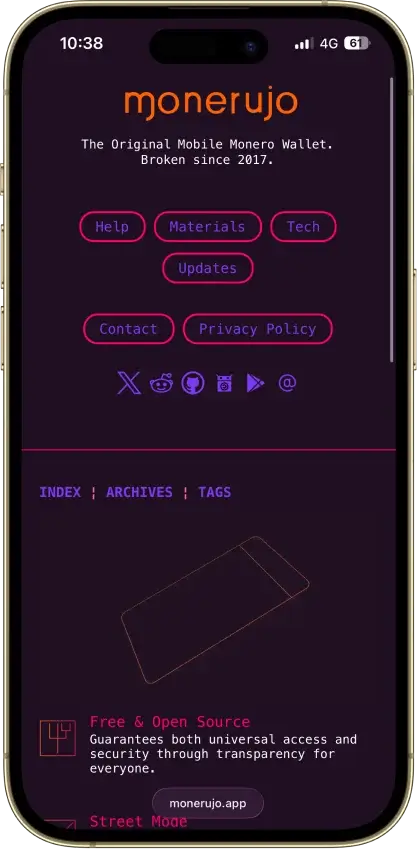
- Custody
- Non-custodialFully open-source
- Platforms
Pros
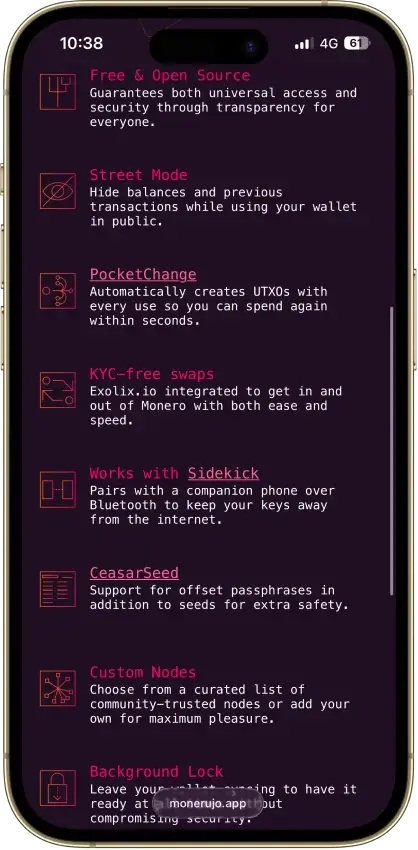
- Public application code under Apache 2.0
- Own F-Droid repository and APK downloads
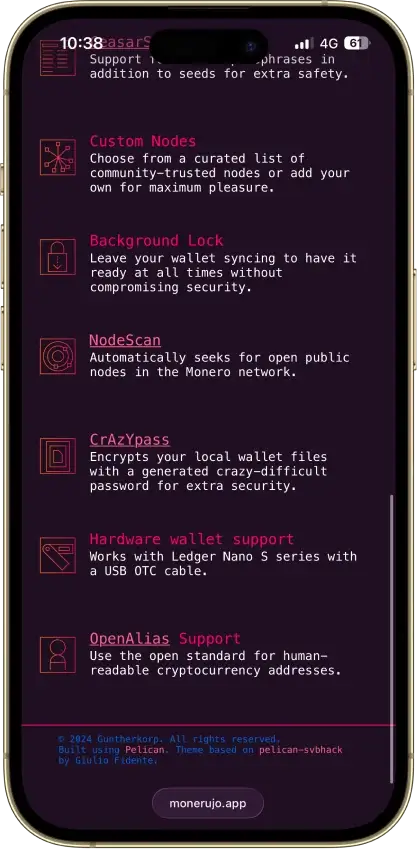
- Choose the node your wallet connects to
- Nano S-series Ledger signing over USB
- Multiple wallets, accounts and subaddresses
Cons
- File recovery has a separate password
- Sidekick still carries an alpha warning
- Last release was v4.1.7 in June 2025
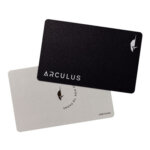
Arculus Wallet
- Custody
- Non-custodialClosed-source
- Networks
- Platforms
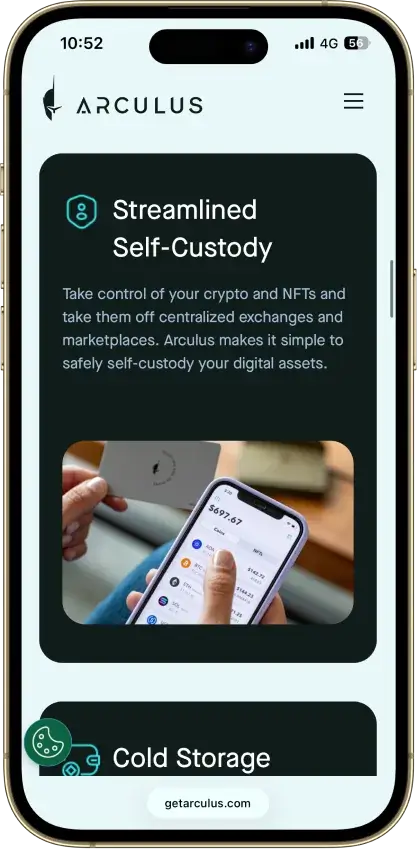
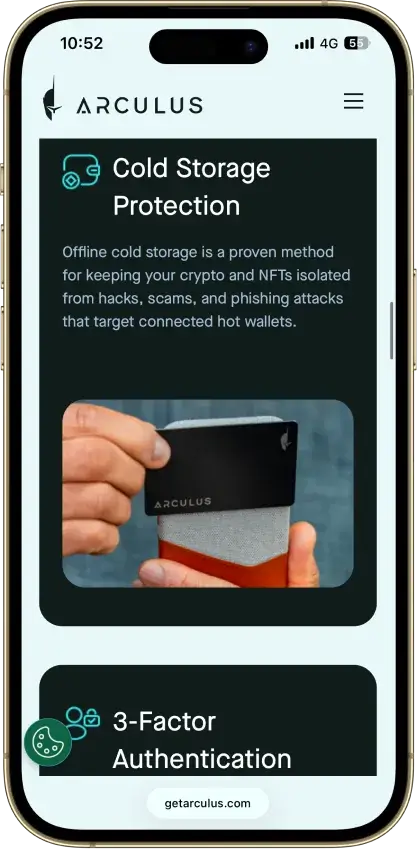
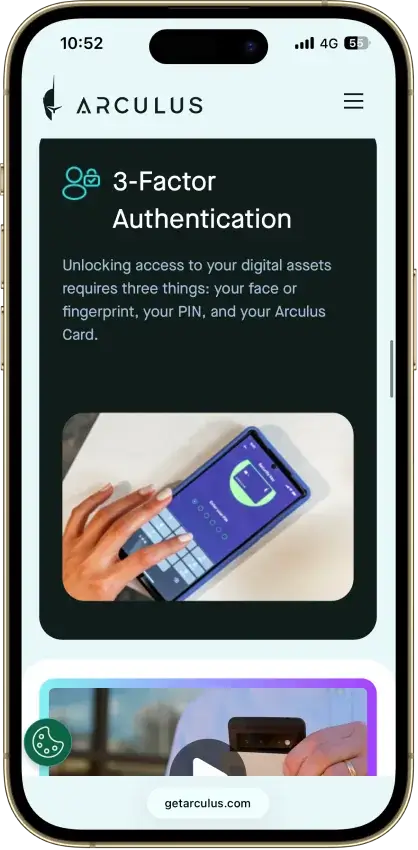
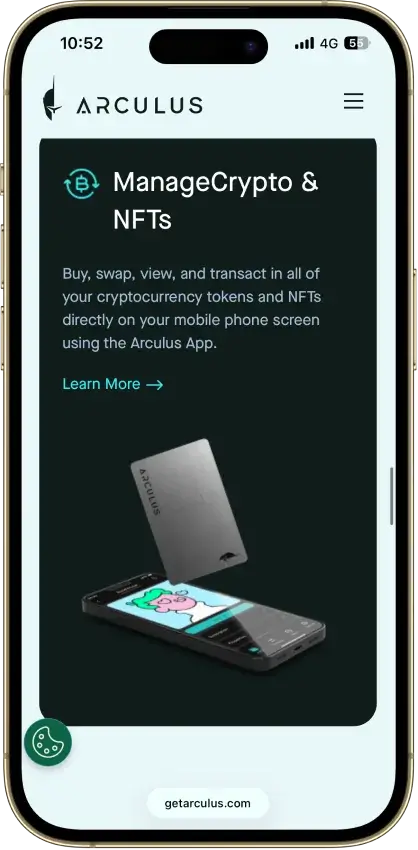
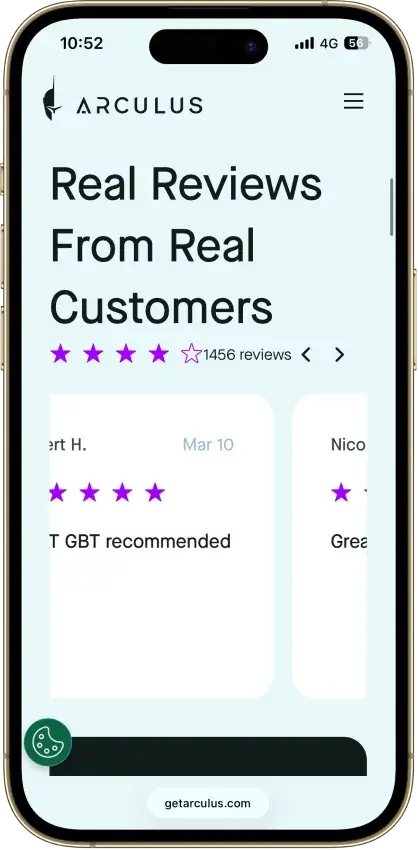
Pros
- MetaMask link through a webcam QR code
- Native ADA and SOL staking
- Safe integration through WalletConnect
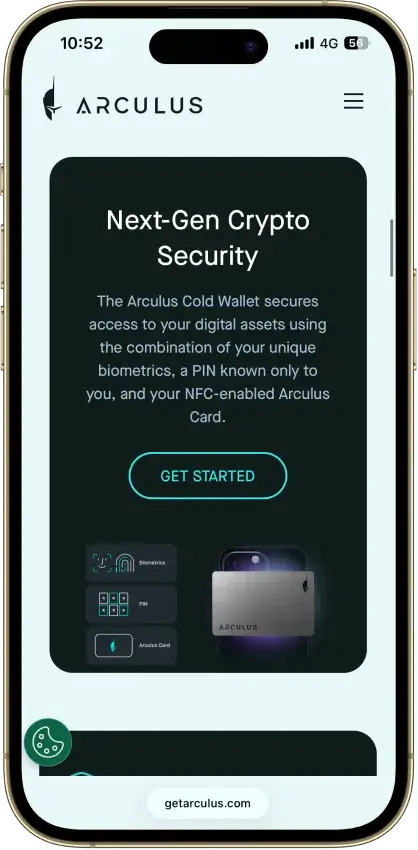
- Optional biometrics on top of a six-digit PIN
- Two-year limited card warranty
Cons
- No independent transaction screen
- Recovery words appear on the phone
- Proprietary wallet software license
- No public audit findings
- Three wrong PINs force a full restore
Coinbase Wallet
- Custody
- Non-custodialPartially open-source
- Networks
- Platforms
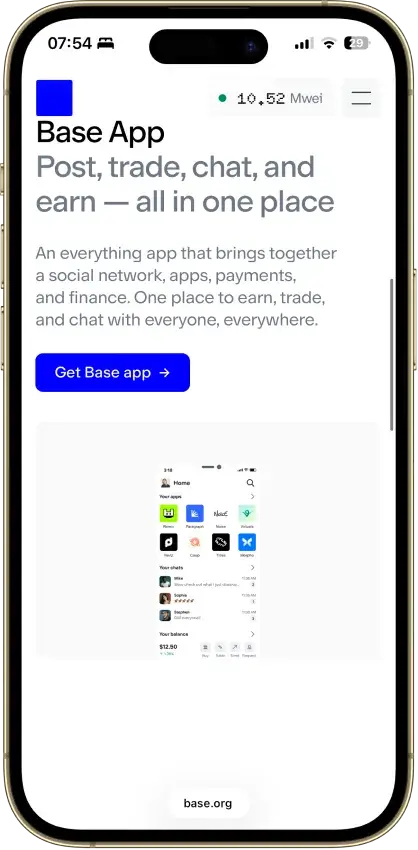
Pros
- Ledger approvals through the extension
- Audited, MIT-licensed smart-wallet contracts
- ETH staking below 32 ETH via Kiln
- Gasless swaps on Ethereum and Polygon
- Security Lock on opening and approvals
Cons
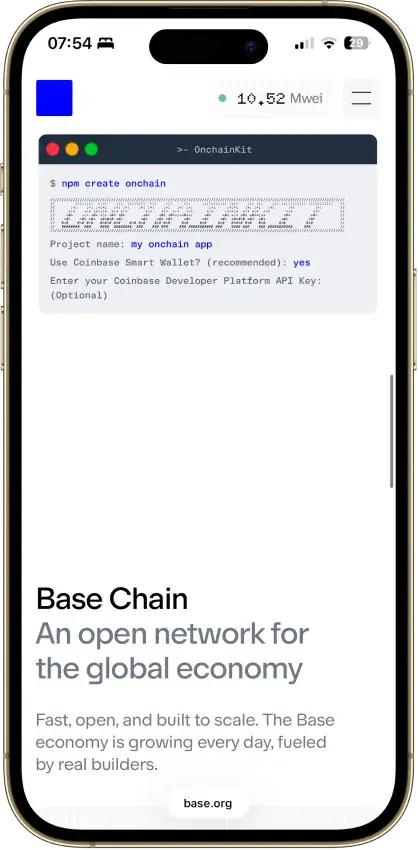
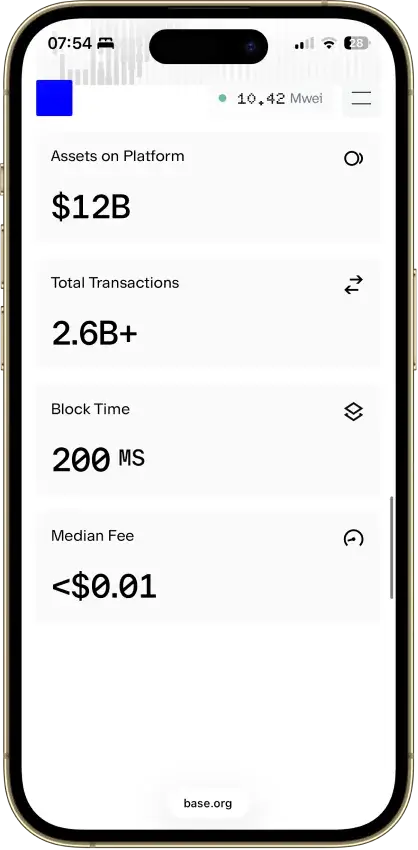
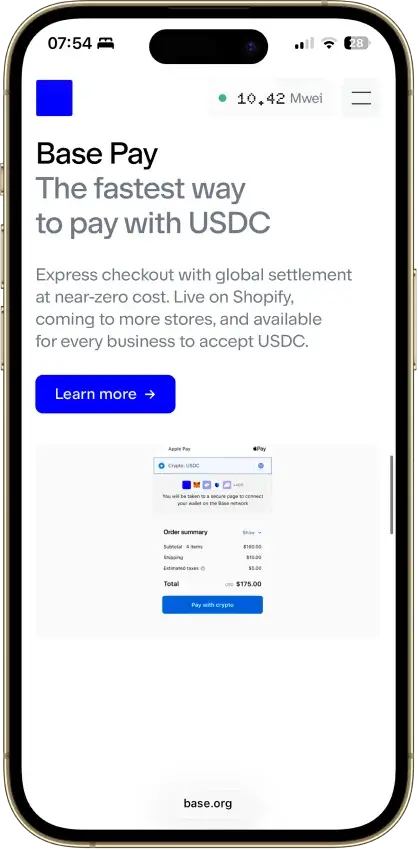
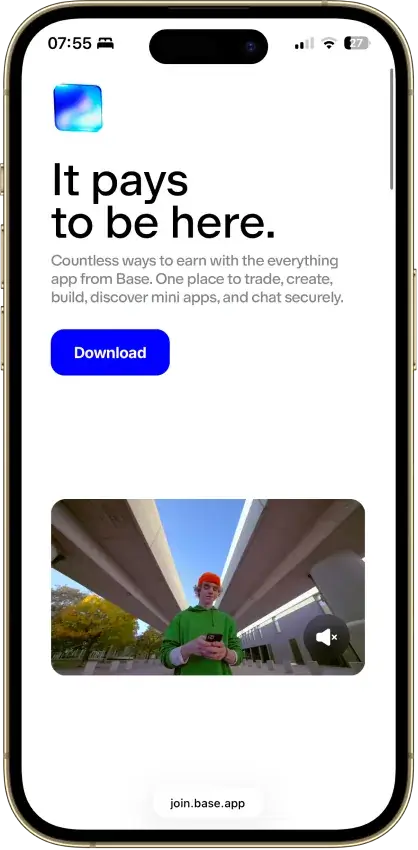
- Passkey smart wallets exclude BTC and SOL
- Dropped Dogecoin, Litecoin, XRP and custom chains
- Swap fee of up to 1% per trade
- No Bitcoin swaps in the app
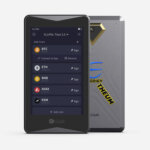
ELLIPAL Titan 2.0
- Custody
- Non-custodialPartially open-source
- Networks
- Platforms
Pros
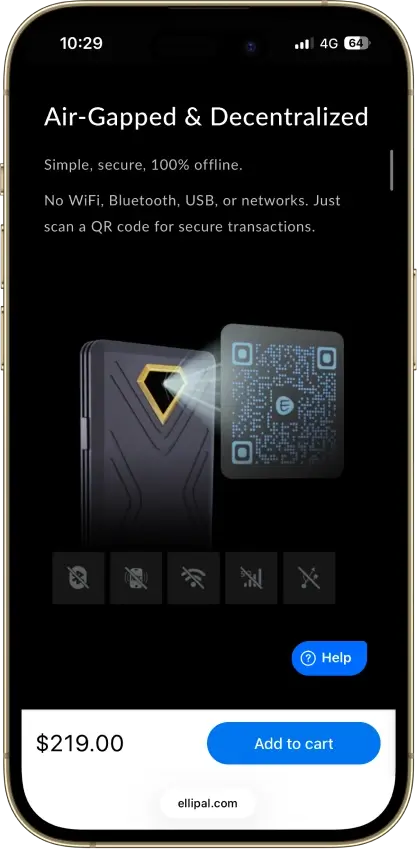
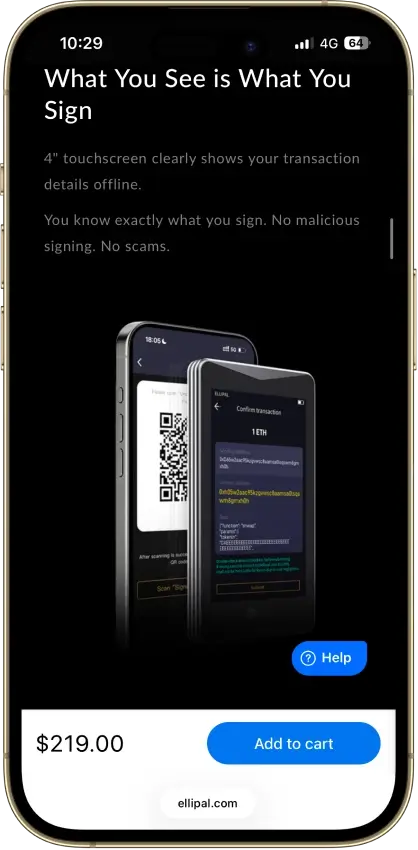
- No cable or radio link for transactions
- On-device recovery phrase verification
- Optional passphrase-derived wallets
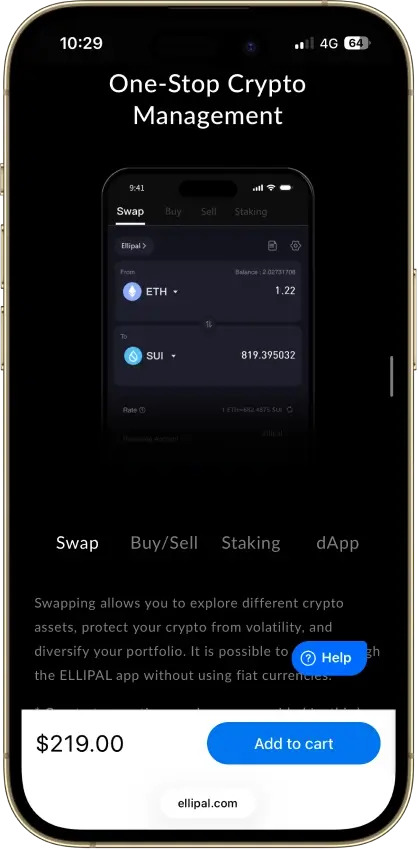
- 45+ blockchains in the ELLIPAL app
- 30-day change-of-mind returns
Cons
- Firmware transparency is partial
- Updates need a separate adapter and microSD
- SOL staking is still marked coming soon
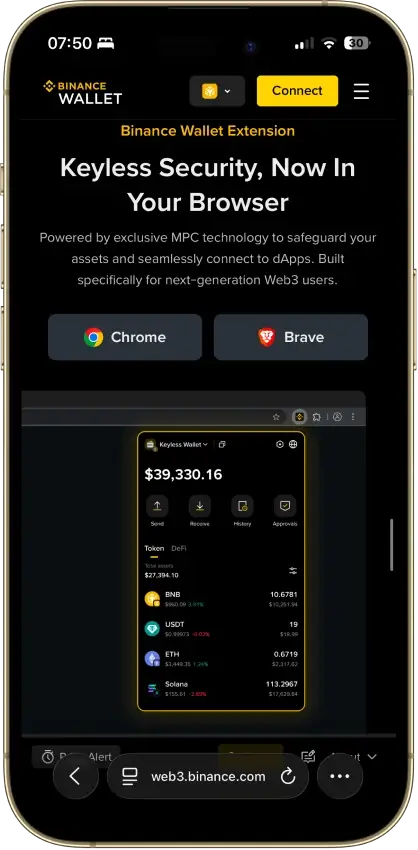
Binance Wallet
- Custody
- Non-custodialClosed-source
- Networks
- Platforms
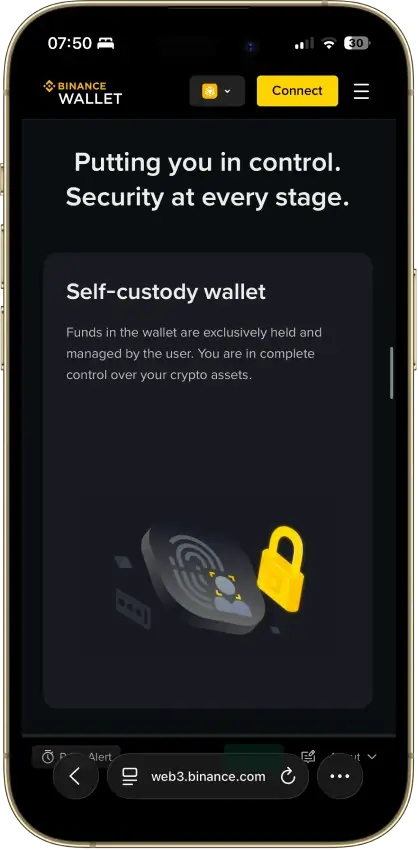
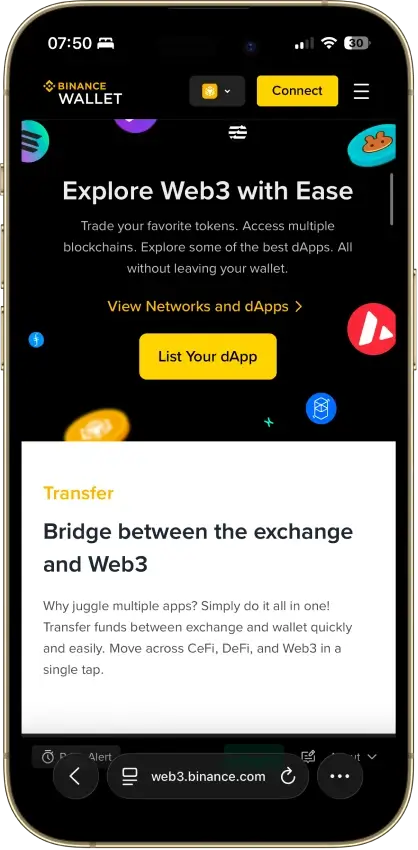
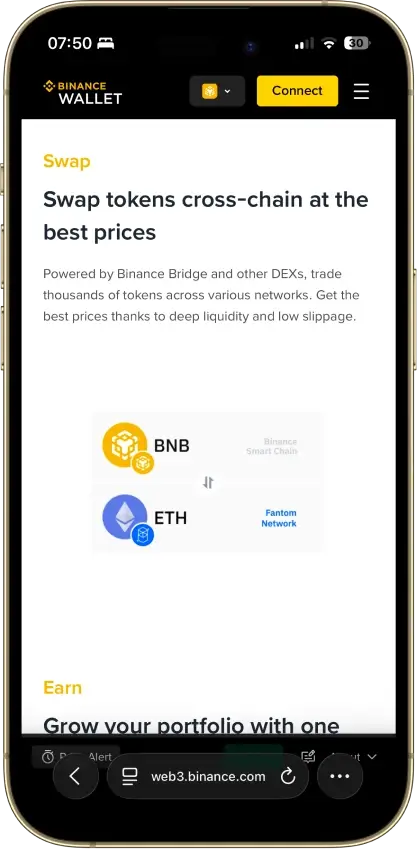
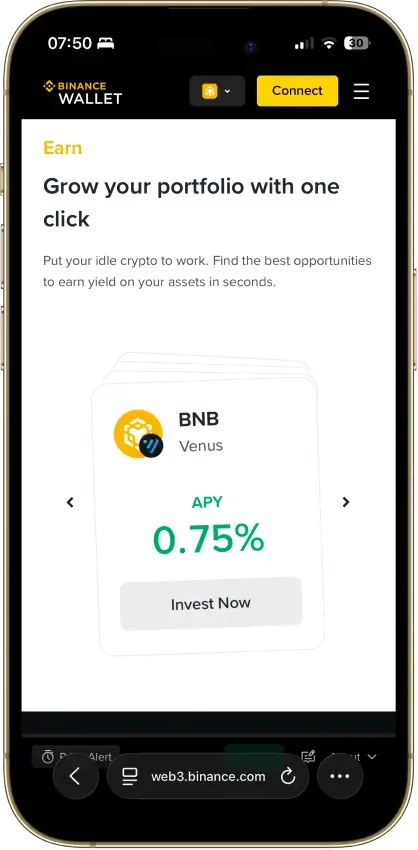
Pros
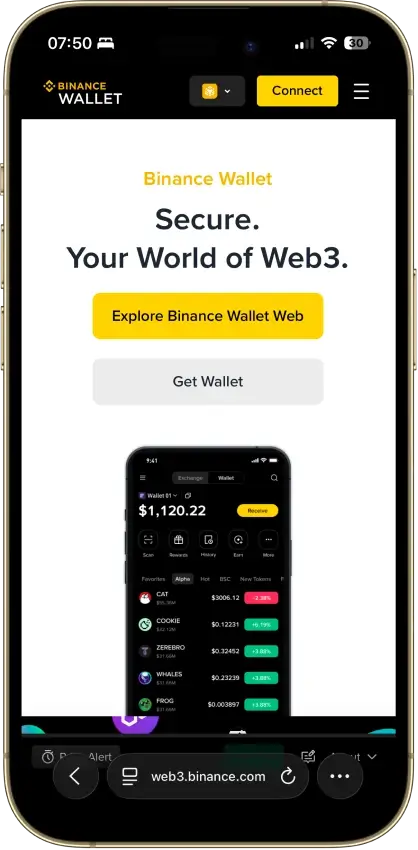
- Existing-wallet imports in the extension
- Bitcoin controls in the mobile wallet
- Independent extension audit anyone can read
- Address-poisoning filters on sends
- Binance deposit-address option in Send
Cons
- Conversion removes keyless recovery
- Audit excludes backend verification
- No hardware wallet support
- Ordinals are treated as plain BTC
Edge Wallet
- Custody
- Non-custodialFully open-source
- Networks
- Platforms
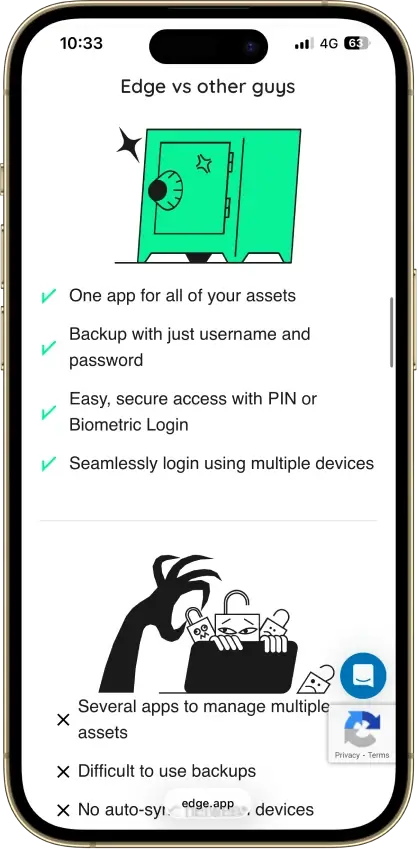
Pros
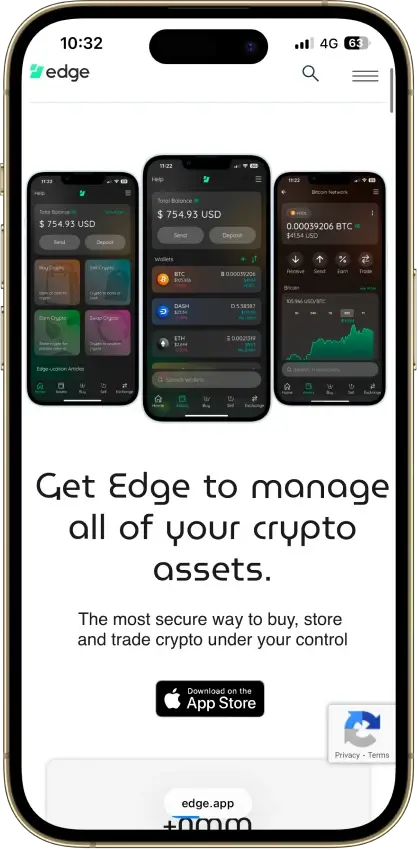
- Public, auditable code (BSD-3-Clause app)
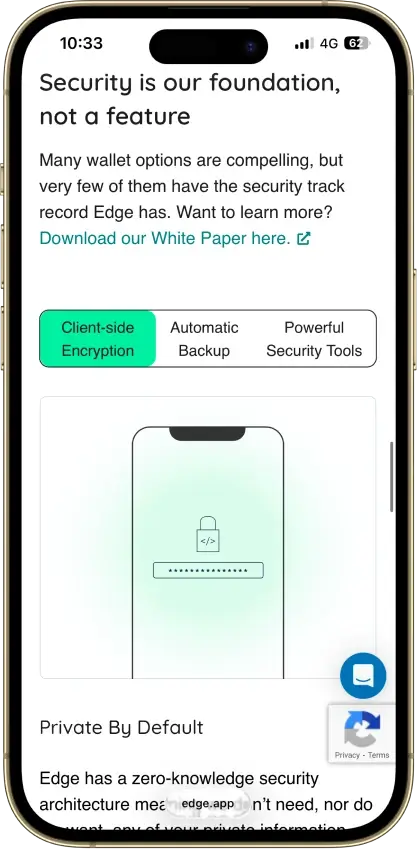
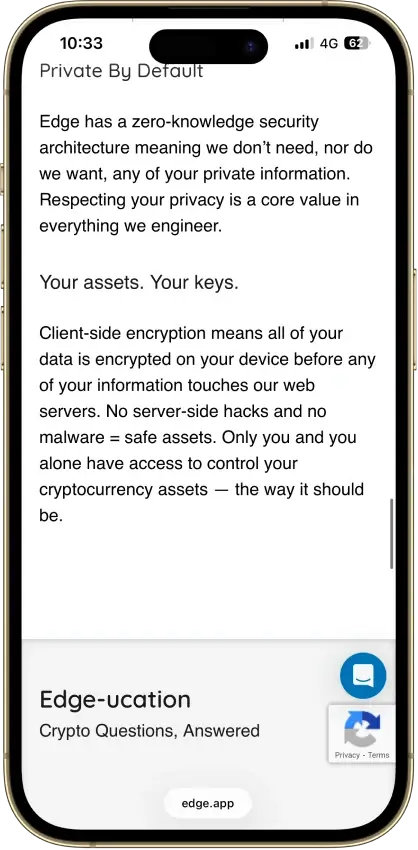
- Non-custodial, zero-knowledge encryption
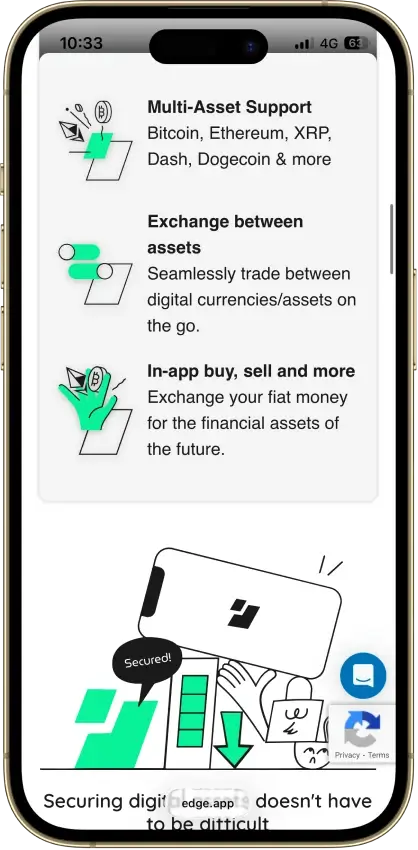
- 120+ assets plus major token standards
- Swaps shop quotes across several providers
- iOS app also runs on Apple Silicon Macs
Cons
- Weak passwords increase credential-guessing risk
- Encrypted key blobs sit on Edge servers
- 2023 bug exposed about 600 private keys
- No third-party audit made public
- No desktop app or browser extension
MoonPay
- Custody
- Non-custodialClosed-source
- Networks
- Platforms
Pros
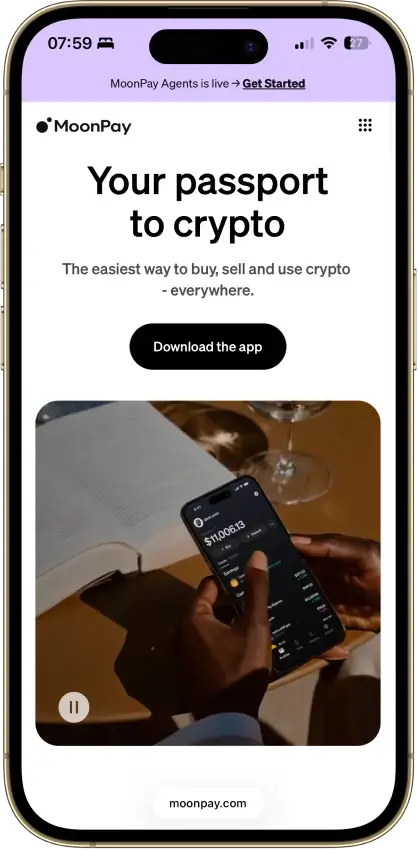
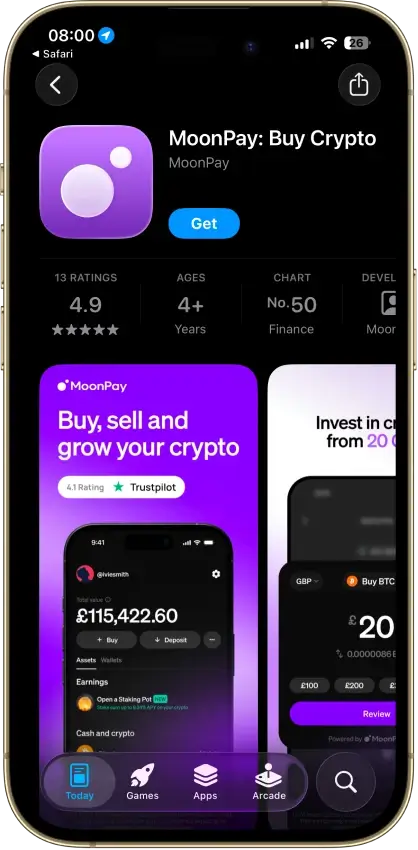
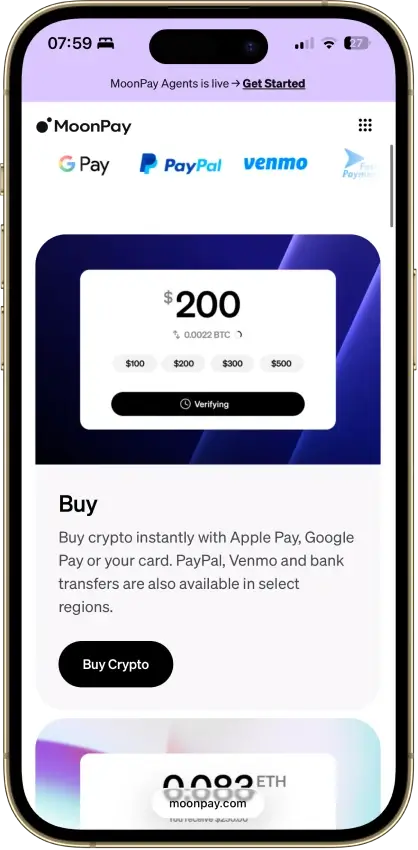
- Buying and wallet management in one app
- App Lock with biometrics or device PIN
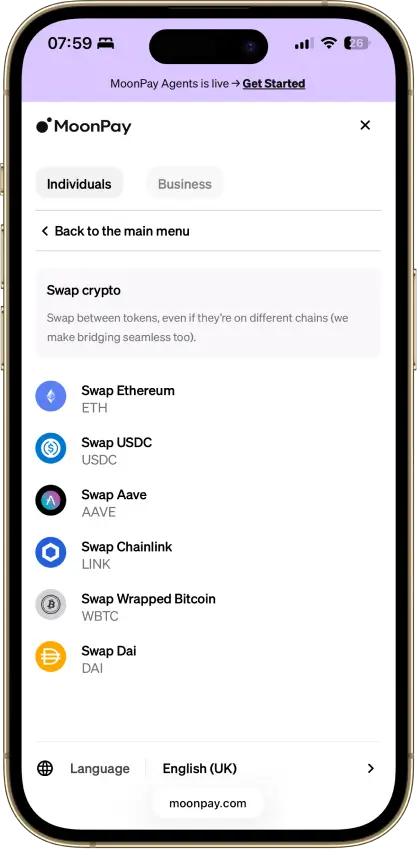
- Supports Bitcoin, Solana, TRON and EVM networks
- PayPal, Apple Pay, card and bank options
- Trade can route across blockchains
Cons
- Fees up to 4.5% on US purchases
- Up to $3.99 minimum fee on small orders
- No staking since Pots closed in April 2026
- Wallet app code is not public
Stack Wallet
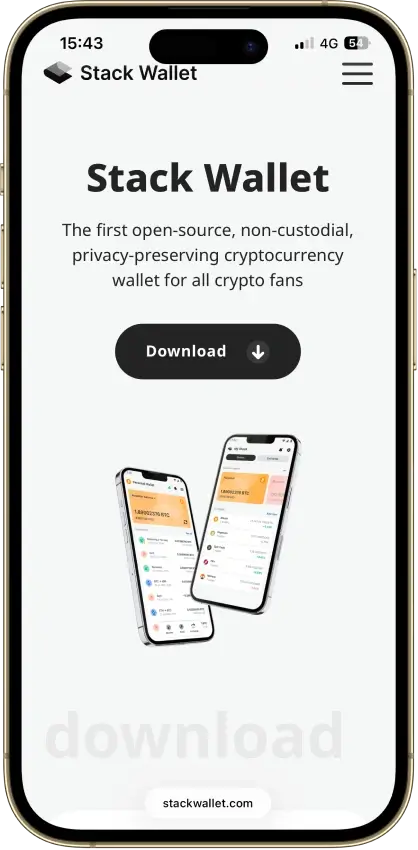
- Custody
- Non-custodialFully open-source
- Networks
- Platforms
Pros
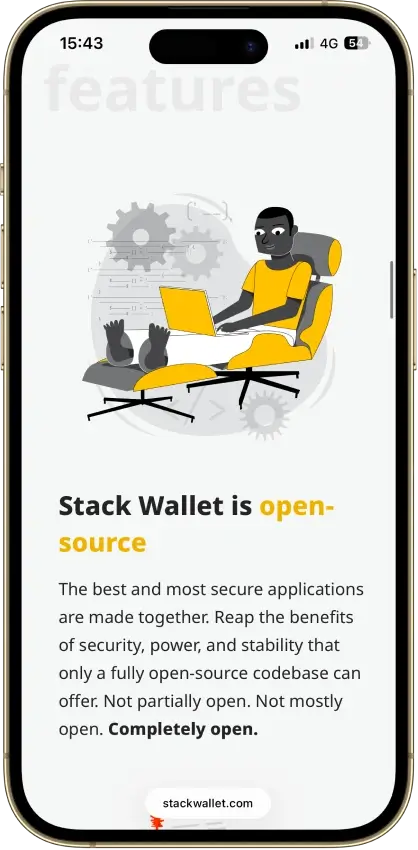
- Fully open source, entire codebase public
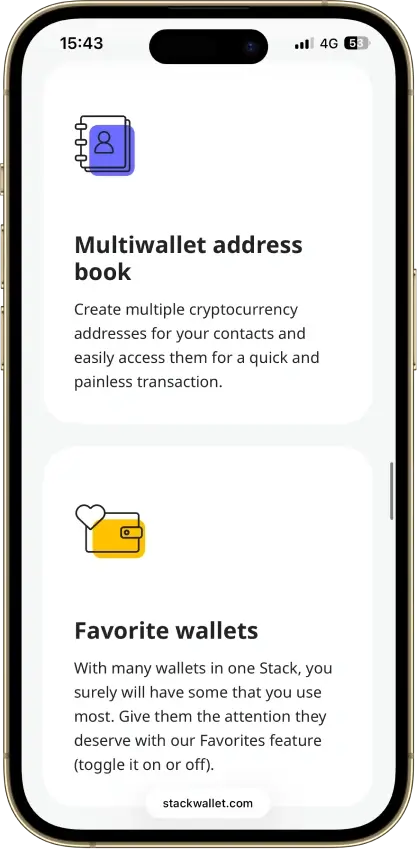
- Apps for mobile and desktop alike
- Coin control on Bitcoin and privacy coins
- Point it at your own node per coin
- Its own F-Droid repo for Android
Cons
- No dApp browser or WalletConnect
- No hardware-wallet pairing
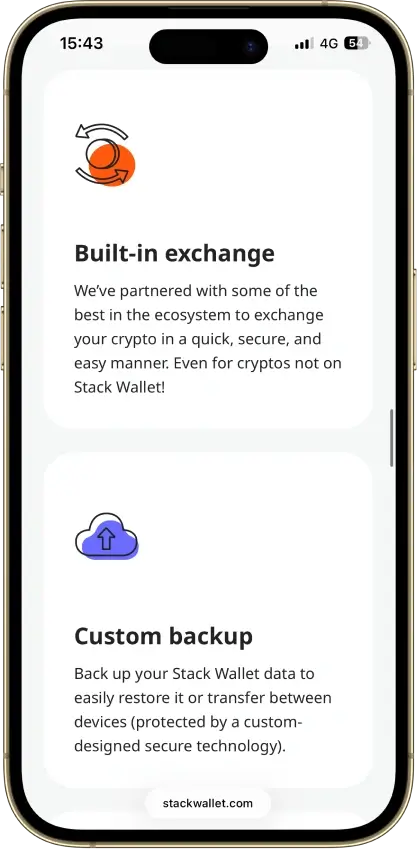
- App-level backup restores into Stack only
Exodus
- Custody
- Non-custodialPartially open-source
- Networks
- Platforms
Pros
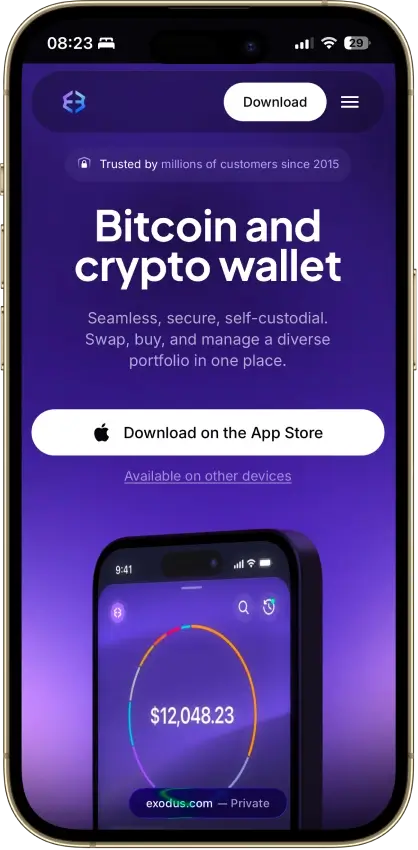
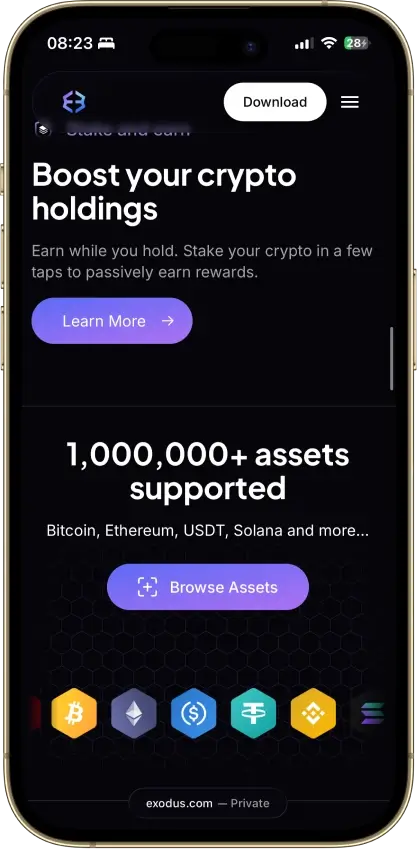
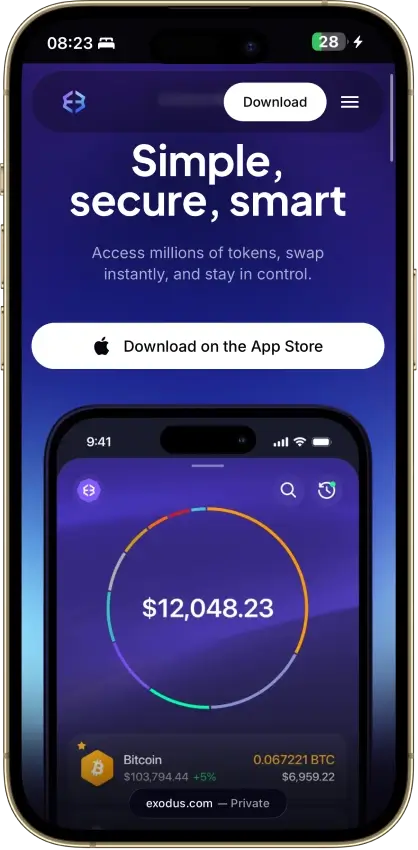
- Desktop app for Windows, macOS and Linux
- Desktop and mobile sync to one wallet
- Custom tokens on supported networks
- Human support alongside the chatbot
- Recovery phrase backup still available
Cons
- Complete wallet is not open source
- WalletConnect removed from the mobile app
- Ledger portfolios work on mobile only
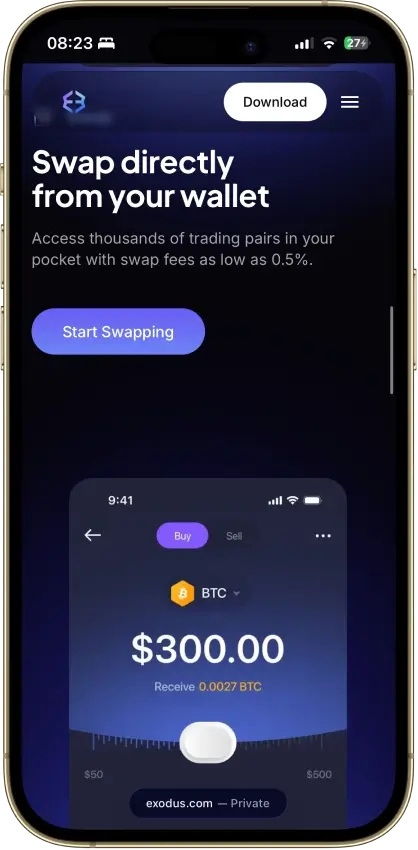
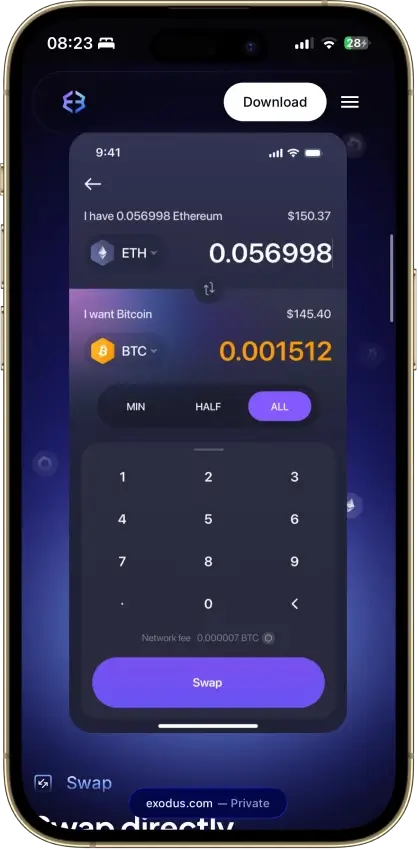
- Swap costs sit inside a quoted spread
- $3.1M OFAC sanctions settlement in 2025
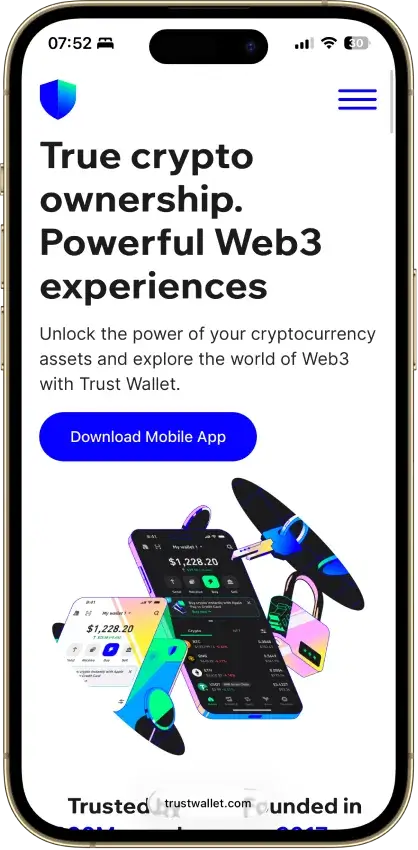
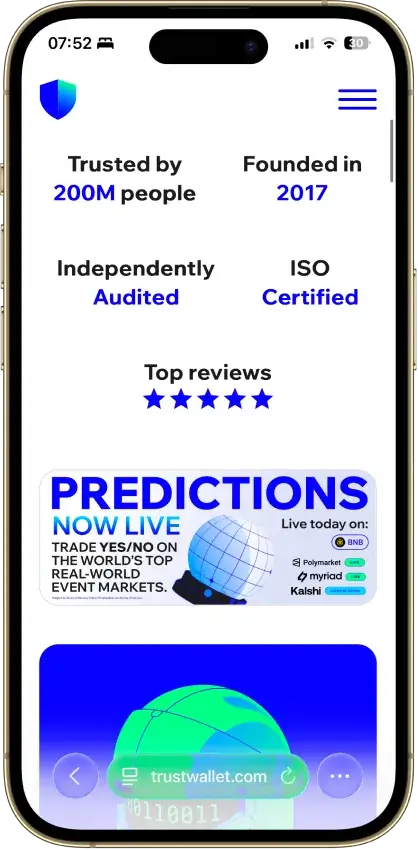
Trust Wallet
- Custody
- Non-custodialPartially open-source
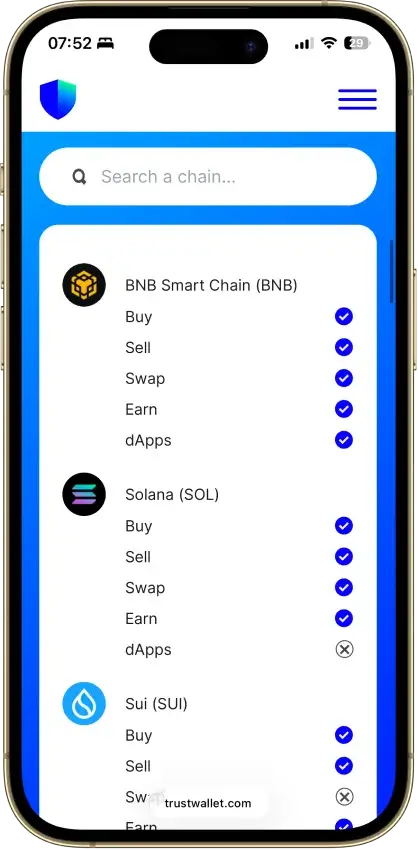
- Networks
- Platforms
Pros
- Transaction previews on supported networks
- Optional encrypted cloud backup
- Ledger signing through the extension
- Staking for ETH, SOL, BNB and TRX
- No email account needed for a classic wallet
Cons
- December 2025 extension hack hit about $8.5M
- Mobile app builds lack public source access
- Dropped several networks in September 2026
- SWIFT covers only a handful of EVM chains
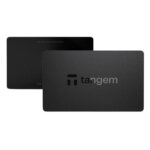
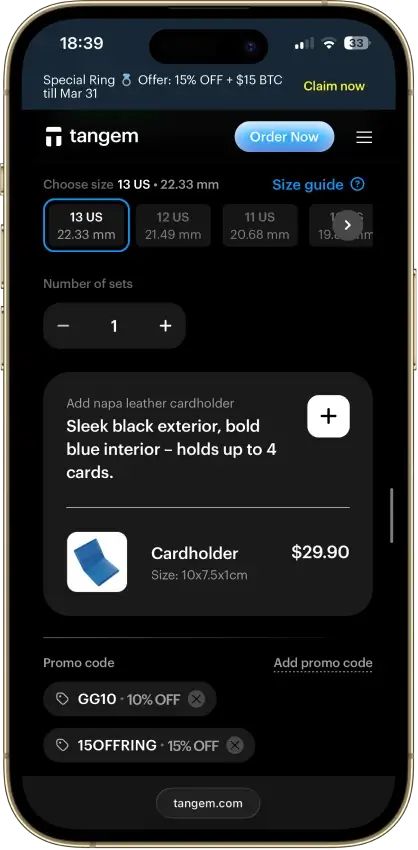
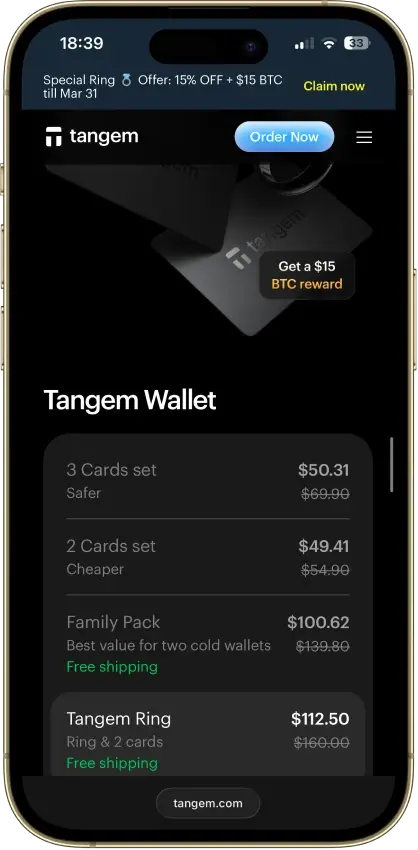
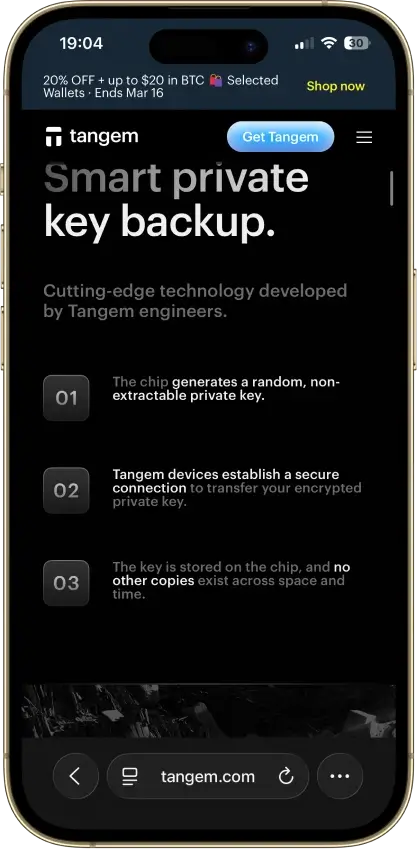
Tangem
- Custody
- Non-custodialClosed-source
- Networks
- Platforms
Pros
- Native BTC, ETH, SOL and XRP support
- No battery, the phone powers signing
- App source code is publicly inspectable
- Independent SDK audit with a public summary
- WalletConnect on Solana and listed EVM chains
Cons
- No on-card transaction display
- Card firmware cannot be updated
- Proprietary app licenses limit reuse
- Some Solana NFTs can't be sent from it
This shortlist mixes hot Web3 wallets and hardware devices on purpose. Hot wallets are the most convenient way to connect to dApps and move funds daily. Hardware wallets are the safer default for storing larger balances long term, because keys stay offline and every transaction is confirmed on the device.
What Is A Decentralized Wallet?
People use “decentralized wallet” as shorthand for a wallet that isn’t controlled by an exchange. In most cases, that means a non-custodial wallet where you control the keys and sign transactions yourself.
A decentralized wallet typically:
- Signs transactions locally (your assets stay on-chain)
- Connects to Web3 apps (if it’s a hot wallet or browser extension)
- Pairs with hardware for offline signing (optional, but recommended for larger balances)
A decentralized wallet is not:
- a decentralized exchange (DEX)
- a guarantee of privacy or anonymity
- automatically “cold” (cold storage is a separate concept)
Examples include hot wallets like MetaMask and Trust Wallet, and hardware wallets like Trezor and Ledger.
What Is A Non-Custodial Wallet?
A non-custodial wallet (self-custody) means you control the private keys that authorize transactions. That also means recovery depends on your backup method, not an account reset.
Common recovery models include:
- Seed phrase (recovery phrase)
- Passkeys or device-based keys
- MPC (multi-party computation) “seedless” recovery flows that split control across approvals/shares
Practical example: if you lose your recovery method and you don’t have a verified backup, the wallet provider typically can’t restore access.
Custodial Vs Non-Custodial Wallet
A custodial wallet is usually an exchange wallet (or “hosted wallet”) where the provider controls the private keys on your behalf. A non-custodial wallet (self-custody) means you control the keys, so you control access.
| Feature | Custodial Wallet (Exchange / Hosted) | Non-Custodial Wallet (Self-Custody) |
|---|---|---|
| Who controls keys | The provider controls the private keys | You control the private keys |
| Recovery options | Password resets and account recovery are handled by the provider | Recovery depends on your backup (seed phrase, passkey, or approved recovery flow) |
| Typical KYC | Common, especially for fiat rails and higher limits | Usually no KYC to create the wallet (some on-ramps may require KYC) |
| DeFi / dApp access | Limited or indirect (depends on the platform) | Direct Web3 access via wallet connect / browser extension |
| Counterparty risk | Higher: platform outages, freezes, or insolvency can affect access | Lower: no custody risk, but you’re exposed to phishing and signing mistakes |
| Support responsibility | Provider handles most account support | You are responsible for backups, approvals, and device security |
| Best for | Convenience, frequent trading, small balances, simple onboarding | Long-term holding, DeFi/Web3 use, privacy-minded control, reducing custody risk |
If you’re comparing custodial vs non-custodial wallet options, the rule of thumb is simple: custodial wallets trade control for convenience, while non-custodial wallets trade convenience for control. For many people, a custodial exchange wallet is fine for small, active balances.
Many people also pick a non-custodial wallet as a non KYC wallet for on-chain storage and transfers, although buying crypto with fiat or cashing out can still trigger KYC through third-party on-ramps.
If you’re thinking about holding crypto on exchange vs wallet for long-term storage, a non-custodial setup is usually the safer default, because you’re not depending on a third party to access your funds.
Types Of Decentralized Wallets
Not every decentralized wallet works the same way. Some are designed for fast Web3 access, while others are built for long-term storage. The “best” option usually depends on how often you transact and how much responsibility you want to take on for backups and security.
Hot Wallets
A hot wallet is a non-custodial wallet that runs on an internet-connected device (phone or browser). It’s the most practical choice for trading, DeFi, NFTs, and everyday transfers because it can connect to dApps quickly.
The main downside is exposure. Hot wallets are more vulnerable to phishing, malicious approvals, and fake websites. If you use DeFi, always read what you’re signing and review token approvals regularly.
Cold Wallets
A cold wallet keeps your private keys offline, usually in a dedicated hardware device. In a self-custody setup, that’s a decentralized cold wallet (a non-custodial cold wallet). It’s the safer default for long-term holdings because your keys never live on an always-online phone or computer.
Offline signing, in one line: the hardware wallet signs the transaction on the device, and your phone or computer only broadcasts the signed transaction to the network.
Browser Extension Wallets
Browser-extension wallets are popular for desktop DeFi because they integrate directly with Web3 sites. They’re fast and convenient, especially for EVM apps, but they also make it easier to sign the wrong thing if you’re not careful.
Browser support is not always interchangeable. For example, Phantom officially supports Chrome for full extension support; other Chromium browsers may work, but they are not fully supported the same way.
Keep your habits tight: bookmark key dApps, double-check URLs, and don’t approve unlimited spending unless you understand why you need it.
Mobile Wallet Apps
A decentralized wallet app on mobile is great for everyday use because it’s always with you. It can also connect to dApps through an in-app browser or WalletConnect.
Mobile dApp access also differs by wallet. Phantom mobile connects only inside Phantom’s in-app browser, while Tangem relies on WalletConnect rather than a built-in browser.
Basic setup matters here. Use a strong device lock, enable biometric or PIN protection inside the wallet, and make sure you have a verified backup of your recovery method before you move meaningful funds.
Seed Phrase Vs Seedless / MPC Recovery
Most self-custody wallets use a seed phrase (recovery phrase). It’s simple and portable, but it’s also a single point of failure. If someone gets your seed phrase, they can take your funds.
“Seedless” recovery often uses passkeys, secure enclaves, or MPC-style recovery, where access is restored through multiple approvals or shares. This can reduce the risk of a single phrase being stolen, but it also means your recovery depends on the wallet’s process and any third-party components involved. The best choice is the one you can back up correctly and keep secure.
What Happens To Your Crypto Wallet If You Lose Your Phone?
If your wallet uses a seed phrase, recovery depends on that phrase. If it uses an email or seedless flow, recovery depends on that wallet’s specific process.
Phantom can be restored with Google or Apple plus a four-digit PIN (depending on the method you used while signing up for the account), Trust Wallet offers optional encrypted cloud backup, Trezor supports Multi-share Backup, and Ledger Flex includes Ledger Recovery Key alongside standard recovery-phrase restore options.
The right model is the one you understand and can verify before you move real money into the wallet.
Smart Accounts And Account Abstraction
Some wallets now add smart-account features on top of self-custody.
In practice, that can mean batched actions, more flexible gas handling, or easier recovery flows. These features can improve usability, but they do not change the core question of who controls the keys and how recovery works.
Treat smart-account UX as a bonus layer, not a replacement for clear custody and backup design.
Decentralized Wallet Vs Cold Wallet
These terms aren’t the same. Decentralized / non-custodial describes who controls the keys. Cold describes whether keys are kept offline. You can have a decentralized hot wallet (self-custody on your phone), or a decentralized cold wallet (self-custody on hardware). The key question is always the same: do you control the private keys and the recovery method?
Best Decentralized Wallet For XRP
If you’re specifically looking for a decentralized wallet for XRP, make sure the wallet supports the XRP Ledger (XRPL) natively. Some apps also show “XRP” on other networks (like wrapped XRP), which isn’t the same thing as holding XRP directly on XRPL.
Two XRP-specific details matter more than people expect:
- Destination tags: Some recipients, especially exchanges and custodial platforms, require a Destination Tag. If the recipient provides a tag, include it exactly. X-addresses can encode the Destination Tag inside the address itself, so check whether the recipient gave you a classic address + tag or an X-address before sending.
- Account reserve: XRPL accounts currently require a 1 XRP base reserve to stay active, so an active wallet typically cannot be drained to zero.
Top XRP wallet picks (self-custody)
| Wallet | Native XRPL Support | Platforms | Type | Best For |
|---|---|---|---|---|
| Ledger (Flex / Nano S Plus) | Yes | iOS, Android, Desktop | Hardware | Long-term XRP storage with offline signing |
| Trezor (Safe 5 / Safe 7) | Yes | Desktop, Web | Hardware | Hardware security with strong transparency and XRP support |
| Tangem | Yes | iOS, Android | Hardware | Phone-first XRP cold storage with simple tap-to-sign |
| Trust Wallet | Yes | iOS, Android, Extension | Hot | Everyday XRP use with mobile-first self-custody |
| OKX Wallet (Web3) | Yes | iOS, Android, Extension, Web | Hot | Multichain Web3 wallet that can manage XRP alongside other networks |
Quick rule: if you’re moving XRP to an exchange wallet, double-check whether a Destination Tag is required before you confirm the send. If you’re sending to another self-custody XRPL wallet, a tag usually isn’t needed.
Best Web3 Decentralized Wallet And Other Use-Case Winners
If you already know what you want to do with your wallet, these quick picks narrow it down fast. The goal here isn’t to crown one “best decentralized wallet” for everyone. It’s to match the right non-custodial wallet to how you actually use crypto.
| Use Case | Top Pick | Why It Wins | Best For | Key Trade-Off |
|---|---|---|---|---|
| Best Web3 decentralized wallet | MetaMask | Widely supported across EVM networks and dApps, with smooth network switching and signing | Ethereum, Layer 2s, and EVM DeFi | Not the simplest UI if you never use dApps |
| Best non-custodial wallet for beginners | Trust Wallet | Mobile-first, broad chain coverage, and straightforward send/receive flow | First self-custody setup and everyday transfers | Needs good backup habits to stay safe |
| Best self-custody wallet for mobile | Trust Wallet | Strong mobile UX with in-app security controls and easy dApp access | Mobile-first crypto use with light Web3 | Not as “power user” as desktop-first tools |
| Best hardware self-custody wallet | Trezor Safe 5 | Clear on-device confirmation and a storage-first approach that’s hard to compromise remotely | Long-term holding and cold storage | Less convenient for frequent DeFi actions |
| Best EVM wallet for power users | Rabby | Better transaction previews and fewer blind approvals for active DeFi workflows | Heavy DeFi users managing multiple accounts | EVM-focused, so it’s not a universal multi-chain choice |
Use this table as a shortcut, then cross-check the pick in the full list above. If your priority is long-term safety, hardware wallets usually win. If your priority is DeFi and dApps, choose the wallet that makes it easiest to review what you’re signing before you approve it.
How We Rank
- Custody and key security 30% weightWhat we assess
Who can authorize spending, protection of keys and signing, and independent access to every reviewed account type.
What earns 10/10 Users control spending and have complete independent access for every reviewed account type. Signing and authorization are isolated from the connected app, with key and recovery dependencies explained. - Security validation and track record 25% weightWhat we assess
Independent security assessments, their coverage and findings, plus updates and the handling of known incidents.
What earns 10/10 Independent assessments cover the current design and material changes. Material findings are resolved, and sustained maintenance records show no unresolved material incident consequences. - Transaction safety and signing 20% weightWhat we assess
Transaction details, signing warnings, scam checks, permission controls and the handling of unreadable requests.
What earns 10/10 Transfers and supported signing requests show readable details before consent. Risk warnings and integrated permission revocation cover relevant tasks, with unclear requests identified and easy to reject. - Backup and recovery 10% weightWhat we assess
Repeatable backup checks, complete restoration, recovery dependencies, costs and resilience after backup loss.
What earns 10/10 Repeatable checks verify complete backups without resetting the wallet. Recovery survives loss of a backup or dependency, with clear costs and no third party able to spend alone. - Usability, privacy and costs 10% weightWhat we assess
Setup and everyday tasks, accessibility, support guides, data-sharing choices and device, service and transaction costs.
What earns 10/10 Clear workflows, accessible controls and useful support guides make routine tasks straightforward. Nonessential data sharing is optional, and mandatory costs are transparent and reasonable. - Assets, networks and compatibility 5% weightWhat we assess
Asset and network support, devices, companion apps and connections needed for the uses covered in the review.
What earns 10/10 Official compatibility lists and setup guides cover the reviewed assets, networks, devices and connections. Required transfer routes are documented and available, with no known blocker.
Wallets are security products first, so our scoring puts the most weight on custody clarity, key security, recovery, and real-world scam resistance. We score each criterion using a simple three-level rubric:
- 1.0 = meets the standard clearly
- 0.5 = partially meets the standard
- 0.0 = unclear, missing, or not supported
Those criteria roll up into an overall CryptoSlate Rating (out of 10).
We don’t reward feature bloat. The best wallets make custody and recovery easy to understand, reduce “approve and lose funds” scenarios, and help you avoid common mistakes like wrong-network transfers.
How To Choose The Best Decentralized Wallet
The best decentralized wallet is the one that matches how you use crypto. A non-custodial setup gives you control, but it also means your backup and signing habits matter as much as the brand name.
Picking the best decentralized wallet is mostly about matching the wallet type to your goal. The table below is a shortcut. Start with your primary use case, then confirm chain support (especially XRPL for XRP) and your preferred recovery model.
| Your Goal | Best Wallet Type | Good Picks From This List | What To Prioritize | Common Mistake To Avoid |
|---|---|---|---|---|
| Long-term storage | Hardware (cold) | Trezor Safe 5, Trezor Safe 7, Ledger Flex, Ledger Nano S Plus, Tangem | On-device confirmation, offline key storage, backup you can verify | Treating a hot wallet like a vault |
| Active DeFi and Web3 | Hot wallet (extension/app), ideally paired with hardware | MetaMask, Rabby, Trust Wallet, OKX Wallet | Clear signing screens, approval management, stable dApp connections | Blind approvals or unlimited allowances |
| XRP management | Wallet with native XRPL support | Ledger, Trezor, Tangem, Trust Wallet, OKX Wallet | XRPL-native support, clear send flow, handling Destination Tags when required | Confusing wrapped XRP with native XRP |
| Beginner simplicity | Mobile-first hot wallet (then upgrade to hardware later) | Trust Wallet (starter), then add Ledger/Trezor for cold storage | Simple backup steps, easy send/receive, clear network selection | Skipping a test transfer or not verifying backups |
| Open-source preference | Open-source leaning wallet (verify scope) | Trezor (fully open source), Rabby (extension/mobile/desktop open source), Tangem (app open source; firmware closed-source but audited) | Audits/disclosure process, documented security model, transparent updates | Assuming “open source” automatically means “safe” |
Use the table like a filter, not a final verdict. Many people end up with a two-wallet setup: a hot wallet for daily activity and a hardware wallet for long-term self-custody. No matter which wallet you pick, do a small test transfer first and verify your backup before you move meaningful funds.
Quick Checklist
- Choose hot for Web3 activity, hardware for long-term storage
- Confirm your must-have networks (EVM, Solana, Bitcoin, XRPL)
- Verify the backup model (seed phrase, passkey, MPC) and test it once
- Prefer clear signing screens and easy approval/revoke tools
- Use a small test transfer before moving a large balance
How To Set Up A Non-Custodial Wallet Safely
Setting up a non-custodial wallet is straightforward, but it’s worth taking five extra minutes to avoid mistakes that are hard to undo later.
- Install from the official source (official website, App Store, Google Play, or the verified browser extension listing). Double-check the publisher name.
- Create the wallet and note the recovery model (seed phrase vs seedless/passkey/MPC). If the wallet offers multiple recovery models, choose deliberately before funding it. Phantom can be set up with a recovery phrase or Google/Apple + PIN, Tangem can be seedless or use an optional seed phrase, and OKX Wallet supports seed phrase backup with optional cloud backup.
- Back up recovery offline. If you get a seed phrase, write it down on paper or metal and store it somewhere private. Don’t screenshot it or save it in notes.
- Verify your backup by re-entering the phrase (if prompted) or using the wallet’s backup-check feature.
- Lock the wallet and the device. Enable a device passcode, then add an in-app PIN and biometrics. Turn on auto-lock.
- Do a small test transfer first. Send a tiny amount to your new address and wait for confirmation.
- Confirm the network matches before you send more. “Wrong network” transfers are one of the most common causes of permanent loss. If you’re sending XRP to an exchange or other hosted wallet, also check whether the recipient requires a Destination Tag. On XRPL, some hosted addresses reject payments without the required tag, and even when the payment reaches the ledger, the platform may not know which customer balance to credit if the tag is missing.
- Connect to dApps carefully. Start with reputable apps, review permissions before approving, and avoid “unlimited” token approvals unless you understand why you need them.
Important: disconnecting a wallet from a dApp is not the same thing as revoking token approvals. If you granted a contract permission to spend a token, that permission can remain active until you revoke it on-chain. On EVM wallets, revoking approvals usually costs gas, which is why it helps to review them regularly instead of waiting until something feels wrong.
Security, Backup, And Recovery
Most wallet losses aren’t caused by broken cryptography. They happen because of phishing, unsafe backups, or signing the wrong transaction. Here’s how to reduce the risk without overcomplicating your setup.
- Avoid fake apps and phishing links: bookmark official sites, double-check domains, and don’t install wallets from ads or random download pages.
- Treat the recovery phrase like a master key: anyone who has it can take your funds. Store it offline, keep it private, and never share it with “support.”
- Be cautious with blind signing: if the wallet can’t show what you’re approving in human-readable terms, don’t sign it with a large balance. For higher-value wallets, a hardware signer adds a strong safety layer.
- Manage token approvals: prefer limited approvals, review permissions periodically, and revoke approvals you no longer need. Consider using a separate “spending wallet” for DeFi.
- Prevent wrong-network mistakes: match the exact network the recipient expects, copy/paste addresses, and use test transfers when sending to a new destination.
- Use passphrases deliberately: a passphrase can add protection, but it also creates a separate wallet space. Store passphrase backups separately from the seed phrase.
- Hardware wallet best practices: buy from official sources, keep firmware updated, and always verify the receive address on the hardware device screen before sending funds.
If you do two things consistently, you’ll avoid most problems: keep a verified offline backup and read what you’re signing before you approve it.
Pros And Cons Of Non-Custodial Wallets
Non-custodial wallets are built around one idea: you control the keys. That’s powerful, but it also means you carry more responsibility for backups and security.
Pros
- Control: you hold the private keys and can move funds without relying on an exchange.
- Privacy by default: most self-custody wallets don’t require ID just to create and use the wallet.
- Direct Web3 access: easy connection to dApps, DeFi, NFTs, and on-chain tools.
- Lower custody risk: you’re not exposed to platform freezes or solvency issues the same way you are with custodial accounts.
Cons
- Recovery is on you: if you lose the recovery method (seed phrase, passkey, MPC flow), you may not be able to restore access.
- Phishing and signing risk: a single bad approval or fake site can drain a hot wallet.
- User error is costly: wrong network transfers, wrong addresses, or leaked backups can be irreversible.
- Third-party services still exist: swaps and on-ramps inside wallets may use partners, and those partners can add fees, limits, or KYC.
Key Takeaways
A decentralized wallet is ultimately about control. With a non-custodial wallet, you hold the keys and you decide when and how funds move. That’s the upside. The trade-off is that your backups and signing habits matter more than any feature list.
If you’re active in DeFi and dApps, a hot Web3 wallet can be the most practical daily driver. If you’re storing larger balances long term, pairing that convenience with a hardware wallet is usually the safer default. And if XRP is a priority, stick to wallets with native XRPL support and pay attention to details like Destination Tags when sending to exchanges.
Bottom line: choose the wallet you can back up correctly, verify what you’re signing, and test with small transfers before moving serious funds.