Crypto launchpads have split into distinct products. Some run through exchange accounts, others through wallets, and a growing number exist purely to push meme tokens into circulation as fast as possible. The ten platforms on this page still have active pipelines in 2026 and cover the main entry types: exchange-run launches, curated token sales, wallet-first IDOs, and open meme launchers.
Picking the right one comes down to four things: whether you can actually access it, how much capital you need to lock before the sale, how allocation is decided, and how cleanly you can exit once trading opens. Brand size is not a reliable guide.
Top Crypto Launchpads
- Access
- Exchange accountFull KYC
- Token gate
- High dependenceBNB-based access
- Allocation
- Pro-rata subscription
- Launches list straight onto Binance spot
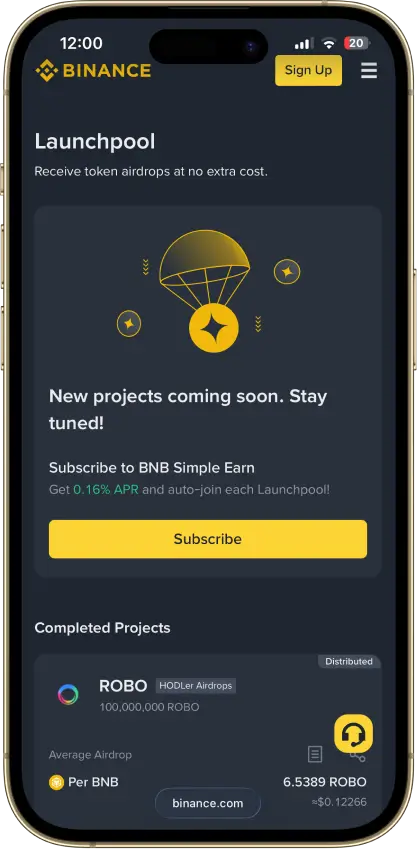
- Launchpool rewards accrue hourly, claim anytime
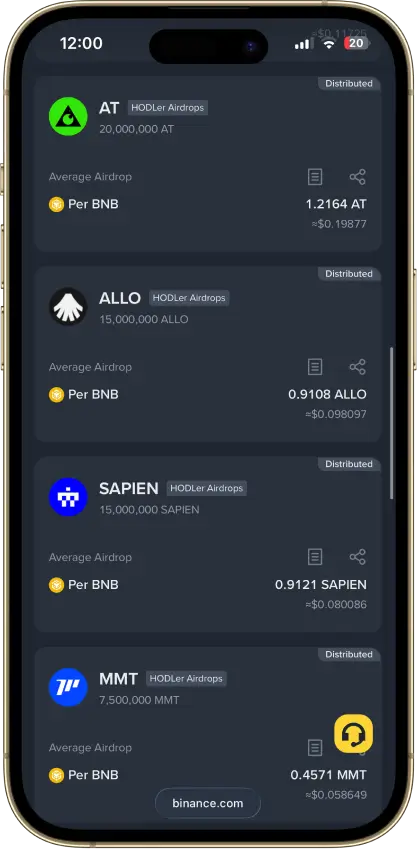
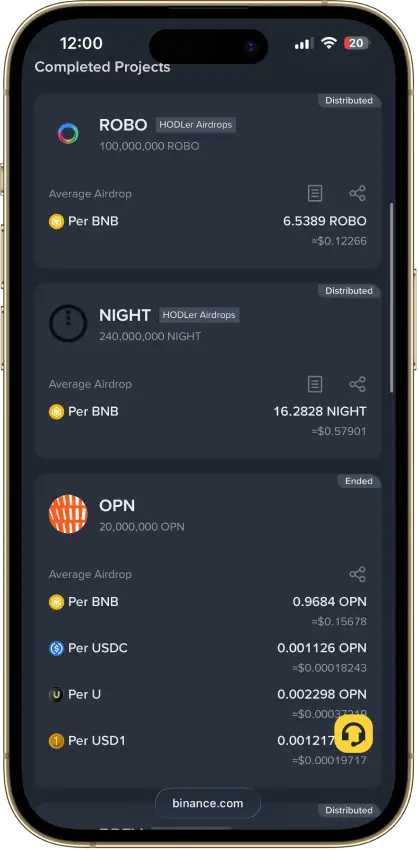
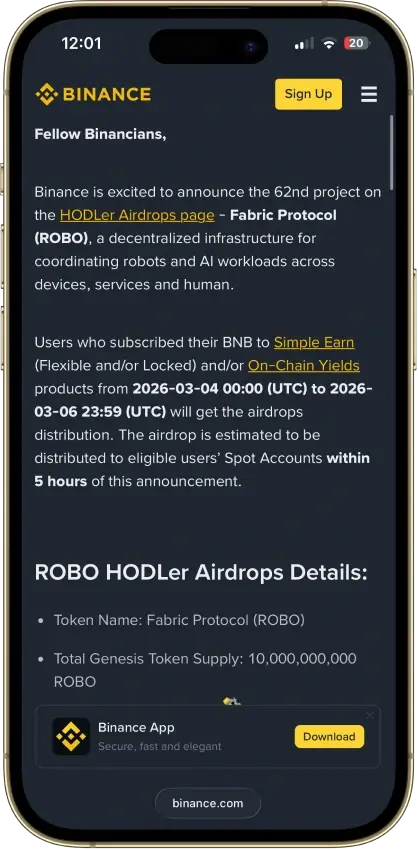
- 72 Launchpool projects and 62 HODLer Airdrops
- Access
- Account + walletFull KYC
- Token gate
- No platform token
- Allocation
- Varies by saleFCFS / pro-rata / hybrid
- Past sales include Solana, Filecoin and Ondo
- Sealed-bid Dutch and clearing auctions
- No platform token to buy or stake
- Access
- Connected walletKYC varies by sale / region
- Token gate
- High dependencePOLS-based access
- Allocation
- Lottery + guaranteed tiersSnapshot-based / hybrid
- 140 funded projects, 141,188 participants
- POLS Power from staking, holding or LP
- Council review before a project can raise
- Access
- Wallet / botNo KYC listed
- Token gate
- None for base access
- Allocation
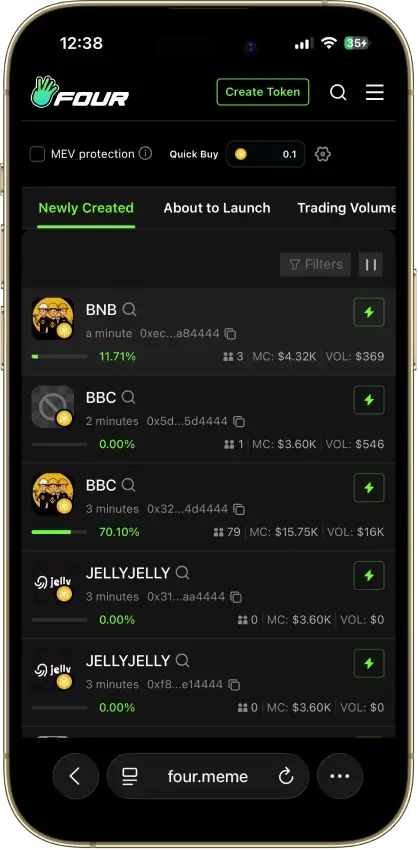
- Bonding curve / FCFS
- Tokens hand off to PancakeSwap at about 18 BNB
- X Mode fees that slow early-block bots
- Launch a token for gas plus about 0.005 BNB
- Access
- Exchange accountFull KYC
- Token gate
- Varies by sale
- Allocation
- Varies by salePro-rata / lottery / snapshots
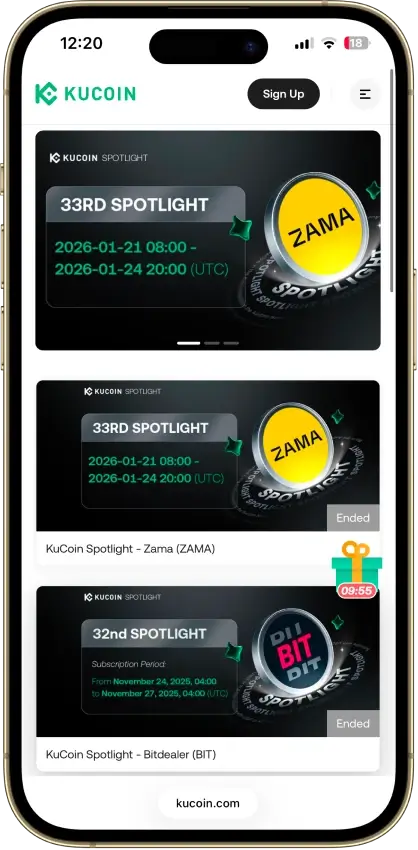
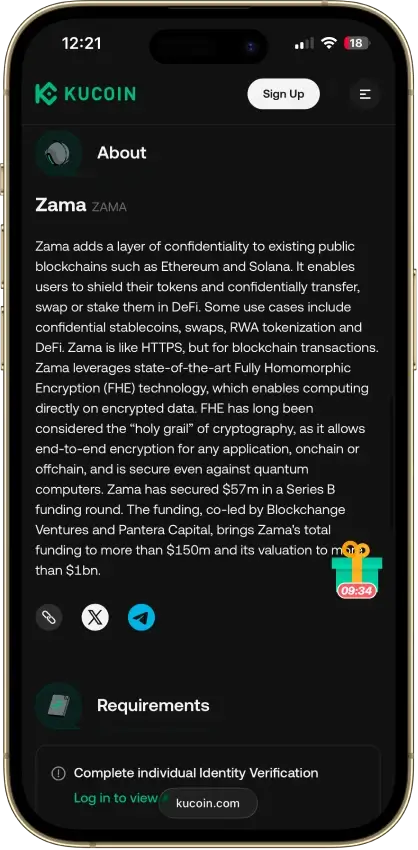
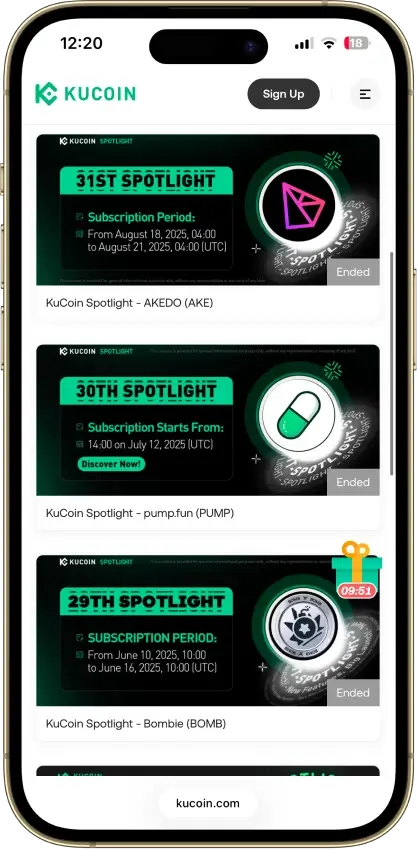
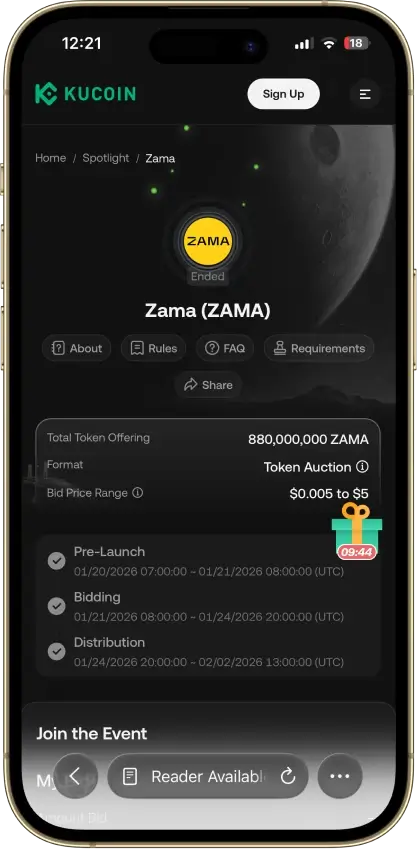
- 33 Spotlight sales, from Chromia to ZAMA
- Hold and Gain counts sub-account balances
- Wider narrative mix than chain-specific pads
- Access
- Connected walletFull KYC
- Token gate
- No platform token
- Allocation
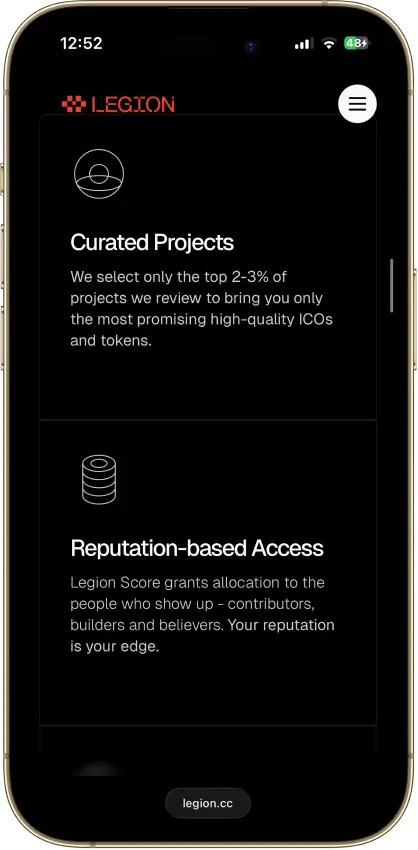
- Merit / reputationHybrid; varies by sale
- Allocation by reputation score, not staking
- Embedded wallet created for you at sign-up
- Projects pick backers, not the fastest wallet
- Access
- Exchange accountFull KYC; varies by region
- Token gate
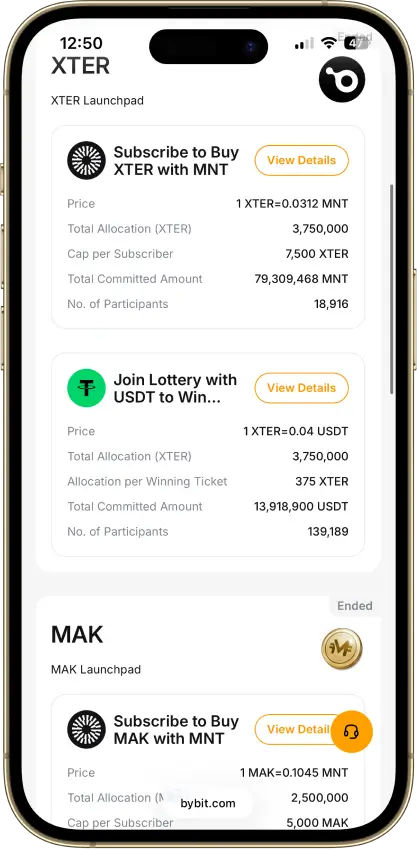
- None for base accessMNT subscription or USDT lottery
- Allocation
- Varies by saleLottery / pro-rata / snapshots
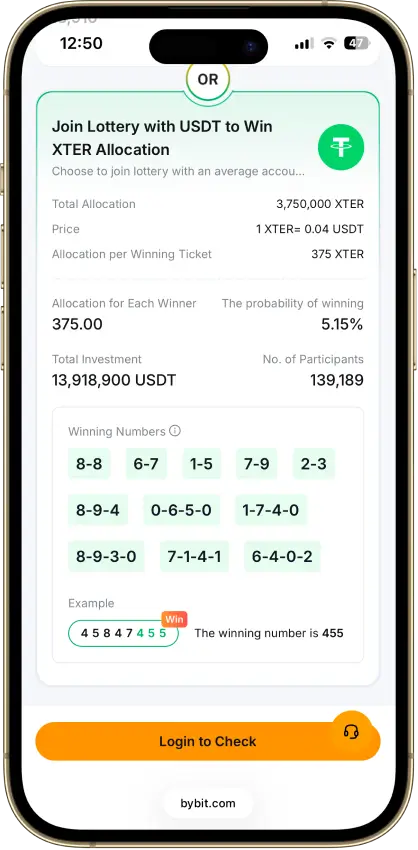
- MNT subscription or a cheaper USDT lottery
- Snapshots count Funding and UTA balances
- Unused funds return automatically after a sale
- Access
- Connected wallet + Varies by saleKYC varies by sale / region
- Token gate
- Varies by sale
- Allocation
- Varies by saleGuaranteed tiers / FCFS / pro-rata / quests
- Allocation known before the IDO buy window
- Refund window of 1 to 7 days after some IDOs
- AI and infrastructure launches over memes
- Access
- Connected walletNo KYC listed; varies by region
- Token gate
- None for base access
- Allocation
- Bonding curve
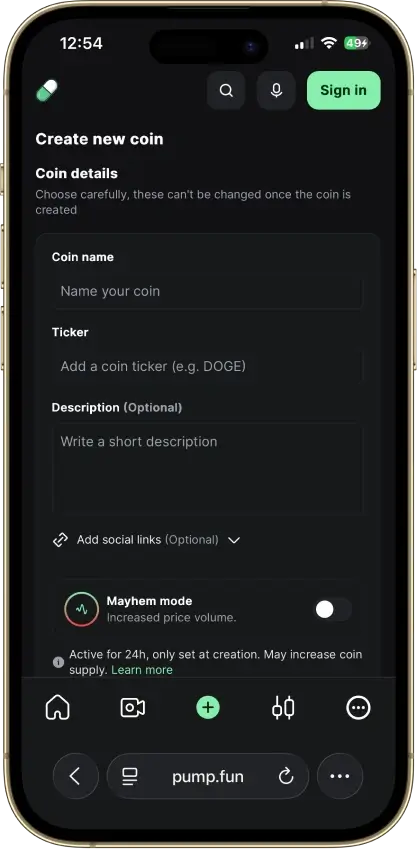
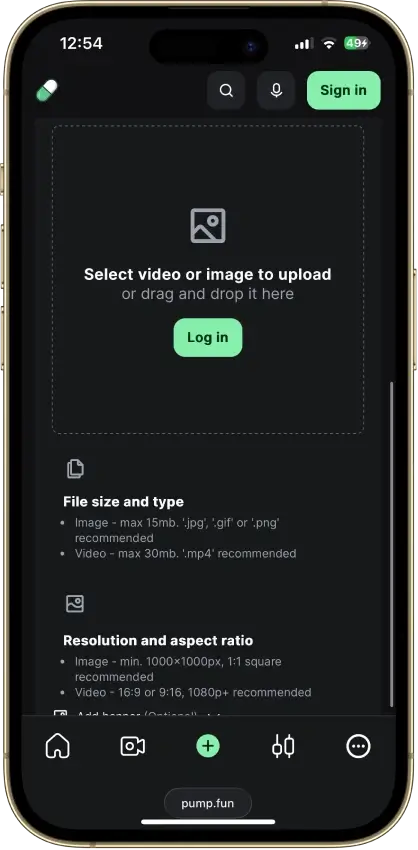
- No platform fee to create a coin
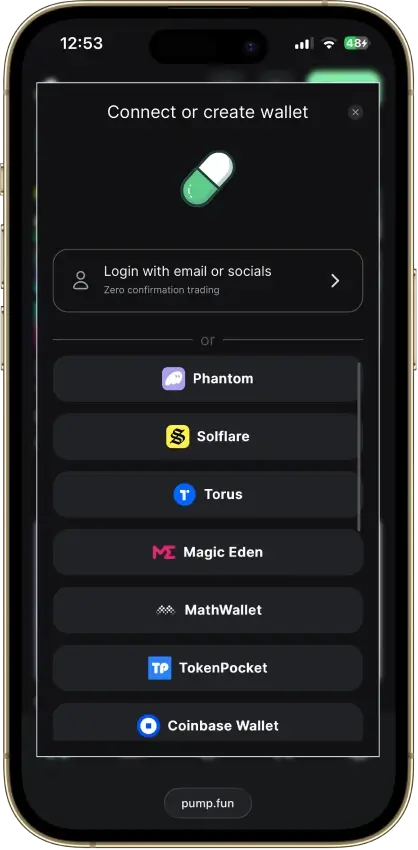
- Sign up with email or Apple ID, no wallet needed
- Card and Apple Pay deposits in the mobile app
- Access
- Connected walletNo KYC listed
- Token gate
- No platform token
- Allocation
- Bonding curveVaries by sale
- Built into Jupiter's swap and discovery flow
- Alphascan and a screener track new launches
- Graduates into a Meteora DAMMv2 pool
CryptoSlate may earn a commission when you visit partner sites through links on this page, at no extra cost to you. Our rankings and reviews remain editorially independent and based on our published methodology. Read disclosure
Disclaimer: CryptoSlate may receive a commission when you click links on our site and make a purchase or complete an action with a third party. This does not influence our editorial independence, reviews, or ratings, and we always aim to provide accurate, transparent information to our readers.Exchange-run platforms work best for users who want simpler account-based access and a cleaner listing path after the sale. Wallet-based platforms give more direct early-stage participation but usually require more setup, more screening, or more locked capital. Meme launchers are the fastest option, though quality control and bot risk are considerably worse.
Comparison Table
| Name | Can You Use It? | What You Must Hold | How Allocation Works | When You Can Actually Sell |
|---|---|---|---|---|
 Binance Launchpad Binance Launchpad | Exchange Account | High | Pro-Rata Subscription | Watchlist |
 Coinlist Coinlist | Exchange Account, Connected Wallet | None | FCFS, Pro-Rata Subscription, Hybrid, Varies By Sale | Live |
 Polkastarter Polkastarter | Connected Wallet | High | Lottery, Tiered Guaranteed, Snapshot-Based, Hybrid | Live |
 Four.meme Four.meme | Connected Wallet, Telegram / Bot Interface | None For Base Access | FCFS, Bonding Curve | Live |
 Kucoin Spotlight Kucoin Spotlight | Exchange Account | Varies By Sale | Pro-Rata Subscription, Lottery, Snapshot-Based, Varies By Sale | Live |
 Legion Legion | Connected Wallet | None | Merit / Reputation-Based, Hybrid, Varies By Sale | Live |
 Bybit Launchpad Bybit Launchpad | Exchange Account | None For Base Access | Lottery, Pro-Rata Subscription, Snapshot-Based, Mixed By Sale | Live |
 ChainGPT Pad ChainGPT Pad | Connected Wallet, Mixed By Sale | Varies By Sale | Tiered Guaranteed, FCFS, Pro-Rata Subscription, Quest / Community-Based, Mixed By Sale | Live |
 Pump.Fun Pump.Fun | Connected Wallet | None For Base Access | Bonding Curve | Live |
 Jupiter Studio Jupiter Studio | Connected Wallet | None | Bonding Curve, Mixed By Sale | Live |
Rule out anything you cannot access first, then cut anything that requires more locked capital than you want to carry. After that, compare entry style (exchange subscription, allowlist, merit scoring, or open launch) and use exit friction as the tie-breaker.
Crypto Launchpads Reviews
Binance Launchpad
- Access
- Exchange accountFull KYC
- Token gate
- High dependenceBNB-based access
- Allocation
- Pro-rata subscription
Pros
- No wallet, bridge or gas for core entry
- Deeper liquidity than most retail launchpads
- BNB in Binance Earn can feed newer formats
- Account flow cuts missed-claim risk
- Stricter project selection than most rivals
Cons
- Small BNB balances get tiny pro-rata fills
- You carry BNB risk before a project proves itself
- Classic fixed-price sales are now the minority
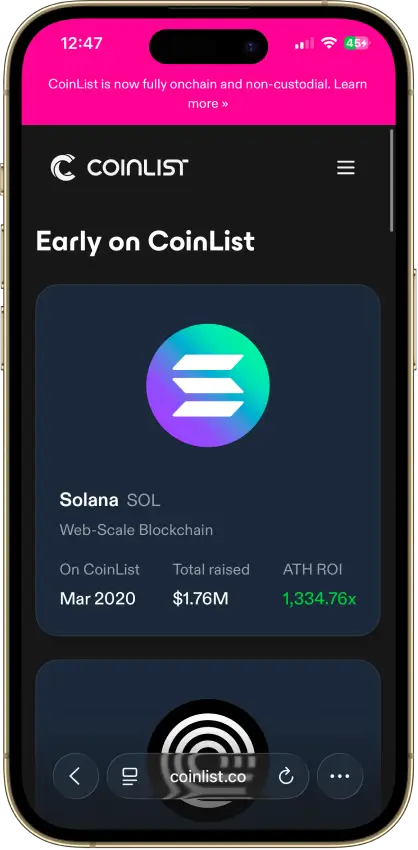
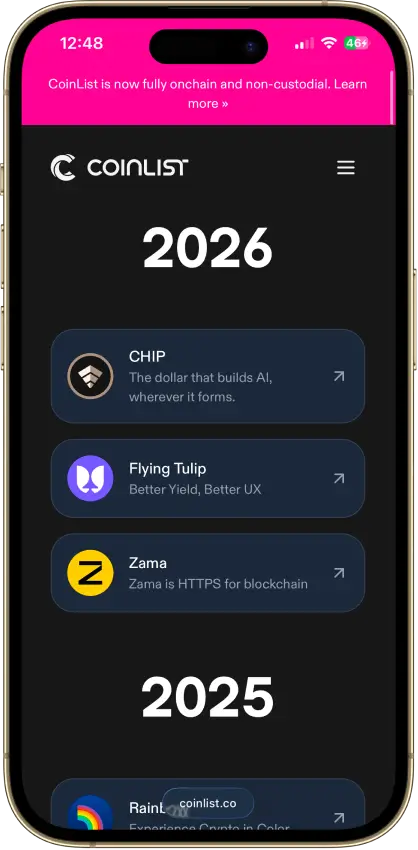
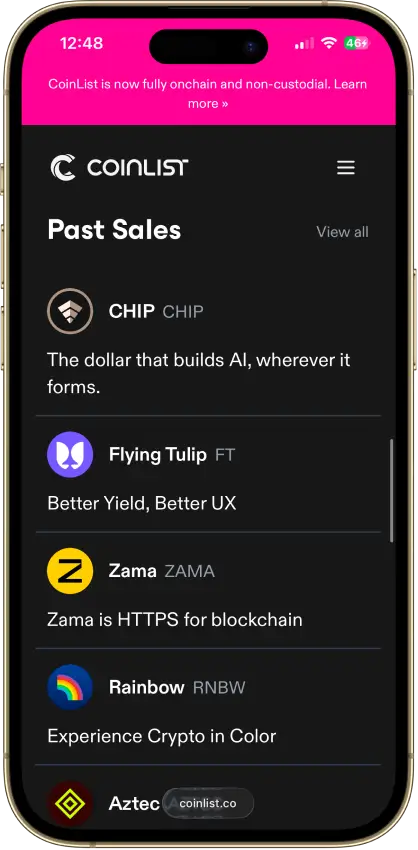
Coinlist
- Access
- Account + walletFull KYC
- Token gate
- No platform token
- Allocation
- Varies by saleFCFS / pro-rata / hybrid
Pros
- 21 sales in 2025, still active
- Tokens go straight to your own wallet
- Refunds for unsuccessful bids once sales close
- Early access to infrastructure and DeFi projects
- Tokens sold directly by each issuer
Cons
- Sale design changes often, a learning curve
- Vesting and unlocks vary by sale
- Each sale needs the right asset and chain ready
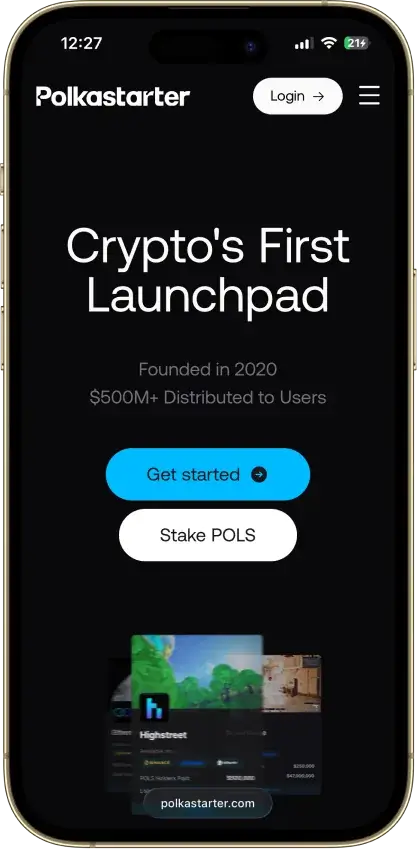
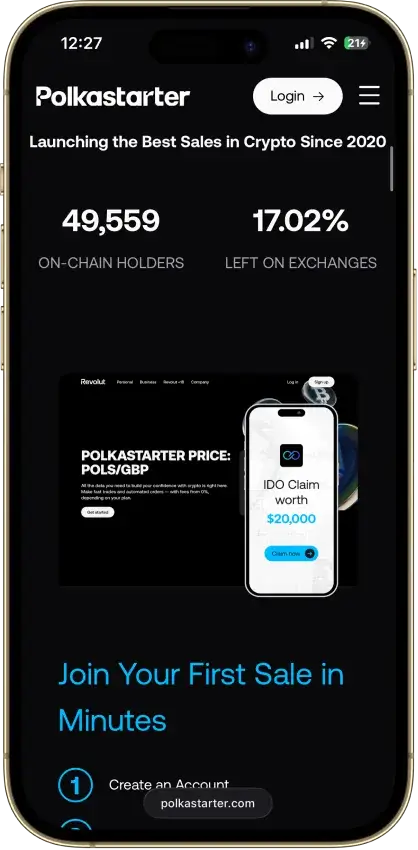
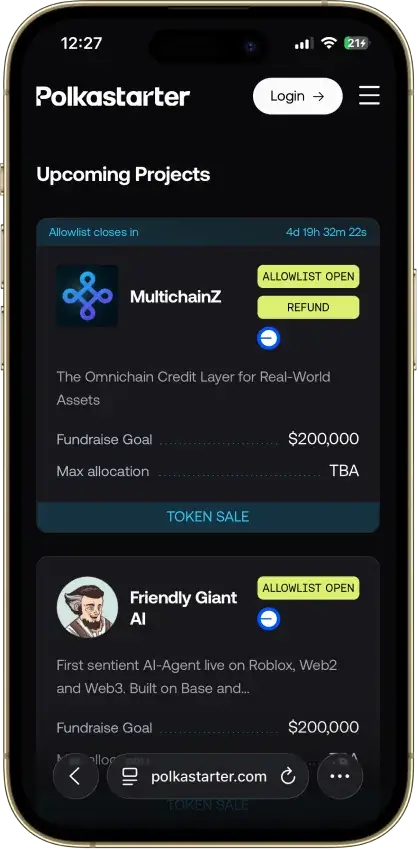
Polkastarter
- Access
- Connected walletKYC varies by sale / region
- Token gate
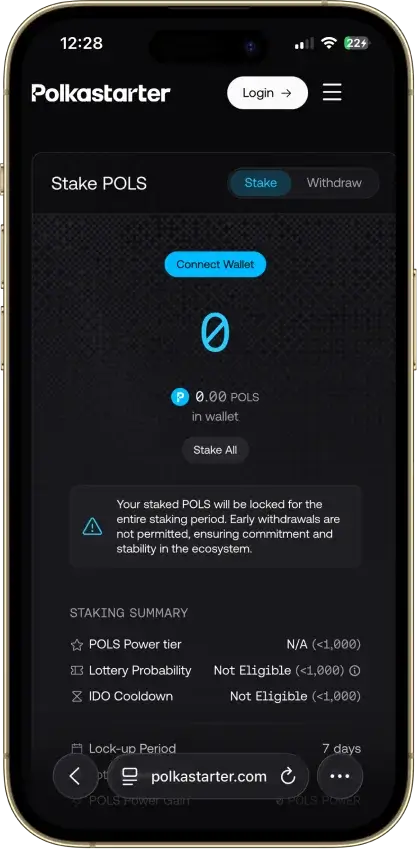
- High dependencePOLS-based access
- Allocation
- Lottery + guaranteed tiersSnapshot-based / hybrid
Pros
- Visible tier odds before you apply
- Sales across nine chains, Base to Sei
- Tokenomics and listing support for projects
- About $46.7 million raised across sales
- Staking builds POLS Power faster than holding
Cons
- Sales require at least 1,000 POLS Power
- Bronze and Silver odds stay unreliable
- Cooldowns limit repeat wins
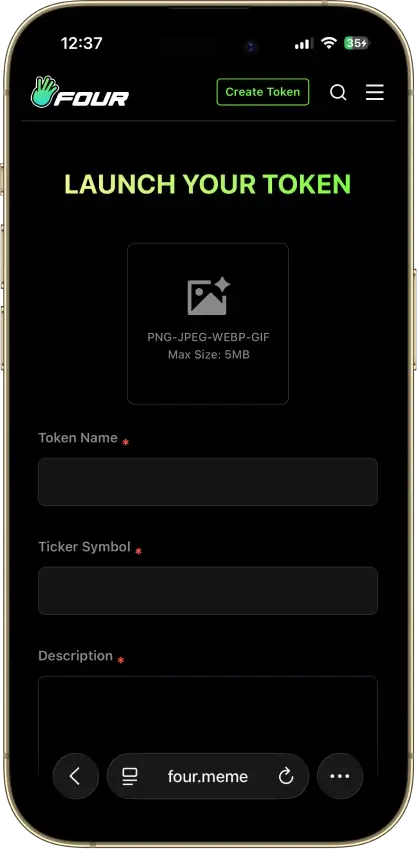
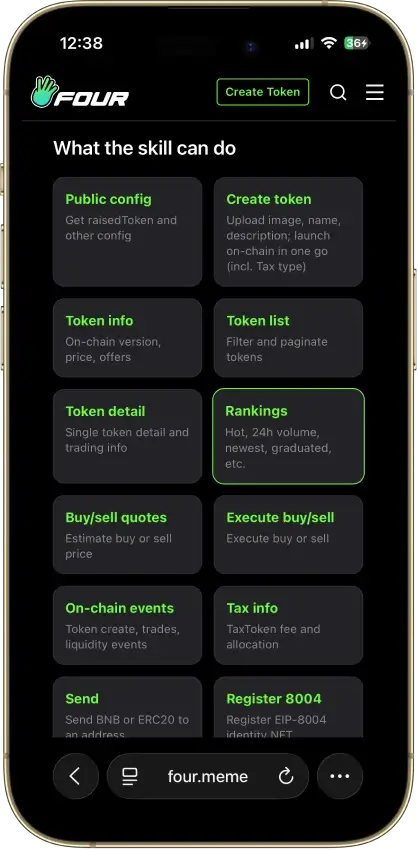
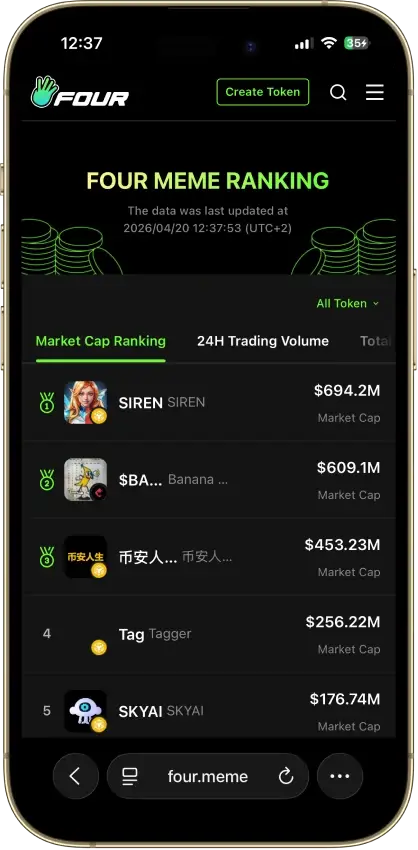
Four.meme
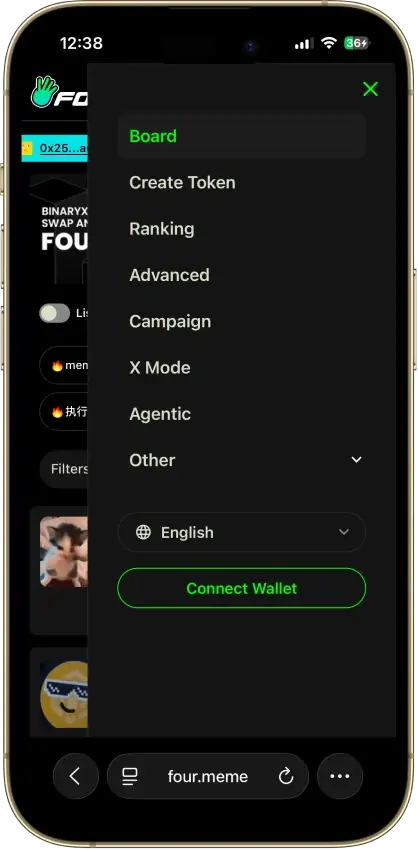
- Access
- Wallet / botNo KYC listed
- Token gate
- None for base access
- Allocation
- Bonding curve / FCFS
Pros
- No exchange account needed to join
- Curve trading starts the moment a token is live
- Creators can set wallet limits or a start time
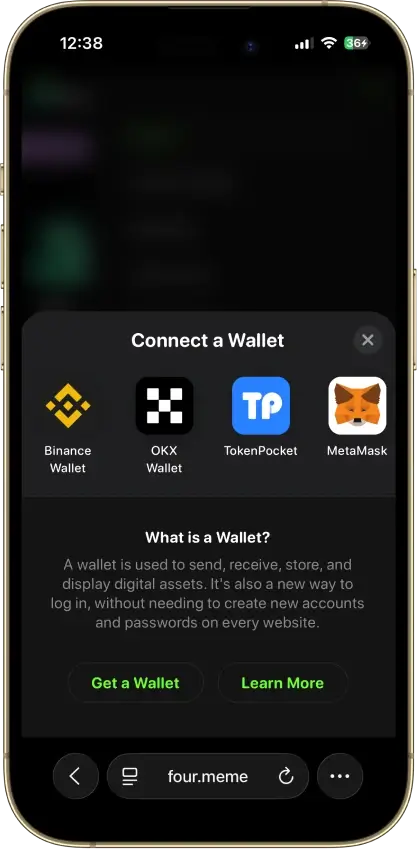
- Works with Binance Wallet, SafePal and Trust
Cons
- Permissionless launches bring copycat clutter
- FCFS curves favor faster wallets
- 1% fee hurts very small trades
- Graduation doesn't promise deep liquidity
- Audit flagged replay and admin-control risks
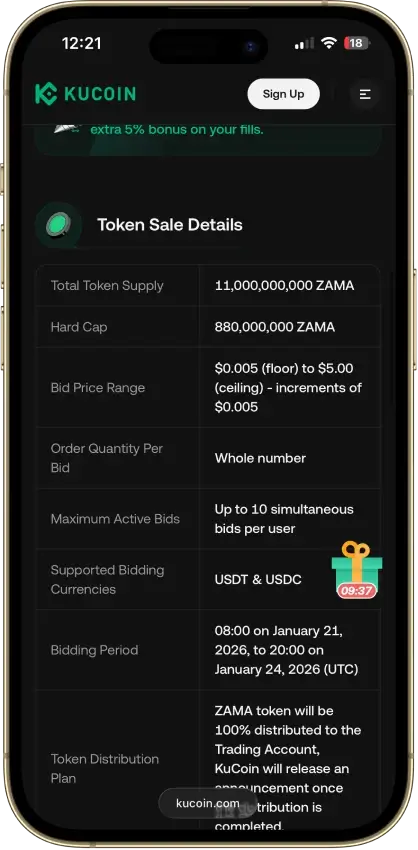
Kucoin Spotlight
- Access
- Exchange accountFull KYC
- Token gate
- Varies by sale
- Allocation
- Varies by salePro-rata / lottery / snapshots
Pros
- No wallet, bridge, or approval flow to join
- Tokens and refunds settle inside KuCoin
- KCS can unlock discounts in some sales
- Some campaigns add a post-listing buyback
Cons
- Allocation rules change between launches
- Better terms can lean toward KCS holders
- Committed funds lock until distribution
- Oversubscription can shrink your final fill
Legion
- Access
- Connected walletFull KYC
- Token gate
- No platform token
- Allocation
- Merit / reputationHybrid; varies by sale
Pros
- No launchpad token needed for base access
- Score can reward activity, not just wallet size
- Unselected funds are unlocked or returned
- Some rounds can sit close to listing or TGE
Cons
- Strong score still does not guarantee allocation
- Each round sets its own sale terms
- Token delivery timing depends on each project
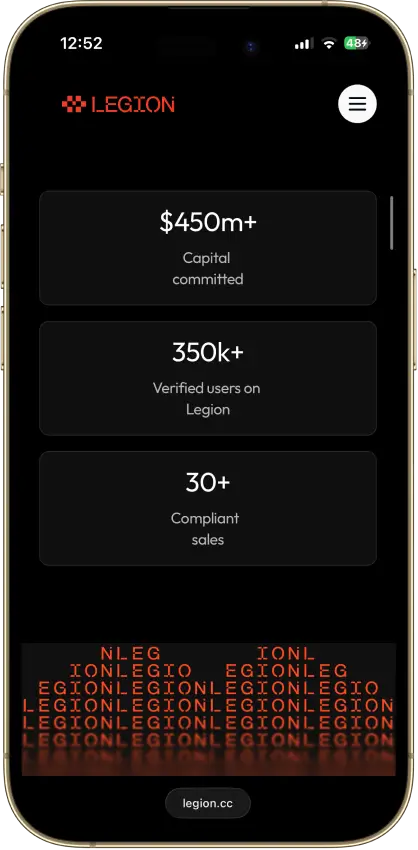
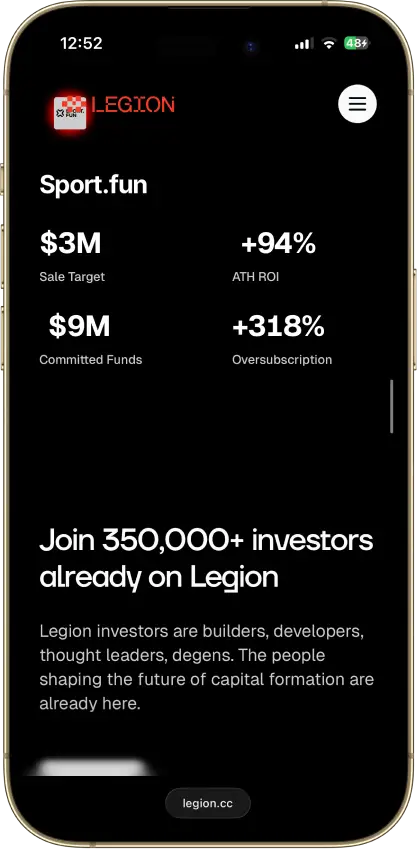
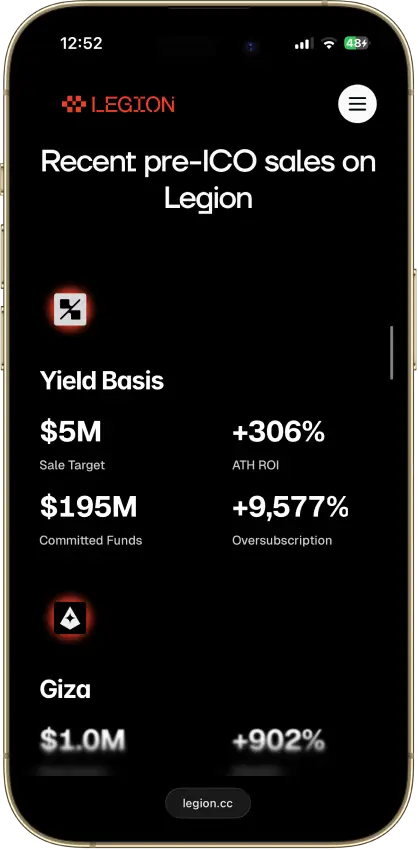
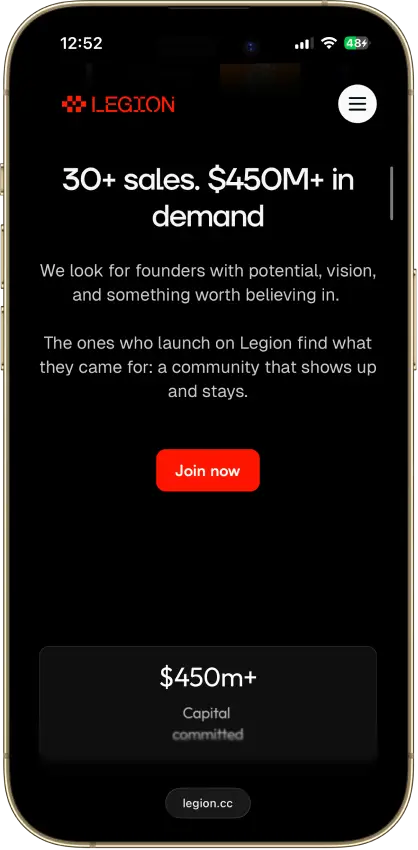
- Fewer deals than large exchange launchpads
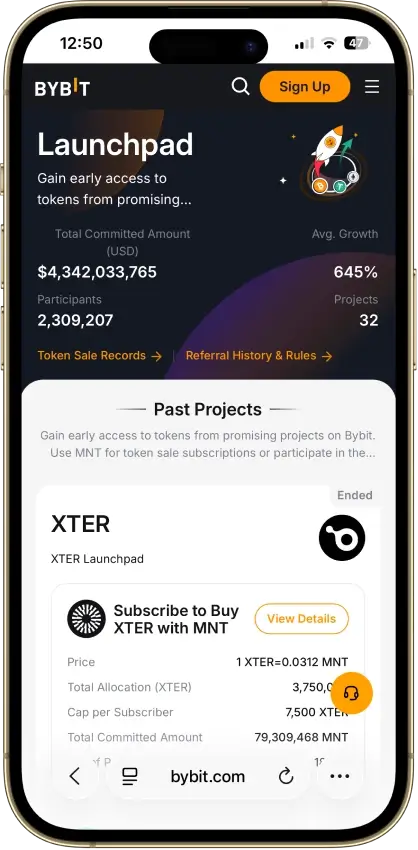
Bybit Launchpad
- Access
- Exchange accountFull KYC; varies by region
- Token gate
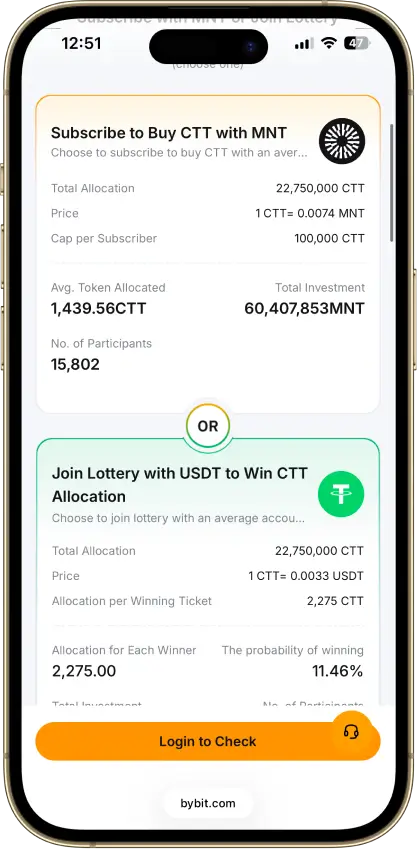
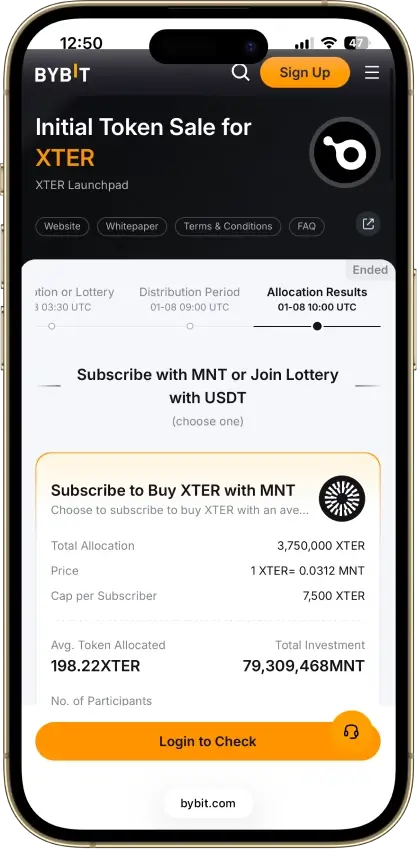
- None for base accessMNT subscription or USDT lottery
- Allocation
- Varies by saleLottery / pro-rata / snapshots
Pros
- No wallet claim or bridge step after allocation
- Spot listing path clearer than onchain handoffs
- Screening floor higher than open launchpads
- Funds stay inside one Bybit account flow
- Lottery, pro-rata and snapshot sale formats
Cons
- USDT lottery entry still gives weak odds
- Main account only, no subaccount entry
- Sales run less often than its reputation implies
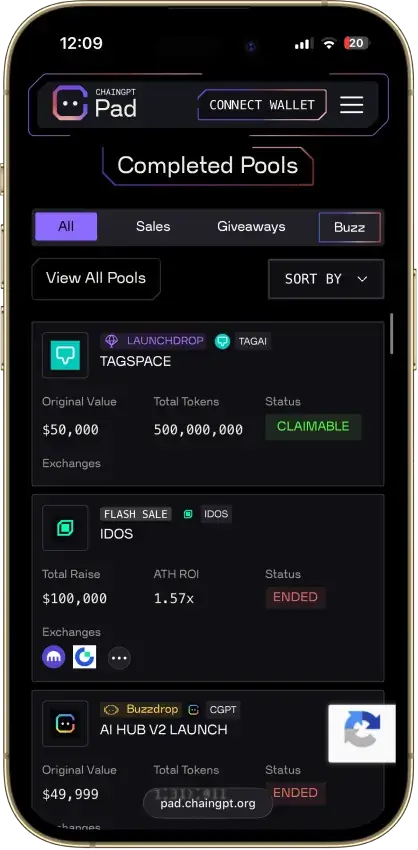
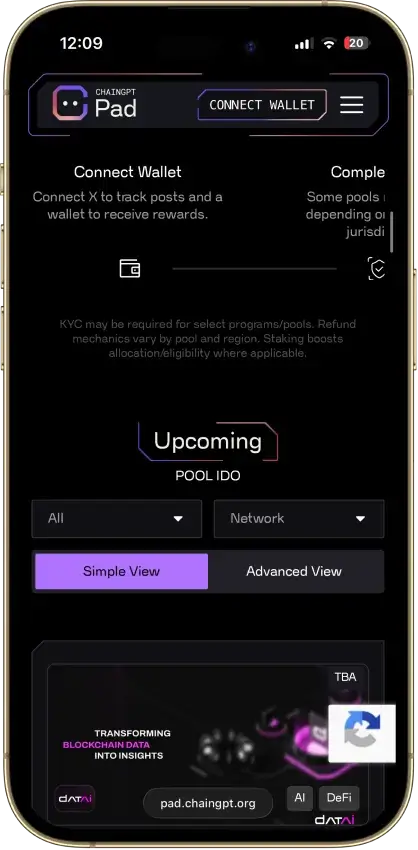
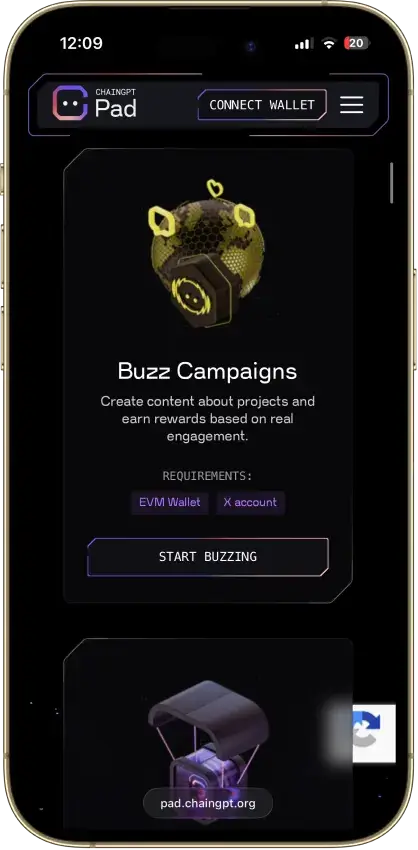
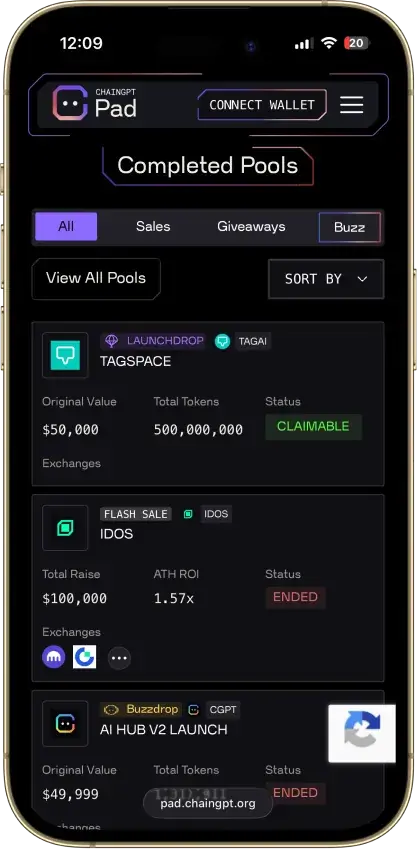
ChainGPT Pad
- Access
- Connected wallet + Varies by saleKYC varies by sale / region
- Token gate
- Varies by sale
- Allocation
- Varies by saleGuaranteed tiers / FCFS / pro-rata / quests
Pros
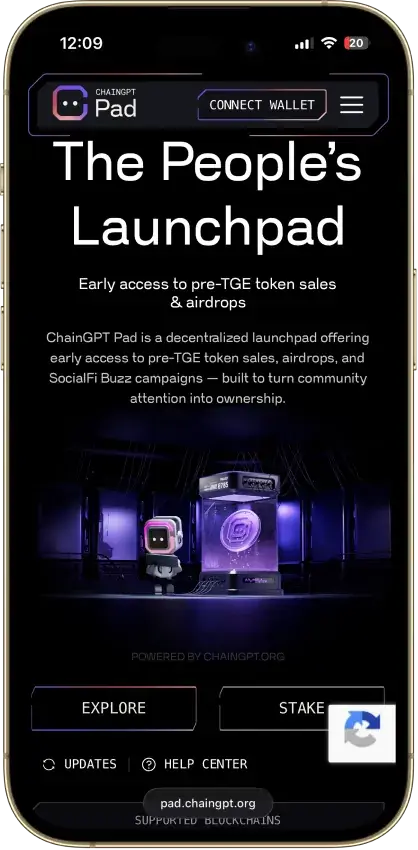
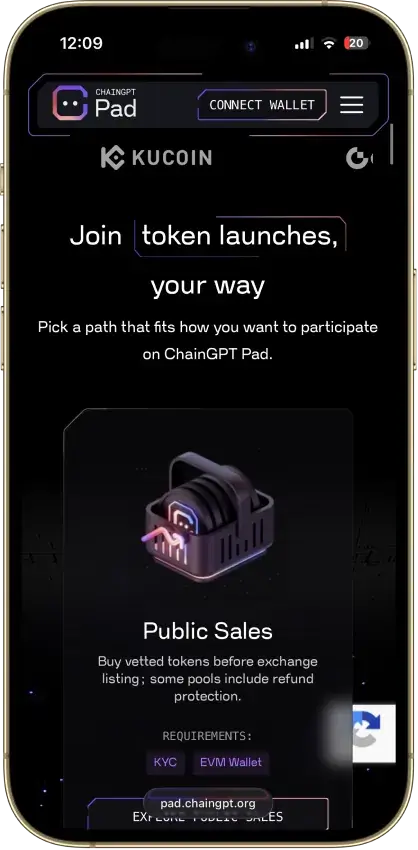
- Public Sales need no CGPT stake
- Staking boosts more than one format
- EVM and Solana sales on one pad
- About 50 IDOs plus launchdrops so far
- Screening stricter than meme-first pads
Cons
- Best terms cluster in higher CGPT tiers
- Public Sale buyers commit before knowing fills
- Vesting and claims vary by project
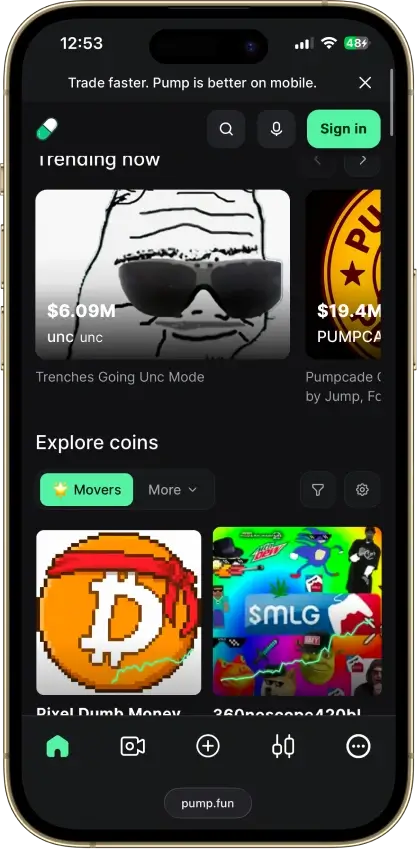
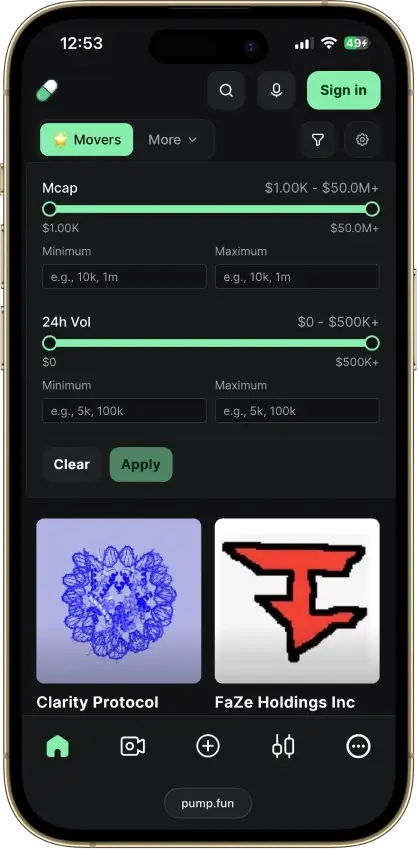
Pump.Fun
- Access
- Connected walletNo KYC listed; varies by region
- Token gate
- None for base access
- Allocation
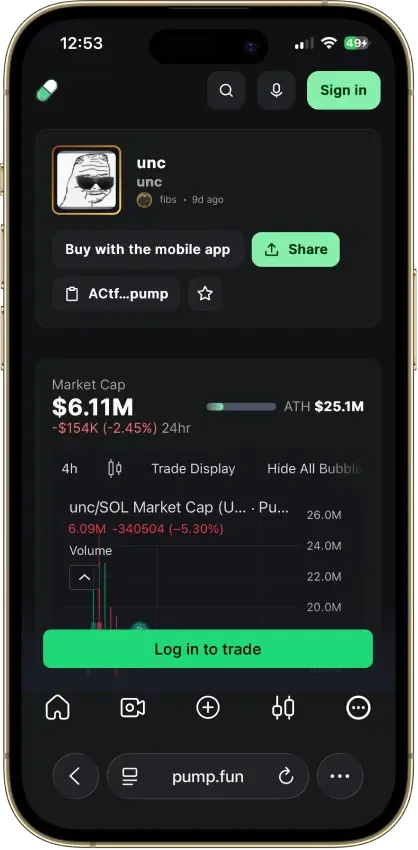
- Bonding curve
Pros
- Trading starts at launch, no whitelist or claim
- No staking or house-token lock to join
- Graduated coins move into PumpSwap trading
- Social chat built into the app
Cons
- Most launches never reach usable liquidity
- Bots and snipers punish slow entries
- Noisy discovery since anyone can launch
- Prices can collapse before graduation
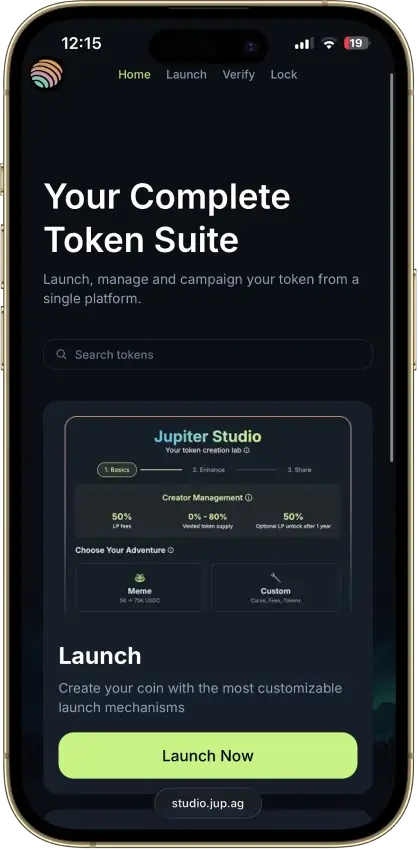
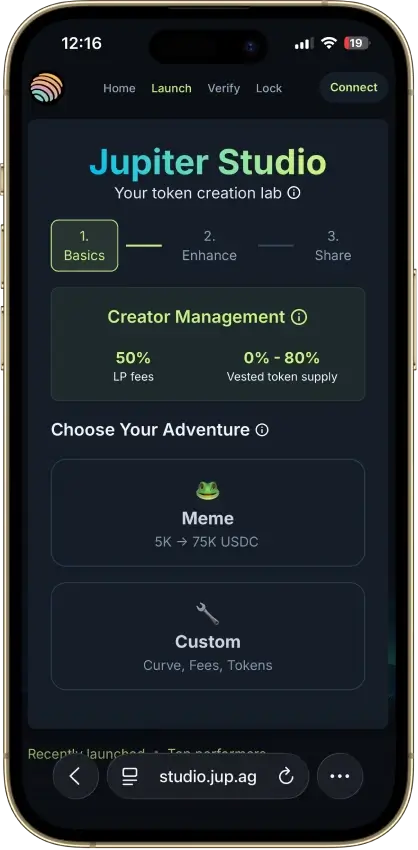
Jupiter Studio
- Access
- Connected walletNo KYC listed
- Token gate
- No platform token
- Allocation
- Bonding curveVaries by sale
Pros
- No exchange account needed for base access
- Token pages show curve progress and risk flags
- Faster from launch to trading than IDO pages
- No house token to stake for access
Cons
- Looser screening than the old Jupiter LFG
- Solana only, no cross-chain sales
- Early trades risk slippage and bad timing
- Risk flags don't stop creator abuse
How We Ranked The Best Crypto Launchpads
The rankings are based on what matters once a user tries to join a sale, not on headline ROI or brand recognition. That means current activity, not just historical sale counts; real user access by region, KYC rules, and account or wallet requirements; and how much capital a platform asks you to lock before allocation is confirmed.
Beyond access and capital, the criteria cover the following:
- Entry design: whether access is guaranteed, lottery-based, queue-based, merit-scored, or open
- Claim timing, vesting schedules, cliffs, and how long capital stays committed after purchase
- Total cost, including network fees, bridge costs, staking drag, token exposure, and post-launch slippage
- Launch quality and curation standards, including signs of real follow-through after the raise
- Setup friction across wallet connection, exchange verification, chain funding, and sale-day execution
- Bot pressure, whale bias, and fairness controls where the format makes those risks meaningful
A large sale archive can hide weak recent cadence, and a single high-ROI outlier usually says more about timing than about platform quality. That is also why some platforms rank differently on narrower pages covering IEO platforms, IDO launchpads, meme coin launch platforms, and Solana launchpad options.
How To Choose The Right Crypto Launchpad
Start with the parts that can block participation before thinking about upside. The right platform is usually the one you can enter without strain and exit without getting trapped behind bad liquidity or a slow token delivery.
Practically, that means working through a short checklist before you commit anything:
- Check whether you can actually access the platform given your region and KYC status
- Check what you must hold, stake, or fund before the sale opens
- Check whether access is guaranteed, lottery-based, queue-based, or open
- Check how and when tokens are delivered after purchase
- Check where liquidity is expected to sit after launch
- Check how much wallet or exchange setup is needed before you can participate at all
Most mistakes happen before the sale opens. If you plan to participate onchain, sort out your self-custody wallet setup first and pick a Solana wallet if you are targeting Solana launches. If you prefer account-based access, compare crypto exchanges for beginners and the main decentralized exchange options before deciding which sale model fits you.
IDO Vs IEO Vs ICO Vs Meme Coin Launchpads
The launch type changes more than the label. It affects who can join, what setup comes first, how capital gets committed, and how clean the first real exit looks once trading starts.
| Launch Type | Best For | How Access Usually Works | Main Friction | Exit Reality |
|---|---|---|---|---|
| IEO launchpads | Users who want exchange convenience and fewer wallet steps | Verified exchange account, event balance, and sale subscription or lottery | Region limits, KYC, and exchange asset snapshots | Usually best once the token lists on the same exchange |
| IDO launchpads | Users who want wallet-based access and earlier DeFi-style participation | Connected wallet, allowlist, staking, or sale registration | Wallet setup, staking burden, and non-guaranteed allocation | Mixed; depends on vesting and DEX liquidity depth |
| ICO platforms | Users who want direct sale access without an exchange-led format | Sale-specific signup, wallet funding, and project-defined terms | Terms vary sharply across projects, including delivery and unlocks | Highly uneven; some launch cleanly, many take longer to reach usable liquidity |
| Meme coin launchpads | Users who want speed, open access, and low launch friction | Open launch flow with little or no screening | Bots, copycats, weak filtering, and chaotic pricing | Fast to trade, but usually the least stable once momentum drops |
Pick IEO launchpads for the easiest path from sale to liquid market. Choose IDO launchpads for more direct wallet-based access. Use ICO platforms only if you are prepared to check terms line by line. Meme launchpads are the right call when speed matters more than durability.
Crypto Launchpad Fees And Entry Costs
The biggest cost is rarely the headline fee. It is usually the asset you must hold, the capital you park before allocation is confirmed, and the slippage or vesting drag that appears after the sale closes.
| Platform | Entry Cost | What You Must Hold Or Stake | Extra Costs | Main Cost Trap |
|---|---|---|---|---|
| Binance Launchpad | Usually no ticket fee | BNB for snapshots, subscriptions, or Earn-linked access | Trading fees if you need to buy or rotate BNB | You carry BNB exposure before you know your final allocation |
| CoinList | Usually $100+ sale minimum | No platform token at base level | Network or bridge fees when funding wallet or balance | Funds can be ready and access can still be limited or delayed |
| Polkastarter | 1,000+ POLS Power plus sale funds | POLS held or staked | Gas plus swap cost to build POLS position | You can hold POLS and still miss the allowlist |
| KuCoin Spotlight | Event-specific; often KCS or USDT balance | KCS or the sale asset on KuCoin | Trading fees to build the required balance | Qualifying balance and sale rules can shift by event |
| Legion | No mandatory platform token; funded allocation plus time cost | No token stake required | Wallet transaction costs and score-building effort | The real cost is time and reputation-building, not just cash |
| Four.meme | Very low; small BNB only | BNB for creation and trading | Gas, swap fees, and slippage | Cheap launch cost hides weak exits and copycat spam |
| Pump.fun | 0 SOL to create; small SOL to buy | SOL only | Trading friction; creator fees are part of the current Pump fee model; bonding-curve trades currently total 1.25% and the 0.015 SOL graduation fee comes out of coin liquidity, not as a separate user top-up | Tiny entry pulls in crowded launches and unstable exits |
| ChainGPT Pad | Staked CGPT plus sale funds | CGPT staked for points and tier access | Baseline Public Sale fee model when enabled: No Tier 5% allocation fee / 2% full refund fee; Bronze 4% / 1%; Silver 2% / 0%; Gold and Diamond 0% / 0%; campaign rules override | Lower tiers can pay more and still get modest access |
| Bybit Launchpad | MNT or USDT commitment | MNT for subscription path or USDT for lottery path | Trading fees or spread to get MNT | MNT exposure or small lottery allocation can dilute the value |
| Jupiter Studio | Small SOL for setup and trading | SOL only for normal use | Solana transaction fees, swap fees, and possible gasless surcharge | Low entry cost does not fix thin early liquidity |
The real drag usually sits in native token exposure, non-guaranteed access after capital is already parked, gas and trading friction on fast launchers, weak early liquidity, and the opportunity cost of waiting through cliffs or unlock windows.
What Usually Breaks The Launchpad Experience
Most launchpad mistakes happen before the buy button, not after it. Users often prepare thoroughly for the sale itself while missing the friction points around eligibility, allocation, claim flow, and post-launch trading. The failure modes tend to repeat across platforms:
- KYC fails after the user has already prepared funds
- Users hold the launchpad token but still miss allocation
- The sale completes, but the claim process is messy or delayed
- Vesting makes the real exit much slower than expected
- Post-launch liquidity is weaker than the sale activity suggested
- Bots and snipers distort pricing on fast launchers
- Users underestimate how much wallet or chain setup is needed before they can participate
The safest way to compare platforms is to work backward from the exit. Start with eligibility, then allocation mechanics, then claim timing, then where liquidity is likely to sit once the sale is over.