Early token access through a centralized platform works differently than a wallet-first sale. The exchange or platform handles eligibility, allocation, token distribution, and the first trading venue, which makes the process more structured but also more restrictive.
Most coverage of IEO launchpads focuses on historical return charts. Those numbers rarely tell you who can actually get in. This page focuses on access rules, entry requirements, and what happens to your tokens after the sale, because those factors decide whether any of this is usable for you.
Top Crypto IEO Launchpads
- Access
- Exchange accountFull KYC
- Token gate
- High dependenceBNB-based access
- Allocation
- Pro-rata subscription
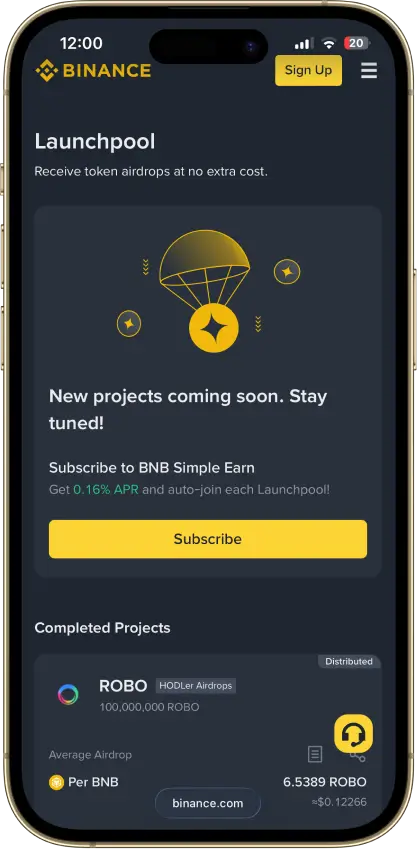
- Launches list straight onto Binance spot
- Launchpool rewards accrue hourly, claim anytime
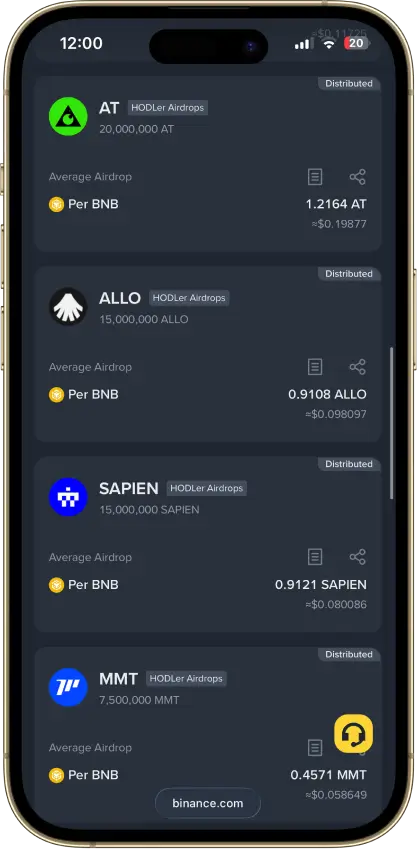
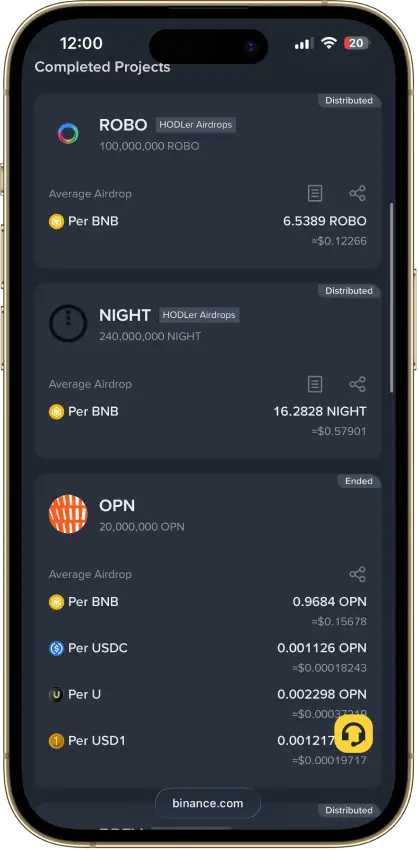
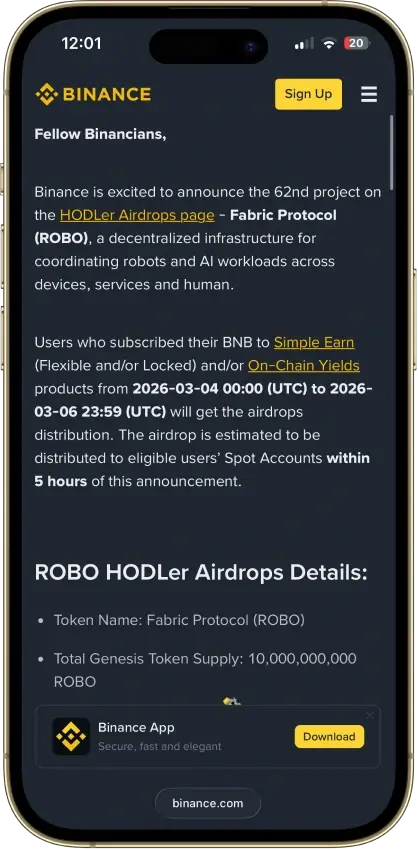
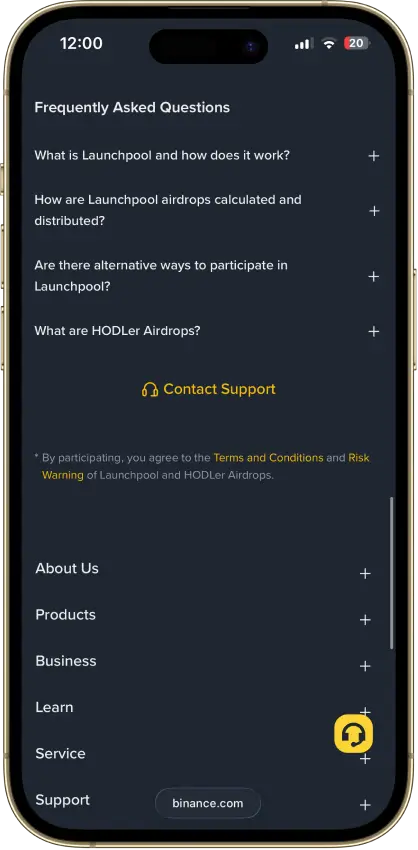
- 72 Launchpool projects and 62 HODLer Airdrops
- Access
- Exchange accountFull KYC
- Token gate
- Varies by sale
- Allocation
- Varies by salePro-rata / lottery / snapshots
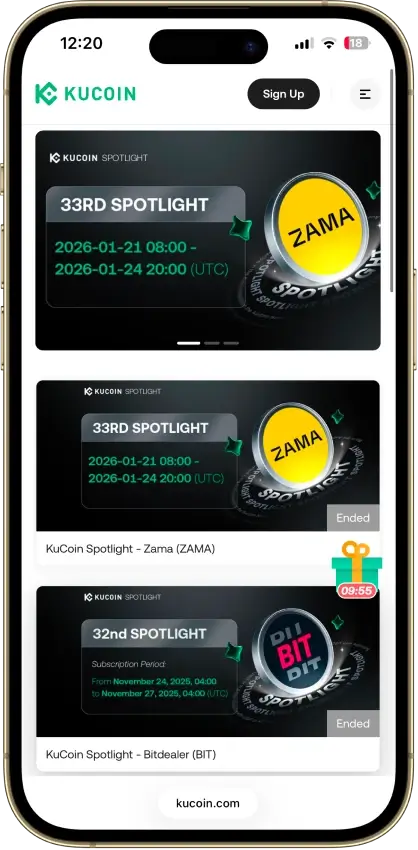
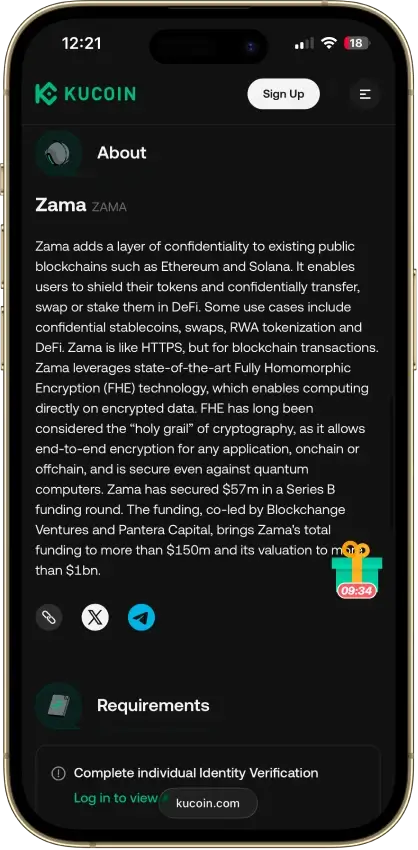
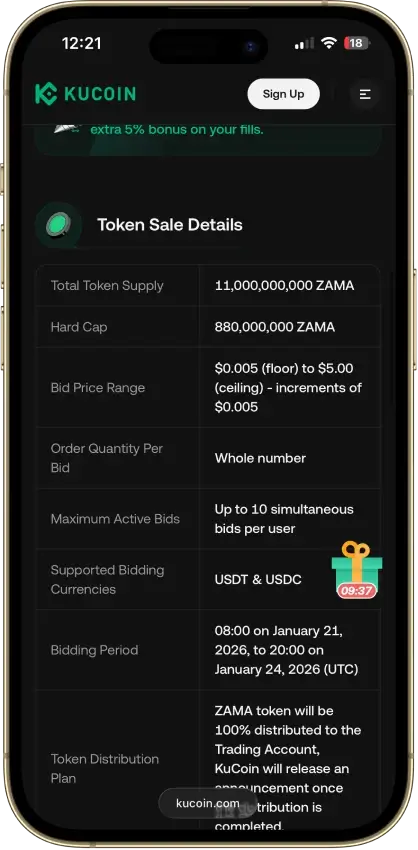
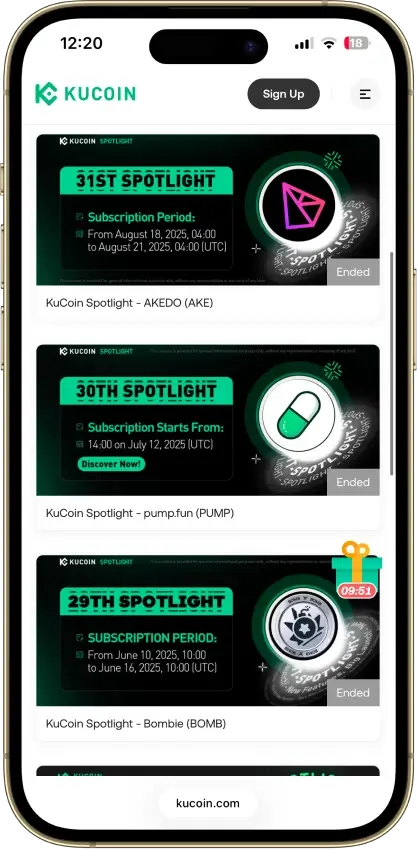
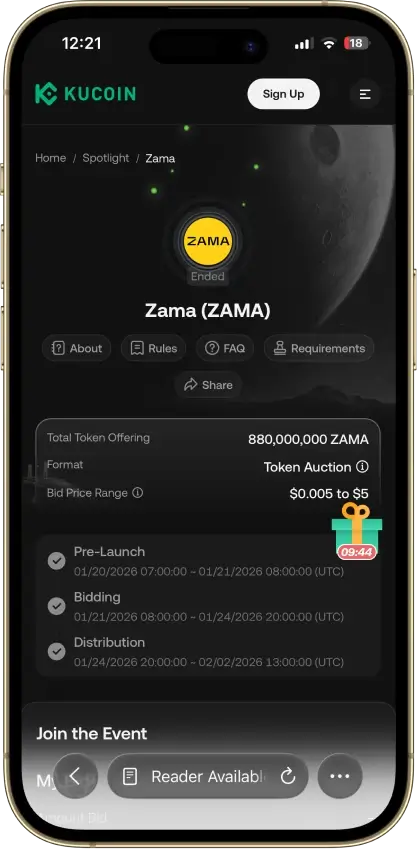
- 33 Spotlight sales, from Chromia to ZAMA
- Hold and Gain counts sub-account balances
- Wider narrative mix than chain-specific pads
- Access
- Exchange accountFull KYC; varies by region
- Token gate
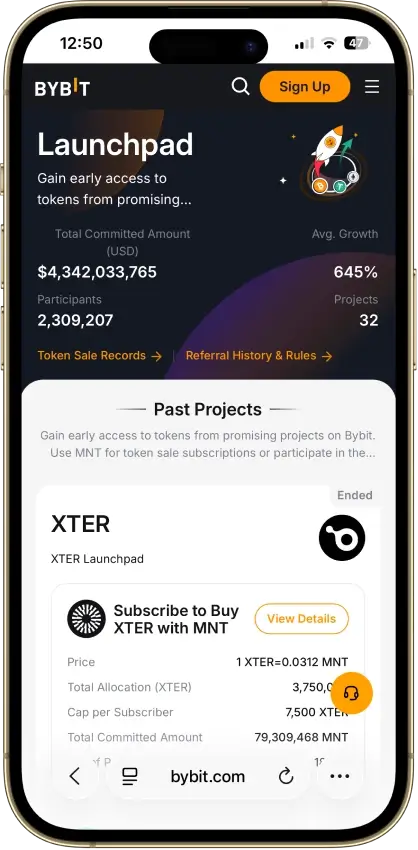
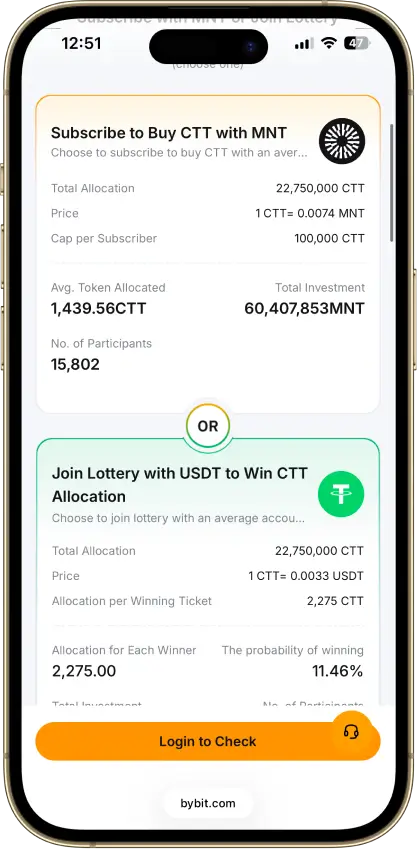
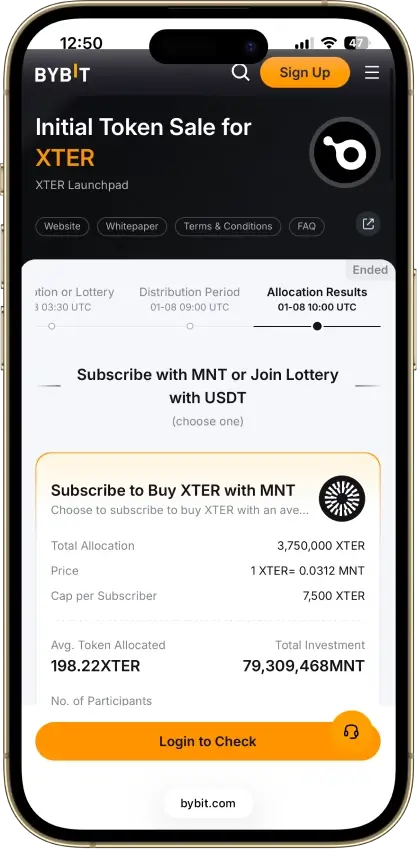
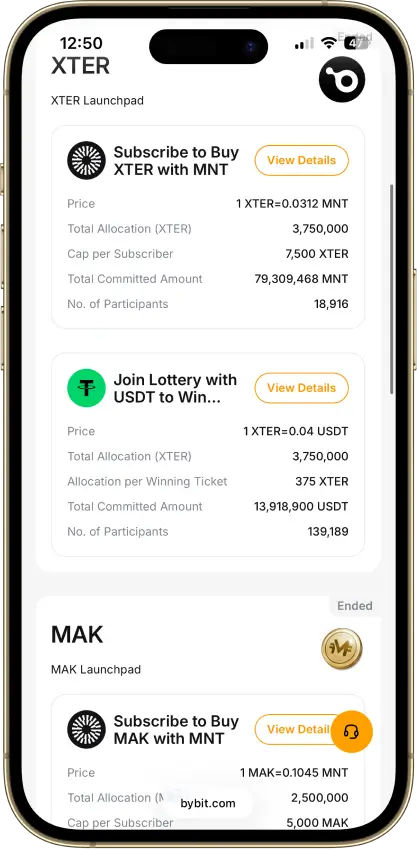
- None for base accessMNT subscription or USDT lottery
- Allocation
- Varies by saleLottery / pro-rata / snapshots
- MNT subscription or a cheaper USDT lottery
- Snapshots count Funding and UTA balances
- Unused funds return automatically after a sale
CryptoSlate may earn a commission when you visit partner sites through links on this page, at no extra cost to you. Our rankings and reviews remain editorially independent and based on our published methodology. Read disclosure
Disclaimer: CryptoSlate may receive a commission when you click links on our site and make a purchase or complete an action with a third party. This does not influence our editorial independence, reviews, or ratings, and we always aim to provide accurate, transparent information to our readers.Old ROIs still tell a story, but they do not tell you who can join, how much capital stays tied up, or when tokens become usable. For most users, access, entry burden, and token usability decide the result long before any historical chart does.
IEO Launchpad Comparison Table
These three platforms look similar from a distance, but the friction sits in different places. The quickest way to narrow the list is to check who can get in, what has to be held or pledged first, and whether the allocation model still works for smaller users.
Comparison Table
| Name | Access Model | KYC | Entry Requirement | Allocation Model |
|---|---|---|---|---|
 Binance Launchpad Binance Launchpad | Exchange Account | Full KYC | High | Pro-Rata Subscription |
 Kucoin Spotlight Kucoin Spotlight | Exchange Account | Full KYC | Varies By Sale | Pro-Rata Subscription, Lottery, Snapshot-Based, Varies By Sale |
 Bybit Launchpad Bybit Launchpad | Exchange Account | Full KYC, Varies By Region | None For Base Access | Lottery, Pro-Rata Subscription, Snapshot-Based, Mixed By Sale |
Binance is the default shortlist pick if you already hold BNB and want exchange depth after listing. KuCoin fits better when you want more sale-format variety. Bybit works well for traders already active on the platform who want two entry routes without committing to a single token type.
Crypto IEO Launchpads Reviews
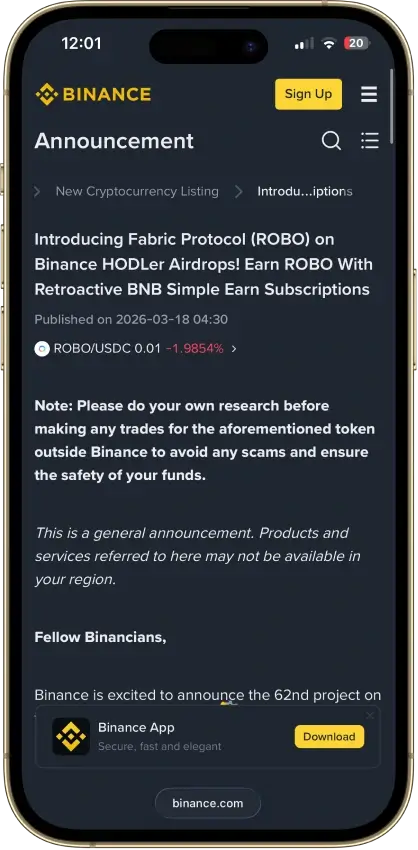
Binance Launchpad
- Access
- Exchange accountFull KYC
- Token gate
- High dependenceBNB-based access
- Allocation
- Pro-rata subscription
Pros
- No wallet, bridge or gas for core entry
- Deeper liquidity than most retail launchpads
- BNB in Binance Earn can feed newer formats
- Account flow cuts missed-claim risk
- Stricter project selection than most rivals
Cons
- Small BNB balances get tiny pro-rata fills
- You carry BNB risk before a project proves itself
- Classic fixed-price sales are now the minority
Kucoin Spotlight
- Access
- Exchange accountFull KYC
- Token gate
- Varies by sale
- Allocation
- Varies by salePro-rata / lottery / snapshots
Pros
- No wallet, bridge, or approval flow to join
- Tokens and refunds settle inside KuCoin
- KCS can unlock discounts in some sales
- Some campaigns add a post-listing buyback
Cons
- Allocation rules change between launches
- Better terms can lean toward KCS holders
- Committed funds lock until distribution
- Oversubscription can shrink your final fill
Bybit Launchpad
- Access
- Exchange accountFull KYC; varies by region
- Token gate
- None for base accessMNT subscription or USDT lottery
- Allocation
- Varies by saleLottery / pro-rata / snapshots
Pros
- No wallet claim or bridge step after allocation
- Spot listing path clearer than onchain handoffs
- Screening floor higher than open launchpads
- Funds stay inside one Bybit account flow
- Lottery, pro-rata and snapshot sale formats
Cons
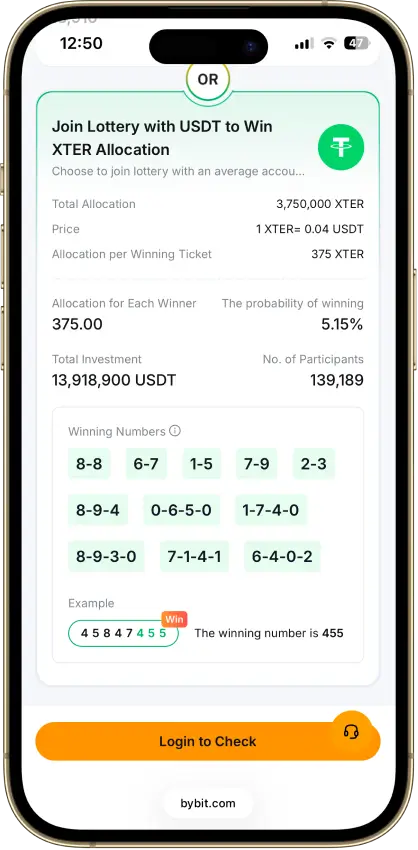
- USDT lottery entry still gives weak odds
- Main account only, no subaccount entry
- Sales run less often than its reputation implies
Our Ranking Methodology
Rankings here are based on how well each platform handles the full sale path from signup to usable tokens. Brand recognition mattered less than whether the platform still runs meaningful sales, applies clear rules, and gives eligible users a realistic way to participate without excessive capital drag.
Here’s what mattered the most:
- Access And KYC Friction: Country blocks, KYC depth, account-readiness rules, and whether key restrictions appear early or only after the user has already prepared funds or waited through snapshots.
- Entry Burden: Native-token exposure, minimum balance requirements, snapshot windows, pre-funding demands, and how much capital has to sit idle before a user even knows the allocation result.
- Allocation Fairness: Pro-rata, lottery, auction, first-come-first-served, and merit-based systems evaluated by how they behave under oversubscription, not by how simple they look in a product explainer.
- Activity And Relevance: Platforms that still run real sales now. A large archive of older launches did not carry much weight if the current pipeline looked thin or inconsistent.
- Claim And Exit Reality: Token distribution timing, vesting or cliffs, listing speed, and whether liquidity after launch is deep enough for users to do something useful with the token.
- Fee Drag: More than explicit sale fees. This also covers funding asset conversions, withdrawal friction, exchange trading costs, and other platform-level costs that change the real entry price.
A platform moved up when the rules were clear, the sales were active, and the path from account approval to usable tokens was predictable. It moved down when access looked broad but narrowed at the last minute, when the balance requirement was heavy relative to the likely allocation, or when token delivery and usable liquidity lagged after the sale.
What Counts As An IEO Launchpad
The clearest way to identify an IEO launchpad is by who controls the sale. The exchange or platform account, compliance layer, allocation process, and listing venue usually sit under the same roof. That gives the structure some consistent features:
- Hosted by a centralized platform or exchange
- Account-based participation, rather than wallet-first access
- KYC and country gating built into the flow
- The platform manages the sale, allocation, and token distribution
- Listing access is usually part of the appeal
Wallet-first IDO pads, open meme coin launchers, and pure self-custody presale tools do not fit here. They can still be useful, but they solve a different access problem and require a different setup. See the IDO launchpad comparison or the broader launchpad category if those formats apply better to your situation.
Exchange Account, KYC, And Country Restrictions
Most users do not get eliminated by price. They get cut out by account type, verification depth, or geography. The table below covers where each platform draws those lines, because this step decides whether the rest of the sale flow is even worth reviewing.
| Name | Account Setup | KYC Requirement | Region Friction | User Friction Note |
|---|---|---|---|---|
| Binance Launchpad | Binance account, Spot wallet access, BNB ready to commit | Identity verification required before subscription | Eligible-jurisdiction only; U.S. and multiple restricted regions blocked, with sale-level exclusions possible | BNB may count across several Binance products during snapshots, but committed BNB has to be in Spot during the subscription window |
| KuCoin Spotlight | KuCoin master account, Spotlight registration, purchase agreement | Advanced KYC or KYB required | Sale-level blocklists can be wide; Jan. 2026 Zama exclusions covered the U.S., U.K., Canada, Singapore, Hong Kong, mainland China, France, Netherlands, Malaysia, and more | Passing KYC is not enough by itself because each Spotlight sale can apply its own restricted-country list |
| Bybit Launchpad | Snapshots count Funding Account and UTA balances; Launchpool and Flexible Easy Earn count; fixed-term Easy Earn, Dual Asset, and Liquidity Mining do not; MNT used as Crypto Loans collateral counts on the MNT path | Standard Individual Identity Verification or business verification before subscription | Platform-wide restricted-country list is broad and includes the U.S., mainland China, Hong Kong, Singapore, Canada, Dubai, and others | Main account only, but some subaccount balances can still count toward snapshots, which confuses first-time users |
This is where many users get ruled out before allocation even becomes relevant. If the account type is wrong, KYC is incomplete, or the sale-level country list is stricter than the platform-level branding suggests, the rest of the sale flow does not matter.
IEO Vs Launchpool: What You Are Actually Joining
Exchange sale pages often bundle several token-distribution products under a single launch banner. The labels look similar, but the user behavior, capital exposure, and outcome differ significantly.
| Model | What The User Does | Capital At Risk | What The User Usually Gets |
|---|---|---|---|
| IEO / Launchpad Sale | Pass KYC, hold or commit the required asset, sign the sale agreement, and wait for results | Sale asset price risk plus any required holding-period exposure; committed funds may lock until allocation is finalized | A fixed-price token allocation, or the chance to receive one, before or at listing |
| Launchpool | Stake or lock supported tokens during the farming window | Price risk on the staked asset, but no token purchase cost beyond that exposure | Dripped token rewards over time, usually smaller per user but easier to access |
| Balance-Snapshot Airdrop | Hold the required asset during the snapshot period and wait for eligibility calculation | Mainly the price risk of the held asset; no active commit on many programs | Retroactive airdrops, points, or eligibility-based rewards with more uncertainty on final size |
Exchange launch pages can mislead when they bundle different products together, because the headline promise stays the same while the user commitment does not. Users who want wallet-first participation should compare these paths against Solana-native launch routes or meme coin launch platforms rather than another exchange rewards page.
Token Holding Requirements And Snapshot Rules
The real cost of joining starts before the subscription window opens. Holding periods, hourly snapshots, and counted balances decide whether a user qualifies at all. Buying late often helps less than it appears, and the differences across platforms are significant enough to review before positioning any capital.
- Native Token Requirement: Binance centers classic Launchpad access around BNB. KuCoin Spotlight can use KCS, USDT, or USDC depending on the sale. Bybit uses MNT for subscription and USDT for its lottery path.
- Minimum Balance Or Threshold: Bybit's current rules set a 50 MNT daily average for the MNT path and a $100 daily average USDT balance for the lottery path. Binance and KuCoin thresholds depend on the announced sale structure.
- Snapshot Window: Binance subscription-format Launchpad sales have used multi-day average BNB balances before the short commit window. Bybit records hourly snapshots and rolls them into daily averages. KuCoin snapshot windows vary by event.
- Whether Subaccounts Count: KuCoin Spotlight is a master-account flow, and recent event rules exclude subaccounts from participating directly. Bybit requires the main account for participation but can include subaccount balances or trading volume in the main-account snapshot.
- Whether Buying Late Still Qualifies: Late buying hurts badly on Binance and Bybit because average-balance math rewards earlier positioning. KuCoin depends on the event design.
Snapshot math changes the real cost of joining. The relevant capital is not just the amount committed at checkout. It is the asset held early, the price risk carried during the snapshot period, and the amount that sat in place just to stay eligible.
Allocation Models, Odds, And Small-User Reality
Getting to the sale page is the easy part. The harder question is whether the allocation model gives a smaller user a meaningful result after everyone piles in. Each model handles oversubscription differently, and those differences affect outcomes well before the results are posted.
- Fixed-Price Subscription: Binance and Bybit's MNT route both lean on proportional allocation once total commitments are known. A qualifying user can still end up with a very small fill if the sale is crowded.
- Lottery Access: KuCoin and Bybit's USDT-based lottery route can reduce the need for a large token hold, but the outcome becomes probability-driven rather than balance-driven.
- Oversubscription Scaling: KuCoin has used oversubscription mechanics where all eligible participants receive a scaled allocation. That can appear fairer, but a large prepared balance can still turn into a small purchase.
- Guaranteed Access Versus Tiny Real Allocation: Many launch pages make eligibility look like access. A user can meet every condition and still receive a fill too small to justify the setup burden, token exposure, or time spent waiting.
“Eligible” does not always mean “worth it.” Users who care more about curated access than exchange listing speed often find a better fit through curated early-sale venues than the biggest exchange sale pages.
Claim Timing, Vesting, And Listing Speed
An allocation result and usable liquidity are not the same event. Getting tokens credited to an account is one step. Getting tokens that are delivered, unlocked, transferable, and trading on a market with enough depth to exit cleanly is another.
| Name | Token Delivery | Vesting Style | First Trading Venue | First Real Exit Window |
|---|---|---|---|---|
| Binance Launchpad | Credited to Spot Wallet after allocation and BNB deduction | Usually near-immediate spot credit on classic Launchpad sales, unless project terms say otherwise | Binance spot | Usually when spot trading opens, often the same day as final distribution |
| KuCoin Spotlight | Credited to Trading Account on the announced distribution schedule | Varies by sale; some events unlock fully, while others stage release | KuCoin spot | At listing if fully unlocked, later if the sale uses phased unlocks |
| Bybit Launchpad | Credited on Bybit after results are finalized | Classic Launchpad access is usually quicker | Bybit spot when listed | At listing for standard Launchpad events, later if the distribution format is not a pure exchange sale |
How To Choose The Best IEO Launchpad
Newer users should also compare a few beginner-friendly crypto exchanges before committing to a sale flow they cannot fund or verify in time. Beyond that, these are the practical filters that matter most.
- Check whether the platform still runs real sales. A well-known name means little if the current pipeline is thin or shifted into other products like Launchpool.
- Check whether your country is blocked. Platform branding can look global while the live sale still excludes your jurisdiction.
- Check what you need to hold before the snapshot. The real cost often starts days before the commit window opens.
- Check how allocation is decided. Pro-rata, lottery, and auction models produce very different outcomes for smaller users.
- Check when tokens become tradable. Quick allocation means little if vesting, delayed listing, or weak first-market liquidity slows the exit.
- Check hidden costs and funding friction. Token exposure, spreads, and withdrawal costs can outweigh the stated sale price.
- Check whether buying after listing is the cleaner move. In many cases, skipping the sale avoids balance requirements and still gives a better entry.
Common IEO Launchpad Mistakes
Most mistakes happen before the sale opens or after a user gets excited by the allocation result. The errors are usually basic, but they change the outcome.
Before the sale:
- Treating Launchpad and Launchpool as the same thing
- Ignoring blocked-country rules until sale day
- Buying the required token too late for snapshots
- Overestimating allocation odds
After the sale:
- Ignoring refund timing
- Ignoring vesting and claim friction
- Chasing old ROI instead of checking current activity
The cleanest IEO decisions come from ruling out friction first. If access is weak, the snapshot is expensive, or the expected fill is too small to justify the effort, the platform is not a good fit regardless of its track record.