Crypto futures exchanges differ most in what happens before and after an order fills. Product access changes by entity and country. Funding and collateral shape the cost of keeping a position open. Mark-price and liquidation rules determine when the exchange can reduce it. Choosing a crypto futures trading platform starts with eligibility, followed by execution quality and contract design.
Top Crypto Futures Exchanges
- Cost
- Spot maker/taker: global 0.08%/0.10%; EEA 0.20%/0.35%
- Assets
- 296 crypto (review)
- Fiat funding
- SEPA (EEA); other rails vary
- Monthly zk-STARK reserve inclusion checks
- Simulated trading to test before going live
- RFQ block trades for large orders
- Cost
- Spot base: maker/taker 0.10%
- Assets
- 350 crypto (profile)
- Fiat funding
- SEPA/FPS via partners (by region)
- One V5 API across every Bybit market
- Three margin modes on one trading account
- Launchpool and Launchpad token events
- Cost
- Pro spot base: maker 0.25%, taker 0.40%
- Assets
- 643 crypto (review)
- Fiat funding
- ACH (US); SEPA (EEA); FPS (UK)
- Check your own balance in its reserve proof
- No breach has cost clients their funds
- Kraken+ waives buy fees on $10,000 a month
- Cost
- Spot usual: maker/taker 0.10%
- Assets
- 330+ listed
- Fiat funding
- SEPA (eligible EEA); cards
- Advanced trading with deep tooling
- Strong security and reserve signals
- Broad fiat and product ecosystem
- Cost
- Advanced spot base: maker 0.40%, taker 0.60%
- Assets
- 382 tradable (review)
- Fiat funding
- ACH/wire (US); cards/PayPal if eligible
- 24/7 live phone support for every customer
- Simple Buy and Advanced share one balance
- Pass-through FDIC cover on USD cash
- Cost
- Exchange spot base: maker 0.25%, taker 0.50%
- Assets
- 400+ crypto
- Fiat funding
- ACH (US); SEPA (EEA); cards
- DCA and Grid bots for U.S. spot traders
- Mandatory whitelist for withdrawal addresses
- Discretionary $250,000 cover for unauthorized use
- Cost
- Pro spot base: maker 0.30%, taker 0.40%
- Assets
- 107 crypto
- Fiat funding
- ACH (US); SEPA (EEA); wires
- 50+ licenses, including a New York BitLicense
- HTTP, WebSocket, FIX and PSD2 banking APIs
- USD, EUR, GBP and SGD order books
- Cost
- Spot base: maker/taker 0.10%
- Assets
- 600+ crypto
- Fiat funding
- Cards, P2P, regional bank rails
- Mirror lead traders on spot and futures
- Cash Plus yield with instant free redemption
- 3M USDT daily withdrawal limit at VIP 0
CryptoSlate may earn a commission when you visit partner sites through links on this page, at no extra cost to you. Our rankings and reviews remain editorially independent and based on our published methodology. Read disclosure
Disclaimer: CryptoSlate may receive a commission when you click links on our site and make a purchase or complete an action with a third party. This does not influence our editorial independence, reviews, or ratings, and we always aim to provide accurate, transparent information to our readers.Each ranked card should connect a futures contract to the company carrying the account. It identifies the serving entity, permitted customer, region, and live contract before displaying an Exchange Score or commercial link. A spot-only affiliate cannot inherit perpetual swaps or dated futures from another company in the group.
Compare Crypto Futures Trading Platforms
| Name | Custody | Products | Staking | Trading fees (low) | Trading fees (high) |
|---|---|---|---|---|---|
 OKX OKX | 300 | Spot, Margin, Futures or Perps, Options, OTC, Simple-buy Broker | Yes | 0.02 | 0.35 |
 Bybit Bybit | 350 | Spot, Margin, Futures or Perps, Options, OTC, Simple-buy Broker | Yes | 0.00 | 0.10 |
 Kraken Kraken | 600 | Spot, Margin, Futures or Perps, OTC, Simple-buy Broker | Yes | 0.00 | 0.80 |
 WhiteBIT WhiteBIT | 330 | Spot, Margin, Futures or Perps, OTC | Yes | — | 0.1 |
 Coinbase Coinbase | 270 | Spot, Futures or Perps, OTC, Simple-buy Broker | Yes | 0.00 | 0.90 |
 Crypto.com Crypto.com | 422 | Spot, Margin, Futures or Perps, Options, OTC, Simple-buy Broker | Yes | 0.00 | 0.50 |
 Bitstamp Bitstamp | 107 | Spot, Futures or Perps, OTC | Yes | 0.00 | 0.40 |
 Bitget Bitget | 800 | Spot, Margin, Futures or Perps, OTC, Simple-buy Broker | Yes | 0.02 | 0.10 |
An advertised maker rate does not show the full cost of holding a perpetual contract. Funding changes with market positioning. Spread, order-book depth, and slippage also change by contract, order size, and market conditions. The comparison pairs published fees with contract-specific execution checks and marks material gaps as Not disclosed.
Crypto Futures Exchange Reviews
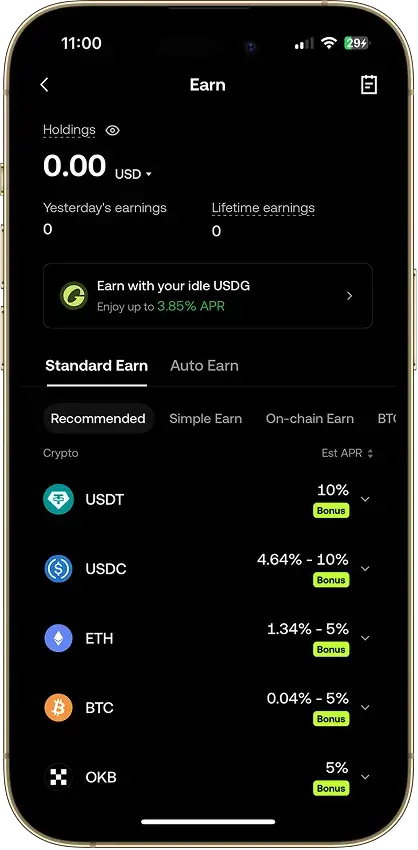
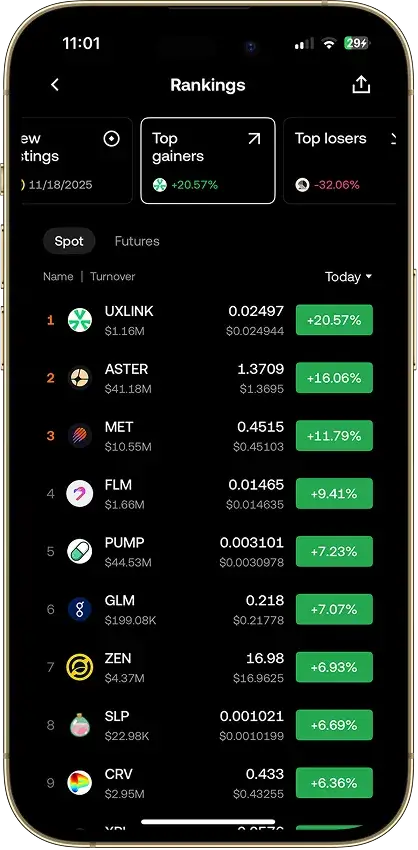
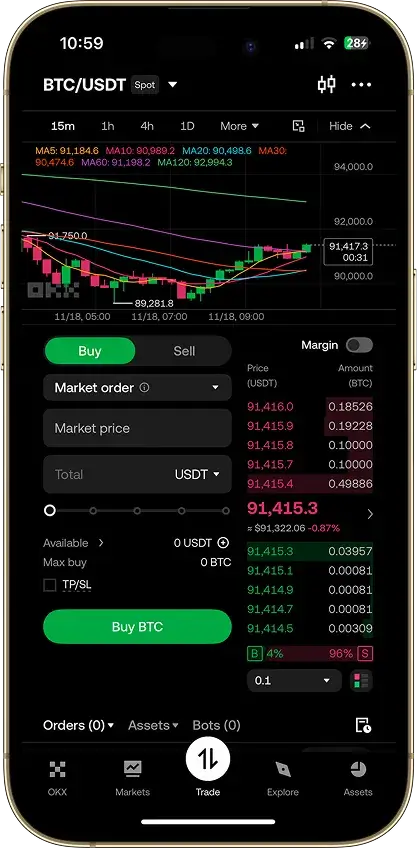
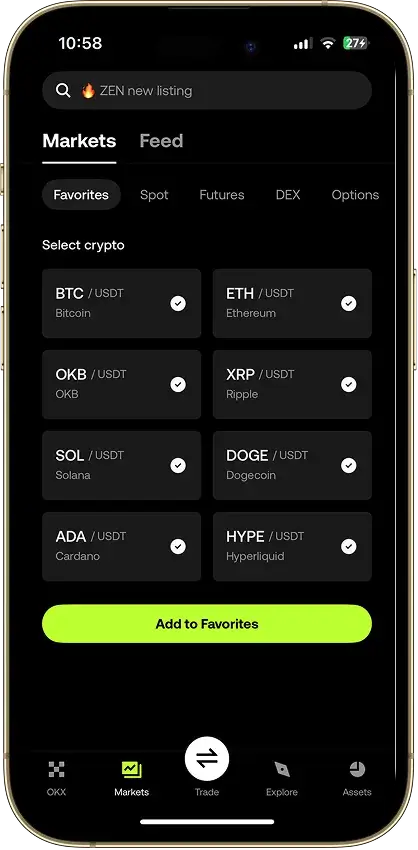
OKX
- Cost
- Spot maker/taker: global 0.08%/0.10%; EEA 0.20%/0.35%
- Assets
- 296 crypto (review)
- Fiat funding
- SEPA (EEA); other rails vary
Pros
- 0.08% global maker and 0.10% taker fees
- Margin, futures, perpetuals, and options
- REST and WebSocket APIs with subaccounts
- Copy trading and bots where permitted
Cons
- No independent reserve attestation
- $505M U.S. settlement by an affiliate, 2025
- U.S. users get a separate, pricier exchange

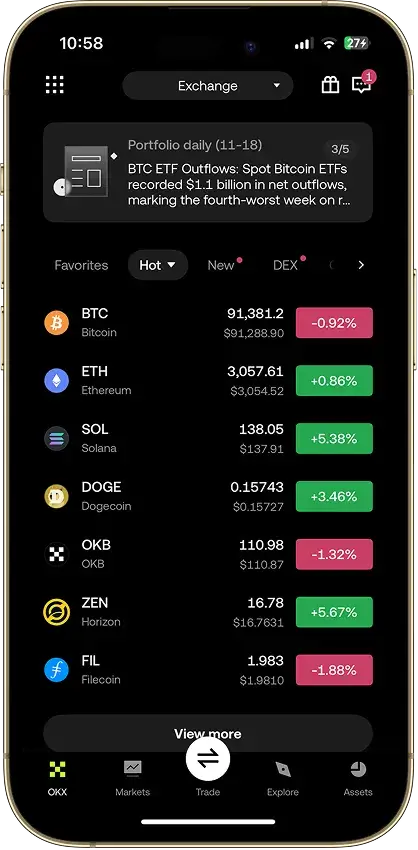
Bybit
- Cost
- Spot base: maker/taker 0.10%
- Assets
- 350 crypto (profile)
- Fiat funding
- SEPA/FPS via partners (by region)
Pros
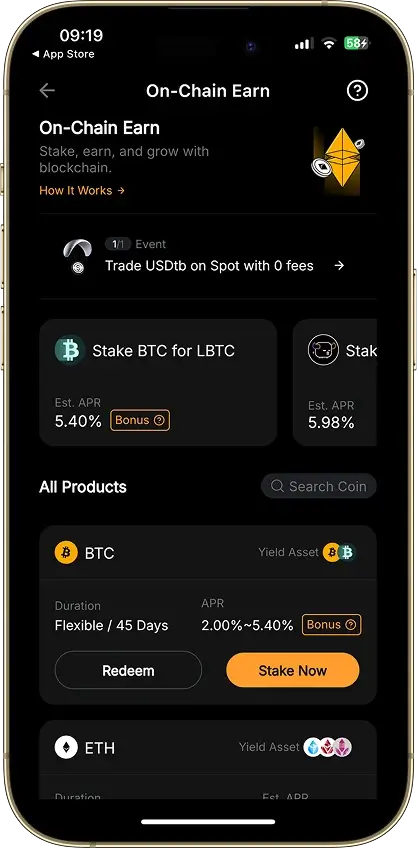
- MNT payment trims spot fees to 0.075%
- 450+ perpetual pairs on Global Bybit
- Options, copy trading, and built-in bots
- Hacken-checked reserve snapshot
- Passkeys and a new-address withdrawal lock
Cons
- One-Click Buy can cost far more than spot
- Bank cash-out relies on partners or P2P
- $1.5B ETH custody breach in 2025

Kraken
- Cost
- Pro spot base: maker 0.25%, taker 0.40%
- Assets
- 643 crypto (review)
- Fiat funding
- ACH (US); SEPA (EEA); FPS (UK)
Pros
- Free U.S. ACH withdrawals
- Sixteen U.S. perpetual contracts after checks
- REST, WebSocket, FIX, and futures APIs
- FIDO2 passkeys and Global Settings Lock
- Advanced orders from TWAP to iceberg
Cons
- 0.40% maker, 0.80% taker at entry on Pro
- Seven-day hold on Plaid ACH amounts
- Simple buys add 1% to 1.5% plus spread

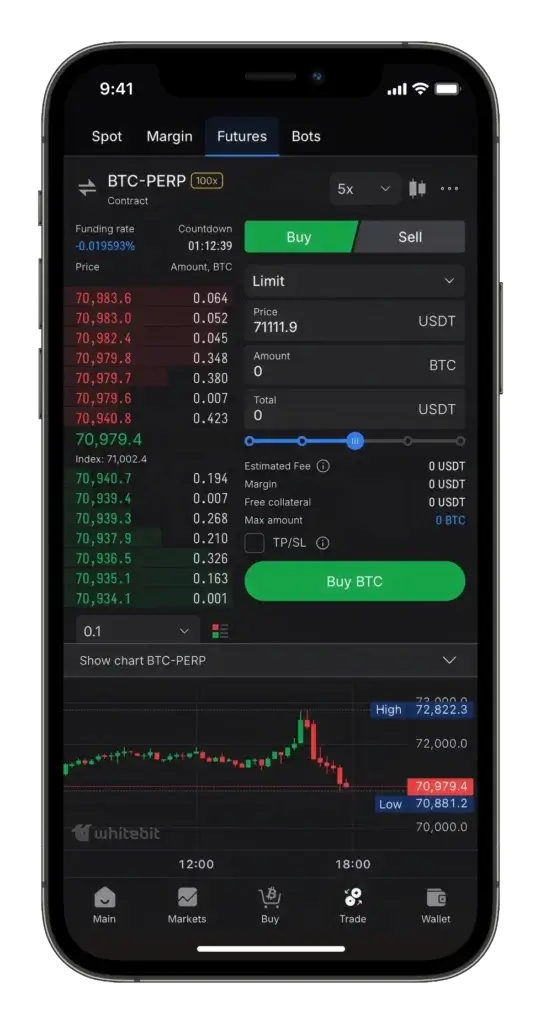
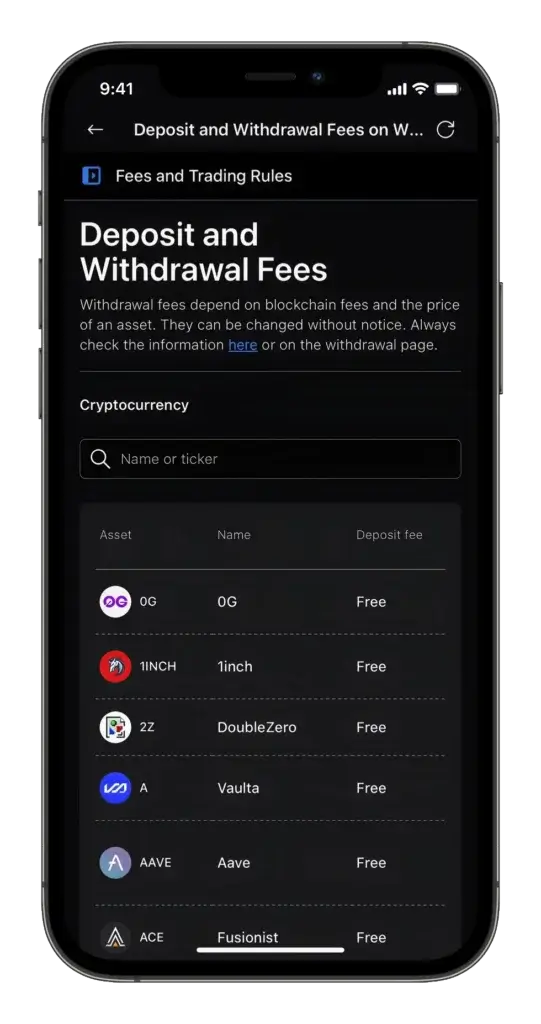
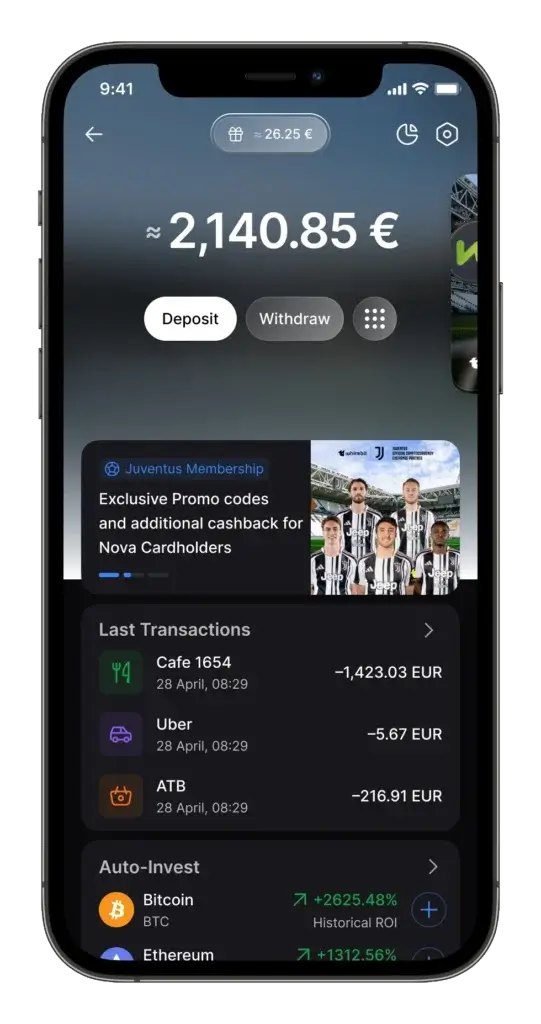
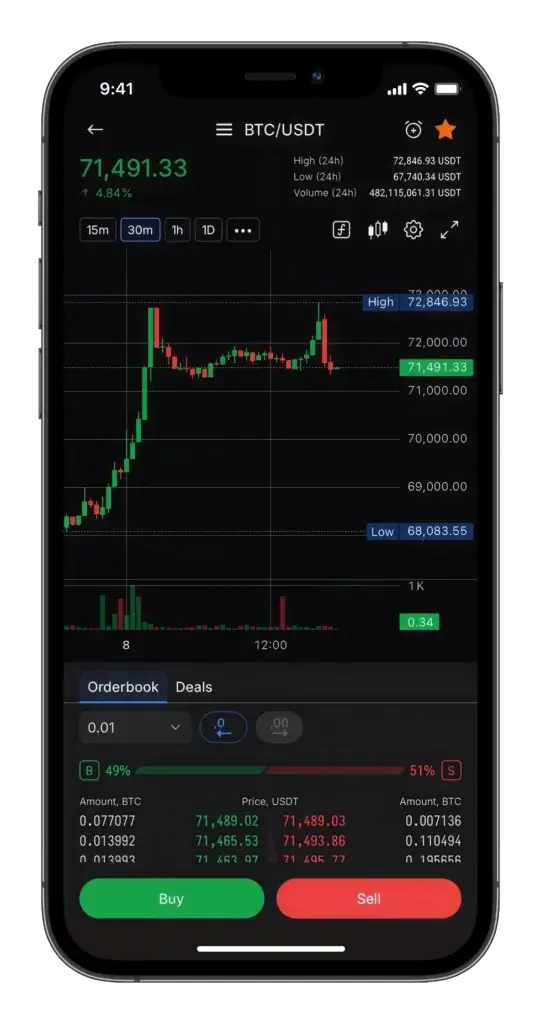
WhiteBIT
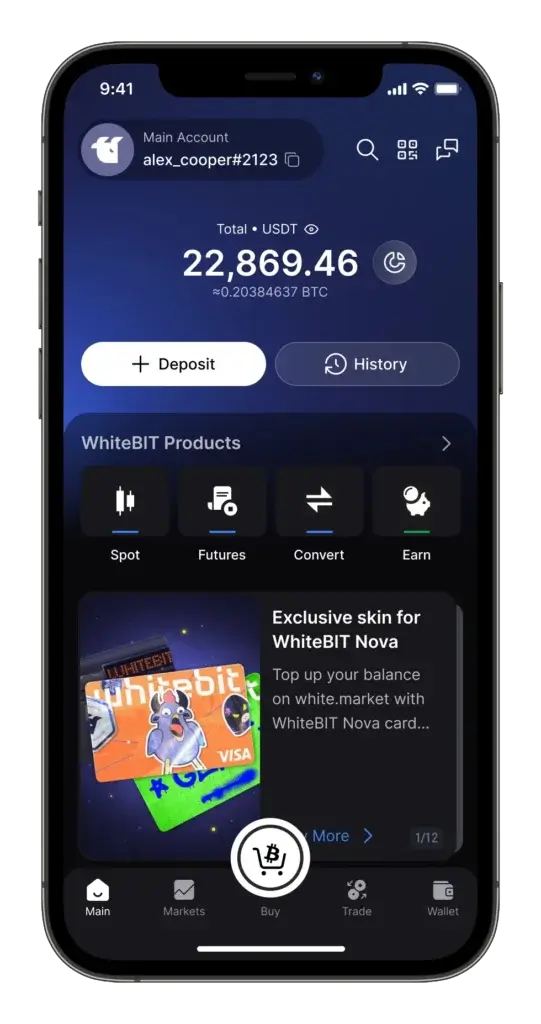
- Cost
- Spot usual: maker/taker 0.10%
- Assets
- 330+ listed
- Fiat funding
- SEPA (eligible EEA); cards
Pros
- AAA security, No. 3 on CER.live, zero hacks
- Earn yields up to 22.1% with WBT benefits
- Advanced tools, APIs, and sub-accounts
- Nine fiat currencies and flexible payment rails
- WBT perks and utility across Whitechain
Cons
- Licensing details are difficult to verify
- PoR is a snapshot, not a full financial audit
- Limited public uptime and liquidity data
- Complex regional and product restrictions
Coinbase
- Cost
- Advanced spot base: maker 0.40%, taker 0.60%
- Assets
- 382 tradable (review)
- Fiat funding
- ACH/wire (US); cards/PayPal if eligible
Pros
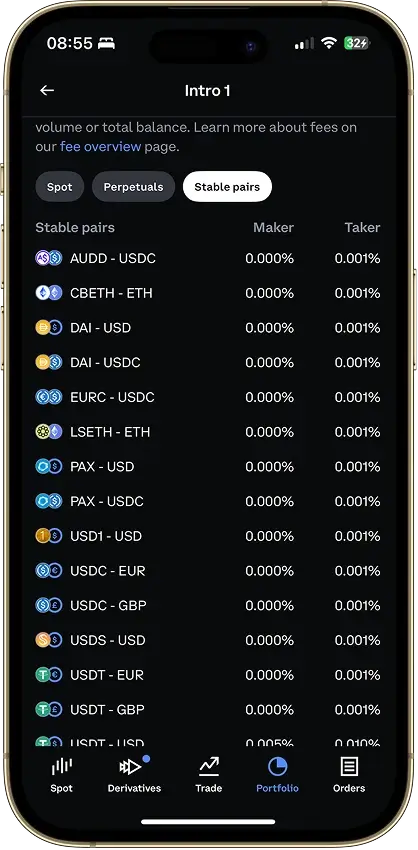
- Free U.S. ACH deposits and withdrawals
- SEC filings and annual financial audits
- Spot trading in every U.S. state
- Passkeys, hardware keys and allowlisting
- U.S. futures and perpetual-style contracts
Cons
- Small Simple Buy orders cost up to 3.5%
- No user-verifiable Merkle inclusion
- 35% commission on staking rewards

Crypto.com
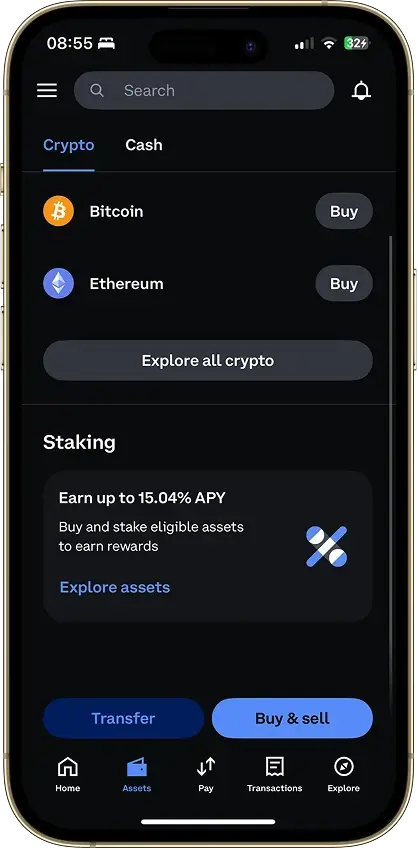
- Cost
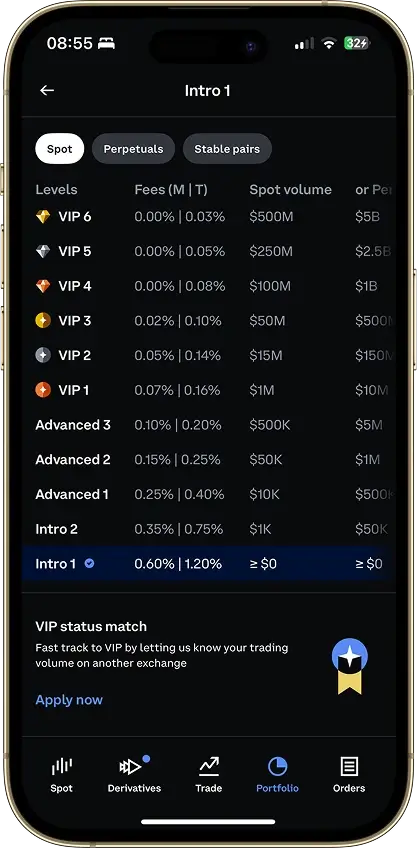
- Exchange spot base: maker 0.25%, taker 0.50%
- Assets
- 400+ crypto
- Fiat funding
- ACH (US); SEPA (EEA); cards
Pros
- 400+ spot coins on the global Exchange
- 0.25% / 0.50% entry spot fees
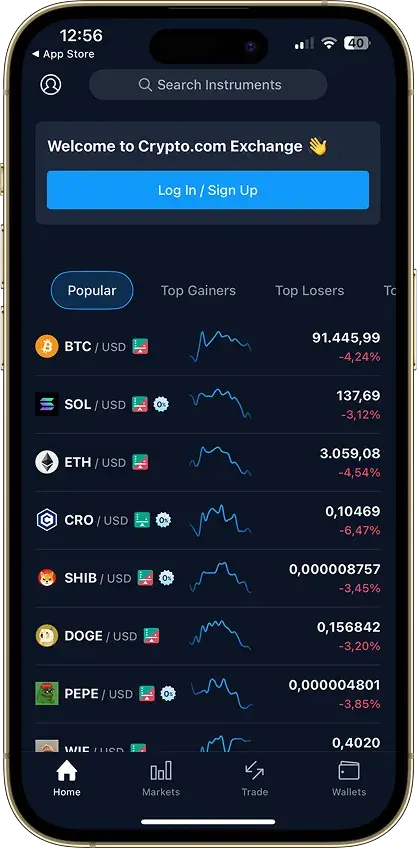
- CRO balance can cut maker fees to 0%
- U.S. ACH and Fedwire funding where available
- Passkeys, FIDO2 and an anti-phishing code
Cons
- Reserve attestation dates to 2022
- Seven-business-day hold on Instant ACH
- No open retail API sandbox


Bitstamp
- Cost
- Pro spot base: maker 0.30%, taker 0.40%
- Assets
- 107 crypto
- Fiat funding
- ACH (US); SEPA (EEA); wires
Pros
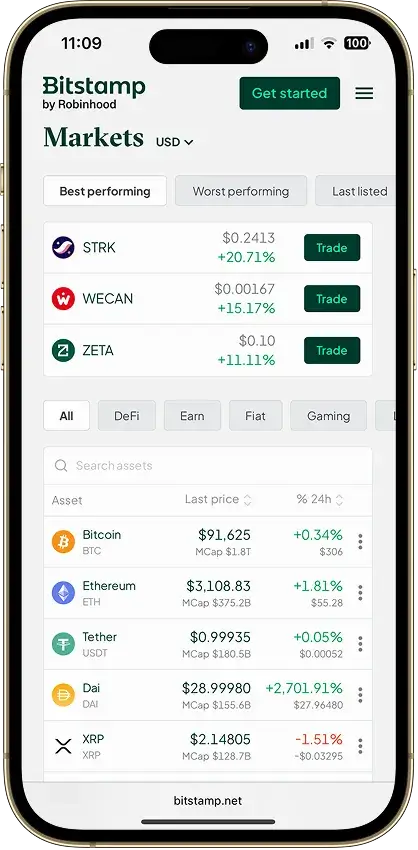
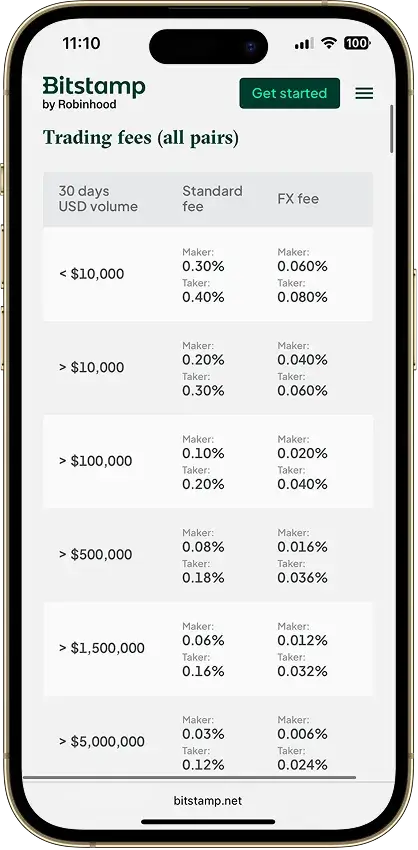
- Free ACH withdrawals, flat €3 SEPA cash-outs
- Fees to 0.00%/0.03%, FastPass from 0.01%
- Per-asset networks shown before login
- 95% cold storage with BitGo custody
- Tradeview charting on desktop
Cons
- No public proof-of-reserves page
- Slow support when accounts get restricted
- Instant Purchase costs 4% vs order-book path


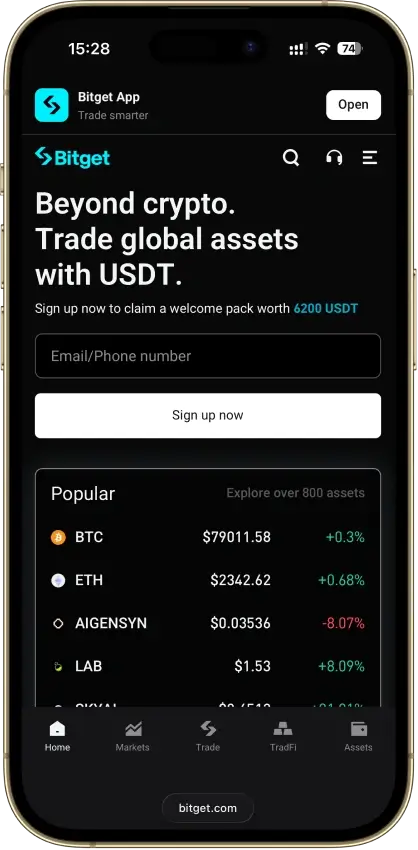
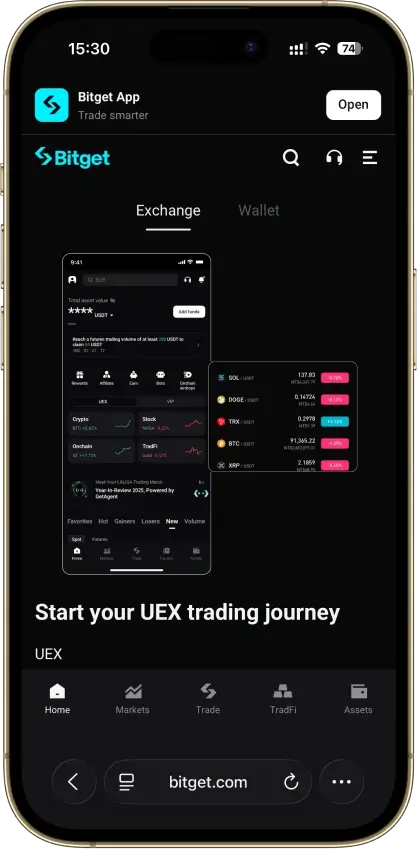
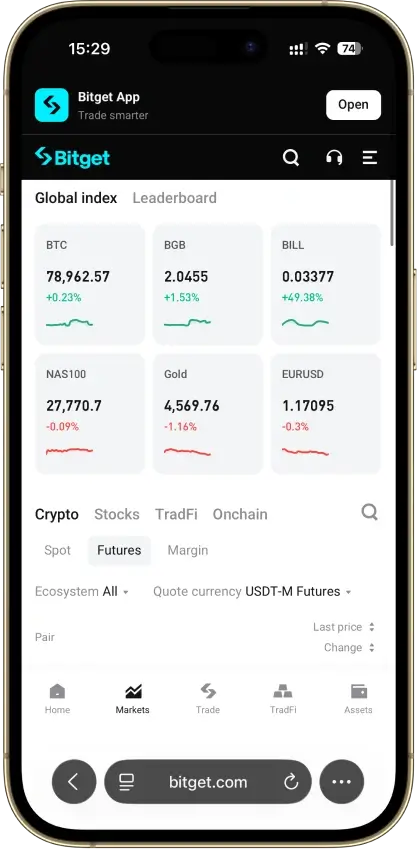
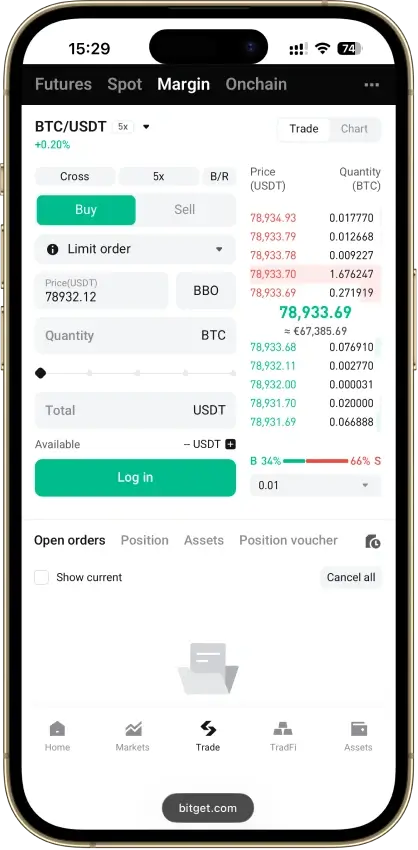
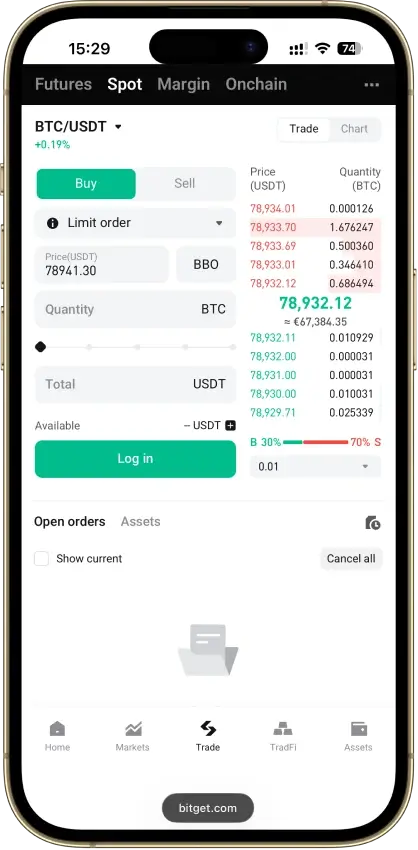
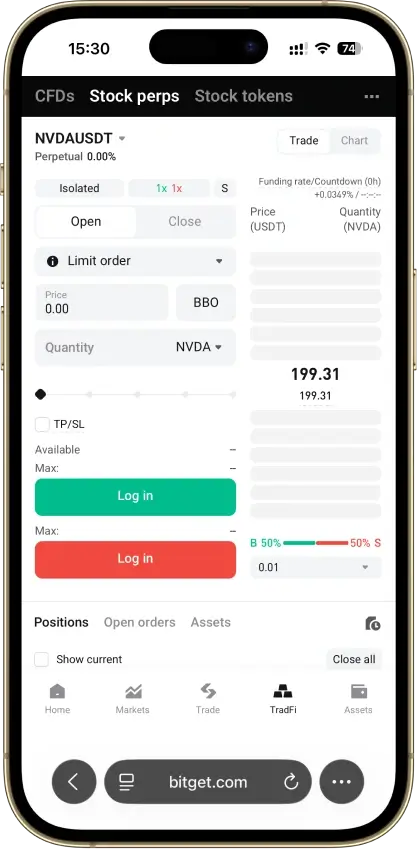
Bitget
- Cost
- Spot base: maker/taker 0.10%
- Assets
- 600+ crypto
- Fiat funding
- Cards, P2P, regional bank rails
Pros
- 0.10% standard spot fees
- Monthly Merkle inclusion checks
- 800+ coins on the global exchange
- Demo trading and scoped API keys
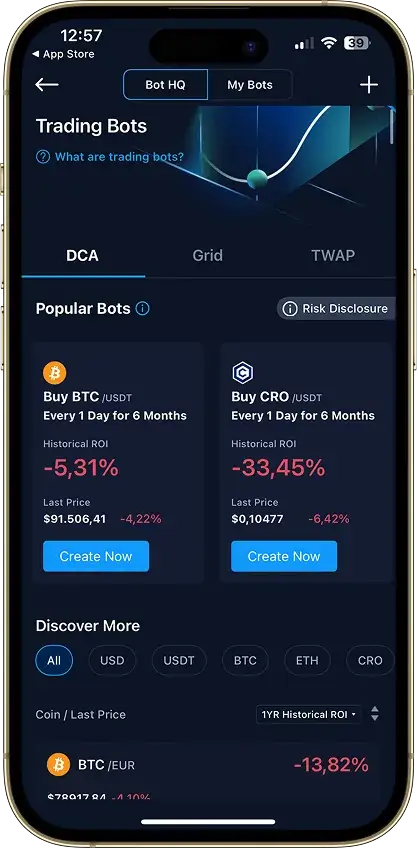
- Bots for automated trading
Cons
- Earn rates and terms change product by product
- BGB flash crash in 2024, trade rollback in 2025
- Simple-buy and P2P spreads sit outside fee tables
A futures assessment must separate platform-level evidence from the product being assessed. Spot fees and staking do not improve that assessment unless they affect the futures product itself. The same applies to card rewards and raw asset counts. Relevant effects include collateral terms, funding costs, execution quality, or account access. A capable spot exchange can still be a poor futures platform, and a regional affiliate cannot inherit products from a related global company.
How We Rank
- Security & custody 22% weight
Cold‑vs‑hot balance, key management (HSM/MPC), incident history, withdrawal controls, client‑asset segregation
- Market quality & reliability 18% weight
Order‑book depth/dispersion, spreads, uptime/SLOs, circuit‑breaker design, incident response
- Regulatory posture 12% weight
Licensing/registrations (MSB/MTL, FCA, MiCA, AUSTRAC, FSA), governance, compliance record
- Fees & pricing 12% weight
Maker/taker levels by tier, “instant buy” spread, funding/withdrawal costs, fee transparency
- Proof of reserves & transparency 8% weight
Frequency/scope of attestations, Merkle user‑verifiable liabilities, on‑chain wallet disclosures, auditor independence
- On/Off‑ramps & payments 8% weight
Breadth of fiat rails (ACH/SEPA/FPS/wire), settlement speed, geographic coverage
- Product breadth 8% weight
Spot, margin, perps/options, staking/earn, card, OTC, API availability
- UX & support 7% weight
App stability/performance, accessibility, documentation, support SLAs, incident communication
- API & pro tooling 5% weight
REST/WebSocket depth, rate limits, sandbox, SDKs, change management and monitoring
The Exchange Score remains the entity-level platform rating described in how the underlying account is assessed. It does not change when a futures market has attractive fees or a wide contract menu. A company with no eligible live futures contract receives no rank, score badge, or product link on this page.
The futures assessment follows a position from contract selection to the return of collateral. At admission, the contract record names the serving entity, customer class, eligible regions, index, settlement currency, accepted collateral, and whether the product is perpetual or dated. The order-stage record adds the displayed spread, depth at a stated size, fee tier, available controls, and observation time.
Once an order fills, perpetuals introduce a funding formula and collection interval, with any cap recorded beside them. Dated contracts instead need the settlement schedule and basis or roll treatment. Margin evidence records account mode, collateral haircuts, mark-price construction, maintenance requirements, and the exchange’s right to change risk tiers.
If collateral deteriorates, the record follows the loss sequence from a margin warning through partial or full liquidation. Insurance-fund use and auto-deleveraging belong after that trigger, with negative-balance treatment stated separately. A completed assessment ends only after the position is closed, collateral is released or converted, account history is exported, and the remaining balance can be withdrawn. Every variable field carries its own check date.
Market-wide volume describes aggregate activity. The selected contract still needs its own bid, ask, and available size. Reserve disclosures address a different question. They add context about selected assets, but require liability and scope information before they can support a solvency judgment.
How to Choose a Crypto Futures Exchange
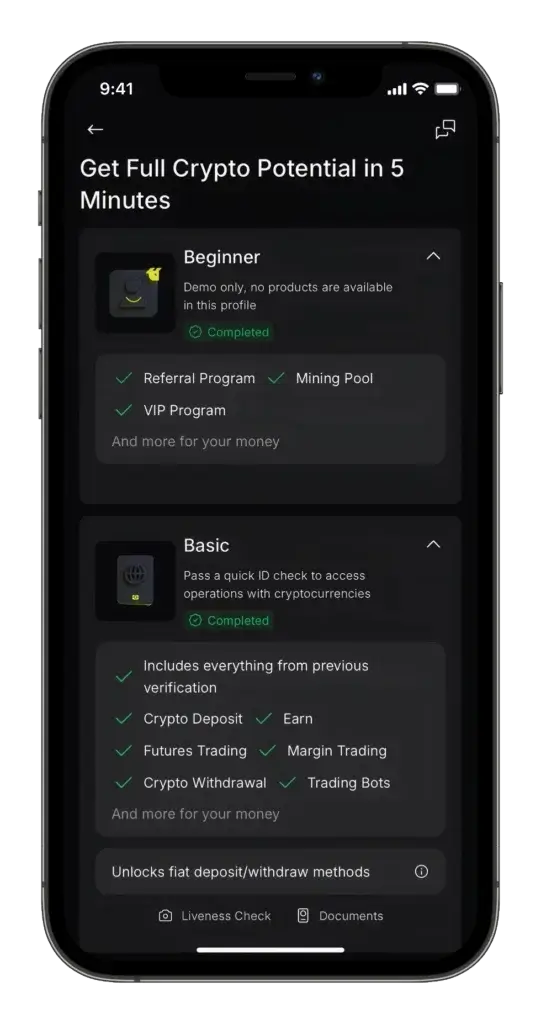
Confirm eligibility before examining an exchange’s trading features. The exchange should serve the trader’s country and customer class, and the required contract must be live. Compare the remaining platforms on the market and position size that will actually be traded.
Confirm the Entity and Product
The company in the account agreement should match the entity named on the futures order ticket and collateral terms. Shared branding can conceal different product permissions, complaint routes, and customer protections. Search the legal name, then check the account’s own contract menu.
The required perpetual or dated contract should be live before funds move into the derivatives wallet. Announcements and waiting lists describe possible access, while the order screen establishes current access. The terms should also explain how an open position is closed and how collateral leaves the account if a regional restriction changes.
Identify the Contract
The word “futures” can describe contracts whose expiry and settlement rules create different economics. Confirm which index the instrument follows and whether funding applies. A contract quoted in USDT can still accept several collateral assets under a multi-asset margin system, which adds collateral-conversion and depeg risk.
Measure the Cost of the Intended Trade
Published maker and taker fees show only part of the cost. A market order can lose more through spread and slippage than it saves through a lower fee tier. A position held through several funding intervals can also cost more than a short-lived trade at the same exchange.
Compare the displayed spread and available depth near the mid-price on the exact contract. Repeat the check during ordinary conditions and a volatile session. Record the intended order size, since an order book that handles a small position cleanly may move sharply under a larger one.
Read the Liquidation Rules
Liquidation depends on maintenance margin and account mode. Position size and collateral also affect the threshold, which the exchange calculates from its mark price. The estimated liquidation price on an order ticket helps with planning, but the contract terms govern. Check partial-liquidation rules and liquidation fees. Check insurance-fund use and auto-deleveraging as well, including any right to change risk tiers.
Check Operational Controls
Fast markets expose whether the available order controls work as intended. Reduce-only orders can prevent an exit from opening a position in the opposite direction. Cancel-on-disconnect protects application programming interface traders after a connection failure. Price bands and position limits can reduce certain failure modes. Staged liquidation provides another control, although none removes market or platform risk.
The status page and incident archive deserve the same attention as the trading screen. A platform can show good spreads during quiet conditions and still become unusable during the session when an exit matters most.
What Is Crypto Futures Trading?
Crypto futures trading uses contracts whose value follows a cryptoasset or an index. A trader can take long or short exposure without owning the referenced coin. Depending on the contract, settlement may occur in cash or crypto, including a stablecoin.
Margin supports the position by serving as collateral against potential losses. The trader has not purchased the underlying asset with that payment. The Commodity Futures Trading Commission’s virtual-currency advisory explains that borrowed exposure magnifies gains and losses because the trader funds only part of the position. Some futures structures can produce losses beyond the amount first posted as margin.
Traders use crypto futures to hedge existing exposure or take a short position. Others use them to speculate on price. Those purposes do not change the mechanics. Funding and basis affect carrying costs, while fees and slippage affect execution. Forced liquidation can turn a correct market view into a losing position.
Perpetual Swaps vs Dated Crypto Futures
Because perpetual swaps have no expiry date, a funding system helps keep their price near the reference market. Payments usually pass between long and short positions. The formula and interval differ by exchange, as do caps and collection rules.
Dated futures follow a contract schedule that sets their expiry and settlement. Their price can sit above or below spot before expiry, and the difference is called basis. CME’s Bitcoin futures documentation provides one regulated cash-settled example whose value is determined by a reference rate at settlement.
Traders using paid evaluations should compare crypto prop firms for perpetuals separately from futures prop firm programs built around exchange-listed contracts.
| Feature | Perpetual Swap | Dated Future |
|---|---|---|
| Expiry | None | Fixed date |
| Main Carry Method | Funding payments | Basis and contract roll |
| Settlement | Defined by the exchange | Defined by the contract |
| Price Anchor | Index and funding design | Spot convergence near expiry |
| Main Ongoing Cost | Funding, fees, and execution | Fees, basis, roll, and execution |
| Key Document | Funding and mark-price rules | Contract specification and settlement rules |
The labels do not establish the regulatory treatment or customer protections. A perpetual contract on an offshore exchange and a dated future traded through a regulated futures intermediary can have different custody and segregation arrangements. Dispute resolution and settlement may also differ, along with account eligibility.
Crypto Futures Fees, Funding, and Execution Costs
The cheapest published fee can be the wrong comparison point because total cost reflects execution and holding time. The method used to exit the position changes that cost again.
| Exposure Phase | Amount to Record | Why the Amount Can Change |
|---|---|---|
| Order Submitted | Bid, ask, order size, order type, and fee tier | Price can move before the order fills |
| Position Filled | Average execution price, fee, and initial margin | Available depth determines slippage |
| Contract Carried | Funding payment or basis and roll cost | Rates, position value, and time alter the result |
| Collateral Revalued | Haircut, conversion spread, and maintenance requirement | Collateral prices and risk tiers can move together |
| Position Reduced | Liquidation fee, bankruptcy price, and insurance-fund treatment | Forced execution can occur away from the last trade |
| Position Closed | Closing fill, fee, spread, and released collateral | Exit depth may differ from entry depth |
| Balance Withdrawn | Conversion, network charge, platform markup, and minimum | Settlement and withdrawal assets may differ |
Funding changes with market positioning, and a favorable rate can reverse before the next interval. The calculation also uses position value, which means posting more margin does not automatically lower the funding charge on the same exposure.
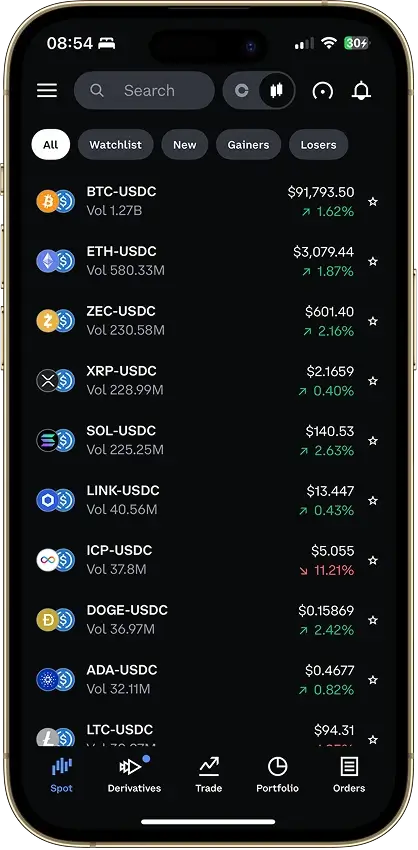
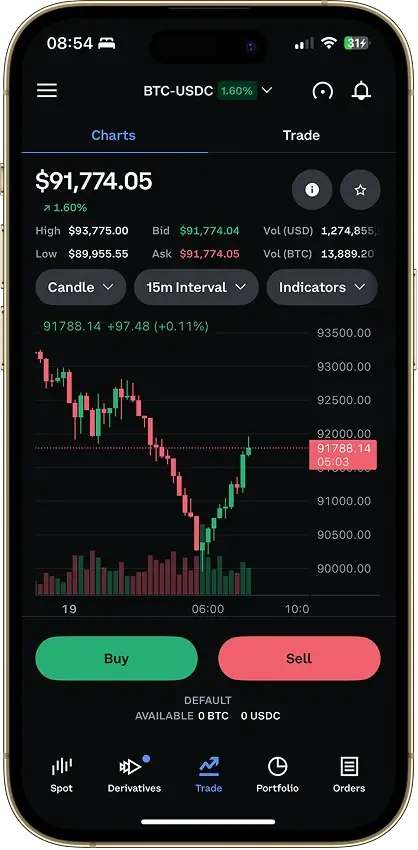
Any claim about spread or slippage needs a dated observation from the intended contract and order size. A single screenshot cannot establish lasting execution quality, and an aggregate volume figure says little about the exact market a trader plans to use. BTC and ETH contracts may have usable depth even when smaller contracts on the same exchange do not.
Margin, Collateral, and Liquidation
Initial margin opens a position. Maintenance margin keeps it open. Liquidation begins when the account or position falls below the maintenance requirement defined by the exchange.
Isolated and Cross Margin
Isolated margin assigns collateral to a position. A loss is generally confined to the allocated amount, subject to the contract terms and any manual margin additions. Cross margin shares eligible collateral across positions. One losing position can consume funds supporting another.
The safer margin mode depends on how much capital each setting exposes. Isolated margin limits the immediate pool at risk, but it can liquidate sooner when unused collateral sits elsewhere. Cross margin gives a position more room and exposes more of the account. Compare the capital at risk under each setting.
Portfolio and Multi-Asset Margin
Portfolio margin can offset certain risks across related positions. Multi-asset systems may accept several coins or stablecoins as collateral. Both can improve capital efficiency for traders who understand the model. They also depend on correlation assumptions and collateral haircuts. Conversion rules and platform calculations add further risk.
Collateral can fall in value at the same time as the position moves against the trader. A stablecoin can lose its peg, and a volatile coin can create a second source of loss. Check which assets receive full value, which receive a haircut, and when the exchange can change that treatment.
Mark Price and Liquidation Price
Many crypto futures exchanges use a mark price to calculate unrealized profit and loss and trigger liquidations. The mark commonly combines an index with funding or basis inputs. The last traded price on the chart may therefore differ from the price controlling the position.
A stop order may fail to exit before liquidation when the market moves faster than the order can execute. Thin depth or an exchange outage can also prevent a fill. Trigger choice and order rejection create further failure points. Stops remain one control inside a wider position-sizing and account-risk process.
Insurance Funds and Auto-Deleveraging
Liquidation can leave a deficit if the position cannot be closed before its collateral is exhausted. Some exchanges use an insurance fund to cover that shortfall. If the fund or other backstops are insufficient, auto-deleveraging can reduce profitable opposing positions under the exchange’s priority rules.
Check the full sequence from partial liquidation to final loss allocation. A large insurance-fund balance is not enough on its own. The relevant questions are which products it covers, how it is funded, when it is used, and what happens after it is depleted.
Crypto Futures Availability by Region
Regional access follows the legal entity serving the account and the customer’s classification. An exchange group can offer perpetual swaps through one affiliate and spot trading through another. Marketing that combines those products under one name can make an unavailable contract look accessible.
United States
A US futures route joins a contract market, a futures commission merchant, and an approved customer account. The CFTC advises prospective customers to verify registration before trading virtual-currency futures. A firm and principal search through NFA BASIC can confirm registered parties, while the contract screen establishes whether the product is active for the account and state.
Regulated dated futures can use trading hours, settlement, and margin arrangements that differ from continuous offshore perpetual swaps. General onboarding and payment questions belong in the separate assessment of US exchange accounts and fiat rails. Product approval must still be established in the derivatives account before collateral is committed.
United Kingdom
FCA COBS 22.6 removes the retail route to cryptoasset derivatives for firms within its scope. Professional classification follows another process and remains subject to the provider’s permissions.
An offshore perpetual interface cannot be treated as available to a UK retail account by changing the apparent location. False residency information can trigger forced closure, account termination, or a withdrawal review under platform terms. Readers comparing permitted non-derivatives services can use the analysis of UK spot and sterling payment routes.
Other Markets
Eligibility across the European Economic Area and other regions varies by country and serving entity. It also depends on the contract. A cryptoasset registration or spot-exchange license does not automatically authorize derivatives. Check the provider’s legal terms and the local regulator register as separate sources. Then compare them with the live product screen and current restriction notice.
Country availability can change while a position remains open, so traders need a practical exit plan. It should cover closing the contract and converting collateral. The plan should also explain how funds can be withdrawn after a policy change.
Crypto Futures Paper Trading and Testnets
Paper trading can teach order entry and margin modes. It also demonstrates reduce-only controls and the layout of a liquidation estimate. Application programming interface traders can test authentication and order validation without risking funds, then check cancel logic separately.
A simulator simplifies or omits parts of the live market, including queue position and real slippage. Funding transfers and liquidation pressure may also behave differently. The same limitation applies to exchange congestion, counterparty exposure, and withdrawal risk. A profitable demo history therefore shows familiarity with the interface. It does not prove a trading advantage.
A paper-trading test should repeat the workflow planned for the live account. Place and amend orders, then reduce a position. Test connection loss before exporting the resulting account history. Check whether the live product uses the same order types and risk rules before assuming the practice environment will behave identically.
When Futures Are the Chosen Product
This comparison applies after a trader has selected a perpetual swap or dated future. Perpetuals make funding and an open-ended position central to the decision. Dated futures replace that funding cycle with expiry, settlement, basis, and possible roll costs.
A trader still deciding between spot ownership, borrowed spot, futures, and options can separate crypto derivative contracts by mechanics. Readers comparing strikes, premiums, and exercise can use the options contract criteria. Leader selection and replication belong with copy-trading follower controls.
Unborrowed spot avoids funding and forced liquidation, although price, custody, and withdrawal risk remain. Traders who do not need short or margin-based exposure can instead compare ordinary crypto exchange accounts.