Finding an ICO platform worth using comes down to one practical question: can you still get into a public sale before secondary-market pricing takes over? In 2026, the label gets applied loosely. The real differences between platforms are who can actually access the sale, how much setup is required before you qualify, what capital or staking burden appears before allocation is confirmed, and whether claim timing and vesting leave you with tokens you can actually use.
This ranking focuses on those mechanics. It covers which platforms still offer genuine public-sale access, how hard qualification actually is, and what the full participation cost looks like before and after the sale closes.
Top Crypto ICO Launchpads
- Access
- Account + walletFull KYC
- Token gate
- No platform token
- Allocation
- Varies by saleFCFS / pro-rata / hybrid
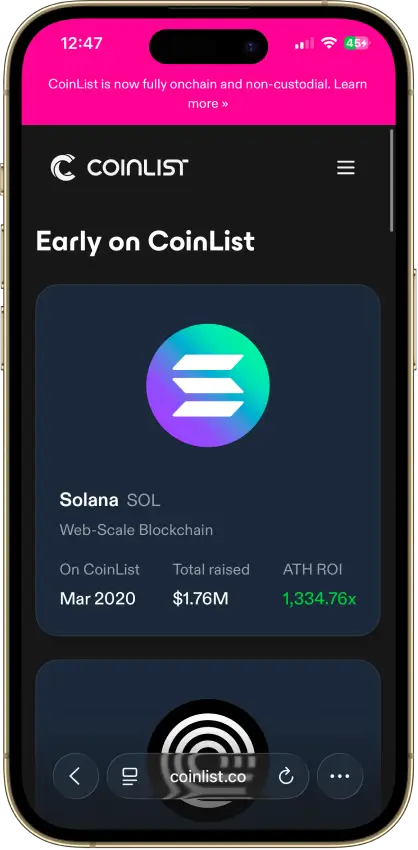
- Past sales include Solana, Filecoin and Ondo
- Sealed-bid Dutch and clearing auctions
- No platform token to buy or stake
- Access
- Connected walletKYC varies by sale / region
- Token gate
- High dependencePOLS-based access
- Allocation
- Lottery + guaranteed tiersSnapshot-based / hybrid
- 140 funded projects, 141,188 participants
- POLS Power from staking, holding or LP
- Council review before a project can raise
- Access
- Connected walletFull KYC
- Token gate
- No platform token
- Allocation
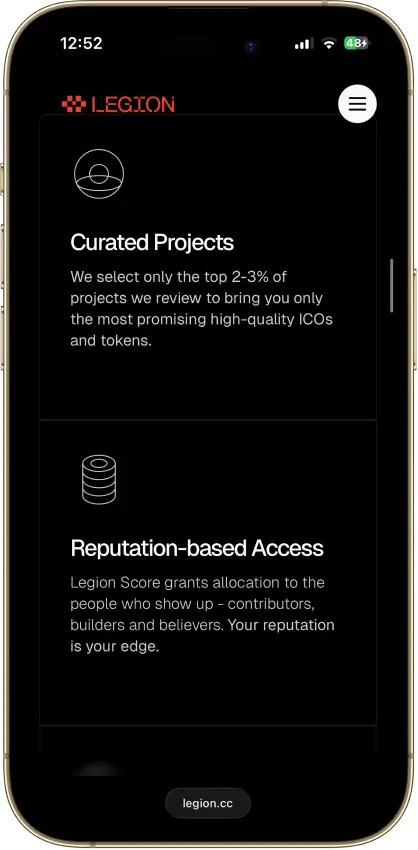
- Merit / reputationHybrid; varies by sale
- Allocation by reputation score, not staking
- Embedded wallet created for you at sign-up
- Projects pick backers, not the fastest wallet
- Access
- Connected wallet + Varies by saleKYC varies by sale / region
- Token gate
- Varies by sale
- Allocation
- Varies by saleGuaranteed tiers / FCFS / pro-rata / quests
- Allocation known before the IDO buy window
- Refund window of 1 to 7 days after some IDOs
- AI and infrastructure launches over memes
CryptoSlate may earn a commission when you visit partner sites through links on this page, at no extra cost to you. Our rankings and reviews remain editorially independent and based on our published methodology. Read disclosure
Disclaimer: CryptoSlate may receive a commission when you click links on our site and make a purchase or complete an action with a third party. This does not influence our editorial independence, reviews, or ratings, and we always aim to provide accurate, transparent information to our readers.These four platforms represent very different access models. The best fit depends less on brand recognition and more on how you qualify, how allocation is determined, and when tokens actually become usable.
Comparison Table
| Name | KYC | Access Model | Native Token Dependence | Allocation Model |
|---|---|---|---|---|
 Coinlist Coinlist | Full KYC | Exchange Account, Connected Wallet | None | FCFS, Pro-Rata Subscription, Hybrid, Varies By Sale |
 Polkastarter Polkastarter | KYC Not Always Required, Varies By Region, Varies By Sale | Connected Wallet | High | Lottery, Tiered Guaranteed, Snapshot-Based, Hybrid |
 Legion Legion | Full KYC | Connected Wallet | None | Merit / Reputation-Based, Hybrid, Varies By Sale |
 ChainGPT Pad ChainGPT Pad | Full KYC, KYC Not Always Required, Varies By Region, Varies By Sale | Connected Wallet, Mixed By Sale | Varies By Sale | Tiered Guaranteed, FCFS, Pro-Rata Subscription, Quest / Community-Based, Mixed By Sale |
The biggest gap between platforms is access and exit. Users comparing this category with IDO launchpad options, exchange-based token sale routes, or Solana launchpad alternatives are often looking at very different participation models.
Crypto ICO Launchpads Reviews
Coinlist
- Access
- Account + walletFull KYC
- Token gate
- No platform token
- Allocation
- Varies by saleFCFS / pro-rata / hybrid
Pros
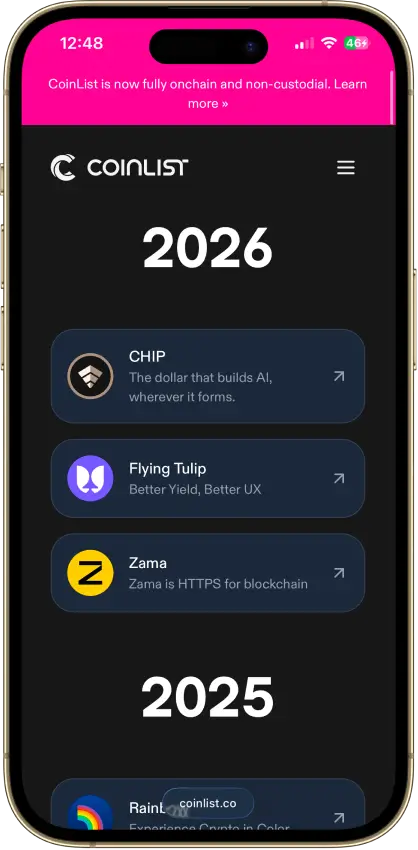
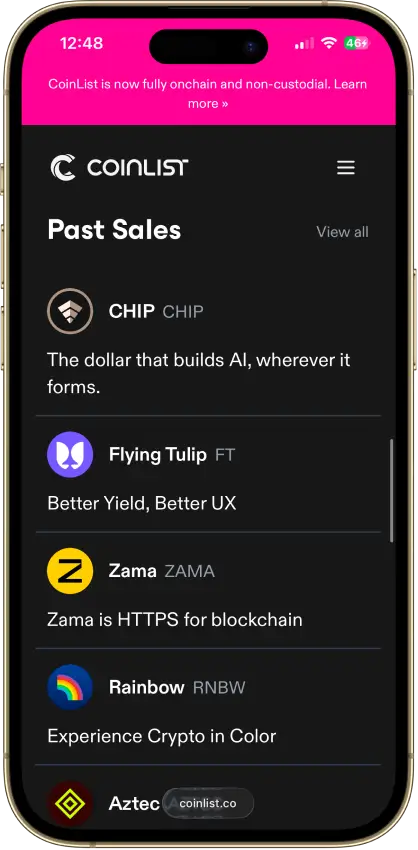
- 21 sales in 2025, still active
- Tokens go straight to your own wallet
- Refunds for unsuccessful bids once sales close
- Early access to infrastructure and DeFi projects
- Tokens sold directly by each issuer
Cons
- Sale design changes often, a learning curve
- Vesting and unlocks vary by sale
- Each sale needs the right asset and chain ready
Polkastarter
- Access
- Connected walletKYC varies by sale / region
- Token gate
- High dependencePOLS-based access
- Allocation
- Lottery + guaranteed tiersSnapshot-based / hybrid
Pros
- Visible tier odds before you apply
- Sales across nine chains, Base to Sei
- Tokenomics and listing support for projects
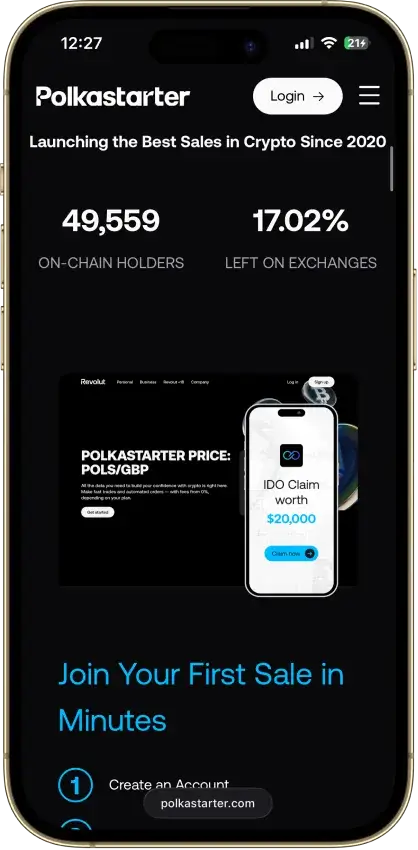
- About $46.7 million raised across sales
- Staking builds POLS Power faster than holding
Cons
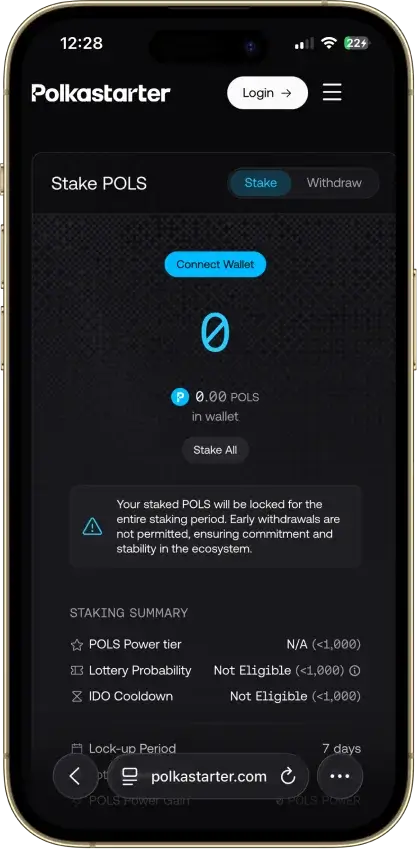
- Sales require at least 1,000 POLS Power
- Bronze and Silver odds stay unreliable
- Cooldowns limit repeat wins
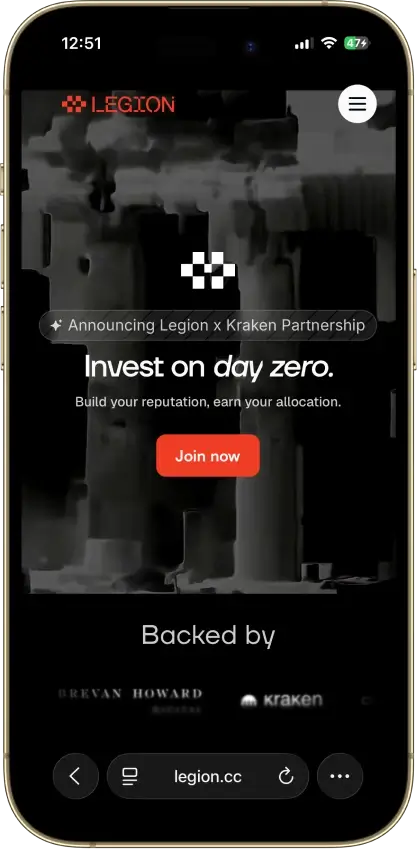
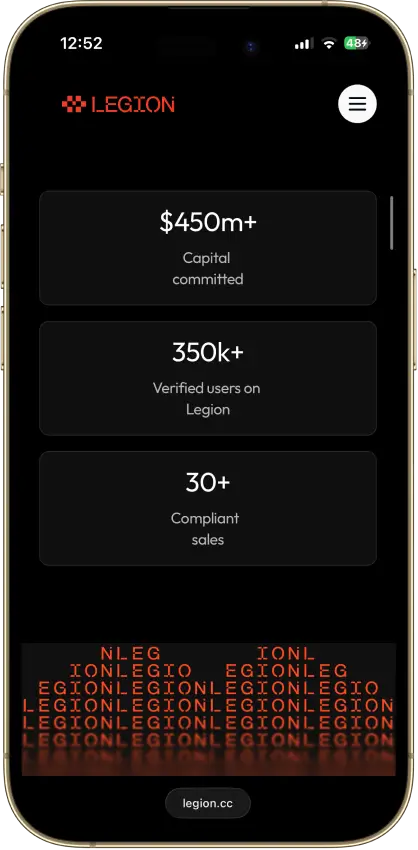
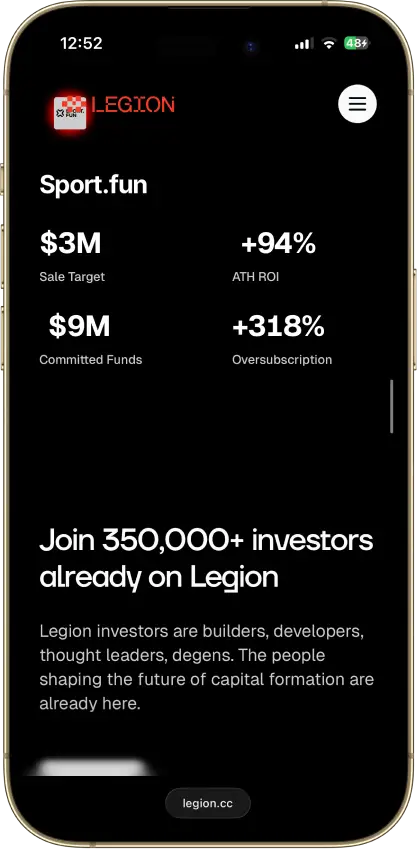
Legion
- Access
- Connected walletFull KYC
- Token gate
- No platform token
- Allocation
- Merit / reputationHybrid; varies by sale
Pros
- No launchpad token needed for base access
- Score can reward activity, not just wallet size
- Unselected funds are unlocked or returned
- Some rounds can sit close to listing or TGE
Cons
- Strong score still does not guarantee allocation
- Each round sets its own sale terms
- Token delivery timing depends on each project
- Fewer deals than large exchange launchpads
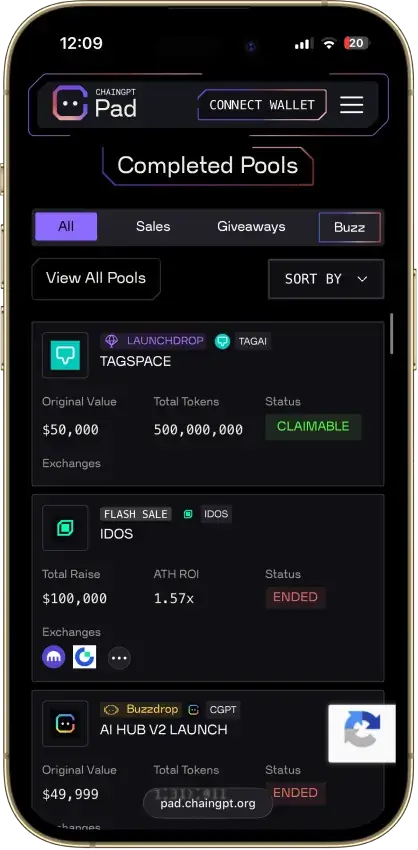
ChainGPT Pad
- Access
- Connected wallet + Varies by saleKYC varies by sale / region
- Token gate
- Varies by sale
- Allocation
- Varies by saleGuaranteed tiers / FCFS / pro-rata / quests
Pros
- Public Sales need no CGPT stake
- Staking boosts more than one format
- EVM and Solana sales on one pad
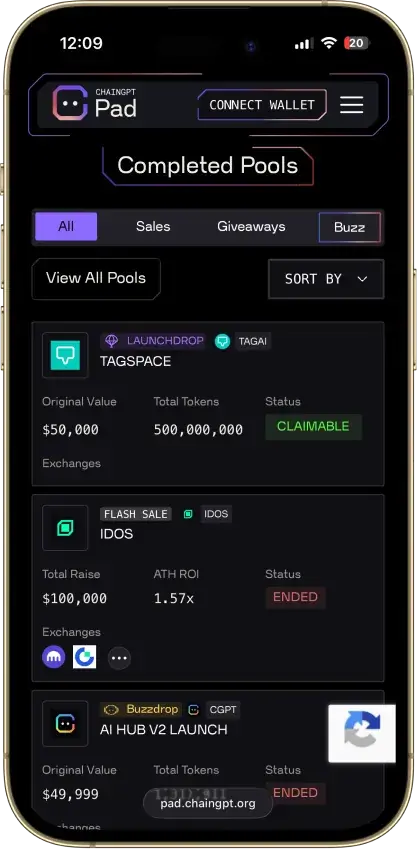
- About 50 IDOs plus launchdrops so far
- Screening stricter than meme-first pads
Cons
- Best terms cluster in higher CGPT tiers
- Public Sale buyers commit before knowing fills
- Vesting and claims vary by project
Our Ranking Methodology
These platforms are ranked on real participation mechanics, not branding or historical ROI.
The core question behind each ranking decision is whether a platform still does the job users hire it for: getting through access rules, securing a realistic allocation, receiving tokens on usable terms, and avoiding unnecessary capital drag before the market opens.
Each platform was also evaluated against the wider crypto launchpad market and adjacent routes that sometimes solve the same problem more cleanly. That includes users starting from beginner wallet setup, weighing self-custody wallet options, deciding whether a decentralized exchange creates less friction, or choosing a safer exchange setup instead.
Current usability and category fit carried the most weight in scoring. A platform scored well only if it still gives real public-sale access in 2026 and still behaves like an ICO platform in practice. The specific factors used were:
- Whether the platform fits ICO-style public access
- Current relevance and recent sale activity
- Access, KYC, and geographic friction
- Capital required before allocation
- Allocation fairness for smaller buyers
- Claim timing, vesting, and real exit conditions
- Supported ecosystems, including Solana relevance
- Refund handling, support, and trust risk
A platform made the list only if it gives users a realistic path to join, get a fair shot at allocation, and receive tokens on terms that are usable after the sale.
Costs, Fees, And Total Capital Drag
The biggest cost on most platforms is rarely the visible fee. It is usually the capital committed before allocation is even confirmed.
| Name | Platform Or Sale Fee | Upfront Capital Burden | Wallet Or Network Cost | Main Hidden Drag |
|---|---|---|---|---|
| CoinList | Usually no separate platform participation fee; sale terms decide price and minimums | Usually just the sale funds, often from a low stablecoin minimum rather than a staking threshold | Gas can apply when funding or moving tokens from the non-custodial wallet after distribution | Unlock schedules and jurisdiction-specific lockups can delay usable liquidity even after a successful sale |
| Legion | No standing staking fee; sale pricing and any platform fee are deal-specific | Sale funds only; no native-token staking layer to unlock access | Onchain pledge, withdrawal, or claim actions can still add gas depending on the sale structure | Merit-based selection can leave capital committed without giving every user the allocation size they expected |
| ChainGPT Pad | Public sale fees can start around 5% for users with no staking tier and fall to 0% for top tiers, subject to campaign rules | Full sale commitment may be needed up front, and staking CGPT can reduce fees or improve access | Gas on the sale chain, plus extra wallet work if a Solana pool needs a separate wallet link | Oversubscription and staking to reduce fees can tie up more capital than the headline token price suggests |
| Polkastarter | No separate entry fee is usually shown, but the sale allocation is only part of the cost | At least 1,000 POLS Power is needed to enter, and staked POLS carries a 7-day lock | Gas on the sale network plus any POLS staking or unstaking transactions | Buying POLS before selection, failed allowlist attempts, and cooldown rules create the real capital drag |
“No fee” does not mean low cost. Staking requirements, holding thresholds, and failed allocation attempts often create the real drag well before any visible charge appears.
Access, KYC, And Setup Friction
Many users get filtered out before allocation even starts. Some platforms screen by jurisdiction first. Others let users register, then layer on KYC, wallet linking, staking, allowlists, or score-based selection before the sale becomes accessible.
| Name | KYC And Region Friction | Account Or Wallet Setup | Main Setup Headache |
|---|---|---|---|
| CoinList | Sale-by-sale restrictions; some 2026 sales exclude the U.S., Canada, China, and the UK, while U.S. access can be accredited-only | Verified CoinList account, KYC, built-in non-custodial wallet or linked wallet, usually USDC or USDT funding | Every sale can change who qualifies, how funds are submitted, and when tokens unlock |
| Legion | Available only where lawful; U.S. users must disclose residency and accredited status, and projects can still narrow final access | Legion account, KYC, embedded or linked wallet, plus profile building for Legion Score | A funded account does not secure access because Legion Score still shapes allocation |
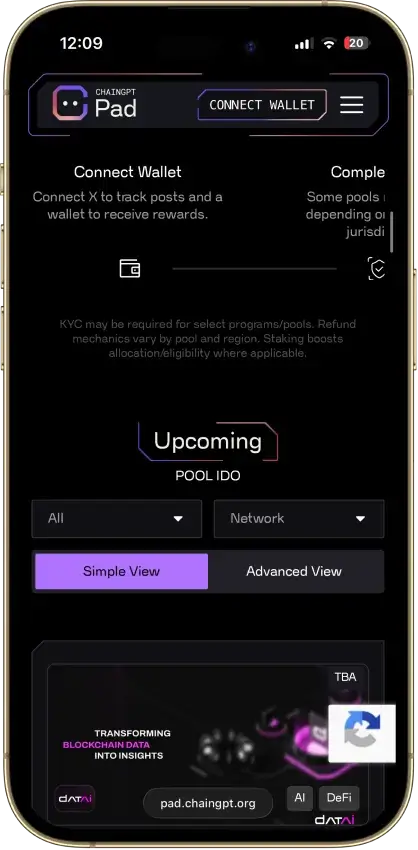
| ChainGPT Pad | KYC is required for public sales; users in the U.S., Canada, Puerto Rico, Guam, U.S. Virgin Islands, UAE, Singapore, South Korea, India, China, and many other regions are blocked | Connect EVM wallet, complete profile and KYC, and link Solana wallet separately for Solana pools | The setup is multi-step, and sale format, fee rules, and wallet requirements can change by campaign |
| Polkastarter | Region rules are project-specific, but U.S. users are commonly excluded and KYC usually starts after allowlist selection | Connect wallet, build at least 1,000 POLS Power, apply to the allowlist, then complete KYC if selected | You may need to buy or stake POLS before you even know if you were selected |
Access friction is often the deciding factor. Region blocks alone can end participation before any allocation question becomes relevant.
Supported Chains And Solana Fit
Chain support shapes the actual user journey, like which wallet you need, how you fund the sale, where the claim lands, and whether the platform fits a Solana-first workflow or only includes Solana as one option inside a broader multi-chain stack.
| Name | Solana Fit | Other Chain Coverage | What It Means In Practice |
|---|---|---|---|
| CoinList | Moderate, but not Solana-native | Sale roster is ecosystem-agnostic, but funding often uses USDC or USDT inside CoinList's wallet flow rather than a native Solana launch flow | Better for curated cross-ecosystem public sales than for fast Solana-native participation |
| Legion | Moderate, but chain-agnostic | No fixed public chain list; Legion Score can use signals from EVM and Solana wallets, and sale infrastructure depends on the project | Better for compliant pre-TGE access than for users who want a simple Solana-first launchpad |
| ChainGPT Pad | Strong | Supports Ethereum, BNB Chain, Polygon, Solana, Arbitrum, Avalanche, Base, zkSync, Core, X Layer, Linea, Blast, Berachain, and Sonic | One of the better fits here if you want Solana access without giving up broad multi-chain coverage |
| Polkastarter | Good, but not Solana-first | EVM-heavy launch flow with native Solana support, plus recent activity across Arbitrum, Base, Optimism, and Polygon | Useful if you want chain variety, but access still revolves around POLS Power more than chain-native ease |
Users searching for ICO platforms are sometimes really looking for early access to Solana or multi-chain launches specifically. Chain support changes wallet setup requirements, funding steps, and which sales are even worth considering.
Custody, Refunds, And Support Risk
Control over funds can get blurry during a token sale. The question is not only whether an allocation is won. It is who holds the funds before allocation is finalized, how quickly unused capital is returned, and what happens when a claim, KYC review, or wallet connection breaks at the wrong moment.
Several patterns appear consistently across platforms in this category:
- Some platforms hold funds or commitments before final allocation is calculated.
- Some require pre-funding before the accepted amount is known.
- Tokens may arrive through platform-controlled claim portals or linked-wallet flows.
- Refund timing can range from automatic excess-fund return after finalization to campaign-specific claim-or-refund windows.
- Support quality matters most when KYC stalls, signatures fail, or a short claim window opens.
- Phishing attempts, fake Telegram admins, cloned sale pages, and spoofed support accounts remain common across the category.
This is where most users run into problems, not during signup.
Claim Timing, Vesting, And Liquidity Reality
Getting an allocation and being able to use it are two different things. A platform can make entry look simple, then push the real exit months out through cliffs, staged unlocks, or listing delays.
| Name | Claim Flow | Vesting Style | First Real Exit Window |
|---|---|---|---|
| CoinList | Sale-specific distribution or claim to the linked wallet after results and TGE milestones | Sale-specific; can range from 100% at TGE to partial unlock plus 12-month linear release | At TGE only if the sale includes immediate unlock and the token is already trading |
| Legion | Project-specific claim or delivery flow after allocation is confirmed and TGE arrives | Usually project-specific; can include partial TGE unlock, cliffs, and monthly releases | Near TGE or first unlock, but only once the project lists and transfers are live |
| ChainGPT Pad | After results, users claim tokens, claim excess refund, or choose full refund if that campaign enables it | Campaign-specific; often TGE unlock plus staged vesting shown on the sale page | At TGE for the unlocked portion, with later exits tied to each vesting release |
| Polkastarter | Tokens are claimed from the sale card in the user portfolio once the claim window opens | Project-specific; often partial TGE unlock with follow-on vesting | At TGE for the unlocked portion if the token is already live on a DEX or CEX |
TGE does not always mean full liquidity. The real decision point is when tokens become both transferable and listed somewhere you can actually sell them.
Red Flags Before You Join Any ICO Platform
Polished branding and old ROI screenshots are not reliable signals. If a sale page is vague on the mechanics, that problem tends to get worse after funds are committed. Before joining any sale, check for the following:
- No clear allocation rules
- Vague or missing vesting details
- No clear refund process
- Hidden or unclear region restrictions
- Weak explanation of token flow or custody
- Platform looks active but recent sales are thin
- Heavy focus on past ROI instead of mechanics
- Support channels are hard to find