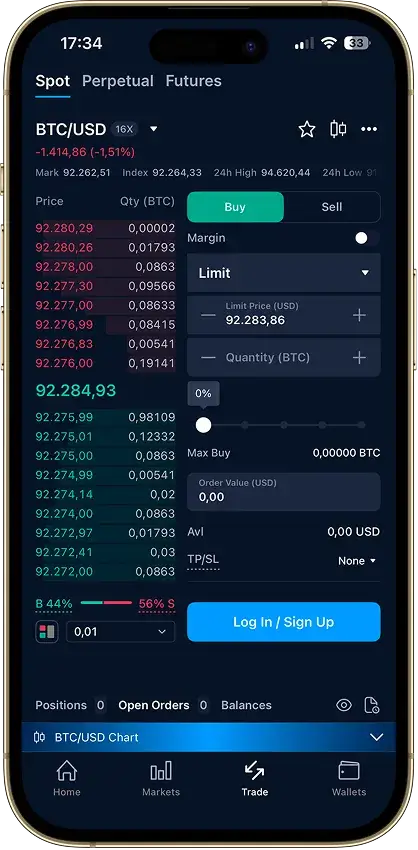
If you are trying to pick the best UK crypto exchange, the problem is rarely just finding a platform that lets you buy Bitcoin, Ethereum, or Solana. The harder part is finding one that actually works well for a UK user once you factor in GBP deposits, Faster Payments withdrawals, app quality, fees, and how clearly the platform explains its FCA position.
Some exchanges look cheap until you hit the retail buy screen. Others look familiar, but make it harder to verify the serving entity, move money back to your bank, or understand what protections really apply.
You only need to compare a handful of platforms because very few combine clean GBP rails, clear UK entity mapping, and competitive pricing. A small group of platforms now stands out for UK users, but each one wins for a different reason depending on whether you care most about low fees, easy onboarding, strong security controls, or clean GBP banking rails.
The comparison below is designed to help you narrow the field fast and avoid the usual mistakes before you fund an account.
Top UK Crypto Exchanges
- Regular proof of reserves and long security record
- Strong ACH, SEPA, and Faster Payments support
- Public company with audited financials
- 98%+ cold storage and strong account security
- Longest‑running exchange (since 2011) with Big Four‑audited financials
- Strong fiat rails
- About 95% cold storage, insurance, SOC 2 and ISO 27001
- 400+ supported cryptocurrencies
- Live proof of reserves and $750M cold‑storage insurance
- Visa prepaid card with up to 5% cashback
If cost matters most, Revolut X and Kraken lead. If you care more about simplicity or a familiar interface, Coinbase and eToro are usually easier to start with. If you want strong UK compliance posture with solid GBP banking support, Kraken, Bitstamp, Crypto.com, eToro, and Revolut are the cleaner names to compare first.
UK Crypto Exchanges Reviews

Kraken
Pros
- Strong security stack with passkeys, FIDO2 2FA support, Global Settings Lock, and PGP-signed email.
- User-verifiable proof of reserves remains stronger than what many competitors publish.
- Competitive Kraken Pro fee schedule, especially for users who avoid the simple buy/sell flow.
- Solid fiat funding rails for U.S. users, including free ACH deposits and reliable wire support.
- Broad product depth across spot, margin, futures, API trading, rewards, and U.S. stocks/ETFs.
Cons
- Simple buy, sell, and convert pricing is less attractive than Kraken Pro because spreads and added fees still apply.
- U.S. feature availability still depends on where you live and which product you use.
- ACH, PayPal, card, and some wallet-funded purchases can trigger temporary withdrawal holds.
- The mix of Kraken, Kraken Pro, and region-specific products adds complexity for beginners.

Coinbase
Pros
- Broad U.S. funding options, including ACH, wire, debit card, PayPal, Apple Pay, and Google Pay.
- 382 tradable assets and 504 active trading pairs on Coinbase Exchange, plus 550+ spot pairs on Coinbase Advanced.
- Strong account-security toolkit, including mandatory 2FA, security-key support, allowlisting, and vault withdrawals.
- Public-company disclosures and broad U.S. licensing add more transparency than many offshore competitors.
- Product depth extends beyond spot into staking, wallet, card, and API access.
Cons
- Standard buy and sell flows still carry spread-based pricing and can get expensive quickly.
- Coinbase does not currently offer exchange-wide, user-verifiable proof of reserves in the way PoR leaders do.
- Product availability varies by state, region, and feature.
- The best pricing and most capable trading tools sit behind Coinbase Advanced or Coinbase One, not the default retail interface.

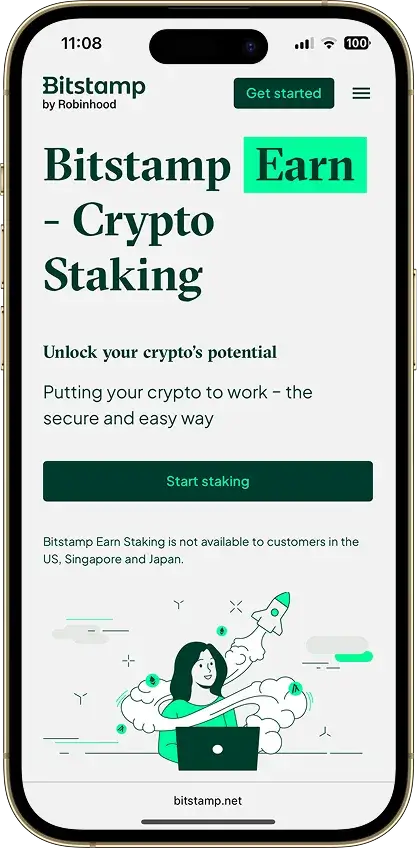
Bitstamp
Pros
- Proven security and transparency with about 95% cold storage and annual Big Four audits
- Robust fiat on/off‑ramps in the US, EU, and UK with fast bank payouts
- Clear, volume‑tiered pro fees; deep liquidity on BTC, ETH, and XRP majors
- 24/7 support channels with live chat and phone lines in key regions
- EU‑regulated perps for eligible users seeking simple hedging tools
Cons
- No margin or options; derivatives unavailable outside eligible EU markets
- Instant buys via cards/wallets carry about 4% fees and embedded spreads
- Curated roughly 100–115‑asset list is smaller than top‑tier rivals
- Strict KYC and address whitelisting add first‑time withdrawal friction

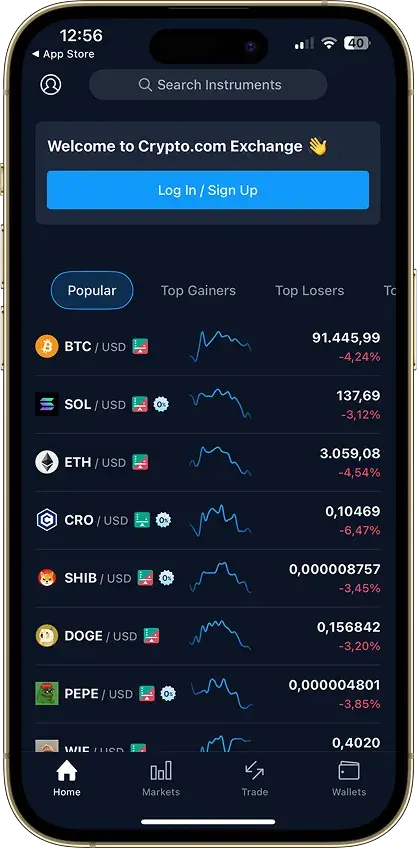
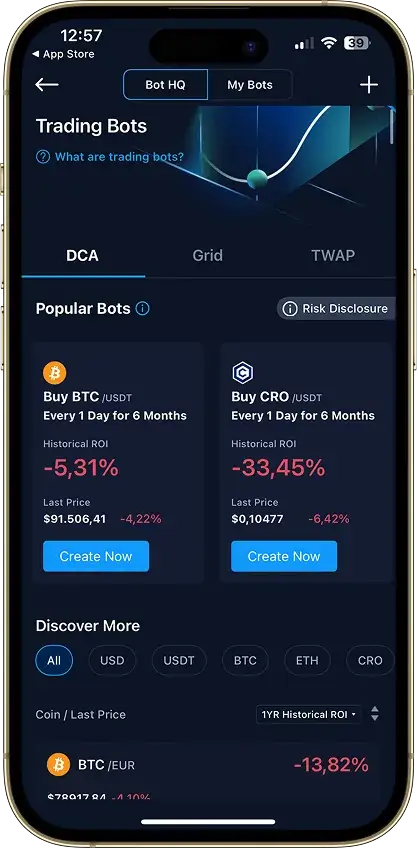
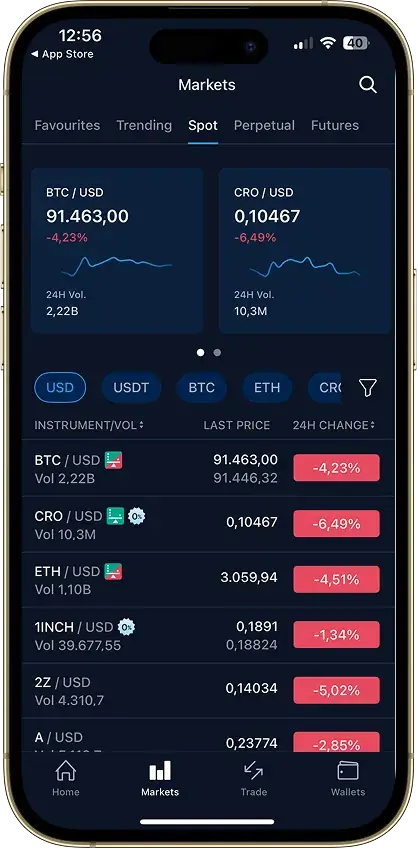
Crypto.com
Pros
- Broad asset coverage (400+ coins; 625 spot pairs)
- Public proof‑of‑reserves, cold storage with $750 M insurance
- Comprehensive fiat rails
- Visa card rewards up to 5% at higher tiers
- CRO perks unlock fee discounts and higher yields
Cons
- Simple buys via card carry higher all‑in costs than exchange limit orders
- Customer support sentiment is mixed
- Third‑party ratings are low and resolutions can be slow
- Feature gaps by region
- Fixed crypto withdrawal fees and minimums make small transfers uneconomical
The leading UK-friendly platforms solve different problems in practice. Kraken stands out as the strongest all-round option, Revolut X leads on headline spot fees, Coinbase Advanced is the easiest entry point for beginners, Bitstamp suits more cautious buy-and-hold users, Crypto.com Exchange offers broader product depth, and eToro works best for users who want crypto alongside stocks and ETFs.
Comparison Table
| Name | Total Assets | Products | Staking | Trading fees (low) | Trading fees (high) |
|---|---|---|---|---|---|
| | 500 | Spot, Margin, Futures or Perps, OTC, Simple-buy Broker | Yes | 0.00 | 0.40 |
| | 270 | Spot, Futures or Perps, OTC, Simple-buy Broker | Yes | 0.00 | 0.60 |
| | 107 | Spot, Futures or Perps, OTC | Yes | 0.00 | 0.40 |
| | 438 | Spot, Margin, Futures or Perps, Options, OTC, Simple-buy Broker | Yes | 0.00 | 0.50 |
Kraken remains the cleanest option if you want a proper exchange-style setup with transparent UK funding and withdrawal costs. Revolut X is the price leader for existing Revolut users, but it works best if you are comfortable moving money through the wider Revolut app. Coinbase is still one of the easiest on-ramps in the UK, though its retail buy flow is meaningfully more expensive than its Advanced screen.
Bitstamp stays UK-friendly and FCA-registered, but it is less tidy than Kraken or Coinbase when you try to compare every funding and withdrawal charge from one page. Crypto.com is competitive once the GBP account is fully set up, while eToro is the easiest platform here to understand but also the most expensive if your main goal is low-fee crypto trading.
Which Crypto Exchanges Are Legal in the UK?
In the UK, “legal” does not mean just one thing. An exchange can be accessible to UK users, registered with the Financial Conduct Authority for anti-money-laundering supervision, and still sit in a different position when it comes to broader financial regulation or how it is allowed to market to consumers.
Today, a crypto exchange that carries on in-scope cryptoasset services in the UK must register with the FCA under the Money Laundering Regulations before it starts trading. That registration covers anti-money-laundering and counter-terrorist-financing supervision. It does not turn most crypto exchange activity into a fully authorised investment service in the way many users assume.
The picture is changing again. The UK has already legislated for a broader cryptoasset regime under FSMA, with FCA applications for the new permissions due to open on Sep. 30, 2026 and the new regime expected to begin on Oct. 25, 2027. Until that regime starts, firms that provide in-scope services in the UK still need MLR registration.
What FCA Registration Actually Means
FCA registration for a cryptoasset business is a legal requirement for in-scope UK crypto services. It means the firm has been assessed for anti-money-laundering compliance under the MLR regime and is supervised on that basis. It is not an FCA endorsement, and the FCA says registered firms should avoid suggesting otherwise.
This distinction matters because many users read “FCA-registered” as a stamp of full consumer protection. In most cases, that is too broad. The FCA says its role under this regime is limited to AML and CTF registration, supervision, and enforcement. It also says that being registered as a cryptoasset business does not mean customers automatically benefit from the Financial Ombudsman Service or the Financial Services Compensation Scheme for those crypto services.
Do Crypto Exchanges Need a Licence in the UK?
Right now, most exchange-related crypto services in the UK do not use the word “licence” in the everyday consumer sense. The practical requirement today is FCA registration under the MLRs if the exchange is carrying on in-scope cryptoasset services in the UK. On top of that, any firm marketing qualifying cryptoassets to UK consumers must comply with the UK financial promotions regime.
That is why some platforms describe themselves as FCA-registered, while others rely on different legal structures to market to UK users. The broader authorisation model is coming, but it is not yet the main live framework for most crypto exchange activity. Once the new FSMA crypto regime starts, firms carrying out the new regulated cryptoasset activities will need FCA authorisation as well.
FCA-Registered vs UK-Friendly Offshore Exchanges
An FCA-registered exchange has a clear UK registration record for in-scope cryptoasset activity. A UK-friendly offshore exchange may still allow UK residents to open an account or use some services, but that alone does not mean it is registered with the FCA or that it can lawfully market every product to UK consumers.
This difference is especially important for promotions. Since Oct. 8, 2023, all cryptoasset firms marketing to UK consumers, including firms based overseas, have had to comply with the UK financial promotions regime. Readers who want to follow the broader backdrop can use our latest crypto regulation news hub and UK crypto news page for ongoing coverage. In practice, that means a platform being visible or usable in the UK is not the same as it being on the FCA register, and neither point tells the full story on its own.
For UK retail users, the cleanest setup is still an exchange that is both clearly available in the market and transparent about the legal entity, FCA status, funding rails, and any product restrictions. That is also why some large global exchanges appear in UK search results but are weaker fits for this page than platforms with more explicit UK registration and banking support.
How to Verify an Exchange on the FCA Register
Start with the FCA Firm Checker or the Financial Services Register and search the firm by name, not just by brand. Then match the legal entity, firm reference number, and contact details against what the exchange shows on its own website. If the site only talks about the brand and does not make the serving entity easy to find, treat that as a warning sign.
Next, check whether the firm is registered for cryptoasset activity, authorised for another service such as e-money, or both. These are not the same thing. A platform may have a UK payments or e-money entity while its crypto activity sits under a separate registration. That is one reason why entity mapping matters on this page.
Finally, check the FCA Warning List before sending money, especially if the domain, app name, or support contact looks slightly different from the main brand. The FCA notes that scammers and clone firms often copy the name, address, or reference number of a genuine business. A platform that is truly suitable for UK users should make its legal entity and compliance status easy to verify.
Cheapest UK Crypto Exchanges and Fee Comparison
For UK users, the cheapest exchange depends on how you actually trade. If you are happy to use an order book, Revolut X is the clear price leader on headline spot fees. If you want a more complete exchange setup with transparent GBP rails, Kraken is usually the best value overall. Coinbase Advanced remains a solid middle ground, while eToro is easy to understand but expensive for anyone who trades more than occasionally.
Some platforms look cheap until you leave the order book, buy with a card, move coins externally, or cash back out to a UK bank account.
| Platform | Cheapest route for UK users | What to watch |
|---|---|---|
| Revolut X | Trade inside Revolut X, not the main Revolut crypto flow | 0% maker and 0.09% taker look excellent, but external crypto withdrawals add a Revolut service fee of £1 or £3 plus network fees |
| Kraken | Use Kraken Pro for spot orders and Faster Payments for cash movement | Entry spot fees start at 0.25% maker and 0.40% taker. Kraken app instant buys add a 1% trading fee, and custom orders add 1.5% |
| Coinbase | Use Coinbase Advanced and Faster Payments | Base-tier Advanced fees run up to 0.40% maker and 0.60% taker. Simple buys include spread and other disclosed charges, so they are usually pricier than Advanced |
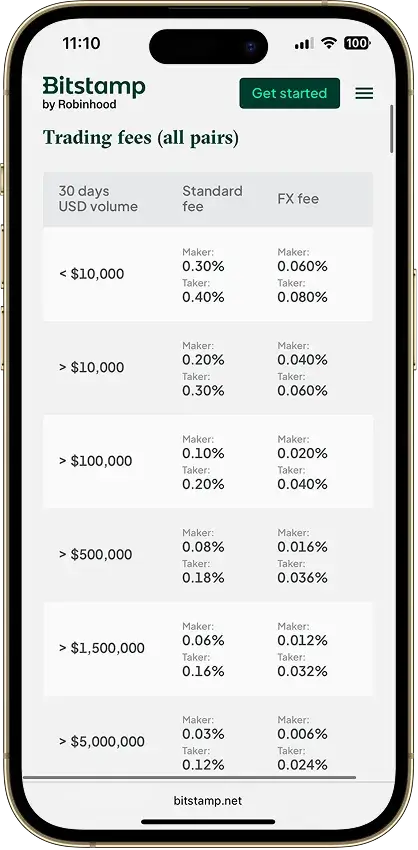
| Bitstamp | Use the Pro-style trading screen, not Quick Buy | Standard trading fees start at 0.30% maker and 0.40% taker below $10,000 of 30-day volume, then fall to 0.20% and 0.30% above $10,000 |
| Crypto.com Exchange | Use the Exchange after GBP setup is complete | Base Exchange fees start at 0.250% maker and 0.500% taker. The main app buy flow is usually more expensive, and GBP withdrawals cost £1.90 |
| eToro | Best only if simplicity matters more than trading cost | Crypto trades cost 1% to open and 1% to close. Transfers from the eToro platform to the eToro Money crypto wallet cost 2% |
Lowest Maker and Taker Fees
Revolut X is the cheapest option in pure exchange-fee terms. A 0% maker fee and 0.09% taker fee are hard to beat for UK retail users who already bank with Revolut and are comfortable trading through the exchange interface.
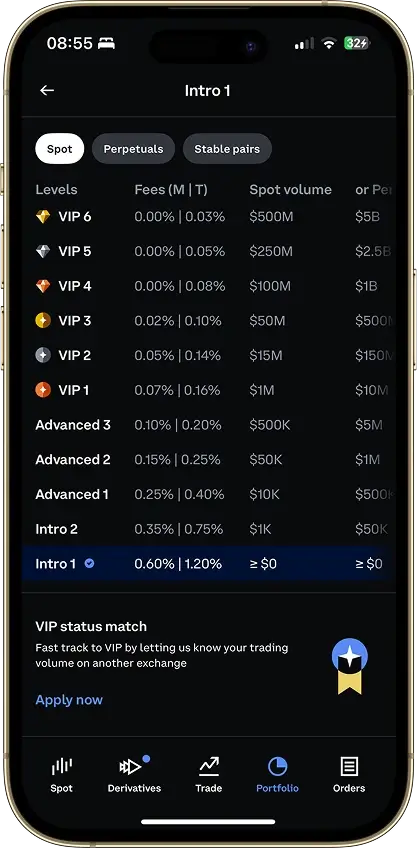
Kraken is the next best fit for most people because its entry tier of 0.25% maker and 0.40% taker is still competitive, and the GBP funding and withdrawal setup is cleaner than on most rivals. Bitstamp also deserves a look, especially once 30-day volume moves above $10,000, where its fees drop to 0.20% maker and 0.30% taker.
Coinbase Advanced is workable but not especially cheap at the base tier. Crypto.com Exchange sits close to Kraken on maker fees, but the higher taker fee makes it less appealing for users who place more market orders. eToro belongs at the bottom of this subsection because it is built more for convenience than for low-fee exchange trading.
| Rank for exchange-style spot trading | Platform | Entry-level pricing snapshot |
|---|---|---|
| 1 | Revolut X | 0.00% maker / 0.09% taker |
| 2 | Kraken Pro | 0.25% maker / 0.40% taker |
| 3 | Bitstamp | 0.30% maker / 0.40% taker under $10k volume, then 0.20% / 0.30% above $10k |
| 4 | Crypto.com Exchange | 0.250% maker / 0.500% taker before discounts |
| 5 | Coinbase Advanced | Up to 0.40% maker / up to 0.60% taker |
| 6 | eToro | 1% to open and 1% to close crypto positions |
Lowest All-in Cost for Beginners
This is where the headline fee tables stop being enough. If you care more about simplicity than advanced order types, our guide to crypto exchanges for beginners is a better companion to this section. Many beginners do not place maker orders, and many never touch the exchange interface that unlocks the best price. That changes the ranking.
For a genuine beginner who is willing to learn one extra screen, Kraken Pro is usually the best value because its core trading fee is still modest and its UK banking flow is simple. Coinbase Advanced is a strong second choice if ease of use matters more than squeezing every basis point. Revolut X can be cheaper than both, but only for users who are already comfortable moving between the main Revolut app and Revolut X. It is not the cheapest beginner option if the user stays in the standard Revolut crypto flow.
eToro is the clearest example of a platform that is simple but not cheap. The 1% buy fee is easy to understand, yet the same 1% applies again when you sell. That means the round-trip trading cost is already about 2% before market spread. Kraken instant buys are easier than Kraken Pro, but the 1% fee on instant and recurring transactions means the convenience premium shows up fast.
Worked example — buying and later selling £1,000 of BTC, assuming no price change and using the cheapest practical route on each platform
| Platform | Buy cost | Sell cost | GBP cash-out cost | Estimated round-trip platform cost |
|---|---|---|---|---|
| Revolut X | About £0.90 as a taker | About £0.90 as a taker | None to move back to Revolut cash balance | About £1.80 before any spread or external withdrawal costs |
| Kraken Pro | About £4.00 as a taker | About £4.00 as a taker | £1.95 via Faster Payments | About £9.95 |
| Coinbase Advanced | About £6.00 as a taker | About £6.00 as a taker | Free via Faster Payments | About £12.00 |
| eToro | About £10.00 | About £10.00 | Free from GBP local account | About £20.00 before market spread |
This is why “lowest fees” and “lowest real cost” are not the same thing. A user who stays on exchange-style order books can keep costs low. A user who buys through the easiest retail flow often pays much more.
Cheapest GBP Withdrawals and Bank Transfers
Coinbase and eToro are the cleanest options for GBP cash-outs on paper because both support free local withdrawals for the relevant UK account flow. Kraken stays very competitive even with a £1.95 Faster Payments withdrawal fee because its banking process is transparent and Faster Payments withdrawals are typically near-instant. Crypto.com is close behind with a £1.90 GBP withdrawal fee, though its GBP rail needs to be set up first.
Revolut X is slightly different because the exchange itself is not really the final banking destination. In practice, UK users move funds back to the main Revolut cash balance and then use Revolut’s normal banking rails. That works well if you already use Revolut as your main money app, but it is less direct than a standard exchange-to-bank withdrawal flow.
Bitstamp supports UK bank funding and withdrawals, but it is less tidy than Kraken or Coinbase when you try to compare every GBP cash fee and timing rule from one place. For users who care most about smooth GBP withdrawals, Kraken and Coinbase are still the easiest platforms to justify.
| Platform | UK bank withdrawal position | Main friction point |
|---|---|---|
| Coinbase | Free Faster Payments withdrawals | Trading can be expensive if you stay outside Advanced |
| eToro | Free from GBP local account | Trading costs are high for active crypto users |
| Kraken | £1.95 Faster Payments withdrawal, usually near-instant | Card or PayPal funding can trigger temporary withdrawal holds |
| Crypto.com Exchange | £1.90 GBP withdrawal | GBP account setup adds an extra step |
| Revolut X | No separate X cash-out fee into Revolut cash balance | Works best if you already live inside the Revolut ecosystem |
| Bitstamp | UK-friendly bank rails | Fee visibility is less clean than the best UK rivals |
Hidden Costs — Spreads, Card Fees, and Network Fees
The biggest pricing mistake UK users make is comparing only maker and taker fees. In practice, there are at least four extra costs that can matter more than the trading fee itself.
The first is the simple-buy premium. Kraken charges 1% on instant and recurring transactions and 1.5% on custom orders. Coinbase says its retail buy, sell, and convert flow includes spread and other disclosed charges, which is why Advanced is usually the better-value route. Revolut X is cheap, but the standard Revolut crypto flow follows a different pricing model. eToro makes its pricing simple, but that simplicity comes at a cost because you pay 1% when you open and another 1% when you close.
The second is wallet movement. External crypto withdrawals on Kraken, Coinbase, Bitstamp, and Crypto.com all pick up network fees. Revolut X adds its own fixed service fee on top of the network fee for external crypto withdrawals. eToro has one of the least obvious wallet costs here because moving crypto from the eToro trading platform to the eToro Money crypto wallet carries a 2% transfer fee. If you mainly move stablecoins such as USDC or USDT off-platform, our USDC wallets and USDT wallets guides are a better companion to this section than another exchange fee table.
The third is card and convenience funding. Debit card top-ups and app-based instant purchases are often easier than bank transfer, but they tend to be the more expensive route. On Kraken, certain card, PayPal, or digital-wallet purchases can also trigger a temporary 72-hour withdrawal hold, which is not a fee but still matters if you need quick access to cash or crypto.
The fourth is the difference between buying to hold and buying to self-custody. A platform can look cheap if you only buy and sell inside the app. The moment you move coins out to your own wallet, transfer fees and blockchain costs start to matter. That is one reason Kraken and Coinbase often end up cheaper in real life than they first appear, while eToro can look acceptable at entry and then become expensive once you want the asset somewhere else. That matters especially for Ethereum (ETH) and other ERC-20 assets, so our Ethereum wallets guide is a useful next read if you plan to self-custody on those networks.
The simplest rule is this: compare the full path, not the headline fee. In the UK, that usually means checking the trading screen you will actually use, the GBP withdrawal method you will actually use, and whether you plan to keep the asset on-platform or move it out later.
Best UK Crypto Exchange for Bank Transfers and Fiat Withdrawals
If your main goal is moving GBP in and out cleanly, the ranking changes slightly. Trading fees still matter, but the more important questions become whether Faster Payments is available, whether deposits are free, how clearly the withdrawal rules are published, and whether you need to send money back to a bank account already tied to your profile.
For that use case, Kraken is still the best all-rounder. If you are moving larger sums rather than normal retail transfers, OTC crypto exchanges can be a better fit than a standard app-based venue. Coinbase is the easiest zero-fee cash-out option. Crypto.com is the strongest choice if you want the clearest published UK withdrawal limits. eToro works well if you already like the idea of a local-currency account inside a broader investing app. Revolut X is useful, but it works more like an extension of the wider Revolut ecosystem than a standalone exchange-to-bank setup.
| Platform | GBP Rails | Fees & Timing | Best For |
|---|---|---|---|
| Kraken | FPS in and out | Free in, £1.95 out. Deposits usually 0–1 bd, first deposit up to 1–3 bd. Withdrawals near-instant. £2 min in, £5 min out. Some card, PayPal, and wallet buys trigger a 72-hour hold. | Best overall for UK bank transfers |
| Coinbase | FPS in and out | Free in and out. Official timing still 1–3 bd. Limits vary by account. Verified bank account in your name required. | Best zero-fee GBP cash-out |
| Crypto.com | FPS via GBP account | Free in, £1.90 out. Withdrawals about one business day. £70 min out, £100k daily, £500k monthly. You must activate GBP withdrawals with a deposit from your own bank first. | Best for clearly published UK withdrawal rules |
| Bitstamp by Robinhood | FPS or bank transfer | Free FPS deposits, £2.00 FPS withdrawals. Bank withdrawals usually 1–2 bd. UK limits are less clearly surfaced. Personal bank account required. | Good fallback for simple UK bank rails |
| eToro | GBP local account | Free from local-currency accounts. Processed by end of next business day, though the payment processor may add a few days. No minimum from local currency accounts. | Best for local-currency convenience |
| Revolut X | Revolut cash balance | No separate X cash-out fee. Timing depends on the internal move and the banking route used. Limits depend on your wider Revolut account. | Best if you already use Revolut daily |
Kraken has the cleanest dedicated exchange-to-bank workflow for UK users. The deposit and withdrawal rules are easy to compare, Faster Payments is built in, and the platform is transparent about fees, minimums, and temporary withdrawal holds after certain instant funding methods. That makes it the best fit for someone who wants a proper crypto exchange with reliable GBP rails.
Coinbase is almost as easy to justify if your priority is free GBP cash-outs and simple linking to a UK bank account. Crypto.com deserves credit for publishing more UK withdrawal detail than many rivals, including the £70 minimum and the daily and monthly caps. eToro is more of a local-account convenience play than a dedicated exchange-banking winner, while Revolut X works best when the exchange is only one part of a wider Revolut setup.
Safest UK Crypto Exchanges
Safety and legality overlap, but they are not the same thing. An exchange can be legally available in the UK and still give you very little that you can verify yourself. The safest platforms on this page stand out because they combine strong account-level controls, clear custody language, and some form of reserve or balance transparency that goes beyond generic marketing claims. If you plan to move assets off-platform after buying, our crypto wallets hub and guide to self-custodial wallets are the natural next reads.
On that basis, Kraken is the strongest pure exchange safety pick for most UK users. Crypto.com is close behind on controls and proof-of-reserves. Coinbase stands out more for account security and support than for exchange-style reserve transparency. Bitstamp stands out here because it publishes more concrete custody detail than many rivals, including 1:1 customer asset backing, about 95% of crypto held in cold storage, crime-insurance coverage, and annual Big Four audits since 2016.
| Platform | Safety Edge | Key Protection | Limitation |
|---|---|---|---|
| Kraken | Current, user-verifiable proof-of-reserves plus strong UK fiat support | Passkeys, multiple 2FA methods, email confirmations for new withdrawal addresses, Global Settings Lock, and a Master Key option | Still an exchange, not a bank. Users rely on Kraken’s controls and disclosures rather than deposit-guarantee protections |
| Crypto.com | Strong reserve transparency inside a mobile-first ecosystem | 2FA on sensitive actions, address whitelisting, passkey verification, and 1:1 customer-asset language | The product stack is busier than Kraken, which can make controls harder for beginners to read quickly |
| Coinbase | Strong mainstream support and account-recovery posture | Auto-enrolled 2FA, security key support, multi-approval withdrawals in Coinbase Vault, and 24/7 live support | Less crypto-native reserve transparency than Kraken or Crypto.com |
| Bitstamp by Robinhood | Conservative custody detail and long operating history | 1:1 asset-backing language, about 95% of crypto in cold storage, annual Big Four audits, and obligatory 2FA | Less directly user-verifiable than Kraken’s proof-of-reserves model |
| Revolut | Familiar consumer-app security inside a broader money ecosystem | Passkeys, 2FA, and biometric authentication for crypto withdrawals | Weaker exchange-style transparency around reserves than the strongest crypto-native platforms |
| eToro | Mainstream payment and account controls | Standard verification checks, payment-method ownership rules, and local-currency account controls | Not built around proof-of-reserves style transparency |
Kraken leads this section because it is the only platform here that combines UK-friendly fiat rails with a current, user-verifiable proof-of-reserves program and unusually deep account controls. Crypto.com is the closest alternative if you want reserve verification and strong withdrawal protections inside a mobile-first ecosystem.
If you care more about mainstream support and easier account recovery than about crypto-native reserve attestations, Coinbase is a strong second route. Bitstamp is the quieter name here, but it remains a serious option for cautious UK users because of its cold-storage posture, annual audit language, and 24/7 support. Revolut and eToro can feel safer to users who already trust those apps, but they are not as strong as Kraken or Crypto.com on crypto-specific transparency.
Best UK Crypto Exchange Apps
For most UK users, the best crypto app is not just the prettiest one. It is the one that makes the full mobile workflow easy, from signing in securely to funding the account, placing the order you actually want, setting alerts or recurring buys, and moving money back out again without forcing you onto desktop.
Kraken is the best mobile app for trading-first users. Coinbase is the easiest app for beginners. Crypto.com is the strongest all-in-one app if you want alerts, recurring buys, and cash handling in one place. Revolut X is the best low-fee mobile trading app for users already inside the Revolut ecosystem. eToro remains the cleanest multi-asset app, while Bitstamp is more practical than flashy.
| App | Best for | iOS and Android support | What works especially well on mobile | Main trade-off |
|---|---|---|---|---|
| Kraken | Best overall crypto trading app | Yes. Kraken and Kraken Pro are both available on iOS and Android | Clean split between simple app and Kraken Pro. Recurring buys, quick deposits, and a strong security stack work well on mobile | Users who just want one very simple interface may find the app split slightly confusing at first |
| Coinbase | Best beginner app | Yes | Simple buy flow, Advanced tools, recurring buys, PIN or Face ID, and strong account-security controls | Easy to use, but the default mobile buy flow is more expensive than Advanced |
| Crypto.com App | Best all-in-one mobile crypto app | Yes. The app supports iOS 15+ and Android 8.0+ | Biometrics, alerts, recurring buys, cash deposit and withdrawal flows, and broad in-app product coverage | Busy interface. It can feel crowded if you only want a clean spot-trading app |
| Revolut X | Best low-fee app for existing Revolut users | Yes. Revolut X has its own mobile app on iOS and Android | Dedicated trading app with low fees and analytical tools, plus smooth movement to and from the main Revolut app | The best everyday cash and recurring-buy features still lean on the main Revolut app, not just Revolut X |
| eToro | Best multi-asset app | Yes | Clean mobile investing experience, biometric login, recurring investments, and simple GBP withdrawals from the local account | Better for convenience than for low-fee crypto trading |
| Bitstamp by Robinhood | Best for a simple two-mode setup | Yes | Basic mode for quick buys and Pro mode for more active trading, plus recurring buys and mobile withdrawal confirmations | Less polished than Coinbase or Kraken, and lighter on extra app features |
Kraken deserves the top spot because it gives mobile users two clear paths. The main Kraken app is good for quick buys, custom orders, and recurring purchases, while Kraken Pro covers the trading-first side on the same account. Kraken also supports stronger-than-average mobile security, including passkeys, multiple 2FA methods, Global Settings Lock, and tighter withdrawal controls. That makes it the best fit for UK users who want the app to be their main trading interface, not just a companion.
Coinbase is the easiest app to recommend to a beginner because it does not make the mobile experience feel like a cut-down version of the platform. The regular app is clean, recurring buys are simple to manage, and users can add PIN or biometric protection on mobile. Coinbase Advanced is also available as part of the same wider product setup, which matters because the standard buy flow is much more expensive than the advanced route.
Crypto.com is the strongest all-in-one mobile product on this list. The app supports biometric login, cash deposits and withdrawals, recurring buys, notifications, and multiple types of price alerts. It feels more like a full crypto super-app than a narrow exchange client. The downside is that it can feel crowded, especially for UK users who just want spot trading and GBP withdrawals without extra tabs, rewards, or product layers.
Revolut X is a strong mobile trading app if you already use Revolut as your main money app. It now has a dedicated mobile app for iOS and Android, and it is the cleanest low-fee choice here for order-book trading on a phone. The catch is that the full cash-handling experience still relies on the wider Revolut app. That is not a problem for existing Revolut users, but it makes the setup less direct than Kraken or Coinbase for someone starting from scratch.
Bitstamp and eToro are both good enough on mobile, but for different reasons. Bitstamp keeps things simple with Basic and Pro modes in the app and supports recurring buys and mobile withdrawal confirmations. eToro is stronger for users who want crypto alongside stocks and ETFs, with biometric authentication, recurring investment plans, and easy local-account withdrawals, but it is not the best app for frequent crypto trading because the fee model is much heavier.
Leverage Trading in the UK — What Is Actually Available
This is the section where UK users most often get misled by old guides and offshore marketing. For most retail users in the UK, crypto leverage is still heavily restricted. The FCA’s long-standing ban on the sale of cryptoasset derivatives to retail consumers remains in place for products such as CFDs, futures, and options that reference qualifying cryptoassets.
What changed recently is not a return of exchange-style crypto leverage. From Oct. 8, 2025, UK retail consumers were allowed to access certain crypto exchange traded notes again when those products are listed on the FCA Official List and admitted to trading on a UK Recognised Investment Exchange. The policy shift is covered in our piece on the UK retail crypto ETN change. That is a meaningful change, but it is not the same thing as logging into a crypto exchange and trading perpetuals or CFDs with leverage.
Can UK Retail Users Trade Leveraged Crypto?
In most cases, not in the way many global crypto guides suggest. UK retail users are still blocked from buying mainstream crypto derivatives such as CFDs, futures, and options under the FCA retail ban. That means high-leverage crypto trading is not a normal feature to expect from the UK-facing exchanges on this page.
The main exception now is listed crypto ETNs on qualifying UK venues. Readers comparing broader derivatives platforms can also use our crypto futures exchanges page as a reference point, though UK retail access is a separate question. These are exchange-traded products, not direct crypto futures or perpetuals inside a crypto exchange account. They can give users market exposure, but they do not recreate the same trading experience or risk profile as a leveraged offshore derivatives platform.
Spot Margin vs Crypto Derivatives in the UK
Spot margin and crypto derivatives are not the same thing. Spot margin means borrowing against spot assets or account collateral to enlarge a position in the underlying asset. You still end up with spot-style exposure, even though leverage is involved.
Crypto derivatives are separate contracts whose value references a cryptoasset rather than representing direct ownership of it. That includes CFDs, futures, options, and perpetual contracts. In UK retail policy terms, those derivative products are the area where the FCA ban is most important.
For ordinary UK users, the practical takeaway is simple. If a platform is talking about high leverage, perpetuals, or crypto CFDs, it is usually describing a product set that does not sit comfortably inside the normal UK retail framework. That is why most mainstream UK-facing exchange apps focus on spot, recurring buys, and basic custody rather than on leverage as a headline feature.
What UK Users Should Check Before Using Leverage
Start with the legal entity and the product itself. A platform being available in the UK does not mean every advanced product it offers globally is available to UK retail clients. Check whether you are looking at spot trading, an exchange-traded product, or a derivatives contract before you compare risk.
Then check the restrictions that apply to your account type and region. Some firms use different legal entities for different countries, and product access can change sharply depending on whether you are classed as a retail client, whether you are using a UK-facing entity, and whether the product falls under the FCA retail ban.
Finally, do not treat leverage as just a fee comparison issue. Liquidation risk, auto-close mechanics, funding costs, and overnight exposure matter more than the headline commission. In the UK, that is one reason why the better question is usually not “Which exchange gives me the most leverage?” but “Is this product actually available to me, and does it fit the UK retail rules at all?”
No-KYC and P2P Crypto Exchanges in the UK
In the UK, “no-KYC” is not really one category. A decentralised exchange lets users swap assets on-chain from a self-custody wallet, usually without opening a traditional account. A P2P platform matches buyers and sellers directly and may sit somewhere between a marketplace and an escrow service. A centralised exchange with lighter onboarding may let users browse, deposit crypto, or do limited crypto-to-crypto activity before asking for fuller checks later.
For UK users, the privacy question changes the moment fiat enters the flow. GBP deposits and withdrawals usually trigger normal identity checks because the exchange has to deal with named bank accounts, card networks, anti-money-laundering rules, and transfer screening.
Since Sep. 1, 2023, UK cryptoasset businesses have also had to comply with the Travel Rule for crypto transfers. That requires certain sender and recipient information to be collected and shared when transfers fall within scope.
From 2026, HMRC reporting adds another layer of data collection for in-scope providers. In practice, a service can feel light on verification for crypto-to-crypto activity, then become much more verification-heavy once you try to move money in or out through UK payment rails.
That is why “no-KYC exchange UK” often means something narrower than many search results suggest. A user may be able to swap crypto on-chain without handing over a passport. The moment that same user wants to fund the account from a UK bank, cash out to GBP, or use a card-linked payment rail, identity checks become the norm rather than the exception.
The trade-offs are clear. DEXs usually offer the most privacy, but they do not solve the fiat on-ramp problem and they put more responsibility on the user for wallet security, transaction review, and asset recovery. P2P platforms can help people move between crypto and cash outside a traditional exchange interface, but they raise different risks around payment reversals, impersonation, fraud, and disputes with the counterparty. A lighter-onboarding centralised exchange may feel easier at first, yet it can still ask for documents the moment you try to withdraw fiat, move size, or trigger an internal risk check.
For most UK users, the honest takeaway is simple. If the goal is crypto-to-crypto privacy, a DEX is the clearest route, and our Uniswap review shows how that wallet-first model differs from a fiat-first exchange. If the goal is buying or selling crypto for GBP, identity checks are usually part of the deal. That does not automatically make a platform better or worse, but it does mean users should be sceptical of any UK-facing service that implies fully frictionless GBP access with no meaningful verification.
UK-Based Crypto Exchanges vs Global Exchanges That Serve UK Users
“UK crypto exchange” also means different things depending on what the user is really asking for. Some people mean a platform that was founded in Britain. Others mean a platform that has a UK legal entity, UK banking rails, and a clean FCA footprint. In practice, the second definition is usually the more useful one.
A UK-founded exchange is simply a platform whose business started in the UK. That tells you something about its origin, but not necessarily how strong its current crypto offering is, how its custody works, or how well it serves UK users today. Revolut is a good example of a UK-founded financial app that now offers crypto trading, but that is different from being a crypto-native exchange built around order books and on-chain withdrawals.
An exchange operating through a UK entity is usually more relevant for this page. That means the group has a specific company serving UK users, a clearer compliance footprint, and more explicit responsibility for local payments, disclosures, and account handling. Kraken, Coinbase, Bitstamp, Crypto.com, and eToro all fit this idea better than the phrase “UK-founded” on its own.
A global exchange that still serves UK residents is broader again. These platforms may have an international brand, group structure, and custody model, but still let UK users access spot trading, custody, or some payment features through a local entity or a ring-fenced UK setup. The key question is not where the parent company started. It is which legal entity serves the UK account, what products are actually available in that entity, and whether the banking and compliance flows are built for UK users rather than just tolerated.
A UK-friendly exchange that is not UK-based is the loosest category. It may accept UK residents, display GBP pricing, or provide some localised support, but its main operations, registration, and customer handling may still sit elsewhere. These platforms can work for some users, but they often create the biggest gap between search intent and real experience because “available in the UK” is not the same thing as “set up cleanly for the UK market.”
That is why this page treats “UK crypto exchange” as a practical label, not a nationality test. For most users, the best UK exchange is the one with working GBP rails, a clear UK entity, a verifiable FCA status where relevant, and product access that matches UK rules. Whether the parent group started in London, San Francisco, or elsewhere matters much less than whether the UK user can fund, trade, withdraw, and get support without falling into a grey area.
How We Ranked the Best UK Crypto Exchanges
This page uses CryptoSlate’s exchange scoring framework, but it is adapted for the UK rather than copied from a global rankings template. We looked at security and custody, proof of reserves and transparency, regulatory posture, market quality and reliability, fees and pricing, on and off-ramps, product breadth, UX and support, and API and pro tooling. A platform did not rank well here just because it was large, familiar, or cheap on one screen.
The biggest adjustment was weight. In a global roundup, a platform can still look strong even if local banking support is thin or the serving entity is hard to trace. On a UK page, those problems matter much more. GBP deposit and withdrawal support, retail product access, legal-entity clarity, and FCA-facing compliance posture all carry extra weight because they change the actual user experience, not just the legal fine print.
That is why some exchanges that are globally popular do not automatically rise to the top here. A platform could have low spot fees and still rank lower if GBP withdrawals were awkward, if product access changed sharply for UK users, or if reserve transparency was too weak compared with Kraken or Crypto.com. The goal was not to reward the biggest name. It was to reward the best fit for a UK user who wants to fund, trade, withdraw, and verify what they are dealing with.
We also separated convenience from value. Coinbase and eToro score well for app design, onboarding, and familiar money flows, but they are not the fee leaders. Revolut X stands out on headline pricing, but it works best for users already inside the Revolut ecosystem. Kraken remains the strongest all-rounder because it combines competitive spot pricing, clean UK banking rails, strong security controls, and one of the clearest proof-of-reserves programs on this page.
How to Choose the Best Crypto Exchange in the United Kingdom
The best UK crypto exchange depends less on brand size than on what you actually need the platform to do. If your priority is cheap spot trading and you already use Revolut every day, Revolut X is the value pick. If you want the strongest overall balance of GBP rails, transparency, product depth, and safety controls, Kraken is the default choice for most users. If you are brand new and want the easiest path from a UK bank account into crypto, Coinbase is usually the simplest starting point. It is also one of the cleaner crypto exchanges for beginners in the wider hub.
The next question is how you plan to move money. If you expect to deposit and withdraw GBP often, look first at Faster Payments support, bank-account verification rules, and withdrawal fees. Kraken and Coinbase are the easiest dedicated exchange options here. Crypto.com is worth a look if you want more clearly published UK withdrawal limits, while eToro works better as a local-currency investing account than as a low-fee crypto trading venue.
Then look at how much control you want. If you care about proof of reserves, self-verifiable transparency, passkeys, address controls, and exchange-native security features, Kraken and Crypto.com deserve more attention than simpler retail apps. If you care more about mainstream support, easier account recovery, and a cleaner beginner experience, Coinbase is easier to live with even if it is not the cheapest. Bitstamp sits in the middle as a quieter option with a more conservative custody posture than many users realise.
Match the platform to your main use case. Choose Kraken for the best all-round exchange setup. Choose Revolut X if you want low spot fees inside an app ecosystem you already use. Choose Coinbase if ease matters more than squeezing every basis point. Choose Crypto.com if you want a broader mobile product stack. Choose eToro if you want crypto alongside stocks and ETFs. If your end goal is spending rather than just holding, the best crypto cards hub is a better next stop than another exchange review. If a platform looks attractive only because it is available in the UK, but its banking rails, legal entity, or product access feel vague, that is usually a sign to keep looking.
Tax and HMRC Reporting for UK Crypto Users
In the UK, crypto can become taxable when you dispose of it, not just when you cash out. HMRC says disposals can include selling crypto, exchanging one token for another, giving tokens away, or spending crypto on goods or services. In less common cases where your activity amounts to trading, or where you receive crypto as income, Income Tax can apply instead of or before Capital Gains Tax.
This matters when choosing an exchange because the platform becomes part of your tax record. Good export tools do not remove the need for your own records, but they make it much easier to reconstruct buys, sells, transfers, and GBP values at the right time. A weak export history can turn even a small portfolio into an admin problem when you need to file. Our crypto tax and compliance news section is the best place to track further rule changes that affect UK users.
Do UK Crypto Exchanges Report to HMRC?
Yes. UK cryptoasset service providers now have to collect user and transaction data and report it to HMRC under the Cryptoasset Reporting Framework. GOV.UK also says users of UK cryptoasset service providers need to provide identifying information so HMRC can link crypto activity to tax records. The specific 2026 reporting shift is covered in our article on HMRC crypto reporting rules. That does not mean every user will owe tax, but it does mean exchange activity should not be treated as invisible.
What Records UK Users Should Keep
Keep your full trade history, deposit and withdrawal records, conversions between assets, wallet-to-wallet transfers, and the GBP value of each relevant transaction at the time it happened. Exchange exports help, but they are not enough on their own because assets often move between platforms and self-custody wallets. The safest approach is to keep your own running record of dates, amounts, wallet addresses, counterparties where relevant, and any fees paid.
How to Start Using a UK Crypto Exchange
Starting on a UK crypto exchange is usually simple if you follow the funding path in the right order. The main things that trip people up are using the expensive buy screen instead of the cheaper trading screen, trying to send money from an account in someone else’s name, and withdrawing too quickly after using a card or instant payment method.
Most UK users will have the smoothest first experience if they use a bank transfer in GBP, complete verification early, and decide in advance whether they want a simple app experience or a cheaper order-book interface.
- Choose the exchange that matches your real use case.Pick Kraken if you want the strongest all-round setup, Revolut X if you already use Revolut and care about fees, Coinbase if you want the easiest beginner route, or Crypto.com if you want a broader mobile product stack.
- Create your account and secure it properly.Use a strong password, turn on 2FA or passkeys where available, and verify your email and phone number before you deposit anything.
- Complete identity checks before you need to move money.Most UK-facing exchanges will ask for ID before you can use GBP rails. Doing this early reduces the chance of delays when you want to deposit or withdraw.
- Link your UK bank account and deposit GBP.Faster Payments is usually the cheapest and cleanest route. Make sure the bank account is in your own name and matches the exchange profile exactly.
- Use the cheaper trading screen if you care about cost.On Kraken that usually means Kraken Pro. On Coinbase that usually means Advanced. If you stay in the default retail buy flow, you will often pay more in spread and convenience fees.
- Buy your crypto and decide where it will live.If you plan to trade actively, you may keep it on the exchange. If you plan to hold it longer-term, you may prefer to withdraw it to your own wallet after purchase. If this is your first time doing that, our best crypto wallets for beginners guide is the cleanest next step. If you are starting with BTC specifically, Bitcoin wallets is the more focused follow-up.
- Test a small withdrawal before moving larger sums.If you plan to cash back out to GBP, try a small Faster Payments withdrawal first. If you plan to self-custody, test a small crypto withdrawal to your wallet before sending a larger amount.