U.S. exchange access is a state-and-product question before it is a company question. Two residents can see different signup outcomes, and one approved account can expose spot trading while withholding another service. Dollar funding adds a second set of conditions because an ACH credit may support an order while remaining ineligible for cash-out. A useful comparison therefore joins the state screen, account company, bank ledger, order record, and eventual exit instead of treating a national homepage as proof of access.
Top Crypto Exchanges in the USA
- Cost
- Pro spot base: maker 0.25%, taker 0.40%
- Assets
- 643 crypto (review)
- Fiat funding
- ACH (US); SEPA (EEA); FPS (UK)
- Check your own balance in its reserve proof
- No breach has cost clients their funds
- Kraken+ waives buy fees on $10,000 a month
- Cost
- Advanced spot base: maker 0.40%, taker 0.60%
- Assets
- 382 tradable (review)
- Fiat funding
- ACH/wire (US); cards/PayPal if eligible
- 24/7 live phone support for every customer
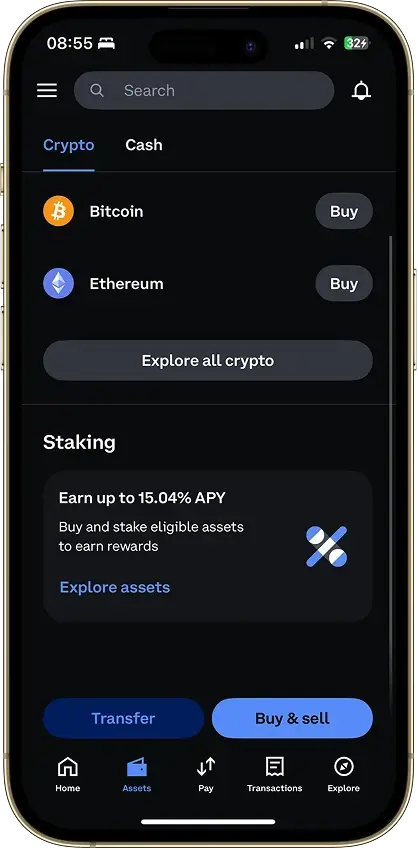
- Simple Buy and Advanced share one balance
- Pass-through FDIC cover on USD cash
- Cost
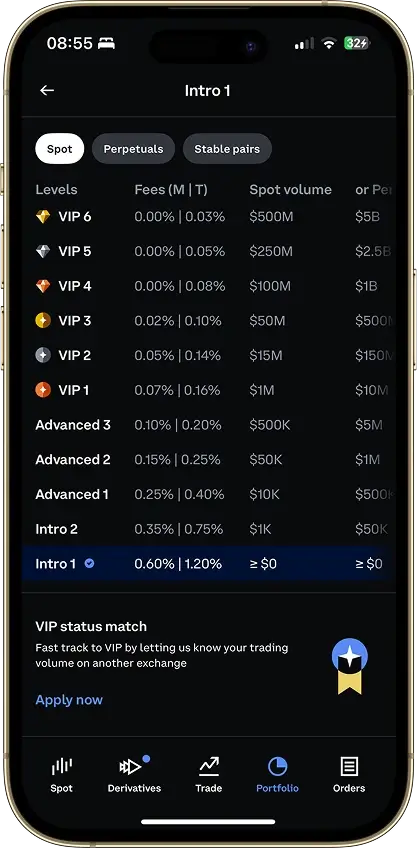
- Spot base: maker 0.60%, taker 1.20%
- Assets
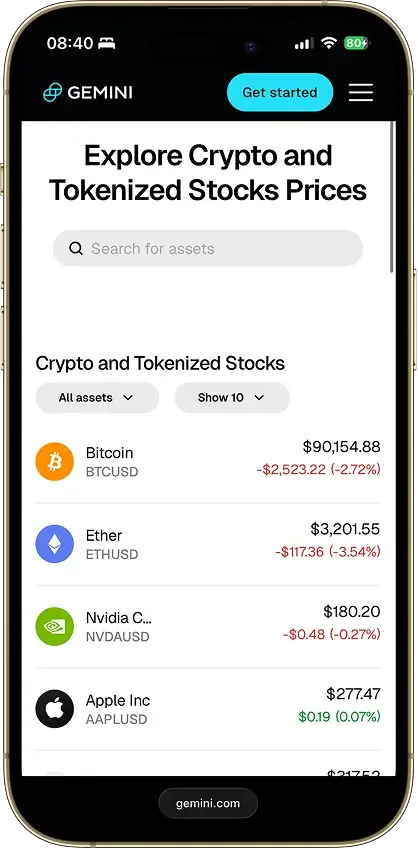
- 70+ crypto
- Fiat funding
- ACH/wire (US); cards/PayPal (US)
- Audited financials and SOC examinations
- Every state plus D.C. and Puerto Rico
- No-fee credit card that pays back in crypto
- Cost
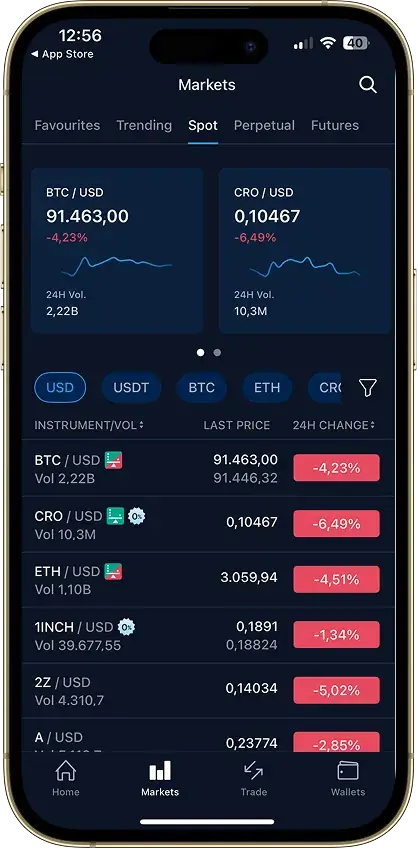
- Exchange spot base: maker 0.25%, taker 0.50%
- Assets
- 400+ crypto
- Fiat funding
- ACH (US); SEPA (EEA); cards
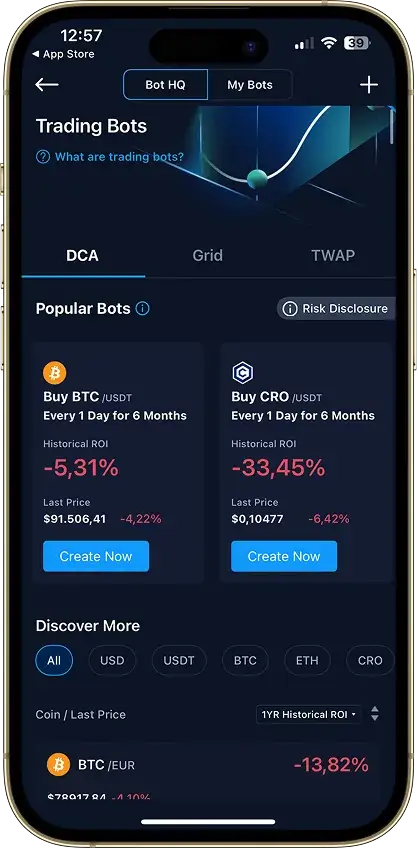
- DCA and Grid bots for U.S. spot traders
- Mandatory whitelist for withdrawal addresses
- Discretionary $250,000 cover for unauthorized use
- Cost
- Pro spot base: maker 0.30%, taker 0.40%
- Assets
- 107 crypto
- Fiat funding
- ACH (US); SEPA (EEA); wires
- 50+ licenses, including a New York BitLicense
- HTTP, WebSocket, FIX and PSD2 banking APIs
- USD, EUR, GBP and SGD order books
- Cost
- $0 US spot commission; spread ~0.3–0.8%
- Assets
- 25+ crypto (US/EU)
- Fiat funding
- ACH (US); SEPA (EU); debit cards
- Pick market-maker or exchange routing
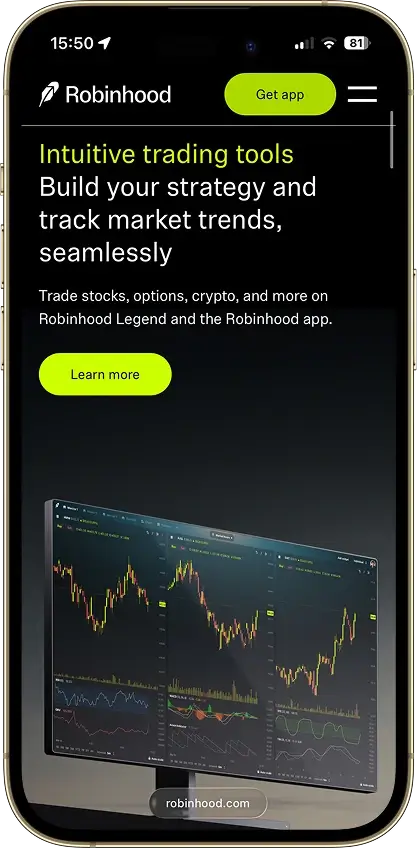
- Legend desktop platform with a trading ladder
- Crypto 1099-DA inside one consolidated tax form
- Cost
- Quoted spread; no maker/taker
- Assets
- US crypto count not reconciled
- Fiat funding
- ACH (US); FPS (UK); SEPA (EEA)
- Direct conversions between supported assets
- Vault multisig gives you two of three keys
- Metals trade beside crypto in one app
- Cost
- US spot base: maker 0.20%, taker 0.35%
- Assets
- US asset count not disclosed
- Fiat funding
- ACH, USD wire, debit (eligible US)
- USDG holding rewards without a lockup
- Bitcoin staking through Babylon, paid in BABY
- Hold assets, not just trade, to reach VIP fees
- Cost
- Advanced spot: maker 0%, taker 0.02%
- Assets
- 204 assets (Sep. 2026 review)
- Fiat funding
- ACH/wires/cards (eligible US)
- One of the lowest entry spot fees we review
- Iceberg, OCO and post-only orders on web
- No paid membership needed for its rates
CryptoSlate may earn a commission when you visit partner sites through links on this page, at no extra cost to you. Our rankings and reviews remain editorially independent and based on our published methodology. Read disclosure
Disclaimer: CryptoSlate may receive a commission when you click links on our site and make a purchase or complete an action with a third party. This does not influence our editorial independence, reviews, or ratings, and we always aim to provide accurate, transparent information to our readers.Compare Crypto Exchanges in the USA
| Name | Custody | Products | Staking | Trading fees (low) | Trading fees (high) |
|---|---|---|---|---|---|
 Kraken Kraken | 600 | Spot, Margin, Futures or Perps, OTC, Simple-buy Broker | Yes | 0.00 | 0.80 |
 Coinbase Coinbase | 270 | Spot, Futures or Perps, OTC, Simple-buy Broker | Yes | 0.00 | 0.90 |
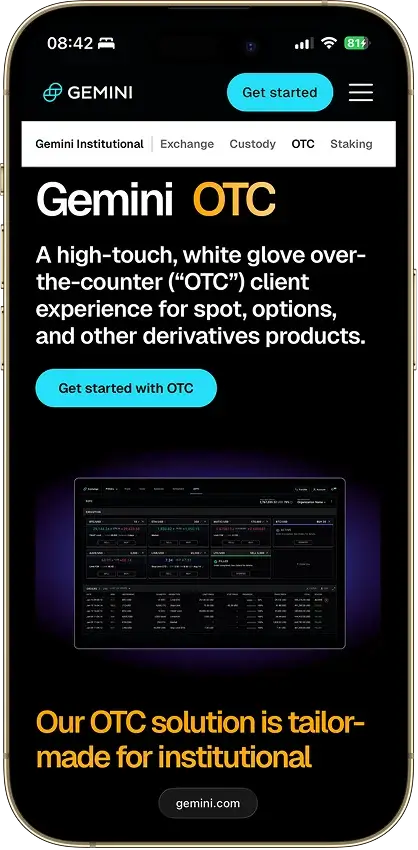
 Gemini Gemini | 99 | Spot, Futures or Perps, OTC, Simple-buy Broker | Yes | 0.00 | 1.20 |
 Crypto.com Crypto.com | 422 | Spot, Margin, Futures or Perps, Options, OTC, Simple-buy Broker | Yes | 0.00 | 0.50 |
 Bitstamp Bitstamp | 107 | Spot, Futures or Perps, OTC | Yes | 0.00 | 0.40 |
 Robinhood Robinhood | 90 | Spot, Futures or Perps, Simple-buy Broker | Yes | 0.00 | 0.95 |
 Uphold Uphold | — | Simple-buy Broker | Yes | — | — |
 OKX.us OKX.us | — | Spot, Simple-buy Broker | Yes | -0.005 | 0.35 |
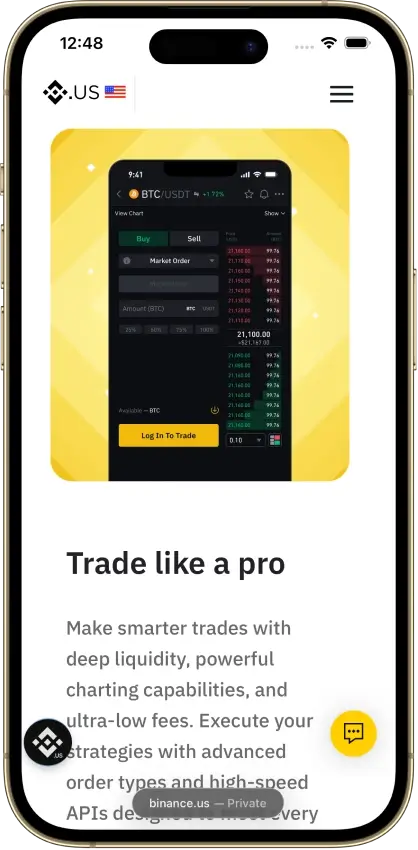
 Binance.US Binance.US | 204 | Spot, OTC, Simple-buy Broker | Yes | 0 | 0.02 |
Detailed U.S. Crypto Exchange Reviews
Kraken
- Cost
- Pro spot base: maker 0.25%, taker 0.40%
- Assets
- 643 crypto (review)
- Fiat funding
- ACH (US); SEPA (EEA); FPS (UK)
Pros
- Free U.S. ACH withdrawals
- Sixteen U.S. perpetual contracts after checks
- REST, WebSocket, FIX, and futures APIs
- FIDO2 passkeys and Global Settings Lock
- Advanced orders from TWAP to iceberg
Cons
- 0.40% maker, 0.80% taker at entry on Pro
- Seven-day hold on Plaid ACH amounts
- Simple buys add 1% to 1.5% plus spread

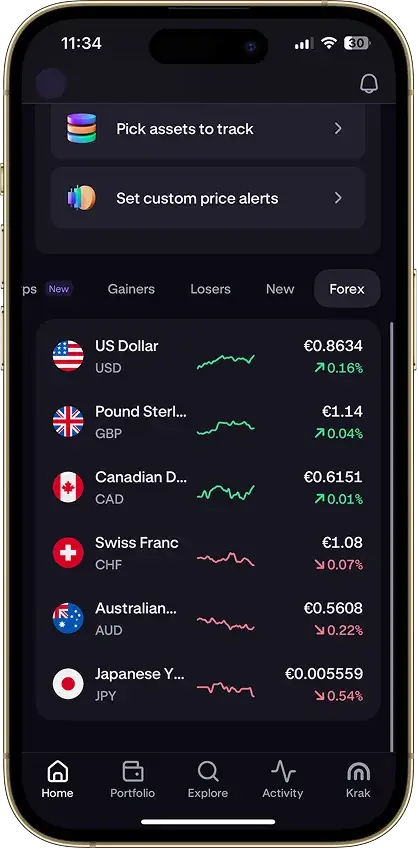
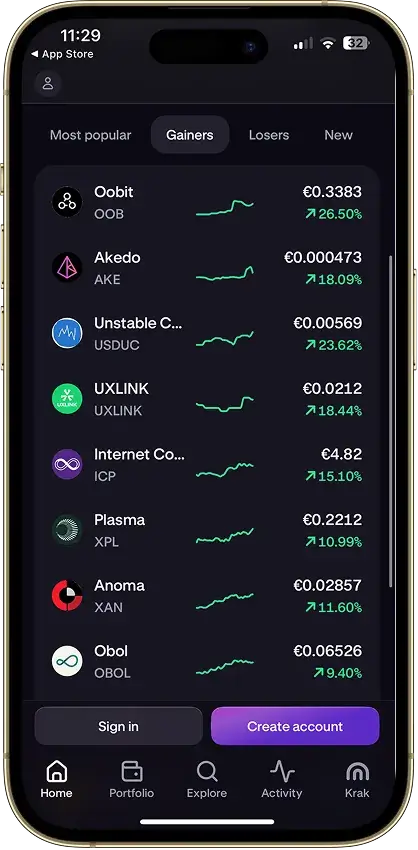
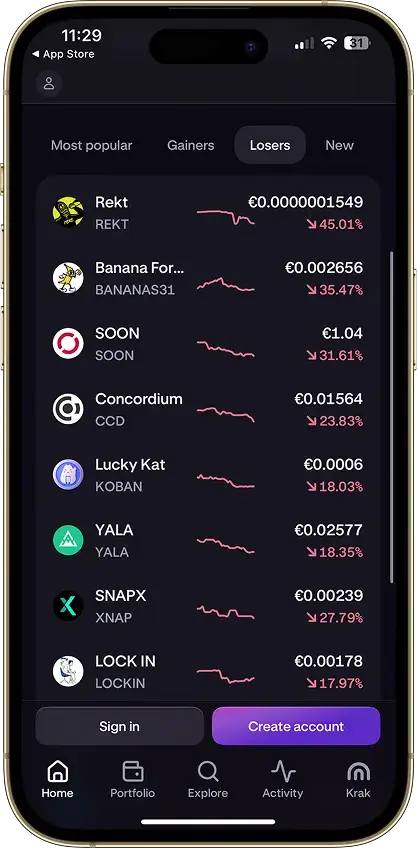
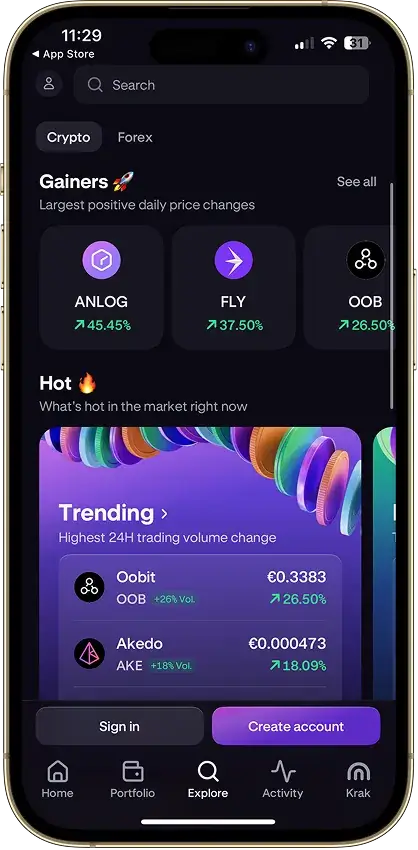
Coinbase
- Cost
- Advanced spot base: maker 0.40%, taker 0.60%
- Assets
- 382 tradable (review)
- Fiat funding
- ACH/wire (US); cards/PayPal if eligible
Pros
- Free U.S. ACH deposits and withdrawals
- SEC filings and annual financial audits
- Spot trading in every U.S. state
- Passkeys, hardware keys and allowlisting
- U.S. futures and perpetual-style contracts
Cons
- Small Simple Buy orders cost up to 3.5%
- No user-verifiable Merkle inclusion
- 35% commission on staking rewards

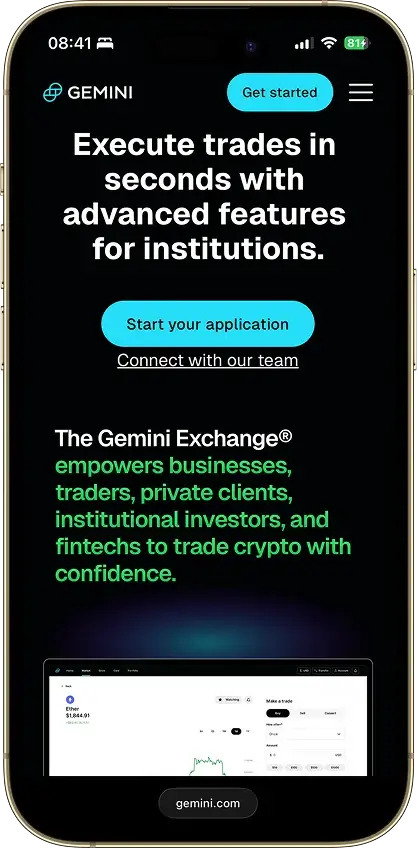
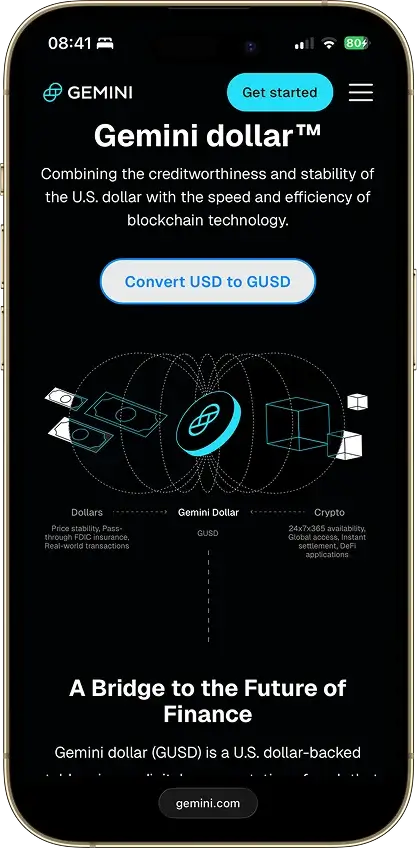
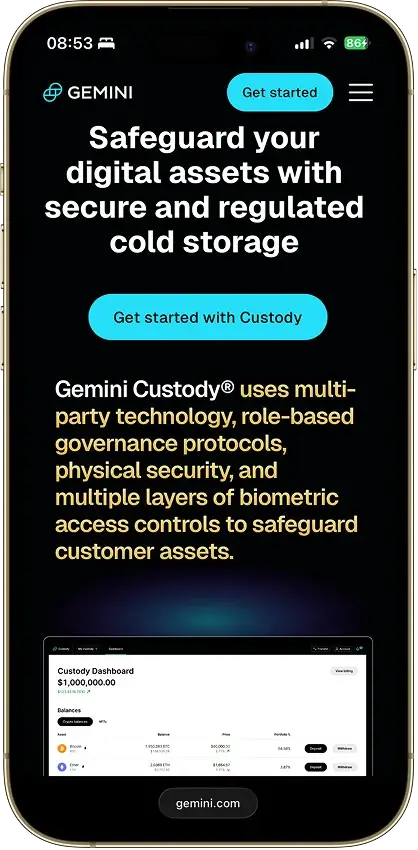
Gemini
- Cost
- Spot base: maker 0.60%, taker 1.20%
- Assets
- 70+ crypto
- Fiat funding
- ACH/wire (US); cards/PayPal (US)
Pros
- Free ACH, up to $100,000 a day out
- REST and WebSocket plus FIX access
- TradingView charts in ActiveTrader
- RLUSD/USD and GUSD/USD trade fee-free
- ETH, SOL and MON staking with monthly rewards
Cons
- 1.20% taker fee at the ActiveTrader entry tier
- No user-verifiable Merkle reserve proof
- Exchange support relies on form and email
- Card and Apple Pay buys cost 3.49%

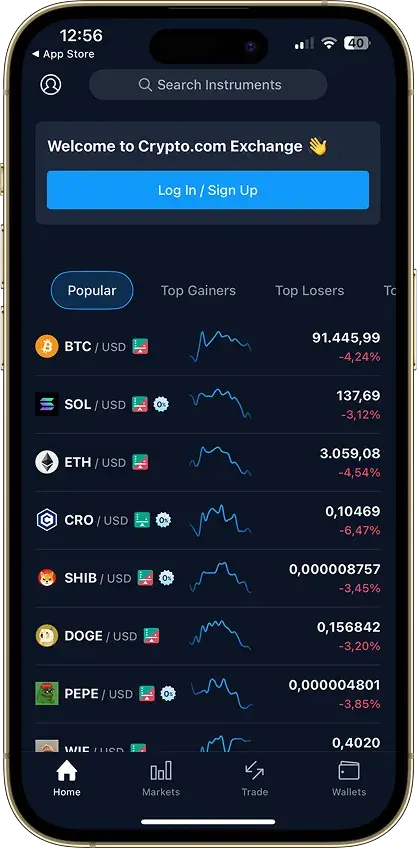
Crypto.com
- Cost
- Exchange spot base: maker 0.25%, taker 0.50%
- Assets
- 400+ crypto
- Fiat funding
- ACH (US); SEPA (EEA); cards
Pros
- 400+ spot coins on the global Exchange
- 0.25% / 0.50% entry spot fees
- CRO balance can cut maker fees to 0%
- U.S. ACH and Fedwire funding where available
- Passkeys, FIDO2 and an anti-phishing code
Cons
- Reserve attestation dates to 2022
- Seven-business-day hold on Instant ACH
- No open retail API sandbox


Bitstamp
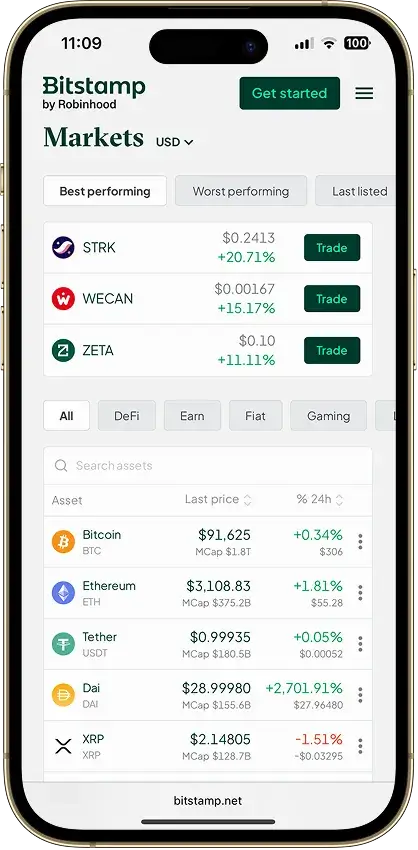
- Cost
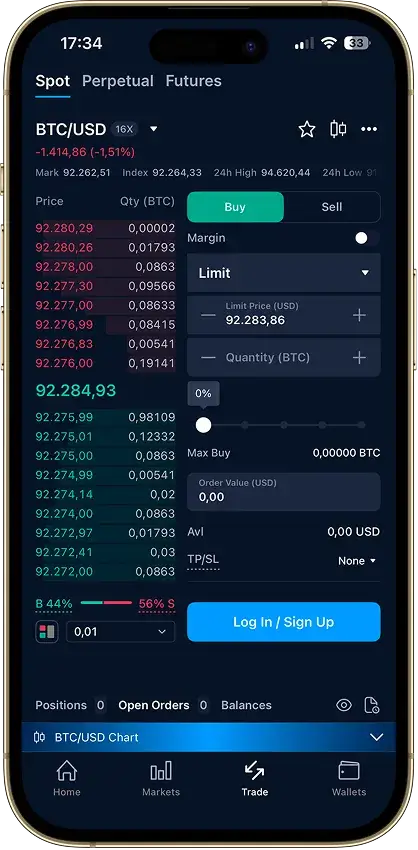
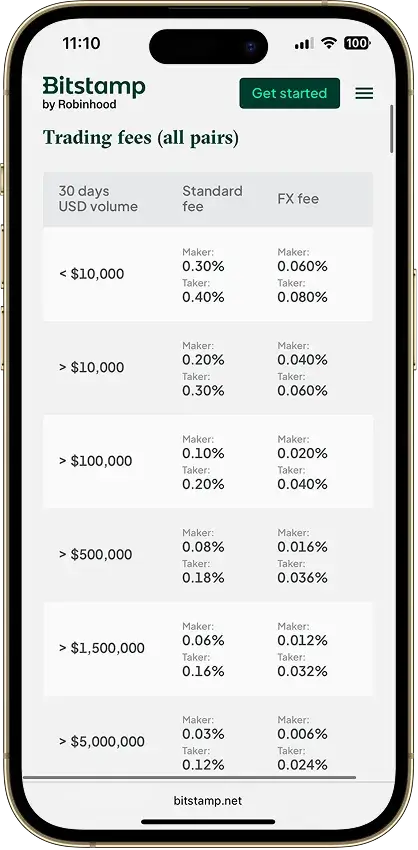
- Pro spot base: maker 0.30%, taker 0.40%
- Assets
- 107 crypto
- Fiat funding
- ACH (US); SEPA (EEA); wires
Pros
- Free ACH withdrawals, flat €3 SEPA cash-outs
- Fees to 0.00%/0.03%, FastPass from 0.01%
- Per-asset networks shown before login
- 95% cold storage with BitGo custody
- Tradeview charting on desktop
Cons
- No public proof-of-reserves page
- Slow support when accounts get restricted
- Instant Purchase costs 4% vs order-book path



Robinhood
- Cost
- $0 US spot commission; spread ~0.3–0.8%
- Assets
- 25+ crypto (US/EU)
- Fiat funding
- ACH (US); SEPA (EU); debit cards
Pros
- Free standard ACH deposits and withdrawals
- Crypto trading available in all 50 states
- Retail API with account-level permissions
- Listed parent files audited financials
- Withdrawal allowlist with a 48-hour wait
Cons
- Entry exchange-routed taker fee is 0.95%
- Market maker compensation sits in the spread
- No public customer reserve-inclusion check
- Instant cash-out costs 1.75%


Uphold
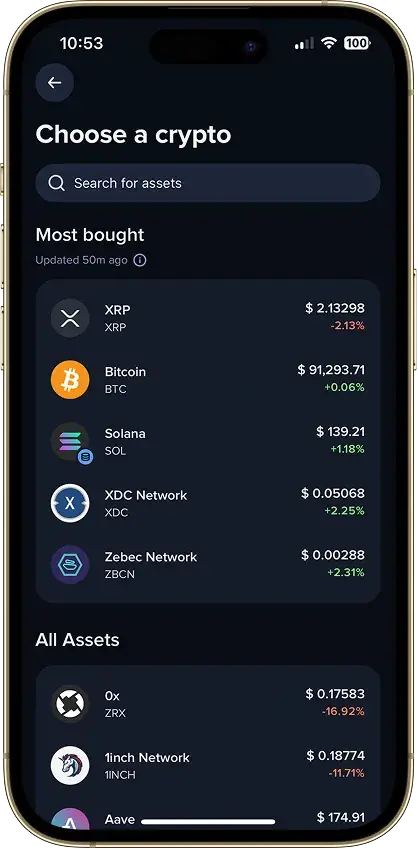
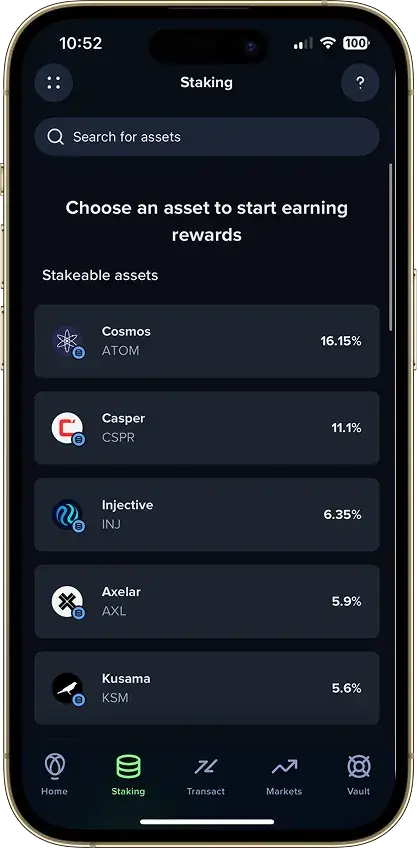
- Cost
- Quoted spread; no maker/taker
- Assets
- US crypto count not reconciled
- Fiat funding
- ACH (US); FPS (UK); SEPA (EEA)
Pros
- Free standard U.S. ACH transfers
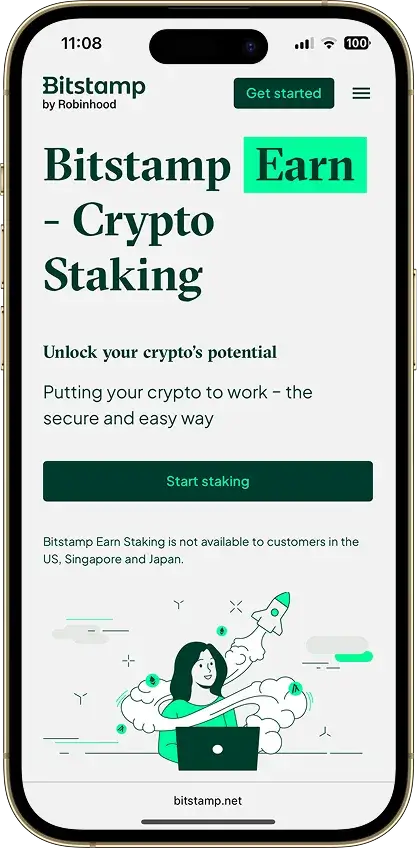
- Flexible and Boosted staking options
- Limit, take-profit and trailing-stop orders
- Transaction-history CSV downloads
- Exact amount shown before each conversion
Cons
- BTC/ETH spreads typically exceed 2%
- Flexible Staking takes 50% of rewards
- Some ACH funds face a 65-day destination hold
- No conventional retail order book
- Self-reported reserves, no Merkle check

OKX.us
- Cost
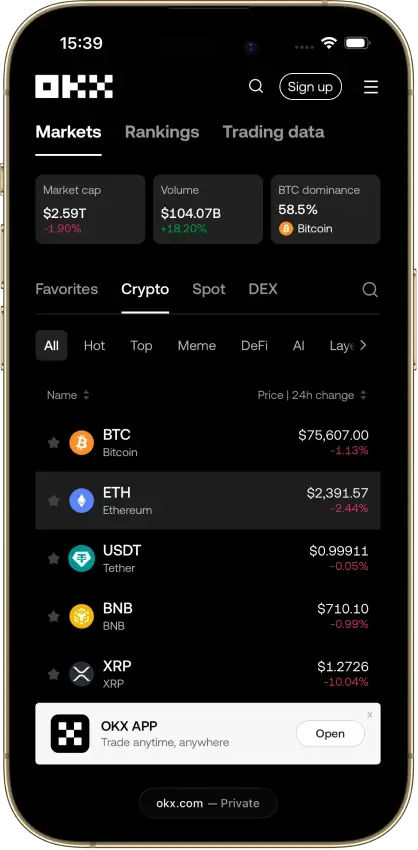
- US spot base: maker 0.20%, taker 0.35%
- Assets
- US asset count not disclosed
- Fiat funding
- ACH, USD wire, debit (eligible US)
Pros
- Dollar funding by ACH or domestic wire
- REST and WebSocket trading connections
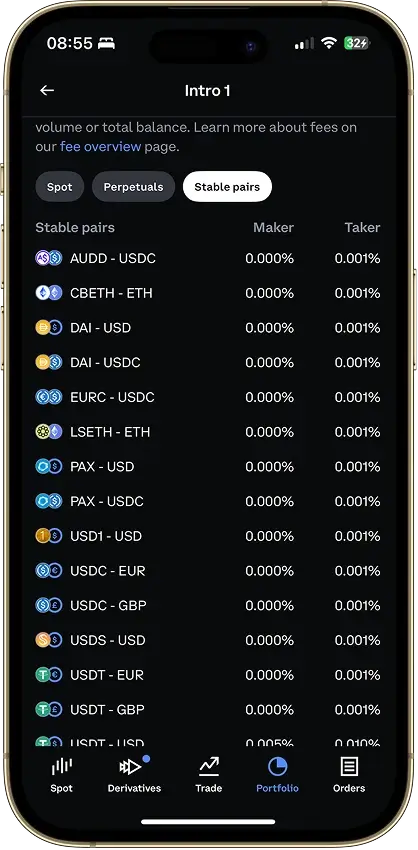
- Zero-fee USDC-USDT and PYUSD-USDT pairs
- Same-account buy, sell, and Convert
- Limit orders on a full spot order book
Cons
- ACH-funded buys can't be withdrawn right away
- No private insurance for crypto holdings
- Up to 1% spread on simple buys
- $30 fee on domestic wire withdrawals
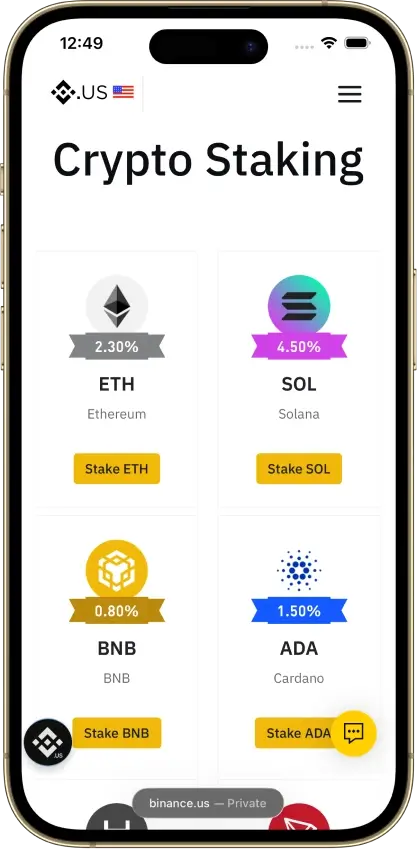
Binance.US
- Cost
- Advanced spot: maker 0%, taker 0.02%
- Assets
- 204 assets (Sep. 2026 review)
- Fiat funding
- ACH/wires/cards (eligible US)
Pros
- Free ACH once holds clear
- Optional 5% BNB fee-payment discount
- Wire funding and mobile card deposits
- Soft-Staking leaves balances available
- CSV and PDF transaction-history exports
Cons
- Seven-day ACH and card withdrawal holds
- No way to verify your balance in reserves
- Soft-Staking required for new accounts
What the US Score Does and Does Not Answer
The US Score keeps the publisher's existing country assessment for each generated card. How the scoring process is built explains the common evidence framework. It is a starting screen, not a substitute for the state, entity, bank route, or product checks below. A score cannot make a restricted service available, convert crypto into an insured deposit, or establish the final cost of a transaction the card did not test.
This page reads the evidence in the order a U.S. customer encounters it. The residential-state screen comes first. The account agreement then identifies the responsible company. Bank instructions show where dollars move, while the signed-in order ticket establishes which product can be used. A completed fill reveals price and fees. Custody terms, withdrawal controls, cash treatment, and export quality determine what remains after execution.
The broader exchange assessment provides context for ordinary account and market quality. This page adds the U.S. evidence chain without importing a global product menu. Spot approval cannot be carried into margin, staking, lending, cards, futures, or options. Each additional service needs a fresh state and account check.
Use the score to narrow the field, then compare the surviving accounts on the intended job. One account might provide the required ACH cash-out but not the planned withdrawal network. Another may support the asset while producing incomplete records. Those differences can outweigh a small score gap for a particular customer.
Match Each U.S. Status Claim to the Activity
No federal label approves every crypto company for every state and product. The account entity and activity determine which record matters. Federal money-services obligations, state money-transmitter requirements, spot-market authority, and derivatives registration answer different questions.
The CFTC's account-checking steps separate spot activity from regulated contract products and direct readers to other relevant records. A spot virtual-currency platform is not required to register with the CFTC merely because it offers spot trading, although anti-fraud and anti-manipulation authority can still apply. An intermediary offering futures or options within CFTC scope generally needs the relevant registration. The same resource directs readers to FinCEN and state licensing records while warning that an MSB registration is not a federal endorsement.
A registration or license proves only a defined status. It does not certify safety or authorize every product. Match the exact legal name in the record to the account agreement. Read the covered activity and state, then look for limitations or an inactive status. A parent company's record does not automatically cover every affiliate. A license also does not prove that a customer can open an account or use a particular product.
Terms such as legal in the USA and U.S. regulated need qualification. A platform may be permitted to serve residents of one state but unavailable in another. Spot service can be open while staking or a contract product is restricted. Access can also depend on retail or institutional classification. Verify the chain from entity and location through account type and product.
Trace ACH and Wire Movement Through Both Ledgers
A dollar price display says nothing about the movement of cash. Start with the bank entry and follow it to the exchange ledger, then reverse the route. Deposit and withdrawal instructions may use different partners, limits, and review rules. Record both directions instead of treating a successful credit as proof of cash-out.
| USD Route | Common Use | Checks Before Sending Money |
|---|---|---|
| ACH transfer | Routine bank funding or cash-out | Name match, linked-account method, fee, limit, settlement hold, withdrawal availability |
| Domestic wire | Larger or time-sensitive bank movement | Wire instructions, bank charges, cutoff time, return process, beneficiary name |
| Debit card | Immediate purchase | Card fee, embedded markup, issuer treatment, purchase limit, refund path |
| Crypto transfer | Moving assets between an account and wallet | Asset, network, address format, memo or tag, fee, minimum, review status |
An ACH credit can appear in the trading balance before it is fully settled for withdrawal. That does not necessarily mean the payment failed. Review the account's hold notice and the bank status separately. A first cash withdrawal may trigger another identity or fraud check. Save the trace or confirmation number and note which company controls the pending step.
Wire instructions require special care because a changed beneficiary or routing detail can signal fraud. Retrieve instructions inside an authenticated session and verify them through a known support channel if anything differs. Use a same-name bank account unless the terms expressly allow another arrangement. A rejected third-party transfer can add delay and return fees.
Because a successful deposit does not prove the cash-out path, test a withdrawal before building a large balance and keep the bank receipt. If the plan involves self-custody, test the exact asset and network too. A token with the same ticker can exist on more than one network, and a transfer to an unsupported chain may not be recoverable.
Measure Cost at the Quote, Fill, and Exit
U.S. cost questions split at the purchase screen. A card-funded instant quote, an ACH-funded order-book trade, and a crypto-funded conversion can produce different outcomes for the same displayed amount. Compare the route the customer will actually use, then carry its result through the planned exit.
| Route Being Tested | Evidence to Capture | Finish Line |
|---|---|---|
| ACH to an order book | Bank debit, credited amount, settlement hold, order preview, and completed fill | Crypto received in a tested wallet or dollars returned to the bank |
| Debit-card instant purchase | Card charge, firm quote, stated fee, asset quantity, and issuer treatment | Withdrawable crypto after any purchase hold |
| Crypto-funded trade | Deposit network, credited quantity, order fill, and any conversion | Chosen asset at the destination after withdrawal |
| Dollar sale and cash-out | Sale fill, conversion if any, withdrawal request, platform charge, and bank receipt | Net dollars posted to the same-name bank account |
Use net outcome instead of a single fee percentage. For a wallet-bound purchase, compare dollars charged with the asset that arrives. For a cash round trip, compare the opening debit with the final bank credit. The lowest entry charge can lose its advantage through a wider fill, conversion, or exit cost.
Order size matters because the visible quote may not cover the full amount. A small market order can fill close to the displayed price while a larger one crosses several price levels. Limit orders provide price control but do not guarantee execution. An advertised zero-commission interface can still earn revenue through its quote or routing arrangement, so inspect the preview and completed fill.
A scheduled purchase needs its own sample because it may use a different pricing path from a manual order. Compare several executions with nearby market prices, check whether the scheduled amount includes the charge, and inspect how a failed bank pull is handled. Confirm that the resulting export contains enough data to reconstruct each acquisition.
Keep FDIC Claims Separate From Crypto Custody
An FDIC statement concerns eligible bank deposits, not the security of a crypto asset or the financial condition of a nonbank platform. Read the cash terms first: identify the bank, account structure, and records supporting any pass-through claim. Then read the crypto custody terms separately to find the key holder, asset record, and any authority to pool, delegate, lend, or pledge customer assets.
Account controls form another evidence layer. Phishing-resistant authentication, device review, withdrawal allowlists, and recovery procedures address takeover or credential loss. They do not settle the cash or crypto ownership questions above. Custody and platform-risk evidence explains how liabilities, wallet control, assurance scope, and withdrawal operations affect a broader assessment.
Cash protection follows different legal rules from crypto custody. The FDIC's crypto fact sheet explains that deposit insurance protects eligible deposits at an insured bank. It excludes crypto assets and loss caused by a nonbank crypto-company failure. A partner bank's name does not make every platform balance insured. Any pass-through claim depends on the legal arrangement and required records, as well as which company fails.
Moving an asset to a personal wallet changes the control boundary. Before doing so, verify the asset contract or ticker, destination network, address format, and any memo. Rehearse recovery with the intended wallet setup and preserve the exchange receipt plus transaction identifier. The user then carries key-recovery and transaction-error risk instead of the exchange.
Identity and P2P Checks After State Eligibility
Account terms can require a government identifier and proof of address, followed later by a source-of-funds review. A service advertised as no KYC may still collect data after a payment or risk trigger. It may also sit outside the recourse routes a U.S. customer expected. An email-only opening screen does not prove that the account will stay anonymous or unrestricted.
Peer-to-peer trading introduces counterparty and payment risk that an order book does not remove. Confirm whether the platform holds the asset during the trade and what evidence its dispute process accepts. Do not accept an off-platform conversation as a replacement for the order record. Reversible payments and third-party names are warning signs. So are forged receipts or pressure to release early.
Geographic controls should not be bypassed with false address information or location-masking tools. Doing so can breach the account terms and leave funds frozen during a later review. If the intended service is unavailable, choose an account route that expressly accepts the customer's location and intended product.
Treat Every Added Product as a New Permission Check
Spot trading does not establish access to any other product. Recurring purchases and staking can have separate entities or agreements. The same is true for lending and margin, as well as futures, options, or payment cards. Each may also have a different state list and customer classification. Verify the product inside the signed-in U.S. account before transferring funds for that purpose.
| Product | Main Function | U.S. Account Check |
|---|---|---|
| Instant purchase | Buy at a quoted price | Dollar route, markup, asset withdrawal, state access |
| Spot order book | Trade an asset pair | Pair availability, depth, order types, fee tier, withdrawal network |
| Recurring purchase | Schedule repeated buys | Pricing method, funding failures, cancellation, records |
| Staking or rewards | Earn protocol or service-based rewards | State eligibility, asset use, lockup, fee, withdrawal terms |
| Margin | Trade with borrowed exposure | Retail eligibility, state access, interest, collateral, liquidation |
| Futures or options | Trade a contract rather than the asset | Registered intermediary, exact instrument, customer status, borrowed exposure, expiry or settlement |
Contract access needs an instrument-level check because a company can offer a regulated futures product without opening its offshore perpetual menu to the same retail account. Readers can examine where a crypto derivative creates exposure, how futures eligibility and liquidation interact, and how options premiums and settlement work. This page retains the U.S. state, entity, and customer-class gate.
Borrowed exposure can magnify losses and create financing costs, so review the collateral asset and maintenance requirement before placing a position. Understand the close-out process too. Confirm how the contract settles and when it expires. A product name alone does not reveal those terms, and access elsewhere in a corporate group does not make it available to a U.S. retail customer.
Reconcile Exchange Forms With Wallet and Bank Records
Record quality is part of the platform choice because the account sees only activity that passes through it. Export history regularly and before closing an account. The file should distinguish purchases, sales, exchanges, rewards, deposits, withdrawals, and fees. It should also preserve timestamps, quantities, transaction identifiers, and the dollar values used by the report.
The IRS digital-asset FAQ says taxpayers should maintain records sufficient to support the positions taken on a return. A transfer between wallets or accounts owned by the same person is not itself a taxable transaction, although using digital assets to pay a transfer fee can matter. Taxable activity must still be reported when no information form arrives.
Information returns report only the fields an issuer sees. A form may show proceeds without all basis information and cannot see an external wallet or another account. Reconcile it with trade exports and wallet transactions. Add bank statements and prior acquisition records. Mark self-transfers so they are not mistaken for disposals, and retain evidence that both addresses were controlled by the same owner.
Tax treatment depends on the transaction and the taxpayer's circumstances. Selling and exchanging can raise questions that differ from spending or receiving digital assets. This page cannot determine an individual result. Preserve the source records and seek qualified advice when the treatment is unclear.