Prediction markets are easier to access in 2026. But once real money is involved, the gap between a good platform and a frustrating one is still wide.
Some platforms are easy to access but weak on liquidity. Some look cheap, then hide friction in spreads, wallet setup, or cash-out flow. And some list a lot of markets but still break down on rules, execution, or dispute handling when the event gets messy.
This page sorts that out. It shows which platform fits which use case, how money moves in and out, where trading quality is actually strong, and what to check before funding an account.
Top Prediction Markets
- Funding
- USD
- Min. deposit
- $10 ($1,000 by wire)
- KYC
- Full
- $72,580 median depth near the price
- Resting limit orders free on most markets
- Market data API needs no key to read
- Funding
- USD
- Min. deposit
- No card or ACH minimum stated ($1,000 by wire)
- KYC
- Full
- $90,138 median depth within 2¢ of the price
- No fee on resting limit orders
- No-key public API with live order books
- Funding
- USD
- Min. deposit
- $10 ($1 ACH, $1,000 wire)
- KYC
- Full
- CFTC-regulated U.S. sports contracts via CDNA
- Sports-focused with chat, leaderboard, parlays
- Easy USD funding: bank, card, PayPal, wallets
- Funding
- USD,
 USDC
USDC - Min. deposit
- No minimum
- KYC
- Full
- Every order goes to Kalshi's order book
- 2-hour payout sweeps on business days
- Buy with USDC as well as dollars
- Funding
- USD
- Min. deposit
- No minimum
- KYC
- Full
- Commission capped at 1¢ per contract
- 4,175 events across 28 category pages
- Payouts withdrawable 1 business day after settling
- Funding
- USD
- Min. deposit
- $10 ($1,000 minimum for wire deposits)
- KYC
- Full
- Mainstream, sports-led regulated trading entry
- Easy USD funding via ACH, card, Apple Pay, wire
- Early exit supported, but full position only
- Funding
- USD
- Min. deposit
- Not disclosed
- KYC
- Full
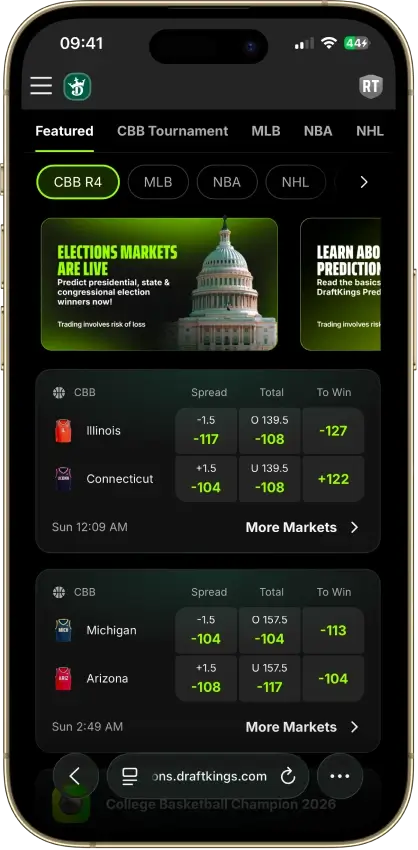
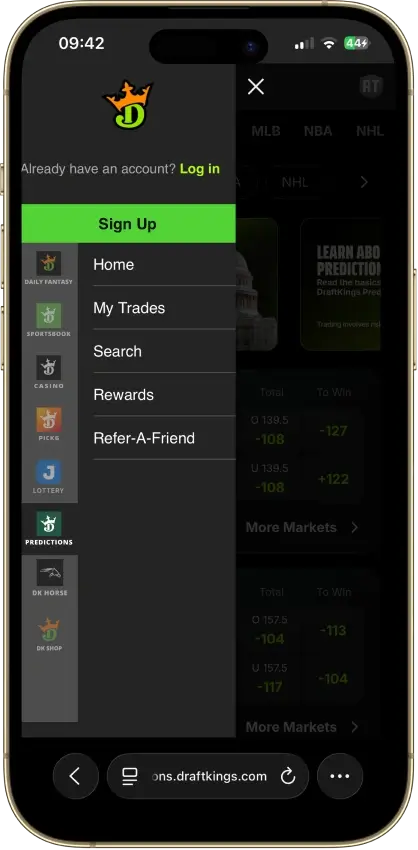
- Standalone DraftKings app and web product
- Regulated setup through Wedbush
- $0.01 per contract per side, plus exchange fees
- Funding
- pUSD (crypto)
- Min. deposit
- $2 on most networks ($3 on Ethereum, $3.60 on Bitcoin)
- KYC
- None
- $63,871 median depth near the price
- Geopolitics markets trade fee-free
- London server hosting for market makers
- Funding
- Mana (Ṁ)
- Min. deposit
- $0
- KYC
- Partial
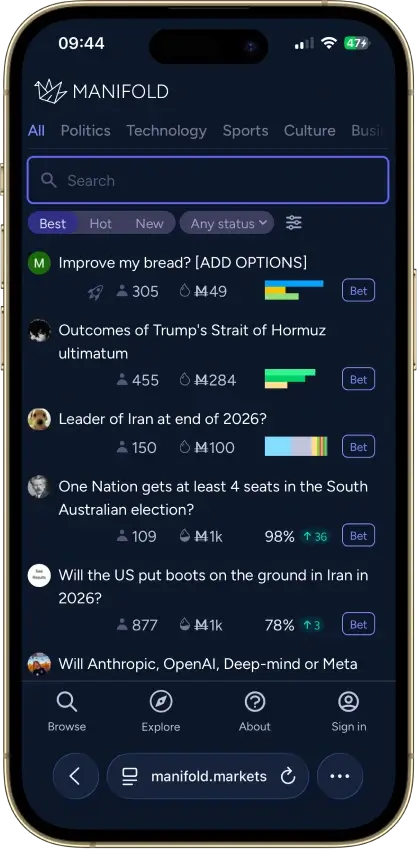
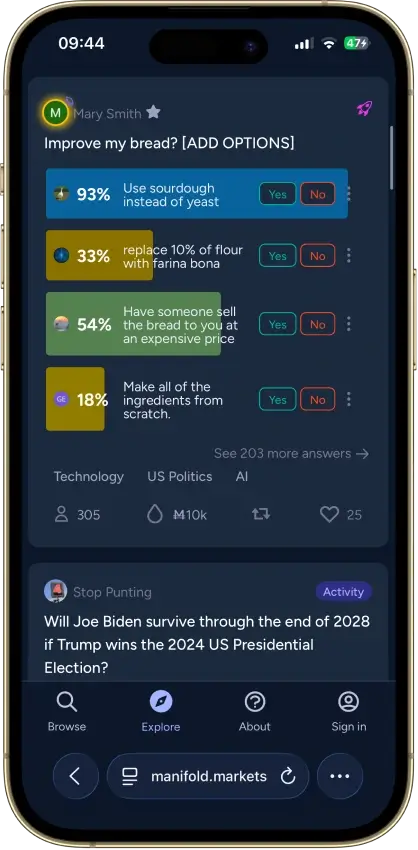
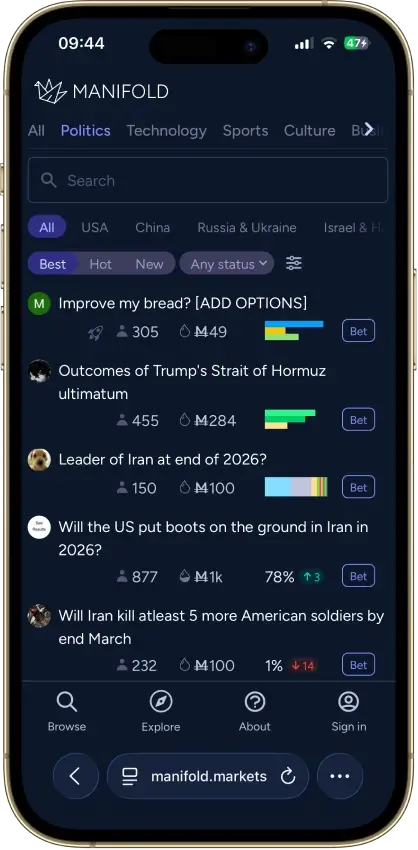
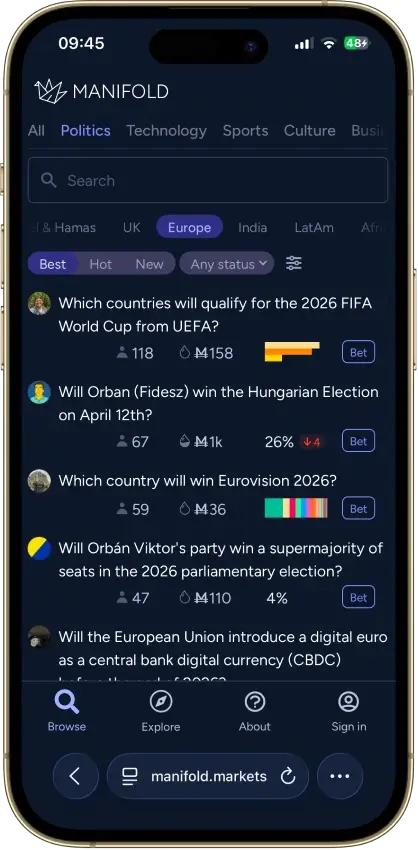
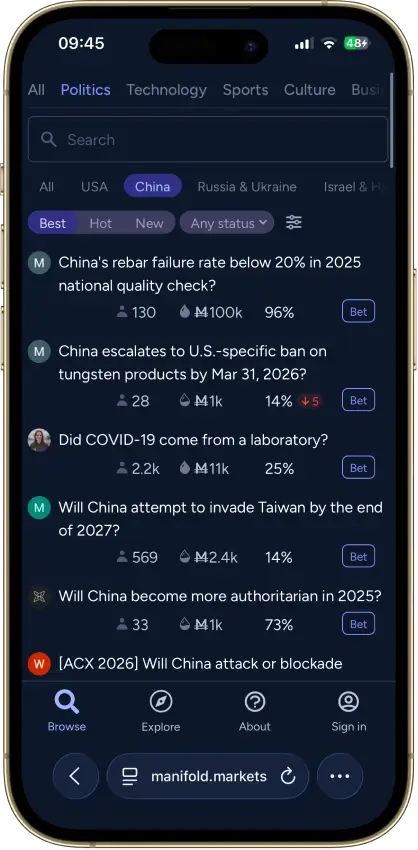
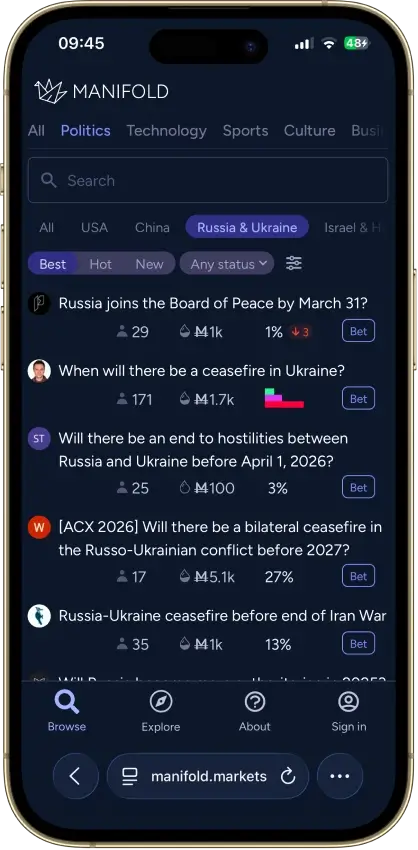
- User-created markets on almost any topic
- Free start with Mana and no KYC
- Public API and bulk data access
- Funding
- USD
- Min. deposit
- $10
- KYC
- Full
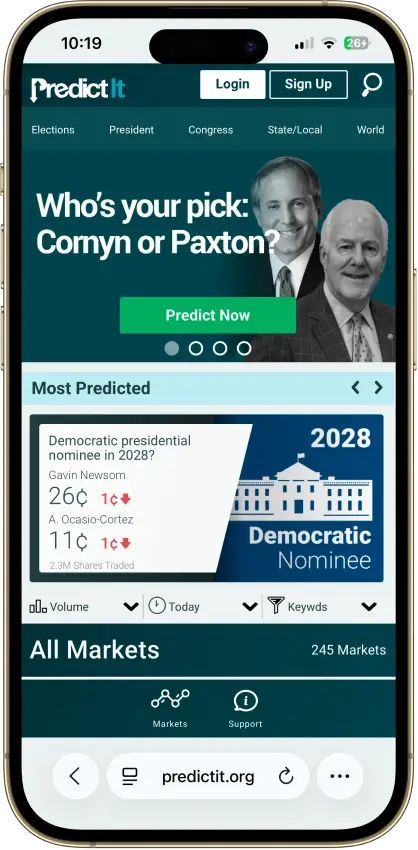
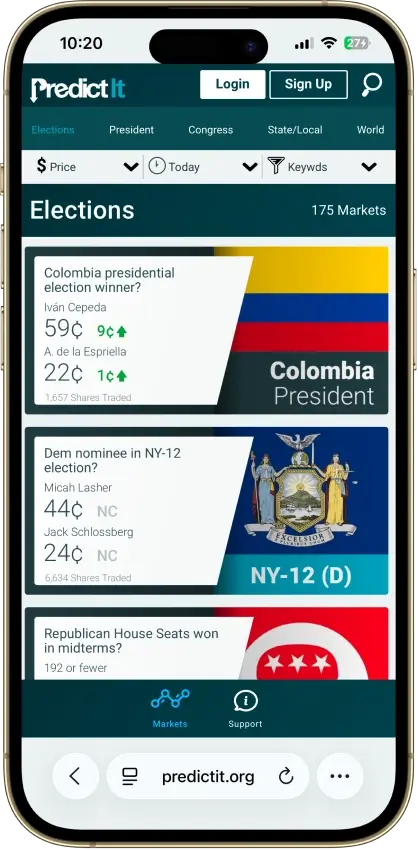
- Single House districts and governor races
- Multi-outcome buys debit only worst-case loss
- Public order book, no login needed
CryptoSlate may earn a commission when you visit partner sites through links on this page, at no extra cost to you. Our rankings and reviews remain editorially independent and based on our published methodology. Read disclosure
Disclaimer: CryptoSlate may receive a commission when you click links on our site and make a purchase or complete an action with a third party. This does not influence our editorial independence, reviews, or ratings, and we always aim to provide accurate, transparent information to our readers.The right pick depends on what matters most: easy onboarding, sports depth, macro coverage, crypto-native access, API support, or fast payout flow.
| Category | Pick |
|---|---|
| Best For Beginners | Robinhood Prediction Markets |
| Best For Sports | Kalshi |
| Best For Macro | IBKR ForecastTrader / ForecastEx |
| Best For Crypto-Native Users | Polymarket |
| Best For API / Bot Traders | Polymarket |
| Best For Fast Cash-Outs | Crypto.com OG |
Robinhood is the easiest starting point for most mainstream users. Kalshi is still the strongest all-around regulated venue. Polymarket is the clear crypto-native leader. IBKR ForecastTrader stands out when macro contracts matter more than broad consumer appeal, and Crypto.com OG looks strongest when payout speed matters more than long-term track record.
Use this table as a quick filter. It shows where each platform is strongest, how fast money usually comes back out, and which type of market each one handles best.
Comparison Table
| Name | Minimum deposit | KYC | Liquidity model | Early exit | Core categories | Position limit | API access |
|---|---|---|---|---|---|---|---|
 Kalshi Kalshi | $10 ($1,000 by wire) | Full KYC | Order Book | Yes | Elections, sports, entertainment, politics, financials, economics, science and technology, climate and weather, companies, mentions, crypto, commodities | Yes | Yes |
 Polymarket US Polymarket US | No card or ACH minimum stated ($1,000 by wire) | Full KYC | Order Book | Yes | Sports, politics, culture, economics, tech, finance, crypto, climate, geopolitics, science | No | Yes |
 OG OG | $10 ($1 ACH, $1,000 wire) | Full KYC | Order Book | Yes | Sports, Politics, Economics, Culture, Crypto, Companies, and Climate. | Yes | Yes |
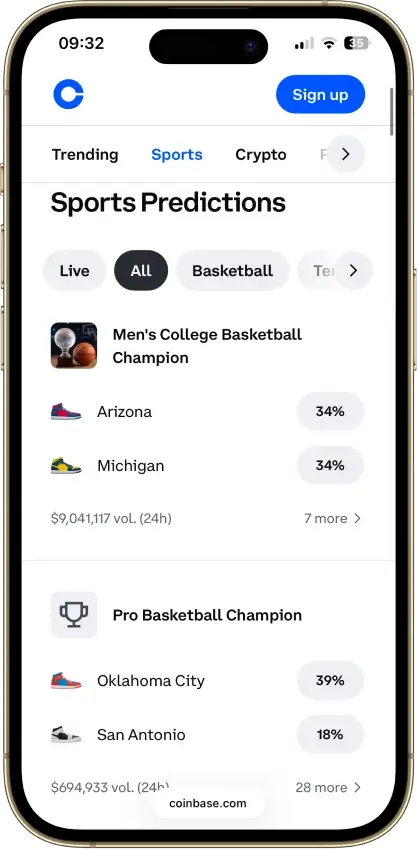
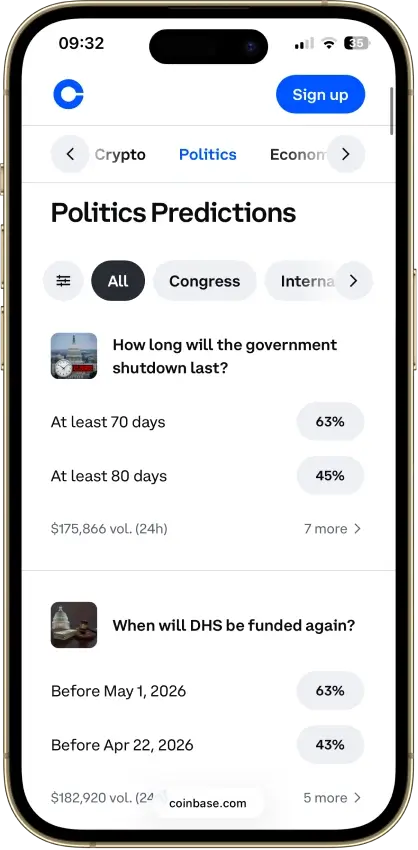
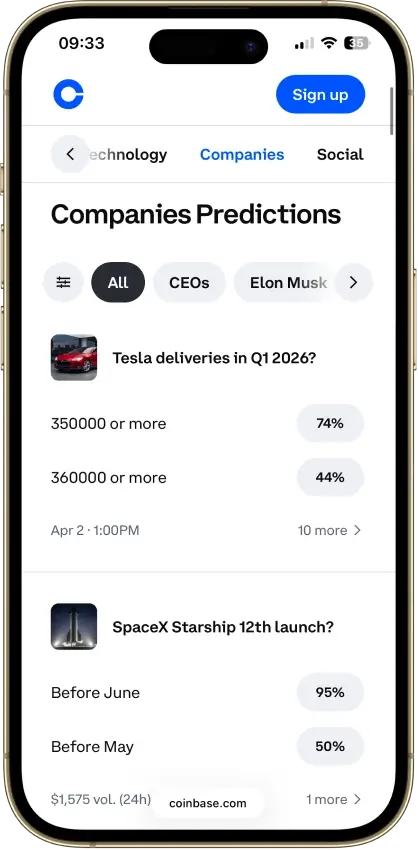
 Coinbase Prediction Markets Coinbase Prediction Markets | No minimum | Full KYC | Broker / Routed | Yes | Sports, crypto, elections, politics, entertainment, mentions, commodities, economics, financials, weather, science and technology, companies, social | Yes | No |
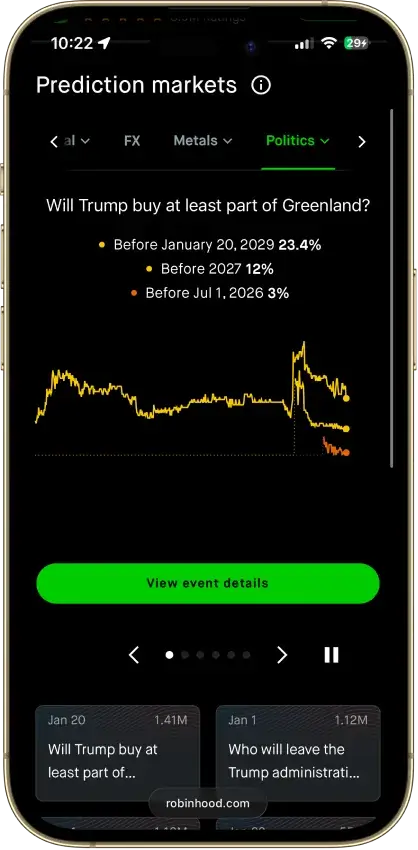
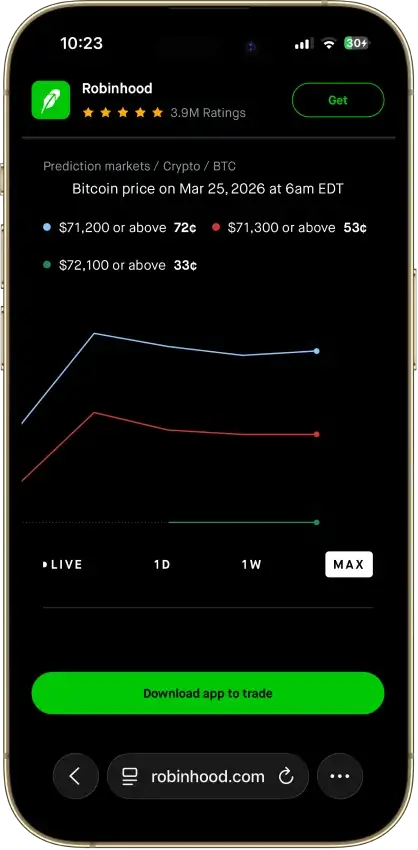
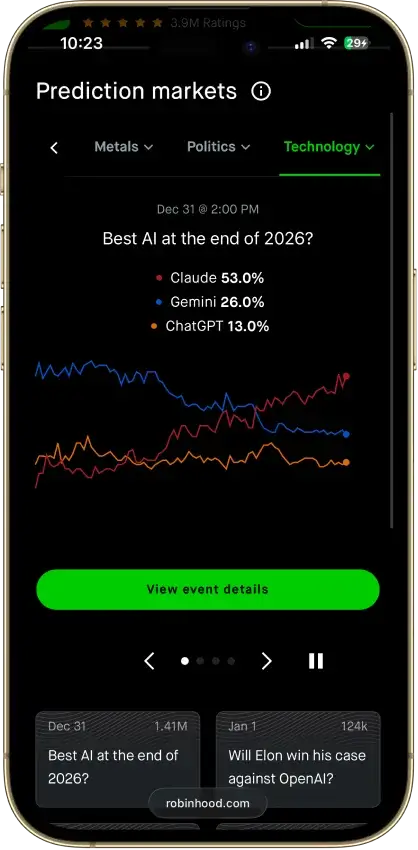
 Robinhood Robinhood | No minimum | Full KYC | Broker / Routed | Yes | Pro football, college football, midterms, elections, baseball, basketball, hockey, soccer, tennis, golf, combat sports, esports, economics, financials, crypto, climate, metals, entertainment, technology | Yes | No |
 Fanatics Markets Fanatics Markets | $10 ($1,000 minimum for wire deposits) | Full KYC | Broker / Routed | Yes | Sports, Politics, Culture, Crypto, Economy | Yes | No |
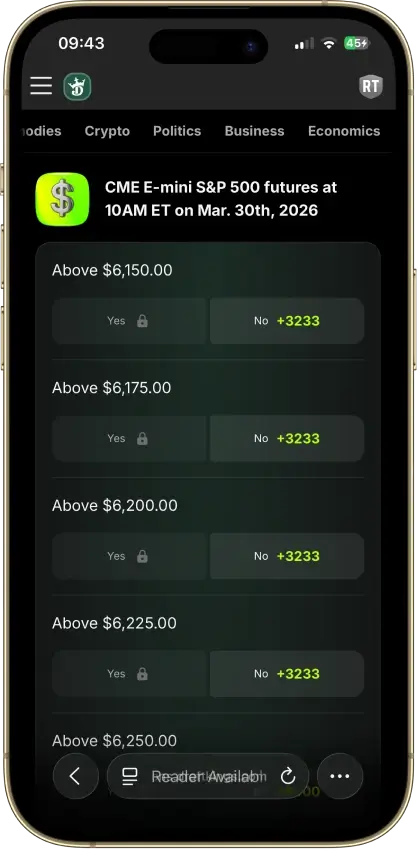
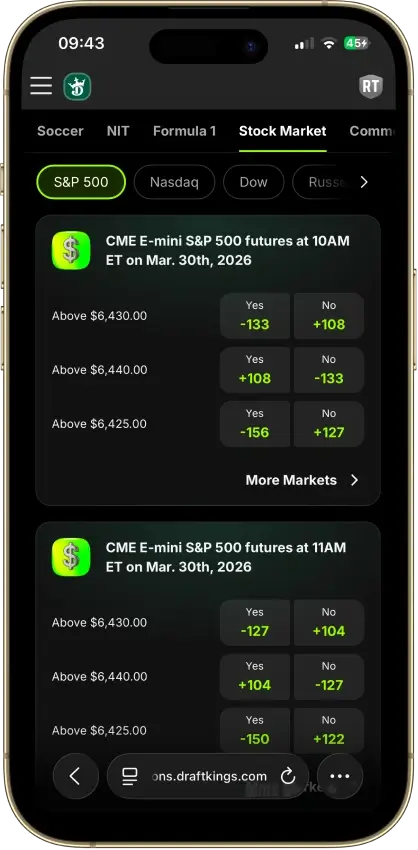
 DraftKings DraftKings | Not disclosed | Full KYC | Broker / Routed | Yes | Sports, Stock Market, Commodities, Crypto, Politics, Business, Economics. | Yes | No |
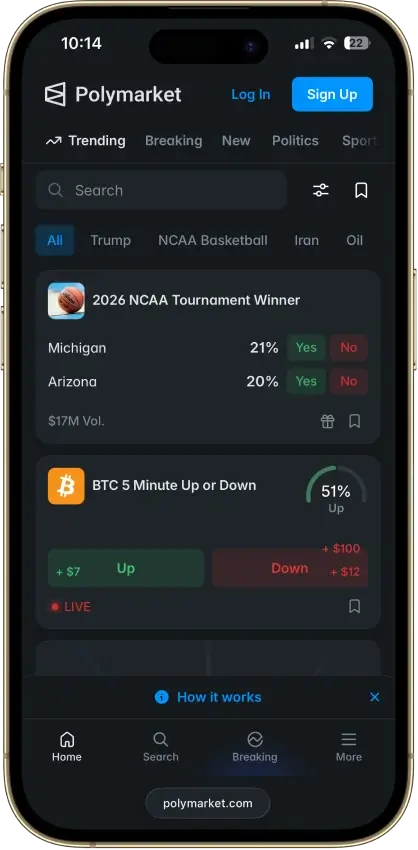
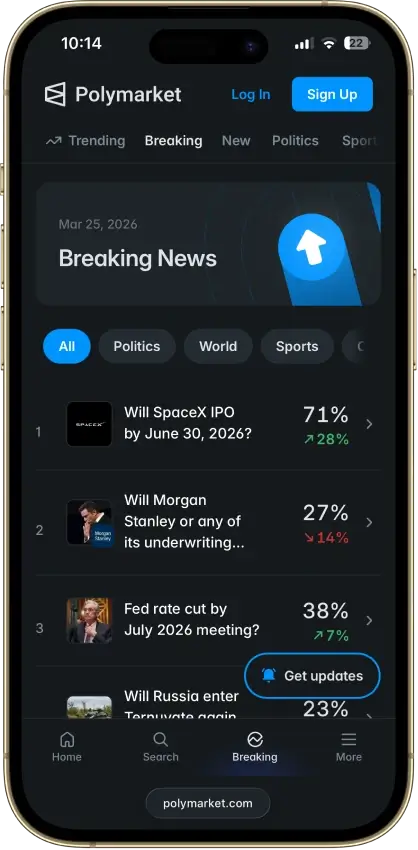
| Polymarket | $2 on most networks ($3 on Ethereum, $3.60 on Bitcoin) | No KYC | Order Book | Yes | Sports, crypto, politics, geopolitics, finance, economy, culture, weather, tech, mentions, esports | No | Yes |
 Manifold Manifold | $0 | Partial KYC | AMM / Pool-Based | Yes | Politics, Technology, Sports, Culture, Business, and Fun, plus user-created long-tail topics such as AI, economics, crypto, news/current events, research, and project management | No | Yes |
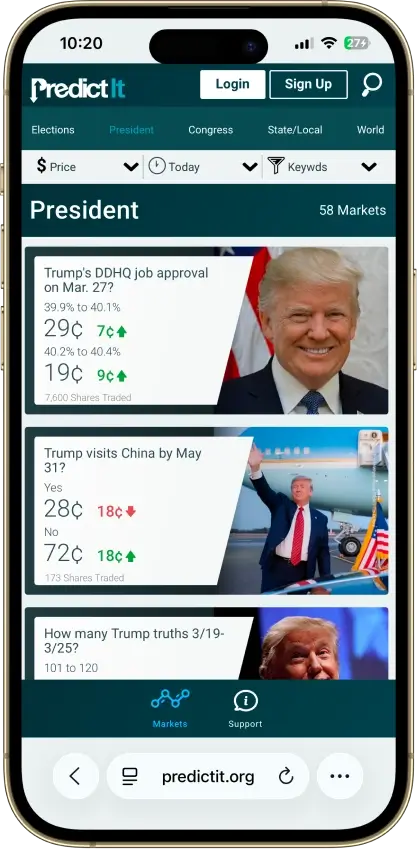
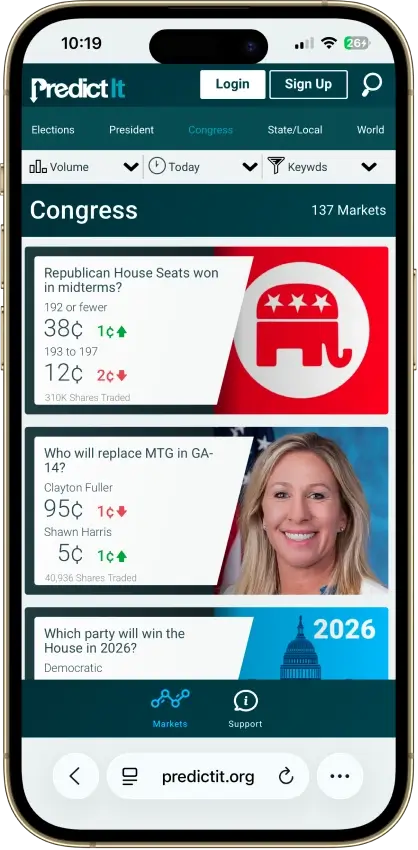
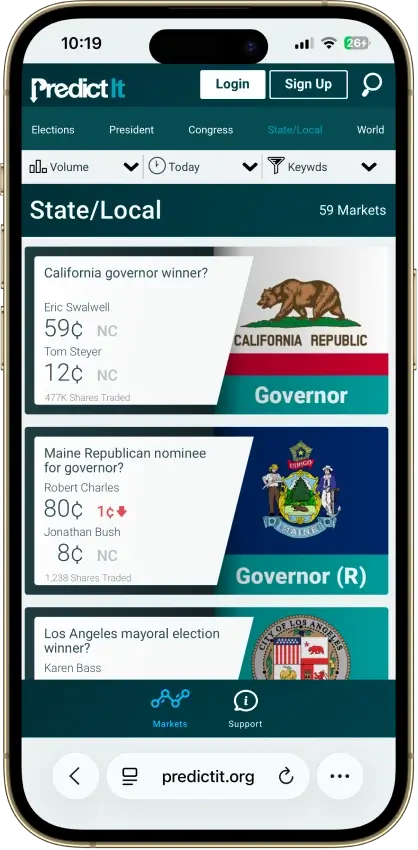
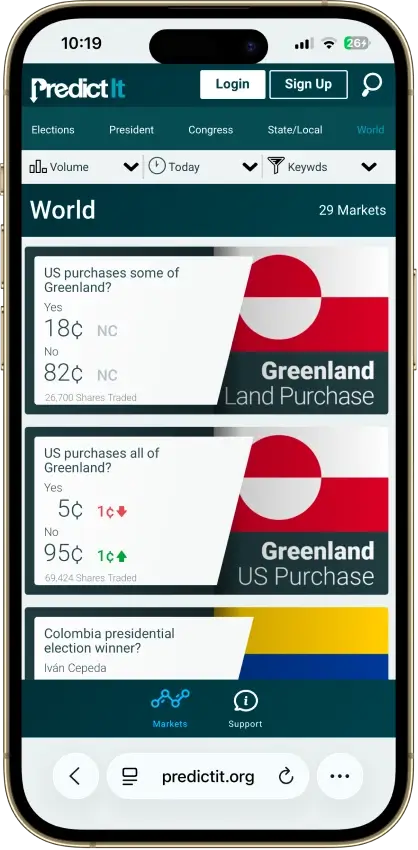
 PredictIt PredictIt | $10 | Full KYC | Order Book | Yes | U.S. elections, primaries, nominations, control‑of‑government and legislative/policy event contracts, plus certain international political questions that do not involve war, terrorism or assassination. | Yes | Yes |
Regulated prediction platforms usually win on trust, cleaner banking, and clearer payout flow. Crypto-native prediction platforms often win on speed, market freshness, and API depth, but they ask more from the user on wallets, chain transfers, and rule checking.
The other split is between easy funding and strong execution. Robinhood, Coinbase, and similar app-led products are easier to start with. But the strongest raw trading quality still tends to sit with Kalshi and Polymarket. Broad market coverage also does not always mean good execution. Some platforms list plenty of markets, then feel thin once the headline event passes.
Note*: Polymarket now operates through separate legal entities: Polymarket US is operated by QCX LLC d/b/a Polymarket US, a CFTC-regulated Designated Contract Market, while the international platform operates independently and is not CFTC-regulated.*
Prediction Markets Reviews
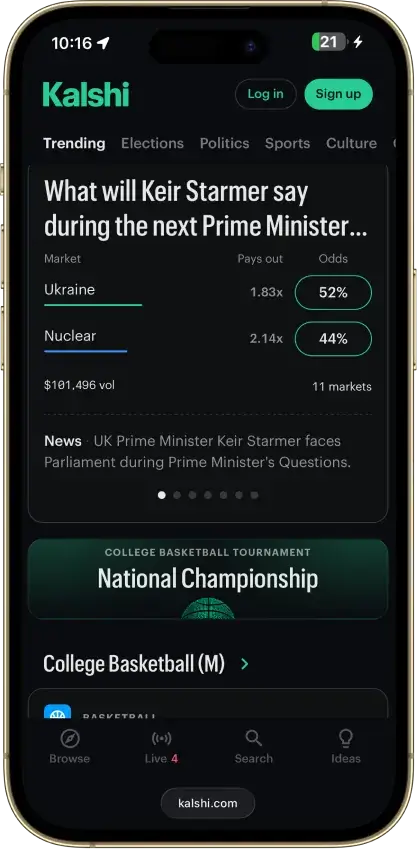
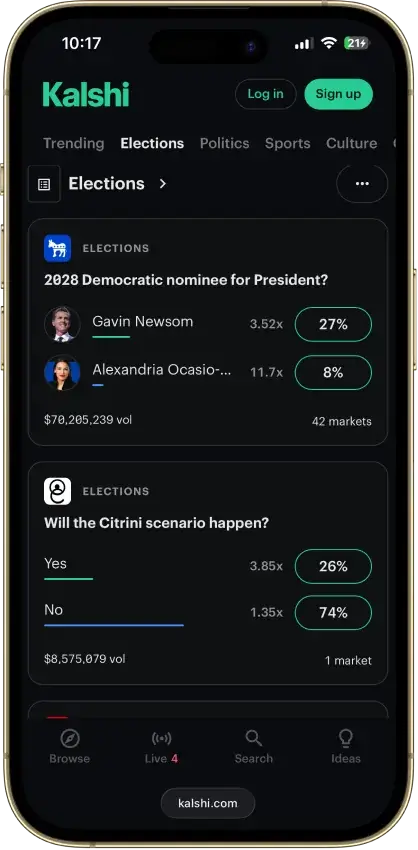
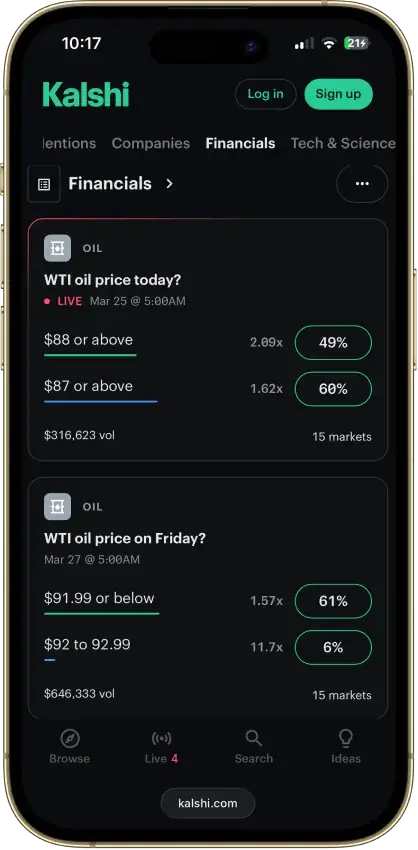
Kalshi
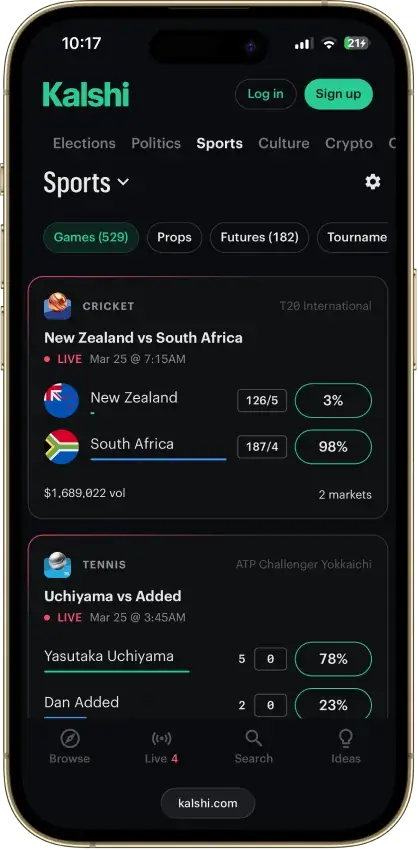
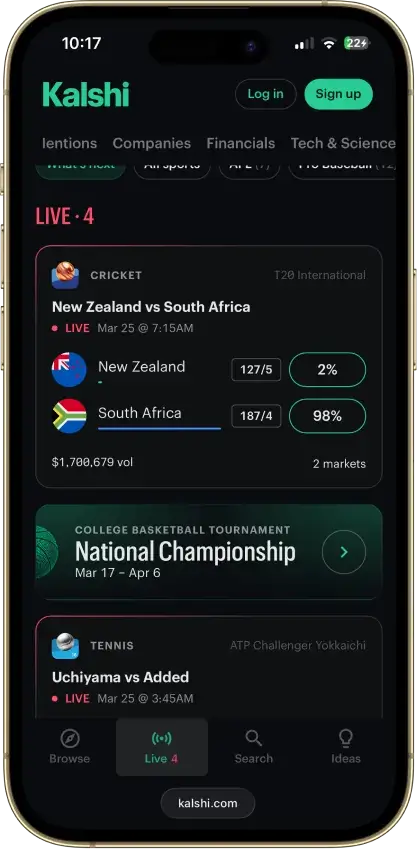
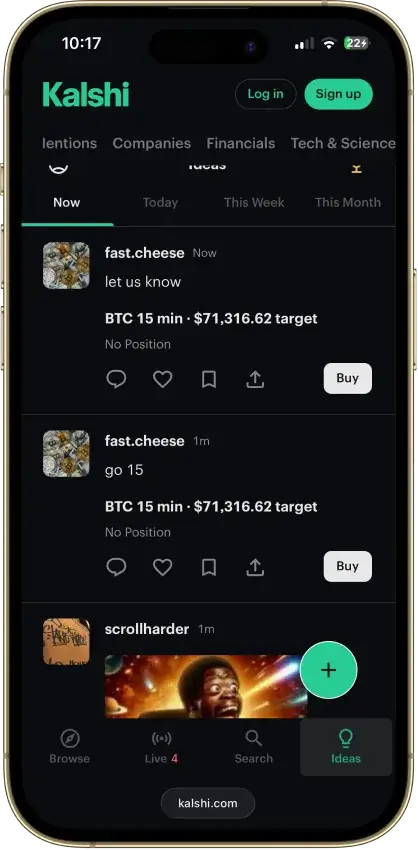
- Funding
- USD
- Min. deposit
- $10 ($1,000 by wire)
- KYC
- Full
Pros
- 1¢ spreads on top election and sports markets
- 8,000+ open events across 17 categories
- Free ACH, wire and RTP deposits
- Debit withdrawals land within hours
- Full API with WebSocket and FIX
Cons
- Court orders block contracts in 3 states
- Disputed outcomes can't be appealed
- Card deposits can cost up to 2%
- No phone support, AI chat first
- No tax form named for trading gains
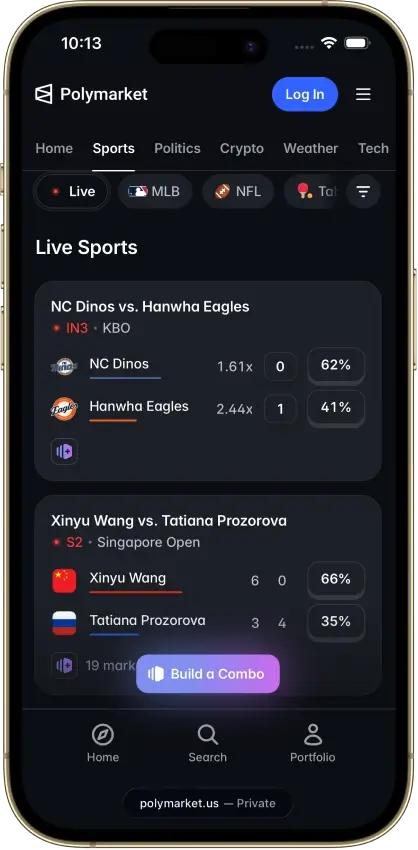
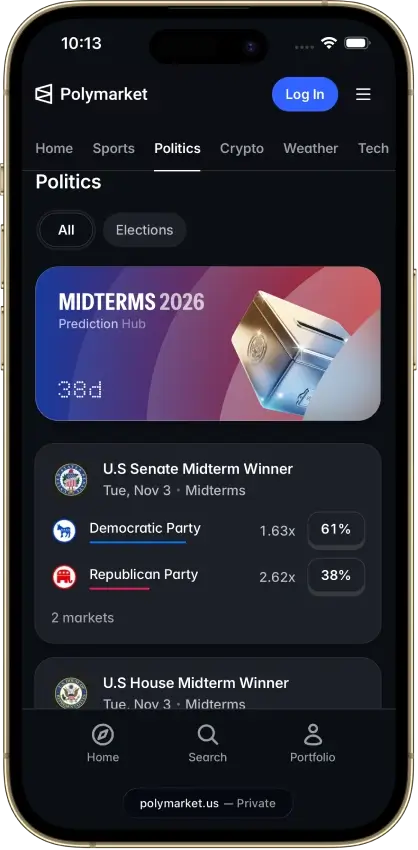
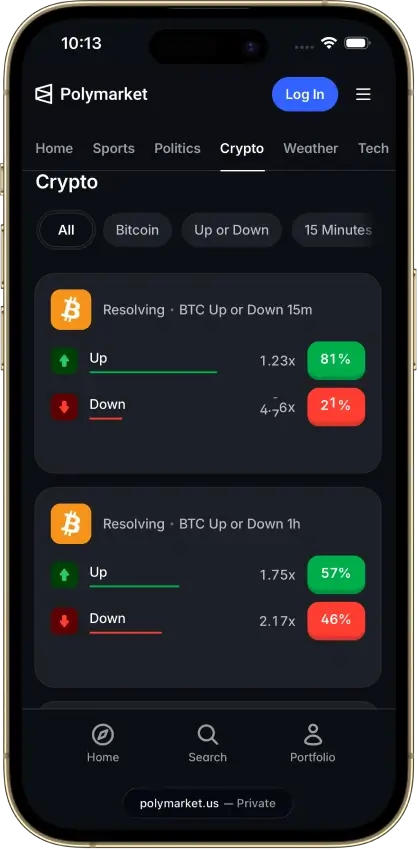
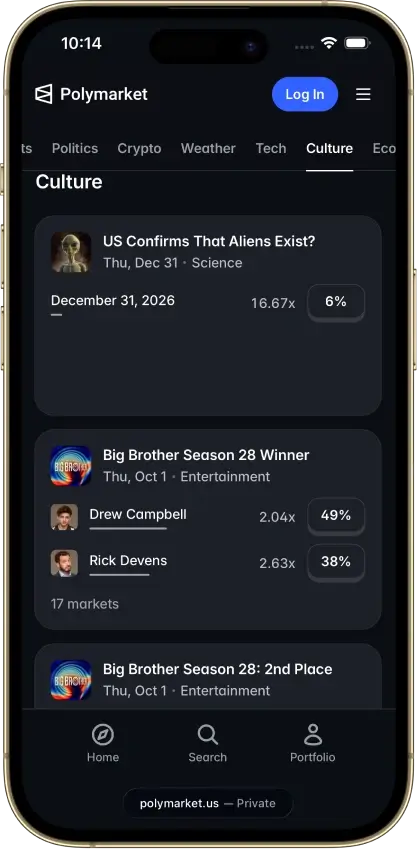
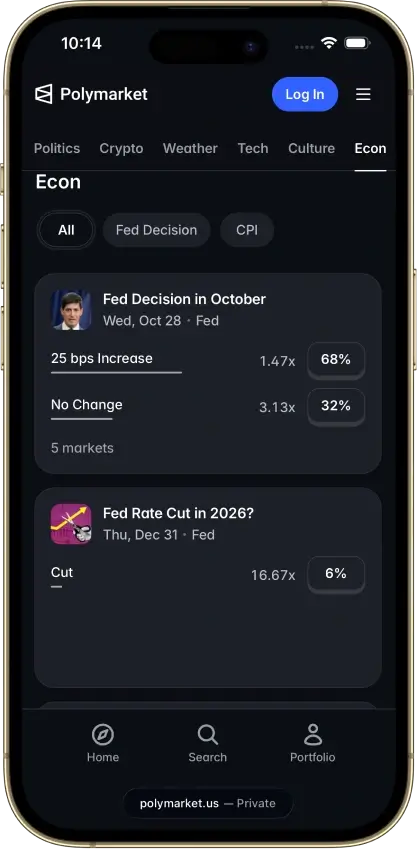
Polymarket US
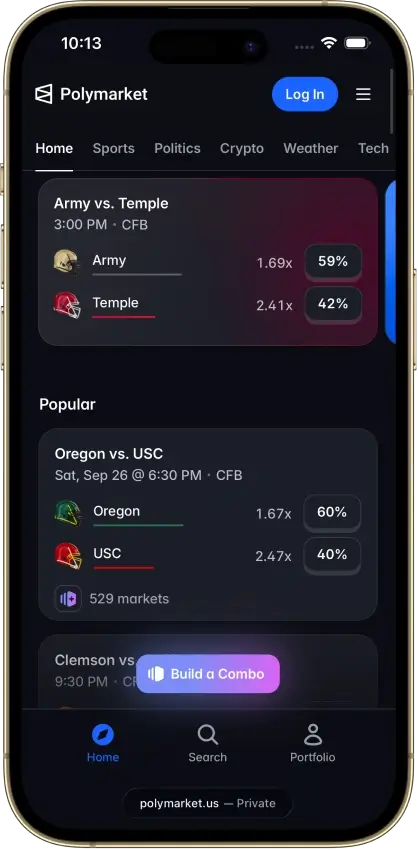
- Funding
- USD
- Min. deposit
- No card or ACH minimum stated ($1,000 by wire)
- KYC
- Full
Pros
- 0.5¢ spreads on top game markets
- CFTC exchange and clearing house end to end
- Taker fee 1.74¢ at 50¢, level with Kalshi
- iOS, Android, web and a public API
- Available in every state except Nevada
Cons
- Deposits take 3–4 business days to clear
- Withdrawals only to the original source
- No crypto, PayPal or instant transfers
- Company decisions on outcomes are final
- No tax form listed for event-contract gains
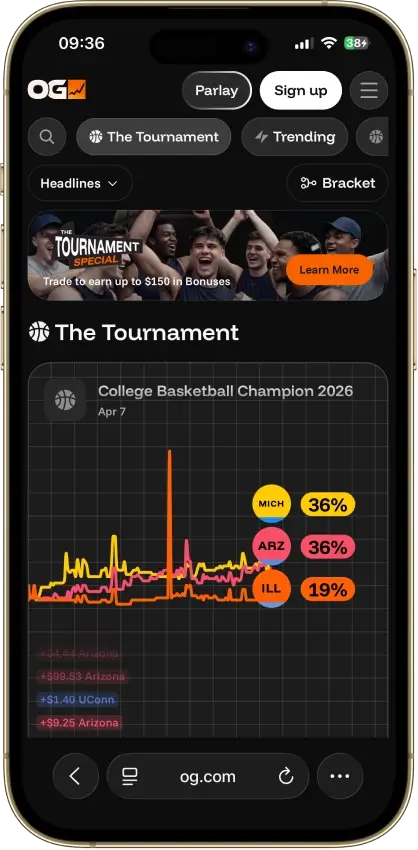
OG
- Funding
- USD
- Min. deposit
- $10 ($1 ACH, $1,000 wire)
- KYC
- Full
Pros
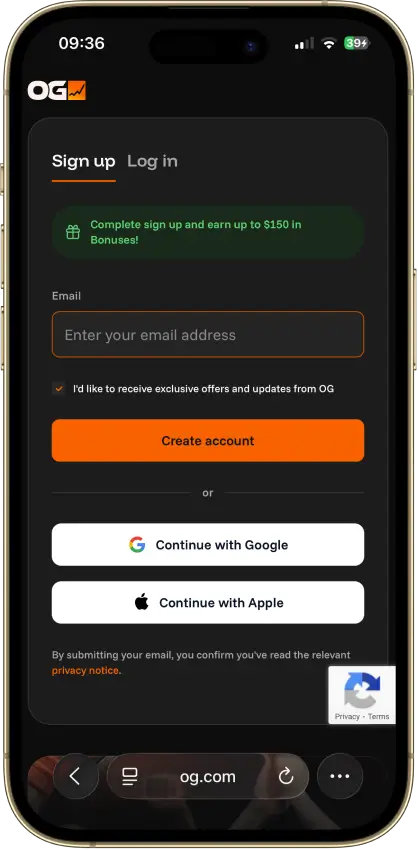
- Multiple USD rails: ACH, wire, PayPal, cards
- Early exits available before settlement
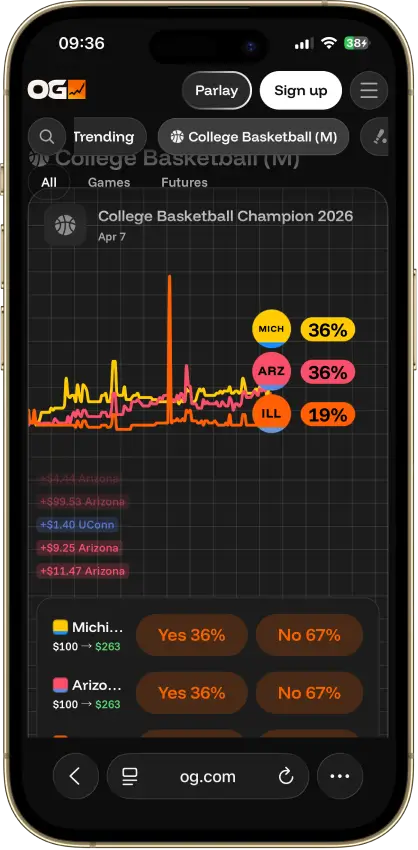
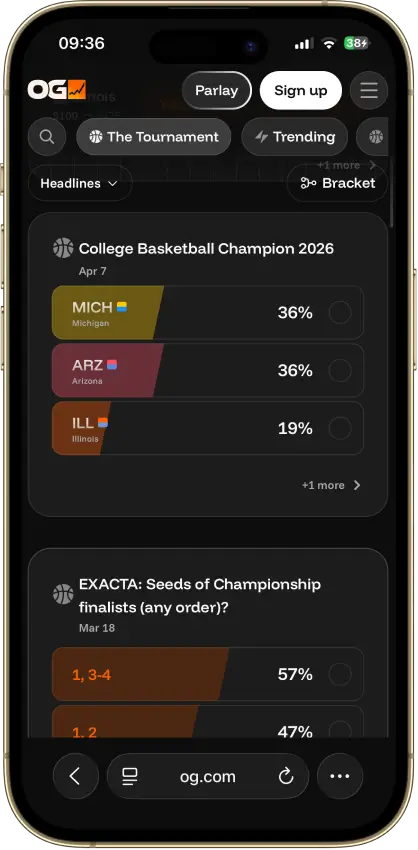
- Sports coverage: spreads, totals, props, parlays
- Trade cost/payout visible before confirmation
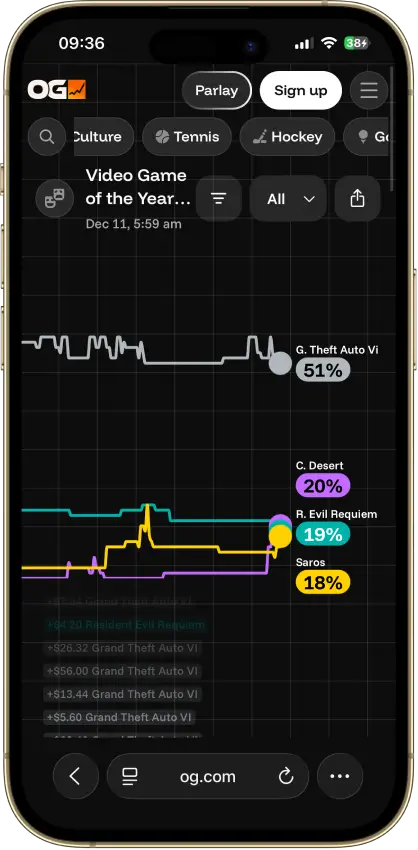
- iOS, Android, web with chat and leaderboard
Cons
- Full KYC and U.S.-only access add signup friction
- Early exits depend on opposing liquidity
- IOC orders can leave large trades partly filled
- Cash withdrawals are ACH-only
- No public API or historical data access
Coinbase Prediction Markets
- Funding
- USD, USDC
- Min. deposit
- No minimum
- KYC
- Full
Pros
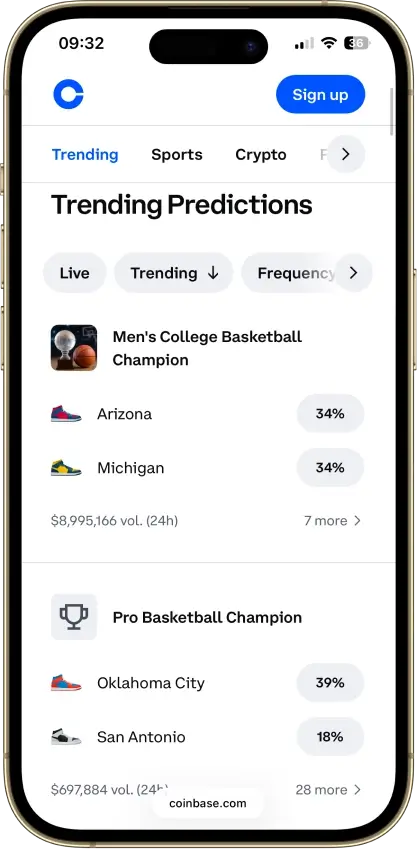
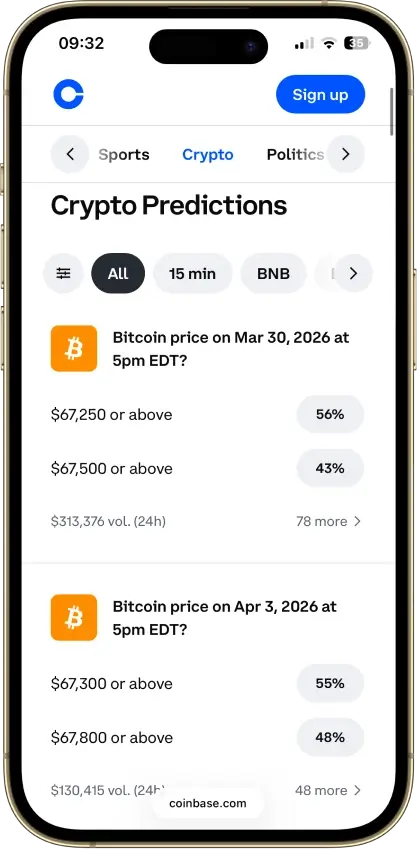
- Sampled Kalshi markets: 1¢ median spread
- Winnings tradeable the moment they settle
- Trade on the web as well as the app
- Underpaid Michigan winners made whole
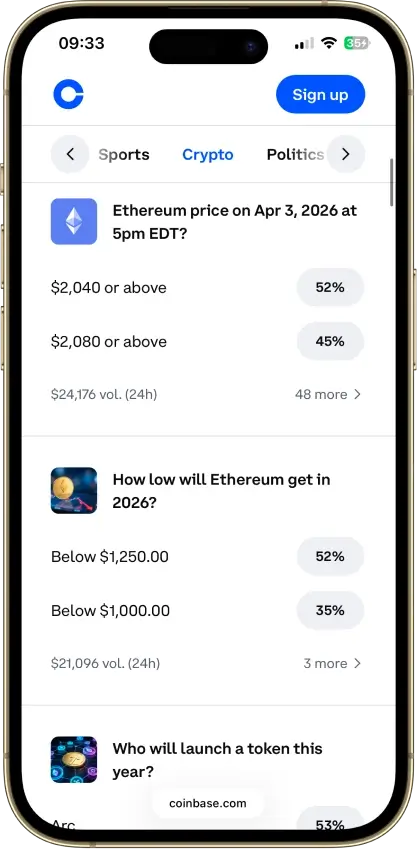
- 15-minute BTC and ETH price markets
Cons
- Fee amount shown only at checkout
- Income and net-worth review to join
- Unavailable anywhere in Nevada
- No API or data download
- Help pages contradict each other
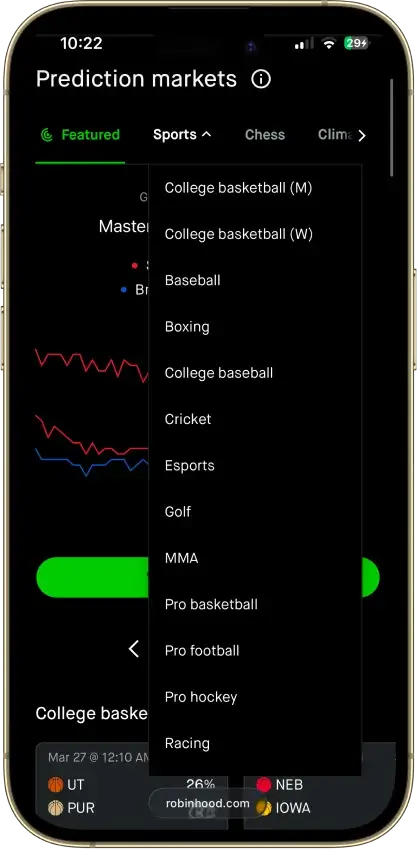
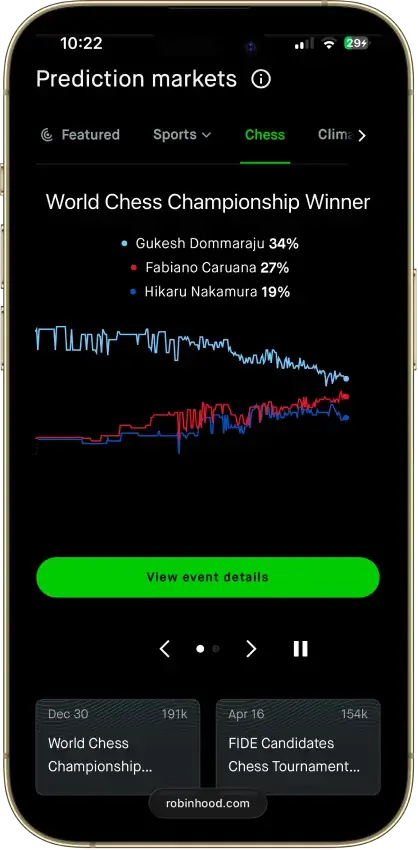
Robinhood
- Funding
- USD
- Min. deposit
- No minimum
- KYC
- Full
Pros
- Gold halves the commission on long shots
- Custom football combos up to 10 legs
- Free ACH deposits and withdrawals
- 24/7 chat plus phone callbacks
- Collateral held in a segregated account
Cons
- Needs a separate derivatives approval
- Trading only in the phone app
- No API or historical data download
- No sports contracts in NV, MD or MI
- Robinhood can't change a settlement

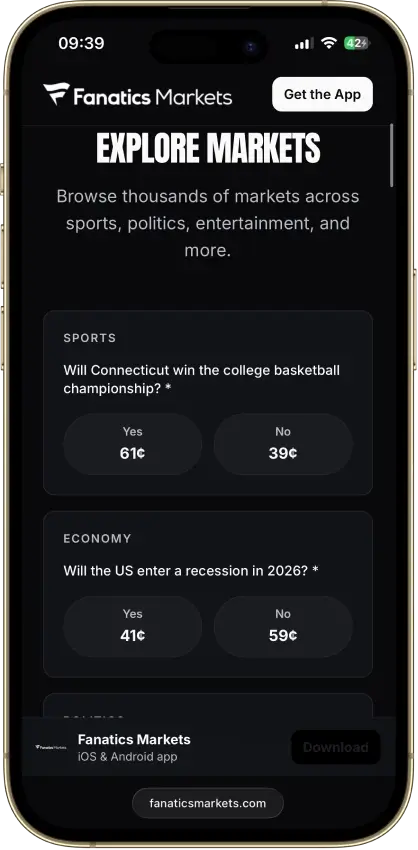
Fanatics Markets
- Funding
- USD
- Min. deposit
- $10 ($1,000 minimum for wire deposits)
- KYC
- Full
Pros
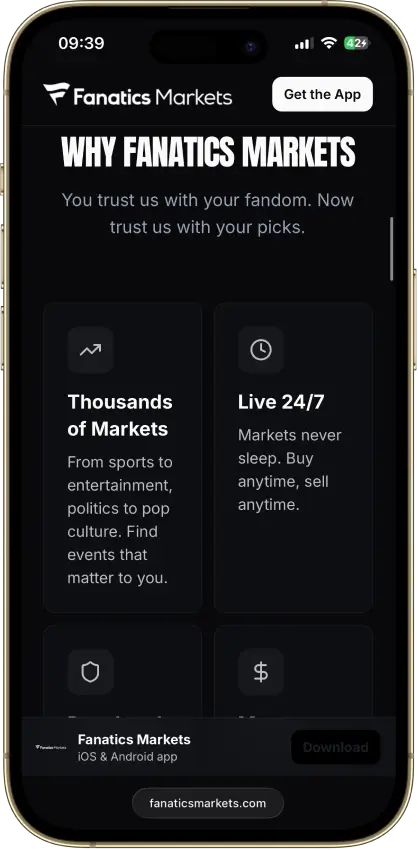
- Supports ACH, debit card, Apple Pay, wire
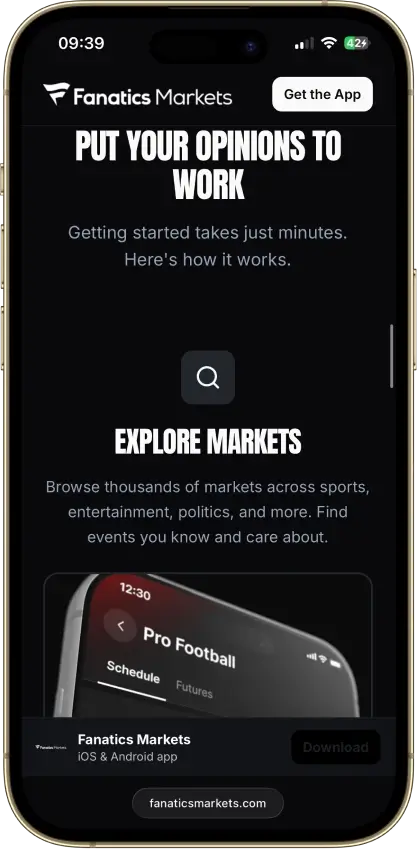
- Exit before settlement, not just at expiry
- Sport-specific settlement guidance for edge cases
- Deposit/session limits and self-exclusion tools
Cons
- Full KYC needs SSN, income, net worth, job info
- Only market orders; no limit orders
- Partial sales aren't supported; full exit only
- Geofencing can block trades while traveling
DraftKings
- Funding
- USD
- Min. deposit
- Not disclosed
- KYC
- Full
Pros
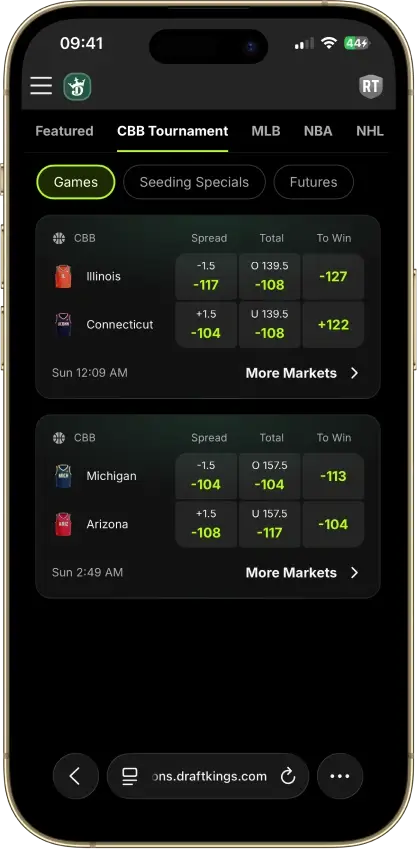
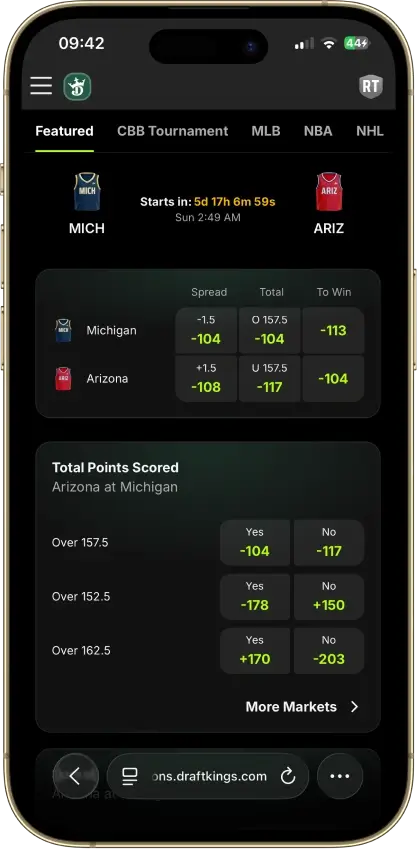
- Standalone app inside a familiar DraftKings setup
- Regulated via Wedbush, not a legal gray area
- Can sell positions early when liquidity allows
- Covers sports, crypto, stocks, politics, econ
- Posted fee is $0.01 per contract per side
Cons
- Access varies by state and category, sports most
- Full KYC can include income and trading history
- Balances don't move freely across DK products
- Unsettled funds and rules can delay withdrawals
- No public API or easy historical data access
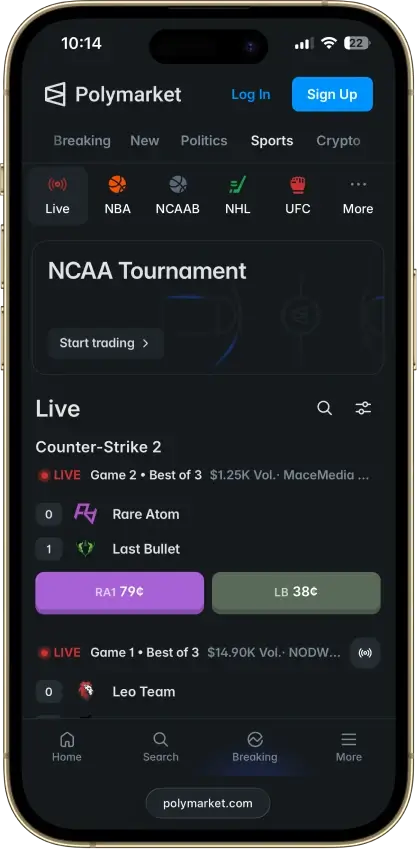
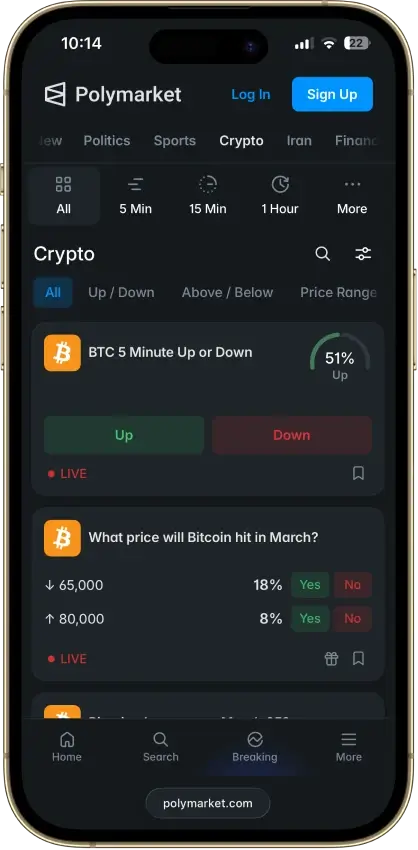
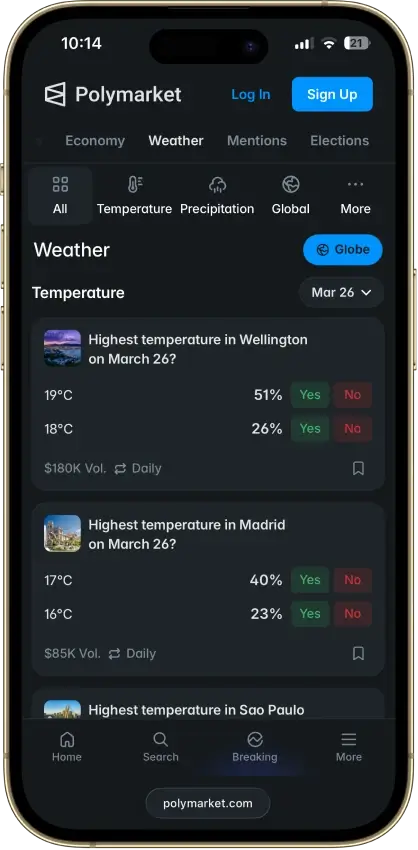
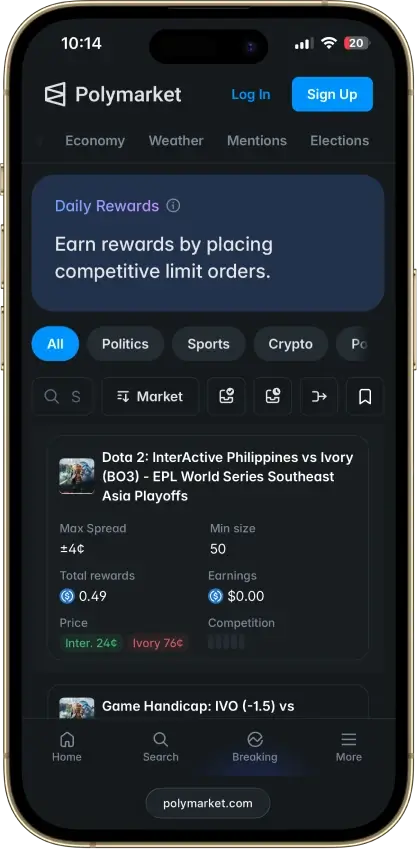
Polymarket
- Funding
- pUSD (crypto)
- Min. deposit
- $2 on most networks ($3 on Ethereum, $3.60 on Bitcoin)
- KYC
- None
Pros
- 1¢ spreads on top politics and sports markets
- Makers pay no trading fees
- Taker fee 0–1.25¢ at 50¢ outside crypto
- Instant withdrawals, no Polymarket fee
- No ID needed to sign up
Cons
- Not licensed by any regulator
- Disputes can end in a UMA token-holder vote
- Crypto only, no card or bank deposits
- Blocked or close-only in 41 countries
- Web only, and no tax statements
Manifold
- Funding
- Mana (Ṁ)
- Min. deposit
- $0
- KYC
- Partial
Pros
- Users can create markets on almost any topic
- No KYC needed to start trading
- Strong API, WebSocket feed, and data access
- Mana has no cash value, so risk-free testing
Cons
- No cash payout for forecasting skill
- Market quality varies; creators self-resolve
- Liquidity is uneven outside top topics
- Play-money incentives can distort pricing
PredictIt
- Funding
- USD
- Min. deposit
- $10
- KYC
- Full
Pros
- Free standard withdrawals since September 2026
- Markets on 35 Senate races
- No fee on losing or break-even trades
- Open to U.S. citizens living abroad
- Free market-data feed, 60-second updates
Cons
- 10% of profit taken on every winning trade
- $227 median depth near the price
- No withdrawals for 30 days after first deposit
- Outcomes settled at PredictIt's discretion
- Web only, no app
How We Rate Prediction Markets
These rankings focus on real use, not marketing claims. A platform scores well when a normal user can sign up, fund an account, place a trade, exit cleanly, and understand settlement without extra friction.
- Getting started and moving money: setup friction, funding rails, buying power delays, and the real path from settlement to cash-out.
- Trading quality and cost: liquidity, execution, fees, spreads, and whether the market mix is actually useful.
- Trust, usability, and records: rule clarity, dispute handling, custody model, app quality, tooling, support, and reporting.
This methodology rewards clear rules, useful depth, simple money movement, and trading quality that still holds up outside the biggest headline events. It punishes thin liquidity, weak disclosures, hidden costs, messy cash-out flow, and products that look better on paper than they do in real use.
What A Prediction Market Is And How It Works
A prediction market lets users trade on whether something will happen. That could be an election result, a sports game, a rate decision, a crypto price level, or a weather event. The contract is tied to a defined outcome and a stated resolution source.
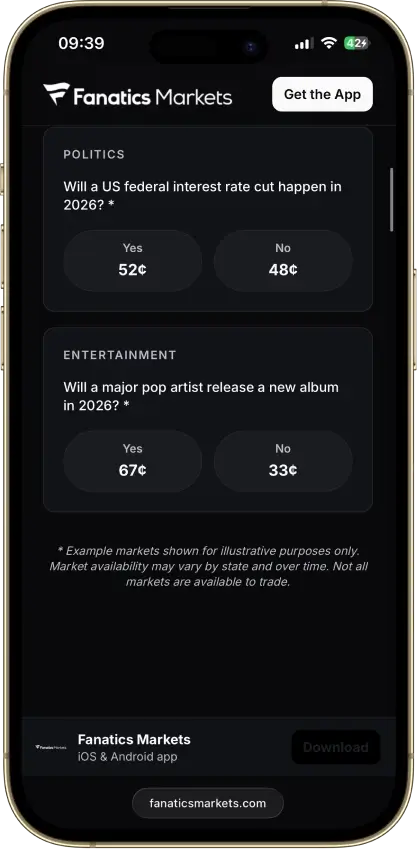
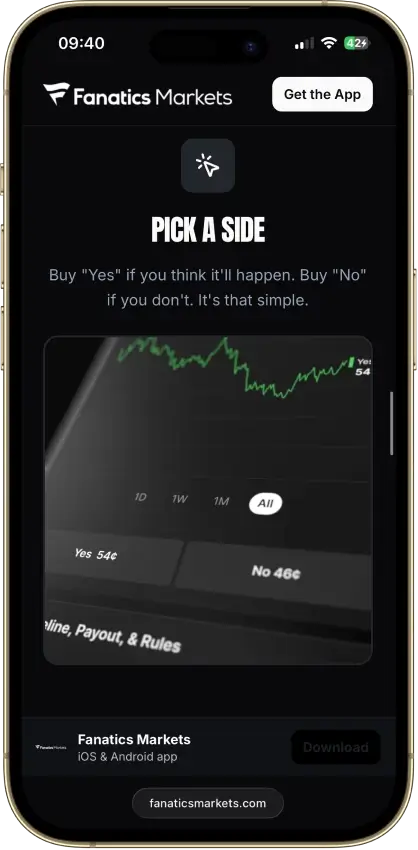
Most platforms still use yes/no contracts. Some also offer multiple-choice, range, or scalar contracts. In a basic yes/no market, the winning side settles at $1 and the losing side settles at $0.
Prices also act like implied probabilities. If a Yes contract trades at 38 cents, the market is roughly implying a 38% chance of that outcome. If the price later rises, the user may be able to sell early instead of waiting for final settlement.
| Contract Type | How It Works |
|---|---|
| Yes / No | Pays $1 if the stated outcome happens, $0 if it does not |
| Multiple-Choice | The winning outcome settles, and the others expire worthless |
| Range | Pays based on which defined band or bracket the final result lands in |
| Scalar | Pays according to how far the final result moves along a numeric scale |
A simple example helps. Say a market asks whether the Fed will cut rates in June and the Yes side trades at 42 cents. If a user buys there and the price later moves to 60 cents, they may be able to exit early and lock in a gain before the meeting happens. If they hold to settlement, the contract pays $1 if the event resolves Yes and $0 if it resolves No.
That is also why prediction markets are not the same as just betting. The user is not only picking an outcome, they are also choosing an entry price, deciding whether to exit early, and relying on the platform's rules, liquidity, and payout flow. That is why platform choice matters. A weak market can turn a good call into a bad trade.
Types Of Prediction Market Platforms
Not every prediction market platform works the same way. Some run as direct exchanges, some sit inside brokerage apps, and some use crypto wallets and onchain settlement. That matters because access, funding, exits, and even what “trading” means can change a lot from one model to another.
| Type | How It Works | Main Strength | Main Trade-Off | Best Fit User |
|---|---|---|---|---|
| Regulated Exchanges | Users trade directly on a regulated event market venue with defined contract rules and cash settlement | Strong trust, clearer rules, and better banking rails | Access can vary by jurisdiction and onboarding is often heavier | U.S.-focused users who want cleaner trust and payout flow |
| Broker-Integrated Markets | A broker or trading app offers event contracts inside an existing account and routes the activity through partner market structure | Easy onboarding for existing users and familiar funding flow | Less direct control, lighter tooling, and execution may depend on outside venues | Casual users who want convenience first |
| Crypto-Native Prediction Markets | Users fund with wallets and stablecoins, then trade through onchain or crypto-native market structure | Fast market reaction, strong API access, and broad global event coverage | Wallet setup, bridge friction, and off-ramp flow are harder | Crypto-native users, active traders, and bot builders |
| Sweepstakes / Social Platforms | Users engage through free-entry, sweepstakes-style, or community-first mechanics rather than standard brokerage-style trading | Easy access and low entry friction | Rewards, rules, and market quality can work very differently from direct trading platforms | Casual users who want light, low-stakes participation |
| Research-Only / Play-Money Platforms | Users trade with play money or use the platform as an idea market without real-money payout | Fast testing, easy experimentation, and useful signal gathering | No real-money exposure or cash-out path | Users testing ideas, tracking crowd views, or building markets for research |
That is why it does not make sense to compare every platform as if it works the same way. A regulated exchange, a routed broker product, and a play-money market can all look similar on the surface, but the user experience, risk model, and payout reality are very different.
How To Choose The Right Prediction Market
The wrong platform usually fails in one practical area before anything else. It is usually funding, payout flow, liquidity, or rule quality, not branding.
- Check How Hard It Is To Get From Signup To First TradeSome platforms are fast to start. Others add KYC steps, broker approvals, wallet setup, or geolocation checks that slow everything down.
- Check How You Fund The AccountLook at the actual funding rails before you sign up. Bank transfer, debit, brokerage cash, and wallet funding all create different kinds of friction.
- Check How Winnings Actually Become WithdrawableSettlement is not always the same as cash-out. A platform can resolve quickly but still delay withdrawal, off-ramp, or final bank access.
- Check Whether The Markets You Care About Are Deep Or Just ListedA long market menu does not mean those contracts trade well. What matters is whether there is enough depth to enter and exit at reasonable prices.
- Check If You Can Exit Before ResolutionEarly exits matter because they let users lock in gains, cut losses, or avoid waiting for final settlement. That is a big part of what makes a prediction market useful.
- Check Fees, Spreads, And Hidden Cost DragHeadline fees rarely tell the full story. Spreads, gas, withdrawal costs, FX, and partner charges can matter just as much.
- Check Rule Wording And Dispute HandlingA market is only as good as its rules. Clear wording, defined settlement sources, and a credible dispute process matter most when the event gets messy.
- Check Whether The Platform Fits Your Style: Casual, Macro, Sports, Crypto-Native, Or API-DrivenThe best platform for a casual user is often different from the best one for a sports trader, macro-focused user, or bot-driven workflow. Match the platform to how you actually plan to use it.
The best choice usually becomes obvious once you check these points in order. Most weak fits fail on money movement, execution, or rules long before branding becomes the real issue.
Funding, Settlement and Cash-Out Flow
Money flow is where prediction market friction shows up fastest. A platform can feel smooth at signup and still become slow once a user tries to fund, wait for settlement, or move winnings back to a bank or wallet.
- Deposit funds. Money comes in through bank transfer, debit card, brokerage cash, or a crypto wallet. The first friction point is usually account linking, KYC, or wallet setup.
- Wait for buying power. Some platforms credit buying power quickly. Others add holds, settlement windows, or chain confirmation delays.
- Place the trade. Once the order is filled, the position stays open until the user exits or the market resolves.
- Wait for settlement. Winning contracts turn into account balance, but that balance is not always withdrawable right away.
- Withdraw or off-ramp. The final step is moving money back to a bank or wallet, and this is often where the longest delay appears.
The real delay usually does not happen at trade entry. It usually appears after the market resolves, when the user is waiting for balance to clear, a bank transfer to settle, or a crypto off-ramp to finish. That is why settlement speed and cash-out speed are not the same thing.
Liquidity, Early Exits and Why Execution Matters
Some platforms look tradable because they list a lot of markets. But real tradability comes from depth, tighter spreads, usable order controls, and the ability to exit without giving up too much price.
| Concept | What To Look For | Why It Matters |
|---|---|---|
| Major-Market Depth | Strong size and steady activity on headline events | Makes it easier to enter and exit at fair prices |
| Quiet-Market Depth | Usable order books outside the biggest events | Shows whether the platform is broadly tradable or only active at peak moments |
| Spreads And Slippage | Tighter pricing and less movement between quote and fill | Reduces hidden cost on both entry and exit |
| Limit Orders And Partial Fills | Better order control and realistic fill behavior | Matters more for active traders and larger-size positions |
| Early Exits | The ability to close before final resolution | Helps users lock gains, cut losses, and avoid waiting |
| Cross-Platform Price Differences | The same event may trade at different prices on different platforms | Shows why execution and market structure matter, not just the contract itself |
Casual users can get away with weaker execution if they trade small and stick to major events. Active traders feel the cost of thin depth much faster because spreads, slippage, and partial fills add up. Larger-size traders need strong order books, better limit control, and cleaner exits, or the same market idea can become much harder to trade well.
Rules, Resolution and Disputes
A prediction market is only as safe as its rules. Before trading, the user should know who resolves the market, what source decides the outcome, how clarifications are handled, and what happens if the event changes or the wording breaks.
The safest markets name the resolution source up front. That could be an official result, league ruling, exchange notice, or another defined public source. The dispute path should also be clear, whether that means internal review, published clarification, escalation, or final operator decision.
Void and cancellation rules matter just as much. A good market explains when contracts can be voided, refunded, or canceled, and keeps that policy narrow enough that the user knows what can and cannot change after trading begins.
The biggest edge-case risk usually comes from vague wording, late clarifications, source conflicts, postponed events, or revised results. A market feels safer when the wording is plain and the outcome source is fixed early. Be cautious when the source is vague, clarifications arrive late, or the platform leaves too much room for discretionary changes.
Access, Restrictions, KYC, and Reporting
Access rules can change the real user experience just as much as fees or liquidity. Some platforms are simple for a retail user with a standard account. Others add KYC, location limits, entity-level onboarding, or recordkeeping work that makes the product feel much heavier in practice.
- Account setup: Check whether the platform needs a brokerage account, wallet, linked bank, or separate market approval.
- Identity checks: See whether KYC or extra review is required before funding or withdrawals.
- Age and location limits: Confirm minimum age, blocked states, countries, or product-level restrictions.
- User type access: Check whether access changes for individuals, businesses, institutions, or API users.
- Reporting tools: Look for tax forms, statements, exports, and downloadable trade history.
- Manual recordkeeping: See how much the user must track across trades, wallets, and withdrawals.
Broker-integrated products often feel simplest for an already verified retail user because funding, statements, and account history sit in one place. Regulated exchanges and broker stacks can still create more onboarding steps, while crypto-native platforms often reduce traditional paperwork but shift more of the recordkeeping and access burden back to the user.
Prediction Markets Vs Sportsbooks, Brokerages and Polls
Prediction markets sit next to several products that can look similar at first. But they solve a different problem. The clearest way to compare them is by pricing, how markets get created, and what each product is actually built for.
| Product | Pricing | Market Creation | Use Case |
|---|---|---|---|
| Prediction Markets | Prices move like implied probabilities and can change throughout the market | Markets are listed around defined real-world outcomes | Best for trading event probabilities and adjusting before settlement |
| Sportsbooks | Odds are set by the book and adjusted by the operator | Mostly focused on sports and fixed bet types | Best for fixed-odds betting and mainstream sports use |
| Brokerages | Prices come from financial markets, not event-contract settlement | Focused on stocks, options, ETFs, and other financial products | Best for investing, hedging, and broad market exposure |
| Polls | Show opinion snapshots, not tradable prices | Built from survey design, not live trading | Best for measuring sentiment, not placing or exiting trades |
Prediction markets are the better tool when the user wants tradable event pricing, a live crowd view, and the option to enter or exit before the result is final. They are not the better tool when the goal is fixed-odds sports betting, long-term portfolio investing, or reading public opinion without trading anything at all.
Risks and Common Mistakes
Most prediction market mistakes are practical, not theoretical. Users usually get into trouble by assuming the market works one way when the actual rules, liquidity, or payout flow work another way.
Some common mistakes include:
- Misreading contract wording
- Confusing settlement with withdrawable cash
- Trading thin markets like deep ones
- Ignoring spreads and slippage
- Assuming similar events follow the same rules
- Using weak reporting tools
- Overtrading short-dated markets
- Treating sweepstakes products like exchanges
A lot of losses come from process mistakes, not bad forecasts. A user can call the event correctly and still get hurt by a bad entry, a weak exit, or a payout path that takes longer than expected.
That is why the safest habit is to slow down before funding, read the market wording, check the exit path, and confirm how money actually leaves the platform. Most bad outcomes come from rushing those steps, not from missing the headline itself.