BNB wallets usually fall into a few common categories. The “best” type is the one that matches how you use BNB day to day, whether that is holding long term, swapping tokens on BNB Smart Chain, or just keeping a small balance for payments and transfers.
| Wallet type | Best for | Trade-off | Examples from this list |
|---|
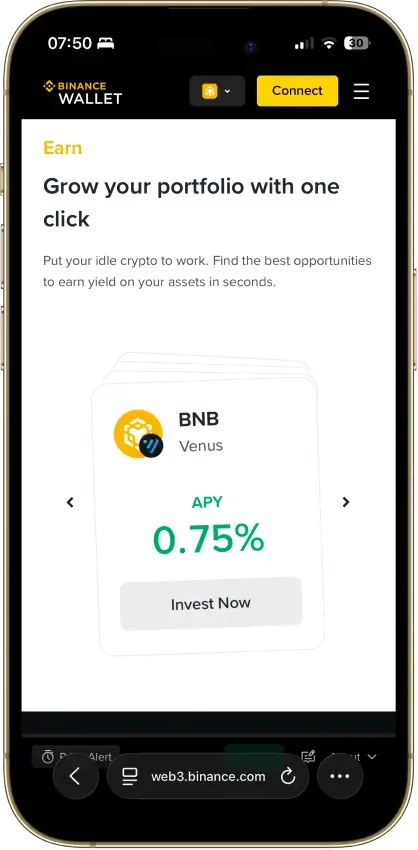
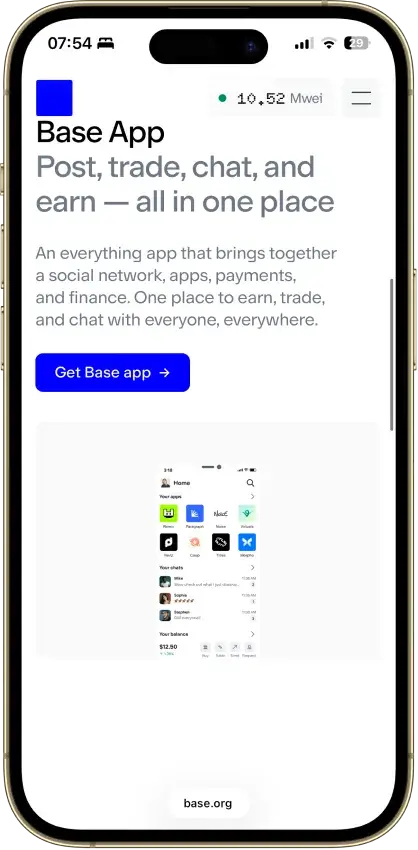
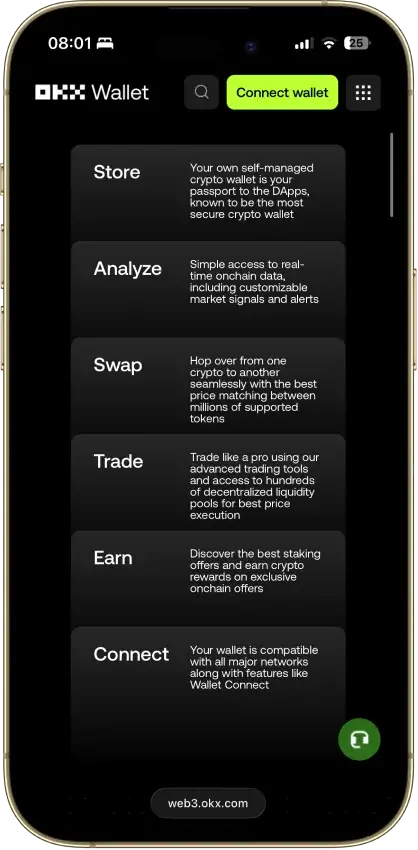
| Mobile wallet app | Everyday use, quick transfers, on-the-go swaps | Phone security and phishing risk if you approve the wrong transaction | Trust Wallet, Binance Wallet, OKX Wallet, Coinbase Wallet / Base App |
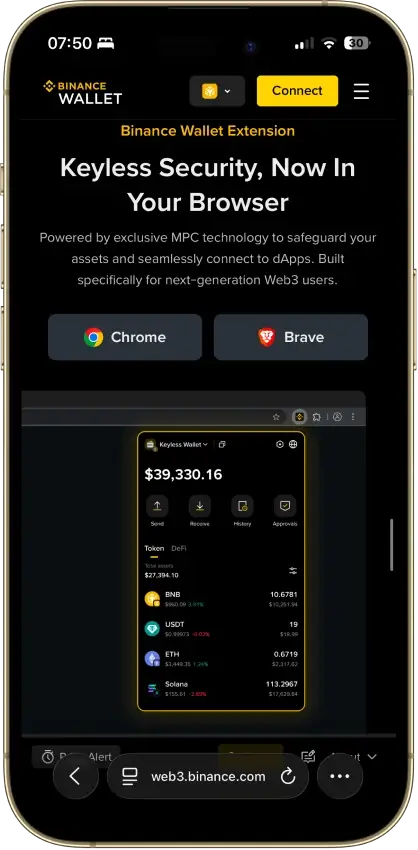
| Browser extension | DeFi, dApps, and frequent on-chain activity on desktop | More exposure to malicious sites and fake popups | MetaMask, OKX Wallet, Binance Wallet, Coinbase Wallet extension |
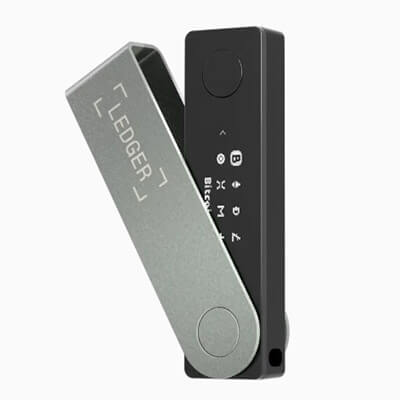
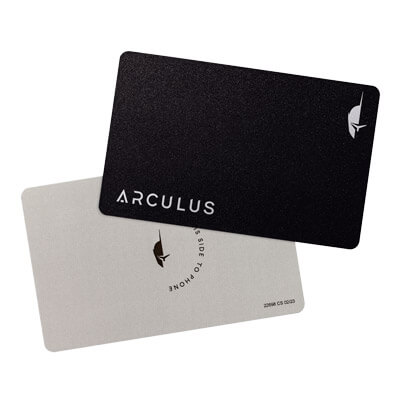
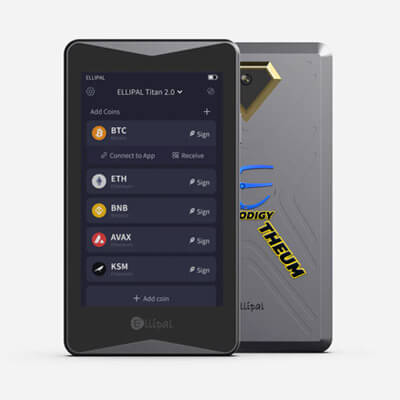
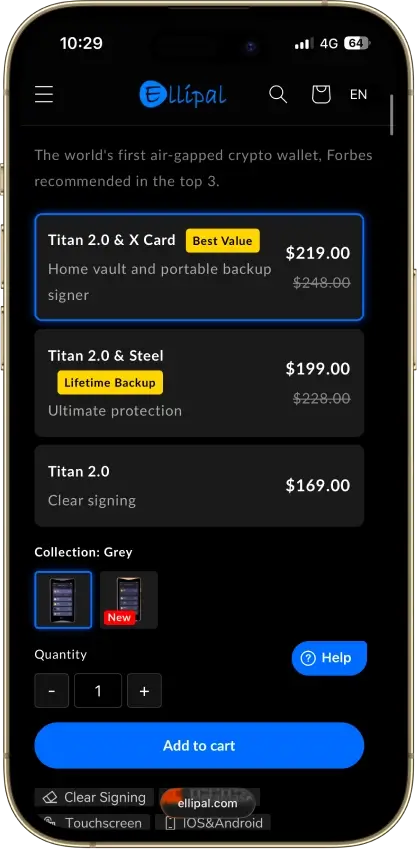
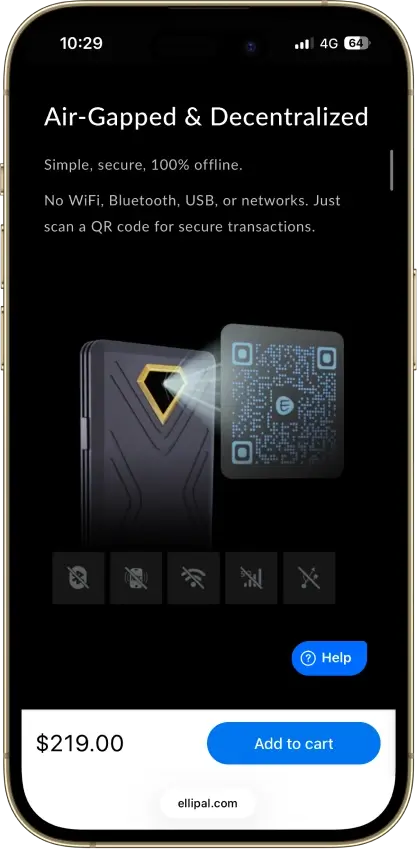
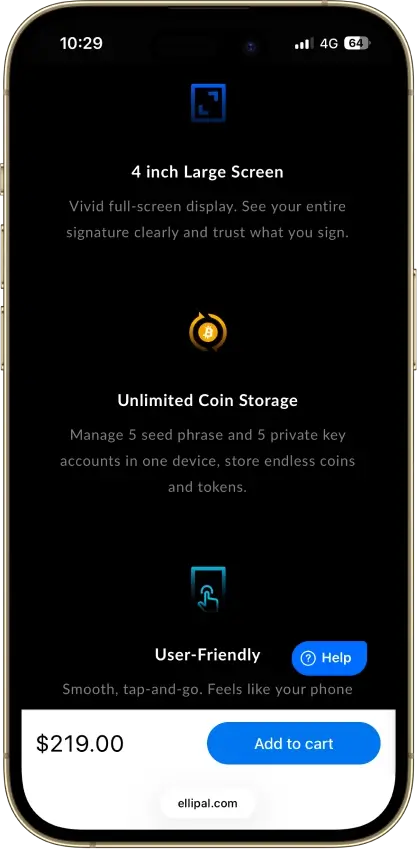
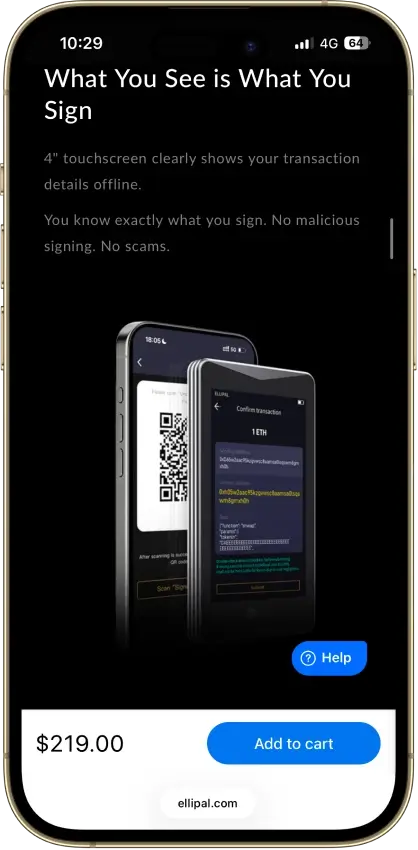
| Cold wallet | Long-term holding, larger balances, stronger key security | Less convenient for constant dApp use | Ledger (often paired with MetaMask or Trust Wallet) |
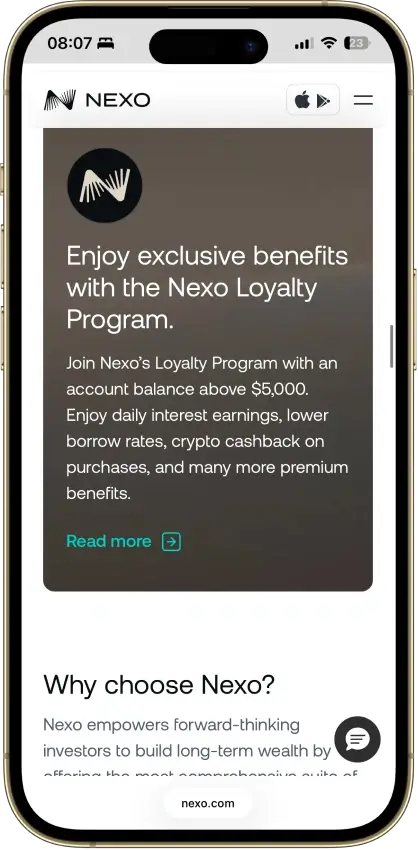
| Custodial account wallet | Convenience, simpler onboarding | You rely on the provider for custody and access | Nexo |
BNB Wallet Apps / Mobile Wallets
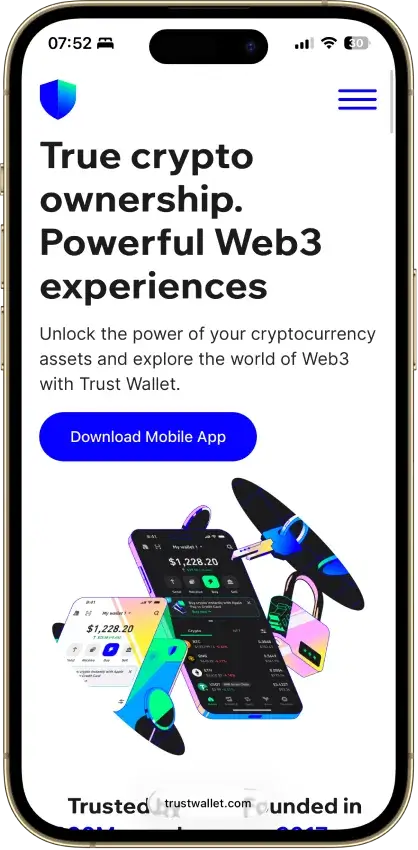
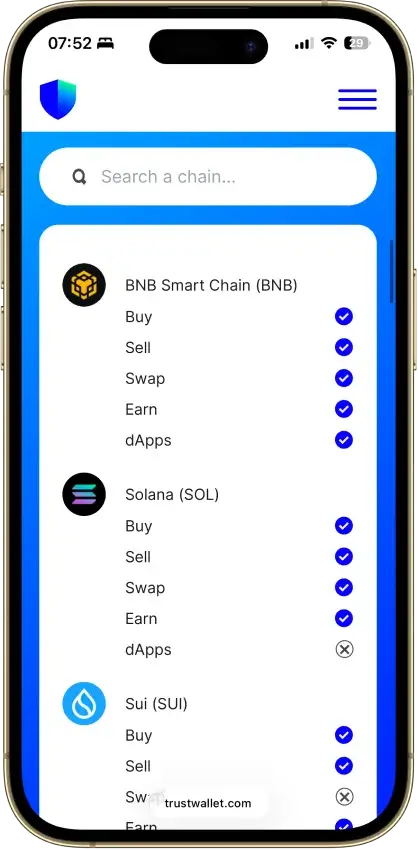
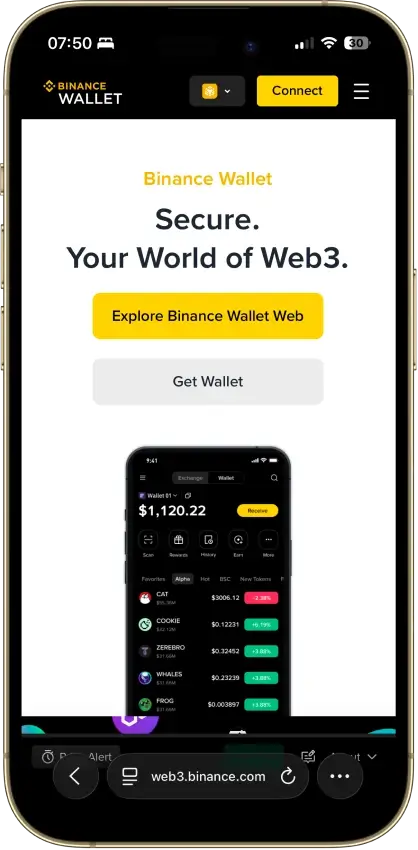
A BNB mobile wallet is usually the simplest way to start. It works well for holding BNB, receiving BEP-20 tokens, and sending funds when you need to. If you want an all-around pick that feels straightforward, Trust Wallet is the default choice. If you already use Binance, Binance Wallet can be a practical option because it keeps you close to the BNB ecosystem. If you want a more familiar path from Coinbase tools, Coinbase Wallet / Base App makes the transition easier.
Mobile wallets are convenient, but they require good habits. Use a strong device passcode, enable biometrics, back up your recovery phrase properly, and avoid approving transactions you do not fully understand.
BNB Chain Wallet Extensions
A browser extension wallet is built for people who use BNB Smart Chain as a daily environment. It is the most natural setup for swaps, DeFi, and dApp activity on desktop because it can connect to sites directly or through WalletConnect.
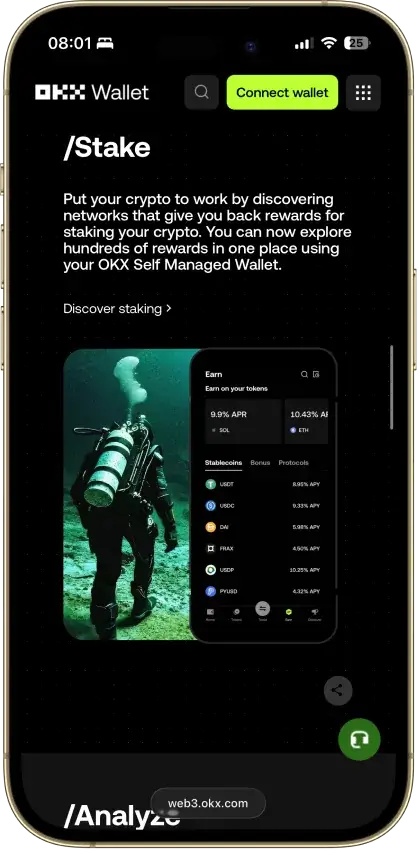
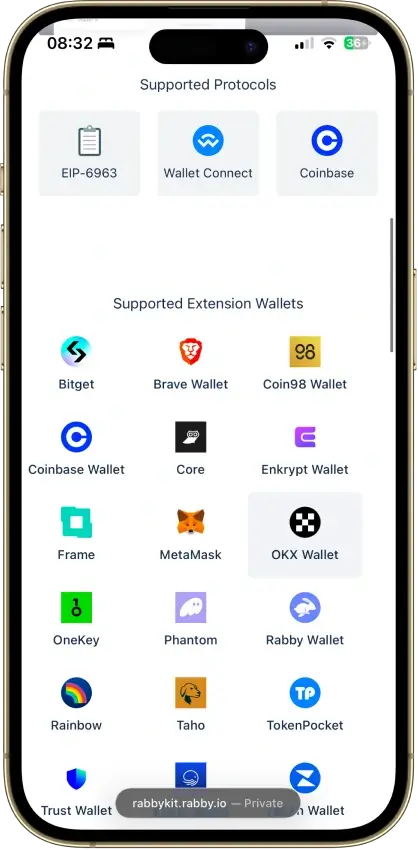
MetaMask is the most familiar choice for this. OKX Wallet is a strong alternative if you want a multi-chain setup. If you prefer to keep everything inside the Binance ecosystem, Binance Wallet can also work well in a browser-first flow.
If you spend a lot of time in dApps, consider pairing an extension wallet with a hardware wallet for better security.
BNB Cold Wallets
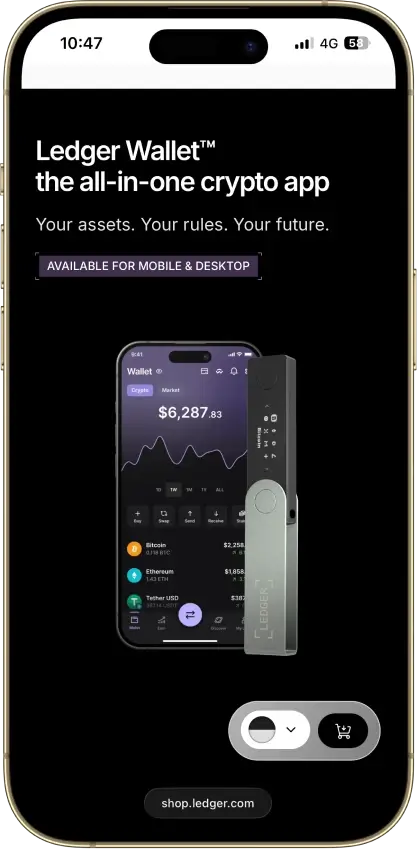
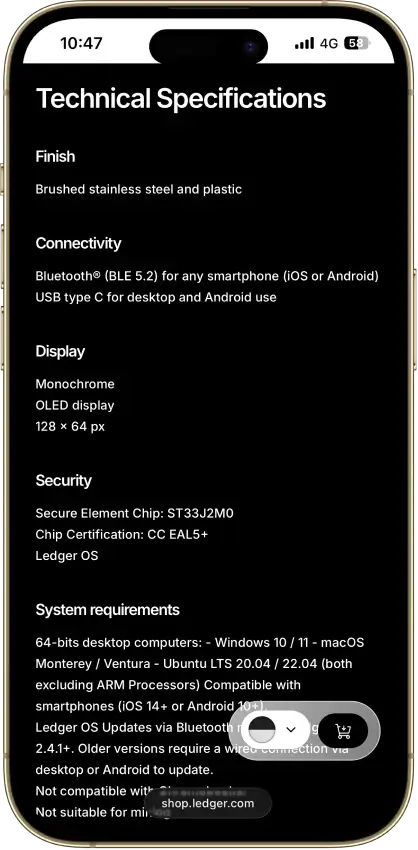
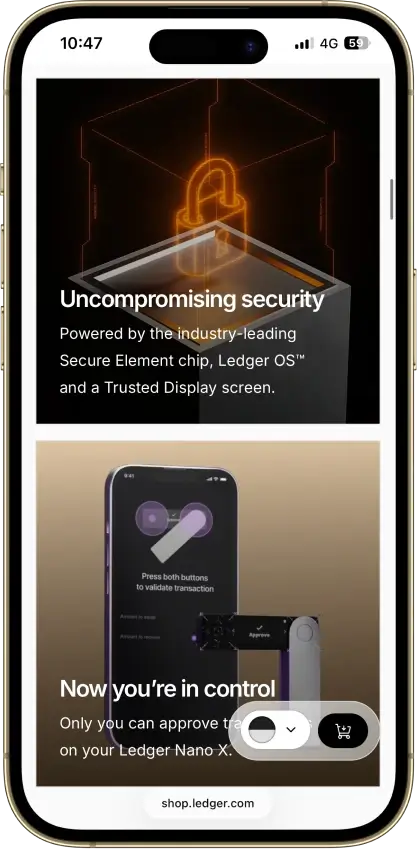
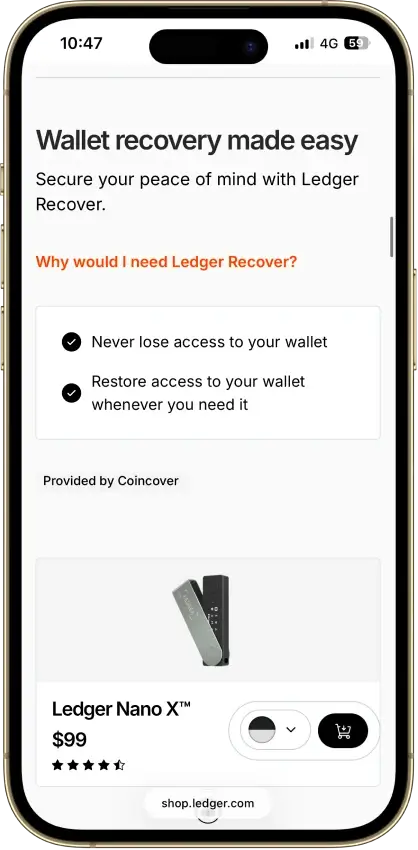
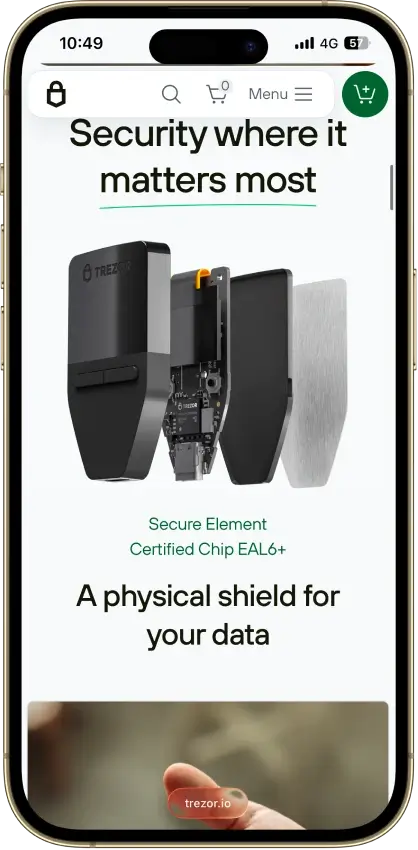
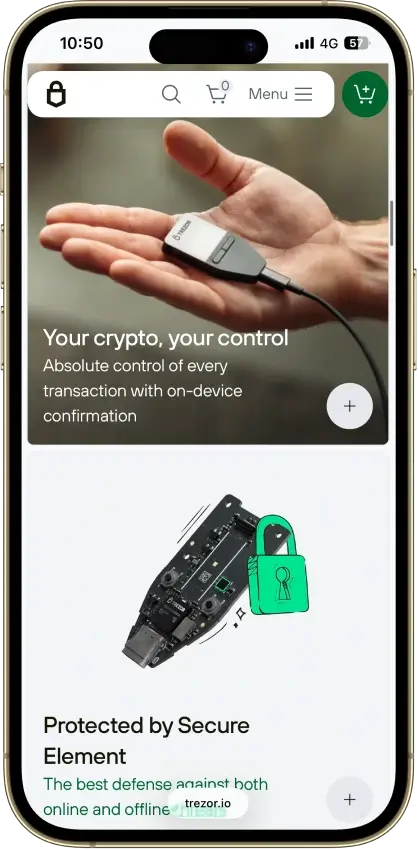
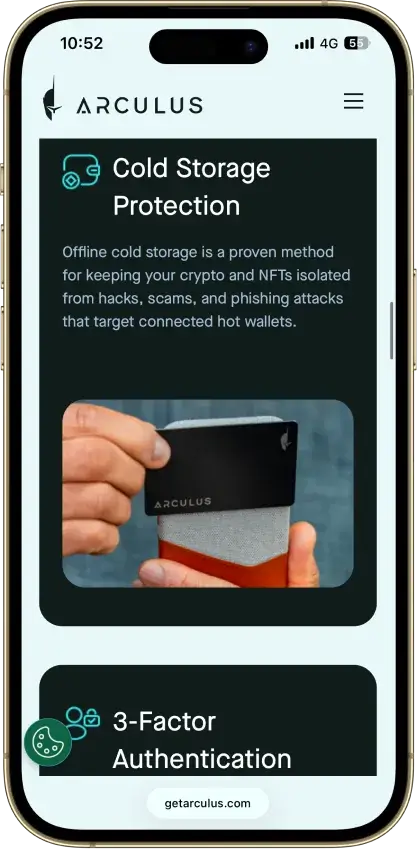
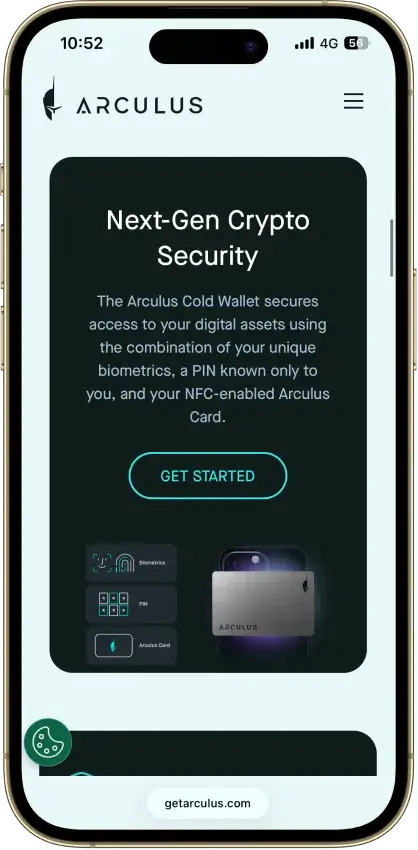
A cold wallet is the right move when the main goal is security and long-term storage. Instead of keeping keys on an internet-connected device, a hardware wallet like Ledger keeps signing isolated and reduces the risk of malware draining funds.
Cold wallets are not just for “never touch it” storage. You can still use BNB Smart Chain apps by pairing Ledger with a software wallet interface, but the experience is slower than using a pure hot wallet. The trade-off is usually worth it once the balance becomes meaningful.
Custodial Vs Self-Custody BNB Wallets
Self-custody wallets put you in control of the keys. That is the main advantage of wallets like Trust Wallet, MetaMask, OKX Wallet, and Coinbase Wallet / Base App. The downside is that you are responsible for backups and for avoiding scams.
Custodial wallets trade some control for convenience. A platform like Nexo can feel simpler because access is account-based, but custody is handled by the provider. If you choose a custodial option, treat it more like a financial account and factor in platform risk and withdrawal rules as part of the decision.