
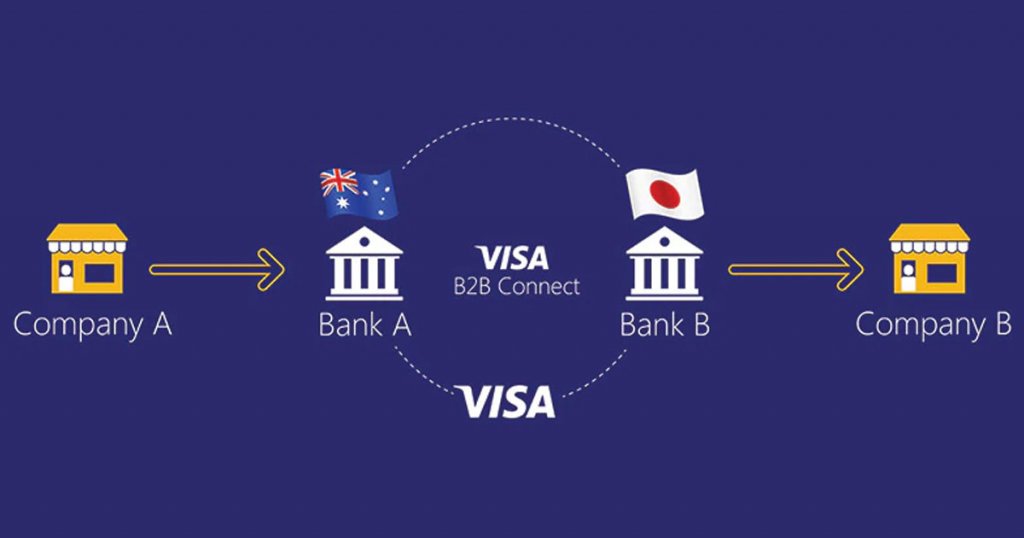
Visa is one of the world’s largest global payments technology companies, providing electronic payment infrastructure that enables individuals, businesses, financial institutions, and governments to transfer value securely and efficiently. Rather than issuing cards or extending credit directly, Visa operates a global payment network that connects banks, merchants, and consumers across more than 200 countries and territories.
As a foundational layer of modern financial infrastructure, Visa processes billions of transactions annually and plays a central role in global commerce, digital payments, and financial inclusion.
Overview
Visa operates a network-based business model centered on VisaNet, its global payment processing system. This network facilitates authorization, clearing, and settlement of transactions between issuing banks (which provide cards to consumers) and acquiring banks (which serve merchants).
The company enables a wide range of payment types, including credit, debit, prepaid, and digital wallet transactions.
Core Products and Services
Visa offers a broad set of payment and financial infrastructure services:
- Global payment network (VisaNet)
- Credit, debit, and prepaid card systems
- Merchant payment processing infrastructure
- Cross-border payment and remittance services
- Fraud prevention and payment security solutions
These services support both consumer payments and large-scale financial operations.
VisaNet and Payment Infrastructure
VisaNet is the core technology platform that processes transactions in real time. It enables secure communication between financial institutions and ensures reliable settlement of payments worldwide.
Key capabilities include:
- Real-time transaction authorization
- Clearing and settlement between banks
- High transaction throughput and scalability
- Fraud detection and risk monitoring
- Global interoperability across financial systems
This infrastructure allows Visa to operate at massive global scale.
Digital Payments and Innovation
Visa has expanded beyond traditional card payments into digital and mobile payment solutions. This includes integration with digital wallets, contactless payments, and e-commerce platforms.
Innovation areas include:
- Contactless and mobile payments
- Tokenization and payment security technologies
- Real-time payment solutions
- Open banking and API-based financial services
- Embedded finance and fintech partnerships
These innovations support the shift toward cashless and digital-first economies.
Blockchain and Crypto Initiatives
Visa has actively explored blockchain technology and digital assets, including stablecoins and cryptocurrency payment integration. The company has partnered with crypto platforms to enable card-based spending of digital assets and has experimented with blockchain-based settlement systems.
Key areas of involvement include:
- Crypto debit and payment card partnerships
- Stablecoin settlement pilots
- Blockchain research and infrastructure development
- Integration with digital asset wallets
- Support for tokenized payment systems
This positions Visa as a bridge between traditional payments and emerging blockchain finance.
Use Cases
Visa supports a wide range of global financial use cases:
- Consumer payments in retail and e-commerce
- Cross-border remittances and international transfers
- Business-to-business payment infrastructure
- Digital wallet and mobile payment systems
- Crypto-to-fiat spending through card integration
These use cases reflect Visa’s central role in global financial activity.
Market Position
Visa is one of the dominant global payment networks alongside companies like Mastercard. Its scale, reliability, and global acceptance make it a critical component of financial infrastructure for banks, merchants, and consumers worldwide.
The company’s continued expansion into digital payments and blockchain integration reinforces its position in the evolving financial landscape.
Risks and Considerations
As a global payments company, Visa faces several considerations:
- Regulatory changes across international markets
- Competition from fintech platforms and alternative payment systems
- Cybersecurity and fraud risks
- Disruption from blockchain-based payment networks
These factors influence long-term growth and innovation strategies.
Role in the Financial Ecosystem
Visa plays a foundational role in enabling global commerce by providing the infrastructure that powers digital payments. Its network connects billions of users and millions of merchants, facilitating seamless financial transactions worldwide.
As finance evolves toward digital assets and tokenized systems, Visa remains a key bridge between traditional payment networks and the next generation of blockchain-based financial infrastructure.