A low swap fee offers little benefit if reaching the market requires an expensive bridge transfer. Start with the assets already in your wallet and the networks available to you. Compare the amount each eligible route would deliver after the costs of moving and exchanging those assets.
These six products cover different trading tasks. They appear alphabetically, without an overall numerical ranking.
Decentralized Exchanges by Trading Task
- Networks
- Multi-chainEVM + Solana web support
- Markets
- Spot swaps
- Fees
- Pool-dependentVersion, route and gas affect cost
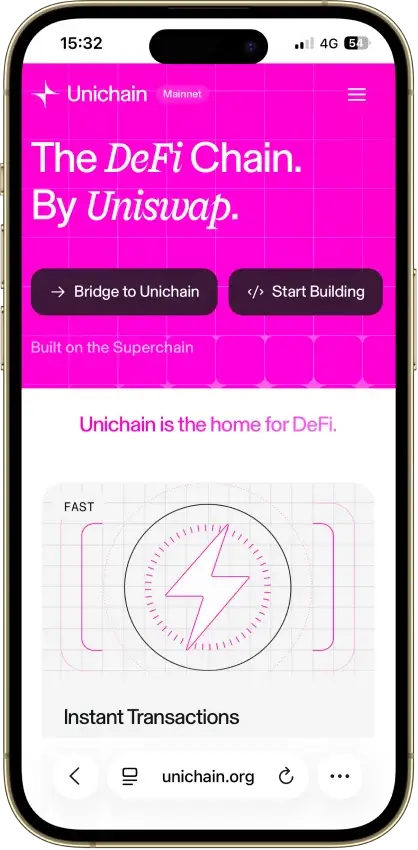
- Swaps on Unichain, Uniswap's own network
- UniswapX fillers cover most swap gas
- Passkey wallet setup inside the web app
- Networks
- Solana
- Markets
- Spot + perpetuals
- Fees
- Manual / Ultra pricingRoute and product affect fees
- Solana swaps through competing routing sources
- Automated and manual swap settings
- Ultra fronts gas for wallets low on SOL
- Networks
- BNB Chain + moreProduct support varies
- Markets
- Spot + perpetuals
- Fees
- Pool-dependentVersion, route and gas affect cost
- BNB Chain swaps across multiple pool versions
- Infinity pools with customizable hooks
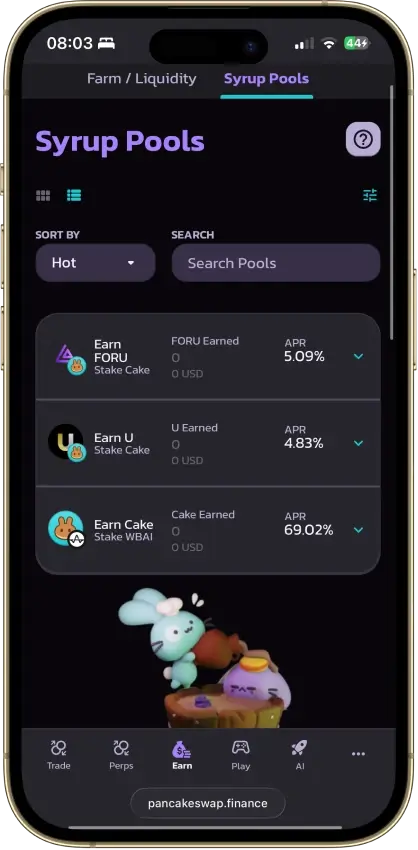
- CAKE access to partner-token reward pools
- Networks
- Hyperliquid L1HyperCore trading
- Markets
- Spot + perpetuals
- Fees
- Maker / takerSeparate spot and perp schedules
- Onchain order books with public market data
- Standard, unified and portfolio account modes
- Trading APIs and market-specific order controls
- Networks
- SolanaSpot; perps via Orderly
- Markets
- Spot + perpetuals
- Fees
- Pool / product feesPool type and product affect cost
- Solana swaps and direct liquidity management
- Standard and concentrated liquidity pools
- LaunchLab tokens graduate into Raydium pools
- Networks
- Solana
- Markets
- Spot swaps
- Fees
- Curve / pool feesStage and pool affect fees
- Bonding-curve trades and PumpSwap markets
- SOL, USDC and supported custom pair assets
- Creators earn 0.30% of each curve trade
CryptoSlate may earn a commission when you visit partner sites through links on this page, at no extra cost to you. Our rankings and reviews remain editorially independent and based on our published methodology. Read disclosure
Disclaimer: CryptoSlate may receive a commission when you click links on our site and make a purchase or complete an action with a third party. This does not influence our editorial independence, reviews, or ratings, and we always aim to provide accurate, transparent information to our readers.Each fee below names its product scope. None is a complete quote for moving funds in, trading and cashing out.
Comparison Table
| Name | Total Assets | Products | Staking | Trading fees (low) | Trading fees (high) |
|---|---|---|---|---|---|
 Uniswap Labs Uniswap Labs | — | Spot, Simple-buy Broker | No | 0.01 | 1.00 |
 Jupiter Jupiter | — | Spot, Futures or Perps, Simple-buy Broker | Yes | 0 | 0.5 |
 PancakeSwap PancakeSwap | — | Spot, Futures or Perps, Simple-buy Broker | Yes | 0.01 | 1 |
 Hyperliquid Labs Hyperliquid Labs | — | Spot, Futures or Perps | Yes | 0.000 | 0.070 |
 Raydium Raydium | — | Spot, Futures or Perps, Simple-buy Broker | Yes | 0.005 | 4 |
 Pump.Fun Pump.Fun | — | Spot, Simple-buy Broker | No | 1.25 | 1.25 |
Decentralized Exchanges Reviews
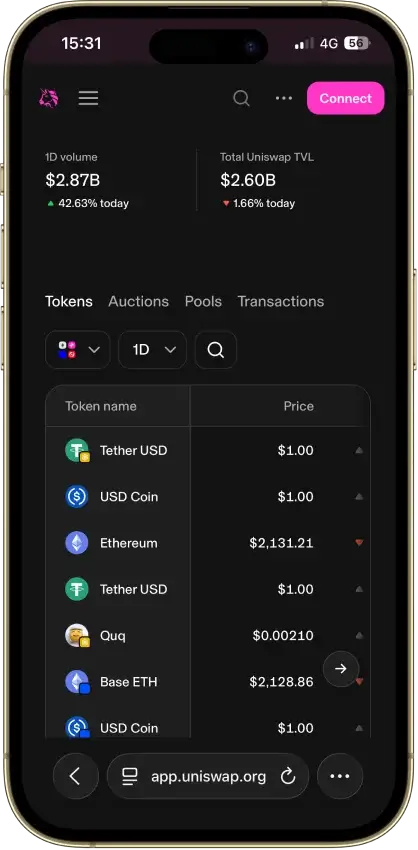
Uniswap Labs
- Networks
- Multi-chainEVM + Solana web support
- Markets
- Spot swaps
- Fees
- Pool-dependentVersion, route and gas affect cost
Pros
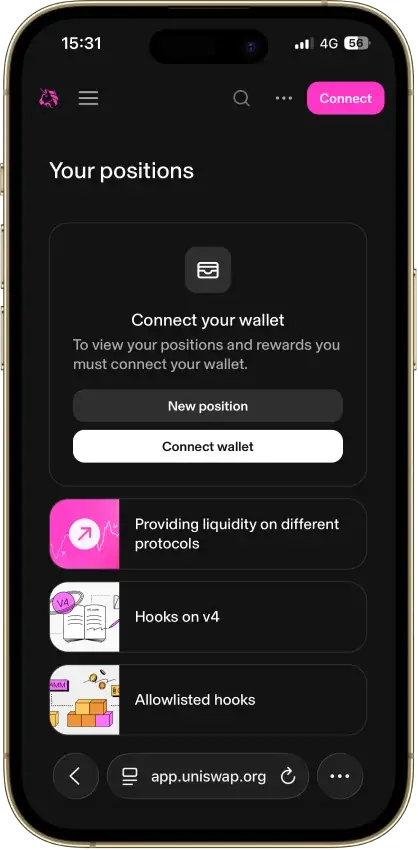
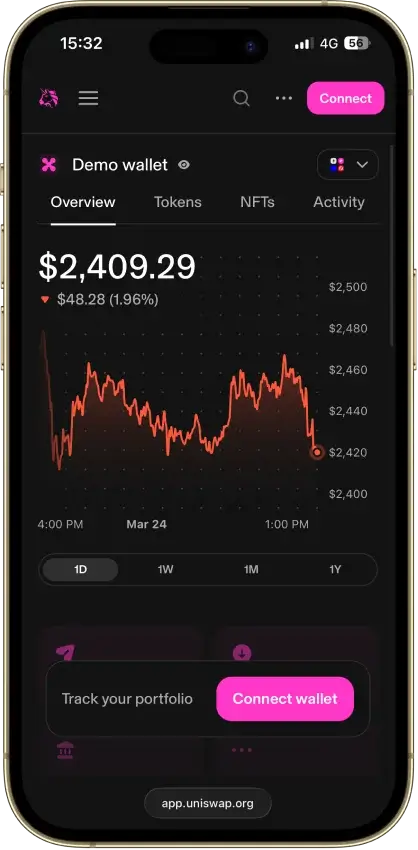
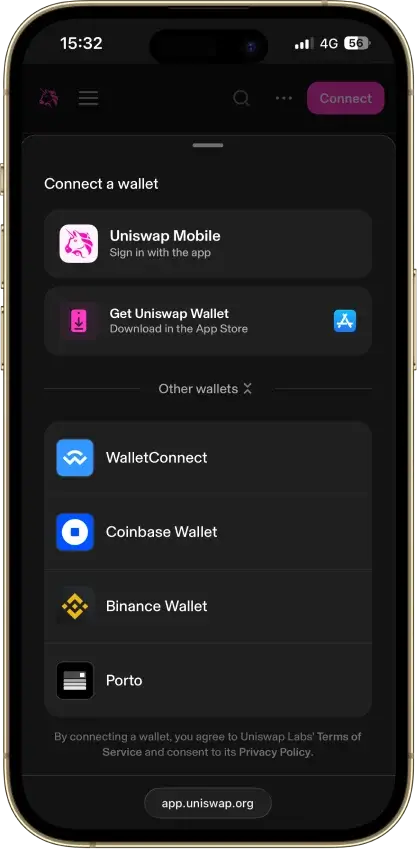
- Swaps spend straight from your connected wallet
- Recovery phrase exports to other wallets
- Earn lending vaults beside swaps and pools
- Crosschain swaps bridge and trade in one step
- Swaps and liquidity positions in one app
Cons
- Limit orders work on Ethereum only
- No perpetual futures or margin trading
- Earn exits can stall while funds are lent out
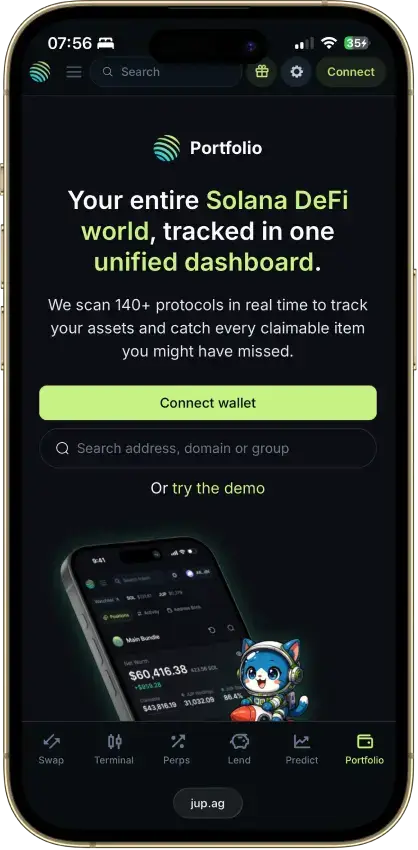
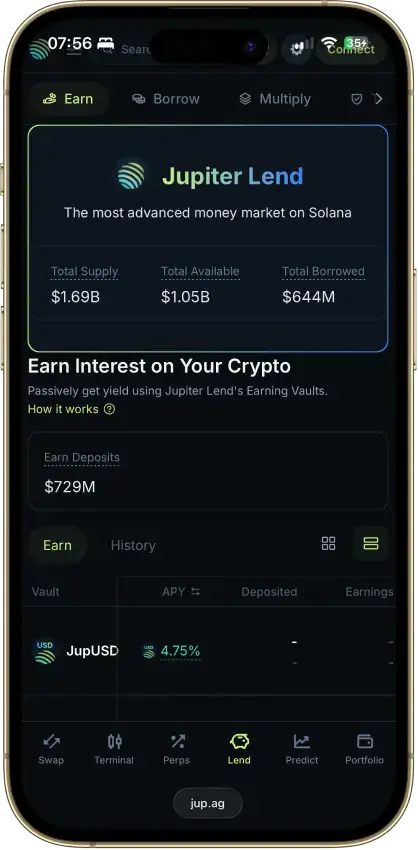
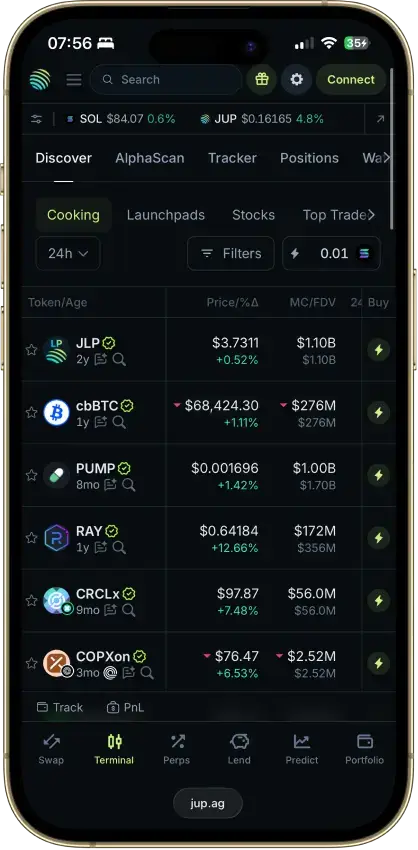
Jupiter
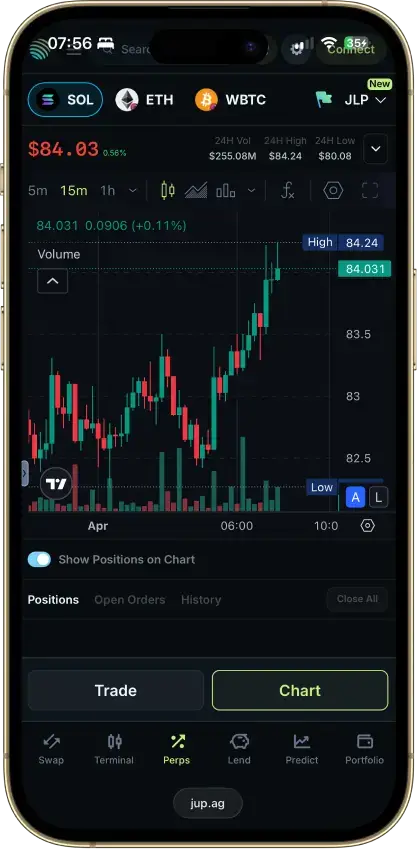
- Networks
- Solana
- Markets
- Spot + perpetuals
- Fees
- Manual / Ultra pricingRoute and product affect fees
Pros
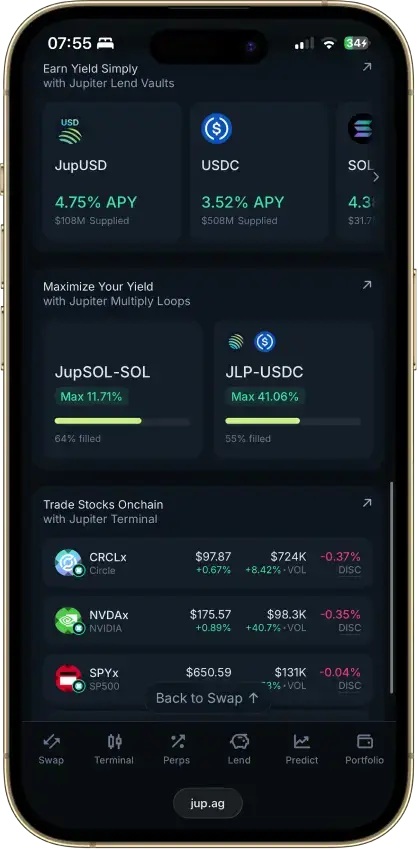
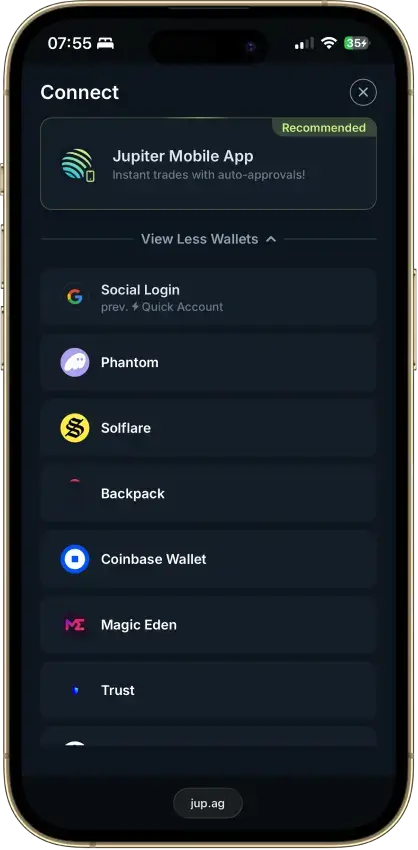
- Universal Deposit takes funds from other chains
- Zero Jupiter commission on some Ultra pairs
- Desktop transaction history supports CSV
- Lend upgrade and admin controls are public
- Perps, lending and staking in one interface
Cons
- Native mobile app uses its own fee bands
- Manual swaps exclude execution support
- Lending withdrawals depend on liquidity
- Perps charge hourly borrow fees
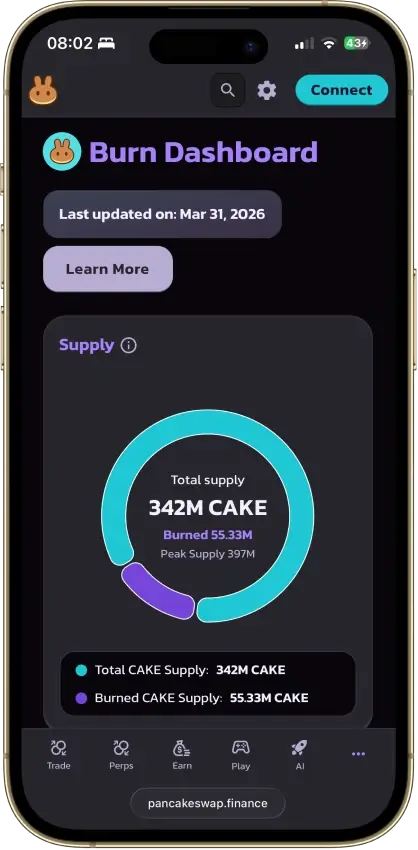
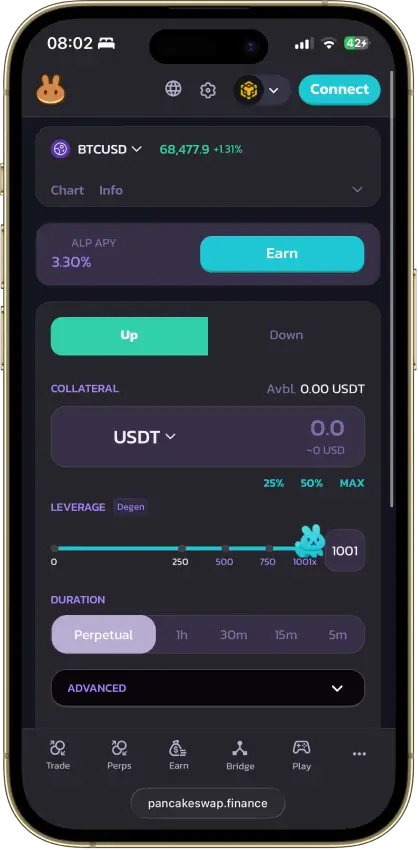
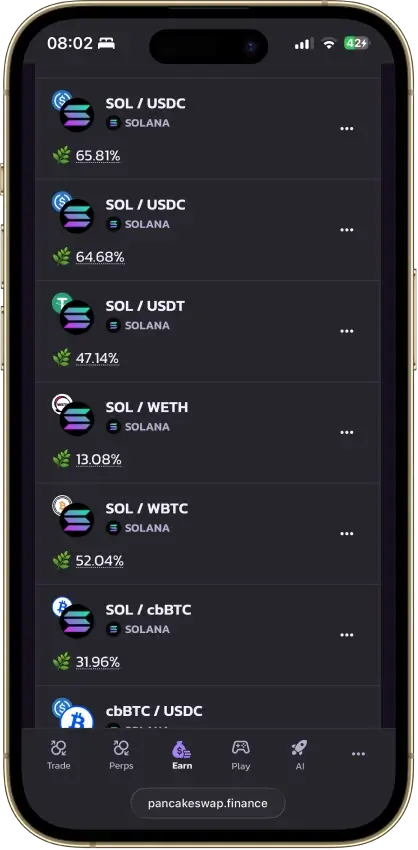
PancakeSwap
- Networks
- BNB Chain + moreProduct support varies
- Markets
- Spot + perpetuals
- Fees
- Pool-dependentVersion, route and gas affect cost
Pros
- Swap routes show pool and fee details
- PancakeSwap X fillers pay execution gas
- Pool limits and end dates are visible
- Swap SDKs and contract addresses are public
- Perps trading in the same app
Cons
- Social wallet has no private-key export
- New perps add a 0.03% builder fee
- Crosschain routes apply slippage twice
Hyperliquid Labs
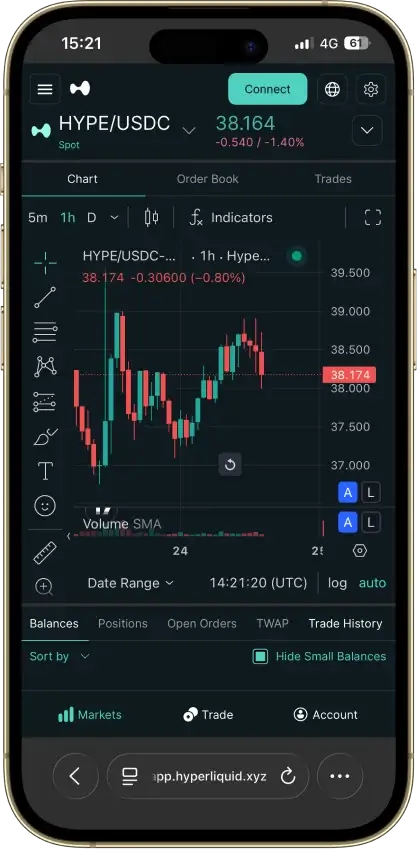
- Networks
- Hyperliquid L1HyperCore trading
- Markets
- Spot + perpetuals
- Fees
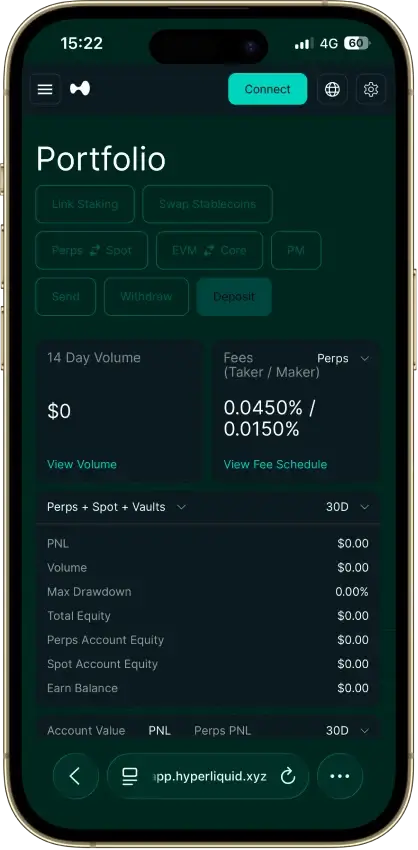
- Maker / takerSeparate spot and perp schedules
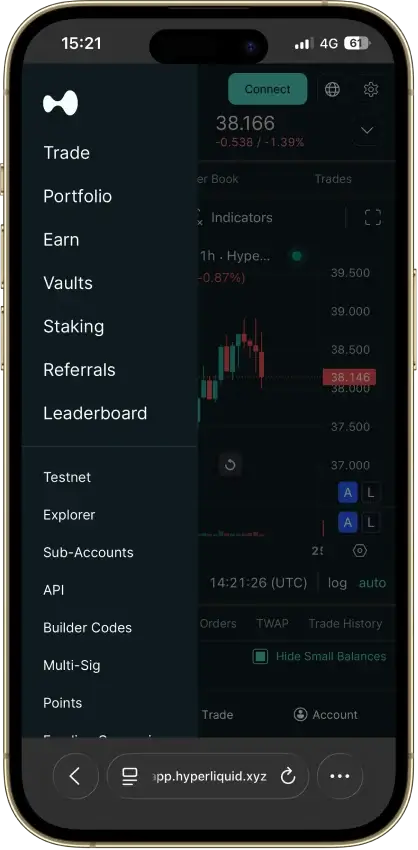
Pros
- $1.50 maker, $4.50 taker on a $10,000 fill
- Spot volume counts twice toward fee tiers
- Core and builder-operated perpetual markets
- Separate records for fills and funding
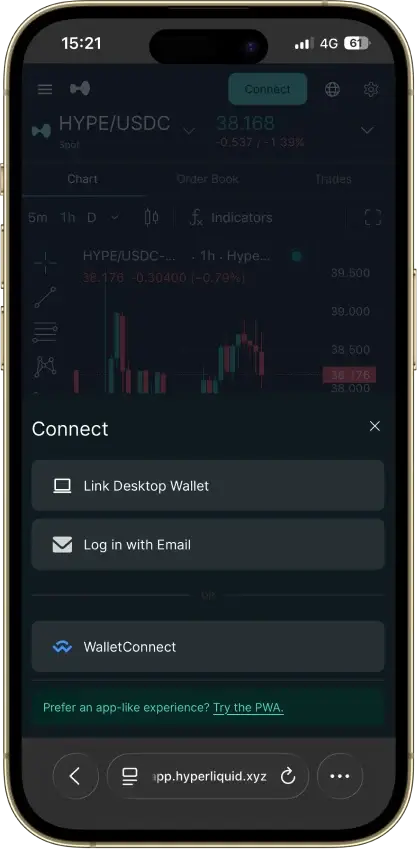
- Sign in by email or with a major wallet
Cons
- Builder fees change costs by market
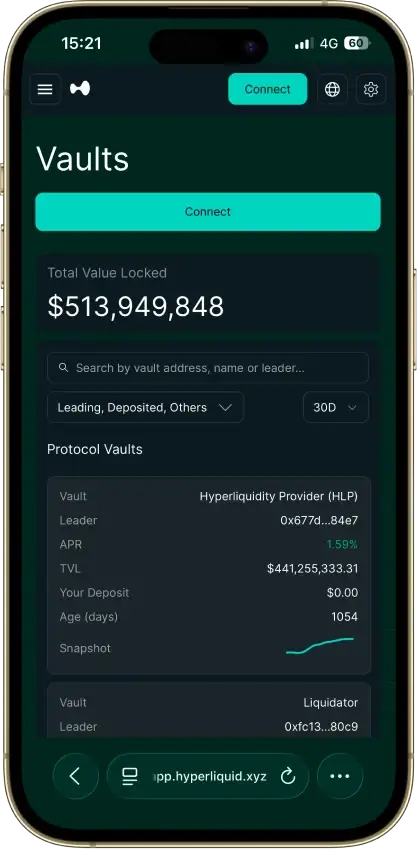
- Vault deposits can lose principal
- Funding routes have different recovery rules
- Validator and builder decisions affect markets
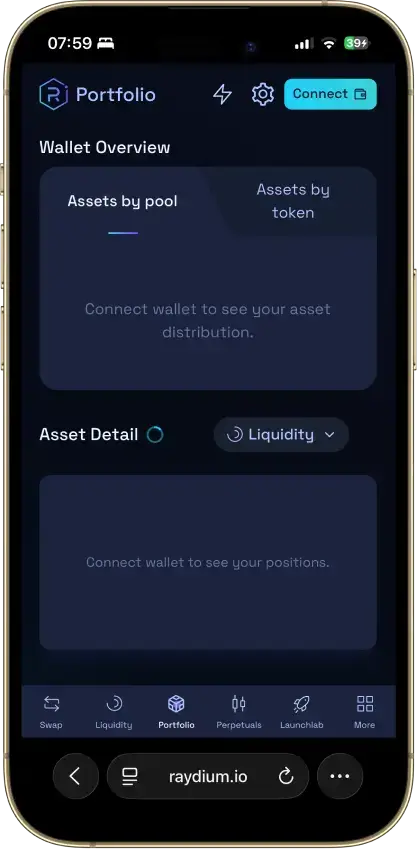
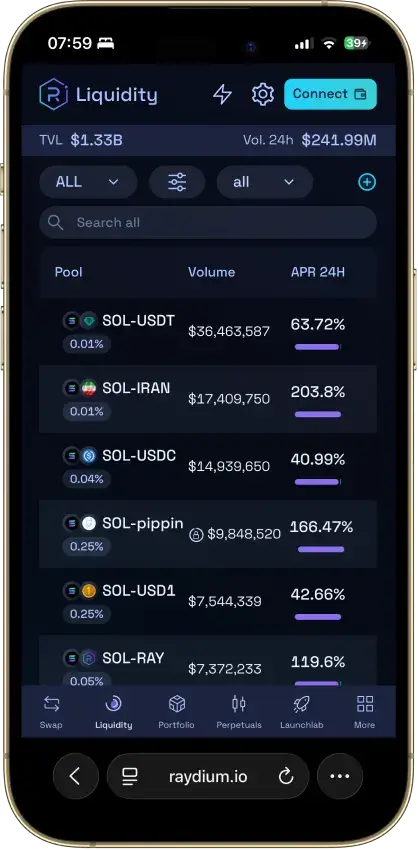
Raydium
- Networks
- SolanaSpot; perps via Orderly
- Markets
- Spot + perpetuals
- Fees
- Pool / product feesPool type and product affect cost
Pros
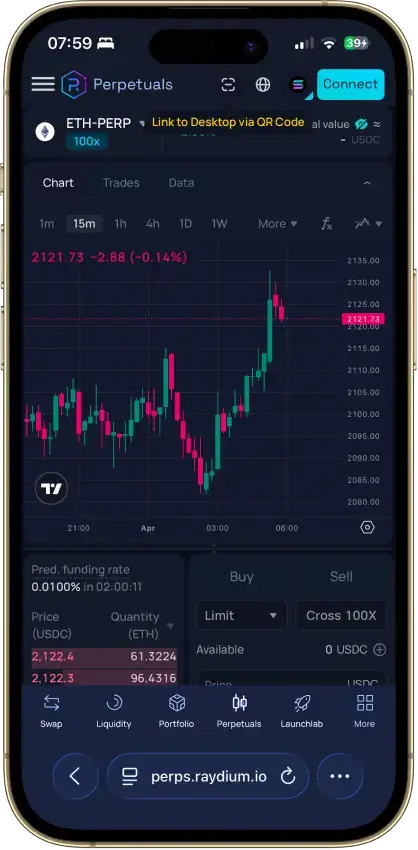
- Post-only orders on the perps book
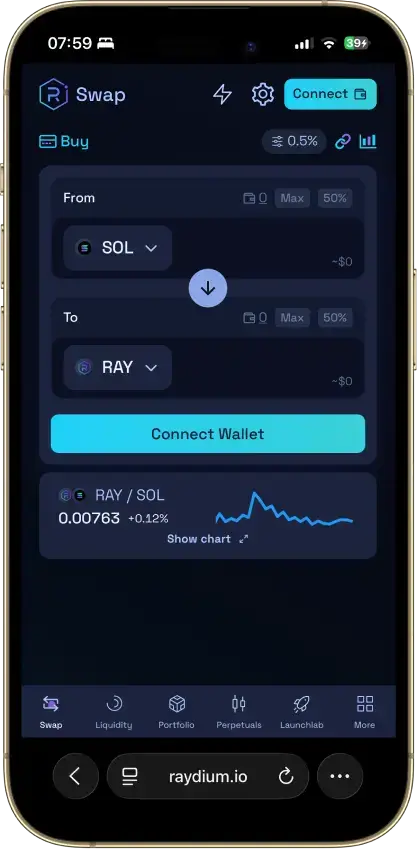
- Swap and liquidity transaction APIs
- Upgrade and admin controls documented openly
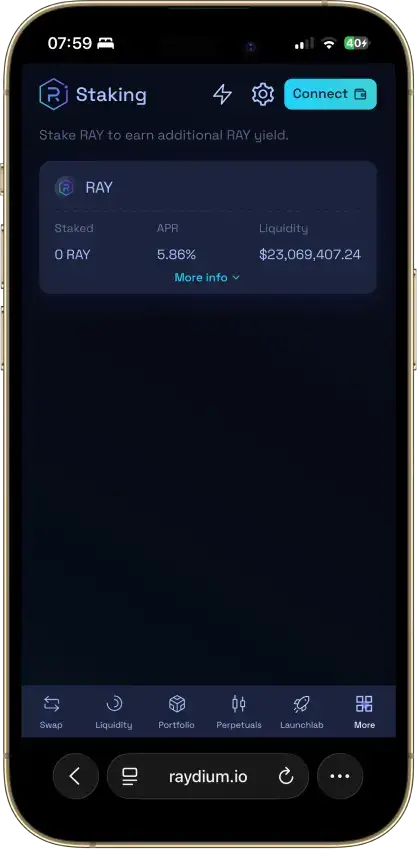
- RAY staking without providing a token pair
- Audits listed for its pools and LaunchLab
Cons
- Creator fees can sit on top of pool fees
- Burn and Earn permanently locks principal
- Perps add Orderly vault dependencies
Pump.Fun
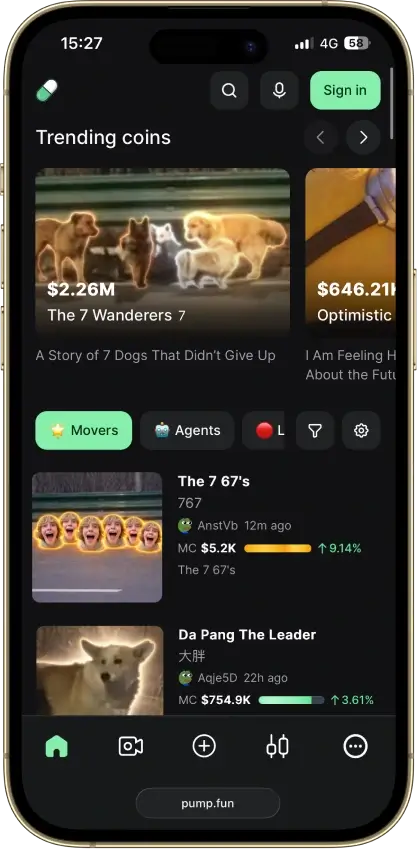
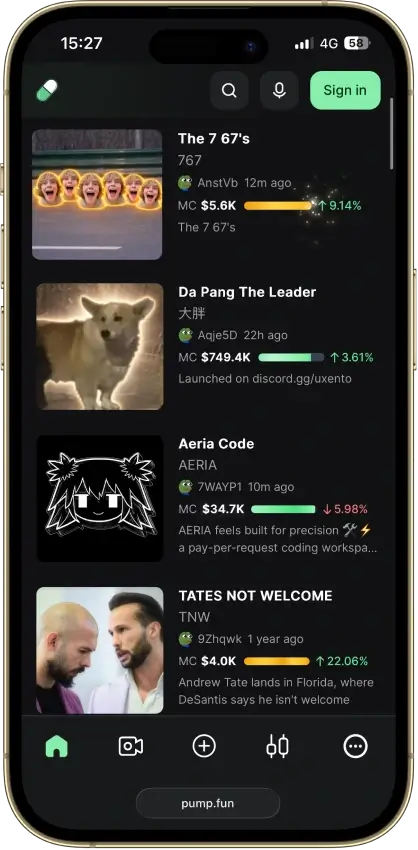
- Networks
- Solana
- Markets
- Spot swaps
- Fees
- Curve / pool feesStage and pool affect fees
Pros
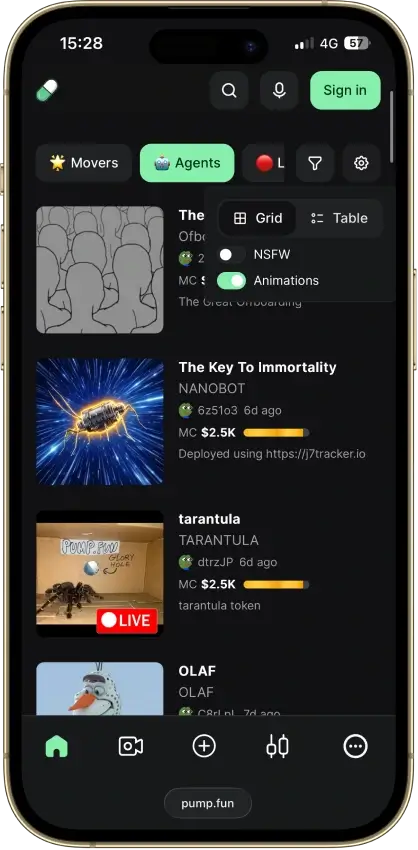
- Direct access to launch-stage token markets
- Separate curve and pool fee disclosures
- Official developer tools for program access
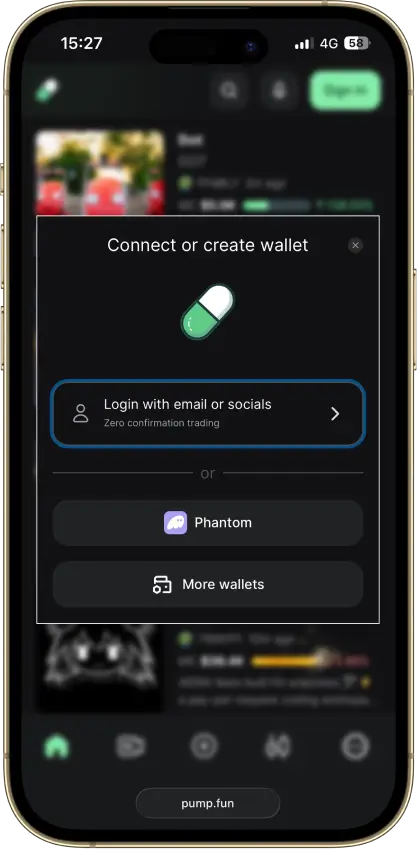
- Mobile funding includes provider integrations
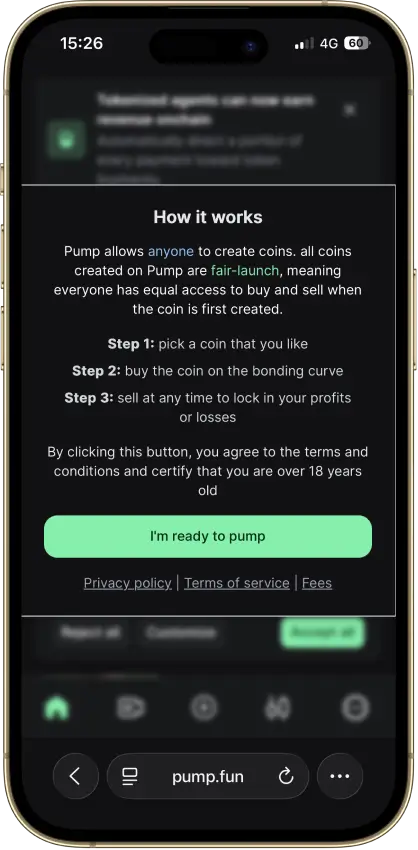
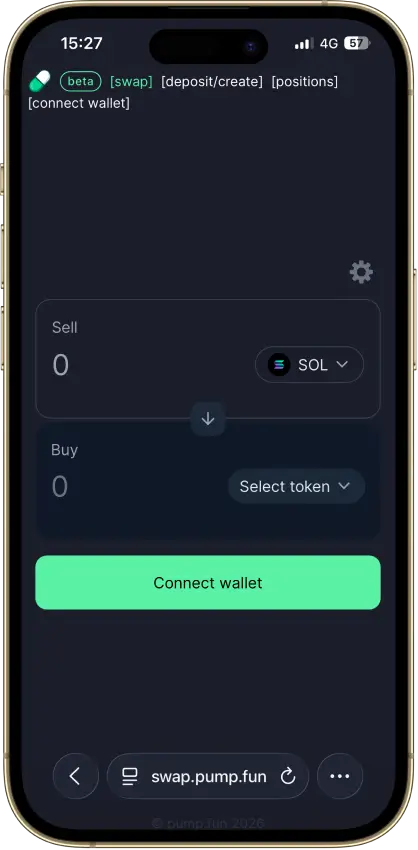
- Web and mobile apps for token discovery
Cons
- Thin markets can prevent an affordable exit
- 1.25% fee on standard curve trades
- Custom assets add issuer and bridge risks
- Custom creator fees can push costs higher
How We Rank
- Security & incident response 22% weight
Security reviews of the deployed system, signing risks, vulnerability handling and incident remediation
- Market quality & execution 18% weight
Entry and exit liquidity, quote behavior, execution results and route reliability
- Governance, administrative controls & exits 12% weight
Powers to upgrade, pause or change settlement, and the conditions for releasing funds
- Fees & total cost 12% weight
Complete charges, their calculation basis and observed costs for the trading task
- Transparency & verifiability 8% weight
Identifiable deployments, responsible operators or maintainers, documentation and inspectable records
- Chain, asset & regional access 8% weight
Usable networks, assets, funding routes and eligibility for the stated audience
- Product design & trading controls 8% weight
Controls needed to inspect, authorize and manage the chosen transaction or position
- User experience & support 7% weight
Desktop and mobile flow, errors, recovery guidance and support outcomes
- Developer tools & records 5% weight
Transaction history, exports, documented interfaces and integration records
How We Compare Decentralized Exchanges
Our comparison considers security history and contract controls, fee disclosure, trading models, access requirements and exit conditions. It distinguishes a provider’s published policy from an observed result. Product policies were checked on September 16, 2026. Their effective dates and the dates of incidents described in the linked reviews can be earlier.
We did not execute trades, deposit funds, import keys or test customer-support response times for this update. Narrow public-data observations in individual reviews do not establish comparable execution quality across all six products. This comparison assigns no numerical scores or universal “best overall” label.
| Assessment | What It Can Establish |
|---|---|
| Published Fees | The stated basis and conditions, without proving the final charged receipt |
| Audit Reports | Findings for specified code and versions, without guaranteeing every current feature |
| Contract Controls | Documented upgrade, pause or fee powers, distinct from a complete live-authority audit |
| Market Information | Available routes or displayed books at a point in time, without a fill guarantee |
| Account And Exit Rules | Documented dependencies and waiting periods, distinct from a completed recovery or withdrawal |
We treat a missing measurement as unknown. A large launch count does not establish deep markets, and a pool balance is not a customer-liabilities audit. Those distinctions prevent a superficially comparable number from implying more than it shows.
What Is a Decentralized Crypto Exchange?
A DEX uses blockchain contracts or onchain trading infrastructure to exchange assets or maintain trading positions. Wallet signatures authorize activity, but the funds may move into a pool, vault, bridge or trading balance. The application providing access can also have its own eligibility rules and administrative dependencies.
An automated market maker, or AMM, prices swaps against a pool. An aggregator compares possible routes or quotes. An order book matches bids and asks, while perpetual contracts create price exposure with ongoing margin and funding obligations. These models can appear together in one app without becoming the same product.
Centralized vs Decentralized Crypto Exchange
A centralized exchange generally provides a managed account and holds the trading balance. A DEX puts more transaction control in the wallet, but the contracts and services used after signing still matter.
| Decision | Centralized Account | Decentralized Trading |
|---|---|---|
| Where Funds Sit | Company-managed account balance | Wallet, contract or protocol account, depending on the activity |
| Identity Checks | Common for account and fiat services | Product, issuer and provider checks can still apply |
| Recovery | Account-support processes, subject to policy | Wallet or login-provider recovery, without a general ability to reverse transfers |
| Bank Funding | Available through eligible account services | Often a separate provider or integrated purchase flow |
| Exit Constraint | Account limits and withdrawal processing | Market liquidity, position conditions, network and provider processing |
For a first purchase that starts and ends with a bank account, beginner crypto exchanges can reduce the number of services involved. Before moving crypto to a wallet, establish the receiving network and the route you will use to sell it later.
How to Choose the Best Decentralized Crypto Exchange
The best DEX for a task must support the asset and network you can use, under terms that permit access. A quote from an unavailable product is not a usable alternative.
- Identify the exact token contract or mint and its network.
- Decide whether you need a spot swap, an LP position or a derivative.
- Check the interface, product and provider eligibility separately.
- Compare received amounts at the same trade size and approximate time.
- Include approval, network, bridge and payment costs where they apply.
- Check the reverse trade and the conditions for releasing committed funds.
An aggregator can search existing liquidity, but it cannot guarantee that a thinly traded token has an affordable exit. A pool’s historical volume also cannot establish the price available for your next order.
How to Buy Crypto on a Decentralized Exchange
Arrive with a compatible wallet and a supported funding asset, or use an eligible purchase provider whose quote and verification requirements you understand. Keep enough of the relevant network asset for transactions that require it.
Select the network and exact token, enter the amount, then inspect the route and minimum output. Review any spending approval separately from the swap. After signing, use the transaction or order record to establish what happened before repeating a request that appears to have failed.
A wallet balance is not a promise of bank cash-out. An external crypto exchange or provider must accept the specific asset and network before a transfer can support that plan.
DEX Fees Beyond the Headline Rate
A spot trade can incur pool or interface charges, network costs and price impact. A cross-chain route adds transfer dependencies and may involve a swap on each side. Compare the final asset amount received and any costs payable outside the quote, without counting an included charge twice.
For perpetuals, trading fees typically apply to position value. The maker rate applies to a filled order that was resting on the book. A limit priced to cross the spread can incur the taker charge instead. Funding, borrowing and liquidation charges need separate treatment from the opening fee.
Slippage tolerance controls the price movement a transaction will accept. Raising it permits a worse result within that limit and does not reduce the trading fee. An ordinary failed onchain transaction can also consume gas, while an unfilled intent-based order may follow different rules.
DEX Security And Wallet Controls
An audit is a review of a defined scope, not insurance. Compare the reviewed code and date with the product being used, then check whether other contracts, issuers or bridges enter the route.
Wallet ownership does not remove administrative powers from a pool or trading system. Upgrade authorities, emergency pauses, price-feed control and settlement rights can affect access to committed funds. An embedded wallet can also depend on a login provider, with different export and recovery options from a hardware wallet.
For a new token, verify its identity and relevant mint, freeze or transfer controls. Inspect whether the intended sale has a usable route. Neither a familiar ticker nor a liquidity-lock label establishes that the token is safe to hold.
Rewards And Withdrawal Conditions
LP fees, validator staking, lending interest and trading-vault returns come from different activities. Token-price changes, borrowing losses or strategy losses can outweigh an advertised yield.
| Position | Exit Question |
|---|---|
| Liquidity Pool | What token amounts will redemption return, and is the position freely redeemable? |
| Lending Deposit | Is sufficient withdrawal liquidity available? |
| Staking | Does the chosen route have an unstaking or transfer queue? |
| Trading Vault | What strategy risk and waiting period apply? |
| Creator Or Holder Rewards | Who receives the fees, and who controls distribution? |
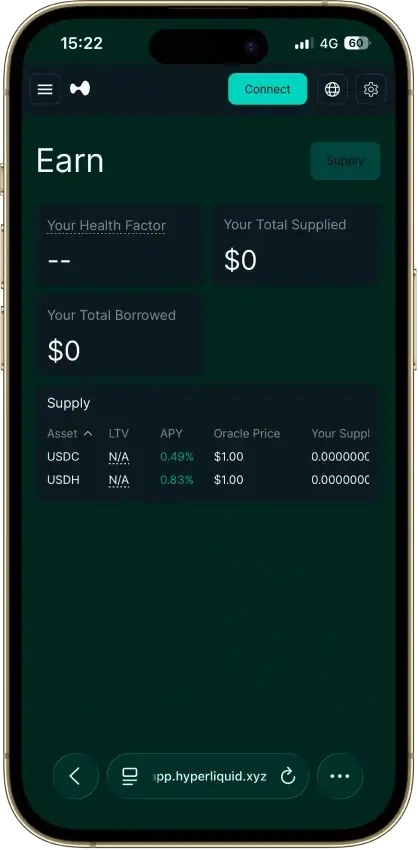
PancakeSwap’s retired CAKE staking model, Raydium’s permanent Burn & Earn commitment and Hyperliquid HLP’s deposit-based waiting period illustrate why a generic “staking available” checkbox is inadequate. Compare the particular position’s exit before funding it.