


 Released in 2019
- 33 Spotlight sales, from Chromia to ZAMA
- Hold and Gain counts sub-account balances
- Wider narrative mix than chain-specific pads
Kucoin Spotlight Overview
- Crypto Launchpad Name
- Kucoin Spotlight
- Release Date
- 2019
- Platform Type
- CEX / IEO Launchpad
- Access Model
- Exchange Account
- KYC Level
- Full KYC
- Core Sale Types
- IEO, Presale, Private / Community Round
- Native Token Dependence
- Varies By Sale
- Allocation Model
- Pro-Rata Subscription, Lottery, Snapshot-Based, Varies By Sale
- API / Public Data Access
- Limited
- Status
- Live
Kucoin Spotlight Screenshots
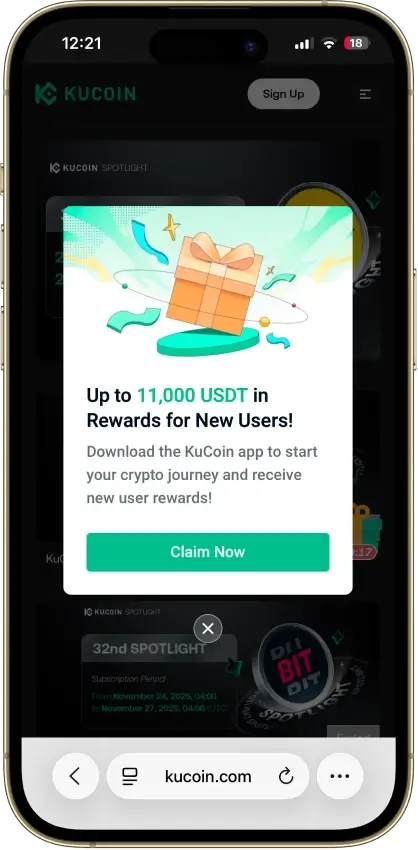
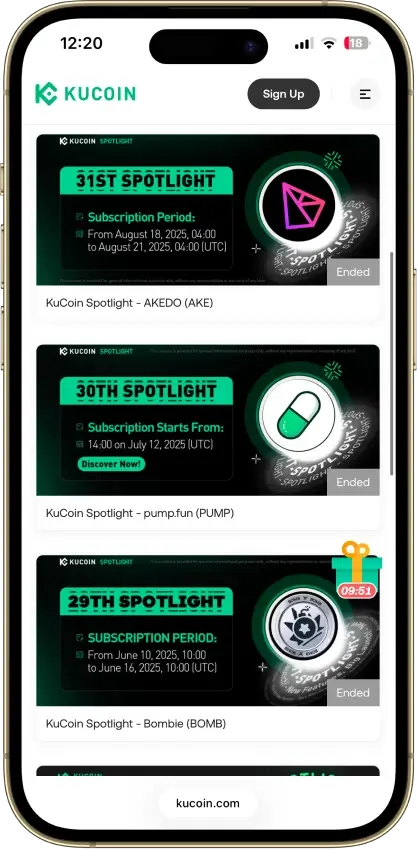
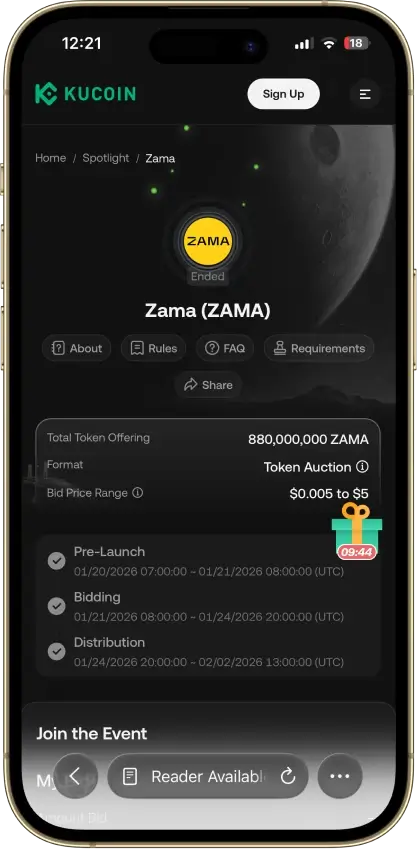
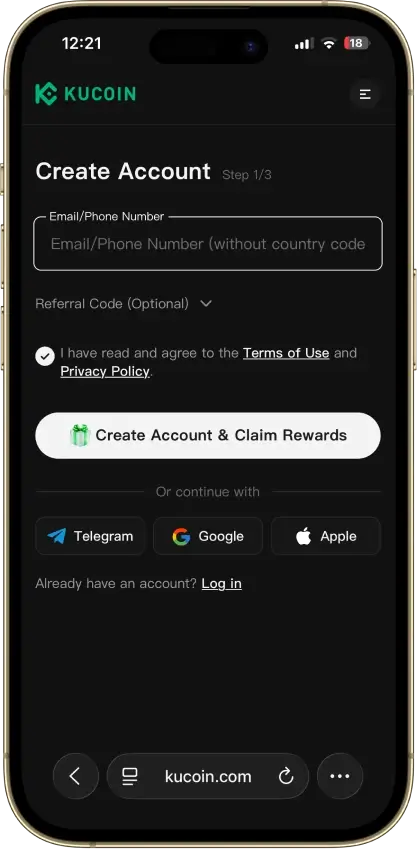
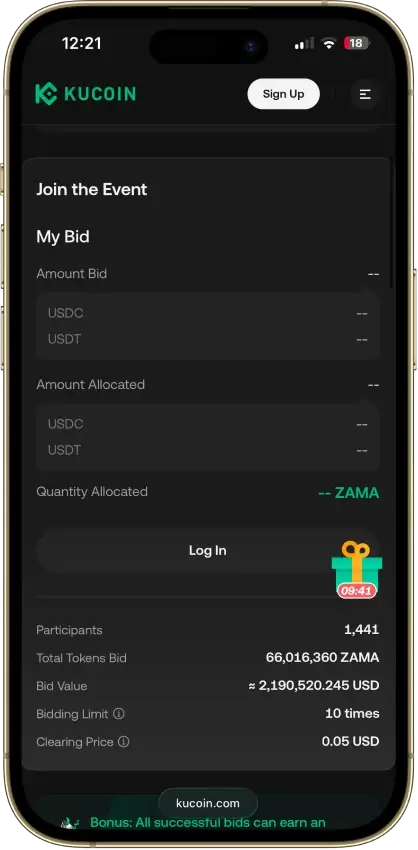
Screenshot 1 of 8
Kucoin Spotlight Pros and Cons
Pros
- No wallet, bridge, or approval flow to join
- Tokens and refunds settle inside KuCoin
- KCS can unlock discounts in some sales
- Some campaigns add a post-listing buyback
Cons
- Allocation rules change between launches
- Better terms can lean toward KCS holders
- Committed funds lock until distribution
- Oversubscription can shrink your final fill
Who KuCoin Spotlight Is Best For — And Who Should Skip It
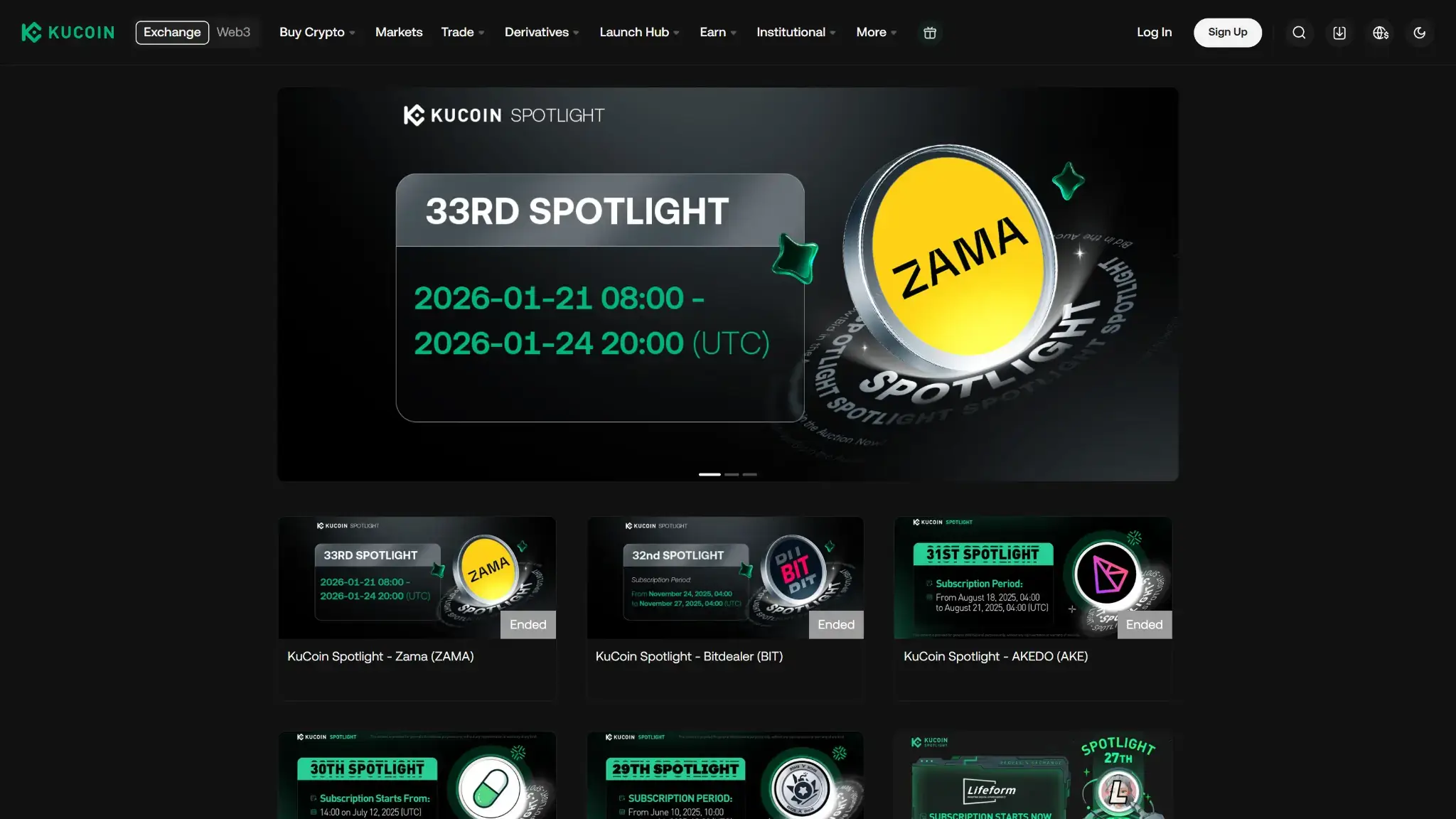
KuCoin Spotlight works best for users who already keep funds on KuCoin and want sale access with fewer moving parts. It works much less well for users who want open participation, lower compliance friction, or one stable format across every launch.
The best use case is straightforward. You already trade on KuCoin, you are eligible in your region, and you want a cleaner route into selected token launches without dealing with wallets, approvals, or gas. For someone still learning how a standard exchange account works, that can feel much easier to manage.
The weak point is consistency. A user can do everything right and still end up with a small fill, a different funding rule than the last sale, or a structure that rewards KCS holders more than first-time participants. Users coming from a more direct self-custodial wallet background usually notice that trade-off faster.
What KuCoin Spotlight Is and How The Token Sale Works
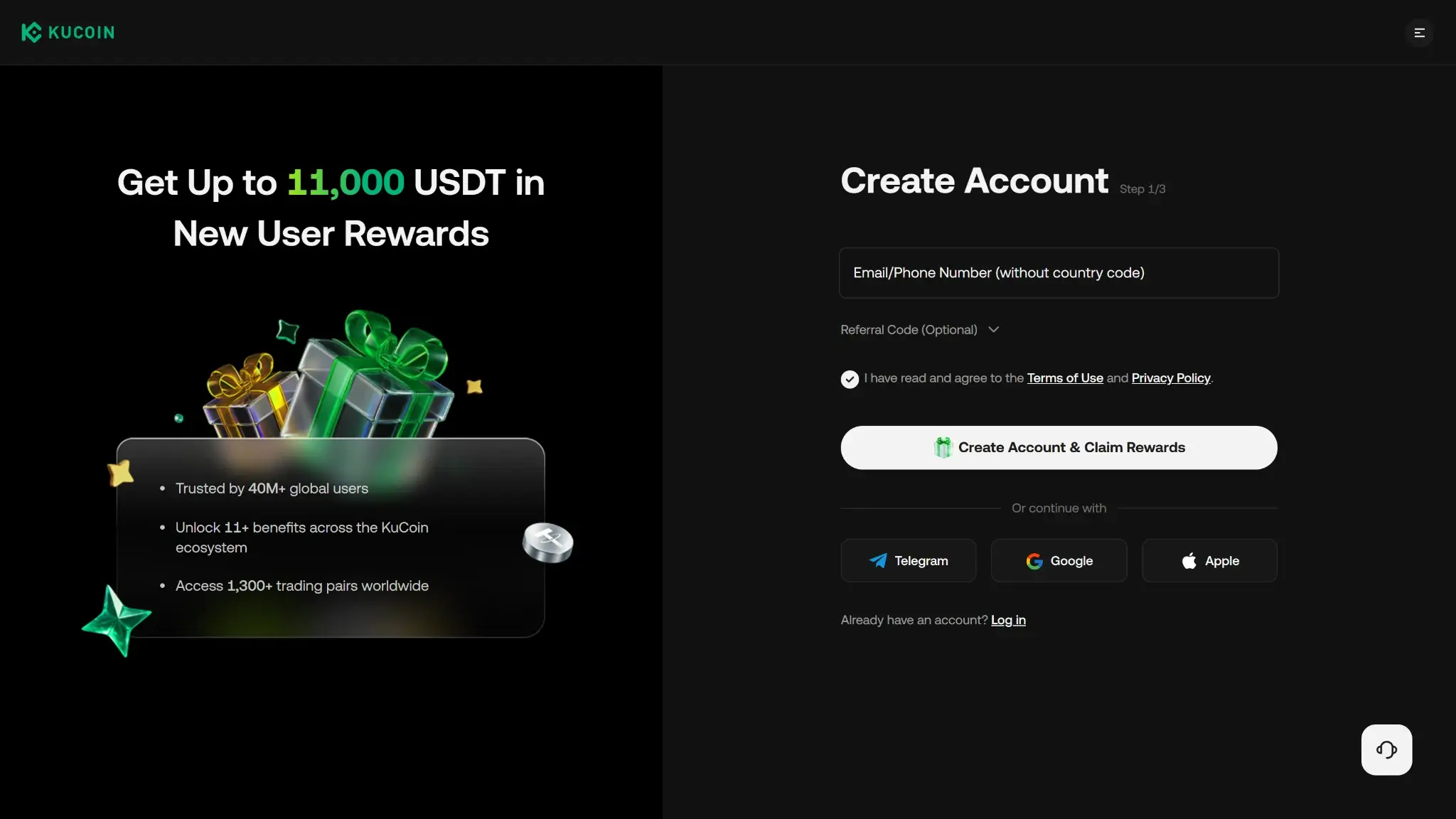
KuCoin Spotlight sits inside the KuCoin exchange, not in a separate wallet app. It is KuCoin's token sale platform, so access starts with the exchange account itself. You join with a KuCoin master account, complete the required KYC, pass the region checks, agree to the sale terms, and commit whatever funding asset that sale accepts.
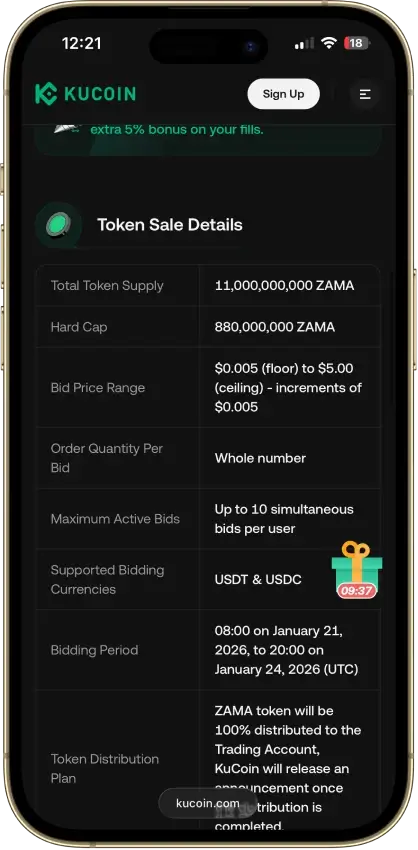
The sale mechanics change by campaign. Older rounds used snapshot-based tickets, while later rounds leaned on proportional subscription. Some campaigns also add KCS-linked perks, caps, or auction pricing, so the same platform can feel different from one launch to the next.
After the sale closes, purchased tokens are usually credited to the KuCoin trading account and unused funds go back to the relevant exchange balance. That makes Spotlight a centralized, exchange-native launch flow rather than a deep onchain one. It is simpler than most decentralized exchanges, but you give up open access and a fixed rulebook in return.
Availability, KYC and Setup Friction
Setup friction is not just about signing up. The bigger issue is whether you can meet the KuCoin Spotlight KYC requirements and region checks before a live sale opens. In practice, that means how many gates stand between you and a live sale, and how much of that process has to be completed before the window opens.
What slows access most is the compliance layer, not the sale page itself. New users need account approval, region eligibility, and the right funds ready before the window starts. Anyone used to no-KYC exchanges will notice that difference right away.
Track Record, Current Activity and Project Screening
KuCoin Spotlight has enough history to be taken seriously, but the record needs context. It has produced some large headline winners, and those older wins do not tell you how every current sale will perform.
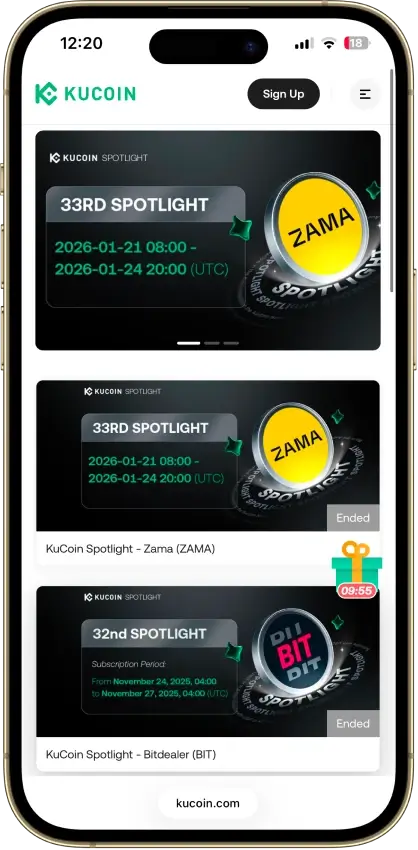
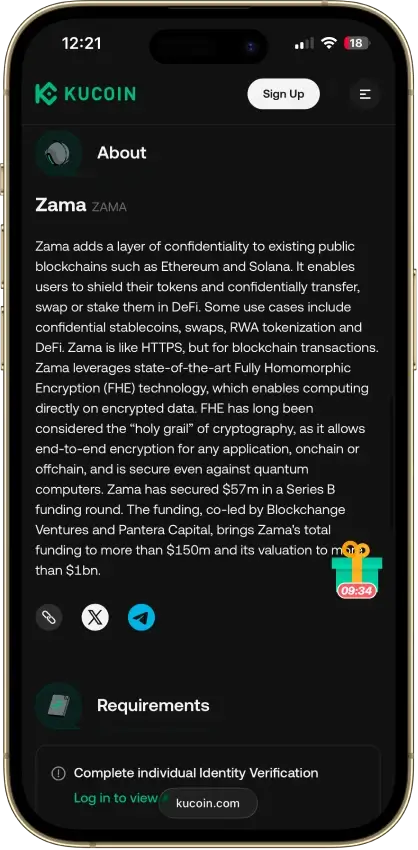
The platform built its early reputation on names like LUKSO, Victoria VR, Sui, Fracton Protocol, and Chromia. Later campaigns such as pump.fun, Bombie, and ZAMA show that Spotlight is still active and still willing to change its sale format when market conditions shift. If you are checking the KuCoin Spotlight page for current projects or upcoming token sales, that older history is useful context, but it does not replace sale-by-sale review.
The screening story is stronger than on many open launchpads, but it is not a consistent quality signal. Old rounds used one system, newer rounds use another, and sale quality is not uniform across every narrative.
Project Mix, Discovery Quality and Ecosystem Fit
Compared with chain-specific launchpads and pure onchain pads, KuCoin Spotlight covers a wider set of narratives. The trade-off is a weaker single-ecosystem identity, so the mix feels broader but less focused.
The mix is broad enough to stay interesting, but not in a noisy directory way. Spotlight runs fewer launches than many open platforms, so the page usually feels selective. The problem is that selectivity does not always translate into a clear project style or a predictable user experience.
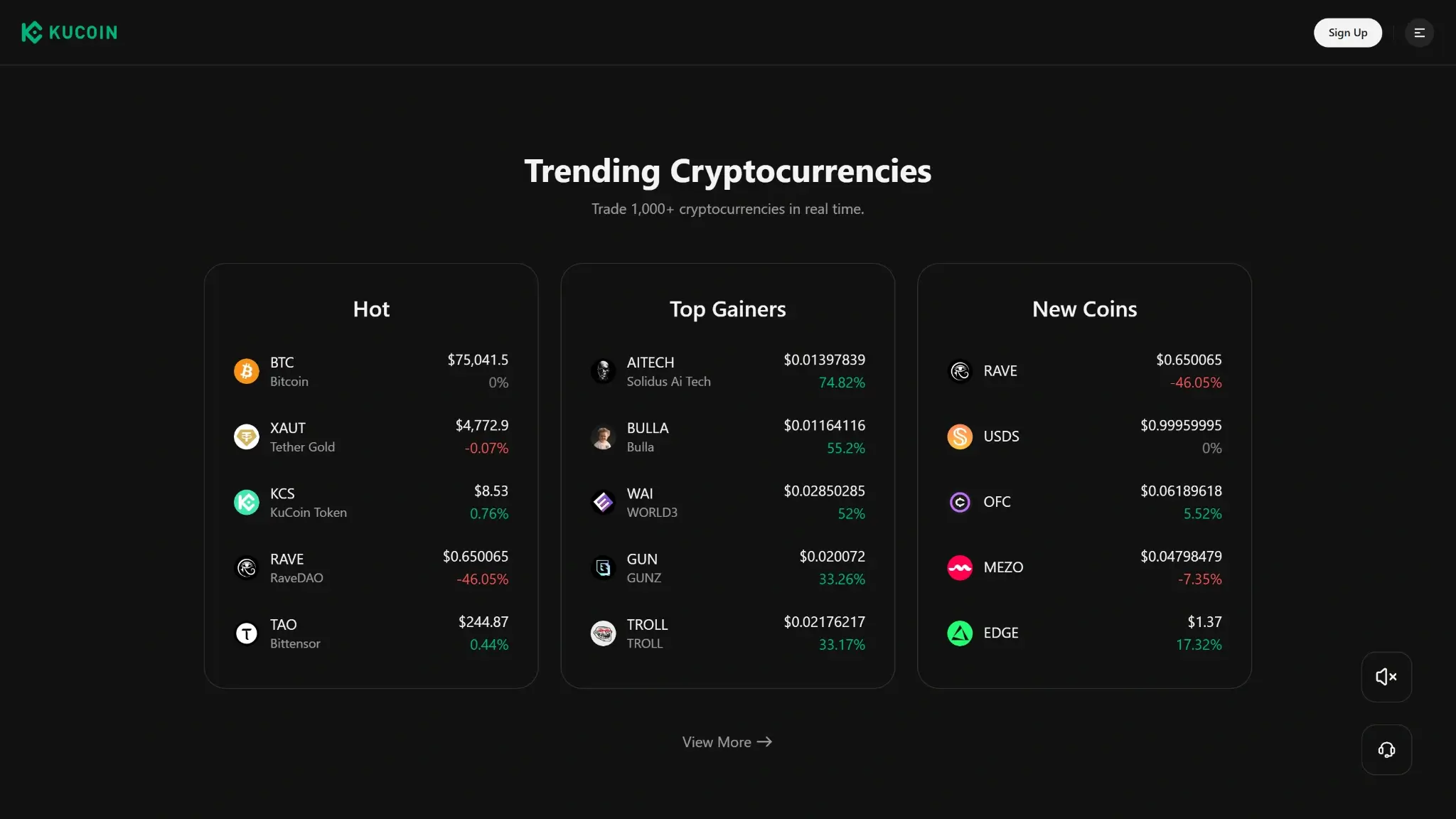
In real participation, the mix is useful if you want a few exchange-native shots at varied narratives. It is less useful if you want deep ecosystem specialization or a steady stream of comparable deals. Users who prefer direct onchain participation usually rely more on their own self-custodial wallet setup.
Claim Flow, Vesting and Exit Reality
Winning an allocation does not tell you how fast that position becomes usable. On KuCoin Spotlight, the broad flow is clear enough: tokens usually credit to the trading account and unused funds usually return to the relevant exchange balance. Unlock terms, vesting schedules, cliffs, and withdrawal timing can all change by sale.
Some launches credit a fully usable balance early. Others release tokens over time, which means the sale win becomes staged exposure rather than something you can fully trade right away.
That is the real exit risk. You are betting on the project and on the sale's own distribution terms. If immediate liquidity matters most, Spotlight only works well when allocation size, unlock timing, and listing speed all line up in the same launch.
Fairness, Bot Resistance and Launch Integrity
KuCoin Spotlight has more guardrails than most open launchpads. Full KYC, region checks, and master-account rules add some sybil resistance, making it harder to spam entry through throwaway wallets or loose onchain identity.
That does not mean the playing field is flat. Pro-rata models still favor bigger balances, KCS-linked perks can tilt economics toward users already deeper in the ecosystem, and any sale with FCFS elements or early commitment windows can still reward speed and capital over broad fairness.
The bigger integrity gap is in disclosure consistency. Liquidity support, team unlock visibility, and token distribution quality are not presented in one stable format across every sale. The main risk is assuming the exchange wrapper makes the launch itself fair. Sometimes it only makes the process cleaner.
Security, Smart Contract Risk, Compliance and Trust
The main trust sits with KuCoin as a custodial exchange, not with a self-custody smart-contract flow. During the sale phase, funds stay inside KuCoin-controlled accounts and settlement happens on KuCoin rails. For most users, platform risk and compliance risk matter more here than direct contract risk.
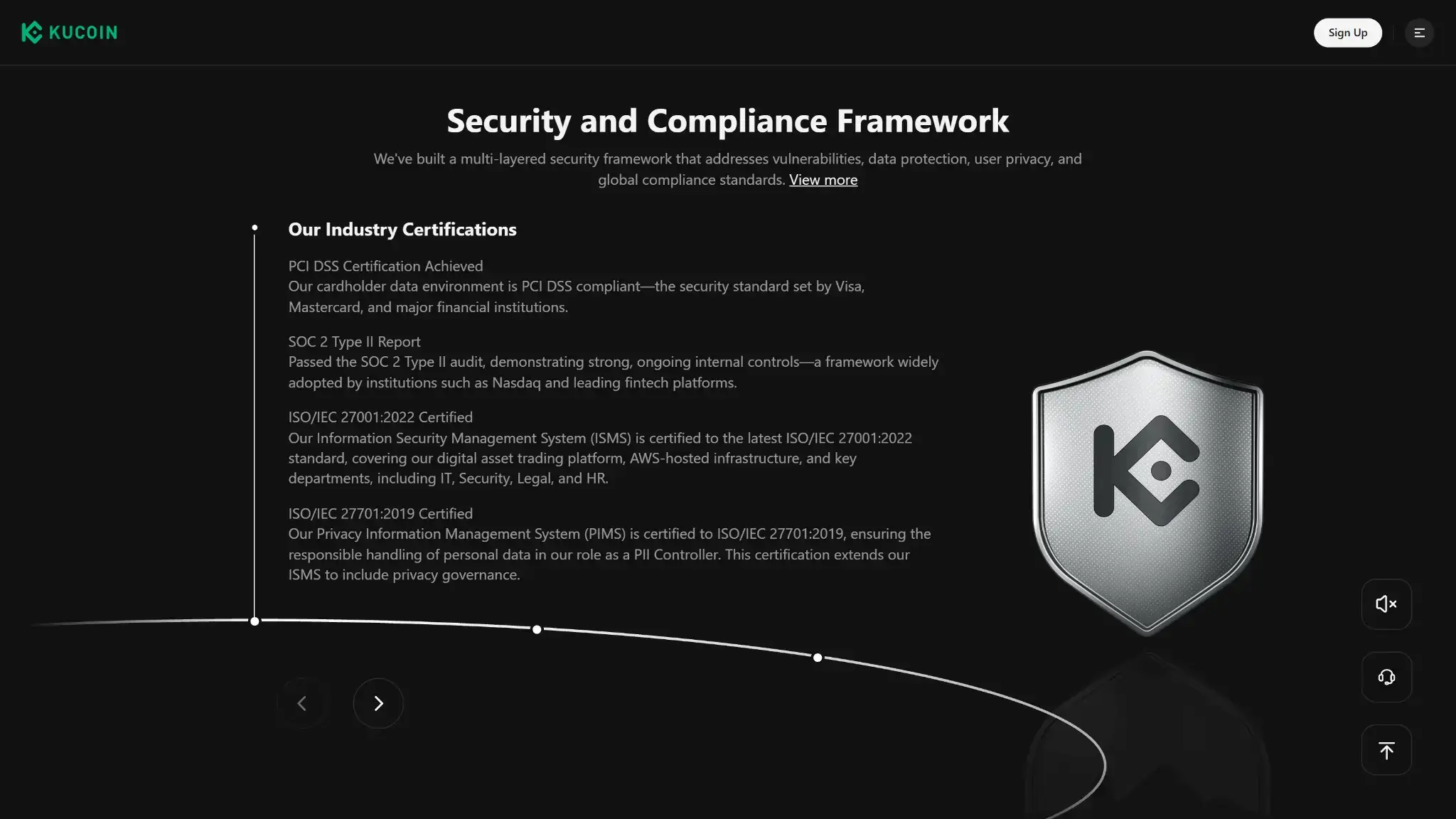
That makes privacy trade-offs part of the product. You hand over identity data, accept region screening, and rely on the exchange to manage custody, access control, and dispute handling. For users comparing exchange safety models, the more relevant question is whether you are comfortable keeping sale funds inside a centralized venue rather than using a safer exchange setup.
Customer Support, Community and Incident Handling
KuCoin's documentation is broad, but broad documentation is not the same as effective help. The help center covers a lot of ground, and real support is stronger on account and process issues than on sale outcomes.
- Help center: kucoin.com/support with Spotlight guides, FAQs, and self-service tools
- Live chat: available through the help center and app
- Ticket support: submit-a-request flow for account, funding, and product issues
- Email or ticket support: tickets are the main retail path; no public support email is listed for most users
- Community presence: official X, Telegram, and global community channels are active
- Status page: no dedicated public status dashboard is prominent; maintenance is usually posted through announcements
- Support can fix: account access, KYC issues, deposit and withdrawal problems, and some operational errors
- Support cannot fix: region blocks, sale rules, final allocation size, vesting design, or market price after listing
- Incident communication: usually through announcements, help center posts, and in-platform notices
Support breaks down when the issue is economic rather than technical. It can explain process, access, and account problems, but it cannot change a weak fill, rewrite sale terms, or remove the risk that comes with the launch itself.
KuCoin Spotlight Alternatives
-


Legion
A curated pre-TGE launchpad that trades open access for project-led selection.
-

Four.meme
A fast BNB Chain memecoin launchpad with low entry friction, but much weaker filtering and fairness than structured crypto launchpads.
-

Binance Launchpad
Binance Launchpad still delivers one of the cleanest exchange-side launch flows, but small users can still end up with very little size.
-

ChainGPT Pad
ChainGPT Pad offers more sale formats than many onchain launchpads, but the real cost is the rule complexity behind them.
KuCoin Spotlight is not the only way to get early token access. Some users will want a different launchpad because they care more about wallet-native access, meme launch speed, community scoring, or bigger exchange distribution.
| Alternative | Why Someone Would Choose It Instead |
|---|---|
| Legion | Better fit for users who want a reputation-led access model instead of a pure exchange-account flow |
| Four.Meme | Better fit for users who want fast meme-token launches and direct onchain participation on BNB Chain |
| Binance Launchpad | Better fit for users who want deeper exchange liquidity, bigger sale visibility, and a more established CEX launch brand |
| ChainGPT Pad | Better fit for users who want a stronger AI and Web3 narrative focus instead of KuCoin's broader sale mix |
KuCoin Spotlight is strongest when you want exchange-based access with less setup. It is less convincing if your priority is meme velocity, bigger exchange reach, or a tighter niche focus. In those cases, one of these alternatives may fit better.
Final Verdict
KuCoin Spotlight removes the wallet setup, bridging, and gas friction that slows entry on most onchain launchpads. For users already holding funds on KuCoin, that convenience is real. The problem is consistency. Sale mechanics shift between campaigns, from pro-rata subscription to snapshot logic to KCS-linked pricing, so you cannot carry expectations from one launch into the next. KCS holders get better economics in some sales, full KYC is mandatory, and the restricted region list cuts out the U.S., U.K., Canada, and others. It works for existing KuCoin users who can read each campaign on its own terms and are not expecting a fixed rulebook.
Disclaimer: CryptoSlate may receive a commission when you click links on our site and make a purchase or complete an action with a third party. This does not influence our editorial independence, reviews, or ratings, and we always aim to provide accurate, transparent information to our readers.