Best Crypto Hot Wallets: Security, Fees and How to Choose (April 2026)

Compare top hot wallets, understand custody and security trade-offs, and choose the right wallet for safer everyday crypto use.

Updated Apr. 6, 2026
Reviews in this list 17
Trusted Reviews Editorially curated & independently checked
Curated by Yousra Anwar Ahmed
Since Feb 2026 50 reviews
Checked by George Ong
Since Mar 2018 107 fact-checks
Affiliate Disclosure

Disclaimer: CryptoSlate may receive a commission when you click links on our site and make a purchase or complete an action with a third party. This does not influence our editorial independence, reviews, or ratings, and we always aim to provide accurate, transparent information to our readers.

If you are searching for the best crypto hot wallets, you probably want one of two things: a wallet that feels simple for everyday crypto, or a wallet that can handle dApps without you accidentally signing something dangerous.

A hot wallet is a crypto wallet that is connected to the internet (mobile app, browser extension, or desktop app). It is fast for sending, swapping, and connecting to dApps. It is also more exposed to phishing, fake apps/extensions, and risky approvals.

This page ranks hot wallets using an evidence-first 2026 rubric focused on custody, recovery, scam/drainer resistance, and the day-to-day dApp experience. This is not financial advice.

Top Picks - Hot Wallets

Rank
Name
Rating
Type
Best For
Platforms
Key Advantages
Secure link
Rank 1
8.5
Multi-platform wallet
Solana users who want one wallet for swaps, NFTs, staking, and lighter multi-chain use.
Browser extensioniOSAndroid
  • Smooth Solana-first user experience
  • Eight supported chains in one wallet
  • Built-in swaps, dApp access, and Ledger support
Rank 2
8.5
Multi-platform wallet
Users who want one self-custody wallet for multi-chain assets, swaps, and dApp access.
iOSAndroidBrowser extension
  • Supports millions of assets across 100+ blockchains in one wallet
  • Built-in swaps, staking, NFT support, and dApp access
  • Optional Ledger support through the browser extension
Rank 3
8.3
Multi-platform wallet
Users active in Ethereum DeFi and NFTs who want broader multichain support in one wallet
Browser extensionAndroidiOS
  • Deep dApp compatibility across Ethereum and major EVM networks
  • Built-in swaps, bridging, and staking without leaving the wallet
  • Multichain accounts now include Bitcoin, Solana, and TRON alongside EVM assets
Rank 4
7.8
Multi-platform wallet
Mobile users who want simple self-custody plus built-in fiat on-ramp and off-ramp tools
iOSAndroid
  • Self-custodial in-app wallets with an exportable recovery phrase.
  • Buy, sell, send, receive, and convert from one mobile app.
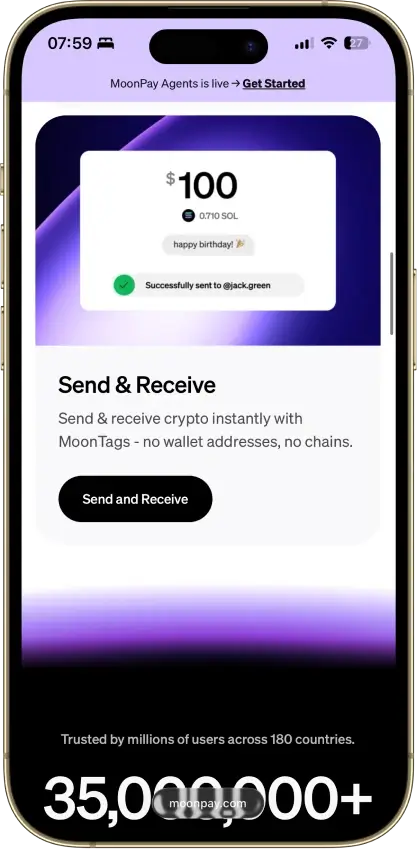
  • MoonTags simplify transfers without pasting long wallet addresses.
Rank 5
7.6
MPC smart wallet
Existing Binance users who want a quick route into DeFi and on-chain trading without setting up a separate wallet stack first
iOSAndroidBrowser extension
  • Fast transfer path between Binance exchange balances and Web3 wallet activity
  • Seedless MPC setup with recovery-password backup instead of a default seed phrase
  • Built-in swaps, bridge tools, dApp access, and desktop/web trading support
Rank 6
7.5
Browser extension wallet
Coinbase users who want self-custody plus EVM coverage, browser extension dApp access, and some Solana support.
iOSAndroidBrowser extension
  • Coinbase-linked funding and transfers reduce friction between exchange custody and self-custody
  • Supports Ethereum, Solana, and a broad set of EVM networks
  • Supports both classic seed-phrase recovery and newer sign-in options
Rank 7
7.5
Multi-platform wallet
Mobile-first users who want easier self-custody and built-in swaps
iOSAndroidDesktop (macOS)
  • Account-style login with client-side encrypted keys
  • Multi-asset mobile wallet with built-in swaps, buy and sell options, and WalletConnect
  • Cross-device sync with PIN, biometrics, 2FA, and recovery tools
Rank 8
7.5
Custodial app wallet
Users who want a centralized wallet dashboard with exchange and credit features in one account
Web appiOSAndroid
  • Multi-network deposits and withdrawals across major blockchains
  • Built-in exchange, credit, and card tools inside one account
  • Strong account-level security controls, including whitelisting and anti-scam checks
Rank 9
7.5
Multi-platform wallet
Users who routinely move assets across multiple chains and use onchain swaps.
iOSAndroidBrowser extension
  • Broad multichain coverage in one wallet interface
  • Built-in swaps, bridging flows, and dApp connectivity
  • Keystone hardware wallet support plus optional Trader Mode features
Rank 10
7.0
Multi-platform wallet
Mobile-first users who want simple self-custody and optional Kraken account linking.
iOSAndroid
  • One mobile wallet for Bitcoin, Solana, Dogecoin, and major EVM networks
  • Kraken Connect reduces friction when moving funds from Kraken Exchange into self-custody
  • Open-source client with a public audit and meaningful scam-warning tools
Rank 11
7.0
Multi-platform wallet
Active EVM users, DeFi traders and hardware-wallet owners who want more transaction context than a default browser wallet.
iOSAndroidDesktop (Windows)Desktop (macOS)Browser extension
  • Clearer pre-sign transaction context than many standard browser wallets.
  • Strong EVM workflow with auto chain handling and wide hardware wallet support.
  • Useful safety layer for approvals, watch-only tracking and risky contract alerts.
Rank 12
6.0
Multi-platform wallet
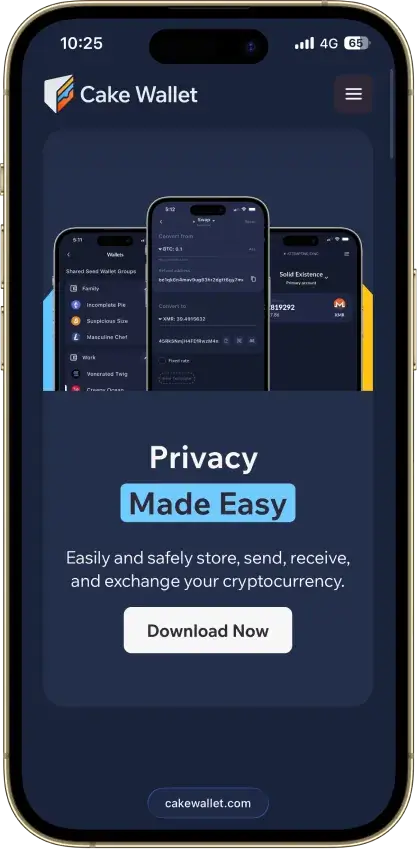
Privacy-focused users who want Monero at the center, but still need Bitcoin, swaps, and selected mainstream chains in one app
iOSAndroidDesktop (Windows)Desktop (macOS)Desktop (Linux)
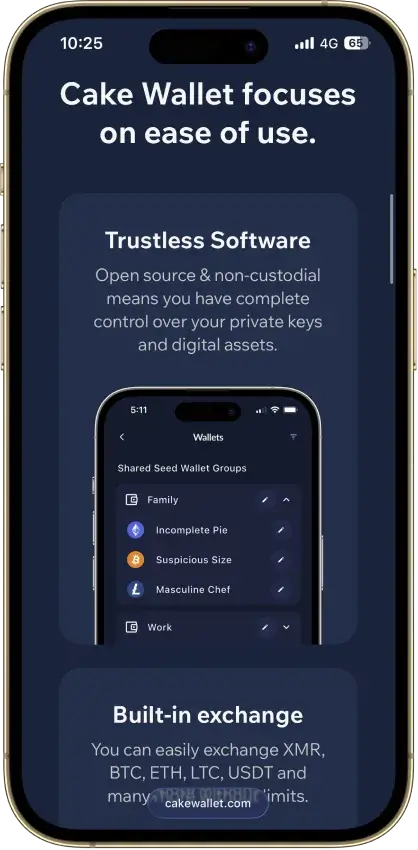
  • Strong Monero-first workflow with much broader chain support than many users expect
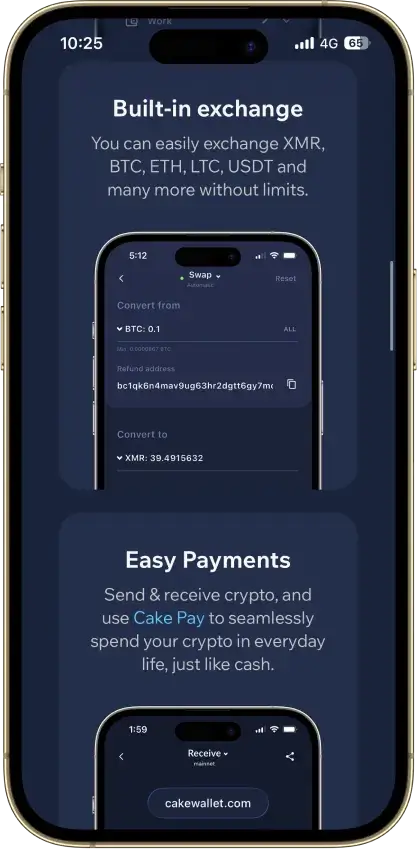
  • Built-in swaps, fiat partners, Cake Pay, and Lightning support reduce app switching
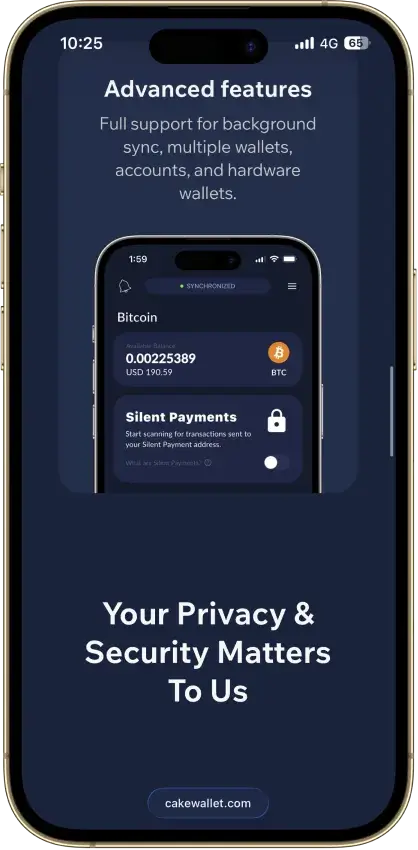
  • Strong privacy toolkit, including custom nodes, Tor options, Silent Payments, and PayJoin
Rank 13
6.0
Multi-platform wallet
Users who want one wallet for daily self-custody, portfolio tracking, swaps, and light web3 activity
iOSAndroidDesktop (Windows)Desktop (macOS)Desktop (Linux)Browser extension
  • Strong desktop experience for portfolio visibility and day-to-day asset management
  • Broad feature set across swaps, staking, NFTs, and light web3 access in one interface
  • Optional hardware-wallet pairing on supported setups for users who want safer signing
Rank 14
6.0
Multi-platform wallet
Desktop-first Monero users who want privacy defaults and advanced controls
Desktop (macOS)Desktop (Windows)Desktop (Linux)
  • Monero-first desktop wallet with deeper controls than many lighter wallets
  • Built-in Tor, reproducible builds, and bootstrappable build process
  • Strong hardware wallet support for Ledger and Trezor Monero devices
Rank 15
6.0
Multi-platform wallet
Users primarily active within the Solana ecosystem.
iOSAndroidBrowser extensionDesktop (Windows)
  • Solana-native wallet with built-in staking, swaps, NFT support, and dApp access
  • Hardware signing support through Ledger, Keystone, and Solflare Shield
  • Available on web, browser extension, iOS, and Android with self-custody recovery controls
Rank 16
4.5
Hot wallet (mobile)
Android-first Monero users who want deeper privacy and node control
Android
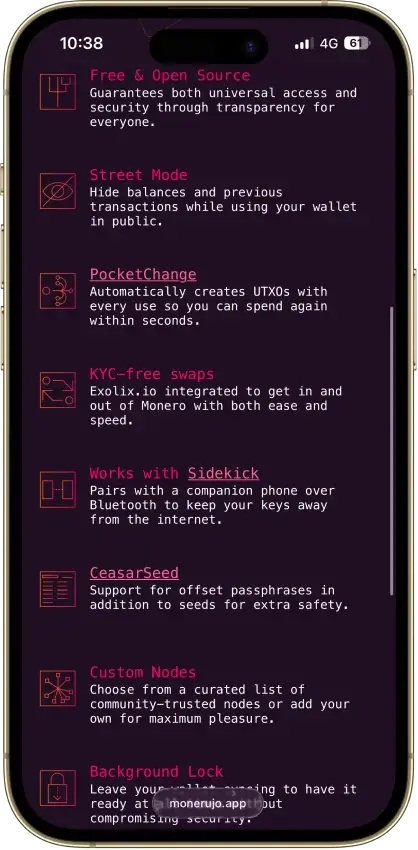
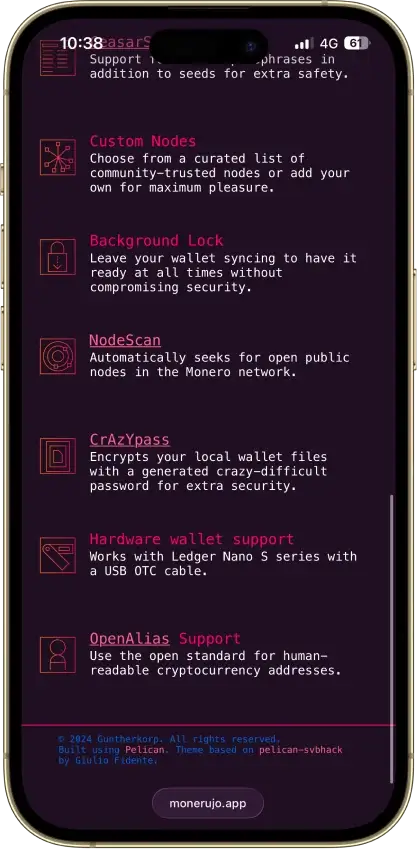
  • Monero-first Android wallet with custom nodes, Street Mode, and PocketChange
  • Optional Sidekick pairing can keep keys on a second Android phone over Bluetooth
  • Built-in Exolix swap access without wallet-level KYC
Rank 17
3.5
Multi-platform wallet
Privacy-focused users who want one wallet for Monero, Bitcoin, and other niche assets across phone and desktop
iOSAndroidDesktop (Windows)Desktop (macOS)Desktop (Linux)
  • Fully open-source, non-custodial wallet with local key storage
  • Broad support for privacy-focused and niche assets across mobile and desktop
  • Built-in swaps and custom node support without wallet-level KYC

If you are picking between the wallets we have already scored, start with three filters instead of brand names.

First, pick the chain you actually use most (Solana vs Ethereum/EVM vs a mix). Second, pick a recovery model you will follow consistently (seed phrase portability vs seedless/MPC convenience). Third, pick the connection style you will use day-to-day (browser extension for heavy dApps vs mobile-first).

If you get those wrong, even a “top” wallet will feel frustrating: you will fight network switching, you will skip backups, or you will end up approving things too fast just to make a dApp work.

Next is a side-by-side table that compares the Top 10 on the decision points that matter most in real use: chain fit, platforms, recovery style, dApp access, and fiat rails.

Comparison Table

NameCustodyBlockchainsHardware SupportStakingFiat On-ramp
Phantom Non-custodial Solana, Ethereum, Base, Polygon, Bitcoin Yes Limited Yes
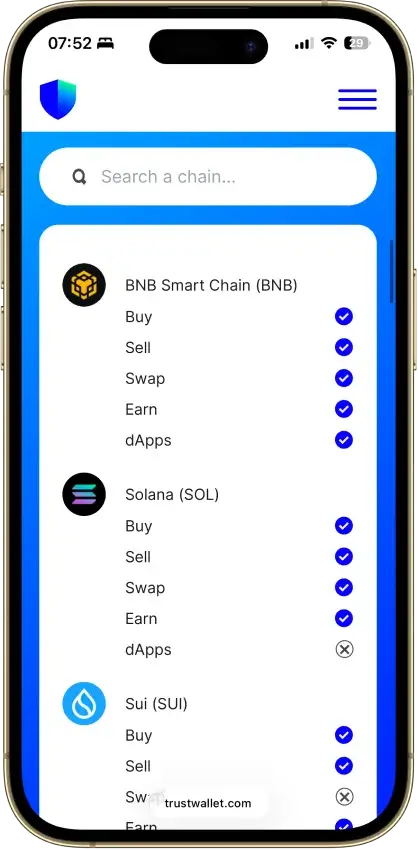
Trust Wallet Non-custodial Bitcoin, Ethereum, BNB Smart Chain, Avalanche, Tron, Arbitrum, Base, Optimism, Polygon, Solana Yes Full Yes
MetaMask Non-custodial Ethereum, Arbitrum, Optimism, Polygon, Base, Avalanche, BNB Smart Chain, Solana, Bitcoin, Tron Yes Full Yes
MoonPay Non-custodial Bitcoin, Solana, Tron, Ethereum, Polygon, Base, Arbitrum, Optimism, BNB Smart Chain Yes Limited Yes
Binance Wallet Non-custodial Bitcoin, Ethereum, BNB Smart Chain, Tron, Arbitrum, Base, Optimism, Polygon, Solana No Limited Yes
Base App Non-custodial Ethereum, Base, Arbitrum, Optimism, Polygon, Avalanche, BNB Smart Chain, Solana Yes Limited Yes
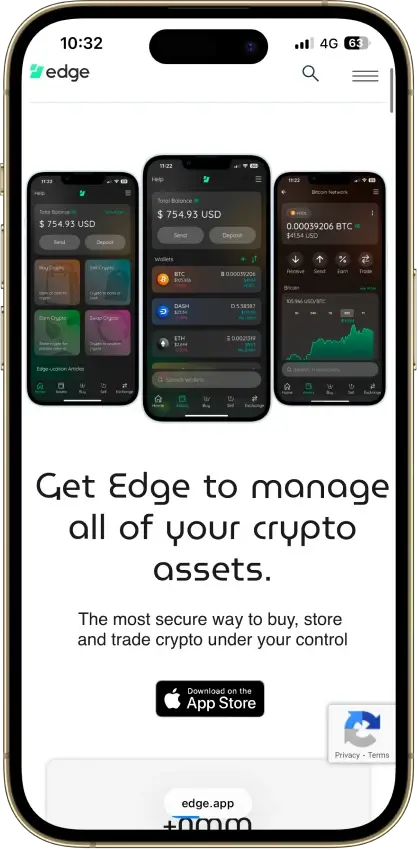
Edge Wallet Non-custodial Bitcoin, Ethereum, BNB Smart Chain, Avalanche, Tron, Optimism, Polygon, Solana No Limited Yes
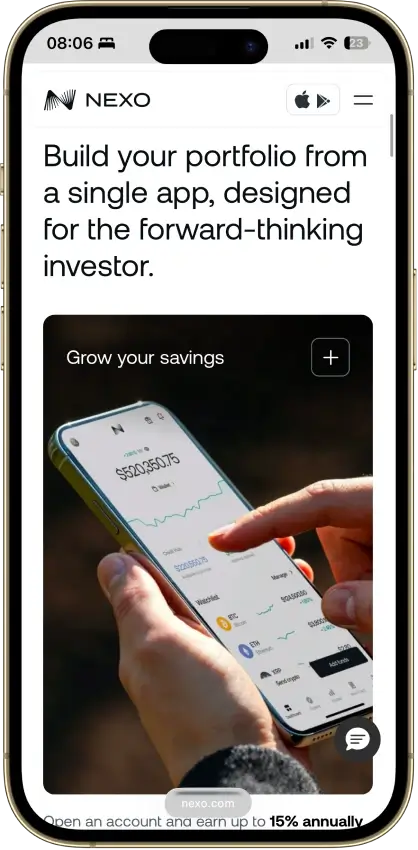
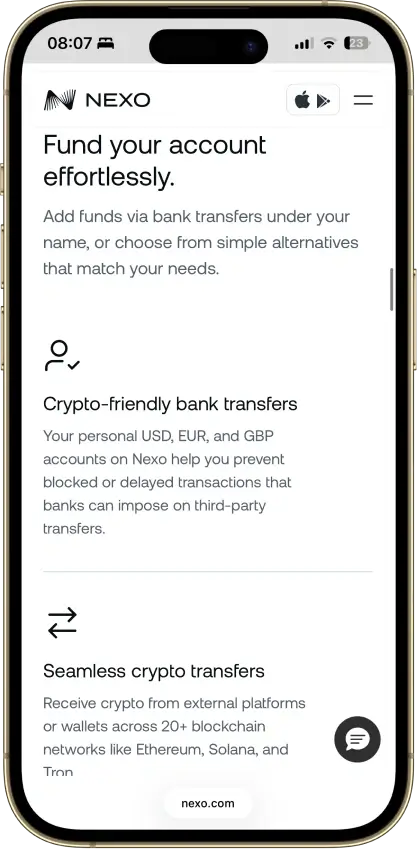
Nexo Custodial Bitcoin, Ethereum, Base, Polygon, BNB Smart Chain, Arbitrum, Optimism, Solana, Avalanche, Tron No Limited Yes
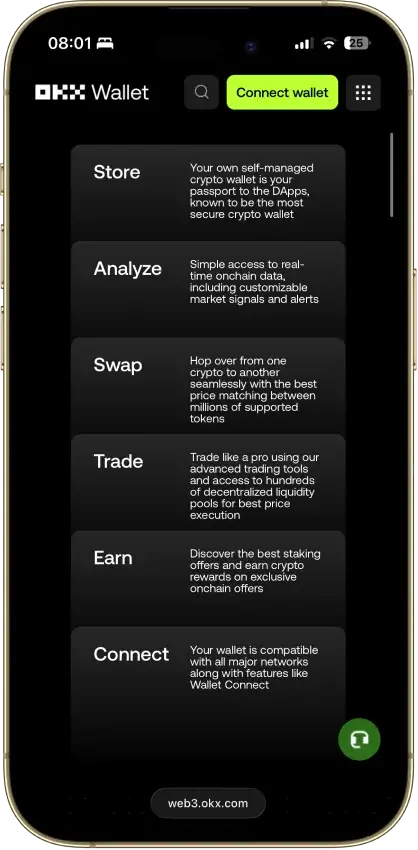
OKX Wallet Non-custodial Bitcoin, Ethereum, BNB Smart Chain, Avalanche, Tron, Arbitrum, Base, Optimism, Polygon, Solana Yes Limited Yes
Kraken Wallet Non-custodial Bitcoin, Ethereum, Arbitrum, Base, Optimism, Polygon, Solana No Limited No
Rabby Wallet Non-custodial Ethereum, BNB Smart Chain, Avalanche, Arbitrum, Base, Optimism, Polygon Yes None No
Cake Wallet Non-custodial Bitcoin, Ethereum, Polygon, BNB Smart Chain, Solana, Base, Arbitrum Yes None Yes
Exodus Non-custodial Bitcoin, Ethereum, BNB Smart Chain, Avalanche, Tron, Arbitrum, Base, Optimism, Polygon, Solana Yes Full Yes
Feather Wallet Non-custodial Yes No
Solflare Non-custodial Solana Yes Full Yes
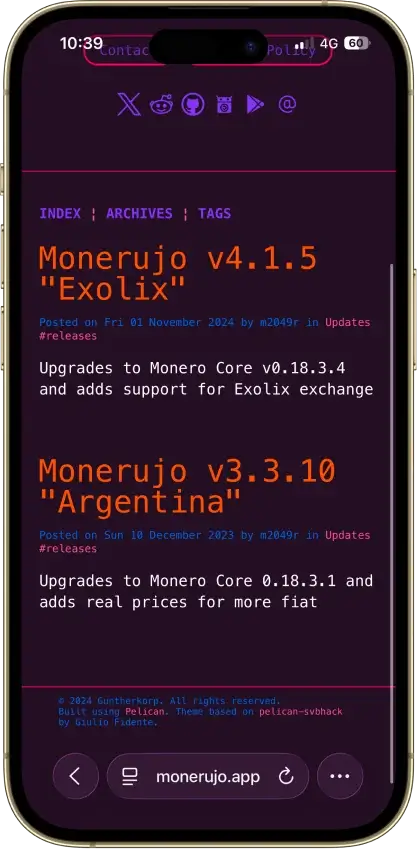
Monerujo Wallet Non-custodial Yes None No
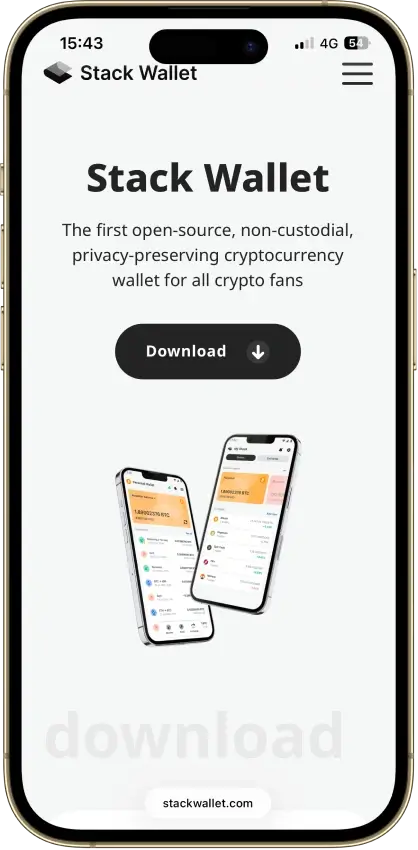
Stack Wallet Non-custodial Bitcoin No None No

If you are torn, use these tie-breakers.

Phantom is the “Solana feels native” choice. MetaMask is the “Ethereum/EVM default” choice. Trust and Binance are the “one wallet for many chains” choices for everyday use. OKX is the “multi-chain DeFi toolset” choice if you can handle a more advanced workflow.

Most wallets you see in this top lists are among the most popular and best crypto wallets available. It's not just their nature, but the position they have and access to a big audience from day one.

Next, the mini reviews show what matters beyond a score: chain fit, dApp stability, signing clarity, recovery reality, and the one mistake people keep making with each wallet.

Detailed Review - Hot Wallets

Feather Wallet

Rank14
Our score6.0

Feather Wallet is a free, open-source Monero desktop wallet for Linux, Tails, Windows, and macOS. It ships with built-in Tor, coin control, offline signing via animated QR codes, and hardware wallet support for Ledger and Trezor Monero devices. New wallets use a 16-word Polyseed by default, and the app can also restore 14-word and 25-word seeds. There are no swaps, no fiat on-ramp, no mobile app, and no multichain support. It suits desktop XMR users who want more control than a basic wallet offers, and less friction than the CLI.

Pros

  • Built-in Tor works out of the box, so users do not need to install and configure Tor separately just to get started.
  • Monero power-user tools are unusually deep for a desktop wallet, including freeze/thaw, manual input selection, sweep tools, transaction proofs, and transaction rebroadcasting.
  • Hardware wallet support is strong for Monero users, covering current Ledger and Trezor devices that support Monero in Feather.
  • Offline transaction signing with animated QR codes gives privacy-focused users a workable air-gapped flow without forcing them into a dedicated hardware wallet.
  • Reproducible builds, signed release artifacts, and updater verification add more trust signals than many smaller wallet projects provide.

Cons

  • Feather is Monero-only, so it is a poor fit for users who want one wallet for Bitcoin, Ethereum, Solana, or stablecoins.
  • There is no official mobile app, browser extension, WalletConnect flow, or other web3 access path.
  • Built-in swaps, staking, and fiat cash-out tools are not part of the wallet, so users need outside services for those jobs.
  • The feature depth is useful, but it also means new users can run into more settings, node choices, and transaction options than they may want.
  • Older screenshots and older guides can mislead readers: the Reddit and LocalMonero plugins were removed in 2.6.8, Prestium was removed in 2.8.0, and the Mining plugin was marked deprecated in 2.8.0.

How We Rank The Best Crypto Hot Wallets

We score each wallet across 10 metrics. Each metric is scored on a strict 0-1.0 scale. If a claim cannot be verified using credible sources (official documentation, audit reports, or security disclosures), we label it “unverified” and assign a 0 for that metric.

MetricWhat we evaluateWhy it matters
Custody + portabilityWhether you control keys and can migrate without vendor lock-inAvoids being trapped in an ecosystem
Key security model clarityClear explanation of how keys are stored/protected (secure enclave, MPC, isolation)Lets users judge real security, not marketing
Independent security validationAudits, public reports, bug bounties, disclosure processReduces hidden risk
Recovery qualitySeed, passphrase, MPC, social recovery, and how well it is explainedDetermines if you can recover safely
Scam and drainer resistancePhishing detection, malicious contract warnings, allowance toolsReduces drainers and scam approvals
Incident history and response maturityPast incidents and transparency of responseShows whether the wallet improves after issues
dApp connectivity coverageWalletConnect v2, extensions, session stabilityDetermines DeFi/Web3 usability
Signing UX qualityHuman-readable signing, clear permissions, approval managementPrevents blind signing
Smart-wallet UX (account abstraction readiness)Smart accounts, batching, gas sponsorship, improved recoveryImproves UX without giving up control
Fiat rails and “bank wallet” functionalityOn/off ramps, cards, transparent fees and limitsMakes entry/exit more practical

Scores are not permanent. We re-rank when custody, recovery, or dApp connectivity changes, or when a material incident changes the risk picture.

What Is a Crypto Hot Wallet?

A crypto hot wallet is an internet-connected wallet app you use for day-to-day crypto: holding smaller balances, sending and receiving, swapping, and connecting to dApps. It is convenient because it is always available on your phone or browser. It is also the reason phishing and approvals matter so much: hot wallets are built for frequent actions.

Hot wallets do not “store” your crypto. Your assets are on the blockchain. The wallet stores (or manages access to) the keys needed to control an on-chain address.

Your wallet app is not a box that “holds” your crypto. Think of the blockchain like a public scoreboard that shows who owns what. Your crypto “lives” on that scoreboard, not inside your phone.

What your wallet app holds is the thing that lets you control your spot on the scoreboard: your keys (or key access). Your wallet address is like your mailbox number. Your private key is like the key that opens that mailbox. Your seed phrase (those 12 or 24 words) is like a master backup key that can recreate your wallet on a new phone.

What is Self-custody?

Self-custody (also called non-custodial custody) means you control the keys. No company can reset your wallet, unlock your funds, or recover your seed phrase for you. That control is the point. It is also the trade-off: if you lose your recovery method, there is usually no “forgot password” button.

Some newer wallets soften this trade-off with social recovery (trusted people/devices can help you recover) or smart accounts (also called account abstraction), where your wallet is built as code on the blockchain. This can add recovery rules, spending limits, temporary access keys, or having someone else cover network fees.

These can make wallets easier to use, but you still need to understand who or what can approve recovery and what happens if that setup is lost or compromised.

How Do Crypto Hot Wallets Work?

A hot wallet does two jobs at the same time. It shows you what is happening on a blockchain (balances, tokens, past activity), and it helps you create actions (send, swap, connect to a dApp) in a way the network will accept.

Here is the flow behind most buttons.

  1. The wallet reads blockchain data through internet connections (usually through nodes or providers) so it can display balances and activity.
  2. When you start an action, the wallet builds a transaction draft (network, recipient, amount, and fee).
  3. The wallet shows you a confirmation screen. This is your pause point.
  4. If you approve, the wallet signs on your device to prove the transaction is authorized.
  5. The wallet broadcasts the signed transaction to the network. Validators confirm it. A block explorer is the cleanest way to verify final status.

Connecting to a dApp can feel odd at first because it is not like logging into Instagram or your bank. Most dApps do not create a company account for you. Your wallet is the “login” that proves which on-chain address you control.

What you are trying to doNormal mobile appdApp + wallet
“Log in”Email/phone + password (company owns the account)“Connect wallet” (your wallet is your login)
Show your stuffCompany database shows your profile/datadApp reads your public address on-chain
Do an actionApp executes on company systemsdApp asks your wallet to create a transaction
What “connect” sharesYour identity inside that appYour public address (not your seed phrase)
Who can move fundsCompany (controls the system)Only your wallet when you approve/sign
When real risk startsWhen you give payment accessWhen you approve/sign (especially approvals)

So yes, you connect because that is how the dApp knows which on-chain address to use. Connecting alone does not spend funds. The danger starts when you approve or sign something you do not understand.

Types of Crypto Address and Keys

These concepts are frequently confused, but each plays a different role in receiving funds, authorizing transactions, and recovering access. Getting the distinctions right helps prevent common loss scenarios, such as sharing recovery data, restoring from an untrusted source, or treating an address as if it grants spending access.

TermWhat it isWhat it is used forCan you share it?If someone gets it…Where you see it
Wallet address (public address)The string you share to receive funds (derived from a public key and formatted per chain)Receiving funds; identifying your on-chain accountYesThey cannot spend your crypto, but they can view activity for that address“Receive” screen
Public keyA longer cryptographic key used to verify signatures; wallets derive the address from itVerifying that transactions were authorizedUsually no needUsually cannot spend funds; may help link activity in some contexts (chain-dependent)Rarely shown
Private keyThe secret that proves control of an addressSigns transactions (send/approve)NoThey can take control of funds for that addressUsually hidden; sometimes exportable
Seed phrase (12/24 words)A master backup that can recreate many keys/addressesRestores the wallet on a new deviceNoThey can rebuild your wallet anywhere and drain itShown once at setup; then hidden
Passphrase (optional)An extra secret added on top of a seed phraseAdds a second lock to the seedNoIf they have both seed + passphrase, they can drain; if you lose it, you can lock yourself outOnly if you set it up

Two practical rules:

  1. The only thing you should copy/paste in daily life is your wallet address.
  2. If anyone asks for your seed phrase or private key (support, a website, a “verification” form), treat it as a scam.

Seed Phrases: What to Trust and What Actually Happens on Your Phone

You can trust a wallet app only if you trust the way you installed it. Most seed phrase losses come from fake apps, fake browser extensions, and lookalike websites.

Use this checklist before you create a wallet or import a seed phrase.

  • Download from the official website or the official store listing (avoid ads and random download buttons).
  • Verify the publisher/developer name.
  • Check the domain carefully.
  • Never type your seed phrase into a website.
  • Ignore “support” DMs. Real support will not request your seed phrase.

After a wallet shows you the seed phrase once, it usually hides the words. That does not mean your phone is “seed-free.” To work, the wallet must keep some form of key material on your device (often encrypted). That is what signs transactions.

Practical takeaway: even if the seed words are not visible on screen, a compromised device can still be dangerous. Use a strong phone passcode, keep your OS updated, and never store seed phrases in screenshots, cloud notes, or email drafts.

Crypto Hot Wallet vs Cold Wallet

This choice is less about “which is best” and more about how you use crypto. If you send funds often, connect to dApps, or switch chains a lot, a hot wallet is the fastest tool. If your priority is “do not lose this,” cold storage reduces the number of ways you can get compromised day-to-day. A hybrid setup is common because it keeps the daily UX, but puts the signing key on a hardware device.

TypeBest forWhat it protects best againstMain risksTypical setupRecovery realitydApp useCost/effortCommon mistakes
Hot walletDaily transfers, swaps, dAppsConvenience and speedPhishing, fake apps/extensions, risky approvals, device compromiseMobile app or browser extensionSeed phrase or seedless/MPC (varies by wallet)High (WalletConnect/extension)Low setup effortUsing it as a long-term vault; signing approvals on autopilot; storing seed in screenshots/cloud
Cold walletLong-term holding, “vault” fundsKeys stay off your phone/computerBackup mistakes, buying from unofficial sellers, user errorHardware wallet (often with companion app)Seed phrase + optional passphrase; recovery depends on your backupLow (connect only when needed)Higher effort + hardware costNever testing recovery; typing seed into a website; assuming hardware “stops scams”
HybridUsing dApps with lower key exposureProtects keys from many device-level attacksYou can still approve a bad contract; slower workflowHardware wallet used through an extension/appSame as cold wallet (backup is still the source of truth)Medium–High (good for DeFi)Medium effortConnecting your vault account to random dApps; ignoring what you approve because “it’s hardware”

A practical way to use this: keep your hot wallet for daily activity and small tests, and keep your “sleep at night” funds in cold storage or a hybrid setup. The key insight is that cold storage mainly protects your keys from device compromise. It does not protect you from signing something dangerous. That is why readable signing prompts and strong approval habits matter in every setup.

How To Set Up a Crypto Hot Wallet Safely

This setup takes about 10 minutes. It helps you avoid the most common beginner failures: installing a fake wallet, messing up your backup, or moving real funds before you have tested the basics.

  1. Install from the official source.Start on the wallet’s official website, then use its link to the App Store / Google Play / browser extension store. Avoid ads and “download” buttons on random sites.
  2. Confirm the publisher (developer) name.In the app store or extension store, check the publisher name matches the official brand. If anything looks off, do not install.
  3. Lock down your device before you add funds.Use a strong phone passcode, turn on Face ID/Touch ID, and set auto-lock to a short time. Update your OS.
  4. Create a new wallet.Do not import a recovery phrase because “support” told you to. Do not type recovery words into a website.
  5. Back up your recovery method the safe way.If your wallet uses a seed phrase: write it down offline (paper or metal). No screenshots. No cloud notes. No email drafts.If your wallet is seedless (MPC) or uses social recovery: write down what you must keep (for example: which devices/guardians are required) and test that you can complete recovery.
  6. Verify the backup.Complete the wallet’s backup check (often re-entering a few words). This catches typos now, not later.
  7. Turn on safety settings.Enable phishing warnings, transaction previews, and spam token hiding (if available). These reduce the number of “oops” clicks.
  8. Receive a small test amount.This confirms you selected the right network and copied the correct address.
  9. Send a small test out.This confirms you can sign a transaction and pay network fees without surprises.
  10. Move larger amounts only after the tests clear.If something is wrong, you want to find out with $5, not $5,000.

After setup, write one line for future you about where the backup is stored (example: “recovery phrase is in the safe”). Do not write the recovery phrase itself.

How to Back Up and Recover a Hot Wallet (Without Losing Funds)

Most hot wallet disasters are recovery related. If you can recover cleanly, you can survive a lost phone. If you cannot recover, the rest of the features do not matter.

Recovery methods you will see:

  • Seed phrase (12/24 words)
  • Seed + passphrase
  • Seedless MPC / key shares
  • Social recovery

Recovery drill (do this once per quarter)

This is a simple test to prove your backup works. If your phone is lost, stolen, or wiped, this is the exact process you will rely on.

  1. Pick a safe place to test.Use a spare phone or a fresh browser profile. Do not do this on a shared device.
  2. Install the wallet again from the official source.Start from the official website, then click through to the app store or extension store.
  3. Restore the wallet using your backup method.Enter your seed phrase (or follow the wallet’s MPC/social recovery steps) exactly.
  4. Confirm the main address matches.Check the public address you see after restoring is the same one you use today.
  5. Send a tiny test transaction.This confirms you can sign and broadcast transactions normally.
  6. Remove the test wallet when you’re done.If this was only a drill, delete the restored instance so you are not leaving extra wallet copies around.

If any step fails, stop and fix recovery immediately. Do not assume it will work later.

How to Use a Crypto Hot Wallet

Most mistakes happen during three boring tasks: finding an address, choosing a network, and confirming a transaction.

Wallet address formats are a quick sanity check.

  • Bitcoin addresses often start with bc1, 1, or 3.
  • Ethereum-style addresses start with 0x.

Receiving safely:

  1. Tap “Receive” in your wallet.This pulls up the correct address format for that chain.
  2. Select the correct network.Token names repeat across networks (for example, USDT). The network choice is what prevents wrong-network sends.
  3. Copy the address from inside the wallet, then verify it.Check the first 4 and last 4 characters match what you intended to copy.
  4. If a memo/tag is required, include it.Some chains and exchanges require a memo/tag to route the deposit. Missing it can delay or break delivery.
  5. Send a small test first.Treat it like a smoke test. Confirm it arrives, then send the full amount.

Sending safely:

  1. Paste the recipient address, then verify it.Check the first 4 and last 4 characters. Do not trust a previously used address without re-checking.
  2. Confirm the network matches the recipient.“Same token” is not enough. The recipient must be able to receive on the same chain.
  3. Check fees and gas before you hit confirm.Make sure you have the chain’s gas token (for example, ETH on Ethereum, SOL on Solana) or the send will fail.
  4. Test-send when possible.For larger amounts, a small test is the cheapest way to avoid a costly mistake.
  5. Verify the transaction on a block explorer.Wallet UIs can lag. The explorer is the source of truth.

You can send directly from an exchange to a hardware wallet address. You do not need to route through a hot wallet first.

If you want to track performance after self-custody, you can use portfolio trackers that read public addresses. The drawback is privacy — pasting addresses into third-party tools shares your on-chain footprint. And in case you want to learn more about anonymous crypto wallets, we have that covered too.

If you're new to crypto, check out our crypto wallets for beginners. It will make the first steps much easier and they will make sense.

Token Approvals and Allowances (The #1 Hot Wallet Risk)

Most beginners do not “choose” to create an approval. It happens during normal dApp use. The first time you swap a token, stake it, mint something, or use a DeFi app, the dApp often needs permission to move that token on your behalf.

Here is what that looks like in real life:

  1. You open a dApp (swap, staking, mint, bridge) and click an action like “Swap” or “Deposit.”
  2. The dApp pops up a wallet prompt that says something like “Approve USDC,” “Allow spending,” or “Give permission.”
  3. You approve it because the dApp will not proceed without it.
  4. Now the contract you approved can spend that token later, up to the limit you agreed to.

The important detail: an approval is not a one-time payment. It is a permission that can stay active. That is why approvals are a common path to drainers.

How to spot an approval before you sign it:

  1. Look for words like “approve,” “allow,” “permission,” “spender,” or “set allowance.”
  2. Check what token is being approved. If the token name is unfamiliar or looks copied, pause.
  3. Check the limit. If you see “unlimited,” “max,” or a number far larger than your swap, treat it as high risk.
  4. Check the spender. If the wallet only shows a random address with no recognizable name, slow down.
  5. If anything feels unclear, cancel. You can always try again after you verify the dApp.

Red flags that should make you stop:

  • The approval limit is “unlimited” for a one-time swap.
  • The spender is unknown or does not match the site you think you are using.
  • The prompt is vague (no token, no limit, no clear permission).
  • You arrived via a DM, an ad, or a “support” link.

How to revoke allowances safely (step-by-step)

  1. Decide what you are cleaning up.If you only used a dApp once, revoke that approval. If you are unsure, start with anything you do not recognize.
  2. Check for an in-wallet approvals manager.Many wallets can show “Connected sites” or “Token approvals.” Use this first if it exists because it is less confusing.
  3. Find the token and the spender.Look for old dApps, unknown spenders, or approvals with unlimited limits.
  4. Revoke or reduce the allowance.Best practice is “revoke” for anything you do not use. If you do use it often, reduce the limit to what you actually need.
  5. Confirm the revoke transaction.A revoke is an on-chain transaction (and on many chains it costs a network fee). Verify it completed.
  6. If you suspect your recovery phrase was exposed, move funds.Revoking approvals helps with permissions. It does not fix a leaked seed phrase. If the seed is compromised, create a fresh wallet and move funds.

Fees In Crypto Hot Wallets (What You Really Pay)

Fees are where beginners get surprised because the wallet shows one number, but the real cost is a bundle: network fees, swap spreads, and sometimes bridge costs. The best habit is to always check the final “you receive” amount and the network you are paying on.

What you pay for depends on what you are doing:

  • Sending crypto: mainly a network fee.
  • Swapping tokens: a network fee plus swap costs (spread/price impact) and sometimes an aggregator fee.
  • Bridging: network fees on both sides plus bridge fees and extra slippage.

The three fee layers (and what to verify)

  1. Network fee (gas)This is paid to the network to process the transaction. It is usually paid in the chain’s native token (for example: ETH on Ethereum, SOL on Solana). If you do not have the native token, your transaction may fail even if you have plenty of the token you are trying to send.
  2. Swap fee and “spread”This is the hidden part of many in-wallet swaps: the difference between the price you expect and the price you actually get. It comes from liquidity, price impact, routing, and sometimes the wallet’s provider/aggregator pricing. The safest thing to check is the final received amount and the effective rate.
  3. Bridge fees and extra slippageBridges add extra steps, extra failure points, and extra fees. You often pay gas to approve, gas to bridge, and gas again on the destination chain. Always check whether you will need the destination chain’s gas token to use the funds after they arrive.

How to avoid fee surprises (quick checklist)

  1. Confirm the network first.The same token name can exist on multiple networks. Fees and speed can change dramatically depending on the network.
  2. Check the native gas token balance.Before you send or swap, make sure you have a small buffer of the chain’s gas token.
  3. Read the “you pay” and “you receive” fields.For swaps, this matters more than the headline fee. If the receive amount looks off, cancel and compare routes.
  4. Watch for high slippage and price impact.If the wallet lets you set slippage, keep it as low as practical. Very high slippage can turn into a bad fill.
  5. Expect approvals to cost fees on some chains.On Ethereum/EVM networks, approving a token often costs gas. That is normal. The risk is approving the wrong spender or an unlimited limit.

If a wallet cannot show the final received amount clearly before you confirm, assume extra spread exists and slow down.

Before You Switch Wallets (Migration Checklist)

Switching wallets is where people leak seeds, skip tests, and carry risky approvals into a new setup.

  1. Verify you can recover the old wallet. Do a quick restore test (or at least confirm you still have the correct recovery method) before you move anything.
  2. Create the new wallet and back it up offline. Complete the backup check inside the wallet so you know the backup is correct.
  3. Send a small test transfer to the new wallet. This catches wrong-network and wrong-address mistakes early.
  4. Move the main balance only after the test arrives. Check the transaction on a block explorer, then continue.
  5. Reconnect dApps slowly. Start with the dApps you actually use and avoid reconnecting “random” sites.
  6. Review and revoke old approvals. Clean up allowances on the old wallet so old spenders cannot be abused later.

If you suspect compromise, do not import the old seed into a new wallet. Create a fresh wallet and move funds.

Common Crypto Hot Wallet Issues (and Quick Fixes)

Most wallet “problems” are UI problems. Your source of truth is the transaction on a block explorer.

IssueLikely causeFast fix
Token not showingToken not added or wrong networkAdd token or switch network
Wrong balance in dAppWrong chain/account connectedSwitch chain/account and reconnect
Stuck transactionFee too low or congestionSpeed up/replace if supported; verify on explorer
“Insufficient gas”You have tokens but no gas tokenAdd a small gas balance
WalletConnect failsOld session or wrong chainDisconnect and reconnect

FAQ

Do I lose my crypto if I lose my phone?

No. Your crypto is on-chain. If you have the correct recovery method (seed phrase, MPC recovery, or social recovery), you can restore on a new device.

If I delete the wallet app, do I lose my funds?

No. Deleting the app removes the app, not the funds. You only lose access if you also lost your recovery method.

Can I access the same wallet on multiple devices?

Yes, by importing the same recovery method on another device. The trade-off is a larger attack surface, so keep it limited.

Can I use one wallet for all my crypto?

Sometimes. It depends on chain support. Many people use one multi-chain wallet plus a separate Bitcoin-only or Solana-first wallet.

Do hot wallets require KYC?

Usually not for the wallet itself. KYC often appears when you use in-wallet buy/sell features provided by third-party on/off-ramps.

What happens if the wallet company shuts down?

If the wallet is non-custodial and you have the recovery method, you can import into another compatible wallet app.

What is the safest way to store a seed phrase?

Offline. Write it down on paper or metal and store it somewhere you control. Avoid screenshots, cloud notes, email, and password managers unless you fully understand the risks.

Is it safe to screenshot my seed phrase?

No. Screenshots often sync to cloud backups or get exposed by malware.

What is the difference between 12 words and 24 words?

Both can be secure when stored properly. In practice, most losses come from leaking or losing the words, not from someone guessing them.

Can a hot wallet be “hacked”?

Yes, but most losses are phishing, fake apps/extensions, device compromise, or risky approvals — rather than a blockchain “hack.”

What does “Connect Wallet” actually do?

It shares your public address with the dApp and lets the dApp request actions. Funds move only when you approve/sign something in your wallet.

What is WalletConnect?

A standard that connects wallets to dApps, often via QR code or deep links.

What is a token approval (allowance)?

It is permission for a contract to spend a token later. It can stay active, which is why approvals are a common drainer path.

How do I revoke approvals?

Use the wallet’s approvals manager if available. If not, use a reputable allowance dashboard for the chain and revoke anything you don’t recognize.

Why did my transaction fail with “insufficient gas” when I have tokens?

Because network fees are usually paid in the chain’s native token (for example, ETH on Ethereum, SOL on Solana). You may have tokens, but not the gas token.

What if I sent on the wrong network?

It depends. Sometimes funds can be recovered with the right wallet and chain tools, sometimes not. The best prevention is choosing the correct network and doing a small test send first.

Do I need to send from an exchange to a hot wallet first before a hardware wallet?

No. You can send directly from an exchange to a hardware wallet address.

Is a hardware wallet “safe from drainers”?

It helps protect keys from many device-level attacks, but you can still approve a malicious contract. You still need to read approvals and signing prompts.

Can I still track my portfolio if I self-custody?

Yes. Many trackers can read public addresses. The trade-off is privacy, because you are sharing your address history with a third party.