The best card is the one that still works when the trip gets unpredictable, whether that means a delayed refund, a fuel hold, an offline terminal, or a late ATM run.
Before comparing rewards, check country access, merchant acceptance, ATM fees, and your backup option. A good travel card is one you can verify in time, fund clearly, and rely on when a payment fails.
What To Check Before You Fly
A quick pre-trip check can save you from the most common card problems abroad. The aim is to confirm that the card fits your route, your spending style, and the places where payment friction usually shows up first.
- Confirm your country is supported and that the physical card can actually be shipped to you
- Check whether you can start with a virtual card or need the plastic before the card becomes useful
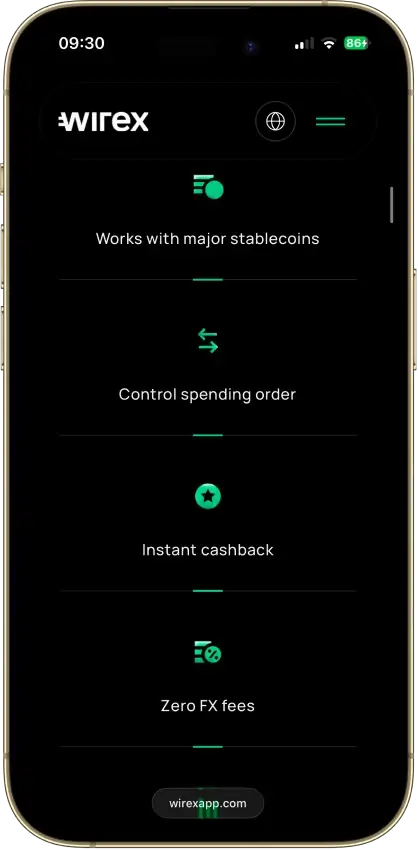
- Look at the FX fee and the real conversion path, not just the headline line item
- Check the ATM fee after any free allowance, plus per-withdrawal limits
- Decide whether hotel and rental-car holds are realistic on that card
- Confirm Apple Pay or Google Pay support in your region and on your device
- Check which stablecoins or fiat balances the card can spend cleanly
- Carry a backup non-crypto card if the trip includes deposits, rentals, or multiple countries
Common Ways Travelers Lose Money Abroad
Most travel-card mistakes look small in the moment, but they stack quickly. Paying in your home currency instead of the local one, assuming a virtual card will cover every travel payment, or relying on one card alone can all make a trip more expensive than it needs to be.
The other common mistake is misreading the pricing. Post-limit ATM fees, low withdrawal caps, and weak conversion rates can cost more than the headline card fee, especially when a card advertises no FX fee but still gives you a poor exchange rate.