Best Crypto Cards For USDC (April 2026)

This guide ranks the best crypto cards for spending USDC based on how each card handles funding, conversion, and cash-out. It covers five cards across different regions and use cases, with a full fee breakdown and practical advice.

Updated Apr. 6, 2026
Reviews in this list 6
Trusted Reviews Editorially curated & independently checked
Curated by Yousra Anwar Ahmed
Since Feb 2026 50 reviews
Fact check in progress A fact-checker will be assigned shortly.
Affiliate Disclosure

Disclaimer: CryptoSlate may receive a commission when you click links on our site and make a purchase or complete an action with a third party. This does not influence our editorial independence, reviews, or ratings, and we always aim to provide accurate, transparent information to our readers.

USDC is one of the few crypto assets that makes card spending practical day to day. But the experience varies significantly once you look at conversion steps, fees, virtual card access, and how easy it is to move funds back out.

The best USDC cards make funding, spending, and cash-out straightforward. Some work better for U.S. users who already hold funds on an exchange, while others suit global users who want a stablecoin-funded balance with bank payout or stablecoin withdrawal options.

Top Picks - Crypto Cards For USDC

Rank
Name
Rating
Key Advantages
Secure Link
Rank 1
7.5
  • Fast virtual card access
  • Broad stablecoin and crypto funding support
  • Strong travel and cross-border utility
Rank 2
7.1
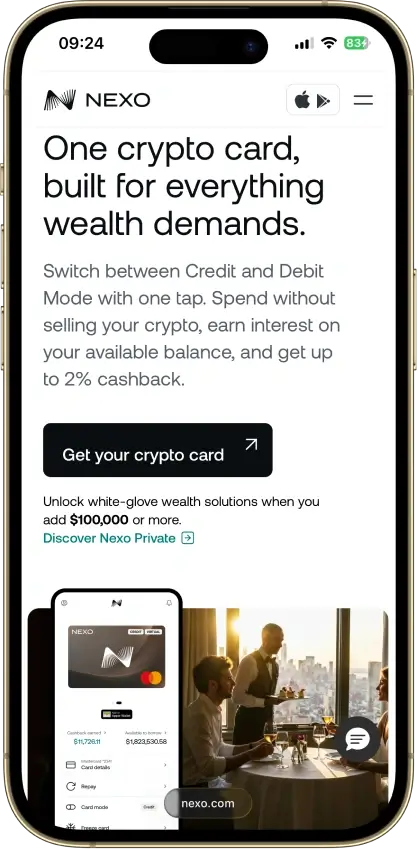
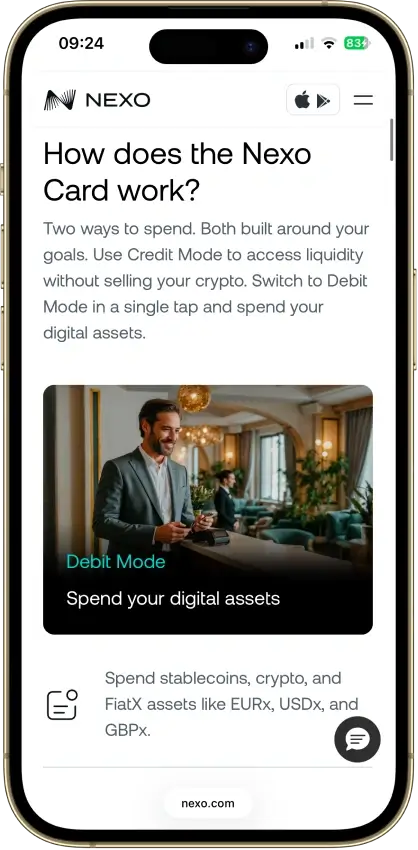
  • Dual‑mode spending — Instantly switch between Debit Mode (spend balances) and Credit Mode (borrow against assets).
  • No monthly, annual, or inactivity fees on the card itself.
  • Earn cashback in either NEXO tokens or BTC, depending on your preference and loyalty tier.
Rank 3
7.0
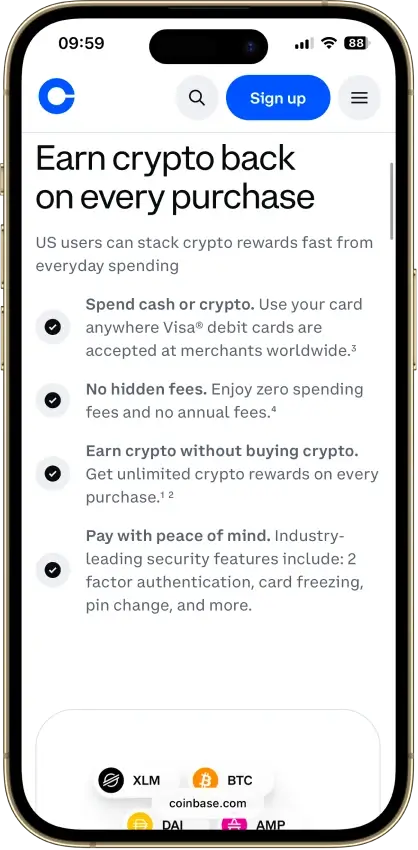
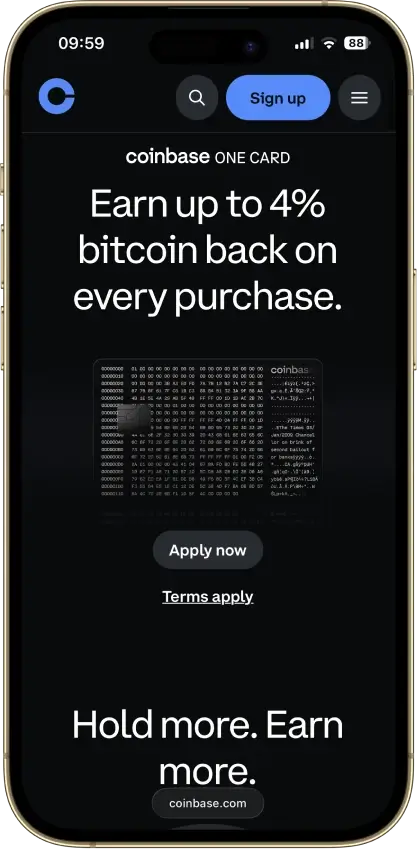
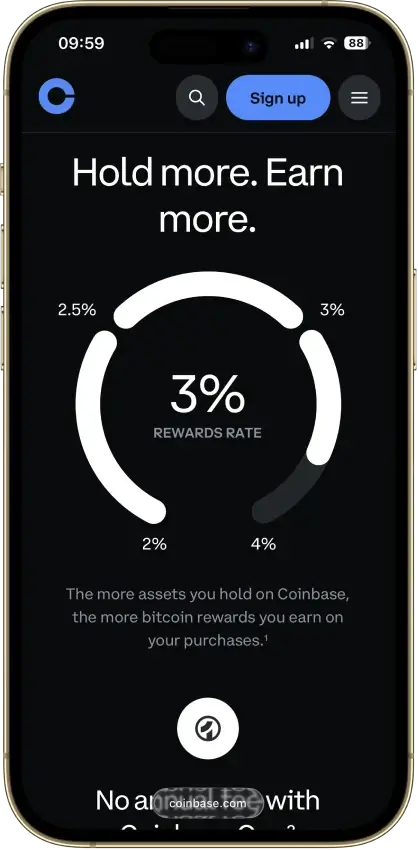
  • Up to 4% rotating crypto rewards (US) with no staking required.
  • $0 annual fee and no added foreign transaction fee.
  • Instant virtual card with Apple Pay and Google Pay integration.
Rank 4
6.5
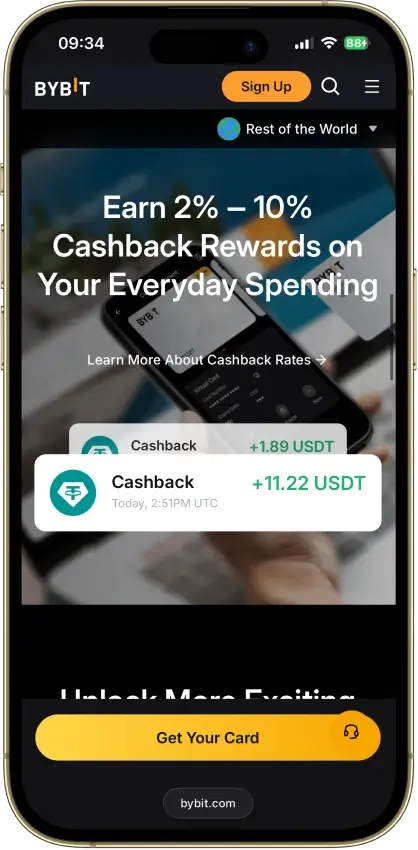
  • Up to 10% Tiered Cashback – Competitive top-end rewards for high spenders and VIP users.
  • Fiat-First Spend Logic – Uses fiat balance first, auto-converts selected crypto only if needed.
  • Transparent Fee Structure (EEA program) – FX (0.5%) and crypto conversion (0.9%) fees are clearly disclosed rather than hidden in spreads.
Rank 5
6.5
  • Stablecoin-led global spending
  • Virtual and physical card access
  • Broad app stack beyond the card
Rank 6
4.5
  • $0 monthly fee and free crypto-to-USD loads.
  • High limits — up to $10,000 per day in purchases and $6,000 per day at ATMs.
  • Up to 15% cash-back offers at participating merchants.

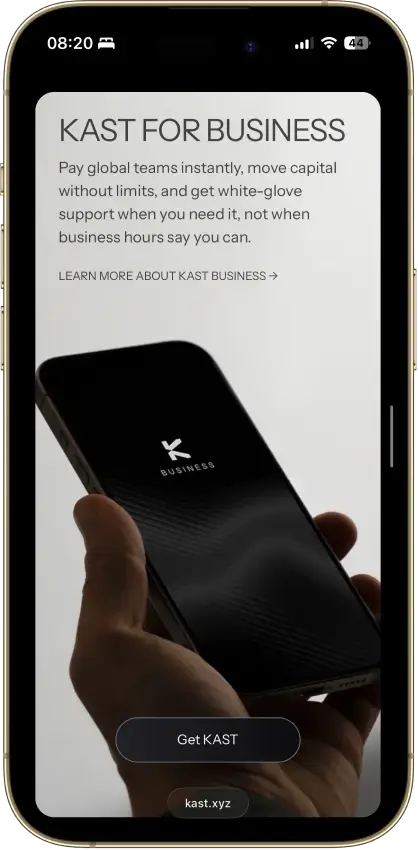
KAST is the best pick when USDC is your main spending balance and you also want bank payout or stablecoin withdrawal options. Coinbase is the easiest choice for U.S. users, Nexo is the better fit for EEA and UK users, and RedotPay or Bybit make more sense when you already use those apps and can live with higher conversion or card costs.

For USDC users, the key question is what happens between deposit and payment. Some cards let you fund directly from USDC and spend with minimal friction, while others use USDC as a funding balance that gets converted before the transaction settles.

Comparison Table

NameNetworkCard TypeDigital WalletsAvailabilityRating
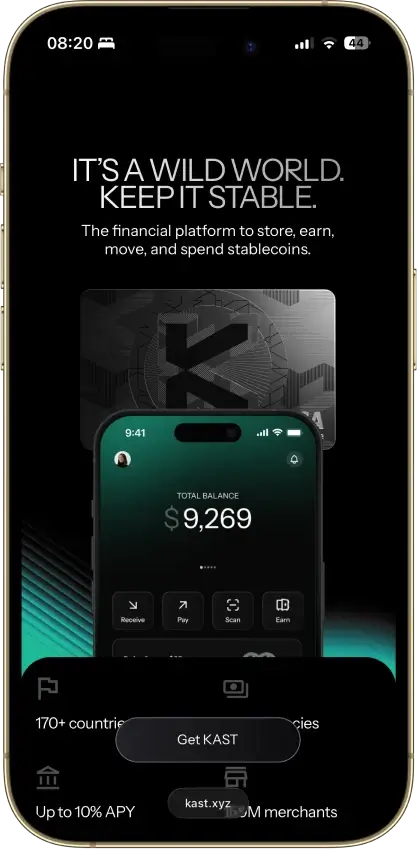
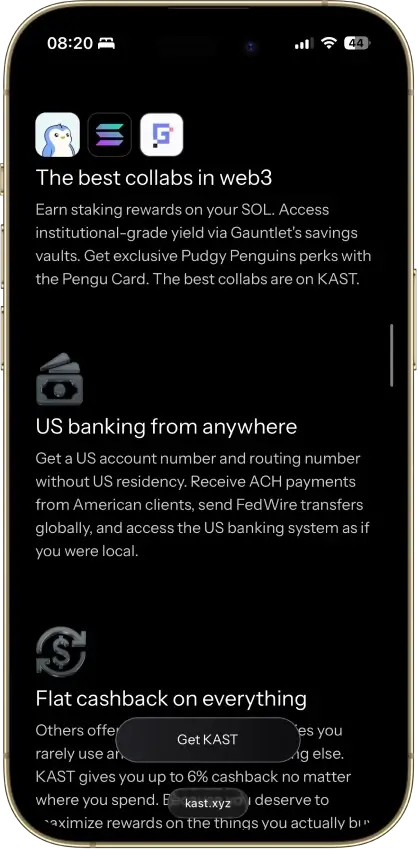
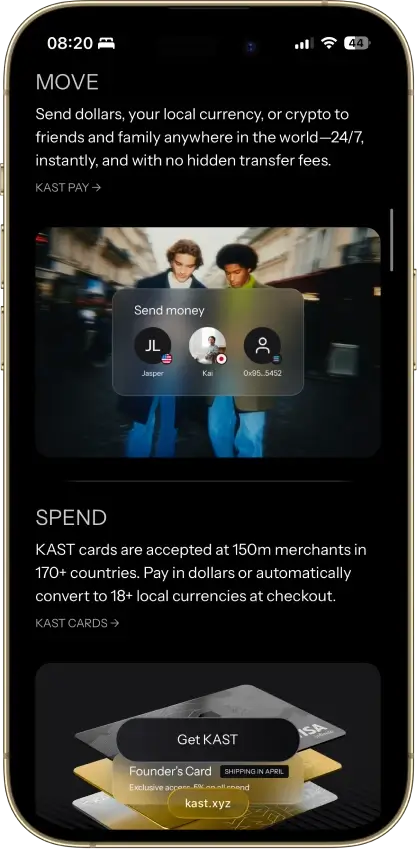
Kast Card Visa Prepaid Apple Pay, Google Pay 170+ countries, varies by jurisdiction. 7.5
Nexo Card Mastercard Dual-mode Apple Pay, Google Pay Citizens and residents of selected European countries, including the EEA and the United Kingdom. 7.1
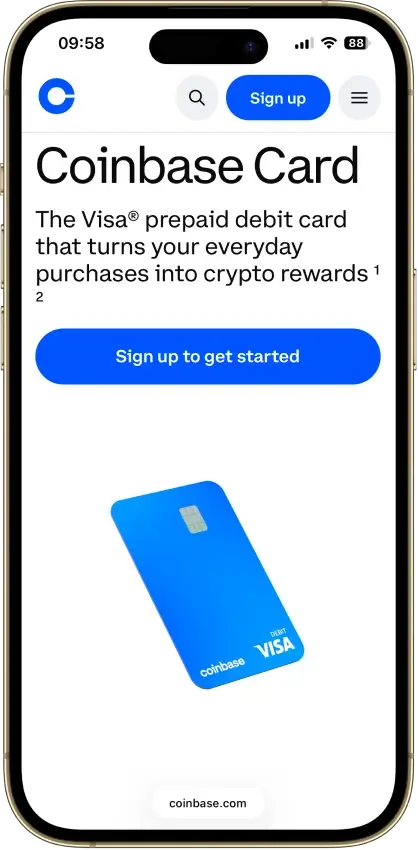
Coinbase Card Visa Debit Apple Pay, Google Pay, Samsung Pay US only (all states except Hawaii) 7.0
Bybit Card Mastercard Debit Apple Pay, Google Pay Bybit Card is only available in limited countries and runs as separate regional card programs, including EEA and Switzerland, Australia, Argentina, Brazil, AIFC, parts of Asia Pacific, and Mexico. EEA residents may be directed to apply via Bybit EU for an EUR card 6.5
RedotPay Visa, Mastercard Prepaid Apple Pay, Google Pay 100+ countries, varies by jurisdiction. 6.5
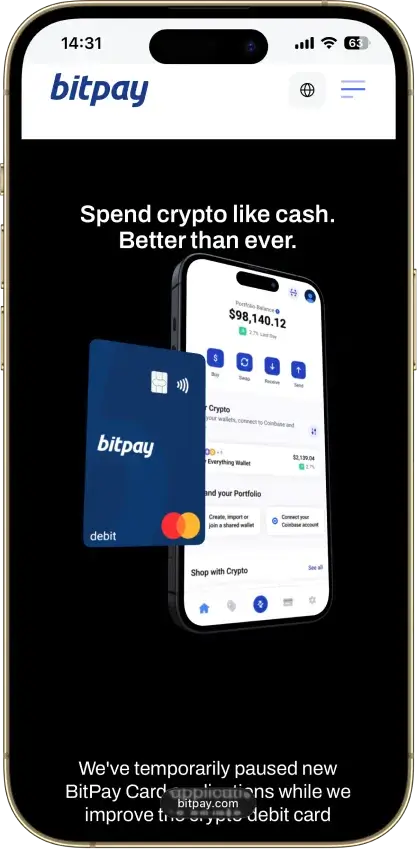
BitPay Card Mastercard Debit Primary availability: United States. Status: Program is undergoing improvement; new applications temporarily paused (waitlist available). 4.5

For a USDC user, the best card gives you a clear funding path, a predictable payment flow, and a usable way to withdraw unused funds. KAST, Coinbase, and Nexo handle those steps with fewer surprises, while RedotPay and Bybit need closer attention to card fees, conversion costs, and regional limits.

These five cards all support USDC in some form, but they handle it differently. That difference shows up in daily use. A stablecoin-first card behaves differently from an exchange card that simply includes USDC among its funding options.

Detailed Review - Crypto Cards For USDC

Our Ranking Methodology

This ranking starts with the USDC flow itself: how you fund the card, what happens at checkout, what the card converts in the background, and how easy it is to move the balance back out. Reward rates and broad crypto support were secondary to that.

Higher-ranked cards keep USDC spending predictable across normal use. That means a clean funding path, visible costs, usable virtual or physical card options, and few surprises when a refund, foreign transaction, subscription, or cash-out comes into play.

  • We reward cards that make USDC funding and spending easy to understand.
  • We reward low real fee drag, not just low headline fees.
  • We reward cards that stay usable for subscriptions, travel, refunds, and everyday checkout.
  • We reward clear availability, KYC expectations, and cash-out paths.
  • We penalize cards that force awkward pre-conversion or unclear stablecoin handling.
  • We penalize cards that hide cost in FX, spreads, withdrawal fees, or plan upgrades.
  • We do not give extra credit just because a card supports crypto broadly.
  • We do not treat “up to” rewards as a deciding factor unless the card is still practical for USDC users.

A good USDC card should take you from balance to checkout without having to guess what converted, what it cost, or how long it will take to withdraw unused funds. Without that clarity, the card is harder to rely on for regular spending.


What To Look For In A USDC Crypto Card

A good USDC card needs to work at three points: funding, checkout, and cash-out. Start with the spend model. Some cards work with a USDC-funded balance more directly, while others convert earlier or settle in a way that adds cost.

The funding path and withdrawal path matter just as much as the spending experience. Check which networks the card accepts for USDC deposits, whether you can move money back out without friction, and how much KYC is required before the card becomes usable for everyday spending.

Then consider daily use. A reliable virtual card, Apple Pay or Google Pay support, clear handling for refunds and failed payments, and usable statements or export options all matter more than a simple rewards headline.

How These Cards Usually Work

Most USDC cards follow the same basic payment flow, but balance handling is where they diverge. That difference determines whether the card works like a stablecoin spending tool, a fiat card funded from crypto, or an exchange card with USDC sitting in the funding balance.

  1. You fund the app or wallet with USDC.
  2. The platform either keeps that balance as spendable USDC, converts at checkout, or requires you to preload fiat first.
  3. The card network processes the merchant payment in fiat.
  4. The app settles the spend against your balance and displays the transaction history afterward.

The spend model matters more than the marketing label because it changes the real cost and the real workflow. A card that advertises USDC support can still convert early, add spread at payment, or make withdrawals and refunds harder than expected.

Fees Associated With USDC Crypto Cards

Headline pricing rarely reflects what the card will cost once you use it as a regular spending tool. The bigger costs tend to appear when the app converts your balance, when a foreign purchase settles, or when you try to pull unused funds back out.

Cost TypeWhere It Shows UpWhy It Matters
SpreadAt conversion or settlementEats into stablecoin value even when the card looks cheap
FX markupNon-USD spendMatters for travel and international checkout
ATM feeCash withdrawalTurns a stablecoin card into an expensive cash-access tool
Top-up or load feeFunding stepAdds friction before you even spend
Withdrawal feeCash-out or transfer outMatters if you move unused USDC back out
Physical card or shipping feeSetupCan make a “free” card less free
Small-transaction feeLow-value purchasesHurts users who treat the card like a daily wallet

The best USDC cards display those costs clearly and avoid stacking too many of them. Once spread, FX markup, card fees, and withdrawal costs accumulate, a stablecoin card can end up costing more than a standard debit card or a straightforward exchange-to-bank withdrawal.

Taxes And Reporting When You Spend USDC

Treat every USDC card payment as something you may need to document later. The most practical approach is to use a card with clean CSV exports or statements, download them regularly, and keep a simple record that matches each card charge to the USDC balance or transfer that funded it.

For each spend, record the date, merchant, USDC amount, fiat amount, and any spread, conversion, or FX cost. Track rewards, refunds, and reversed payments separately. If a card makes that history difficult to export or difficult to match back to funding, it is a weaker option for frequent USDC spending.

Common USDC Crypto Card Problems and Fixes

USDC support alone does not guarantee smooth spending. Funding, merchant acceptance, refunds, and withdrawals can all get complicated once you start using the card regularly.

These are the problems that come up most often:

  • Wrong-network deposit: Double-check the supported network before sending and use a test transfer first.
  • Merchant decline: Some merchant types, pre-authorizations, or risk filters can fail even with sufficient balance.
  • Refund delay: Card refunds often take longer than standard wallet transfers.
  • Cash-out friction: A card can be good for spending and still weak for moving unused funds back out.
  • Extra KYC review: Limits often appear when users try to unlock withdrawals, higher spend, or additional card features.
  • Travel checkout issues: FX, merchant category blocks, and offline terminals can all create friction.

The best fix is to test the full flow early. Send a small deposit, make a low-risk purchase, check how the card handles a refund, and confirm that withdrawals work before you rely on the card for larger payments.

Price
$ 1.00
0.00%
Market Cap $ 77.62B
Price Trend USDC / USD

USDC is a fully reserved stablecoin pegged 1:1 to the US dollar, issued by Circle Internet Financial Ltd.

USDC Coin Profile
24H Volume $ 8.78B
7D Change +0.01%
30D Change -0.02%
90D Change +0.01%

FAQ

Which crypto card is best for spending USDC right now?

KAST Card is the best overall pick if USDC is your main spending balance and you want a free virtual card plus stablecoin or bank payout options. Coinbase Visa Debit Card is the simpler choice for U.S. users who already hold USDC on Coinbase.

Do crypto cards spend USDC directly or convert it first?

It depends on the card. Nexo can spend stablecoins in Debit Mode, while Coinbase, KAST, RedotPay, and Bybit generally convert as part of the payment or settlement flow.

Is spending USDC with a crypto card taxable?

It can be. The exact treatment depends on your jurisdiction, but card spending can create a recordable crypto disposal or conversion event, so keep transaction history and export files.

Which USDC crypto card is best for freelancers?

KAST Card is the best fit for many freelancers because it combines USDC funding, a virtual card, and bank payout options. Coinbase works well for U.S.-based freelancers who already use it as their main balance hub.

Can I use a USDC crypto card for SaaS subscriptions and ad spend?

Yes, but test it first with one low-risk payment. For SaaS and ad spend, virtual card reliability, retry handling, and clear statements matter more than rewards.

Why do some merchants decline crypto card payments even when the balance is enough?

The issue is usually not the balance. Pre-authorizations, merchant category restrictions, digital-wallet problems, offline terminals, or platform risk checks can all cause a decline.

Can I move unused USDC back out after funding the card?

Sometimes, but the process depends on the card. Some cards let you withdraw stablecoins or cash out to bank more cleanly than others, which is why the exit path matters as much as the funding path.