Best Crypto Cards For USDT (April 2026)

USDT cards let you spend your tether balance directly without converting to fiat first. Compare the top picks by supported networks, verification requirements and how each card handles real-world payments.

Updated Apr. 6, 2026
Reviews in this list 5
Trusted Reviews Editorially curated & independently checked
Curated by Yousra Anwar Ahmed
Since Feb 2026 50 reviews
Fact check in progress A fact-checker will be assigned shortly.
Affiliate Disclosure

Disclaimer: CryptoSlate may receive a commission when you click links on our site and make a purchase or complete an action with a third party. This does not influence our editorial independence, reviews, or ratings, and we always aim to provide accurate, transparent information to our readers.

USDT cards are built for people who want to spend from a stablecoin balance without selling into fiat before every purchase. The better options let you top up Tether quickly, keep it ready to spend, and move from deposit to payment without extra steps.

A good USDT card keeps funding, spending, and cash access straightforward after signup. Supporting USDT is not enough on its own — a card can still be a poor choice if deposit networks are limited, phone-wallet support is missing, or KYC and regional checks block normal use.

Top Picks - Crypto Cards For USDT

Rank
Name
Rating
Key Advantages
Secure Link
Rank 1
7.5
  • Fast virtual card access
  • Broad stablecoin and crypto funding support
  • Strong travel and cross-border utility
Rank 2
7.5
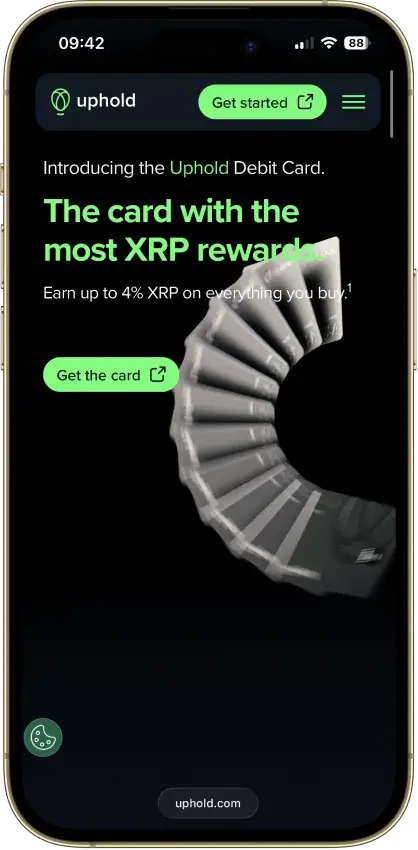
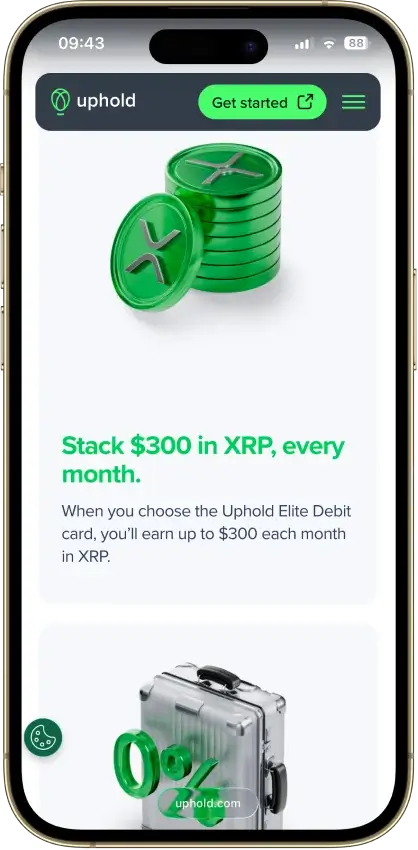
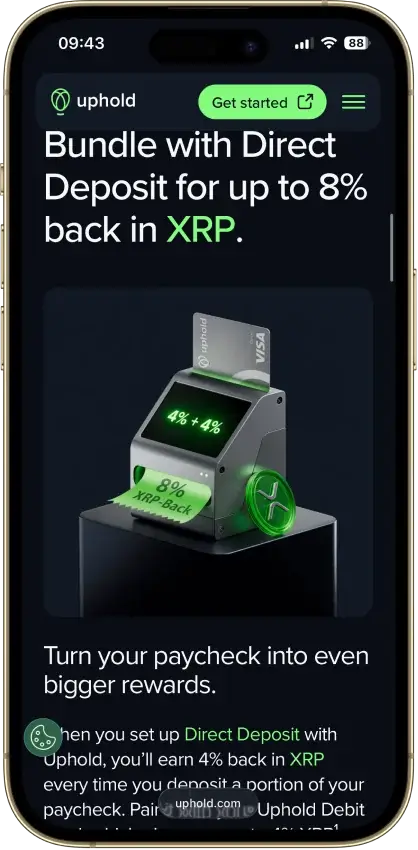
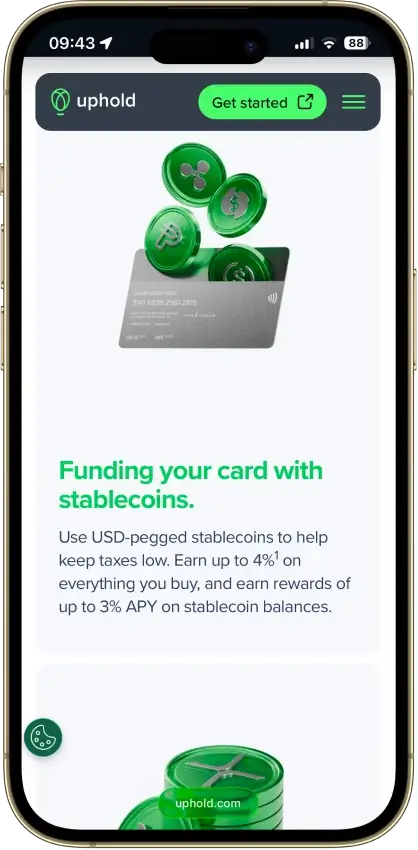
  • Up to 4% back in XRP (U.S.).
  • Spend 200+ assets with instant virtual card.
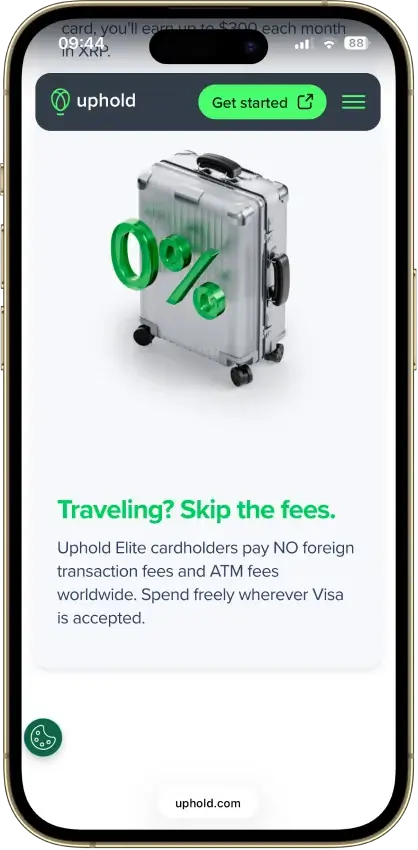
  • No foreign transaction fees on Elite tier.
Rank 3
7.1
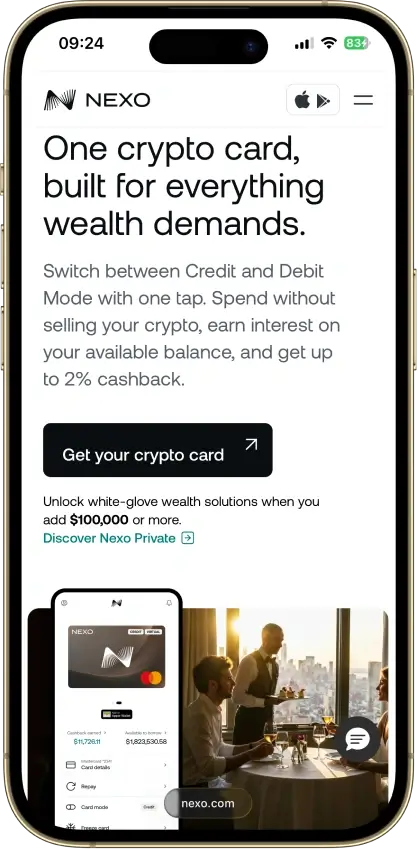
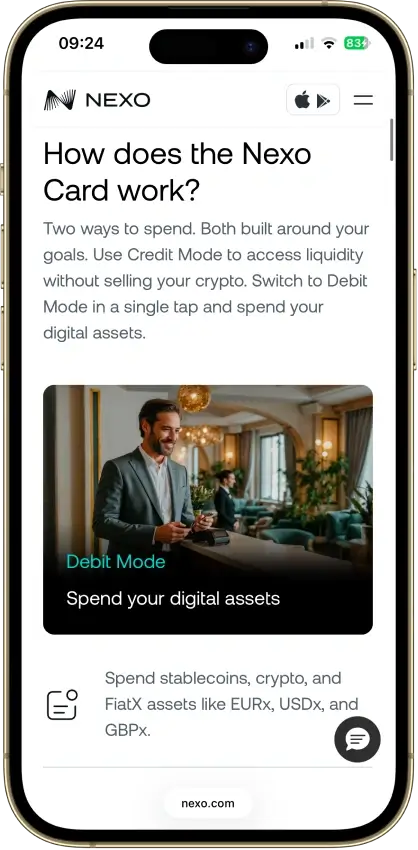
  • Dual‑mode spending — Instantly switch between Debit Mode (spend balances) and Credit Mode (borrow against assets).
  • No monthly, annual, or inactivity fees on the card itself.
  • Earn cashback in either NEXO tokens or BTC, depending on your preference and loyalty tier.
Rank 4
6.5
  • Up to 10% Tiered Cashback – Competitive top-end rewards for high spenders and VIP users.
  • Fiat-First Spend Logic – Uses fiat balance first, auto-converts selected crypto only if needed.
  • Transparent Fee Structure (EEA program) – FX (0.5%) and crypto conversion (0.9%) fees are clearly disclosed rather than hidden in spreads.
Rank 5
6.5
  • Stablecoin-led global spending
  • Virtual and physical card access
  • Broad app stack beyond the card

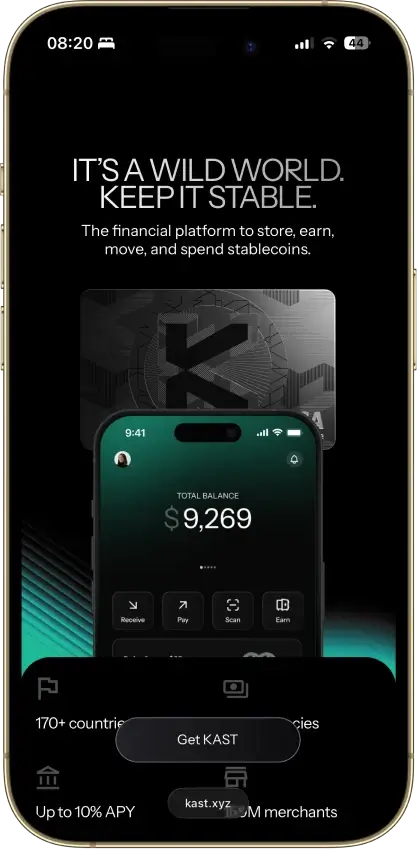
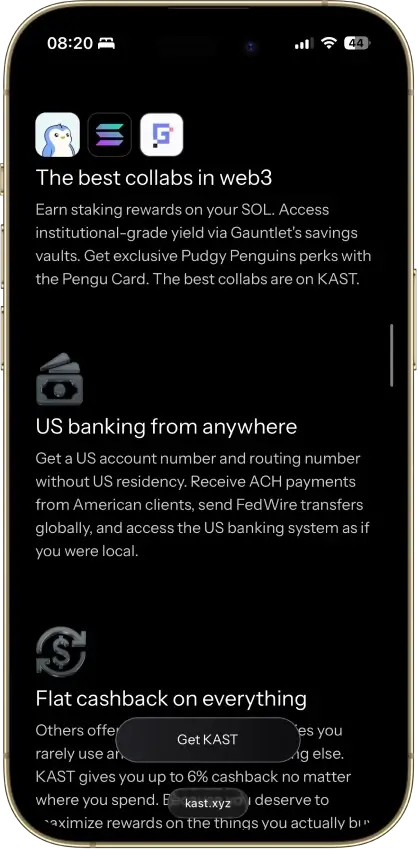
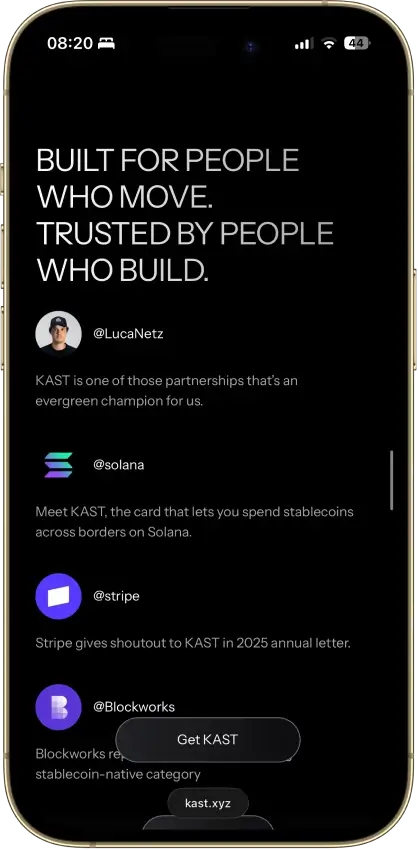
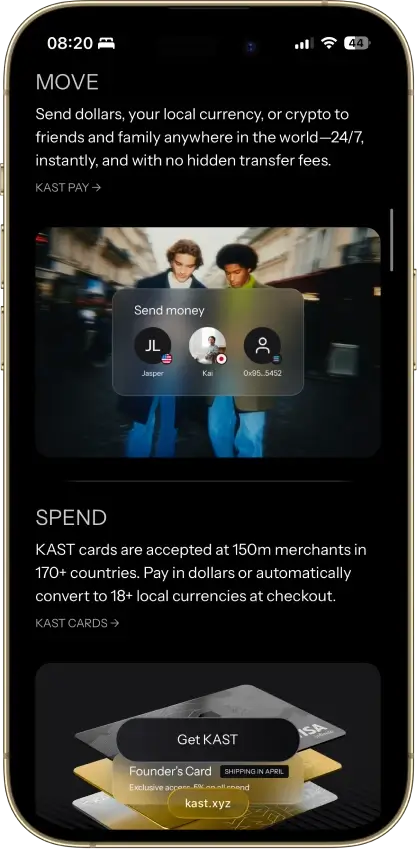
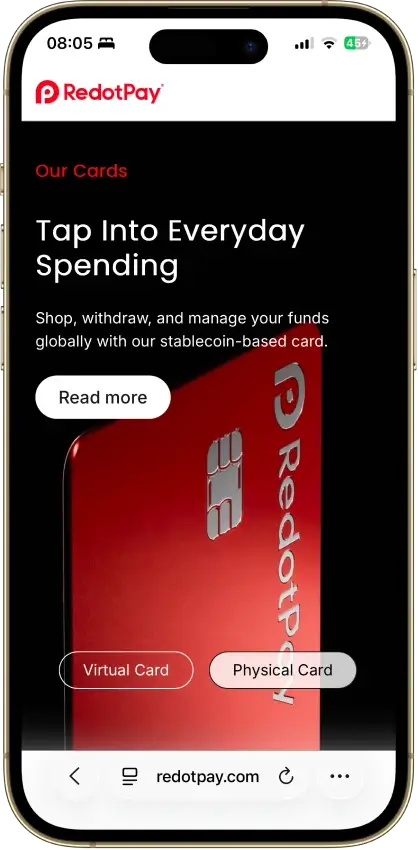
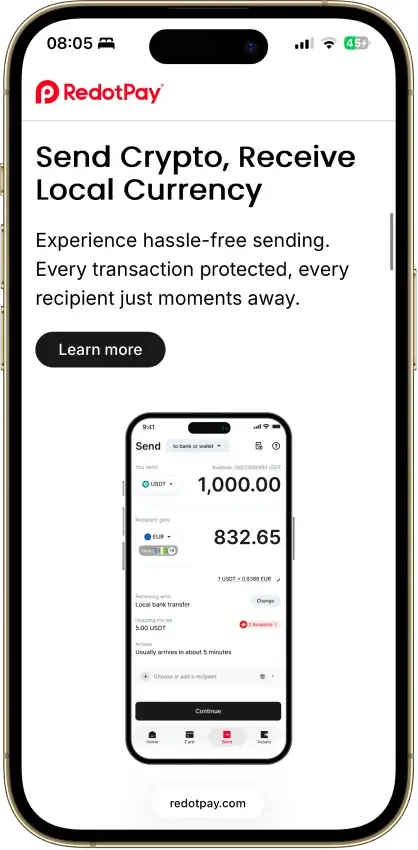
KAST ranks first because it supports more USDT deposit rails than most rivals and handles both virtual and physical use well. RedotPay is the best alternative for international stablecoin spending, while Nexo, Uphold, and Bybit suit people who already use those platforms for other crypto or fiat activity.

Comparison Table

NameNetworkCard TypeDigital WalletsAvailabilityRating
Kast Card Visa Prepaid Apple Pay, Google Pay 170+ countries, varies by jurisdiction. 7.5
Uphold Card Visa Debit Apple Pay, Google Pay United States and the United Kingdom. In the U.S., the card is not available in New York, Louisiana, or U.S. territories. In the U.K., Crown Dependencies and British Overseas Territories are excluded. 7.5
Nexo Card Mastercard Dual-mode Apple Pay, Google Pay Citizens and residents of selected European countries, including the EEA and the United Kingdom. 7.1
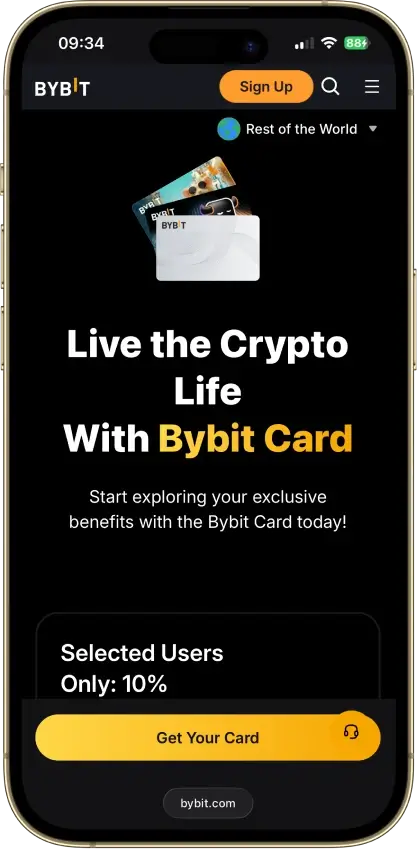
Bybit Card Mastercard Debit Apple Pay, Google Pay Bybit Card is only available in limited countries and runs as separate regional card programs, including EEA and Switzerland, Australia, Argentina, Brazil, AIFC, parts of Asia Pacific, and Mexico. EEA residents may be directed to apply via Bybit EU for an EUR card 6.5
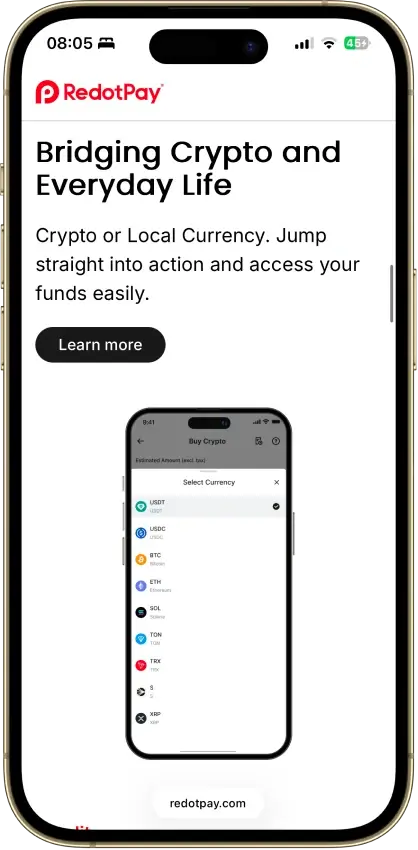
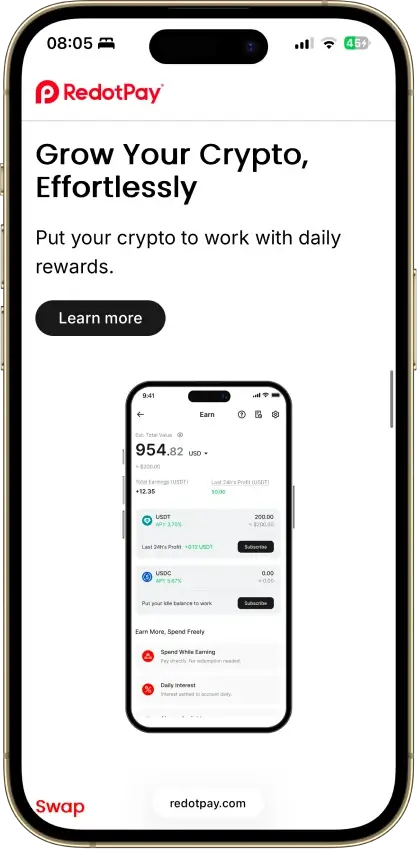
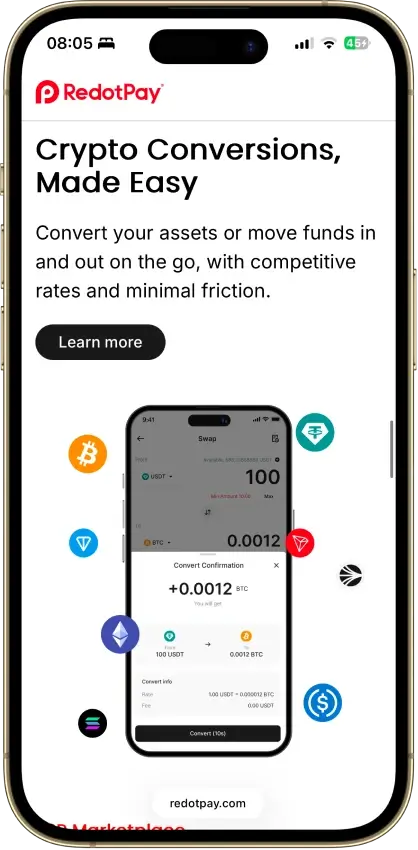
RedotPay Visa, Mastercard Prepaid Apple Pay, Google Pay 100+ countries, varies by jurisdiction. 6.5

This comparison narrows the list faster than rewards tables or branding comparisons. The real question is whether a card supports your specific network, your preferred card format, and a verification level you can actually complete.

Best USDT Cards By User Type

Some cards look close in a broad comparison but suit very different users. This section makes that split easier to see before you read the full reviews.

User TypeBest PickWhy It Fits
Freelancer Paid In USDTKAST CardBroad USDT network support and both virtual and physical card options
TravelerRedotPayBetter international stablecoin focus, mobile wallet support, and physical card backup
Low-Friction SpenderKAST CardClearer USDT funding flow and broad Apple Pay and Google Pay support
Exchange-Native UserBybit CardBest when your working balance already sits inside Bybit
User Who Needs Stronger Bank Off-RampUphold CardBetter if you move between crypto balances and bank-linked funding or withdrawal flows

KAST covers most general-use cases because the spend flow is simple. Uphold stands out when bank movement matters more. Bybit only becomes the better choice when your money already lives inside that exchange.

Detailed Review - Crypto Cards For USDT

Our Ranking Methodology

These rankings focus on spending from USDT, not on generic crypto-card marketing. Cards were ranked by how well they handle Tether as a usable spending balance, from deposit and storage through to payment, ATM access, and day-to-day card use.

The top cards made it straightforward to deposit USDT, see where it sat, and spend it without extra steps. Cards ranked lower when deposit rails were unclear, wallet support was thin, or KYC and regional limits got in the way before normal use could begin.

  • clarity of the USDT spend model
  • supported top-up rails and network clarity
  • real-world spend reliability
  • wallet support and card format
  • fee drag and hidden cost
  • KYC, region friction, and limits
  • refund, support, and account-risk practicality

Usable access carried more weight than headline claims. A card can support USDT and still rank lower if top-ups are narrow, spending is inconsistent, or moving money back out is harder than it should be.


What Is A USDT Card and How Does It Work?

A USDT card lets you spend against a Tether balance instead of keeping only bank fiat on the card. In most setups, the merchant still gets paid in local currency, and the card program handles the conversion in the background when the transaction goes through.

How that works depends on the issuer. Some cards act like debit cards tied to a crypto balance. Some convert USDT at checkout. Others sit inside a larger account that supports both crypto and fiat. A few also offer a credit mode where you borrow against crypto instead of spending it directly.

  • Direct spending uses USDT as the balance behind the card
  • Auto-conversion turns USDT into local currency when you pay
  • Debit-style cards pull value from your crypto balance, not a credit line
  • Credit-style models use pledged crypto as collateral and settle later

That setup affects day-to-day use, fees, tax records, and how refunds come back to your account.

Direct USDT Spending Vs Auto-Conversion

Two cards can both support USDT and still behave differently at checkout. That is why the spend model matters more than a USDT label alone.

  • Direct USDT spending means your usable balance is already USDT, or a card balance funded by USDT
  • Auto-conversion means the card turns USDT into the payment currency when the purchase is approved
  • The difference can affect fee drag, taxable sale records, and how refunds return to your account

For most people, the better model is the one that matches how they already hold and move money. If you want USDT to function like a spending balance, a debit-style setup is usually easier to follow.

What To Check Before Choosing A USDT Card

Before picking a USDT card, narrow the decision to the things that change day-to-day use. That removes cards that look fine in a feature list but become awkward once you start paying with them.

  • Do you want direct USDT spend or instant conversion?
  • Which USDT network will you actually use?
  • Do you need Apple Pay or Google Pay?
  • Do you need a physical card or is a virtual card enough?
  • Do you need ATM access?
  • Are you okay with full KYC?
  • Will you keep only a spend balance there, or more?

These checks narrow the list faster than cashback rates or feature badges. They tell you whether the card stays usable after signup, not just whether it looks good in a comparison row.

Availability, KYC and What Each Card Requires

USDT support says nothing about how much verification the card requires. The more useful question is what each card asks for, what verification unlocks, and how regional issuance changes what you can do with the account.

CardKYC LevelWhat You Need To SubmitWhat Verification UnlocksRegion / Issuance Notes
KAST CardLevel 1 at signup; Level 2 for card usePersonal details, government ID, live selfie; proof of address if askedLevel 1 opens the app and basic receive functions; Level 2 unlocks sending, receiving, virtual card, and physical cardCountry and residency checks apply; card support varies by market
RedotPayFull individual KYCPersonal details, original government ID, face scan; personal statement if requestedFull account use and card applicationNot available in the US; one verified account per person
Nexo CardIdentity verification on the Nexo accountPersonal details, country and address, government ID, selfie, regulatory informationAccess to Nexo products, crypto top-ups, and card use in supported countriesSelected European countries only, including the EEA and UK; physical card orders are paused
Uphold CardFully verified Uphold accountPersonal details, phone, government ID, selfie; financial details or source-of-funds prompts may appearTrading, funding, withdrawals, and debit card access in supported regionsCard available in the US and UK; excludes New York, Louisiana, US territories, Crown Dependencies, and British Overseas Territories
Bybit CardIdentity verification plus card-region checksGovernment ID; proof of address or valid residential address in many card programsCard application, funding, and spending in eligible regionsIssuance depends on the regional card program, so supported countries and document checks vary

KYC is not only a signup issue. It determines when the card becomes usable and when limits move. Unusual activity, larger transfers, or account reviews can still trigger additional checks after the initial verification is complete.

Virtual Card Vs Physical Card For USDT Spending

A virtual card is enough for many people if the main goal is online spending or phone-wallet payments. When Apple Pay or Google Pay works in your region, a virtual card can cover most day-to-day use without waiting for plastic delivery.

A physical card adds value when you need ATM access, a travel backup, or a second payment option if phone-wallet acceptance fails. It also matters more in places where tap-to-pay coverage is weaker or merchants still require a card insert.

  • online purchases: a virtual card is usually enough
  • Apple Pay / Google Pay: virtual cards work well if wallet support is live in your region
  • in-store tap-to-pay: a phone wallet can cover this, but acceptance is not consistent across every merchant setup
  • travel backup value: a physical card is still more reliable if your phone dies or wallet acceptance fails
  • whether a physical card is worth getting if the virtual card already works: yes, if you want ATM access, a travel backup, or a second payment path

Where USDT Cards Usually Fail: Subscriptions, Hotels, Gas Stations, Refunds and ATM Use

USDT cards work best on simple purchases with clean settlement. Problems tend to start when a merchant places a temporary hold, delays a refund, or treats the card as a prepaid product rather than a standard bank card.

The same problem areas come up across most card programs:

  • subscriptions and recurring billing
  • hotel and car-rental preauthorizations
  • gas station holds
  • ATM withdrawals
  • delayed refunds
  • merchant-category edge cases

If any of those cases matter to you, keep a backup bank card. A USDT card can handle normal spend well and still be the wrong tool for hotels, fuel, cash withdrawals, or anything that locks funds longer than expected.

Common USDT Crypto Card Problems and Fixes

Most USDT card problems do not come from the coin itself. They usually come from the payment layer, the card program, or how the balance was funded before the transaction even started.

  • Wrong-network deposit: Check the supported network before sending and use a test transfer first.
  • Merchant decline: Some merchant types, pre-authorizations, or risk filters can fail even with a sufficient balance.
  • Refund delay: Card refunds often take longer than wallet transfers.
  • Cash-out friction: A card can be good for spending and still add friction when you try to move unused funds back out.
  • Extra KYC review: Limits often appear when users try to unlock withdrawals, higher spend, or additional card features.
  • Travel checkout issues: FX fees, merchant category blocks, and offline terminals can all create friction on the road.

The safer approach is to treat a USDT card as a spending tool, not a place to hold significant funds. Start with small amounts, keep a backup payment method, and check how the card handles refunds and withdrawals before loading more.

Price
$ 1.00
0.00%
Market Cap $ 184.1B
Price Trend USDT / USD

Launched in 2014, Tether is a blockchain-enabled platform designed to facilitate the use of fiat currencies in a…

Tether Coin Profile
24H Volume $ 69.41B
7D Change +0.05%
30D Change -0.03%
90D Change +0.01%

FAQ

Which crypto card is best for spending USDT right now?

KAST Card is the best overall pick on this page. It supports more USDT deposit rails than the others and handles both virtual and physical use well. RedotPay is the strongest alternative for most international users.

Do crypto cards spend USDT directly or convert it first?

It depends on the card. Some use USDT as the balance behind the card, while others convert USDT into the payment currency when the transaction is approved.

Is spending USDT with a crypto card taxable?

It can be. In many jurisdictions, spending crypto counts as a disposal, so you may need records for gains, losses, and the value used at the time of payment.

Which USDT crypto card is best for freelancers?

KAST is the better choice for freelancers paid in USDT who want a stable spend balance. Uphold works better if you also need easier bank transfers alongside the card.

Can I use a USDT crypto card for SaaS subscriptions and ad spend?

Sometimes, but it is not guaranteed. Recurring billing, merchant risk filters, and prepaid-card rules can still cause failures. A backup bank card is worth keeping for subscriptions and ad accounts.

Do USDT crypto cards work with Apple Pay and Google Pay?

Some do. In this list, KAST, RedotPay, and Nexo have the best Apple Pay and Google Pay coverage in eligible regions, though support still varies by country and card program.

Why do some merchants decline crypto card payments even when the balance is enough?

The problem is usually the merchant category, a pre-authorization hold, an offline terminal, or a risk rule inside the card program. A sufficient balance does not guarantee the merchant type will be accepted.

Can I move unused USDT back out after funding the card?

Sometimes, but the process varies. Some cards make spending straightforward and then add friction when you try to withdraw or move unused funds back to a wallet or bank-linked balance.

Do all USDT crypto cards support the same deposit networks?

No. Network support varies by card, and that can affect cost, speed, and deposit risk. Always confirm the app supports the specific USDT network you plan to use.

Can the same crypto card support both USDC and USDT?

Often yes, especially on multi-asset platforms. But support for each stablecoin, the available networks, and the spending order can still differ inside the same account.