A no-annual-fee label often hides the costs that shape the real user experience. In practice, the extra cost usually shows up at the edges: when you order the card, convert assets, withdraw cash, replace a lost card, or carry a balance on a credit-style setup.
A card that looks free at signup can still become expensive if converting crypto into spendable money is costly or confusing, rewards only work behind paid tiers, or common actions trigger extra charges.
| Cost Type | What It Looks Like | Why It Changes The Ranking |
|---|
| One-time issuance or shipping fee | Paying for a virtual card, physical card, or delivery at signup | It raises the real starting cost, even if the annual fee is $0 |
| FX fee | Extra percentage added on non-local currency spending | It hurts cards meant for travel or cross-border use |
| Crypto-to-fiat spread | Hidden markup or weaker pricing when crypto is turned into fiat at checkout | It can cost more over time than an annual fee |
| Subscription or membership cost | Paid plan needed for better rewards or more useful limits | A card ranks lower if the free version feels too restricted |
| ATM / replacement / small transaction fee | Charges for cash withdrawal, replacing a card, or certain low-value spends | Small fees add up fast for daily-use cards |
| Credit interest or collateral cost | Interest on unpaid balances or the cost of locking assets for credit mode | The card stops feeling low-cost once borrowing enters the picture |
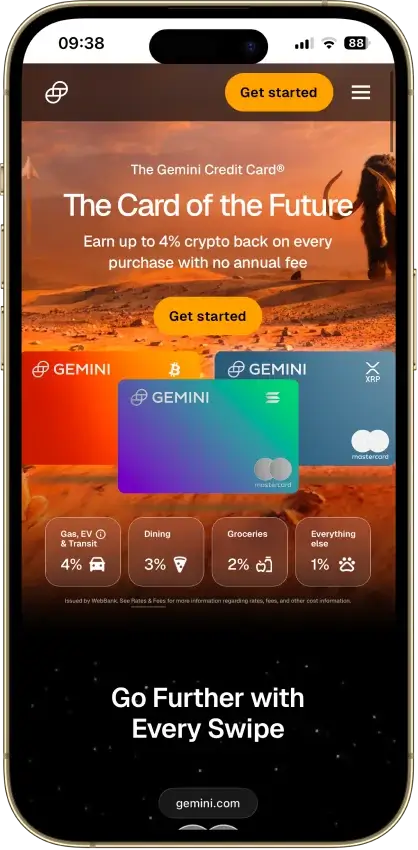
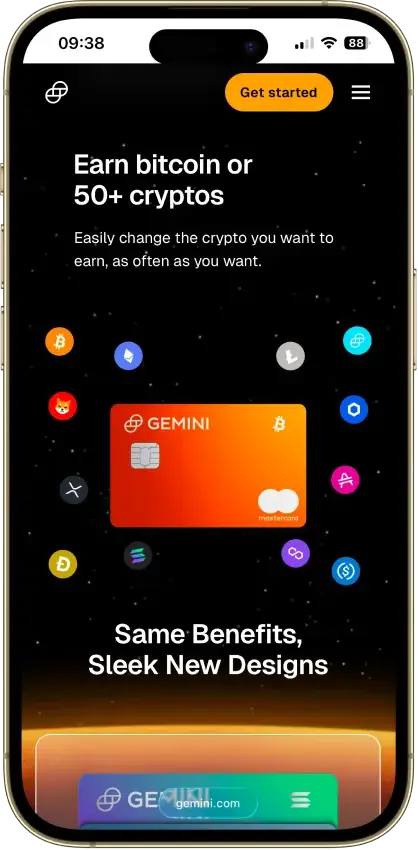
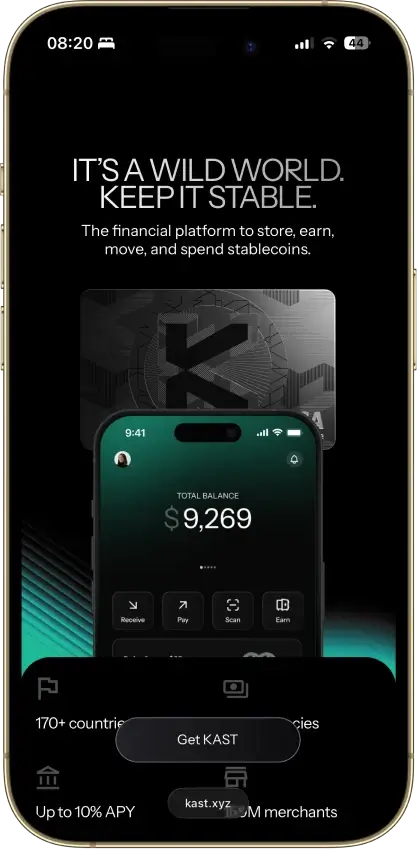
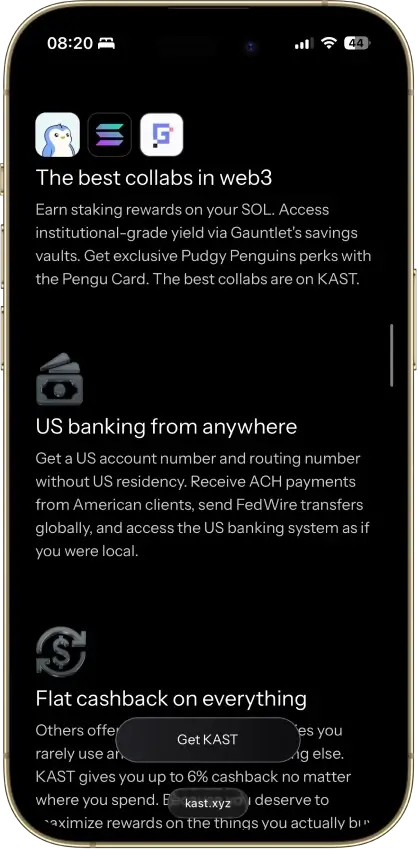
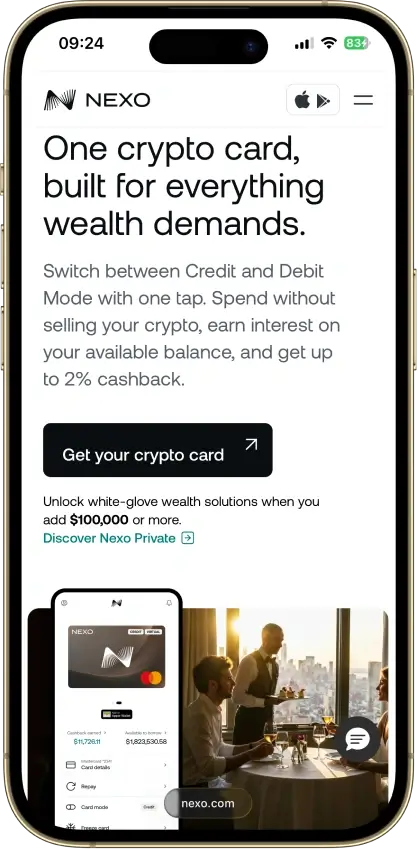
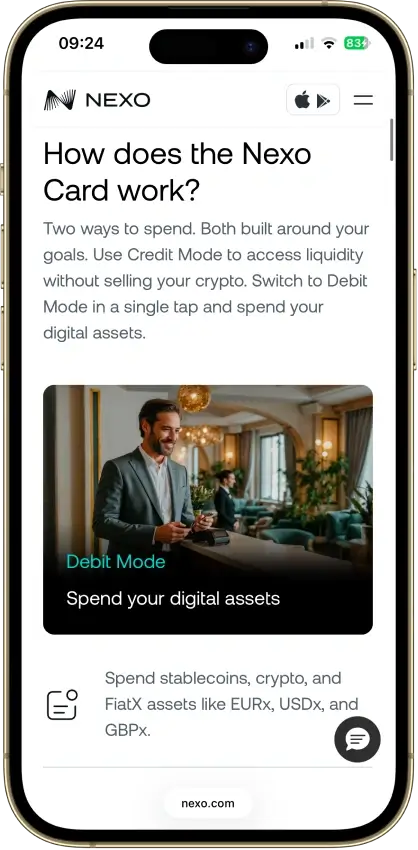
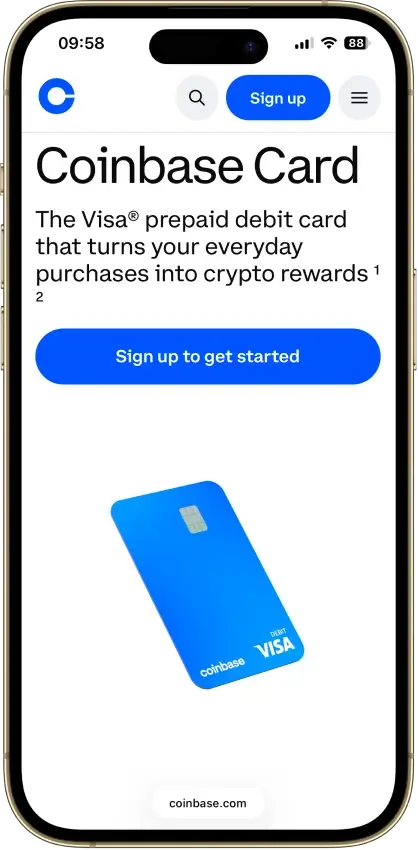
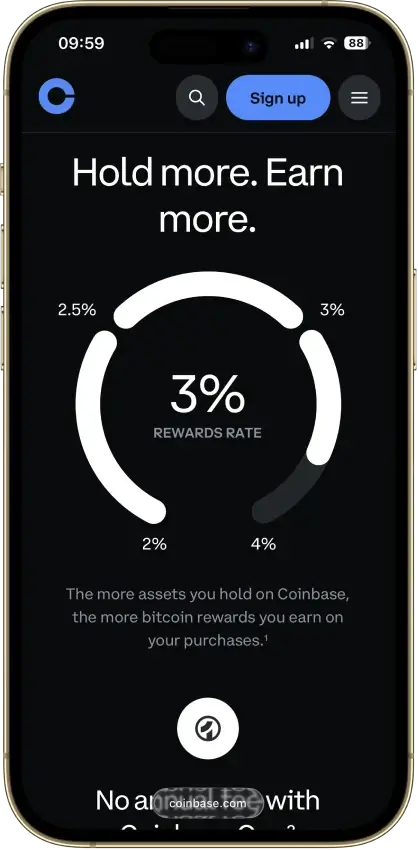
The best no-fee cards keep these extras under control, not just the yearly charge. That is why cards offered by Gemini, Coinbase, and Nexo stay ahead here, while KAST and RedotPay need a closer look before they are really cheap for your use case.