Best Crypto Cashback Cards (April 2026)

Crypto cashback cards vary more than their headline rates suggest. This guide breaks down real reward ranges, monthly caps, fee drag and unlock conditions across the top cards in 2026.

Updated Apr. 6, 2026
Reviews in this list 5
Trusted Reviews Editorially curated & independently checked
Curated by Andrej Gjorgievski
Since Sep 2025 69 reviews
Fact check in progress A fact-checker will be assigned shortly.
Affiliate Disclosure

Disclaimer: CryptoSlate may receive a commission when you click links on our site and make a purchase or complete an action with a third party. This does not influence our editorial independence, reviews, or ratings, and we always aim to provide accurate, transparent information to our readers.

Crypto cashback cards look similar on the surface. The difference shows up in the reward rules. Some cards pay fixed crypto on every purchase. Others use rotating offers, paid tiers, loyalty-token requirements, or points whose value depends on how and when you redeem them.

The headline rate alone is not enough to judge a card. The better options in this group combine solid rewards with terms that are easy to verify before signup. Published rates, reasonable unlock conditions, and low fee drag matter more than a large advertised number.

Top Picks - Crypto Cashback Cards

Rank
Name
Rating
Key Advantages
Secure Link
Rank 1
8.5
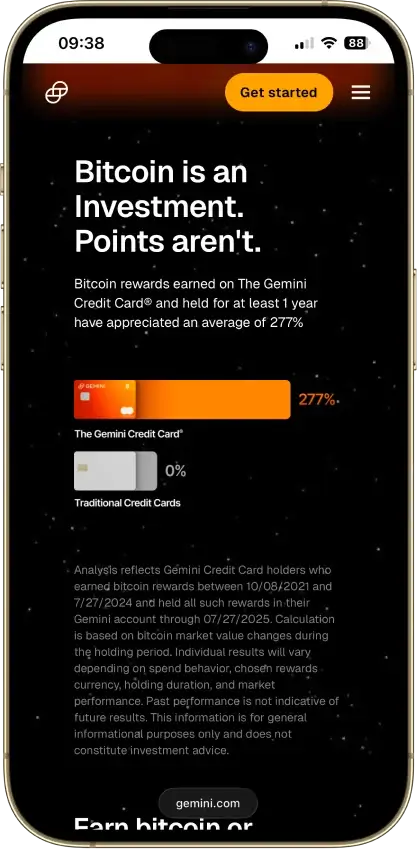
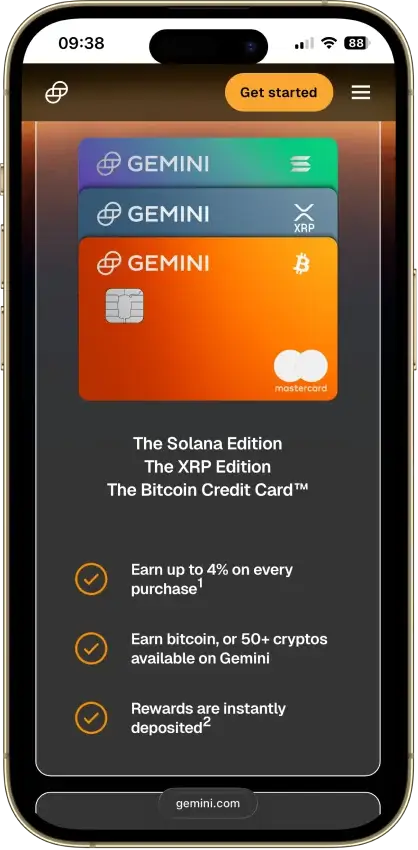
  • Instant crypto rewards on every purchase — no waiting for statement close
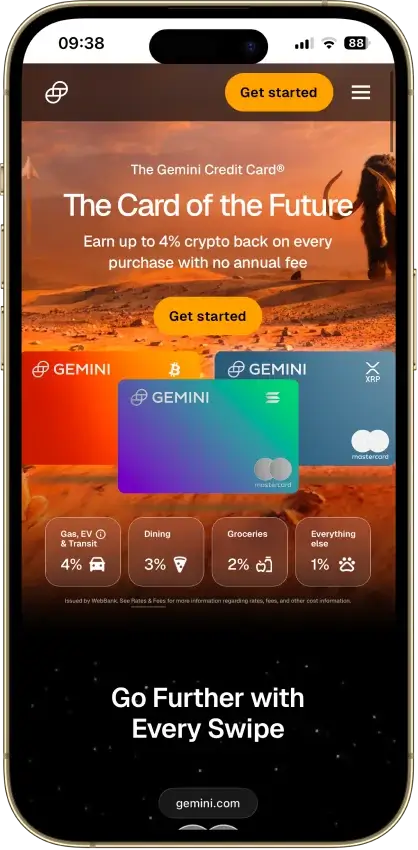
  • Up to 4% back with no annual fee or foreign transaction fees
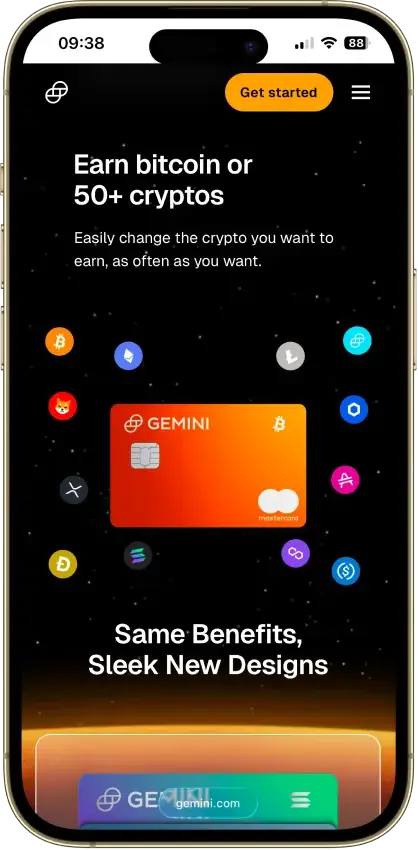
  • Choose from 50+ cryptocurrencies and switch reward asset anytime
Rank 2
7.5
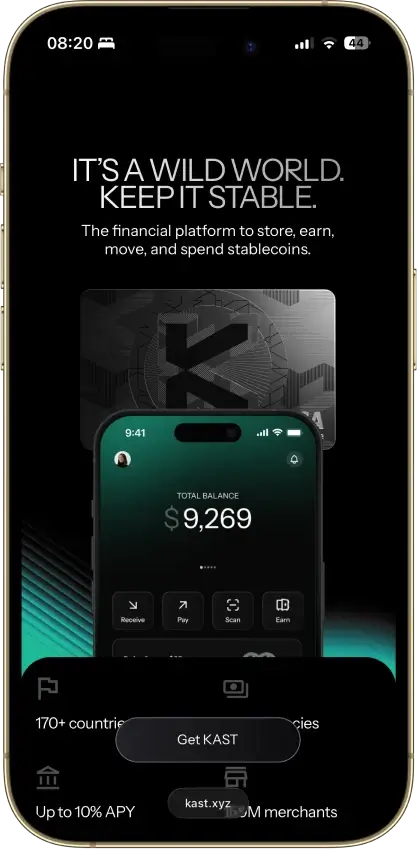
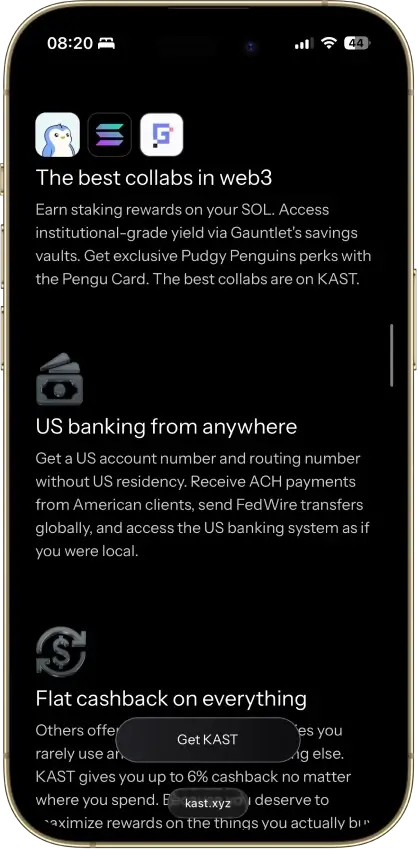
  • Fast virtual card access
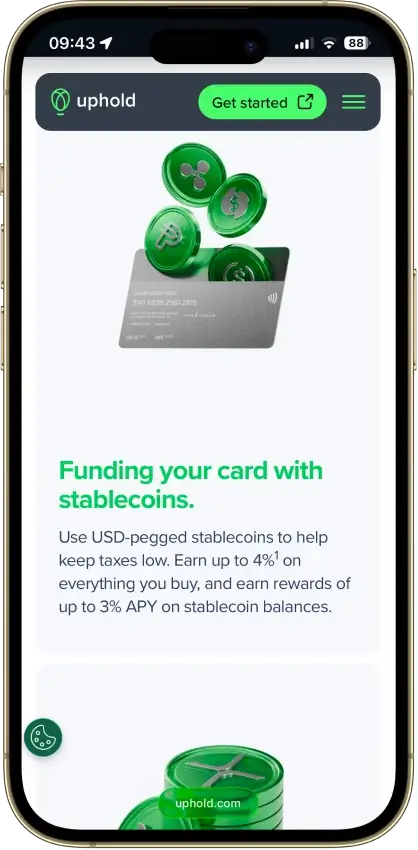
  • Broad stablecoin and crypto funding support
  • Strong travel and cross-border utility
Rank 3
7.5
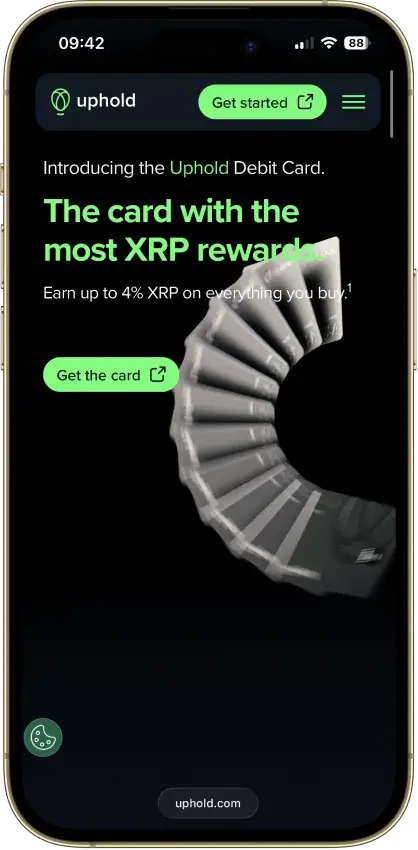
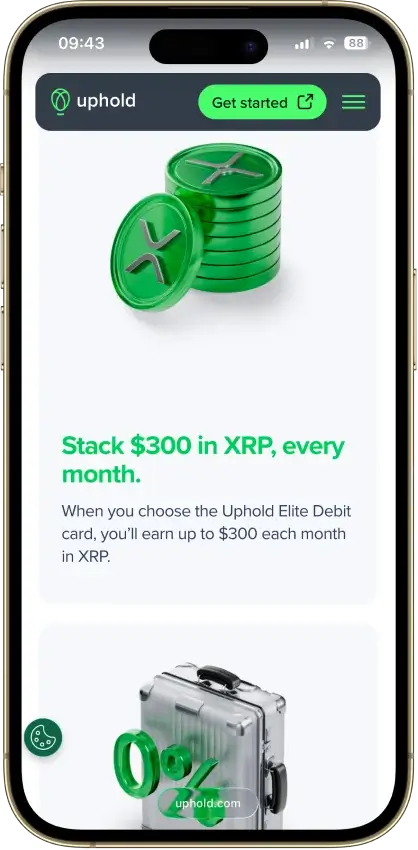
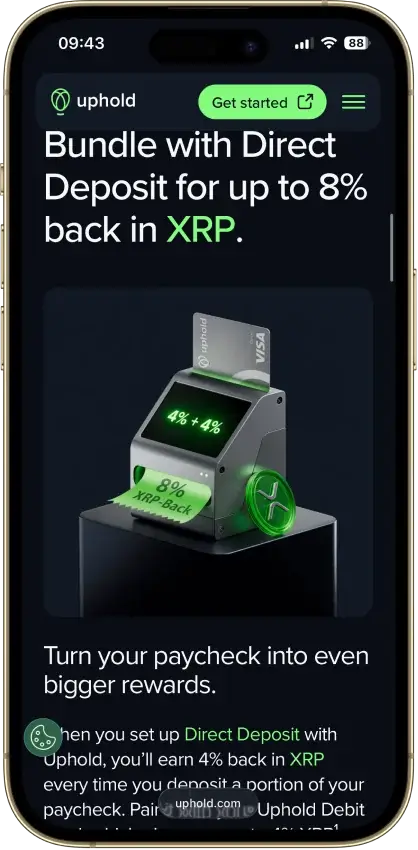
  • Up to 4% back in XRP (U.S.).
  • Spend 200+ assets with instant virtual card.
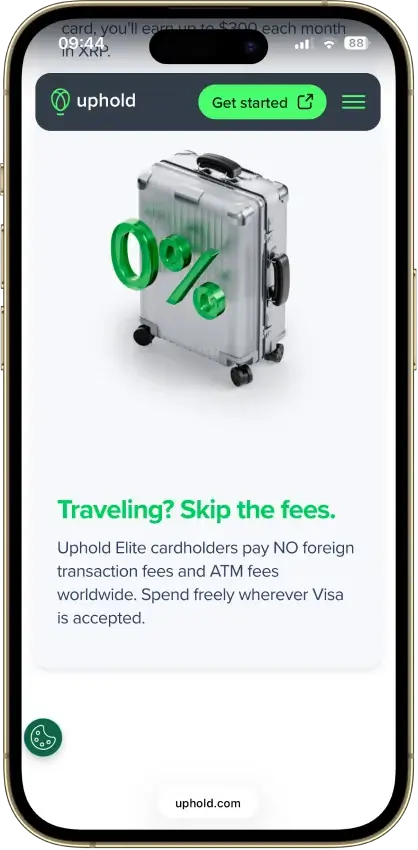
  • No foreign transaction fees on Elite tier.
Rank 4
7.1
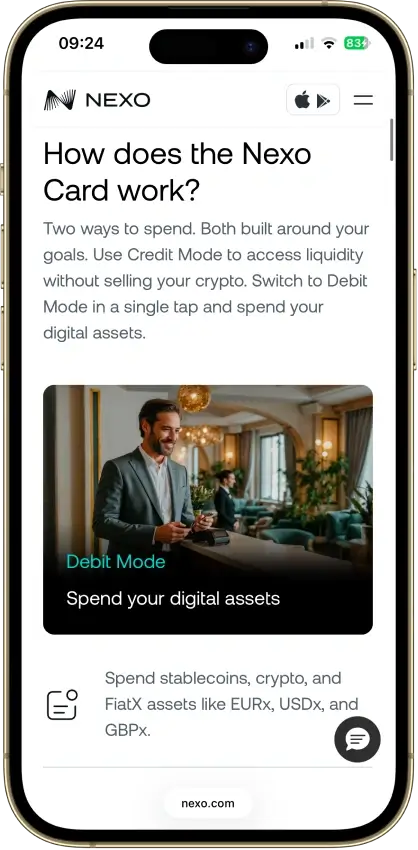
  • Dual‑mode spending — Instantly switch between Debit Mode (spend balances) and Credit Mode (borrow against assets).
  • No monthly, annual, or inactivity fees on the card itself.
  • Earn cashback in either NEXO tokens or BTC, depending on your preference and loyalty tier.
Rank 5
7.0
  • Up to 4% rotating crypto rewards (US) with no staking required.
  • $0 annual fee and no added foreign transaction fee.
  • Instant virtual card with Apple Pay and Google Pay integration.

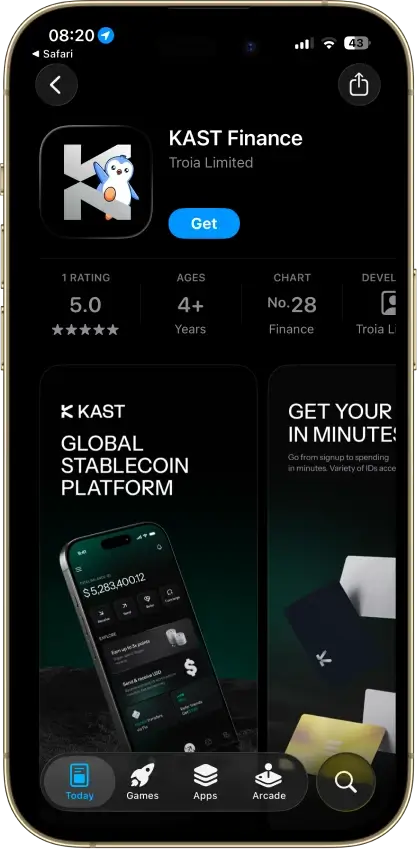
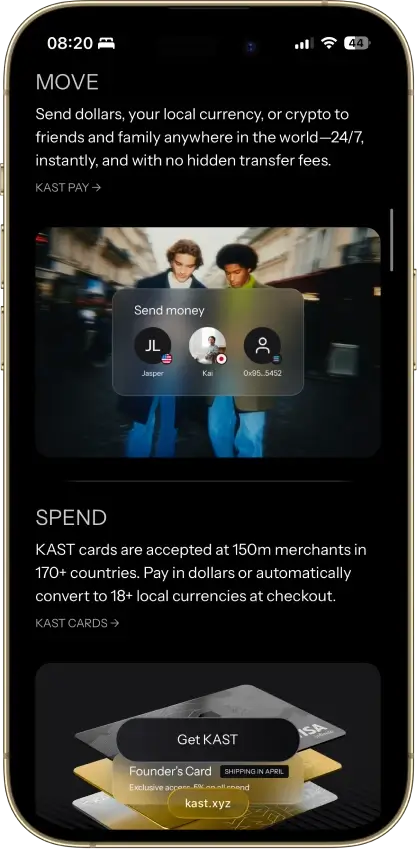
Gemini ranks first because its reward terms are clear before approval and easy to judge from day one. Nexo and Uphold can pay more under the right conditions, but both require more from the user to get there. Coinbase has the lowest barrier to entry, and KAST suits users already spending stablecoins who are willing to track promo rules in the app.

Comparison Table

NameNetworkCard TypeDigital WalletsAvailabilityRating
Gemini Credit Card Mastercard Apple Pay, Google Pay, Samsung Pay Available to residents of all 50 U.S. states and Puerto Rico; not available outside the U.S. 8.5
Kast Card Visa Prepaid Apple Pay, Google Pay 170+ countries, varies by jurisdiction. 7.5
Uphold Card Visa Debit Apple Pay, Google Pay United States and the United Kingdom. In the U.S., the card is not available in New York, Louisiana, or U.S. territories. In the U.K., Crown Dependencies and British Overseas Territories are excluded. 7.5
Nexo Card Mastercard Dual-mode Apple Pay, Google Pay Citizens and residents of selected European countries, including the EEA and the United Kingdom. 7.1
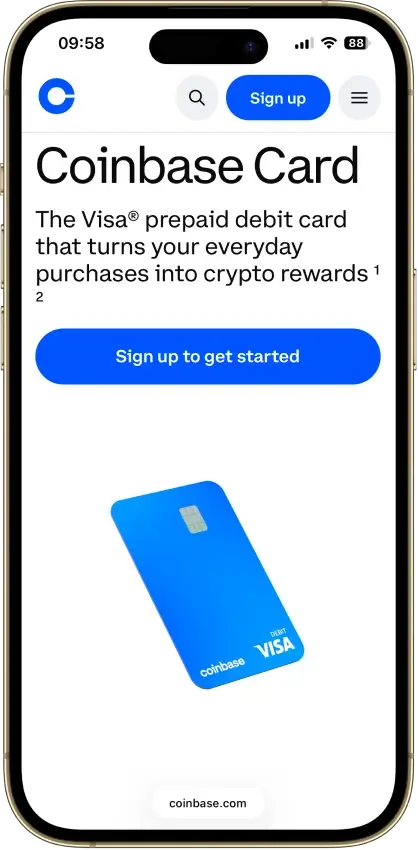
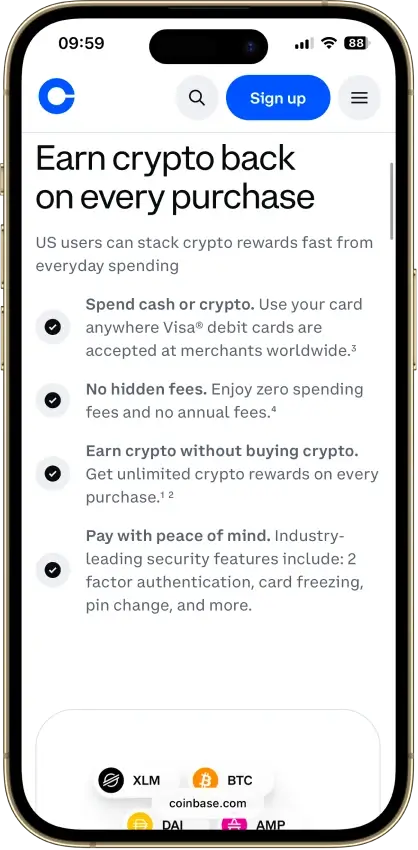
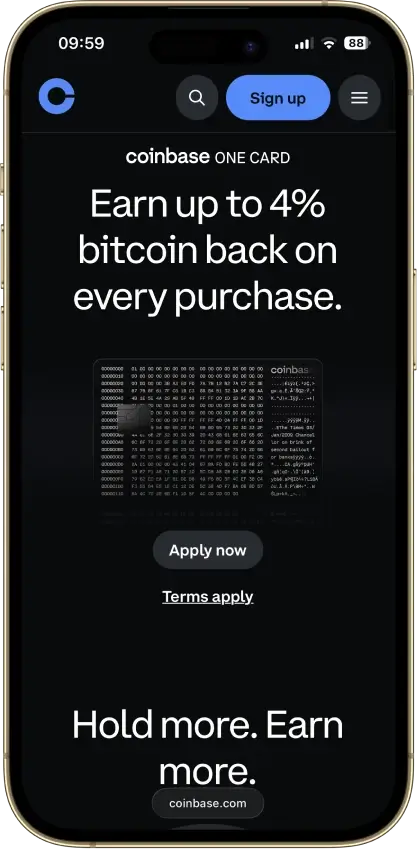
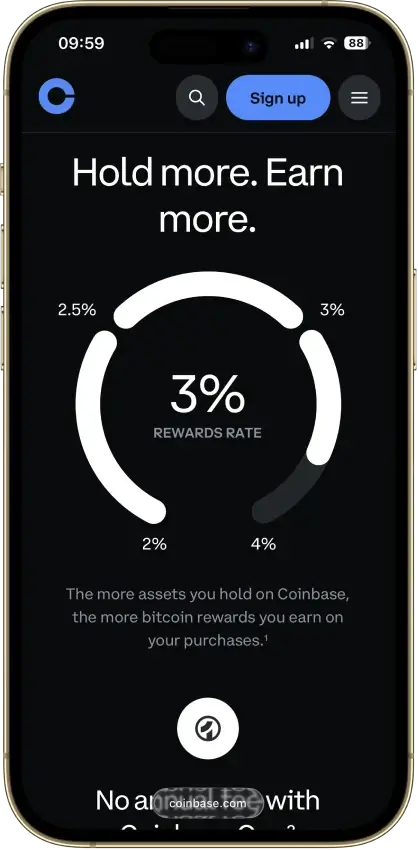
Coinbase Card Visa Debit Apple Pay, Google Pay, Samsung Pay US only (all states except Hawaii) 7.0

Gemini and Uphold are the easiest to compare because their reward structures are publicly available and relatively stable. Nexo can work well for users already deep in its ecosystem, but the best rate depends on loyalty status and which card mode is active. Coinbase requires a fresh check in the app each cycle, and KAST depends more on live promo terms than on a fixed cashback schedule.

Detailed Review - Crypto Cashback Cards

Our Ranking Methodology

This ranking focused on the reward a user is likely to keep once the fine print is applied, looking past the headline rate to check how much value remains after caps, annual fees, token requirements, FX costs, and reward format are factored in.

  • Reward value after caps and exclusions
  • How hard it is to unlock the best rate
  • Whether rewards are paid in crypto, points, or promo tokens
  • Fees, spreads, FX costs, and subscription drag
  • Availability, KYC friction, and funding model
  • How usable the card is in daily spending
  • Tax and reporting friction when spending crypto

Cards with clear, published reward terms ranked higher. A lower rate could still beat a higher one when the value was easier to verify and did not depend on paid tiers or token holdings.

What Crypto Cashback Means

Crypto cashback can mean different things. Some cards deposit crypto directly into the linked account after each purchase. Others pay points, limited-time promo credits, or rotating rewards that change from month to month.

That distinction changes how a reward should be judged. A stable reward table is easy to value before the first purchase. A points or promo system takes more checking because payout timing, redemption rules, and asset choice all affect what the reward is actually worth.

  • Direct crypto rewards
  • Reward points that need redemption
  • Promo rewards that are not permanent
  • Cashback rates that change by month, category, or plan

The label alone is not enough. What matters is how the reward is paid and what it is worth once the conditions are applied.

Cashback Rates, Caps and Excluded Purchases

A cashback rate only helps if it applies to the purchases a user makes most often. Caps, bonus categories, excluded merchants, and refund rules can reduce the real payout faster than most first-time card users expect.

Reward RuleWhat To CheckWhy It Matters
Base reward rateStandard rate outside promos and bonus categoriesThis is the floor on normal spend
Max reward rateHighest published rate and exact conditionsShows whether the top number is widely usable
Monthly reward capSpend limit, reset timing, and post-cap rateCaps can lower the real rate quickly
Category bonusesEligible categories and merchant coding rulesWrong merchant coding can cut the reward
Excluded merchant typesCash-like payments, gift cards, fees, tax paymentsCommon spend may earn nothing
Reward reversals on refundsWhether refunds claw back rewards and whenReturns can reduce later payouts
Reward expiry or rotationEnd dates, monthly changes, and promo windowsHarder to value over time

A lower rate can still be the better deal if the base rate applies broadly and the exclusions stay narrow. The weaker setups advertise a high number, then reduce the real value with tight categories, low caps, or frequent changes.

Bitcoin, Stablecoin and Token Rewards Explained

Two cards can both advertise 2% back and still produce very different results. A reward paid in bitcoin behaves differently from one paid in a stablecoin, a platform token, or points. The reward asset affects price risk, liquidity, and how easy it is to hold, sell, or track after payout.

Bitcoin rewards are the easiest to understand because BTC is liquid and widely supported. Stablecoin rewards are easier to budget around because the value holds after payout. Platform tokens, smaller altcoins, and points balances need a closer look because the final value depends on platform rules, market liquidity, and redemption options.

  • Bitcoin rewards: easy to price and sell
  • Stablecoin rewards: lower volatility after payout
  • Exchange-token rewards: often tied to platform loyalty
  • Altcoin rewards: more price risk after payout
  • Reward points: value depends on redemption rules

For most users, the safer reward is the one that is easiest to price on day one and easiest to use a month later. A lower rate paid in bitcoin or a stablecoin can be more practical than a higher rate paid in points or a thinly traded token.


Hidden Costs That Reduce Crypto Cashback

Cashback is easy to overestimate when the reward line is read on its own. Spreads, FX charges, paid tiers, ATM fees, and refund adjustments can remove a large share of the benefit, especially at lower monthly spending levels.

NameGemini Credit CardNexo CardUphold Debit CardCoinbase Visa Debit CardKAST Card
SpreadsNo spend spread; reward deposit has no exchange feeAsset conversion can reduce net value in Debit ModeService fees can apply when funded by crypto or metalsCrypto spend can include Coinbase conversion spread0% on stablecoin deposits; non-stablecoin deposits can cost 2%-5%
FX fees0%0.2% on EEA/UK/CH currencies, 2% on other currencies, plus an extra 0.5% on weekends.Elite: 0%; Essential: $1.50 foreign fee and FX may apply0% card international fee0.5%-1.75% on non-USD spend
Monthly or annual fees$0 annual feeNo monthly or annual feeEssential: $0; Elite: $99.99 yearly$0 annual feeStandard: $0; Premium: $1,000 yearly; Limited: $5,000 one-time; Luxe: $10,000 yearly
Paid plansNoneNone, but loyalty tier affects rewardsElite required for 3%-4%None for debit-card rewardsHigher rewards tied to expensive paid tiers
ATM feesCash advance fee of $10 or 3%, plus higher APRFree up to tier limit, then 2% with minimum feeElite: $0; Essential: $2.95; operator fees may applyNo Coinbase ATM fee; operator fees may apply$3 plus 2%; operator fees may apply
Cashback reversals after refundsRewards are adjusted on refunds and disputesRefund timing is published; reward clawback terms are not clearRefunds can take time; reward clawback terms are not clearRefunds can take up to 10 days; reward clawback terms are not clearRewards can be adjusted for refunds and chargebacks

Gemini leaves the smallest gap between the advertised rate and the reward a user is likely to keep. That gap is wider on cards that rely on promo terms, paid tiers, or crypto conversion. The reward number only makes sense when read alongside the full fee structure.

Crypto Cashback Taxes and Reporting

Tax treatment depends on jurisdiction, but the reporting burden can be heavier than most card users expect. In places that treat crypto as property, spending crypto or stablecoins can create a disposal event, and selling reward assets later can create another one.

  • Receiving rewards
  • Spending crypto
  • Spending stablecoins
  • Swapping reward tokens
  • Refunds and chargebacks
  • Exporting transaction history

A small cashback rate can stop looking attractive when every purchase adds a record-keeping obligation. Users who want lower reporting friction are usually better served by fiat-funded cards, stablecoin-funded spend, or cards that make transaction history easy to export.

Common Crypto Cashback Mistakes

Most mistakes start with treating the cashback rate as the whole story. The reward only makes sense once the card model, funding source, and full cost structure are checked together.

  • Chasing the headline rate
  • Ignoring caps
  • Ignoring token price risk
  • Treating points like cash
  • Spending volatile crypto for small purchases
  • Missing category exclusions

A useful test is one month of normal spending. That shows what the reward is actually worth after fees, limits, and payout rules are applied.

FAQ

Which crypto cashback card is best right now?

Gemini Credit Card is the best overall pick in this group. The reward structure is fixed, published, and easy to value before approval. It does not require a paid tier, token exposure, or active promo tracking to reach the advertised rate.

Are crypto cashback cards worth it after fees and caps?

They can be, but only when the real reward survives the full cost structure. A modest fixed rate with no annual fee, no forced token exposure, and narrow exclusions can be worth more than a higher advertised rate with caps, paid plans, or heavy FX drag.

Do crypto cashback cards really pay cashback or just points?

Both models exist. Some cards deposit crypto directly into the linked account, while others pay reward points or promo credits that require redemption later. That difference affects how easy the reward is to value and use.

Do all purchases qualify for crypto cashback?

No. Many cards exclude cash-like payments, gift cards, fees, taxes, money transfers, and certain merchant categories. Bonus categories can also depend on how a merchant is coded, so a purchase that looks eligible may still earn less than expected.

Are there monthly cashback caps on crypto cards?

Usually yes, as long as the wallet transaction processes as a normal eligible card purchase. The reward depends more on the merchant category and the card’s own exclusions than on whether payment was made through Apple Pay or Google Pay.

Is the Coinbase Card the same as the Coinbase One Card?

No. The Coinbase Visa Debit Card is the spend card tied to a Coinbase account balance. Coinbase One is a subscription product with separate benefits and is not the same as the debit card.

Is crypto cashback taxable when you receive it?

That depends on local tax rules. In some places card rewards are treated as a rebate rather than income. In others the tax treatment changes when the reward asset is later sold or swapped. Record-keeping is generally heavier when the reward is paid in crypto rather than fiat-style points.

Does spending crypto to earn cashback create a taxable event?

In many jurisdictions, yes. If crypto is treated as property, using it at the point of sale can count as a disposal, meaning a user may have both a card purchase and a separate tax record from the same transaction.

Is Nexo cashback only available in credit mode?

The best cashback rate on Nexo is tied to Credit Mode. Nexo also supports Debit Mode, but the cashback setup and overall value differ, which is why the card makes more sense for users who understand that distinction before they start spending.

Does Gemini cashback post instantly?

Gemini states that rewards are available immediately after an eligible purchase, rather than at the end of the billing cycle. That makes the value easier to track than cards with delayed or rotating payouts.

Is KAST cashback real cashback or reward points?

KAST is better described as a rewards card that pays points. The base reward is denominated in KAST Points, and the value depends on the active season, promo terms, and the redemption options available at the time.