

 Launched in 2018
- Advanced trading with deep tooling
- Strong security and reserve signals
- Broad fiat and product ecosystem
Up to 70% cashback on listings
WhiteBIT Overview
- Crypto Exchange Name
- WhiteBIT
- Parent Company
- W Group Brand
- Launch Year
- 2018
- KYC
- Yes
- Total Assets
- 330+
- Staking
- Yes
- Copy Trading
- No
- Derivatives
- Yes
- Proof of Reserves
- Yes
- Trading Fees
- 0.1%
- Maker Fee
- 0.1%
- Payout Time
- Fiat: Instant - 5 days
- Website
- whitebit.com
Additional details
- Languages
- English, Spanish, German, Chinese, Russian, Portuguese, Italian, Hungarian, Polish
- Products
- Spot, Margin, Futures or Perps, OTC
- Restricted Countries
- Russia, Belarus, Afghanistan, Iran, Iraq, North Korea, Syria, United States of America, …Russia, Belarus, Afghanistan, Iran, Iraq, North Korea, Syria, United States of America, United Kingdom, Canada
- Supported Cryptos
- Bitcoin, Ethereum, Tether, Solana, XRP, …Bitcoin, Ethereum, Tether, Solana, XRP, Cardano, Litecoin, Dogecoin, Avalanche, Chainlink, Polkadot, SHIBA INU, WhiteBIT Coin, USDC
WhiteBIT Screenshots
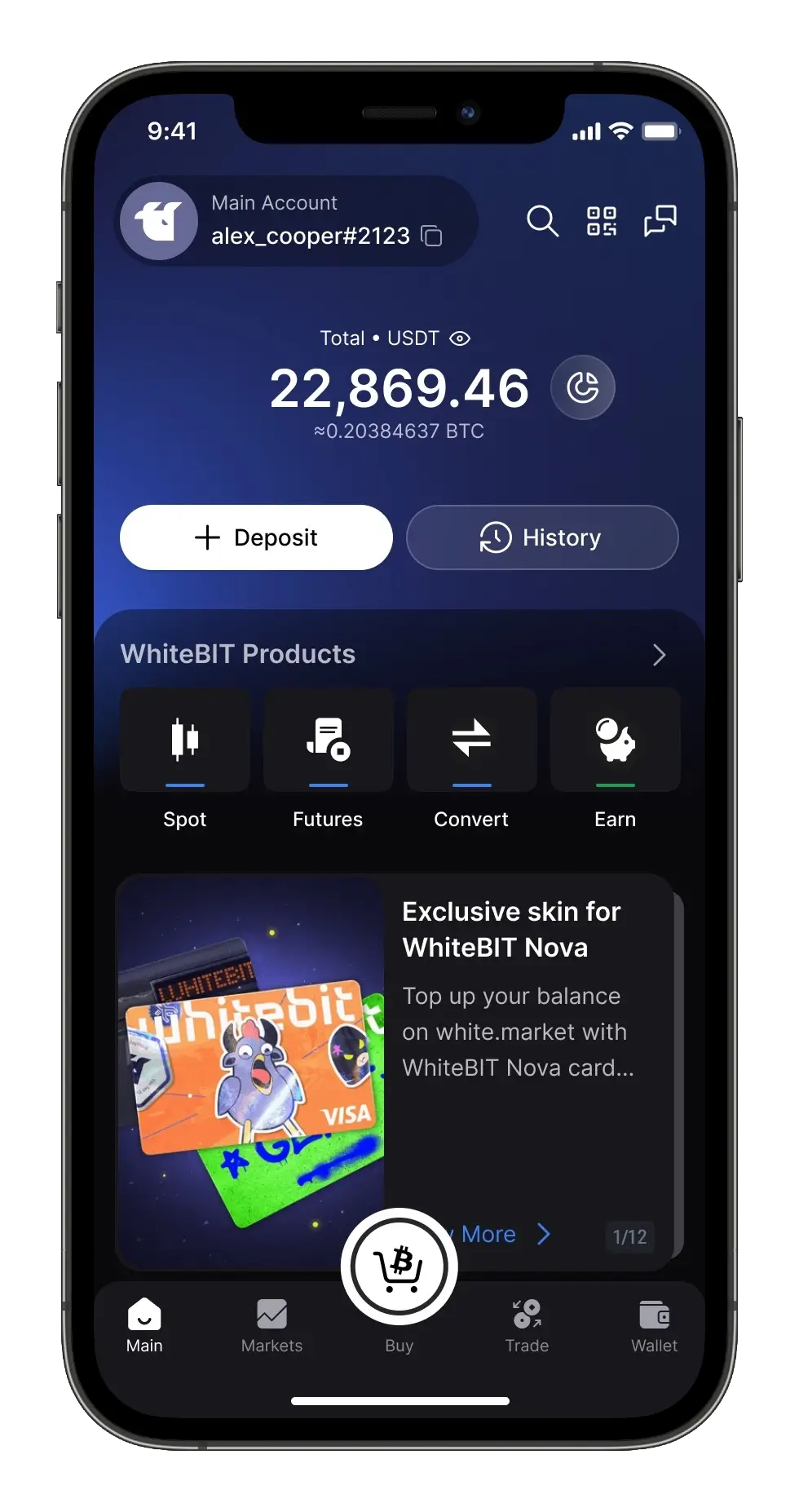
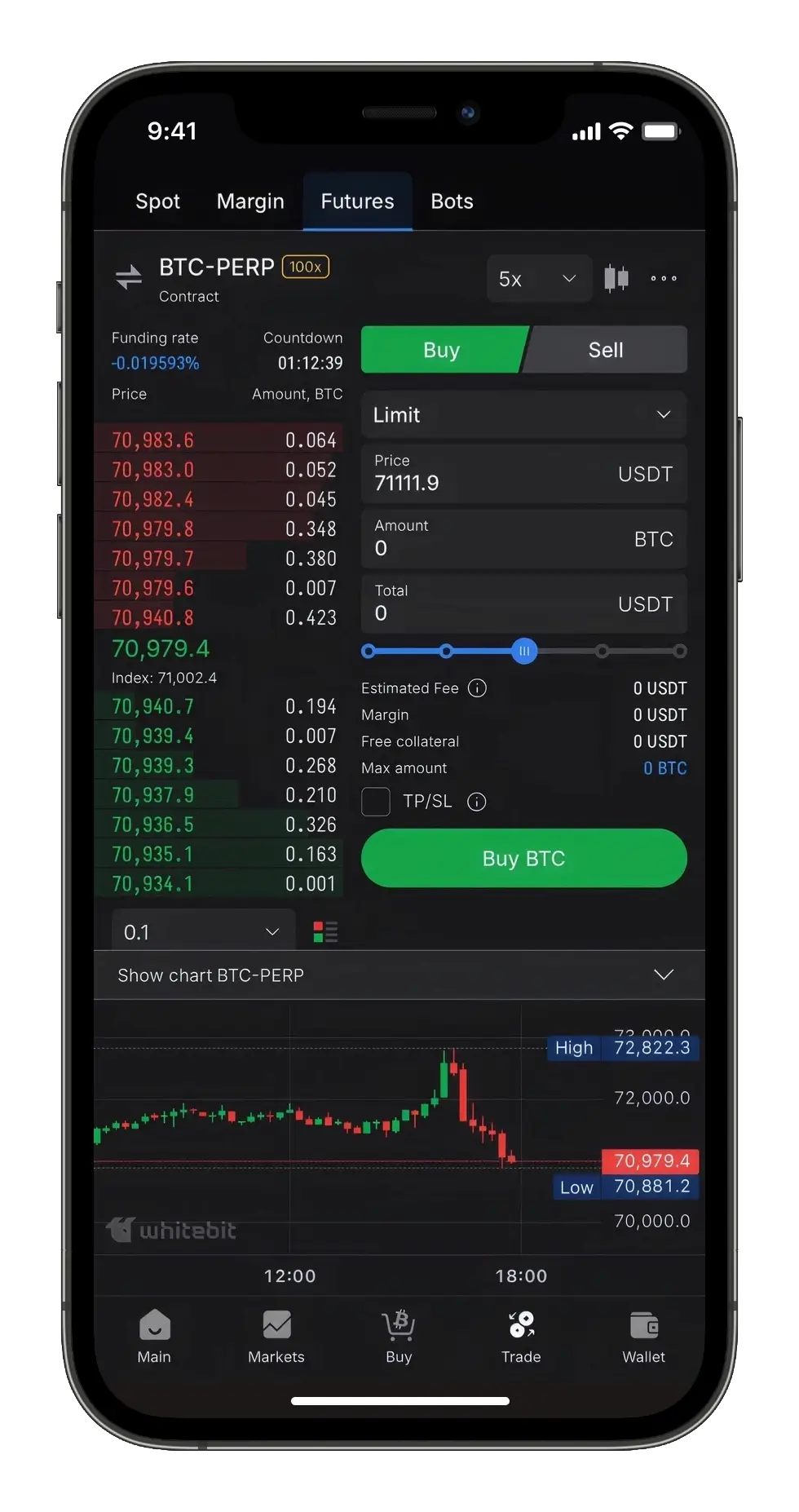
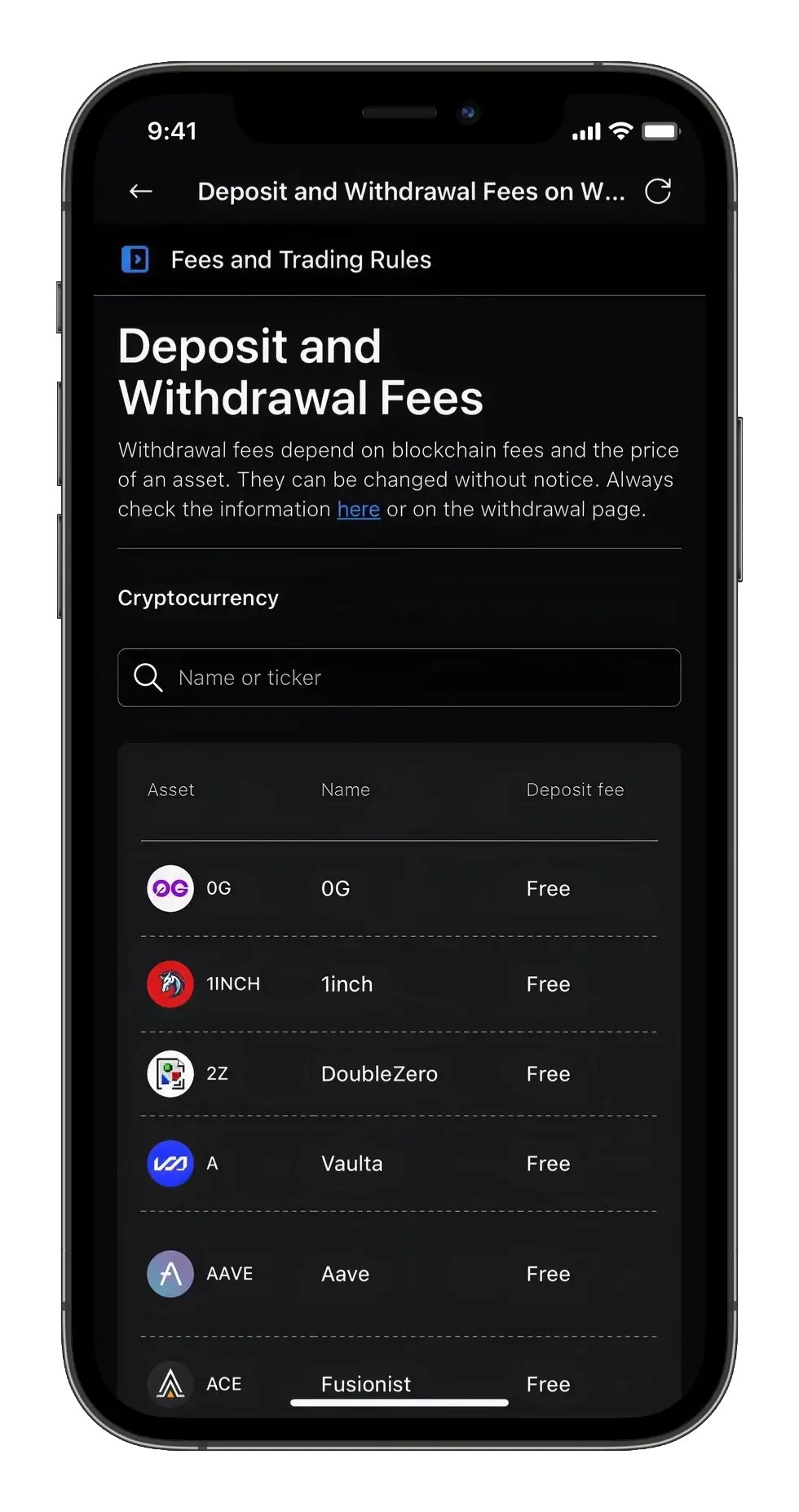
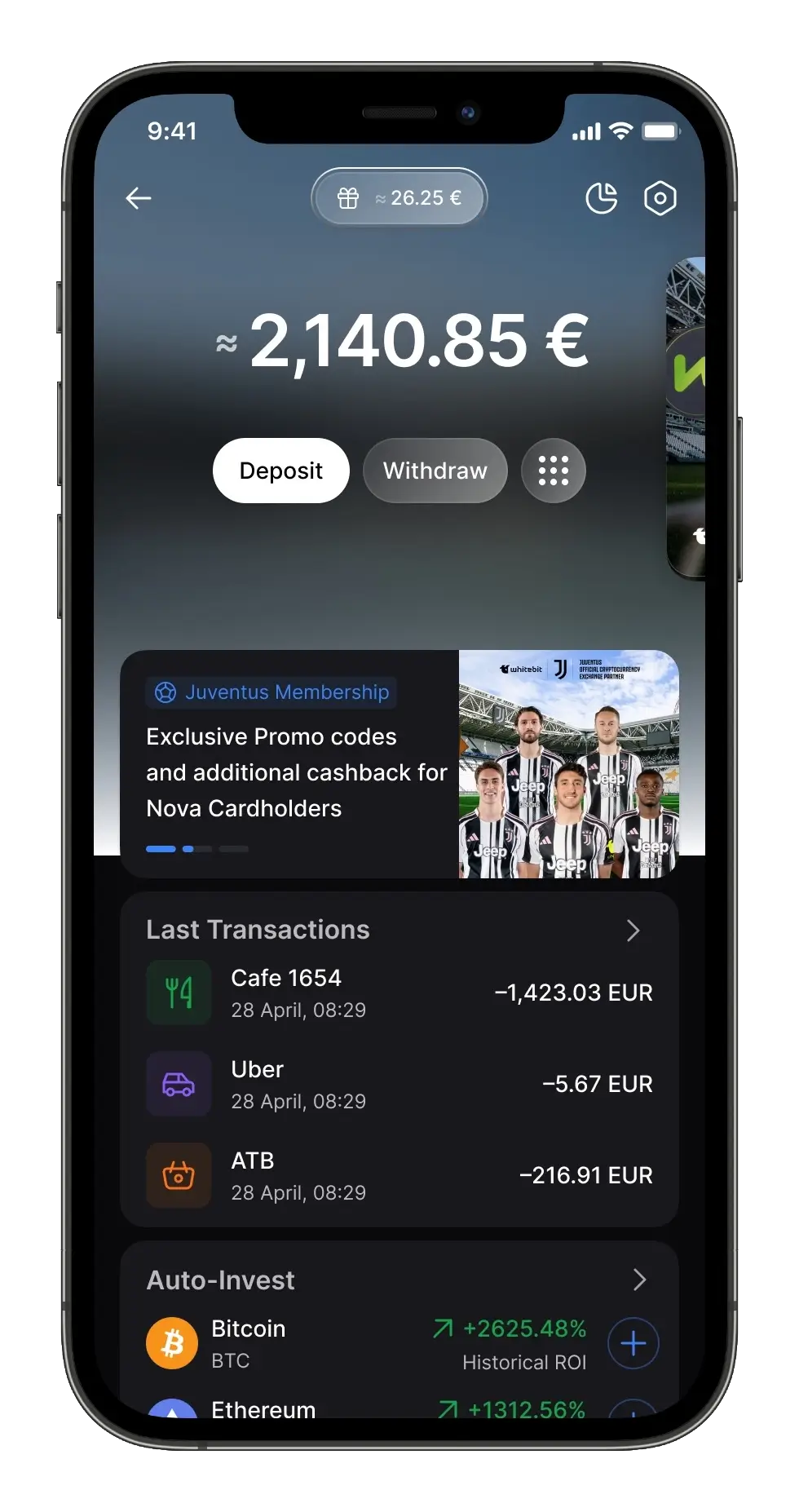
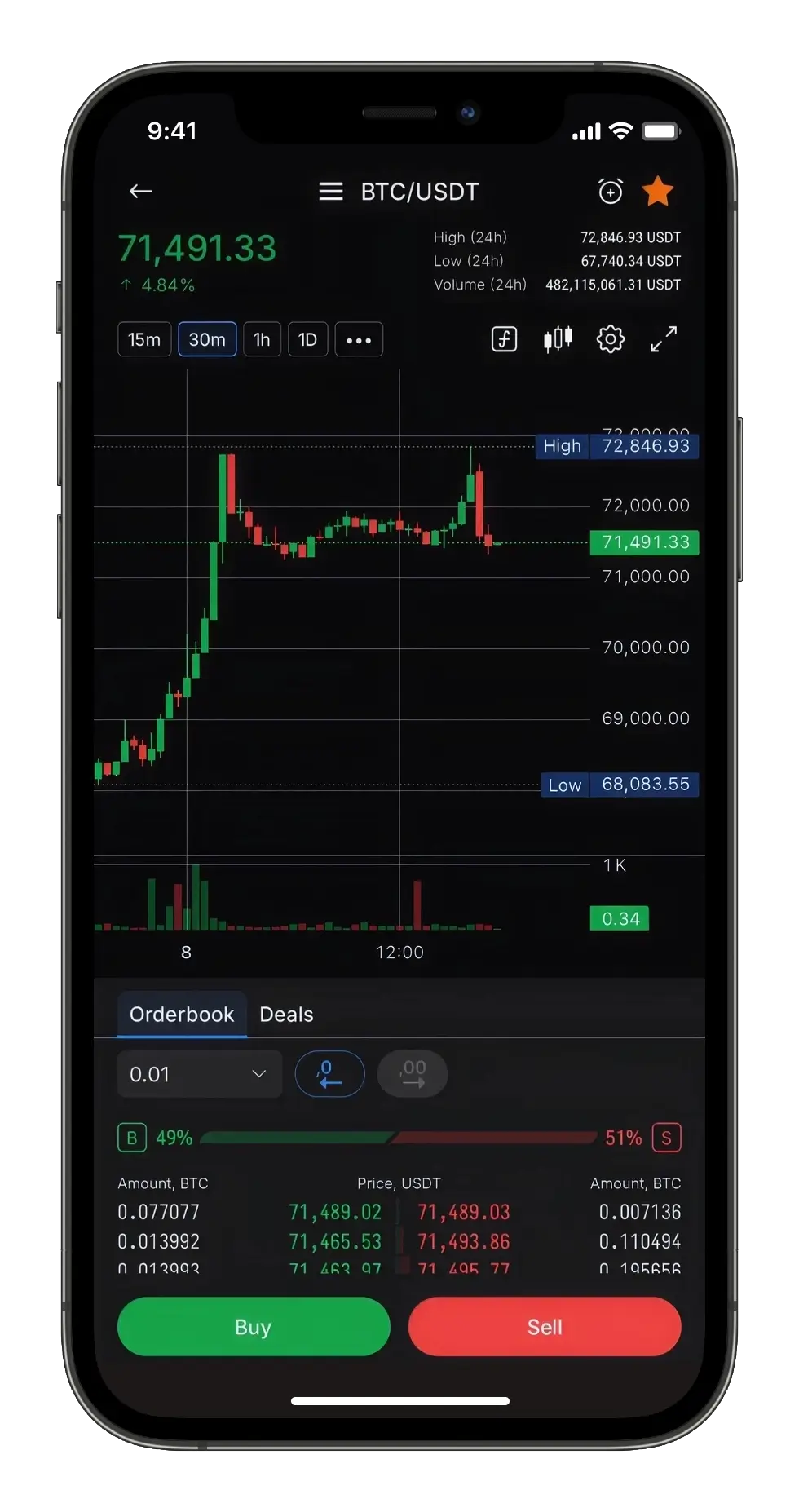
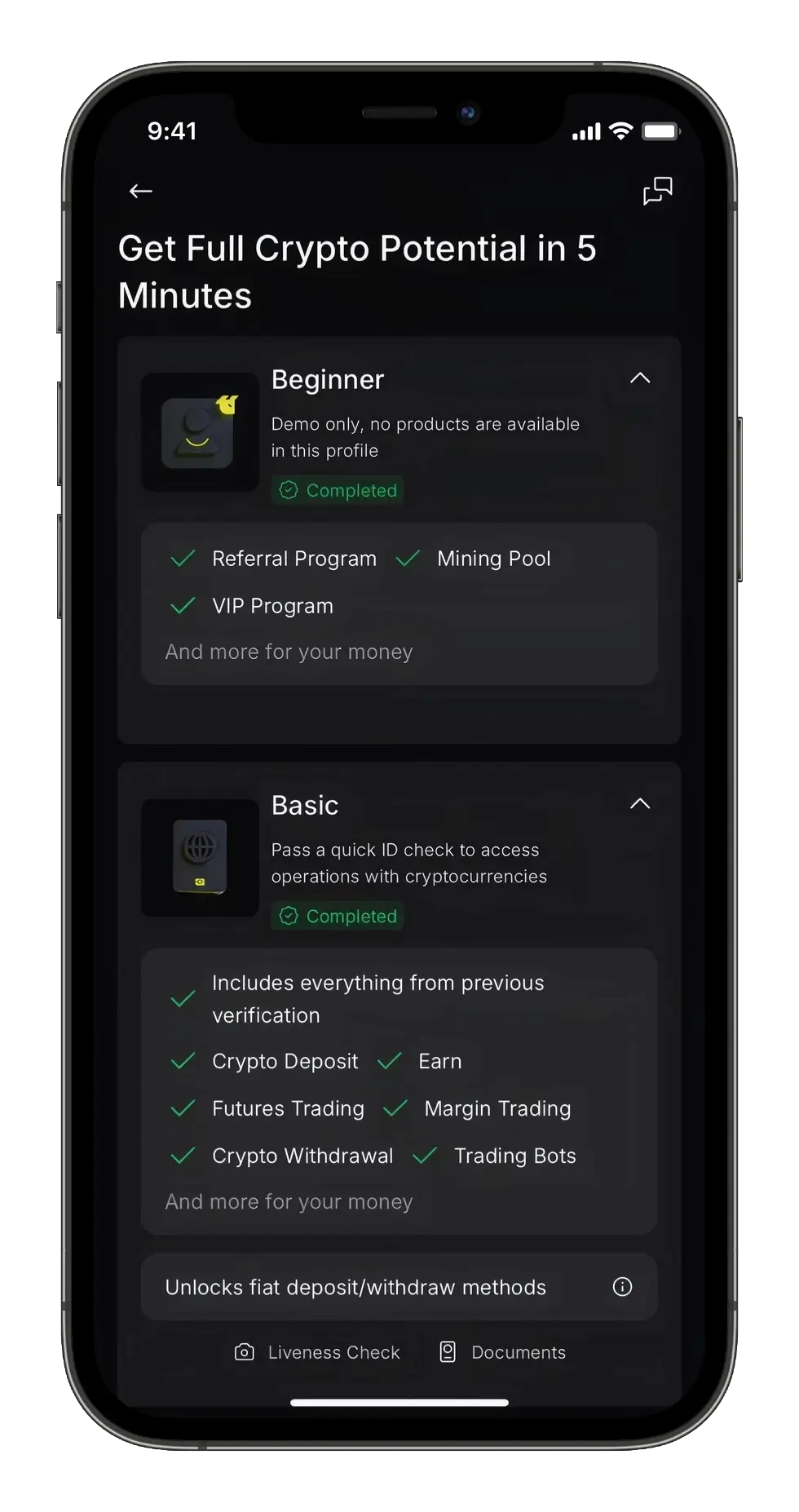
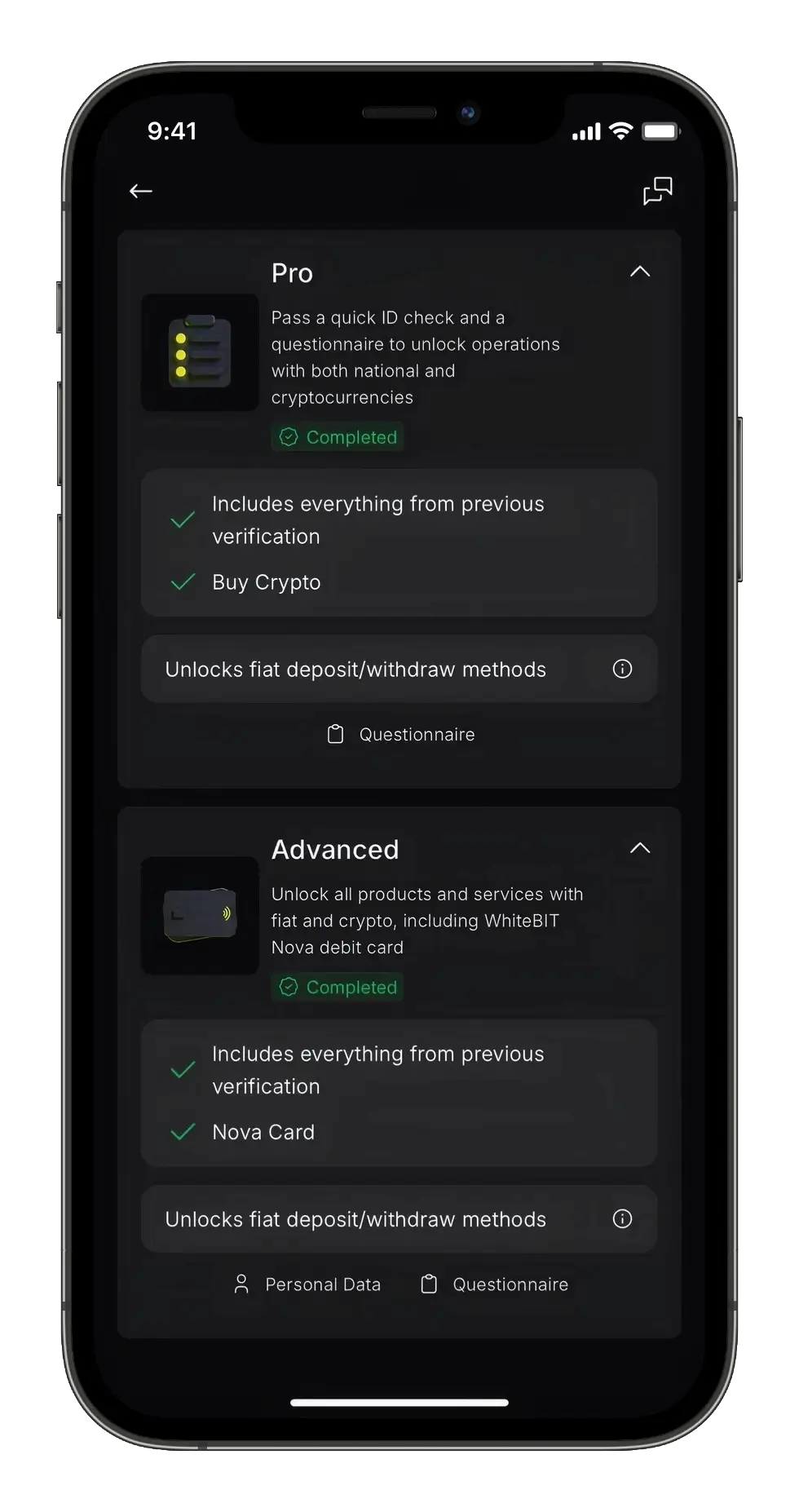
Screenshot 1 of 7
WhiteBIT Pros and Cons
Pros
- AAA security, No. 3 on CER.live, zero hacks
- Earn yields up to 22.1% with WBT benefits
- Advanced tools, APIs, and sub-accounts
- Nine fiat currencies and flexible payment rails
- WBT perks and utility across Whitechain
Cons
- Licensing details are difficult to verify
- PoR is a snapshot, not a full financial audit
- Limited public uptime and liquidity data
- Complex regional and product restrictions
What is WhiteBIT? Background and Oversight
WhiteBIT is a centralized crypto exchange launched in 2018. Public materials position it as part of W Group, while the user agreement frames the operating structure as WhiteBIT Group and lists entities across Lithuania, the Czech Republic, Poland, Bulgaria, Australia, Georgia, Hong Kong, Seychelles, Saint Vincent and the Grenadines, and Panama. That gives WhiteBIT a broader corporate footprint than a single-entity exchange, but it also means users have to work harder to map services to a specific operating company.
From a compliance and oversight perspective, WhiteBIT clearly leans into KYC, AML, sanctions screening, and region-specific product gating. Its help center says KYC is required for real platform use, its terms exclude U.S. persons and sanctioned users, and the institutional site says the group holds more than 10 VASP authorizations.
Recent updates:
- Nov. 20, 2024: Hacken published WhiteBIT’s proof-of-reserves report based on a Nov. 18, 2024 snapshot.
- Dec. 30, 2024: EEA users became restricted from depositing, withdrawing, or activating WhiteBIT Codes in USDT, with conversion options routed toward USDC and EURI.
- 2025 API docs updates: WhiteBIT’s public changelog continued to show iterative updates, including sub-account transfer documentation changes in February 2025 and later documentation changes through 2025.
Features and Services
Trading Options
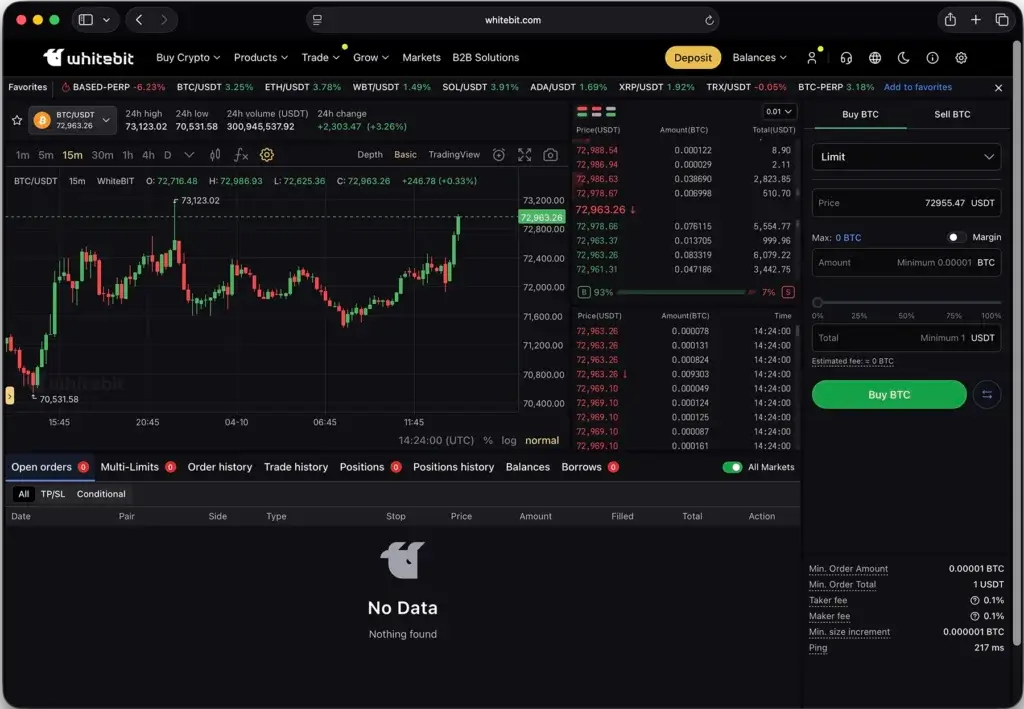
WhiteBIT publicly offers spot, margin, futures, quick convert, and TradingView-linked trading interfaces. The docs describe seven main order types, advanced-limit functionality, post-only support, STP modes, and API-side controls such as kill-switch timers; public product pages also cite up to 10x margin leverage and up to 100x futures leverage. In the provided notes, WhiteBIT adds color on the proprietary matching engine, multi-asset collateral support, colocation for latency-sensitive participants, and a derivatives toolkit it sees as competitive with top exchanges.
Supported Assets
WhiteBIT says it supports 330+ listed assets, 780+ trading pairs, and nine fiat currencies. Public pages prominently reference BTC, ETH, WBT, and major stablecoin markets, while the PoR report covers large balances in BTC, ETH, USDT, USDC, SOL, and WBT among other network assets. Product access is not uniform by region, though: the help center lists country-level restrictions for some privacy-coin withdrawals, WB Earn, collateral balance, margin, futures, crypto loans, QuickSend, and other services.
Earn, Staking, and Other Products
Retail products
For retail users, WhiteBIT publicly markets WhiteBIT Earn, Crypto Borrow, quick convert, WhiteBIT Codes, and the Nova card. In the provided notes, WhiteBIT also highlights flexible and fixed lending, plus trading bots aimed at users who want more automation without building their own infrastructure. The practical appeal is that users can trade, lend, borrow, convert, and spend from within one platform, but access still depends on verification level and region.
Institutional and advanced-user products
For institutional, professional, or team-based users, WhiteBIT’s product set goes beyond retail earn features. Public and provided materials point to Market Making Program, Crypto-as-a-Service, payments for businesses, OTC services, custody solutions, sub-accounts, historical reporting, API access, and colocation, with the notes also emphasizing VIP-oriented support and more advanced workflow controls. These are the products that make WhiteBIT more than a basic retail exchange and give it stronger appeal for higher-volume traders, desk-style operations, and developer-led teams.
This split matters because WhiteBIT is not just offering passive yield-style products to retail users, it is also building infrastructure for firms and advanced operators. Retail users are more likely to care about Earn, Borrow, Convert, and Nova, while institutions and power users are more likely to care about OTC, custody, payments, APIs, reporting, sub-accounts, and colocation.
It also offers dedicated on and off ramping for businesses, positioned around large fiat and crypto flows rather than consumer-sized transfers. On its institutional payments page, WhiteBIT highlights custom corporate limits based on KYB level, EUR 5 fixed fees for deposits and withdrawals, automated RFQ flow through a merchant portal, and support for mass crypto payouts, all of which reinforces the idea that its institutional stack is built for higher-volume operators that need predictable costs and operational flexibility rather than retail convenience.

Listings and Delistings Policy
WhiteBIT does publish meaningful listing and delisting information. On the listing side, its token-listing page says projects are vetted for integrity and potential, and the requested intake materials include token utility, whitepaper, tokenomics, roadmap, community, regulatory requirements, team, technology, and security measures; WhiteBIT also notes that project market makers remain responsible for liquidity, though the exchange can guide or recommend partners.
On the delisting side, WhiteBIT says assets can be removed if they no longer meet listing standards, with examples including no regular trading activity, no ongoing protocol development, no business-to-customer interaction, or evidence of fraudulent or dangerous behavior. Users are told delisting alerts appear on the balances page next to the ticker, and emails are sent at announcement, 30 days before removal, and one day before removal.
After delisting, WhiteBIT applies a 120-day penalty period with support-assisted withdrawal only, and says 25% of funds are deducted after each month during that period until the asset is no longer retrievable. That policy is unusually explicit and worth reading before holding small-cap tokens on the venue.
WhiteBIT Fees and Trading Costs
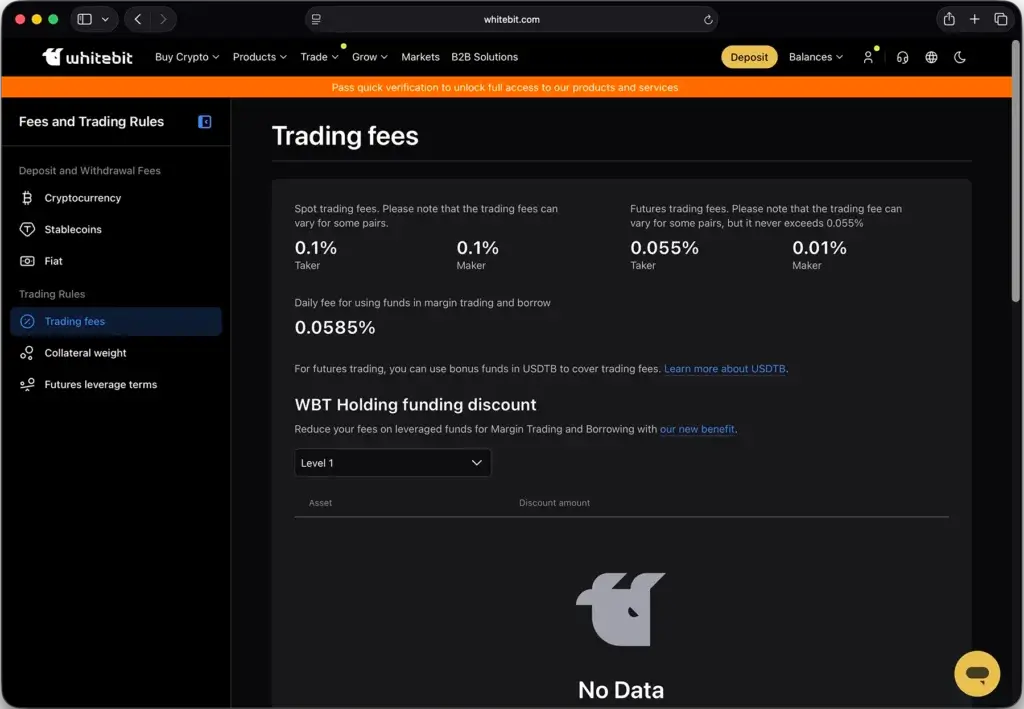
Base spot, futures, and margin/borrow pricing are publicly posted, VIP discounts are published, and some fiat fees are described in help-center articles.
The main practical trade-off is that “headline” fees are only part of the total cost: funding on leveraged products, payment-rail fees, network withdrawal fees, and route choice between convert, card purchase, and order-book execution can all matter. WhiteBIT’s own notes stress that traders mainly end up paying trading fees plus funding, with tight spreads supported by RPI orders.
| Cost area | Publicly confirmed pricing | Notes |
|---|---|---|
| Spot trading | 0.1% maker / 0.1% taker | WhiteBIT notes some pairs may differ |
| Futures trading | 0.01% maker / 0.055% taker | Public page describes 0.055% taker as the maximum |
| Margin / borrow funds | 0.0585% daily | WhiteBIT says WBT holdings can reduce the rate |
| VIP discounts | Up to 100% discount on some trading fees | Thresholds and benefits are published |
| EUR SEPA deposit (Clear Junction) | 0.1%, min €0.01 | Country and provider rules apply |
| EUR deposit (FINCI) | 0.1%, min €0.01 | Country and provider rules apply |
| Card purchase / checkout example | 1.5% for EU banks, 3.5% for non-EU banks or commercial cards | Provider-specific; examples shown in help pages |
| EUR withdrawal (FINCI) | €5 | Clear Junction withdrawal fee is shown in-app / fees page |
| Crypto withdrawals | Varies by asset and network | Network conditions and asset-specific schedules apply |
The figures above come from WhiteBIT’s public fee page and relevant help articles; crypto withdrawal costs vary by asset and network, and some fiat fees are provider- or country-specific.
To reduce costs, use maker-side orders where possible, check whether your KYC tier unlocks the cheapest fiat route, compare convert against the live order book for large tickets, and watch margin or futures funding rather than focusing only on the headline trading fee. High-volume users should also check VIP thresholds because WhiteBIT counts sub-account, bot, and convert activity toward VIP volume.
Payments and Fiat Support
Public materials confirm nine fiat currencies, EUR SEPA rails, Clear Junction and SEPA Instant via Clear Junction, FINCI, Visa and Mastercard checkout flows, Apple Pay, Google Pay, and the Nova card for supported countries. Verification and, in some cases, a financial questionnaire are required before some fiat methods can be used.
| Rail / method | What is confirmed | Limits / timing / caveats |
|---|---|---|
| EUR SEPA deposit | Available in many EEA markets plus Norway, Iceland, Liechtenstein, and Ukraine | Min €10, daily max €14,500; receipt can take up to 7 bank business days |
| Clear Junction / SEPA Instant | Supported for EUR flows | Instant depends on whether the receiving bank supports it |
| FINCI | Deposit and withdrawal support is public | Deposit fee 0.1% min €0.01; withdrawal fee €5 |
| Visa / Mastercard / Checkout | Publicly supported | Example fee 1.5% EU / 3.5% non-EU or commercial cards |
| Apple Pay / Google Pay | Publicly supported | Financial questionnaire may be required |
| Nova card | Available in many EEA countries plus Norway, Iceland, Liechtenstein, and Ukraine | Digital card can be issued immediately; physical delivery can take up to 45 working days depending on provider |
The table above reflects the clearest public disclosures found; retail settlement times are not published uniformly across every payment rail or country.
Is WhiteBIT Safe? Security and Proof of Reserves
The strongest evidence for safety is on user-side controls and operational posture: WhiteBIT publicly says it keeps 96% of assets in cold wallets, uses a WAF, relies on multisignature protection for cold storage, and supports 2FA, passkeys, anti-phishing codes, automatic logout, withdrawal allowlists, login history, and device management. It also says an insurance fund funded from transaction fees covers cold-storage assets up to $30 million. Those are useful disclosures, but several of them remain self-reported rather than independently detailed in the way the best exchanges provide.
The PoR story is real and worth credit. Hacken’s report, dated Nov. 20, 2024 and based on a Nov. 18, 2024 snapshot, verifies liabilities and wallet control, includes a Merkle root, and reports 1:1 coverage for in-scope assets with a 238% total collateral ratio. The major disclosed ratios include BTC at 507%, ETH at 269%, USDT at 108%, USDC at 205%, SOL at 101%, and WBT at 100%, with the in-scope set representing more than 90% of total reserves and liabilities. That is materially better than “not confirmed,” but it is still a point-in-time proof-of-reserves report for in-scope assets, not a live reserve dashboard or a full financial audit.
For derivatives traders, the provided notes strengthen the safety picture on market-structure risk. WhiteBIT describes an ADL mechanism that ranks opposing positions by leverage-adjusted profitability, lets traders monitor ADL priority in the UI, executes at bankruptcy price, cancels active orders on the affected asset when ADL triggers, and uses a price-differential mechanism to self-fund the insurance reserve. That is thoughtful disclosure for derivatives operations, even if it does not replace fuller custody or legal-protection transparency.
UX and Customer Support — KYC and Geographic Access
WhiteBIT appears to be trying to serve both newer and more advanced users without collapsing everything into a single crowded workflow. The notes say WhiteBIT is splitting flows by client type, while the public site and docs show a broad retail interface alongside pro-facing trading tools, institutional services, and developer documentation.
For onboarding, the key point is simple: KYC is not optional for useful account activity. WhiteBIT says verification is needed for all activities, including deposits, withdrawals, Buy Crypto, and WhiteBIT Codes.
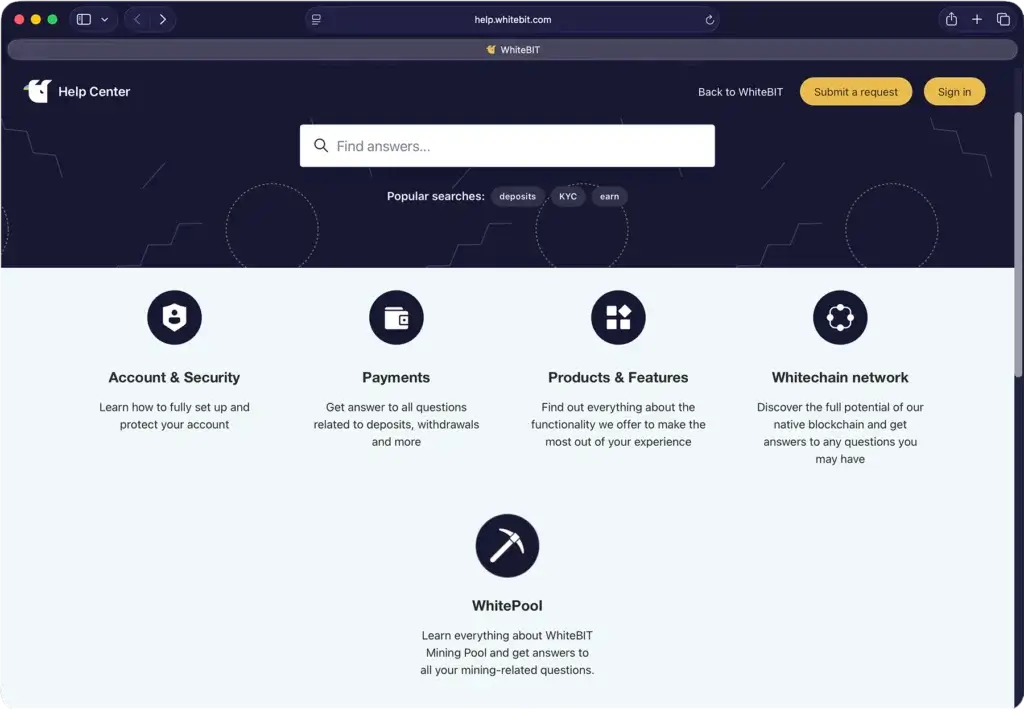
Support coverage is better documented than the earlier draft suggested. WhiteBIT’s help center and app settings guide mention online chat, ticket creation, email, phone call, and WhatsApp; VIP users get a dedicated account or support manager and priority handling, while the notes also say VIP bug reports are treated urgently.
WhiteBIT additionally maintains a public status page and, in the supplied notes, says it prefers early, clear incident communication over silence. What is still missing is a clear public first-response SLA for standard retail users.
The support and KYC facts above are public, but country eligibility and feature access are complex enough that users should verify their exact region and product combination before funding an account.
Who is WhiteBIT Best for
WhiteBIT is easiest to recommend to active traders, higher-volume users, and developer-led teams that want a broad centralized product stack without leaving the exchange ecosystem for every adjacent task. It is less compelling for users whose first filter is maximum public clarity on licensing, custody architecture, and live reserve disclosure rather than trading depth and feature breadth.
- Spot and futures traders who want one venue for convert, margin, and leveraged markets
- API, quant, and bot users who care about REST, WebSocket, OAuth, webhooks, STP, and scope-based permissions
- Higher-volume traders who can benefit from VIP pricing, priority support, and sub-account workflows
- Users in supported regions who want WhiteBIT Earn, crypto borrow, or the Nova card alongside trading
- Institutional or semi-institutional teams that value colocation, reporting, OTC, or payments-for-business options
Not ideal for: users who only trust exchanges with a very clean, single-page license matrix, live reserve disclosure, and fully detailed custody architecture.
WhiteBIT Category Scores
These scores highlight how this review performs in specific categories, with each score tailored to the focus of that category.
Final Verdict
Base fees, KYC gating, listed asset counts, fiat rails, and a third-party PoR report are all publicly available. The strongest case is around execution, derivatives tooling, API depth, and product breadth rather than pure public-disclosure quality. The score is still capped by a not-fully-clear global license matrix, limited public reliability stats, and a PoR report that is a point-in-time snapshot of in-scope assets rather than a full financial audit.
Best For
New and active traders who want a broad centralized crypto stack with solid public fee disclosure and meaningful pro tooling.
Disclaimer: CryptoSlate may receive a commission when you click links on our site and make a purchase or complete an action with a third party. This does not influence our editorial independence, reviews, or ratings, and we always aim to provide accurate, transparent information to our readers. Trading crypto is high-risk; this is informational, not investment advice.