
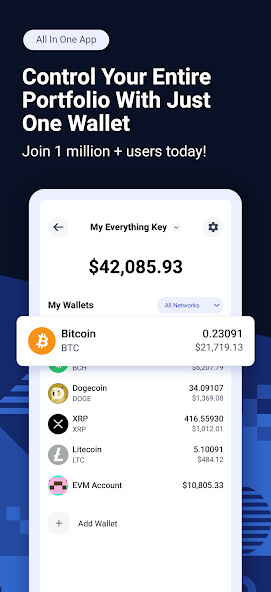
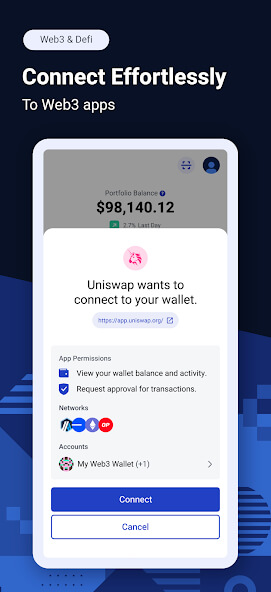
BitPay Wallet is a self-custody, multichain cryptocurrency wallet developed by BitPay, Inc. and released in 2015. The product is designed to let users buy, store, swap, sell, send, receive, and spend digital assets from a single interface while retaining direct control of private keys and recovery credentials. Within the broader crypto wallet market, it sits in the category of self-custody wallets, with a feature set aimed at users who want both asset management and practical payment utility.
Overview
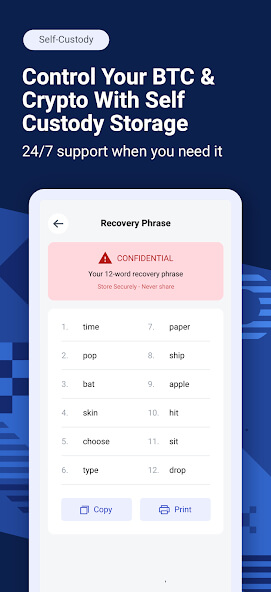
The wallet is non-custodial, which means BitPay does not hold customer funds or manage wallet keys on the user’s behalf. Instead, access is tied to a standard seed phrase, with optional password encryption for added local protection. BitPay Wallet is available across iOS, Android, Windows, macOS, and Linux, giving it broader platform coverage than many mobile-first wallet products.
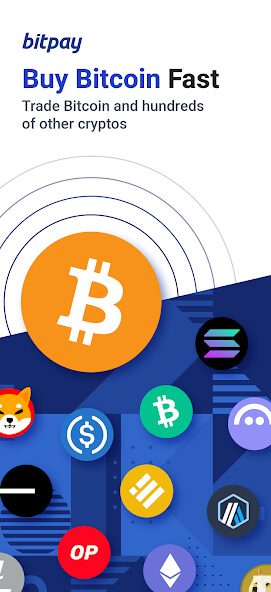
Its multichain design supports major networks including Bitcoin, Ethereum, Solana, Bitcoin Cash, Litecoin, Dogecoin, the XRP Ledger, Polygon, Arbitrum, Optimism, and Base. Supported assets include BTC, ETH, LTC, BCH, XRP, POL, DOGE, SHIB, USDT, USDC, and hundreds of additional tokens and stablecoins available on supported networks.
Core Features and Product Scope
BitPay Wallet combines traditional wallet functions with services tied to BitPay’s broader payments infrastructure. That makes it more than a basic send-and-receive tool, especially for users who want to move between self-custody and real-world spending without relying entirely on a centralized exchange interface.
- Self-custody storage with user-controlled private keys
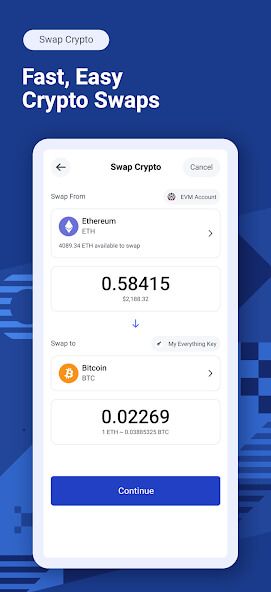
- Built-in crypto swaps across supported assets and chains
- Fiat on-ramp support through integrated provider partners
- Sell and cash-out functionality in more than 80 countries, subject to partner and regional availability
- Direct crypto spending through merchant payments, gift cards, and bill pay tools
- Shared wallet functionality and optional multisignature security
- Mobile and desktop access across major operating systems
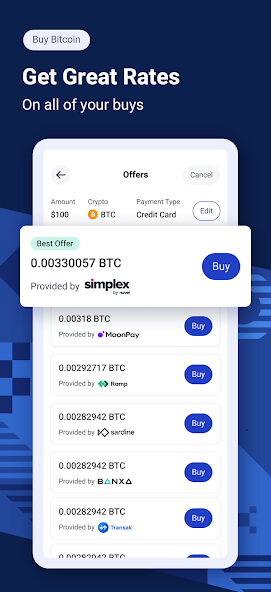
For purchases, the wallet supports multiple payment methods through partner integrations, including credit cards, debit cards, bank transfers, Apple Pay, Google Pay, PayPal, Venmo, and Cash App, depending on geography and provider availability. The app also includes built-in swapping, allowing users to exchange assets without opening a separate exchange account.
Security and Open-Source Architecture
A major part of BitPay Wallet’s positioning is its fully open-source codebase. Open-source wallets allow outside developers and security researchers to inspect, audit, and contribute to the software, which can improve transparency compared with closed, proprietary alternatives. BitPay also offers optional multisignature support, which can require multiple approvals before a transaction is completed. That feature may appeal to households, teams, or users managing higher-value holdings who want to reduce reliance on a single device or signer.
Shared wallets extend that model by allowing multiple people or devices to participate in a wallet setup. In practical terms, this can support collaborative treasury management, personal risk distribution, or wallet redundancy across devices. For users comparing wallet security models, multisignature design remains distinct from simple password protection because it changes how transaction authorization itself is handled.
Use Cases and Market Position
BitPay Wallet’s market position reflects the company’s long history in crypto payments. While many wallets focus mainly on storage and Web3 access, BitPay Wallet emphasizes everyday utility, including paying merchants, buying gift cards, and settling bills with crypto already held in the wallet. This gives it relevance for users who view digital assets not only as investments, but also as spendable balances.
The product can also appeal to users who want exposure to major networks such as XRP, Bitcoin, Ethereum, and Solana from one application instead of splitting assets across multiple single-chain tools. For users managing stablecoins and payment-oriented assets, the combination of self-custody and integrated off-ramp options is a notable part of the product’s value proposition.
Risks and Considerations
Like any non-custodial wallet, BitPay Wallet places responsibility on the user. Losing a recovery phrase, mishandling backups, or approving malicious transactions can lead to permanent loss of funds. Open-source software and multisignature options can strengthen trust and control, but they do not eliminate phishing, device compromise, or user error. In addition, certain buy, sell, cash-out, and payment features depend on regional rules and third-party service partners, so feature availability may vary by jurisdiction.
Overall, BitPay Wallet is best understood as a multi-platform, self-custody wallet that combines multichain asset management with payment-oriented utility. Its long market presence, open-source architecture, and optional multisignature support make it a relevant product for users seeking direct control over crypto assets while still accessing practical spending and conversion tools.