One wrong network selection can turn a simple casino deposit into a support ticket. The best crypto wallet for gambling does more than hold coins. It helps you move funds cleanly, catch network mismatches before you send, and keep your playing bankroll away from long-term savings.
The right wallet depends on how you play. A Bitcoin-only user needs something different from a player moving USDT across multiple chains. Casual depositors do not need the same setup as someone holding larger balances online. The quick picks give you a short list first. From there, the later sections sort the options by coin, network, and bankroll size.
Top Crypto Wallets for Gambling
- Custody
- Non-custodialPartially open-source
- Networks
- Platforms
- Lowest price of any Bluetooth hardware wallet
- Wireless firmware updates from a phone
- Made by Ledger, a French company
- Custody
- Non-custodialFully open-source
- Networks
- Platforms
- Bitcoin Silent Payments with scan controls
- Mobile Litecoin MWEB private balances
- Cake Pay buys gift cards with crypto
- Custody
- Non-custodialPartially open-source
- Networks
- Platforms
- Snaps add third-party wallet capabilities
- Social login that still signs on your device
- Transaction Shield cover on marked transactions
- Custody
- Non-custodialPartially open-source
- Networks
- Platforms
- Smart-wallet recovery key can replace a passkey
- USDC sends on Base with sponsored gas
- Coinbase-funded USDC Rewards for holders
- Custody
- Non-custodialPartially open-source
- Networks
- Platforms
- Ledger and Trezor portfolios in one app
- Cloud backup unlocked only by a passkey
- Listed company with public financial filings
- Custody
- Non-custodialPartially open-source
- Networks
- Platforms
- SWIFT offers passkey-based wallet recovery
- Second only to OKX for network coverage
- Premium loyalty tiers reward wallet activity
CryptoSlate may earn a commission when you visit partner sites through links on this page, at no extra cost to you. Our rankings and reviews remain editorially independent and based on our published methodology. Read disclosure
Disclaimer: CryptoSlate may receive a commission when you click links on our site and make a purchase or complete an action with a third party. This does not influence our editorial independence, reviews, or ratings, and we always aim to provide accurate, transparent information to our readers.Base App, Trust Wallet, and Exodus cover the most common use cases for routine deposits and withdrawals. Cake Wallet is narrower, but useful if Bitcoin, swaps, and privacy tools matter. Ledger Nano X is built for storage first, and MetaMask works best when casino flows lean heavily on Ethereum-style networks.
Comparison Table
| Name | Custody | Blockchains | Hardward Support | Staking | Fiat On-ramp |
|---|---|---|---|---|---|
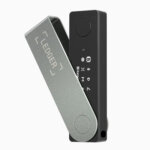 Ledger Nano X Ledger Nano X | Non-custodial | No | Limited | No | |
 Cake Wallet Cake Wallet | Non-custodial | Yes | None | Yes | |
 MetaMask MetaMask | Non-custodial | Yes | Full | Yes | |
 Coinbase Wallet Coinbase Wallet | Non-custodial | Yes | Limited | Yes | |
 Exodus Exodus | Non-custodial | Yes | Full | Yes | |
 Trust Wallet Trust Wallet | Non-custodial | Yes | Full | Yes |
Read this table by matching the wallet to the way you actually deposit and withdraw. Hot wallets are faster for regular play, while hardware wallets make more sense when you keep larger balances between sessions. Bitcoin-only users do not need the same wallet as stablecoin users. A wallet that looks flexible on paper can still be the wrong fit if it makes network mistakes easier.
How We Rank
- Custody and key security 30% weightWhat we assess
Who can authorize spending, protection of keys and signing, and independent access to every reviewed account type.
What earns 10/10 Users control spending and have complete independent access for every reviewed account type. Signing and authorization are isolated from the connected app, with key and recovery dependencies explained. - Security validation and track record 25% weightWhat we assess
Independent security assessments, their coverage and findings, plus updates and the handling of known incidents.
What earns 10/10 Independent assessments cover the current design and material changes. Material findings are resolved, and sustained maintenance records show no unresolved material incident consequences. - Transaction safety and signing 20% weightWhat we assess
Transaction details, signing warnings, scam checks, permission controls and the handling of unreadable requests.
What earns 10/10 Transfers and supported signing requests show readable details before consent. Risk warnings and integrated permission revocation cover relevant tasks, with unclear requests identified and easy to reject. - Backup and recovery 10% weightWhat we assess
Repeatable backup checks, complete restoration, recovery dependencies, costs and resilience after backup loss.
What earns 10/10 Repeatable checks verify complete backups without resetting the wallet. Recovery survives loss of a backup or dependency, with clear costs and no third party able to spend alone. - Usability, privacy and costs 10% weightWhat we assess
Setup and everyday tasks, accessibility, support guides, data-sharing choices and device, service and transaction costs.
What earns 10/10 Clear workflows, accessible controls and useful support guides make routine tasks straightforward. Nonessential data sharing is optional, and mandatory costs are transparent and reasonable. - Assets, networks and compatibility 5% weightWhat we assess
Asset and network support, devices, companion apps and connections needed for the uses covered in the review.
What earns 10/10 Official compatibility lists and setup guides cover the reviewed assets, networks, devices and connections. Required transfer routes are documented and available, with no known blocker.
We stay consistent with our overall wallet ratings. The difference here is that we filter for the wallets that actually fit gambling use. Wallets are security products first, so the heaviest weight still goes to custody clarity, key security, recovery quality, and real-world scam resistance. From there, we focus on the actions that matter most in a casino context: sending deposits cleanly, matching the right network, and withdrawing without avoidable mistakes.
That means we do not rank wallets mainly on hype features. A wallet scores well here if it protects user control, explains recovery clearly, and makes common casino deposit and withdrawal flows easier to execute safely.
Crypto Wallets for Gambling Reviews
Ledger Nano X
- Custody
- Non-custodialPartially open-source
- Networks
- Platforms
Pros
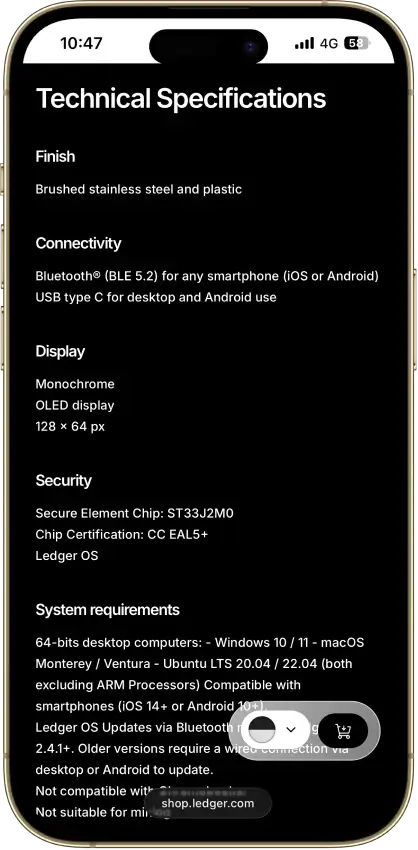
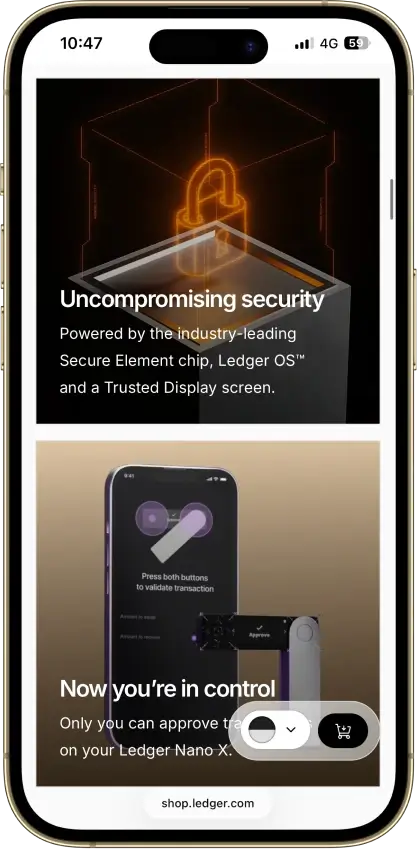
- CC EAL5+ certified Secure Element
- Public companion and device-app code
- Optional passphrase accounts
- Bluetooth for phones, USB-C for desktops
- Encrypted Bluetooth with pairing codes
Cons
- Small display requires scrolling
- Low-level firmware remains closed
- Apps need their own security updates
- 2026 Monero app flaw could expose keys
Cake Wallet
- Custody
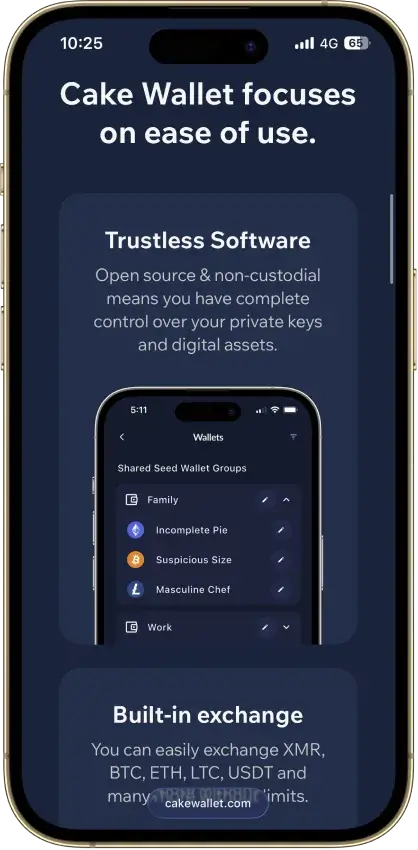
- Non-custodialFully open-source
- Networks
- Platforms
Pros
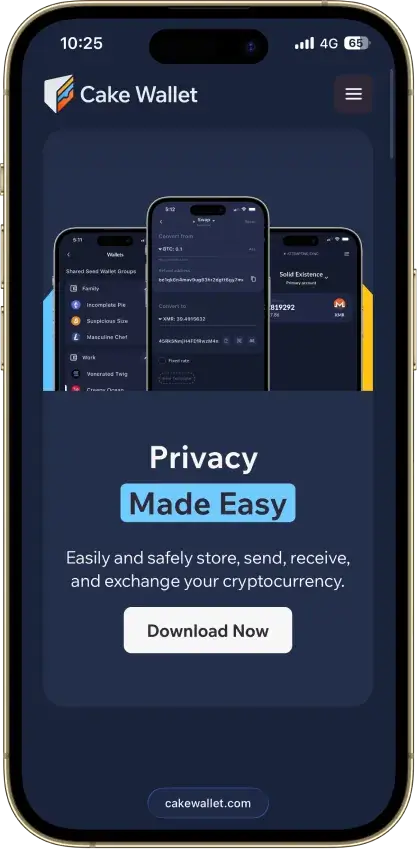
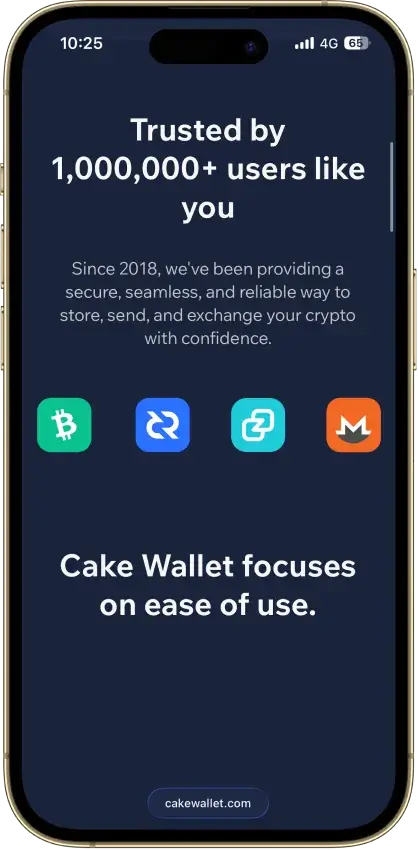
- Monero accounts and subaddresses
- Encrypted whole-app backup export
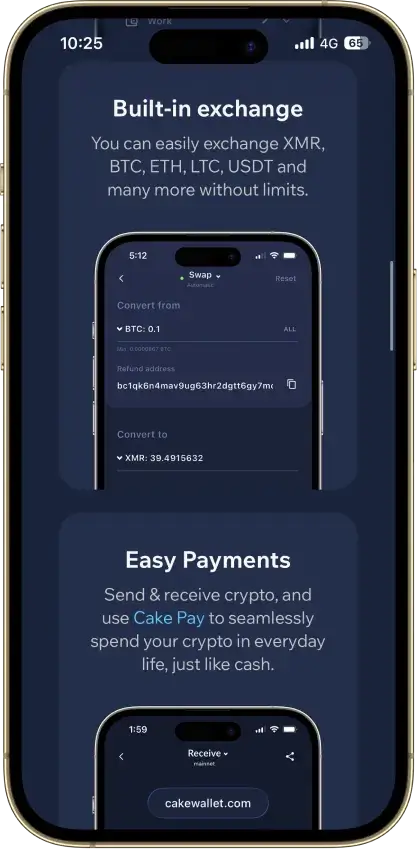
- Multiple swap providers to compare
- Publicly documented security fixes
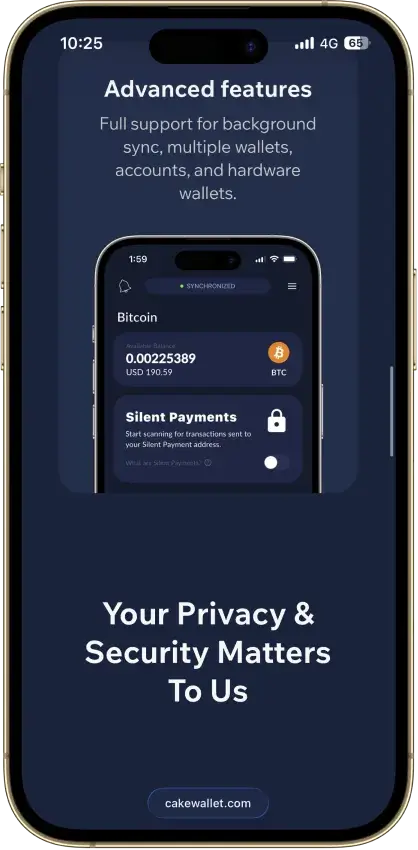
- Custom nodes and restore-height control
Cons
- Windows builds are currently paused
- Past BTC seed flaw needs manual migration
- Tor routing is still labeled experimental
- Lightning sits in a separate Spark balance
- Ethereum NFTs display but can't be sent
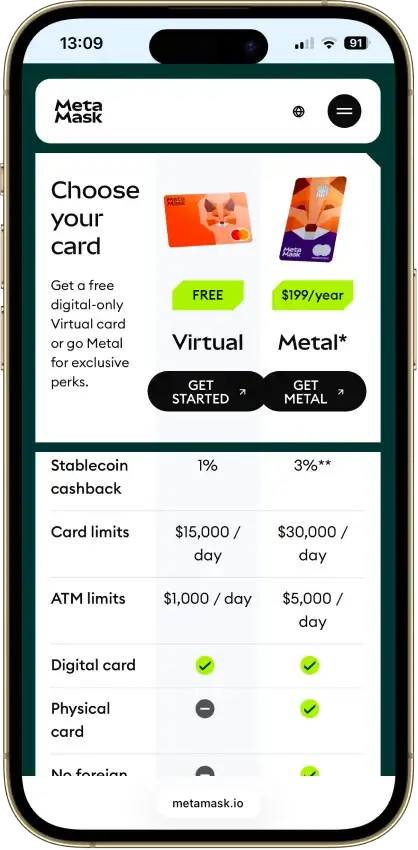
MetaMask
- Custody
- Non-custodialPartially open-source
- Networks
- Platforms
Pros
- Default-on transaction security alerts
- Mobile connections to compatible hardware
- ETH pooled staking without a product minimum
- Custom EVM networks alongside native Bitcoin
- Publicly accessible extension source code
Cons
- Swaps carry a 0.875% service fee
- Linked Ledger accounts are EVM-only
- Social login can't be changed or unlinked
- Passkeys unlock but can't restore the wallet
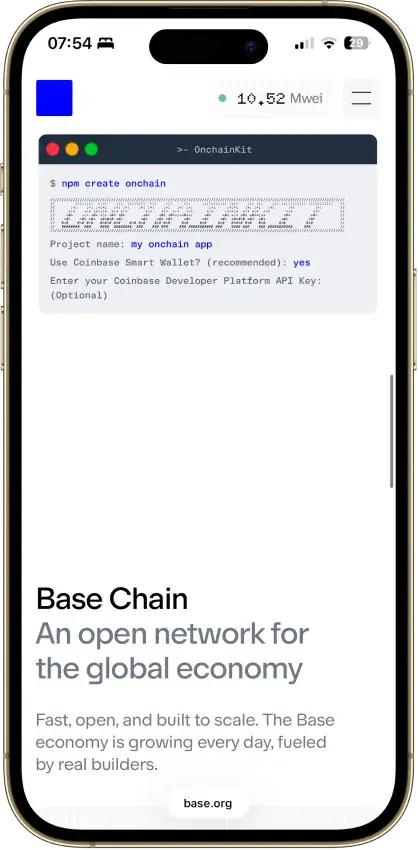
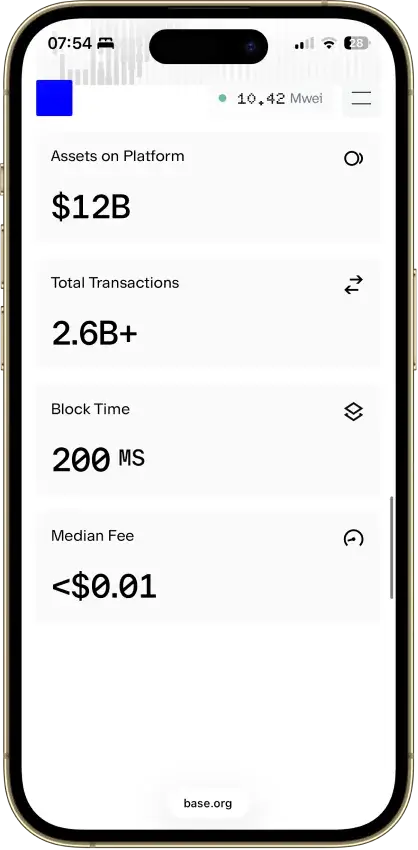
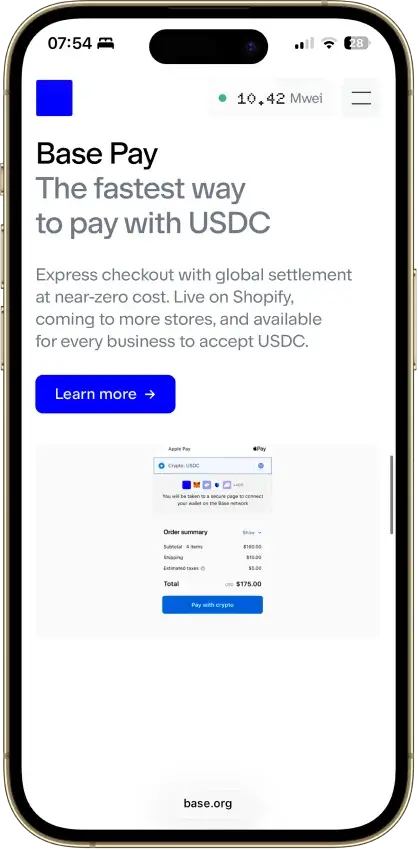
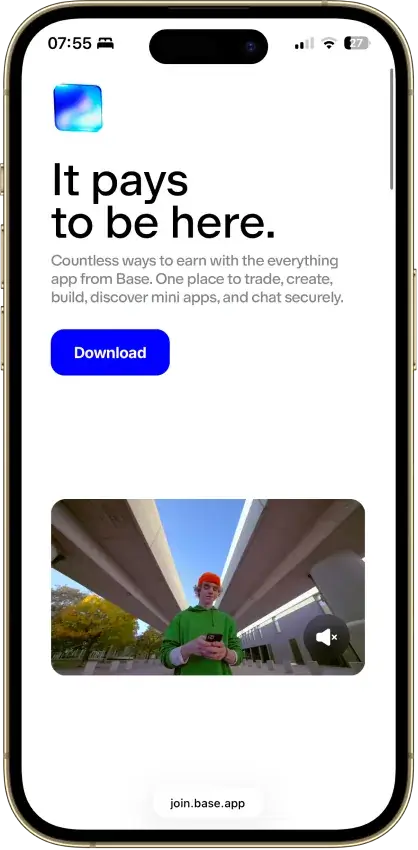
Coinbase Wallet
- Custody
- Non-custodialPartially open-source
- Networks
- Platforms
Pros
- Ledger approvals through the extension
- Audited, MIT-licensed smart-wallet contracts
- ETH staking below 32 ETH via Kiln
- Gasless swaps on Ethereum and Polygon
- Security Lock on opening and approvals
Cons
- Passkey smart wallets exclude BTC and SOL
- Dropped Dogecoin, Litecoin, XRP and custom chains
- Swap fee of up to 1% per trade
- No Bitcoin swaps in the app
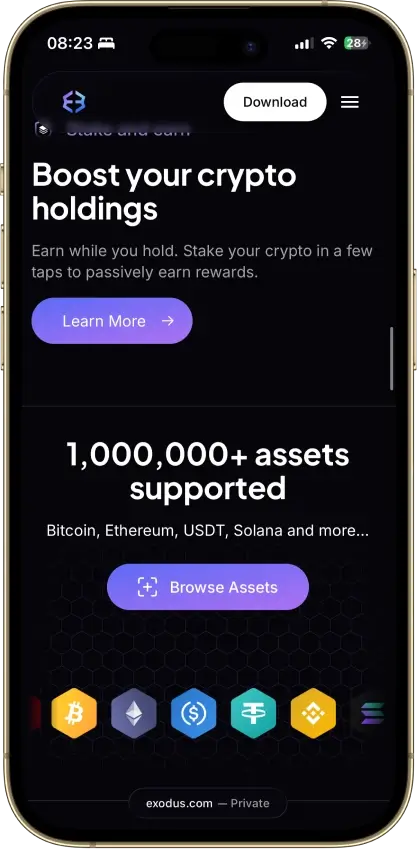
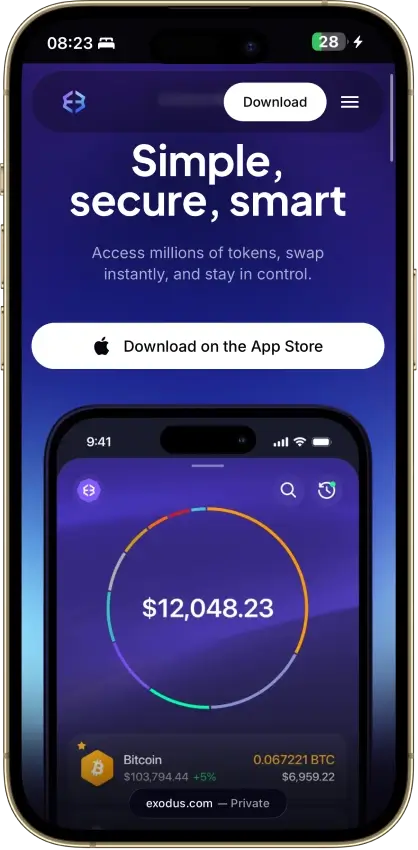
Exodus
- Custody
- Non-custodialPartially open-source
- Networks
- Platforms
Pros
- Desktop app for Windows, macOS and Linux
- Desktop and mobile sync to one wallet
- Custom tokens on supported networks
- Human support alongside the chatbot
- Recovery phrase backup still available
Cons
- Complete wallet is not open source
- WalletConnect removed from the mobile app
- Ledger portfolios work on mobile only
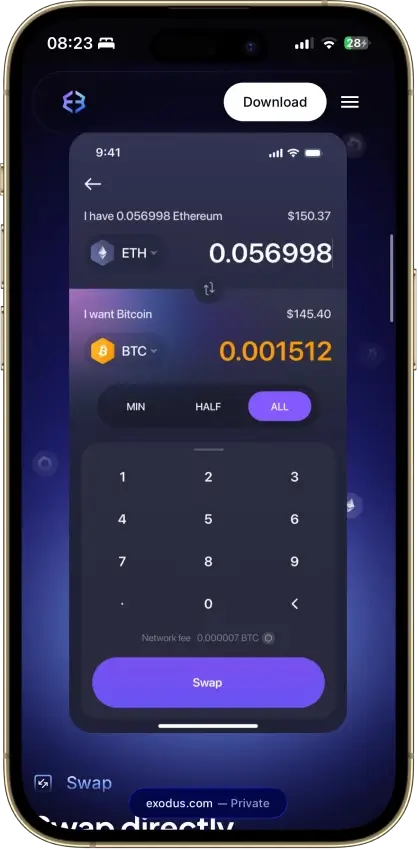
- Swap costs sit inside a quoted spread
- $3.1M OFAC sanctions settlement in 2025
Trust Wallet
- Custody
- Non-custodialPartially open-source
- Networks
- Platforms
Pros
- Transaction previews on supported networks
- Optional encrypted cloud backup
- Ledger signing through the extension
- Staking for ETH, SOL, BNB and TRX
- No email account needed for a classic wallet
Cons
- December 2025 extension hack hit about $8.5M
- Mobile app builds lack public source access
- Dropped several networks in September 2026
- SWIFT covers only a handful of EVM chains
Hot wallets lead on convenience, chain coverage, and speed for routine casino deposits and withdrawals. Bitcoin-first wallets give up flexibility, but that narrower scope can help when fee control and simpler address handling matter more than broad asset support.
Hardware wallets serve a different role. They are slower in day-to-day use, yet more useful once the balance grows beyond a casual session bankroll. What matters here is not raw feature count. It is whether the wallet reduces user error, handles stablecoins cleanly, or justifies extra friction with better storage security.
Best Bitcoin Wallet for Gambling
If you deposit and withdraw with Bitcoin (BTC), a Bitcoin-first wallet still makes sense. It removes most of the noise that comes with multi-chain apps and keeps the process focused on one asset, one network, and one set of fees. That alone reduces the chance of a bad send.
Bitcoin casino deposits are confirmation-based, so timing matters. A casino can approve a withdrawal quickly, but the funds still need to settle on-chain before they are fully usable. Fee control matters more on Bitcoin than it does on some lower-fee networks. A wallet that lets you review or adjust fees gives you more control when the network is busy.
Address handling matters too. Most BTC deposits today use bc1 addresses, while some platforms still support addresses that start with 3 or 1. Before sending a larger amount, make a small test deposit first. That confirms the casino credits the address format correctly and that you copied the destination without errors.
Bitcoin-first wallets are still relevant because many players do not need swaps, token support, or extra chains in their gambling wallet. They just need clean sends, clear fee control, and a safer way to move BTC in and out of casinos without adding unnecessary complexity. For a broader hub view, see our guide to the best Bitcoin wallets.
Bitcoin-First Picks
- Cake Wallet works well for users who want Bitcoin, swaps, and privacy-focused tools in one reviewed hot wallet.
- Blockstream Jade Plus is the stronger Bitcoin-only cold-storage pick if you want open-source hardware and flexible signing options.
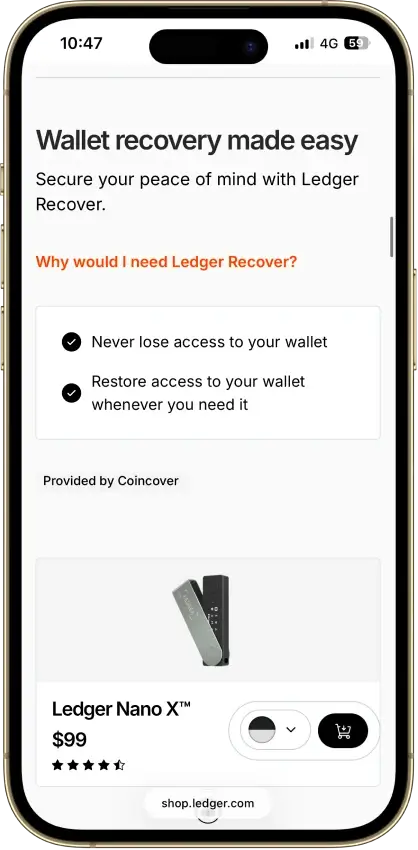
- Ledger Nano X fits users who want offline key storage with easier phone use, especially on iPhone.
Stablecoin Wallets for Casino Deposits
Stablecoins solve one problem and create another. They help you avoid the price swings that come with holding a gambling bankroll in BTC or ETH, but they also introduce network risk. Tether (USDT) and USDC can exist on several chains at once, and a casino will only credit the exact version it supports in the cashier. If you send the right coin on the wrong network, the transfer can be delayed, rejected, or lost.
Stablecoin users need wallets with strong multi-chain visibility. You should be able to see the network clearly before sending. You should also be able to confirm whether you are using ERC-20 on Ethereum, TRC-20 on TRON (TRX), or another route without guessing at the last step. A wallet that hides those details or makes them easy to miss is a poor fit for casino use, even if it looks convenient for everyday crypto storage.
The practical cost difference between networks matters too. USDT on TRC-20 is usually the cheaper route for routine casino deposits and withdrawals, while ERC-20 often carries higher fees when Ethereum is busy. That does not make TRC-20 automatically better for every user. It does mean stablecoin players should think about network costs before treating all USDT or USDC transfers as interchangeable. That also matters if you use instant swap exchanges before sending funds to a casino cashier.
Stablecoin-friendly wallets work best for players who move in and out of casinos often. They also fit users who track their bankroll in dollar terms or want cleaner budgeting without crypto price swings. Base App, Trust Wallet, and Exodus sit more naturally here because they handle common stablecoin routes well. MetaMask can work too, though it suits users already comfortable with Ethereum-style networks. If you want to compare where these assets are most commonly used, see our lists of USDT casinos and USDC casinos.
Hot Wallet vs. Hardware Wallet for Gambling
An everyday spending wallet is the natural fit for most players who deposit regularly, withdraw when needed, and keep only a working bankroll online. It is faster to access and better suited to routine casino use on a phone or desktop.
Hardware storage becomes more useful once the balance is large enough that you do not want it sitting on a connected device. If you hold larger winnings between sessions, a cold-storage device adds more separation. The same applies if you leave funds parked for longer stretches. The added protection comes with more friction. Every send takes more effort, which is why offline storage is weaker for frequent deposits.
For many players, the better answer is a split setup. Use a spending wallet for day-to-day casino payments, then move larger balances or winnings to hardware storage when you are done. That preserves convenience without leaving the full bankroll exposed online.
When the amounts are small and the activity is frequent, convenience should usually lead. Once the balance grows into money you would not want sitting on a connected device, security deserves more weight.
What Is a Crypto Wallet for Online Casinos?
A crypto wallet for online casinos is the tool you use to send deposits and receive withdrawals. In practice, most casino transactions are direct wallet transfers. You send funds from your wallet to the casino cashier address, then receive winnings back to your own address.
A hot wallet lives on your phone, browser, or desktop app. It is faster for regular play and easier to use when you deposit often. A hardware wallet signs transactions on a separate device, which makes it safer for storing larger balances but less convenient for frequent casino use.
The other key split is custodial versus self-custody. With a custodial setup, another company controls the keys. With self-custody, you control the recovery phrase and the funds directly. For casino use, self-custody is usually the cleaner setup because it gives you direct control over deposits, withdrawals, and wallet security.
The most important detail is accuracy. A crypto wallet does not just store coins. It controls where funds go, which network you use, and whether a casino transfer lands where it should. At a casino, the better wallet is usually the one that makes sends hard to mess up. Clear network labels, visible addresses, and straightforward confirmation screens matter more than a long feature list.
How to Choose a Crypto Gambling Wallet
The right wallet depends less on brand recognition and more on how you actually move money. A wallet can look strong on paper and still be the wrong fit. That usually happens when it hides network details, makes sends harder to review, or adds complexity you do not need.
Supported Coins and Networks
Start with the coins you actually use. If you mainly deposit with Bitcoin, a BTC-first wallet can be simpler and safer than a multi-chain app. If you use USDT or USDC, the wallet needs to show network options clearly because the same stablecoin can exist on several chains at once.
Always match the casino cashier exactly. The right coin on the wrong network is still a mistake, and some casinos will not be able to recover that transfer.
Fees and Transaction Control
Some wallets make fee handling clearer than others. That matters most when you use Bitcoin or higher-cost networks where sending at the wrong moment can make a small deposit less practical.
Look for a wallet that shows network fees before you confirm. It should also let you review the destination clearly and keep the final send details easy to see. A small test deposit is still the safest move when you use a new casino, a new coin, or a new network.
Security and Recovery
A wallet is only useful if you can recover it when something goes wrong. Recovery setup matters more than extra features, especially if you keep gambling funds in the wallet between sessions.
Choose a wallet with a clear backup flow, strong app or device protection, and a security model you understand. If you would be genuinely upset to lose the balance, recovery quality and storage discipline should matter more than convenience.
Privacy and Verification Expectations
A self-custody wallet gives you more direct control over your funds, but it does not remove casino-level verification rules. A casino can still ask for identity checks depending on the size of the withdrawal, the payment route, or local compliance rules.
That means the wallet should support clean direct casino transfers and make it easy to separate gambling activity from long-term holdings. Control helps, but it is not the same as anonymity.
Device and Ease of Use
For casino use, the strongest option is the one you can use correctly every time. Mobile wallets are usually faster for QR deposits and routine withdrawals, while desktop setups can feel easier when you want to review details more carefully.
If you deposit often, simple navigation matters. If you use a wallet only occasionally, clarity matters even more. In both cases, a clean send flow is usually more valuable than a longer list of features you will never touch.
How to Use a Crypto Wallet for Gambling
- Set up a separate wallet for gambling instead of using the same one that holds your long-term savings. This makes bankroll tracking easier and limits the damage if your casino wallet is ever compromised.
- Back up the recovery phrase before you deposit anything. Store it offline, confirm you can read it back correctly, and do not leave it sitting in notes, screenshots, or cloud storage.
- Open the casino cashier and check the exact coin and network shown for deposits. Do not assume that USDT, USDC, or even BTC will be handled the same way across every site.
- Send a small test deposit first, especially when you use a new casino, a new network, or a new wallet. It is the cheapest way to catch a wrong address, memo issue, or network mismatch.
- Complete the full deposit only after the test transaction lands correctly. Before confirming, review the address, the network, and the amount one more time.
- Withdraw winnings back to your own wallet rather than sending them straight to an exchange deposit address. That gives you more control if you need to move, hold, or convert the funds later.
- Move larger balances to cold storage if you are done playing and do not need instant access. A spending wallet works well for active use, but it is usually the wrong place to leave meaningful value sitting for long.
Wallets for Casino Withdrawals and Gambling Winnings
The best wallet for casino withdrawals is usually not the one with the longest feature list. It should make direct withdrawals easy to review. Network details should stay visible. You should also stay in control of where winnings land.
For smaller, active balances, a spending wallet is usually enough. When the payout starts to feel meaningful, withdraw to self-custody first. Then decide whether to leave the funds in an everyday wallet or move them into hardware storage.
That is also why the safer setup for gambling winnings is often a two-step routine rather than a single app that tries to do everything. Base App, Trust Wallet, and Exodus work well for routine withdrawals. Hardware storage matters more after the payout lands and the balance is no longer just session money.
How Direct Wallet Casinos Work
A wallet-to-wallet casino lets you deposit directly from your own crypto wallet and receive withdrawals back to it. There is no card processor or bank sitting in the middle of the transaction. You copy the cashier address, send the funds on-chain, and wait for the site to credit the balance after the required confirmations.
That setup appeals to players because it feels cleaner and more direct. You stay in control of the wallet, and you can track the transfer on-chain. Withdrawals usually return to the same kind of address without forcing you through an extra payment layer.
The trade-off is that more responsibility sits with the user. If you copy the wrong address, choose the wrong network, or ignore a required memo or tag, the casino may not be able to recover the transfer. Direct wallet deposits reduce friction in one sense, but they do not leave much room for careless mistakes.
It is also worth being realistic about the word “instant.” A casino can process a crypto payment quickly and still rely on the network before the funds are fully credited or spendable. Confirmation rules and blockchain congestion still shape the final timing. Fast payouts matter, but so do the rules of the chain you are using.
How to Keep Your Crypto Gambling Wallet Safe
Crypto gambling wallets usually fail through simple mistakes, not exotic attacks. A rushed network choice, a copied address, a fake support message, or a poorly stored recovery phrase can all do serious damage. The goal is to reduce the chance that one careless action wipes out your bankroll.
- Store your recovery phrase offline — Write it down on paper or a metal backup and keep it somewhere private. Do not screenshot it, email it, or leave it in notes or cloud storage.
- Ignore fake support messages — Real wallet providers and casinos will not ask for your seed phrase in chat, email, Telegram, or social DMs. Use only official apps, official sites, and in-app support paths.
- Watch for clipboard malware and address poisoning — Always check the first and last characters of the address before sending. Do not copy old wallet history blindly, especially for large transfers.
- Use address books where available — Saving trusted withdrawal addresses reduces the odds of one bad paste. It also helps when you send winnings back to the same wallet more than once.
- Separate gambling funds from main holdings — Keep your casino bankroll in its own wallet or account. That limits the damage if the device is compromised or you sign something you should not have.
- Review permissions and wallet connections — If you connect your wallet to external apps or dApps, check those approvals regularly and remove anything you no longer use or trust.
- Use test transfers for new setups — A small test deposit is still the cheapest safety check when you use a new casino, a new asset, or a different network.
- Keep devices clean and locked — Use a strong phone or computer passcode, enable biometrics where possible, keep software updated, and avoid random browser extensions or apps on the device you use for gambling.
A safer routine is to treat your connected wallet like a spending wallet. Keep only what you plan to use there, and move larger balances out when the session is over. Wallet security is usually a matter of repeated habits, not one-time setup.