Best Cardano Wallets (ADA) Rated and Reviewed (March 2026)

Compare the best Cardano wallets for staking, self-custody, mobile access, and long-term cold storage.

Updated Mar. 20, 2026
Reviews in this list 7
Trusted Reviews Editorially curated & independently checked
Curated by Yousra Anwar Ahmed
Since Feb 2026 35 reviews
Fact check in progress A fact-checker will be assigned shortly.
Affiliate Disclosure

Disclaimer: CryptoSlate may receive a commission when you click links on our site and make a purchase or complete an action with a third party. This does not influence our editorial independence, reviews, or ratings, and we always aim to provide accurate, transparent information to our readers.

The best Cardano wallet depends on what you want to do with your ADA. Some users want a simple Cardano wallet app for mobile access and staking, while others want a hardware wallet for stronger long-term protection. Using the wallet selection already featured on CryptoSlate, the shortlist below focuses on the strongest ADA-friendly options for self-custody, staking, portability, and overall ease of use.

This page helps you narrow the shortlist based on how you plan to use ADA. If you want faster access, easier staking, and better mobile flexibility, the hot wallets in this list are usually the better choice. If you care more about long-term protection and plan to hold a larger ADA balance, the hardware wallets below are the stronger fit.

Rank
Name
Rating
Type
Best For
Platforms
Key Advantages
Secure link
Rank 1
8.5
Multi-platform wallet
Users who want one self-custody wallet for multi-chain assets, swaps, and dApp access.
iOSAndroidBrowser extension
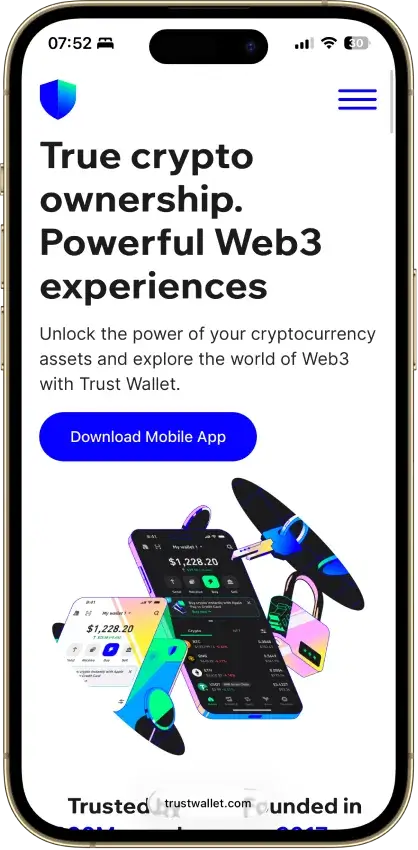
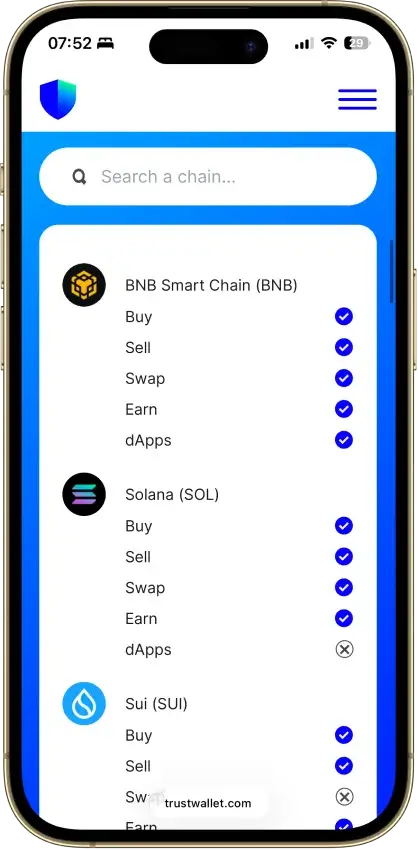
  • Supports millions of assets across 100+ blockchains in one wallet
  • Built-in swaps, staking, NFT support, and dApp access
  • Optional Ledger support through the browser extension
Rank 2
8.0
Hardware wallet
Phone-and-desktop users who sign often enough to care about screen comfort.
iOSAndroidDesktop (Windows)Desktop (macOS)Desktop (Linux)
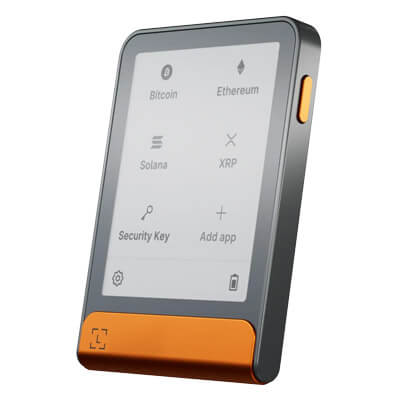
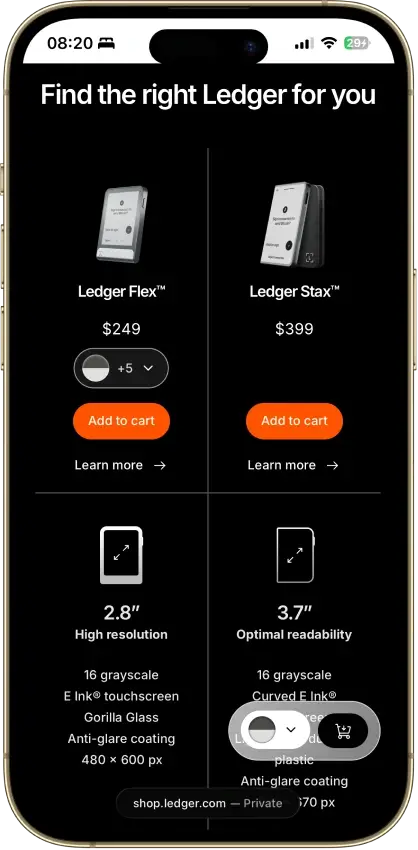
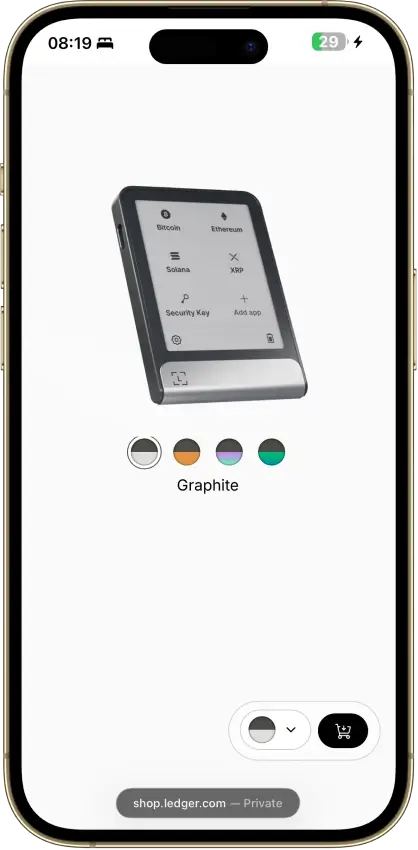
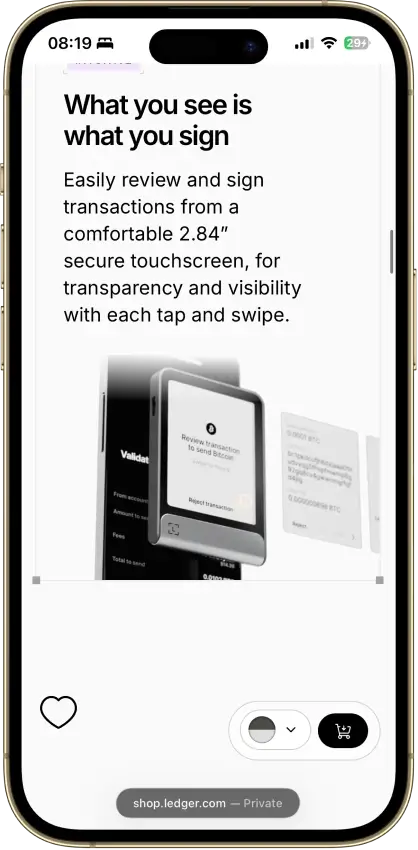
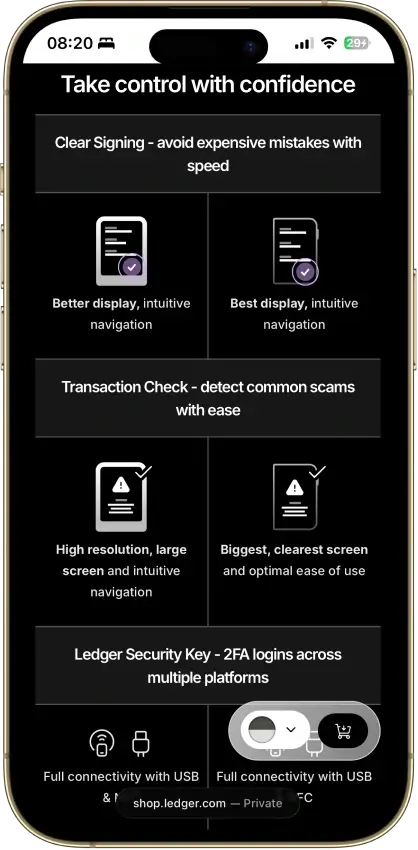
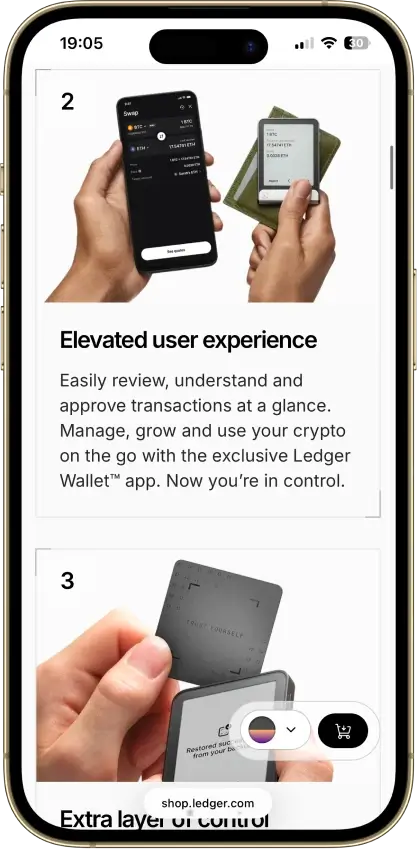
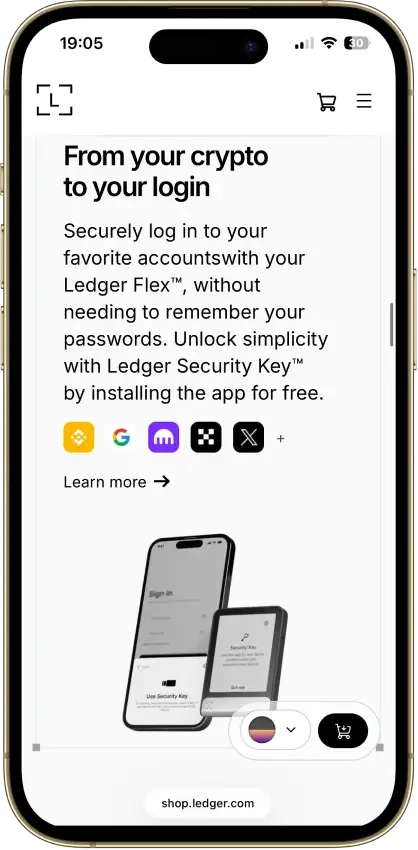
  • Large touchscreen hardware wallet for easier transaction review
  • Bluetooth crypto wallet with strong mobile support
  • Ledger Flex offers premium usability below Stax pricing
Rank 3
7.5
Hardware wallet
iPhone users and people who use both phone and desktop and want a classic hardware wallet.
iOSAndroidDesktop (Windows)Desktop (macOS)Desktop (Linux)
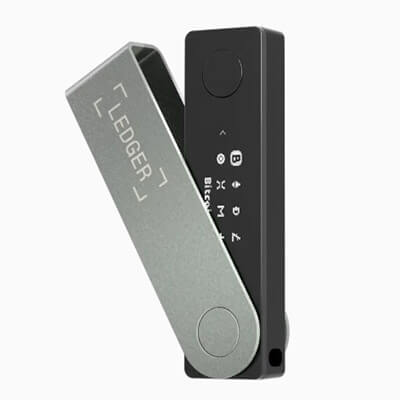
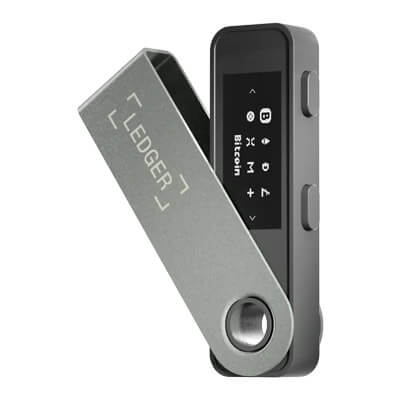
  • Bluetooth hardware wallet that works well with iPhone.
  • Strong support for major coins and common chains.
  • Compact classic Ledger form factor.
Rank 4
7.5
Hardware wallet
iPhone users and people who use both phone and desktop and want a classic hardware wallet.
AndroidDesktop (Windows)Desktop (macOS)Desktop (Linux)
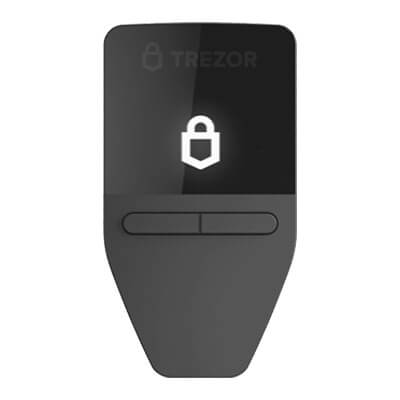
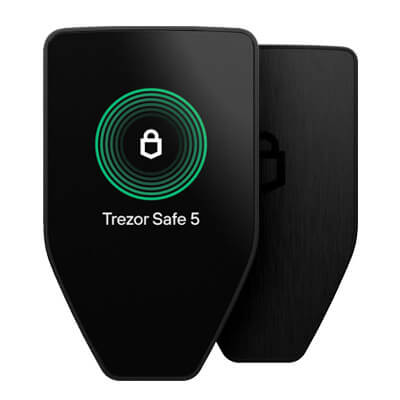
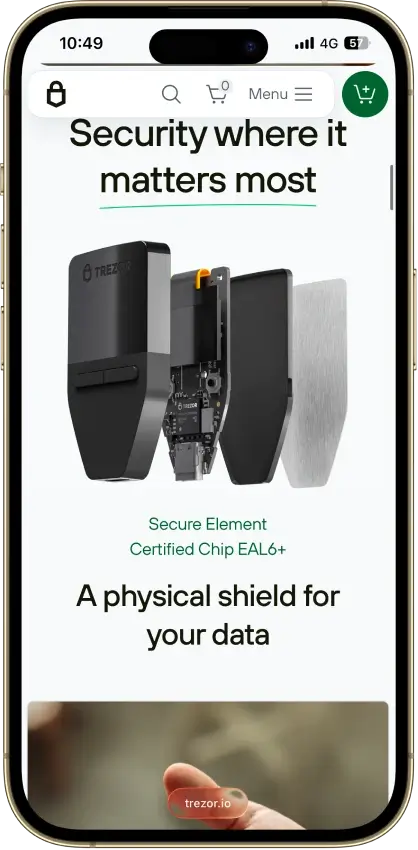
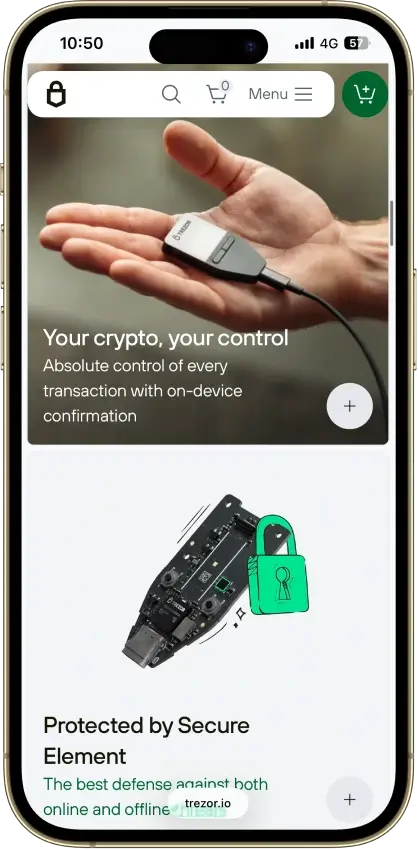
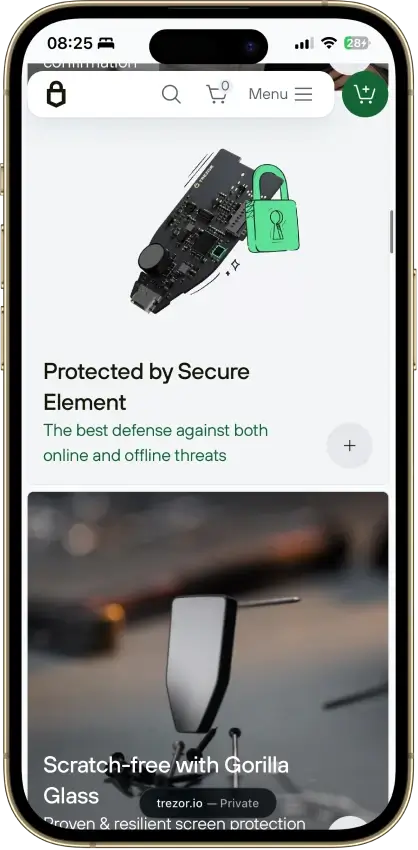
  • Lowest-cost current Trezor with a secure element and on-device approval.
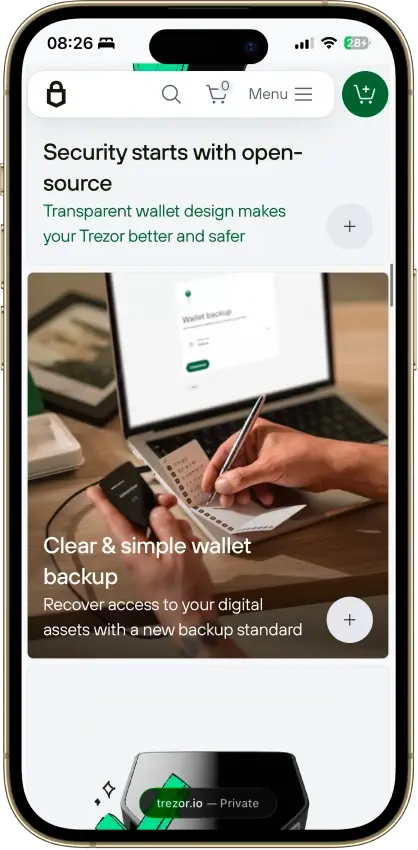
  • Supports 12-, 20-, and 24-word wallet backup formats, including BIP39 and SLIP39. Current Safe 3 units default to a 20-word Single-share Backup.
  • Good desktop and Android fit for long-term self-custody without battery or Bluetooth upkeep.
Rank 5
7.5
Hardware wallet
Desktop or Android users who want a better signing screen without paying Safe 7 money.
iOSAndroidDesktop (Windows)Desktop (macOS)Desktop (Linux)
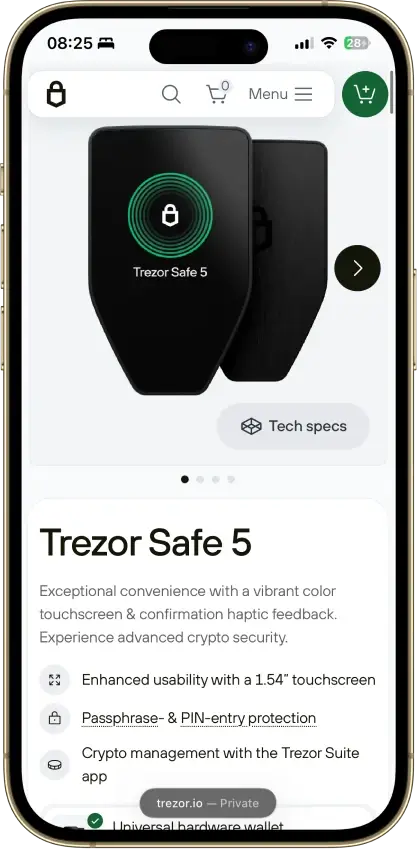
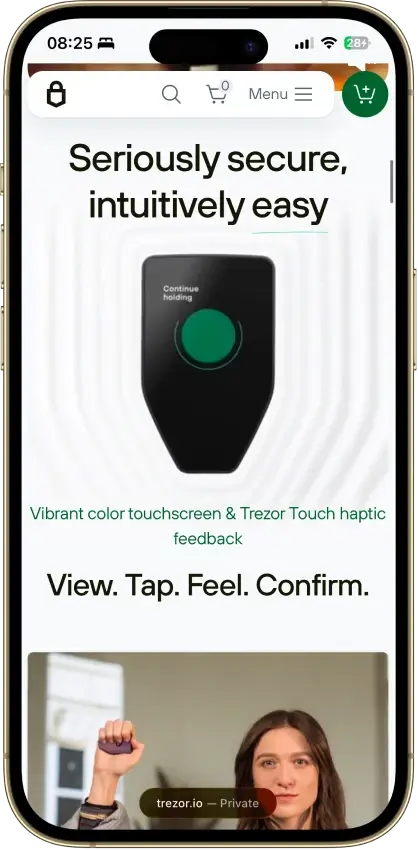
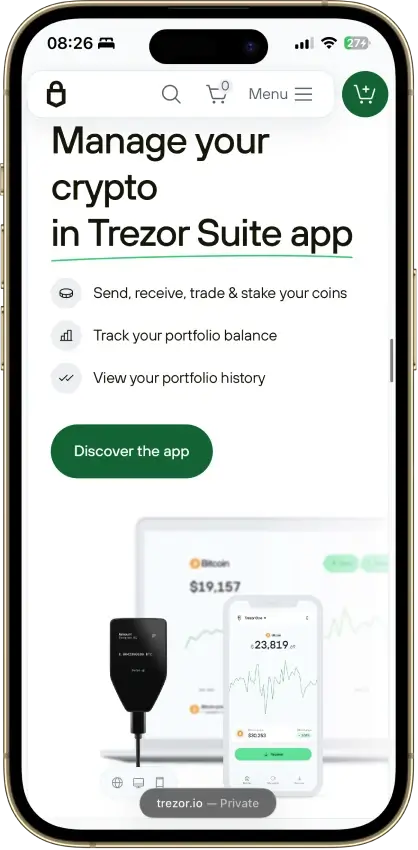
  • Touchscreen crypto wallet with clearer on-device signing than button-only models
  • Flexible 20-word backup with upgrade path to multi-share recovery
  • Strong desktop and Android hardware wallet experience at a mid-tier price point
Rank 6
7.0
Hardware wallet
Desktop-first holders who want broad Ledger asset support without paying for Bluetooth.
AndroidDesktop (Windows)Desktop (macOS)Desktop (Linux)iOSBrowser extension
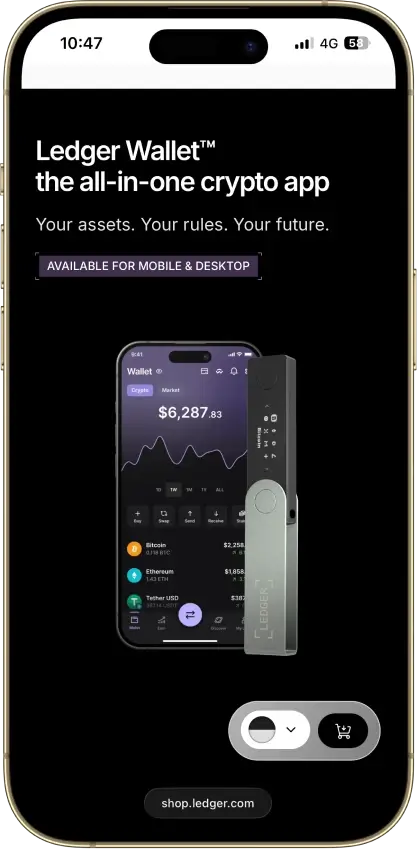
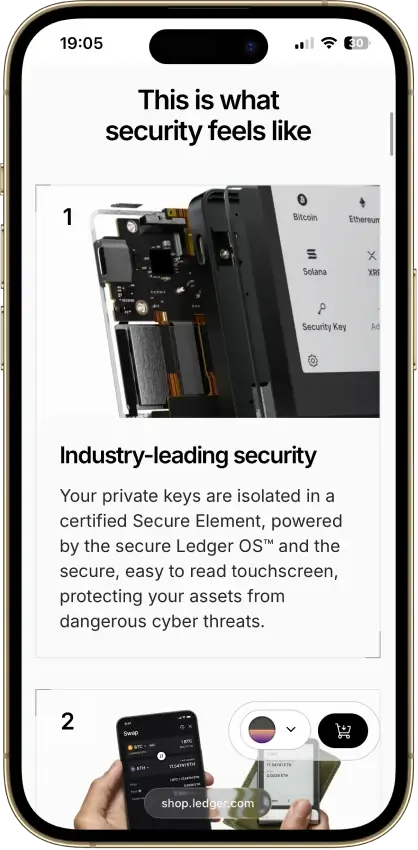
  • Low-cost Ledger hardware wallet for secure self-custody
  • Simple USB-only design with no battery or Bluetooth
  • Broad crypto support with standard 24-word recovery
Rank 7
6.0
Multi-platform wallet
Users who want one clean wallet for daily self-custody, portfolio tracking, swaps, and light web3 activity.
iOSAndroidDesktop (Windows)Desktop (macOS)Desktop (Linux)Browser extension
  • Strong desktop experience for users who want a clearer portfolio view than most mobile-first wallets.
  • Broad everyday feature set, including swaps, staking, NFTs, and web3 access in one interface.
  • Optional hardware-wallet support for users who want safer signing without leaving the Exodus interface.

This shortlist includes both hot wallets and hardware wallets because ADA holders do not all need the same setup. Trust Wallet and Exodus are better choices if you want faster setup, easier everyday access, and a simpler ADA wallet app experience. Ledger and Trezor devices are stronger picks for long-term storage and larger balances.

The comparison table below is the quickest way to narrow the shortlist. It shows how each wallet handles platform coverage, ADA staking, and its main use case. That makes it easier to scan the differences before moving into the more detailed review section.

Comparison Table

NameCustodyBlockchainsHardward SupportStakingFiat On-ramp
Trust Wallet Non-custodial Bitcoin, Ethereum, BNB Smart Chain, Avalanche, Tron, Arbitrum, Base, Optimism, Polygon, Solana Yes Full Yes
Ledger Flex Non-custodial Bitcoin, Polygon, Ethereum, BNB Smart Chain, Avalanche, Tron, Arbitrum, Base, Optimism, Solana No Limited Yes
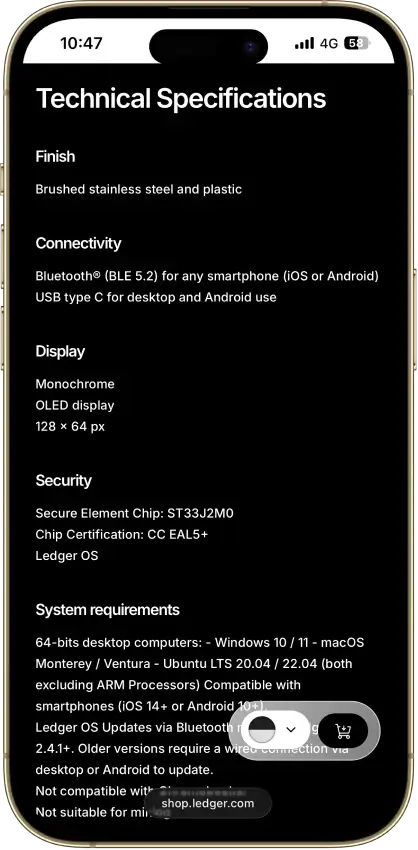
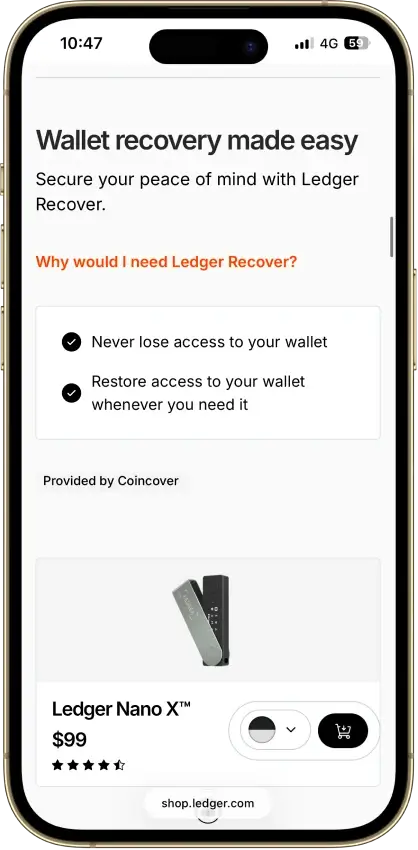
Ledger Nano X Non-custodial Bitcoin, Ethereum, BNB Smart Chain, Avalanche, Tron, Arbitrum, Base, Optimism, Polygon, Solana No Limited No
Trezor Safe 3 Non-custodial Bitcoin, Ethereum, BNB Smart Chain, Avalanche, Arbitrum, Base, Polygon, Optimism, Solana No Limited Yes
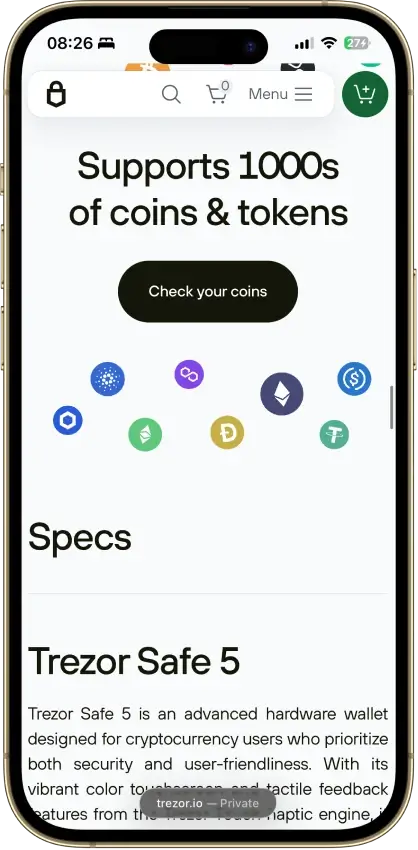
Trezor Safe 5 Non-custodial Bitcoin, Ethereum, BNB Smart Chain, Avalanche, Arbitrum, Base, Optimism, Polygon, Solana No Limited Yes
Ledger Nano S Plus Non-custodial Bitcoin, Ethereum, BNB Smart Chain, Avalanche, Tron, Arbitrum, Base, Optimism, Polygon, Solana No Limited Yes
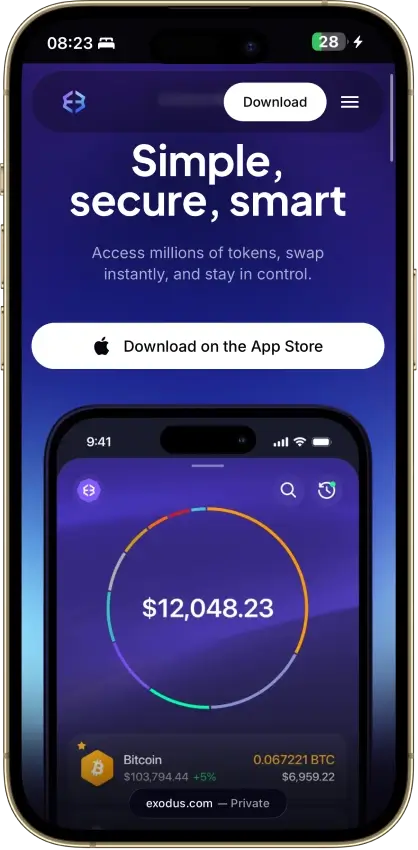
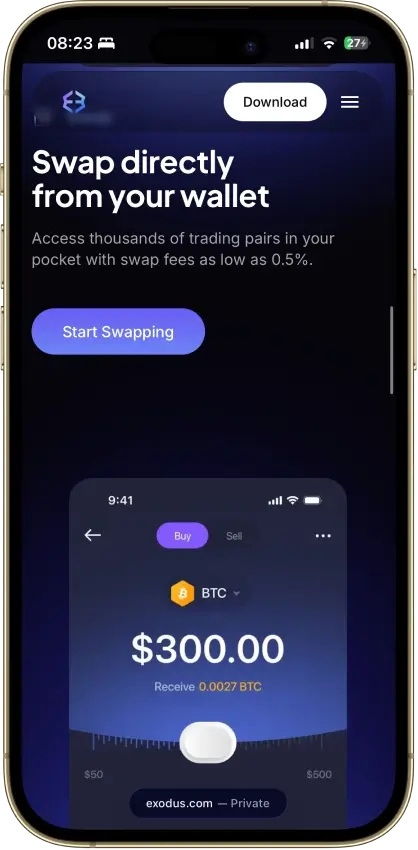
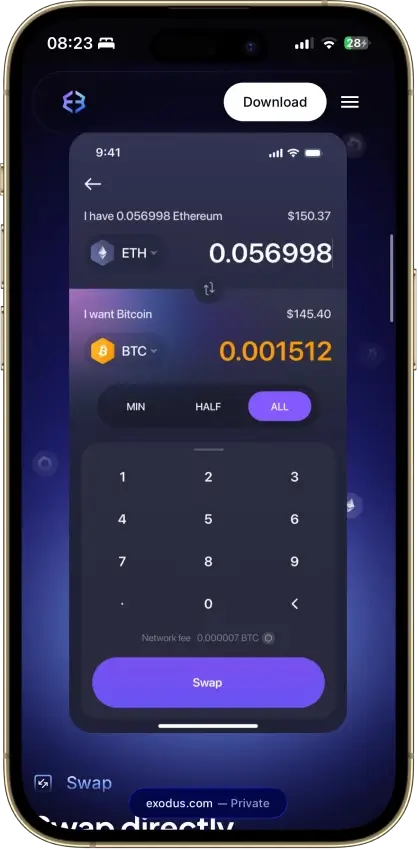
Exodus Non-custodial Bitcoin, Ethereum, BNB Smart Chain, Avalanche, Tron, Arbitrum, Base, Optimism, Polygon, Solana Yes Full Yes

If you want more context on how these shortlisted wallets handle ADA storage, staking, mobile use, and cold-storage security, the next section will break down the strengths and trade-offs of each pick in more detail.

Detailed Reviews

This shortlist covers the main ways people hold and use ADA today. Trust Wallet and Exodus are the more practical options if you want a simple Cardano wallet app with faster access. Ledger and Trezor devices are better suited to long-term storage, stronger key protection, and larger balances.

How We Rated These Cardano Wallets

Before ranking these wallets, we first confirmed that every option in this list supports Cardano. We then applied the same rating criteria CryptoSlate uses across the main crypto-wallets hub. That keeps this page consistent with the rest of our wallet coverage instead of using a separate ADA-only scoring model.

Criterion1.00.50.0
Custody + portabilityCustody is clear and users can migrate or exit without lock-inPortability is only partialCustody is unclear or the wallet is effectively locked-in
Key security model clarityThe wallet clearly explains how keys are protectedSecurity details are only partly explainedNo meaningful disclosure on key protection
Independent security validationPublic audits with scope and date, plus a real bug bounty or disclosure processOnly one of those is presentNeither is present
Recovery qualityRecovery is robust and backup guidance is clearRecovery works, but safeguards or guidance are limitedRecovery is unclear, fragile, or too support-dependent
Scam and Phishing ProtectionThe wallet includes strong phishing warnings, approval controls, and clear risk promptsBasic warnings exist, but protections are limitedNo meaningful scam-resistance features are visible
Incident History and ResponseThe product has a clean recent record or shows transparent fixes and communication after issuesTransparency is only partialRepeated issues with weak disclosure or weak follow-up
dApp connectivity coverageWallet connections are broad, stable, and easy to manageConnectivity exists, but feels limited or inconsistentdApp connectivity is weak or not supported
Signing UX qualityTransaction details, permissions, and approvals are clear and readableSome signing details are visible, but not consistentlySigning prompts are mostly opaque
Smart Account SupportThe wallet offers real smart-account benefits with user control and portabilitySmart-wallet features are partial or unclearNo meaningful smart-wallet functionality
Fiat AccessOn-ramps or off-ramps are practical, transparent, and clearly explainedFiat access exists, but details are limitedFiat functionality is missing or cannot be verified

This keeps the scoring consistent with the rest of CryptoSlate’s wallet coverage while making sure the shortlist itself stays relevant to Cardano holders.

How to Choose the Best Cardano Wallet

The right choice depends on whether you care most about convenience, staking access, mobile use, or stronger long-term protection. A crypto wallet that works well for a beginner may not be the best fit for someone securing a larger ADA portfolio.

If you want faster access, easier setup, and a simpler Cardano wallet app experience, a hot wallet is usually the better choice. Trust Wallet and Exodus fit that role well because they are quicker to install and easier to use on a phone or laptop. If your priority is stronger protection for a larger balance, a hardware wallet is the safer route. Ledger Nano X, Ledger Flex, Trezor Safe 5, Ledger Nano S Plus, and Trezor Safe 3 all fit that role, but signing transactions takes longer.

Device preference matters too. Mobile-first users will usually get more value from Trust Wallet or Exodus. Desktop-leaning users and long-term holders may prefer a hardware wallet with a more deliberate signing flow. The same trade-off applies to staking. Hot wallets tend to make ADA staking feel more immediate and convenient. Hardware wallets are the better fit when cold-storage security matters more than speed.

It also helps to decide whether ADA is your main asset or just one part of a wider crypto portfolio. If you want one wallet for multiple coins, the multi-asset options on this list are often the more practical choice. If you want a wallet that feels more tailored to the broader Cardano ecosystem, you may eventually prefer a more Cardano-native setup. If your main goal is protecting ADA for the long term, a hardware wallet is usually the better fit.

For most users, the best fit is fairly simple. Beginners should start with Trust Wallet or Exodus, active users will usually prefer a flexible hot wallet with easy staking and mobile access, and long-term holders are better served by Ledger or Trezor hardware wallets.

Cardano Staking Wallets

Staking is one of the main reasons people look for a Cardano wallet instead of leaving ADA on an exchange. A good ADA wallet should make it reasonably easy to stake, track rewards, and keep control of your assets while you do it.

WalletStaking fitBest forMain trade-off
Trust WalletEasier software staking optionUsers who want a simple ADA wallet app with faster mobile accessLess device-level protection than hardware wallets
ExodusEasier software staking optionBeginners who want a cleaner desktop-and-mobile experienceLess Cardano-specific than a Cardano-native wallet
Ledger Nano XHardware-backed staking optionUsers who want stronger cold storage with better mobile flexibilitySlower staking flow than a hot wallet
Ledger FlexHardware-backed staking optionUsers who want premium hardware security and a larger screenHigher price
Ledger Nano S PlusHardware-backed staking optionUsers who want lower-cost Ledger protection for ADALess convenient mobile use
Trezor Safe 5Hardware-backed staking optionUsers who want a touchscreen Trezor for long-term ADA storageLess convenient than a hot wallet for frequent staking actions
Trezor Safe 3Hardware-backed staking optionBudget-conscious users who still want hardware-backed ADA storageSimpler device experience

For most users, the choice comes down to convenience versus protection. Trust Wallet and Exodus are the easier picks if you want faster access and a simpler staking flow. Ledger and Trezor devices are better suited to staking a larger ADA balance when stronger long-term security is the priority.

Hot Wallet vs. Hardware Wallet for ADA

If you plan to use ADA regularly, a hot crypto wallet is usually the easier option. It is faster to set up, easier to access from a phone or laptop, and better suited to users who want to send, receive, or stake ADA without extra device steps. That is why Trust Wallet and Exodus are the easier choices for smaller balances, frequent use, and users who value convenience.

A hardware crypto wallet is the better fit when security matters more than speed. Ledger Nano X, Ledger Flex, Ledger Nano S Plus, Trezor Safe 5, and Trezor Safe 3 keep your private keys offline. That makes them a stronger choice for larger ADA balances and long-term storage. The trade-off is that every transaction takes more time because you need to approve actions on the physical device.

WalletTypeBest forMain advantageMain trade-off
Trust WalletHot walletSmaller ADA balances, regular access, easier mobile use, faster stakingQuicker setup and easier day-to-day useMore exposure on an internet-connected device
ExodusHot walletBeginners who want desktop and mobile access in one placeCleaner interface across devicesLess Cardano-specific than a Cardano-native wallet
Ledger Nano XHardware walletMobile-friendly long-term ADA storageOffline key protection with better phone usability than many hardware walletsSmaller screen than premium models
Ledger FlexHardware walletUsers who sign often and want a larger screenEasier transaction review than a two-button deviceHigher price
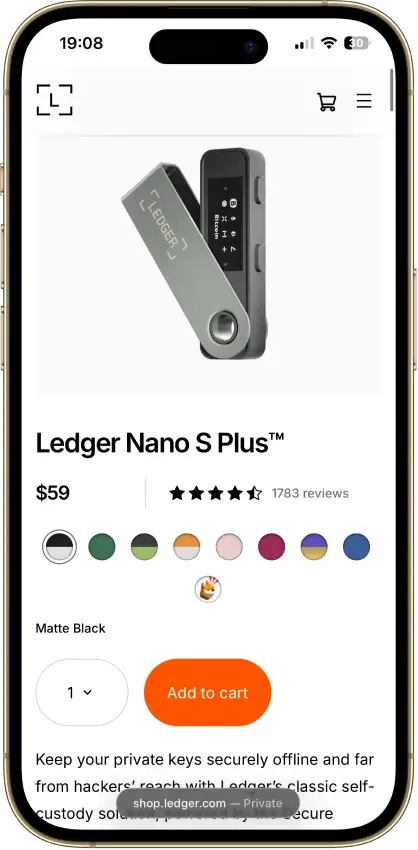
Ledger Nano S PlusHardware walletLower-cost long-term ADA storageStrong cold-storage security at a lower priceNo Bluetooth and less convenient mobile use
Trezor Safe 5Hardware walletTouchscreen self-custody for long-term ADA holdersClearer on-device approval than basic modelsLimited iPhone functionality
Trezor Safe 3Hardware walletBudget-conscious long-term ADA storageStrong core cold-storage protection without premium pricingSmaller screen and simpler device experience

For many users, a hot wallet is enough if they are holding a modest amount of ADA and want easier access. Hardware storage makes more sense when the balance is larger, the holding period is longer, or security is clearly the top priority.

How to Download a Cardano Wallet Safely

Start by choosing the wallet type that matches the way you plan to use ADA. If you want faster access, easier staking, and simpler mobile use, a hot wallet like Trust Wallet or Exodus is usually the better choice. If you are protecting a larger balance or planning to hold for the long term, a hardware wallet like Ledger or Trezor is the safer option.

A safer setup flow looks like this:

  1. Choose whether you want a hot wallet or a hardware wallet before you download anything.
  2. Use only the wallet’s official website or the official App Store or Google Play listing.
  3. Create a new wallet rather than importing one unless you are restoring an existing recovery phrase.
  4. Write down your recovery phrase offline and store it somewhere private and secure.
  5. Send a small ADA test transaction first to confirm that the wallet address and setup are working properly.
  6. Move the rest of your ADA only after the test transaction arrives as expected.

The biggest mistake to avoid is downloading a fake wallet app or clicking a phishing link that imitates the real brand. If the source looks unusual, the URL looks off, or the app listing feels incomplete, stop and verify it before you install anything.

Cardano Wallet Safety and Recovery

Keeping ADA safe usually comes down to a few simple habits. The wallet itself matters, but the way you store your recovery phrase, verify downloads, and move funds matters just as much. Most avoidable problems happen when users rush setup, trust the wrong link, or skip basic checks.

Start with your recovery phrase. Write it down offline and keep it somewhere private and secure. Do not save it in email drafts, cloud notes, screenshots, or chat apps. If you ever restore your wallet on a new phone or computer, enter the phrase only into the wallet’s official setup flow, never into a website, message, or support form.

It also helps to follow a few practical rules every time you use a Cardano wallet:

  • Store your seed phrase offline and keep backup copies away from everyday devices.
  • Download wallet apps only from the official site or official app store listing.
  • Double-check URLs and app names to avoid phishing pages and fake wallet apps.
  • Keep your phone or computer updated and protected with a strong passcode or password.
  • Send a small ADA test transaction before moving a larger balance.
  • Use a hardware wallet for larger long-term holdings when security matters more than convenience.

If you are restoring your wallet on a new device, move slowly and verify everything before sending more ADA. Check that the wallet restores correctly, confirm the receiving address, and make a small test transfer first if needed. The goal is to build a setup you can follow consistently without cutting corners.

FAQ

What is the best Cardano wallet?

Trust Wallet is the best overall Cardano wallet in this shortlist for most users because it combines self-custody, mobile access, and ADA staking in one app.

What is the best wallet to stake ADA?

Trust Wallet and Exodus are the easiest staking picks for most users, while Ledger and Trezor devices are better if you want hardware-backed protection while holding ADA long term.

What is the best ADA hardware wallet?

Ledger Nano X is the best all-around ADA hardware wallet here because it offers strong cold storage and better mobile flexibility than many competing devices.

Is Trust Wallet good for ADA?

Yes. Trust Wallet is a good ADA wallet for users who want a simple Cardano wallet app, self-custody, and easier access to staking from mobile.

Is Exodus a good Cardano wallet?

Yes. Exodus is a strong Cardano wallet for beginners who want a cleaner interface across desktop and mobile, though it is less Cardano-specific than a Cardano-native wallet.

Should you store ADA in a hardware wallet?

If you hold a larger ADA balance or plan to keep it for the long term, a hardware wallet is usually the safer choice because it keeps your private keys offline.

What is the safest way to hold Cardano?

The safest way to hold Cardano is to use a trusted self-custody wallet and back up your recovery phrase offline. You should also verify every download and use a hardware wallet for larger long-term holdings.

What wallet supports Cardano?

All the wallets in this guide support ADA, including Trust Wallet, Exodus, Ledger Nano X, Ledger Flex, Ledger Nano S Plus, Trezor Safe 5, and Trezor Safe 3.