Safety starts with the things users can control, then moves outward into the things the platform should disclose. A safer exchange does not rely on one headline feature. It layers account protection, clearer custody practices, transparent reserve reporting, tighter withdrawal rules, and a legal structure that users can actually understand before they fund an account.
That also means safety is rarely about a single badge or marketing claim. A platform can offer cold storage, publish a reserve snapshot, or hold a license in one jurisdiction and still leave important gaps around recovery, entity mapping, or withdrawals. The stronger exchanges make those gaps smaller and easier to spot.
Account Security Controls
The first line of defense is still the user account. Strong exchanges should support app-based two-factor authentication, passkeys, or hardware security keys rather than relying on SMS alone. Anti-phishing codes, device approvals, session history, and alerts for new logins or withdrawal attempts add another layer because they make suspicious activity easier to catch before funds move.
Withdrawal confirmations matter just as much as login security. Address books, whitelists, extra prompts for large transfers, and short cooling-off periods on newly added addresses can stop fast account drains. An exchange that makes these settings easy to find and easy to turn on is usually in a better place than one that hides them in the background.
Custody And Asset Segregation
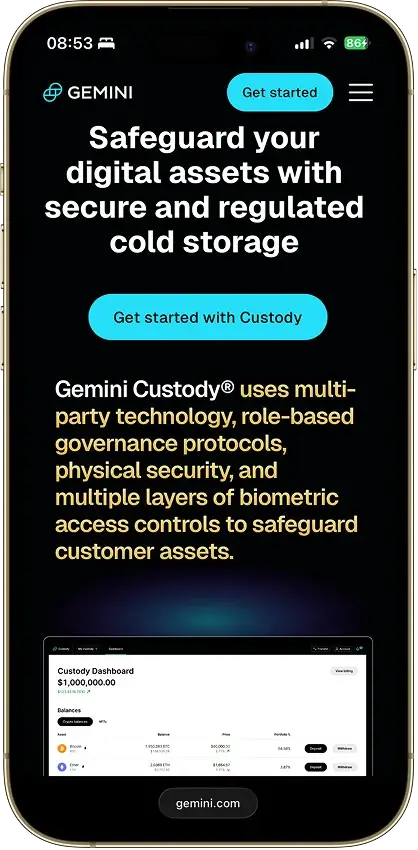
Cold storage claims sound reassuring, but they do not answer the full custody question on their own. Users still need to know how client assets are held, whether customer funds are segregated from operating capital, which custodians or banking partners are involved, and how withdrawals are approved once funds leave colder storage.
Thin custody language is a warning sign. If an exchange says assets are secure but says very little about how funds are ring-fenced, who holds them, or how fiat balances are handled, users are being asked to trust more than they can inspect. Clear partner names, clearer fund segregation language, and a simpler custody structure usually point to a safer setup.
Proof Of Reserves And Transparency
Proof of reserves can be useful, but the details matter. An assets-only snapshot shows that certain wallets held certain balances at a point in time. It does not automatically show whether customer liabilities were included, whether users can verify their own account balance inside the data set, or whether the report is repeated often enough to matter.
The stronger model is broader and easier to test. User-verifiable reserve reports, liability inclusion, recurring publication, and plain-language documentation give a much clearer picture than one-off attestations or branded dashboards with little explanation. Transparency also extends beyond proof of reserves. Status pages, incident reports, security documentation, and clearer company disclosures all belong in the same trust stack.
Regulatory Posture And Legal Clarity
A license matters, but the question is where it sits and what it actually covers. Some exchanges highlight a registration in one jurisdiction while serving users through a different entity, different terms, or a narrower local product set. A safer exchange makes it clear which company serves which region, what products are available there, and what local restrictions apply.
That clarity matters more than broad marketing language. Users should be able to tell whether spot trading, staking, derivatives, or card features are available under the entity that holds their account. When that map is blurry, the practical safety picture gets weaker even if the brand itself is large.
Withdrawal Protections And Incident Response
Depositing is easy on almost every exchange. Withdrawals are where the real safeguards show up. Address whitelists, delays on newly added withdrawal destinations, review holds after password or device changes, and visible transaction history all reduce the chance that compromised accounts turn into immediate losses.
Incident response matters too. A safer exchange communicates clearly when systems go down, when withdrawals are delayed, and when security settings have changed. Public status pages, archived incident logs, and follow-up explanations are all stronger signals than silence during a problem. Users should not have to guess whether a delay is normal, technical, or risk-related.
Mobile And Device Safety
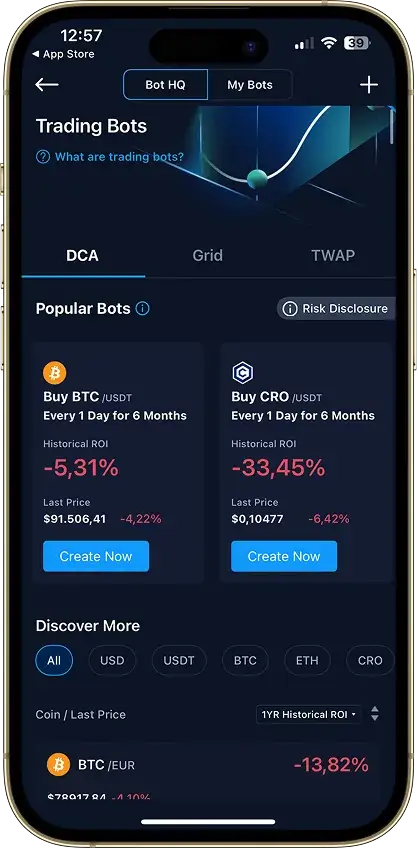
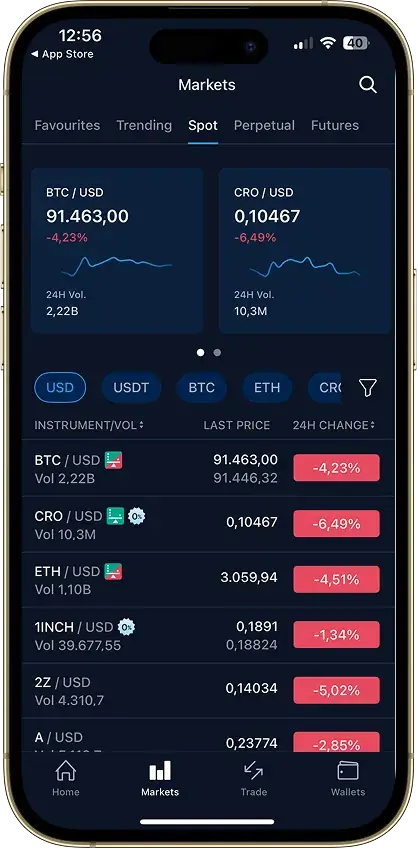
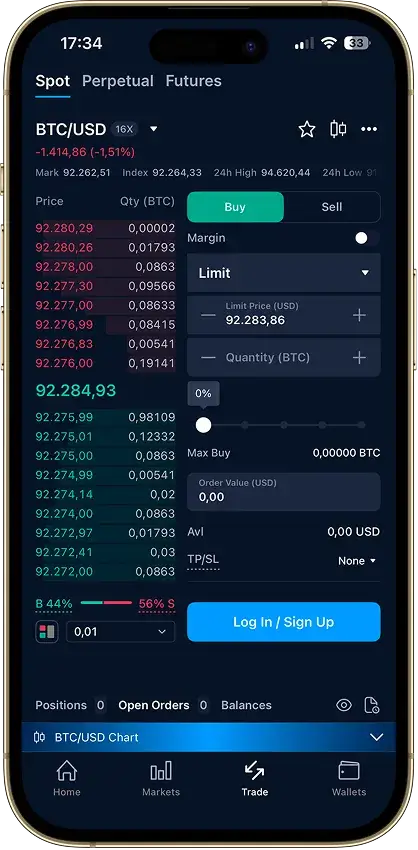
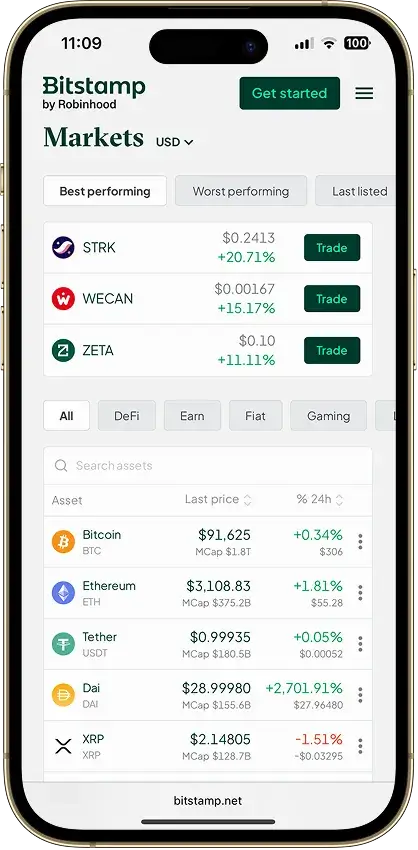
A mobile app is only as safe as the path used to install and secure it. Official app stores, verified developer names, biometric unlock, passkey support, and device-level prompts for logins or transfers all reduce common fraud paths. Push alerts for sign-ins, password changes, and withdrawals are especially useful because they shrink the time between a suspicious action and a user response.
Fake apps, cloned websites, and phishing links still cause avoidable losses. That is why app safety is not just about polish or speed. Users should install exchange apps only from official stores, bookmark the real website, and review active devices and sessions regularly. A safer mobile experience gives users those controls without making them dig for them.