The right platform does more than list a lot of coins. It has to keep trading costs low enough to matter, handle fast entries and exits cleanly, and fit the way you actually move capital. The platform needs to keep working cleanly once orders, alerts, and exits start happening fast.
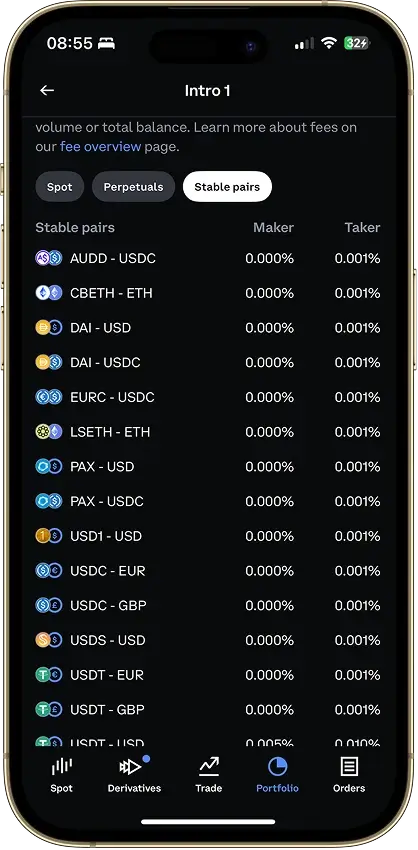
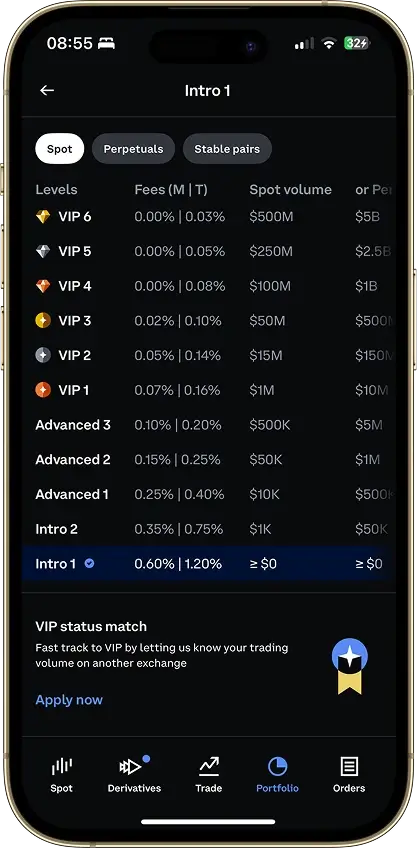
Real Trading Costs, Not Just Headline Fees
The posted maker-taker fee is only part of the bill. Many traders also run into instant-buy spreads, funding costs on perpetuals, conversion fees when moving between fiat and stablecoins, and network fees when they move assets off-platform. Those extra costs can erase the edge from a setup that looked good on paper.
That is why the cheapest platform is not always the one with the lowest advertised fee. A venue with tighter spreads and better execution can beat a lower-fee rival once real fills are involved. On DEXs, the same logic applies through routing quality, pool depth, and gas costs.
Liquidity, Order-Book Depth, And Slippage
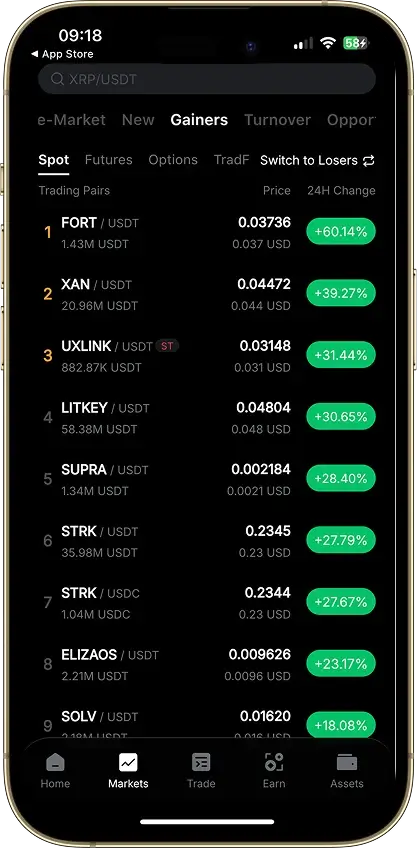
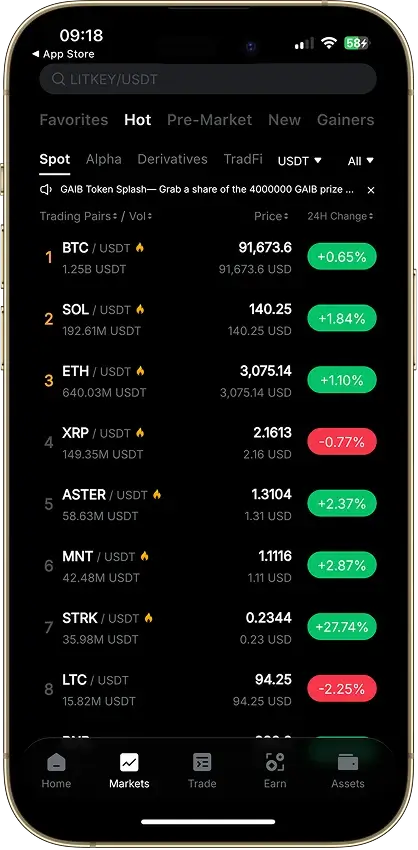
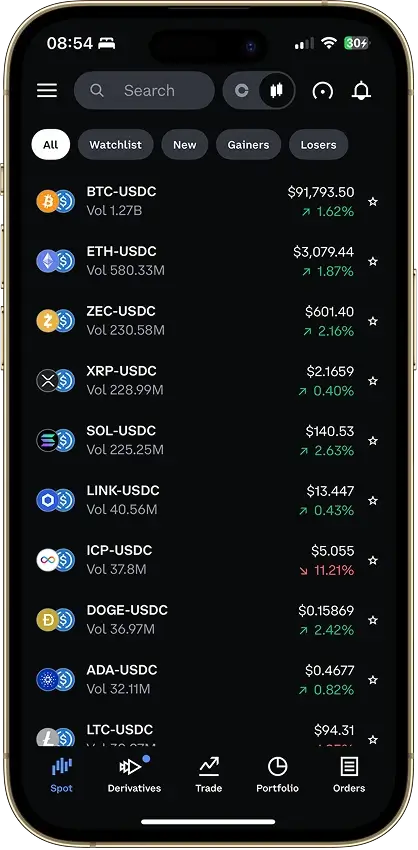
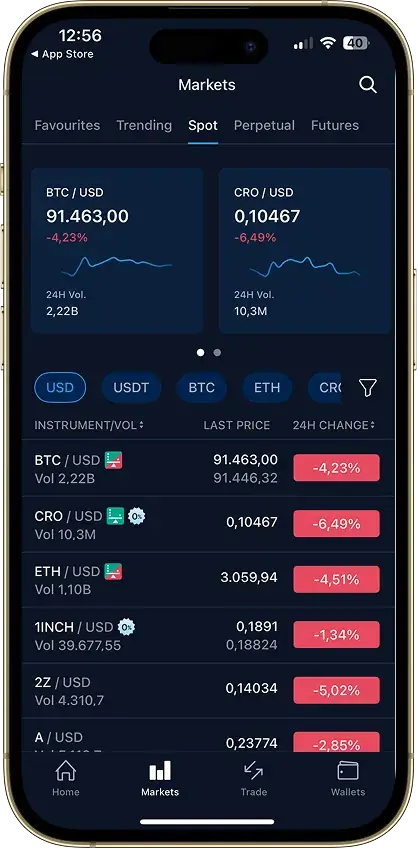
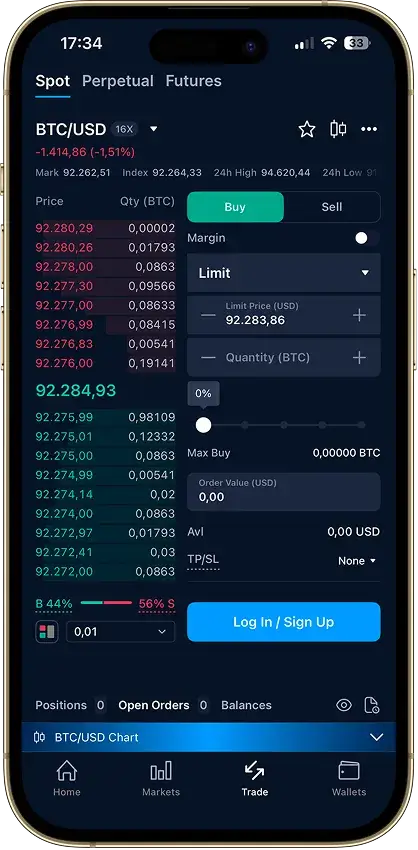
A large asset list looks good in a comparison table. It matters far less than whether the pair you trade is actually liquid. Thin books, wide spreads, and weak depth create slippage fast, especially when markets start moving.
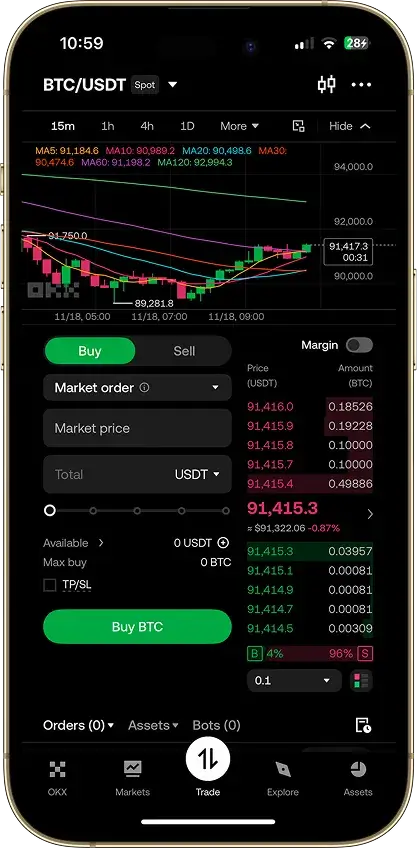
A platform earns its place here when it keeps major pairs tradeable even during fast sessions. If the book is deep, fills stay cleaner and stop-losses behave more predictably. If it is thin, the trade can go bad before the setup has a chance to work. That matters even more once order size rises into territory where OTC crypto desks start to compete with screen liquidity.
Order Types And Charting Tools
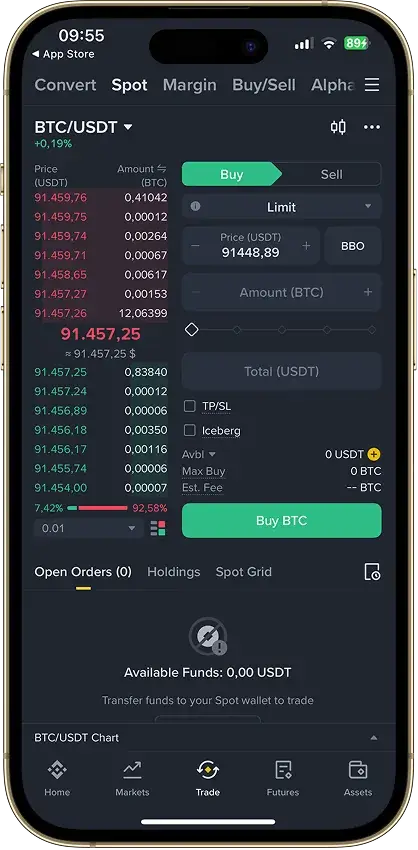
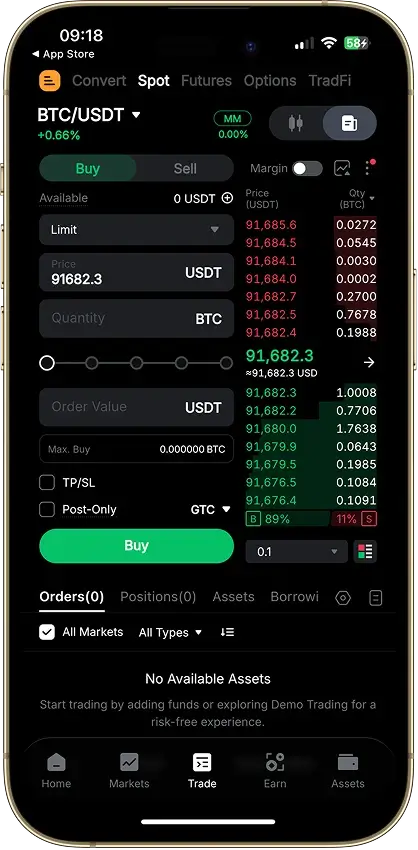
Day traders need more than a buy and sell button. Limit orders, stop orders, take-profit and stop-loss controls, reduce-only execution, and conditional setups like OCO can all change how a trade is managed. Those tools matter more once size increases or the trade plan gets more precise.
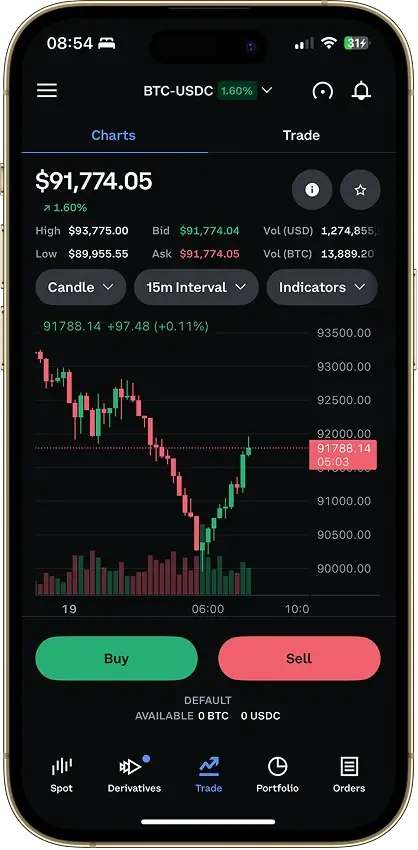
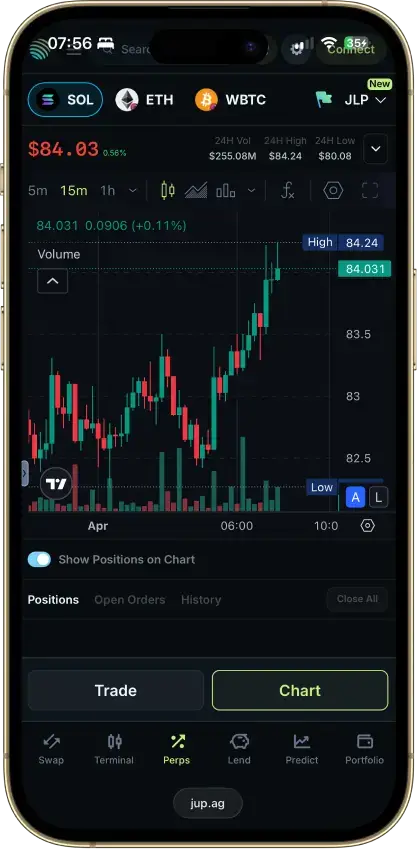
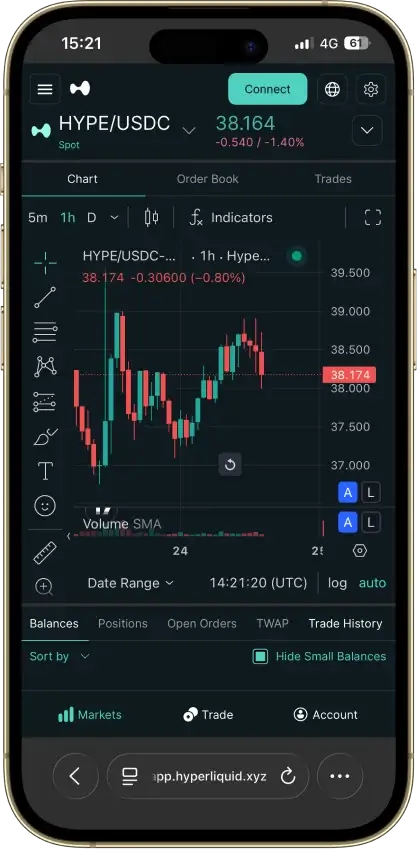
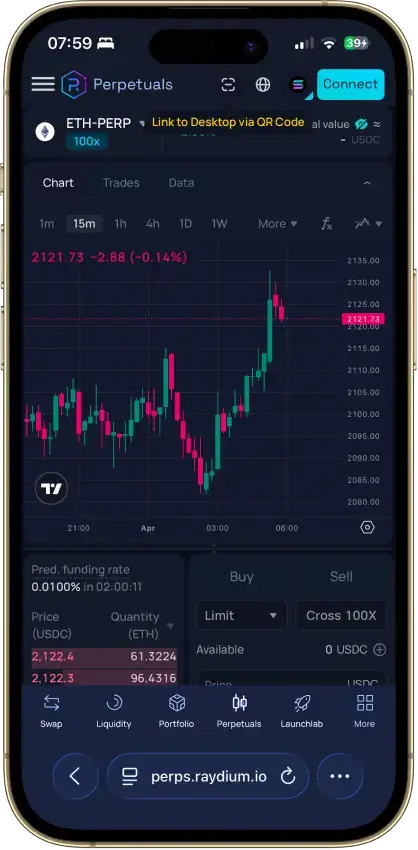
Charting quality matters too. A clean TradingView-style layout, visible order-book data, and fast toggling between pairs save time when the market is moving. Weak charting can force traders into external tools, which slows the workflow and adds friction.
App Speed And Execution Workflow
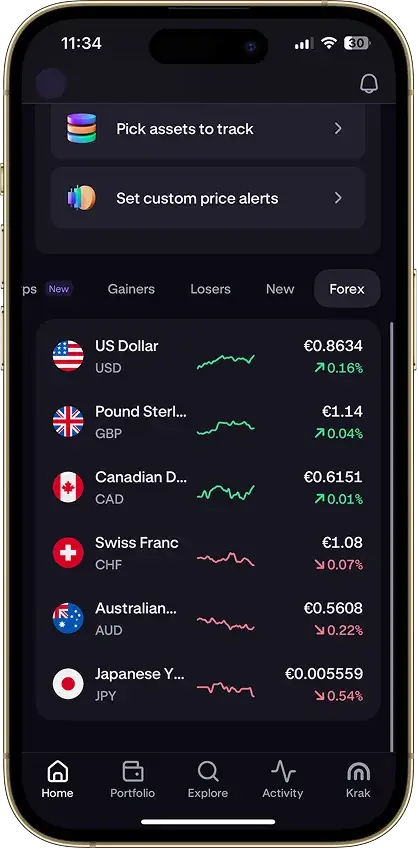
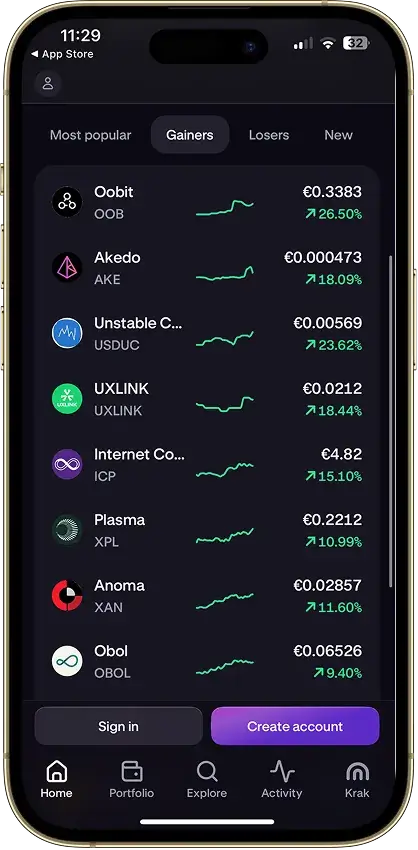
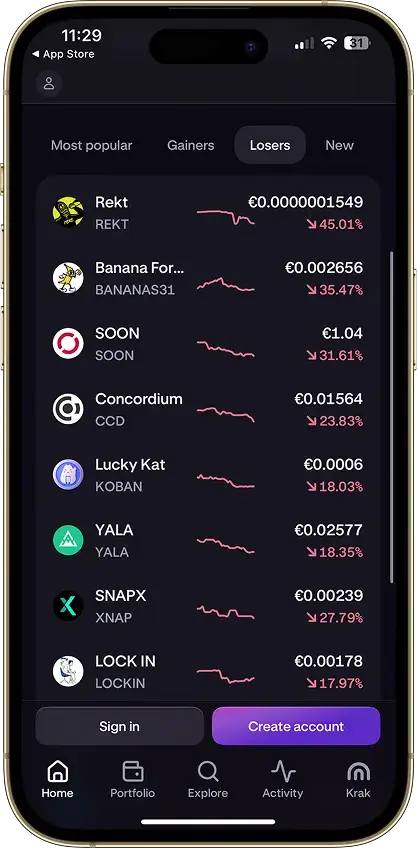
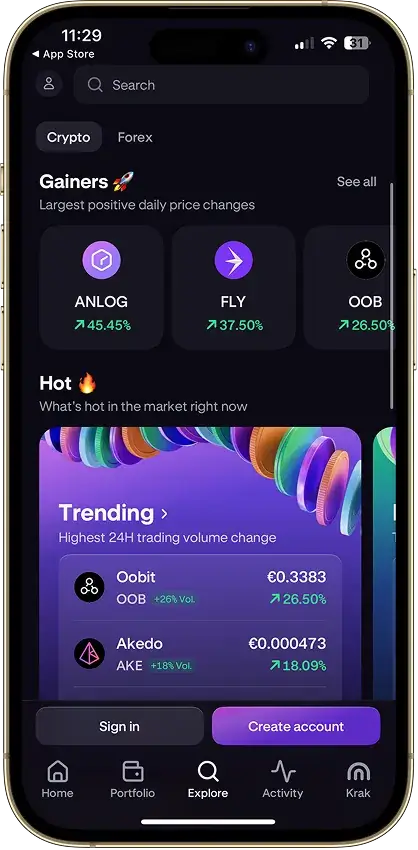
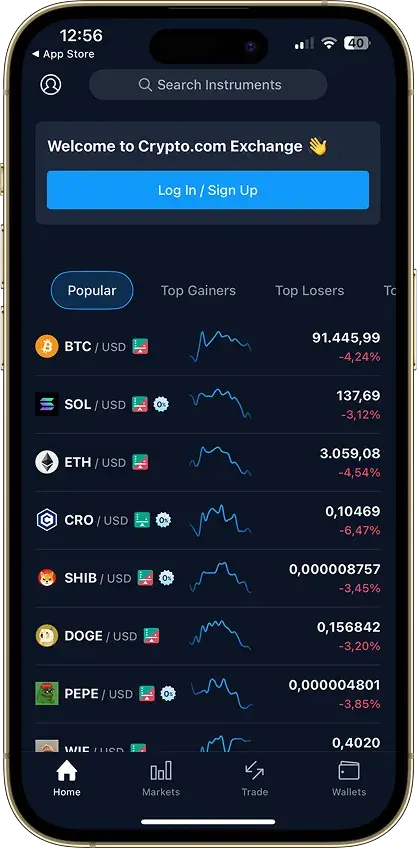
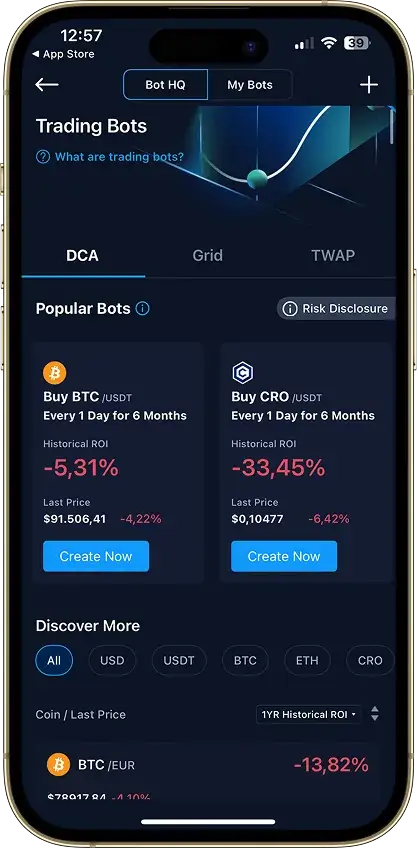
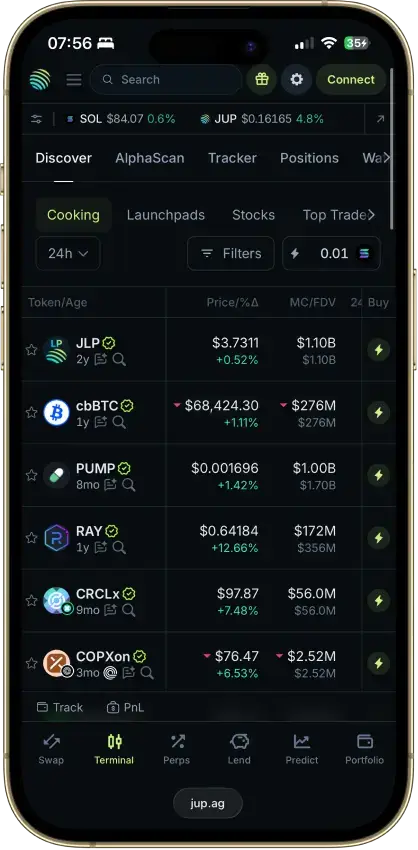
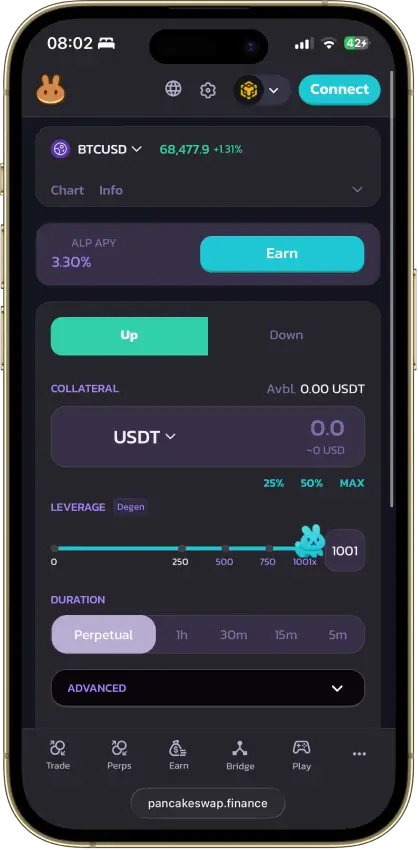
Desktop still matters, but mobile execution can decide whether a platform is actually usable day to day. A strong app needs fast order entry, clear open-position tracking, stable alerts, and enough charting depth to manage a trade without opening a laptop.
Some platforms market themselves as mobile friendly but still hide advanced controls behind the desktop interface. Others keep most of the core workflow available on the phone. That difference matters when a market moves hard and the trade needs quick attention.
Deposits, Withdrawals, And Regional Access
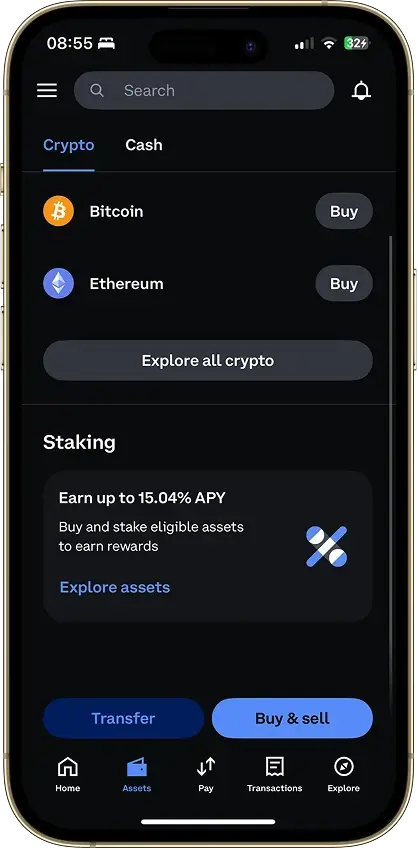
The best setup on paper is useless if funding the account is awkward or product access is blocked where you live. Bank rails, card support, stablecoin deposits, and same-day withdrawals all affect how quickly a trader can put capital to work or de-risk after a session.
Regional access matters just as much. Some platforms offer spot globally but restrict perps, options, margin, or copy trading by country or state. U.S. traders feel this more than most. A platform should be judged on the products it actually makes available in the trader’s jurisdiction, not on its broadest global menu.
Security, Transparency, And Custody Trade-Offs
Centralized exchanges and self-custody venues solve different problems. A regulated custodial platform can offer smoother fiat funding, cleaner account recovery, and more familiar support. A wallet-based venue gives the trader direct control of assets and faster access to onchain markets.
Neither route is automatically better. Custodial platforms add counterparty risk and require trust in the exchange’s controls. Self-custody removes that layer, but puts more responsibility on the trader to secure the wallet, check approvals, and avoid operational mistakes.
DEX-Specific Friction
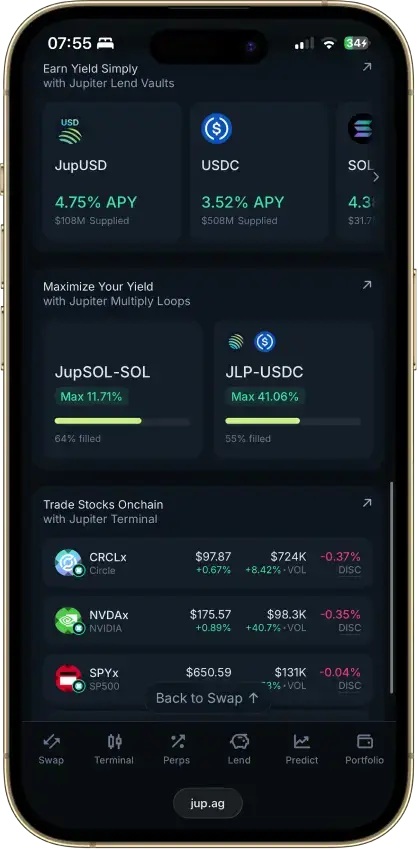
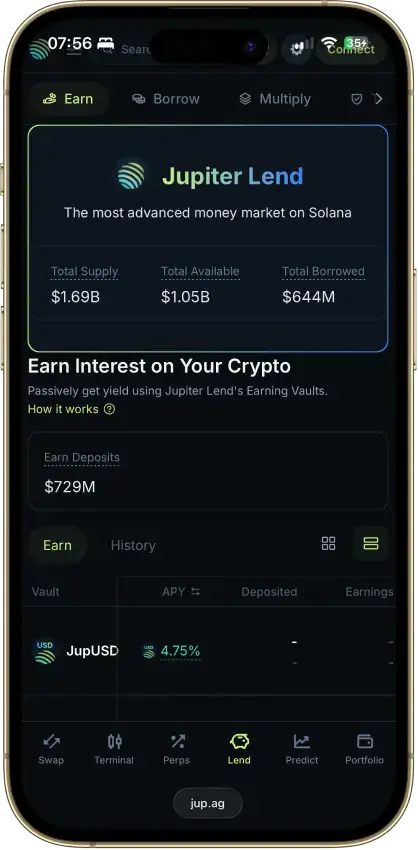
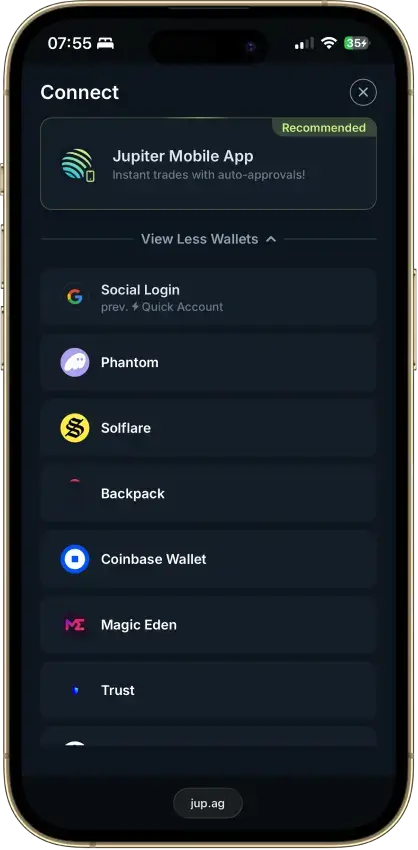
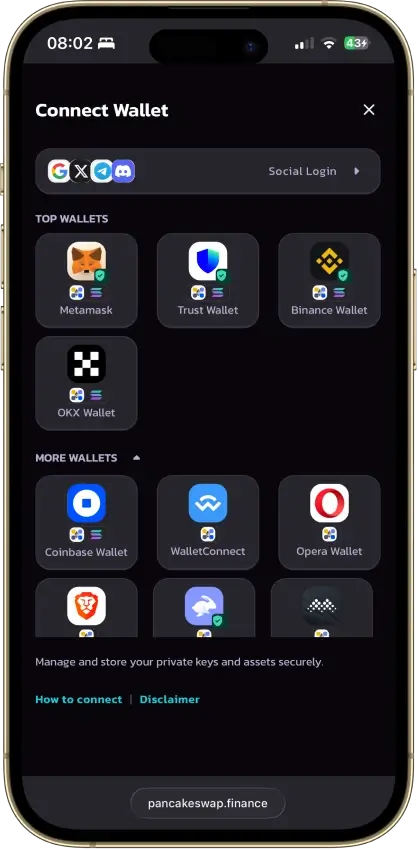
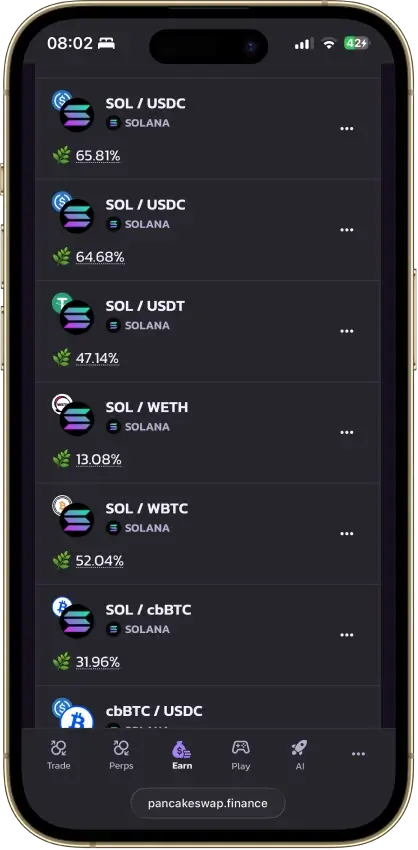
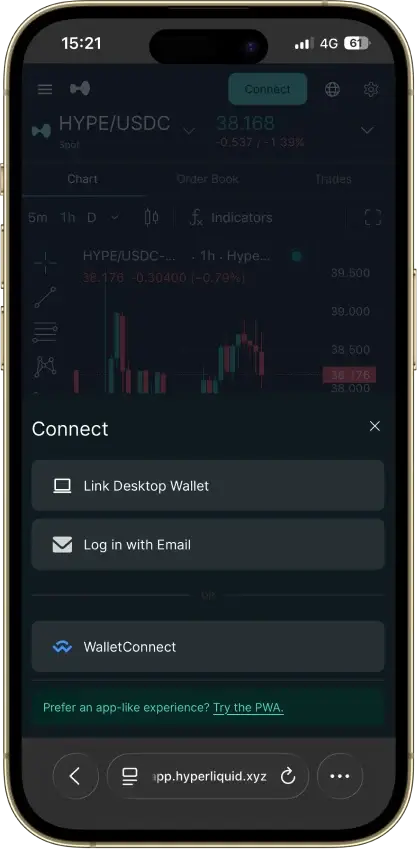
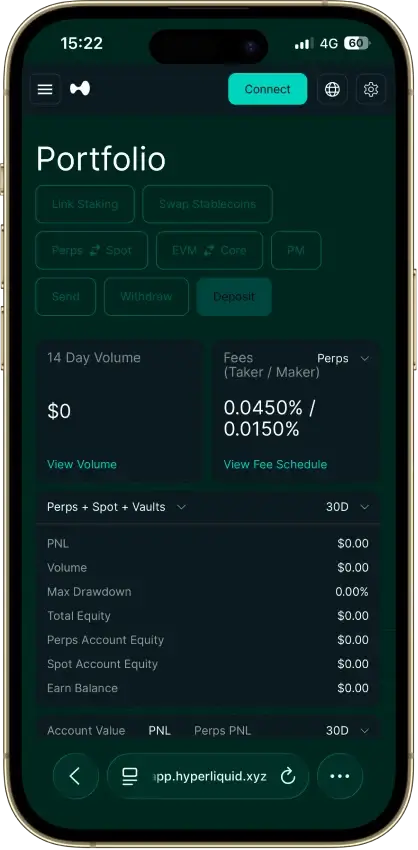
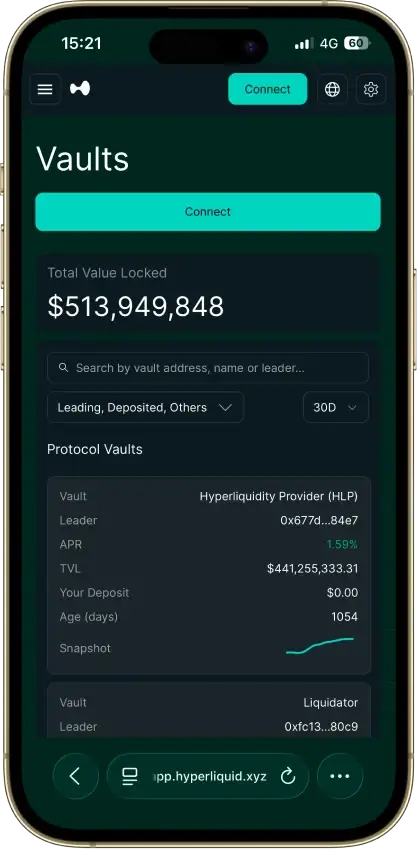
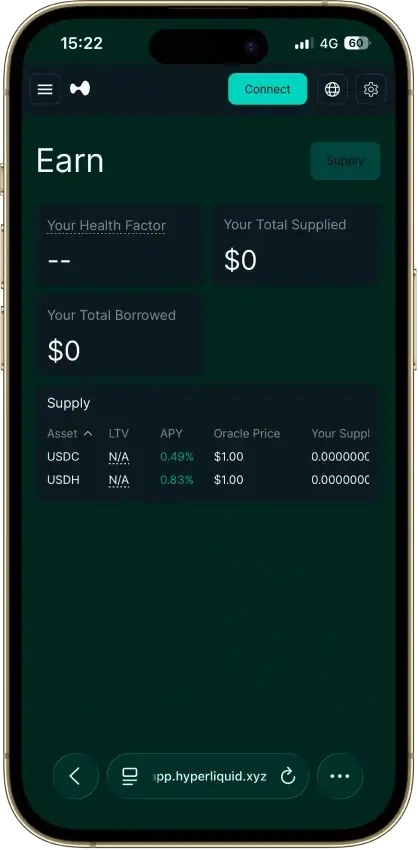
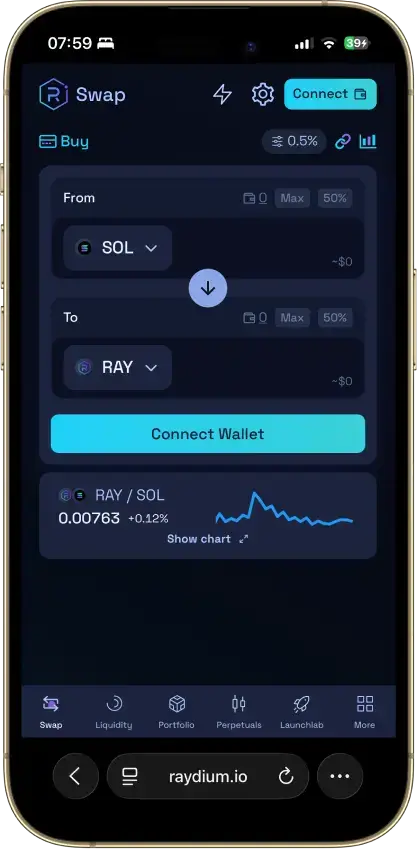
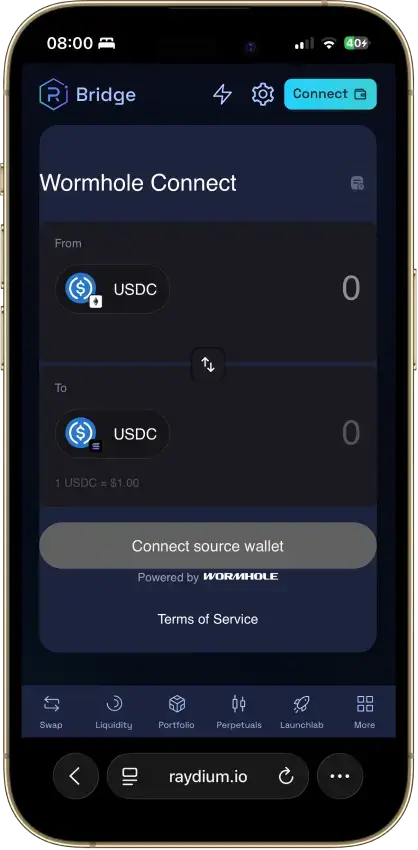
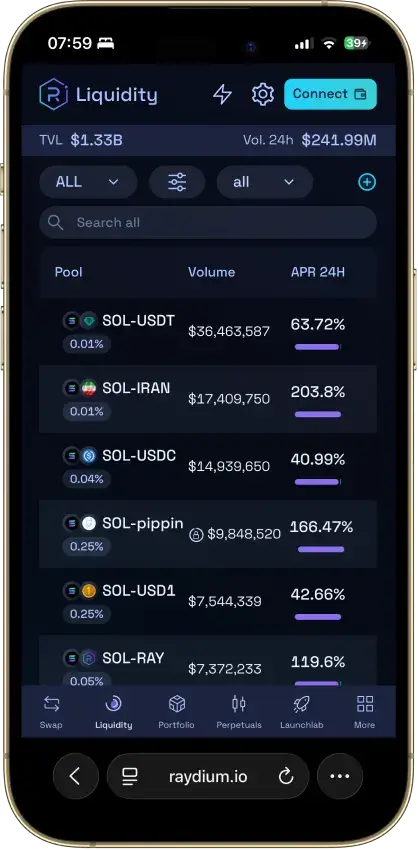
Onchain trading can be fast and flexible, but the workflow is less forgiving. Wallet connection, chain selection, bridge routes, gas costs, and signature flow all add steps that do not exist on a typical CEX. Routing can also change between trades, which makes execution less predictable for anyone who is not already comfortable with the chain.
MEV exposure, failed transactions, and route quality also belong in the decision. A DEX that looks cheap on the surface can still deliver poor results if the route is weak or the trade size is large relative to pool depth. That is why wallet-first traders should judge a DEX by execution quality and chain fit, not just by token access. The broader universe of decentralized exchanges makes that gap even clearer, and Uniswap’s routing model is a useful benchmark for how wallet-first execution differs from a custodial exchange workflow.