
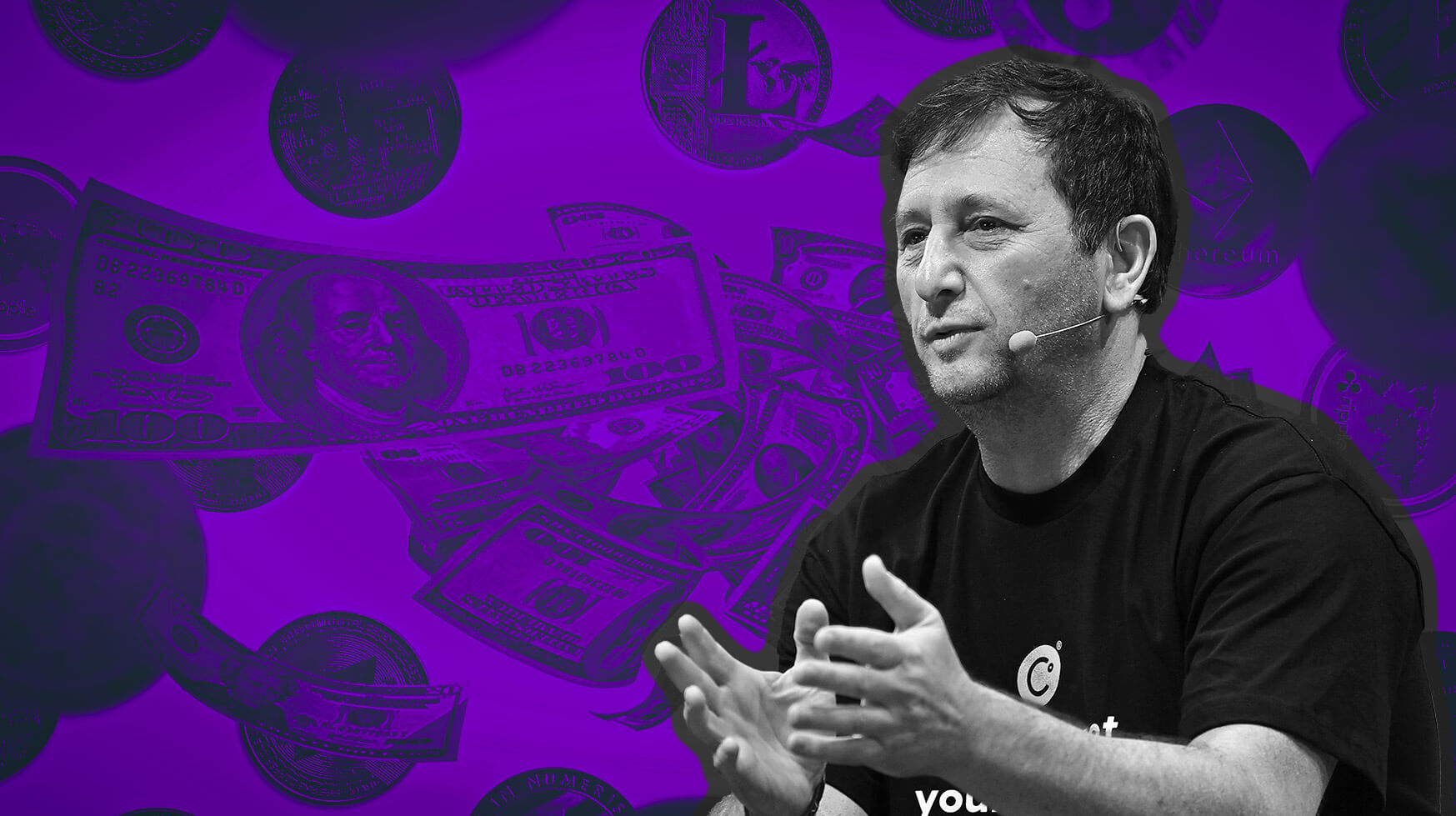


A federal court in New York issued a Post-Indictment Restraining Order against Alexander Mashinsky, former CEO of the bankrupt cryptocurrency lender Celsius Network, on August 16, 2023, freezing his assets and prohibiting any transactions.
The order became public knowledge on September 5, when select documents revealing the asset freeze were unsealed.
The restraining order, which included several bank accounts and real estate owned by Mashinsky or entities under his control, is part of an ongoing investigation into the alleged misconduct by the former CEO and his company. According to filings, the court found probable cause that the property of Mashinsky, which is now under restraint and subject to forfeiture, is involved in the proceeds of securities fraud, wire fraud, market manipulation, and money laundering.
This development follows a chain of events that began in July 2023 when Mashinsky was arrested on charges of fraud brought by the U.S. Securities and Exchange Commission (SEC), accusing Mashinsky and Celsius of misleading investors and manipulating the price of Celsius's own crypto token, CEL.
Fall from grace
Formerly a successful crypto lending platform, Celsius faced its downfall when it filed for bankruptcy last year amid a market downturn that led to the collapse of several other crypto-related firms. Celsius was authorized by the bankruptcy court in July 2023 to convert its altcoin holdings into Bitcoin (BTC) and Ethereum (ETH) as part of its efforts to stabilize its financial situation.
Mashinksky, for his part, has “vehemently” denied the allegations leveled against him. Following his arrest and subsequent release on a $40 million bail, Mashinsky's legal representative, Jonathan Ohring, stated to the media that his client categorically rejects all charges. Asserting his innocence, Mashinsky plans to confront these accusations in court and intends to “vigorously” defend his reputation and the legacy of his contributions to the crypto sector.
Mashinsky's arrest and the subsequent freezing of his assets coincide with an intensified crackdown on fraud in the crypto industry by regulators and law enforcement agencies. This crackdown comes in response to high-profile collapses in the sector and growing public concern about the adequacy of laws and regulatory oversight, as reported by CryptoSlate.
Mentioned in this article


Editorial credits

Jacob Oliver is a recovering academic and English teacher turned crypto journalist and web3 writer. He holds a Ph.D. from the University of Washington.

CryptoSlate is a comprehensive and contextualized source for crypto news, insights, and data. Focusing on Bitcoin, macro, DeFi and AI.
Related coverage
CryptoSlate may use AI tools to support research, editing, and production workflows. Our journalism remains human-led, with our editorial team responsible for every published article. Read our full AI usage disclaimer.
Our writers' opinions are solely their own and do not reflect the opinion of CryptoSlate. None of the information you read on CryptoSlate should be taken as investment advice, nor does CryptoSlate endorse any project that may be mentioned or linked to in this article.
Buying and trading cryptocurrencies should be considered a high-risk activity. Please do your own due diligence before taking any action related to content within this article. Finally, CryptoSlate takes no responsibility should you lose money trading cryptocurrencies. For more information, see our company disclaimers.
