Best Crypto Cards (March 2026)

Compare the best crypto cards for spending, rewards, virtual access, and everyday use.

Updated Mar. 19, 2026
Reviews in this list 8
Trusted Reviews Editorially curated & independently checked
Awaiting curator Our editorial team is assigning an expert.
Fact check in progress A fact-checker will be assigned shortly.
Affiliate Disclosure

Disclaimer: CryptoSlate may receive a commission when you click links on our site and make a purchase or complete an action with a third party. This does not influence our editorial independence, reviews, or ratings, and we always aim to provide accurate, transparent information to our readers.

There are dozens of crypto cards in the market now, and picking the right one makes a real difference.

These cards run on Visa or Mastercard, converting crypto to fiat before the transaction settles. That means you can spend at virtually any merchant that accepts card payments, no crypto-native infrastructure required.

The best cards go further. Flat-rate cashback, token rewards, travel perks, and instant virtual access have become genuine selling points. Some cards let you earn while you spend; others prioritize low spreads and minimal fees so more of your money stays in your pocket.

But they come with some downsides too. Cashback tiers often require staking a native token. Conversion spreads vary. Spending limits and supported countries differ enough to rule out certain cards depending on where you are.

Below, we compare the best crypto cards on rewards, fees, spreads, and usability to help you find the right one.

Rank
Name
Rating
Key Advantages
Secure Link
Rank 1
8.5
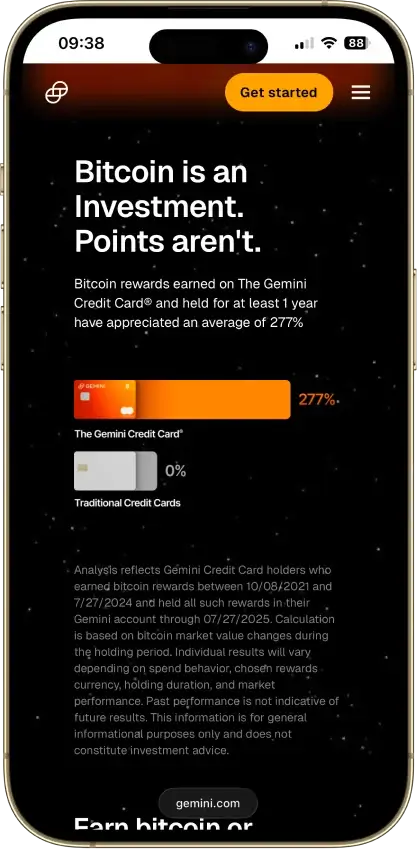
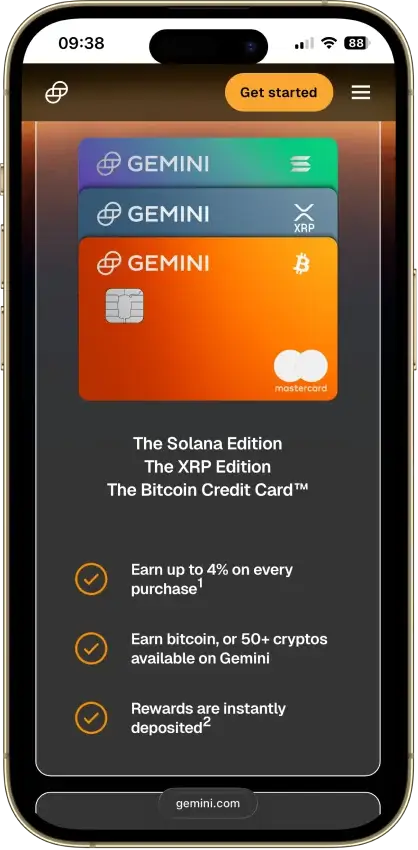
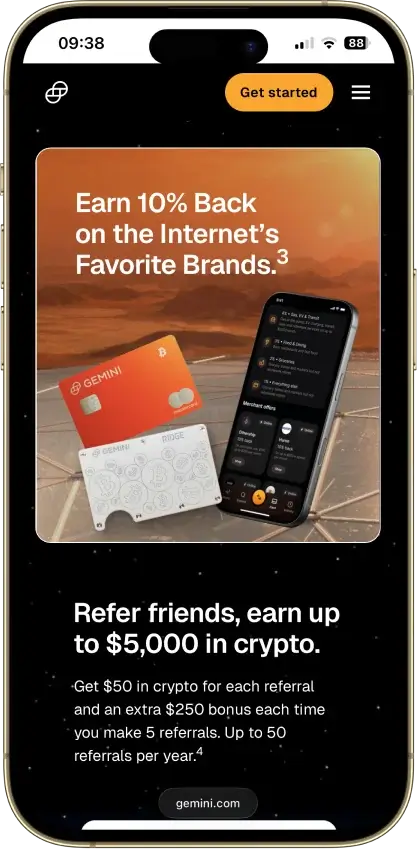
  • Instant crypto rewards on every purchase — no waiting for statement close
  • Up to 4% back with no annual fee or foreign transaction fees
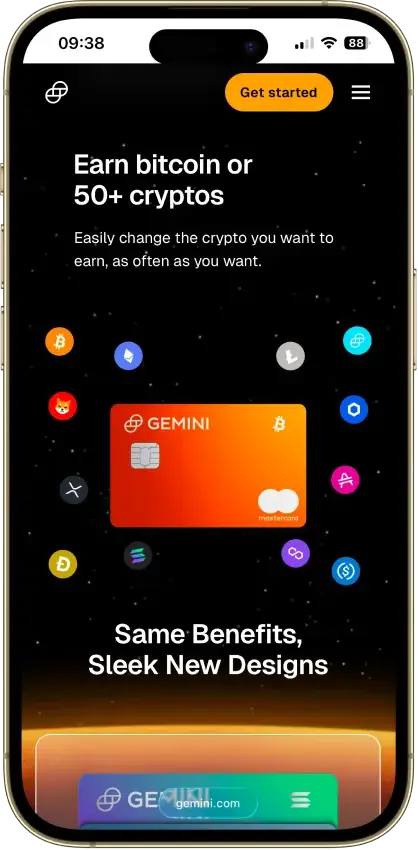
  • Choose from 50+ cryptocurrencies and switch reward asset anytime
Rank 2
7.5
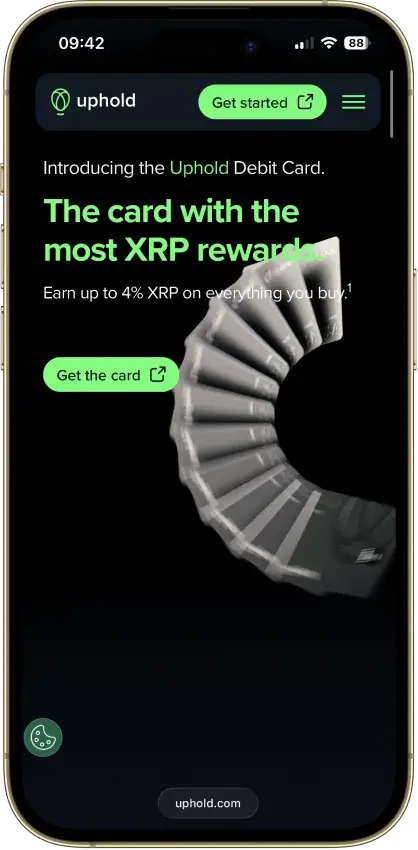
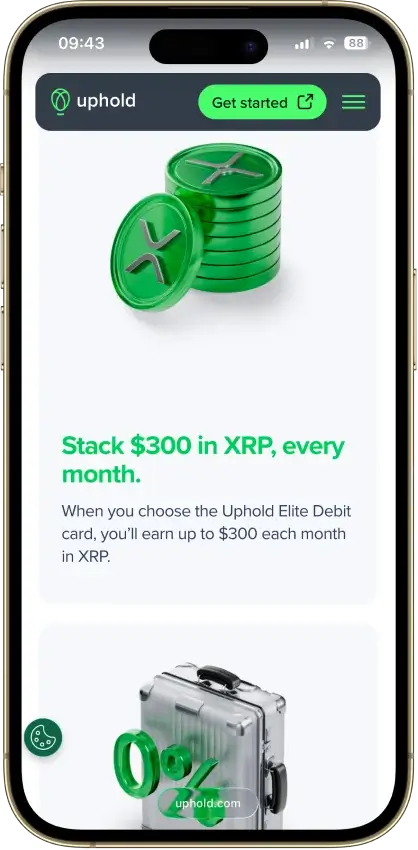
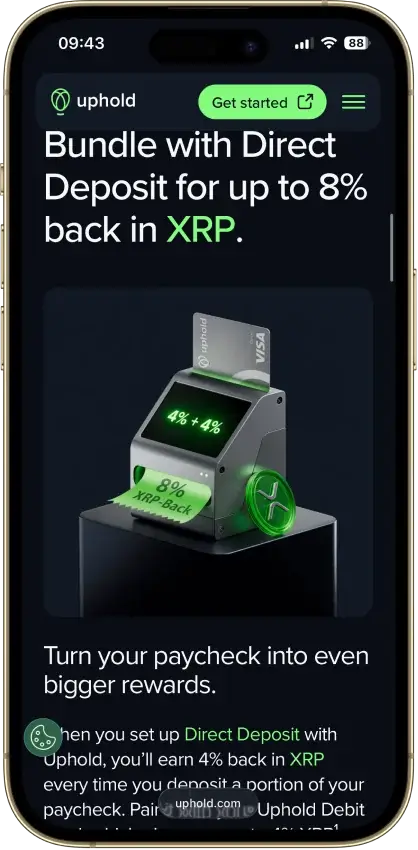
  • Up to 4% back in XRP (U.S.).
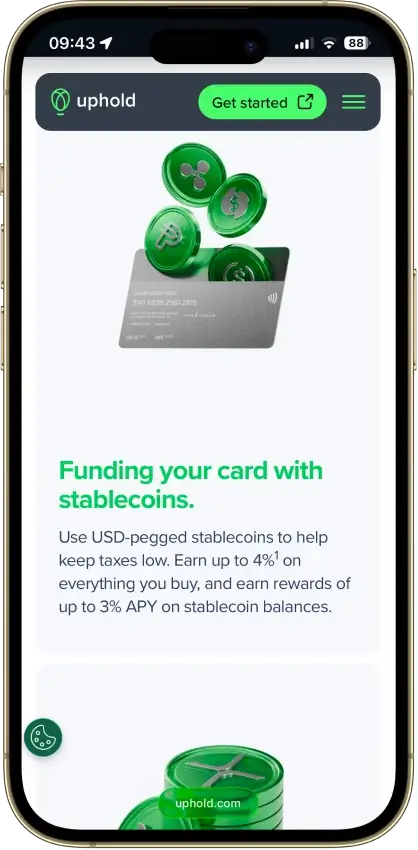
  • Spend 200+ assets with instant virtual card.
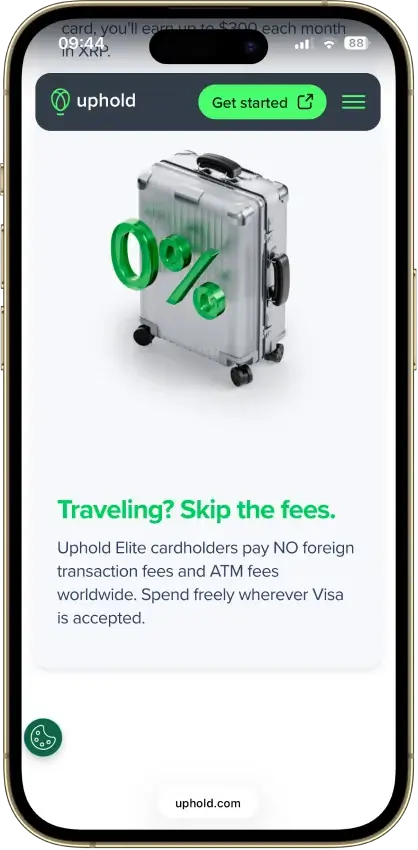
  • No foreign transaction fees on Elite tier.
Rank 3
7.1
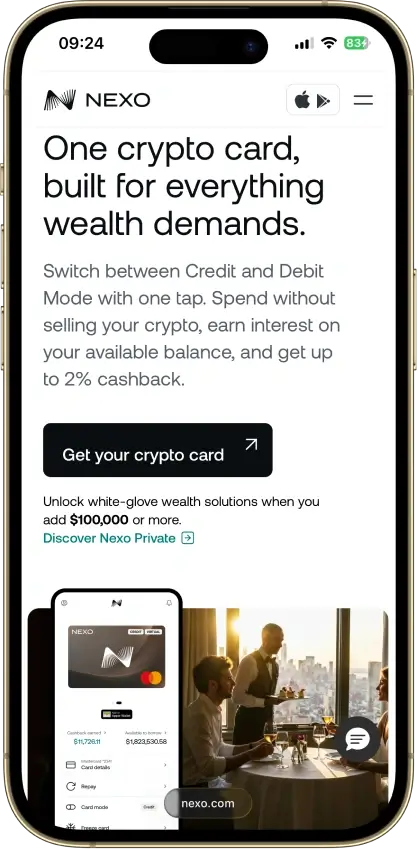
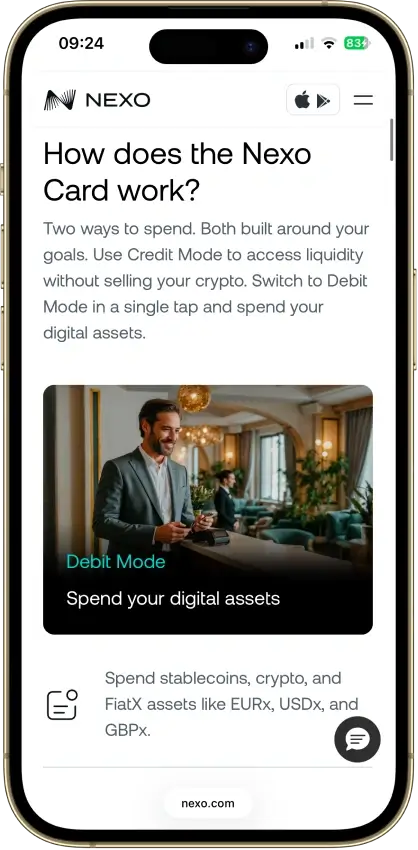
  • Dual‑mode spending — Instantly switch between Debit Mode (spend balances) and Credit Mode (borrow against assets).
  • No monthly, annual, or inactivity fees on the card itself.
  • Earn cashback in either NEXO tokens or BTC, depending on your preference and loyalty tier.
Rank 4
7.0
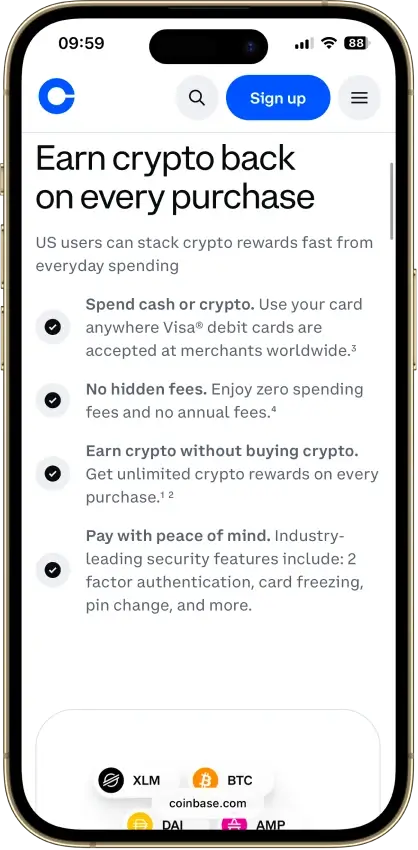
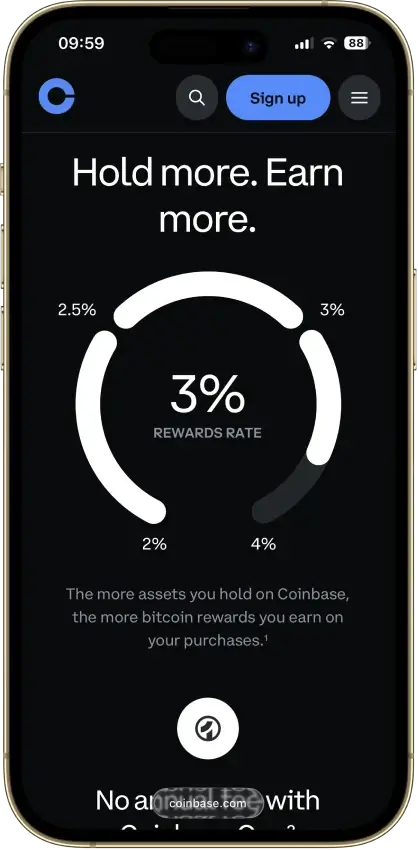
  • Up to 4% rotating crypto rewards (US) with no staking required.
  • $0 annual fee and no added foreign transaction fee.
  • Instant virtual card with Apple Pay and Google Pay integration.
Rank 5
6.5
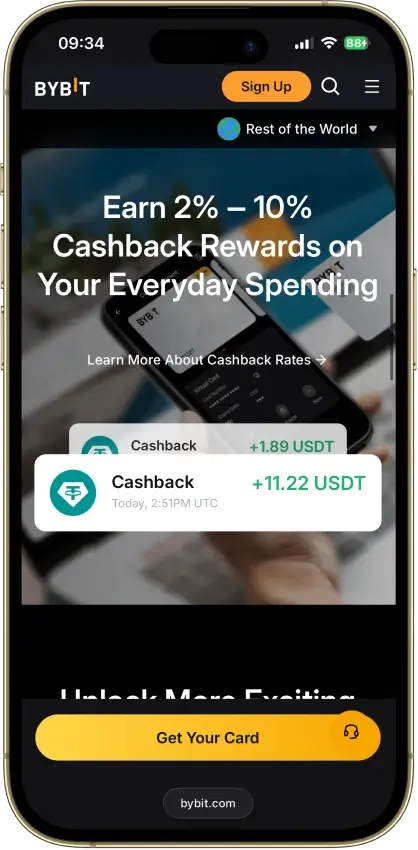
  • Up to 10% Tiered Cashback – Competitive top-end rewards for high spenders and VIP users.
  • Fiat-First Spend Logic – Uses fiat balance first, auto-converts selected crypto only if needed.
  • Transparent Fee Structure (EEA program) – FX (0.5%) and crypto conversion (0.9%) fees are clearly disclosed rather than hidden in spreads.
Rank 6
5.5
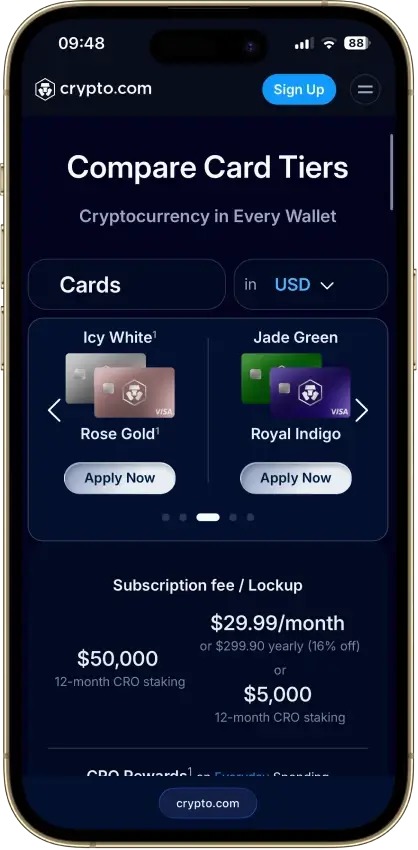
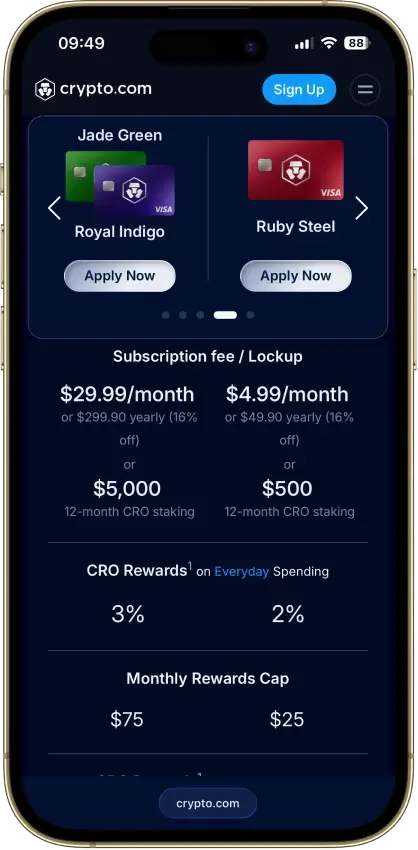
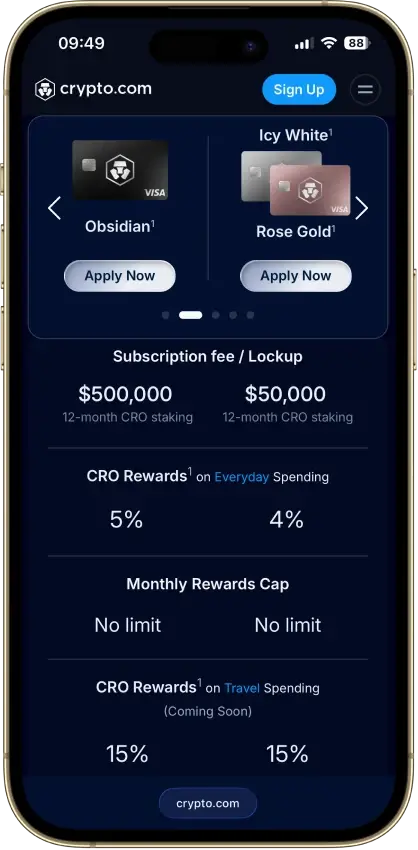
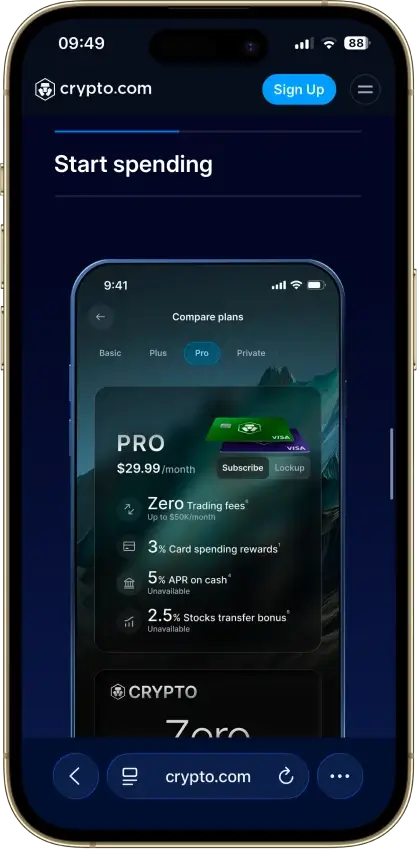
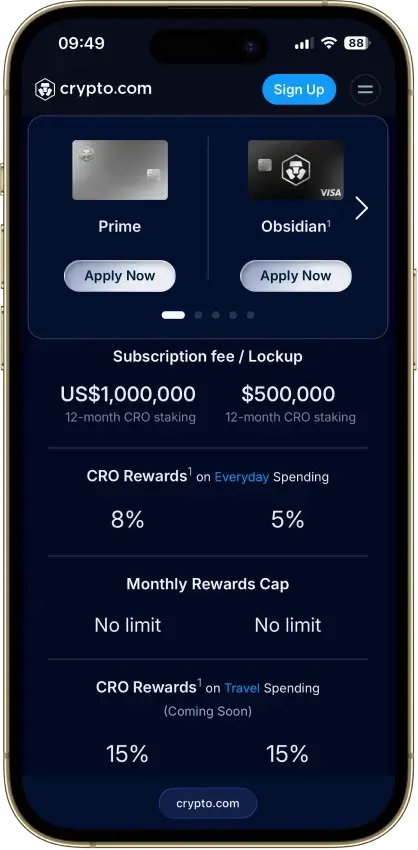
  • Up to 5% CRO rewards with instant payout after each purchase.
  • Instant virtual card with broad Apple Pay and Google Pay support (region dependent).
  • No annual fee and high daily purchase limits up to $25,000.
Rank 7
5.5
  • Up to 8% Cryptoback rewards (tier-based, paid in WXT)
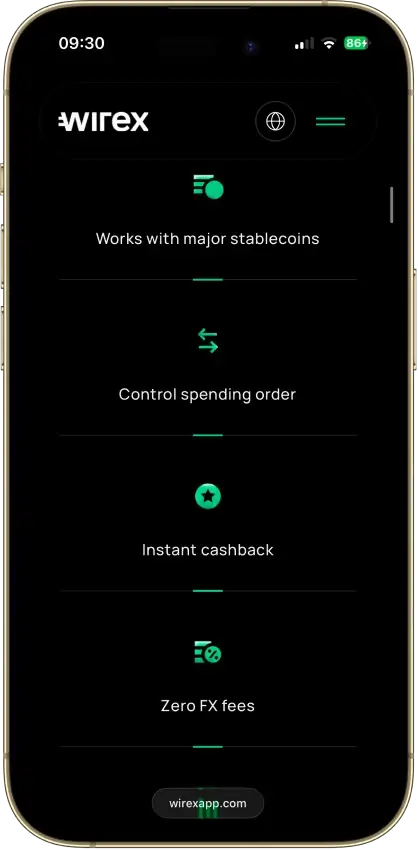
  • $0 annual fee + 0% marketed FX fees on card spending
  • Multicurrency spending from fiat, stablecoins, and crypto in one app
Rank 8
4.5
  • $0 monthly fee and free crypto-to-USD loads.
  • High limits — up to $10,000 per day in purchases and $6,000 per day at ATMs.
  • Up to 15% cash-back offers at participating merchants.

These are the main crypto cards worth comparing right now, but they do not all serve the same kind of user. Some are built around simple everyday spending, some focus more heavily on crypto rewards, and others are better suited to readers who want virtual access, broader international reach, or more flexibility in how their balance is used. The comparison table below makes those trade-offs easier to scan before moving into the more detailed review section.

Comparison Table

NameNetworkCard TypeDigital WalletsAvailabilityRating
Gemini Credit Card Mastercard Apple Pay, Google Pay, Samsung Pay Available to residents of all 50 U.S. states and Puerto Rico; not available outside the U.S. 8.5
Uphold Card Visa Debit Apple Pay, Google Pay United States and the United Kingdom. In the U.S., the card is not available in New York, Louisiana, or U.S. territories. In the U.K., Crown Dependencies and British Overseas Territories are excluded. 7.5
Nexo Card Mastercard Dual-mode Apple Pay, Google Pay Citizens and residents of selected European countries, including the EEA and the United Kingdom. 7.1
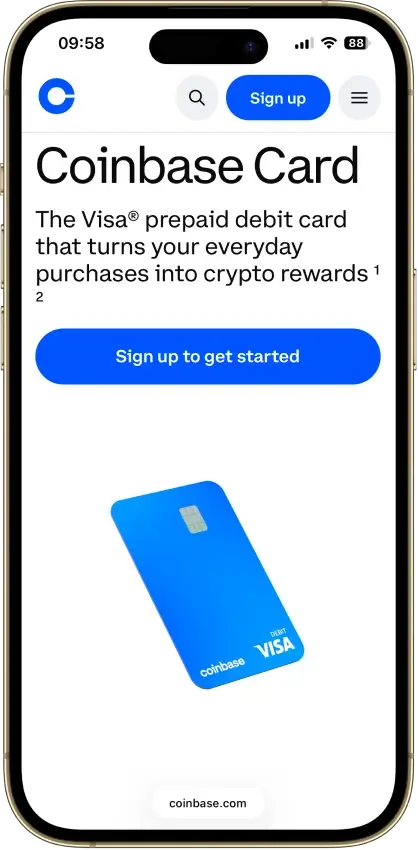
Coinbase Card Visa Debit Apple Pay, Google Pay, Samsung Pay US only (all states except Hawaii) 7.0
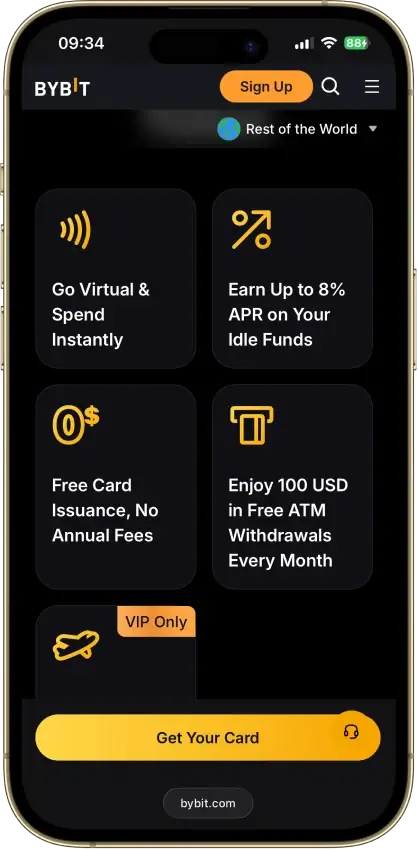
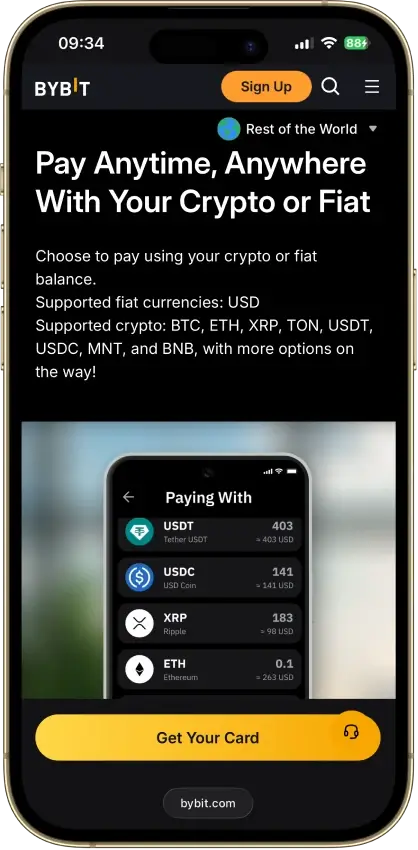
Bybit Card Mastercard Debit Apple Pay, Google Pay Bybit Card is only available in limited countries and runs as separate regional card programs, including EEA and Switzerland, Australia, Argentina, Brazil, AIFC, parts of Asia Pacific, and Mexico. EEA residents may be directed to apply via Bybit EU for an EUR card 6.5
Crypto.com Card Visa, Mastercard Prepaid Apple Pay, Google Pay, Samsung Pay Available in many regions (e.g., US, EEA/UK, SG, CA, AU, BR) with residency-based eligibility and restricted markets per Crypto.com lists. 5.5
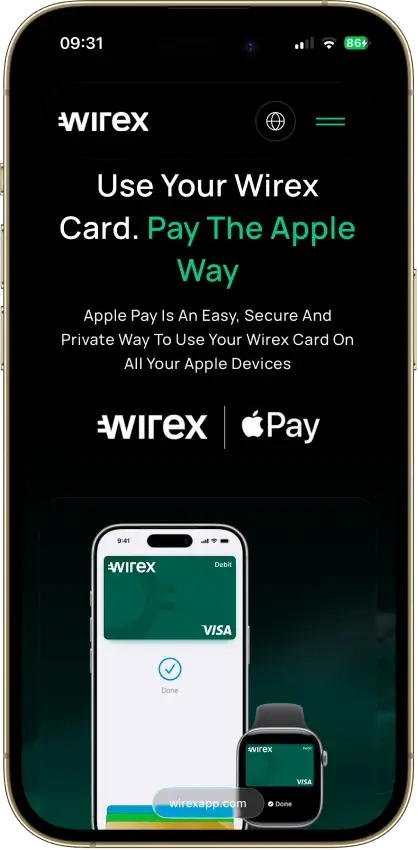
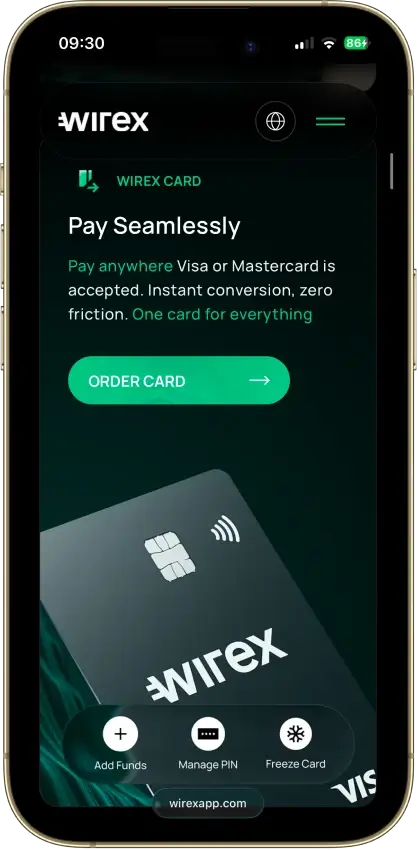
Wirex Card Visa, Mastercard Debit Apple Pay, Google Pay Available in UK and many countries (incl. parts of EEA, AU, NZ, HK, TW), while not available in USA, Canada, China, Japan, South Korea, Philippines, Russia (among others); EEA Mastercard eligibility requires EEA residency excluding Cyprus & Liechtenstein. 5.5
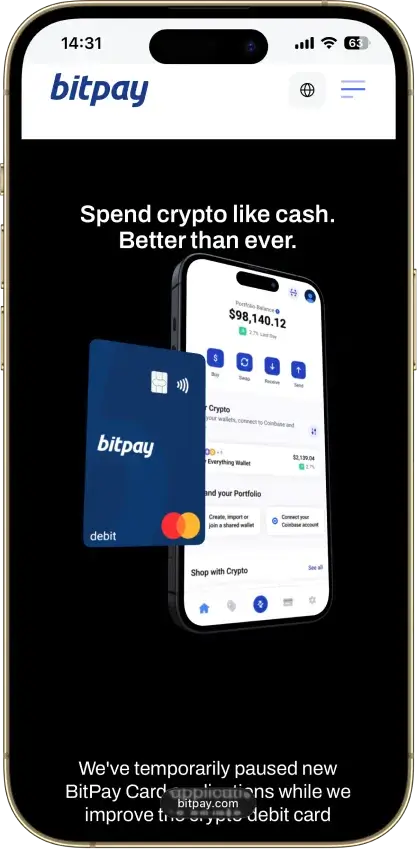
BitPay Card Mastercard Debit Primary availability: United States. Status: Program is undergoing improvement; new applications temporarily paused (waitlist available). 4.5

Note: As of March, 2026, new BitPay card applications are currently paused while the company transitions to a new banking partner, with a waitlist available for updates.

The comparison table gives a quick snapshot, but the real differences between these cards become clearer once you look beyond headline rewards and availability. In the detailed reviews below, we break down how each shortlisted crypto card performs in practice, where the trade-offs start to matter, and which type of user each option is most likely to suit.

Detailed Reviews

Looking at the shortlist as a group, the biggest divide is between cards that are easy to understand on day one and cards that ask more from the user in exchange for higher upside. Coinbase and Gemini are the clearest examples of the first group. Crypto.com and Wirex offer more features and broader ecosystems, but the value depends more on tiering, geography, and how closely you already use the platform. Bybit and Nexo sit further toward the specialist end of the market, where exchange usage, loyalty level, or borrowing behavior has a bigger effect on the real outcome.

That is why the detailed reviews matter. On a simple top list, several of these cards can look close together, but in practice they suit very different users. The sections below are there to show where a card is genuinely easy to live with, where the reward story is stronger than the fee story, and where the product only makes sense if you already use the wider platform.

Ranking Methodology

A crypto card is only as good as it is in real use. A strong headline reward rate means very little if the value disappears once fees, caps, exclusions, lockups, or weak terms start to matter.

Our ranking is built to measure the product behind the marketing: what the card actually offers, what it really costs, how easy it is to use, and where the trade-offs sit.

We focus on the factors that shape the user experience most:

MetricWhat it coversWhy it matters
Effective net rewardsThe real value a card can deliver once reward limits, membership requirements, token-hold conditions, and redemption restrictions are taken into account.A high advertised reward rate does not always translate into strong real-world value.
Fees and cost dragThe full cost of using the card, including recurring fees, FX charges, ATM costs, conversion fees, and other practical friction.Small charges can materially reduce the value of a card over time.
Funding model and exposure riskWhether the card is simple and low-friction to use or whether the economics depend on lockups, native-token exposure, or collateral-backed borrowing.Higher rewards often come with added complexity or risk that changes the product materially.
Simplicity and predictabilityHow easy it is for a normal user to understand what they will earn, pay, and risk without having to optimize around layers of fine print.Straightforward products are easier to use correctly and easier to compare fairly.
Security, controls, and program qualityThe strength of card controls, account safeguards, support, dispute handling, and how clearly the program is structured and maintained.A card is not just about rewards. Reliability, protections, and operational quality matter once something goes wrong.
Usability, availability, and transparencyWhether the card is practical in the reviewed region and whether the key terms are clear, current, and easy to follow.A strong product on paper is less useful if access is limited or the fine print is difficult to pin down.

Rewards, fees, eligibility, and availability can differ materially across markets. Where terms are weak, inconsistent, or incomplete, that lowers the rating. The result is a ranking built around real product quality, not promotional positioning.

What Is a Crypto Card?

A crypto card is a payment card that lets users spend through traditional card networks while drawing value either from a crypto-linked balance or from a program that pays rewards in crypto. In practice, a cryptocurrency card or crypto payment card does the same basic job: it turns digital balances or crypto rewards into something you can use through ordinary card rails.

Some crypto cards work like debit cards and pull from a funded account, exchange balance, or topped-up wallet. Others work more like credit cards and reward purchases in Bitcoin or other digital assets instead of standard cashback or points.

That means users can pay at regular online stores, apps, and physical merchants without the merchant needing to accept crypto directly. The main differences come down to how the card is funded, how rewards are paid, and what fees or restrictions apply behind the scenes.

How Do Crypto Cards Work?

Most crypto cards follow a simple setup. First, the user opens an account, completes identity checks if required, and orders either a physical card, a virtual card, or both. After that, the card is linked to the provider’s app or exchange account.

From there, the user either funds the account with crypto or fiat, tops up a spending balance, or uses a card that rewards normal spending in crypto. When a purchase is made, the payment goes through standard card rails such as Visa or Mastercard, while the provider handles the conversion, settlement, or rewards logic in the background.

In other words, the checkout experience feels familiar, but the economics behind the card can be very different. Some cards focus on direct spending from a crypto balance, while others are mainly about earning crypto on everyday purchases.

Crypto Card Benefits

The biggest benefit of a crypto card is convenience. It gives users a simpler way to spend from a crypto-linked balance or earn digital assets back without having to move money around manually for every transaction.

Many of the best crypto cards also add value through cashback, token rewards, instant virtual cards, and support for Apple Pay or Google Pay. That makes them useful for everyday purchases, online spending, travel, and fast access when a physical card is not necessary.

For users who already hold crypto, a good card can also make their setup feel more connected. Instead of keeping crypto separate from day-to-day spending, a strong card product can tie rewards, spending, and account management into one place.

Crypto Card Drawbacks

Crypto cards are not always as simple as the headline reward rate suggests. Conversion spreads, funding fees, ATM charges, and subscription or staking requirements can reduce the real value of the card over time.

There are also practical limits to consider. Some cards are only available in certain countries, some require full KYC before key features unlock, and some reward structures change depending on region, plan, or promotional tier.

Users should also remember that spending crypto can have tax implications in some jurisdictions, especially when a purchase triggers a disposal of an appreciated asset. That does not make crypto cards a bad option, but it does mean the best choice is usually the one that balances convenience, rewards, and total cost rather than just marketing appeal.

Why Conversion Spreads Matter

Conversion spreads are one of the easiest ways for a crypto card to look better on paper than it feels in practice. Even when a card advertises no annual fee and a decent reward rate, that value can be partly offset if the provider bakes a margin into the exchange rate or charges a separate conversion fee when non-fiat assets are used to settle the purchase.

This is especially important for cards that convert crypto at the point of sale. A 1% or 2% reward rate can lose much of its appeal if the card is also charging a spread or adding a fee when assets are sold behind the scenes. That is why comparing only the reward percentage is rarely enough.

Taxes When Spending Crypto

Using a crypto card can trigger a taxable event in some jurisdictions because the provider may sell or convert crypto to settle the purchase. In those cases, the transaction can be treated more like selling crypto than making a standard card payment.

Spending stablecoins or fiat balances can simplify record keeping because fewer conversions occur. However, rules vary by country and tax treatment depends on local regulations.

Because card conversions create transaction records, many users export card statements and exchange logs regularly to keep track of the fiat value at the time of each purchase.

Best Crypto Debit Cards

The best crypto debit card gives users a practical way to spend from a funded account or linked balance while still getting enough value back to justify using it over a standard bank card. For most people, that means looking beyond headline rewards and focusing on availability, spreads, app quality, and how easy the card is to use day to day.

The strongest options also match the way people already manage their assets. For some readers that means an exchange balance, for others a topped-up account or a more flexible international spending routine. In practice, that is what separates a useful cryptocurrency debit card from one that only looks good on paper.

CardBest forFunding modelRewardsMain trade-off
Coinbase debit cardU.S. users who want a simple crypto debit card with familiar app experienceLinked Coinbase balanceVariable crypto rewardsRewards change and availability vary by region
Krak CardUsers who want perks, broad merchant usability, and a more feature-rich cardApp balance / topped-up spending modelUp to 5% back in cryptoBenefits depend heavily on tier and market
Wirex CardInternational users who want virtual and physical card flexibilityFunded account balanceTiered Cryptoback in WXTBest rewards depend on plan level

Best Crypto Credit Cards

Crypto credit cards are a much narrower category than crypto debit cards, which is why the best options tend to fall into two groups. Some work like traditional credit cards and pay rewards in crypto, while others use a crypto-backed credit line that lets users borrow against holdings instead of selling them at the point of sale.

It is a more specialized part of the market, so the real question is whether you want a familiar credit card that pays rewards in crypto or a more flexible setup that lets you switch between borrowing and spending from a funded balance.

CardBest forCard modelRewardsMain trade-off
Gemini Credit CardU.S. users who want a true crypto rewards credit card with a familiar setupTraditional credit cardUp to 4% back in cryptoThe top reward category is capped each month
Nexo CardUsers who want to borrow against crypto instead of always selling it when they spendDual-mode credit and debit cardUp to 2% cashbackThe real cost depends on whether you use Credit Mode or Debit Mode
Crypto.com Visa CardUsers comparing credit-style crypto cards with strong perks, even though this is not a true credit cardDebit / prepaid alternativeUp to 5% back in cryptoBest value depends heavily on plan, tier, and market

Best Virtual Crypto Cards

Virtual crypto cards are most useful for readers who care about speed, online spending, and app-based control more than physical card delivery. The strongest options in this category tend to combine fast issuance with solid wallet compatibility, but the trade-offs still come down to market availability, tiering, and how easy the card is to use in practice.

CardBest forVirtual accessWallet supportMain trade-off
Crypto.com Visa CardUsers who want fast virtual access with broad ecosystem perksYesApple Pay and Google Pay support depends on market and card programBest value still depends on plan, tier, and market
Coinbase debit cardU.S. users who want a simple virtual crypto card tied to an exchange accountYesDigital wallet support depends on region and issuer setupRewards and availability can change by market
Wirex CardInternational users who want a crypto virtual card with broad geographic reachYesApple Pay and Google Pay support varies by countryRewards depend on plan level

The split here is fairly easy to read. Crypto.com is the stronger fit if you want broader perks around the card, Coinbase is the simpler option for U.S.-based users who prioritize ease of use, and Wirex stands out for readers who want a wider international footprint. In this category, usability and geography matter more than headline rewards alone.

Best Prepaid Crypto Cards

Prepaid crypto cards are a narrower category than debit-style crypto cards, but they can still make sense for users who prefer a manually funded setup, more budgeting control, or a clearer separation between spending and long-term holdings.

CardBest forPrepaid angleRewardsMain trade-off
Crypto.com Visa CardUsers who want a prepaid-style crypto card with broader perks and ecosystem featuresPrepaid / topped-up spending modelUp to 5% back in cryptoValue depends heavily on plan, tier, and market
BitPay CardU.S. users who want wallet-funded spending with a prepaid-style setupPrepaid / wallet-funded cardCash back at participating merchantsNew applications are temporarily paused
Wirex CardUsers who want a manually funded card with virtual access and broad geographic supportPrepaid-style funded balance modelTiered Cryptoback in WXTRewards and value depend on plan level

Best Crypto Card Rewards and Cashback

Rewards are one of the main reasons people compare cards in the first place, but they are also where the fine print matters most. Some of the best crypto card rewards look generous at first glance, yet the real value can change quickly once caps, tiers, or loyalty mechanics kick in.

Yes, many crypto cards do give cashback or crypto rewards, but the structure varies a lot. Some pay a flat rate, some let you choose the reward asset, and some only unlock their best earn rates through a higher tier, subscription, spending threshold, or loyalty program.

That is why the most useful crypto cashback card is usually the one that delivers value consistently, not the one with the biggest headline number.

CardReward typeHeadline rateReward assetCapLockup / tier requirementKey restriction
Crypto.com Visa CardCashback / spend rewardsUp to 5%CRO / crypto rewardsTier and market dependentHigher value depends on plan or tier, and in some markets CRO-linked requirements still matterRewards and rebates vary by region, plan, and card version
Coinbase debit cardSpend rewardsVariable monthly reward offers; unlimited rewardsSelectable crypto rewardCoinbase highlights unlimited rewardsNoneAvailable reward options change monthly and are strongest for U.S. users
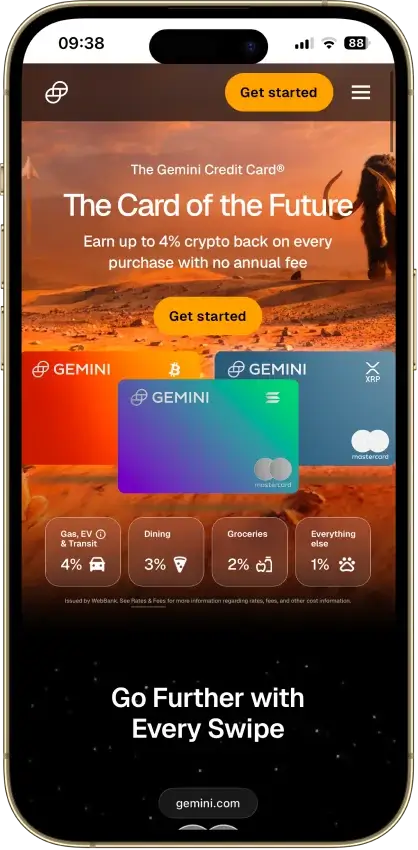
Gemini Credit CardInstant crypto rewardsUp to 4%BTC, XRP, or 50+ supported cryptos4% category is capped at $300 in monthly spend, then drops to 1% for the rest of the monthNoneThe top rate only applies to qualifying category spend
Wirex CardCryptobackUp to 8%WXTValue depends on X-tras plan and tierTop rates depend on plan level rather than a standard free tierReward rates are tier-based, so not every user gets the headline rate
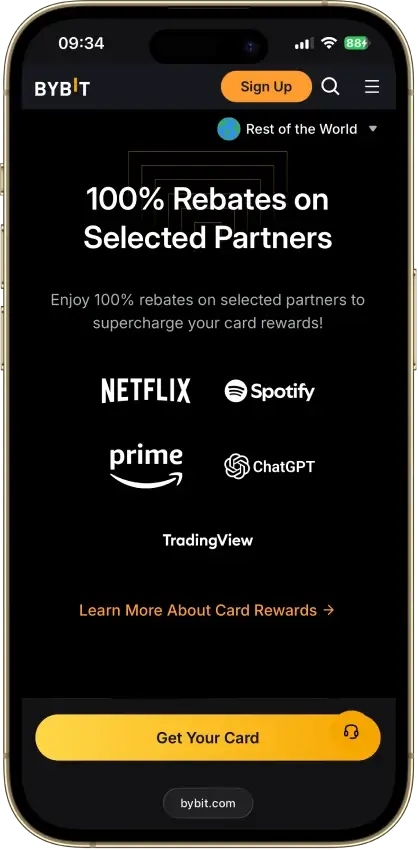
Bybit CardCashback via rewards pointsUp to 10% cashbackRewards Points with auto cashback, typically redeemed into a selected coin or USDTMonthly cashback and points caps depend on tierHigher rates depend on VIP level or spend-based tier upgradesRewards are capped and points-based rather than a simple flat cashback model
Uphold CardCashbackEssential: 2%; Elite: 3% to 4% depending on funding sourceXRPNo flat public spend cap is emphasized for card rewards; rewards have a $1 minimum payout thresholdBetter rates require the Elite tierReward rates change by tier and by whether purchases are funded with crypto, metals, fiat, or stablecoins
Nexo CardCrypto cashbackUp to 2%Crypto cashback, tier dependentBest value depends on Loyalty tierRewards apply in Credit Mode and strongest value requires Loyalty Program accessIt is not a simple flat cashback card if you do not use Credit Mode or a higher loyalty tier

For readers who want the simplest rewards setup, Gemini and Coinbase are easier to understand because their value is more straightforward. For readers chasing the highest upside, Bybit, Wirex, and Crypto.com can look stronger on paper, but those rates rely more heavily on tiers, plans, or capped promos. Nexo sits in a different category because its value is tied to Credit Mode rather than treating the card like a normal debit product.

BitPay is harder to compare side by side in this section because it focuses more on merchant cash-back offers than on a flat published card-wide earn rate.

Fees, Conversion Spreads, Taxes and Limits

The cost of using a crypto card is not always obvious from the headline reward rate. A card can look generous on paper but deliver much less real value once conversion spreads, ATM fees, foreign transaction fees, or tier requirements are factored in.

That is why this section matters. The best crypto card is rarely the one with the flashiest marketing claim. It is usually the one that keeps costs predictable, makes limits easy to understand, and still delivers enough reward value to justify using it over a standard debit or credit card.

CardAnnual / monthly feeForeign transaction feeATM feeConversion spread / FX noteOther notable cost
Crypto.com Visa CardBasic access is free, but higher tiers may require a monthly subscription or CRO lockup depending on marketExchange-rate perks vary by plan and marketFree ATM allowance typically ranges from $200 to $1,000 per month by tier, with monthly ATM caps from $5,000 to $10,000Real value depends on tier, plan, and market setupTop-up limits and benefits are tier-based
Coinbase debit cardNo annual feeNo standard foreign transaction fee is emphasized on the card help pages, but users should still check cardholder termsNo Coinbase ATM fee, though ATM operators may charge their own feeCoinbase says card spending has no transaction fee, but a spread can apply when crypto is bought, sold, or converted for card useSpending and ATM limits vary by customer and are shown in-app
Gemini Credit CardNo annual feeNo foreign transaction feesNot the main use case for this cardNo fee to receive crypto rewardsThe 4% reward category is capped at $300 in spend per month, then drops to 1% for the rest of that month
Wirex CardNo annual fee is promotedNo foreign exchange fee is a major selling point on the product pagesFree up to roughly 200 in local-region currency per month, then 2% thereafter in supported programsConversion rates and exact limits can vary by region and are shown in the app or local termsPlan level affects rewards more than headline pricing
Bybit CardNo annual fee; virtual issuance is currently fee-free, while physical-card fees can depend on program and regionFX fees vary by card program and jurisdiction2% after the free monthly ATM allowance in the published fee schedulesPublished card programs commonly show a crypto conversion fee on top of the sell rate, often around 0.9%Limits and some fees vary significantly by market
Uphold CardEssential: $0 annual fee plus a $4.99 issuance fee. Elite: $99.99 annual fee and $0 issuance feeEssential: $1.50 on purchases. Elite: $0Essential: $2.95 per ATM withdrawal. Elite: $0, though ATM owners may still charge their own feeLinked-asset liquidation happens in real time, so the funding source matters to real-world valueEssential and Elite cards have meaningfully different economics
Nexo CardNo monthly or annual maintenance feeFX fees depend on region and day of week, with lower published rates in EEA/UK/CH than in the rest of the worldFree ATM allowance depends on loyalty tier, then 2% with a minimum charge once that allowance is exhaustedCosts depend partly on whether the card is used in Debit Mode or Credit ModeBorrowing costs matter in Credit Mode even if the card itself has no maintenance fee
BitPay CardRecheck current pricing when the program reopensRecheck current pricing when the program reopensRecheck current pricing when the program reopensRecheck current pricing when the program reopensNew applications are temporarily paused

Some of the most important differences between cards do not show up in a simple rewards comparison. A card with a lower headline reward can still be better overall if it avoids hidden spread costs, keeps ATM access affordable, and does not rely on expensive plan upgrades to unlock basic value.

CardKey published limitsWhat to know
Crypto.com Visa CardFree ATM allowance generally ranges from $200 to $1,000 per month, with ATM caps from $5,000 to $10,000 per month and top-up limits around $25,000 per monthLimits depend heavily on tier and market version
Coinbase debit cardSpending and ATM limits vary by customerThe app is the main source for live personal limits
Gemini Credit CardRewards cap of $300 monthly spend in the 4% category before dropping to 1% for the rest of the monthCredit limits depend on approval rather than a public one-size-fits-all schedule
Wirex CardPublic fee schedules emphasize fee-free ATM use up to a monthly allowance, then 2% after thatLimits and card rules vary by region and local program
Bybit CardPublished examples show limits that vary by market, with some supported programs listing daily and monthly spending caps that reach into five figuresVirtual and physical cards can share one spending limit depending on program
Uphold CardEssential: up to $2,500 per day in purchases and $500 per day at ATMs. Elite: up to $25,000 per day in purchases and $2,000 per day at ATMsUphold is one of the few issuers that publishes a detailed public limit schedule
Nexo CardFree ATM withdrawals by loyalty tier: Base up to €200 / £180, Silver up to €400 / £360, Gold up to €1,000 / £900, Platinum up to €2,000 / £1,800 per monthPublished ATM allowances are clear, but broader spend limits can also vary by status
BitPay CardNot meaningful to compare while the card is paused for new applicationsGeographic restrictions still apply when the program is active

Why Conversion Spreads Matter

Conversion spreads are one of the easiest ways for a crypto card to look better on paper than it feels in practice. Even when a card advertises no annual fee and a decent reward rate, that value can be partly offset if the provider bakes a margin into the exchange rate or charges a separate conversion fee when non-fiat assets are used to settle the purchase.

This is especially important for cards that convert crypto at the point of sale. A 1% or 2% reward rate can lose much of its appeal if the card is also charging a spread or adding a fee when assets are sold behind the scenes. That is why comparing only the reward percentage is rarely enough.

Daily Spending and ATM Limits

Limits matter more than many users expect. A card can be perfectly fine for casual online purchases but frustrating for travel, larger everyday spending, or ATM access if its daily caps are tight or if the free withdrawal allowance is too small.

This is also where cards start to separate by audience. Some are built for light, app-first use, while others are designed for higher-value spending or more frequent withdrawals. Users who plan to rely on a crypto card as a real alternative to a standard bank card should look closely at purchase limits, ATM rules, and how quickly those limits become expensive once the free allowance runs out.

Tax Considerations When Using a Crypto Card

Using a crypto card can create a tax event in some jurisdictions, especially when a purchase requires the provider to dispose of crypto in order to settle the transaction. In those cases, the spend can be treated more like a sale than a simple card payment.

That does not automatically make crypto cards inefficient, but it does mean the funding method matters. Spending from stablecoins may be simpler than spending appreciated crypto, and cards that work more like traditional credit products can create a different tax profile from cards that directly liquidate assets at the point of sale.

For most readers, the safest takeaway is simple: rewards are not the only thing that matters. The best crypto card is the one that fits both your spending habits and the real cost of using it.

How to Get a Crypto Card

Getting a crypto card is usually straightforward, but the exact path depends on the type of card you want and where you live. Some providers only operate in selected countries or U.S. states, some require full identity verification before you can apply, and some only unlock the best features if you use the provider’s exchange, hold a certain token, or pay for a higher-tier plan.

For most users, the process looks like this:

  1. Choose the type of crypto card you want. Decide whether you want a crypto debit card, a crypto credit card, a virtual crypto card, or a prepaid option. The right choice depends on whether you want to spend from an existing balance, earn crypto rewards on credit purchases, or get quick virtual access for online use.
  2. Check country or state availability. Before you go any further, make sure the card is actually offered where you live. Availability is one of the biggest differences between issuers, and some cards that look attractive on paper are limited to certain markets.
  3. Create an account and complete verification. Most providers will ask you to open an account and complete KYC before the card is issued. In practice, that usually means confirming your identity, age, address, and sometimes your residency status.
  4. Order the physical or virtual card. Once your account is approved, you can usually request a physical card, a virtual card, or both. Some providers make virtual access available first, while physical delivery can take longer depending on region.
  5. Fund the eligible balance or connect the right product. With a debit-style crypto card, this usually means adding crypto, fiat, or topping up a spending balance. With a crypto credit card, it may mean activating the card and linking it to the provider’s rewards or borrowing setup instead.
  6. Set up security and spending preferences. Before using the card, it is worth turning on two-factor authentication, reviewing card controls in the app, and checking whether you can freeze or unfreeze the card, change your PIN, or manage spending settings in real time.
  7. Add it to your wallet and start using it. If the card supports Apple Pay or Google Pay, you can often start using it before the physical card arrives. That can be one of the biggest advantages of a strong virtual crypto card setup.

It is also worth checking the small-print requirements before applying. Some issuers require users to be at least 18, some reserve better rewards for premium tiers, and some link the card closely to their exchange ecosystem or loyalty program. In other words, how to get a crypto card is usually simple, but getting good value from it depends on choosing a card that actually fits your region, funding style, and spending habits.

How to Choose the Best Crypto Card for You

Choosing the best crypto card comes down to how you actually spend, not which issuer advertises the highest headline reward. A card that looks great for cashback may be a poor fit for travel, stablecoin spending, or day-to-day use if the fees, limits, or availability do not line up with your needs.

A better starting point is to work backward from your use case. The right crypto card is usually the one that fits your region, funding style, and spending habits with the least friction, not the one with the loudest marketing.

Best for Everyday Spending

If you want a crypto card to replace part of your normal card usage, focus on reliability first. Everyday spending works best with a card that has clear limits, simple funding, stable rewards, and an app that makes it easy to manage transactions without surprises.

Cards like the Coinbase debit card or the Crypto.com Visa Card can make sense here because they are built around frequent usage. What matters most is not just the reward rate, but how easy it is to top up, track spending, and avoid hidden costs over time.

Best for Rewards-Focused Users

If your priority is earning the most value back, look closely at how the reward structure actually works. Some cards advertise high headline percentages, but the real value may depend on spending caps, loyalty tiers, subscriptions, staking, or promotional windows.

A rewards-focused user should compare the asset paid out, the cap on the highest reward category, and whether the better tier requires a meaningful extra commitment. In practice, the best crypto card rewards are the ones you can actually access consistently.

Best for Stablecoin Users

If you mainly hold stablecoins, the best crypto card is often the one that gives you the cleanest path from balance to payment. Stablecoin users usually care less about speculation and more about simple settlement, predictable value, and fewer surprises when funds are used at checkout.

In this case, a card with easy funding, clear conversion rules, and low friction is often more valuable than one built around flashy token perks. A smooth spending experience can matter more than a marginally better reward rate.

Best for Travelers

Travelers should pay more attention to foreign transaction costs, ATM rules, regional acceptance, and wallet compatibility than to the headline cashback figure. A crypto card that works well domestically can become expensive very quickly once ATM allowances are used up or foreign-exchange costs begin to stack.

For this type of user, a strong card is one that travels well across merchants and regions, offers good virtual access, and does not punish normal international usage with weak limits or layered fees.

Best for Beginners

Beginners should usually prioritize simplicity over optimization. The best crypto card for a new user is one with a straightforward setup, clear in-app controls, easy-to-understand funding, and a reward model that does not depend on too many moving parts.

A card that is slightly less aggressive on rewards can still be the better choice if it removes confusion around tiers, conversion, and eligibility. In most cases, usability is what determines whether a beginner keeps using the card at all.

Best for Instant Virtual Access

If you want to start using a card quickly, virtual access matters. The best virtual crypto card is usually the one that can be issued fast, added to Apple Pay or Google Pay without friction, and managed entirely through the app.

This is especially useful for users who make frequent online purchases, want immediate access before a physical card arrives, or prefer to keep their spending setup fully digital.

Security and App Controls to Look For

A good crypto card should make day-to-day security feel easy, not hidden. Freeze and unfreeze controls, real-time spending alerts, PIN management, and visible transaction tracking are basic features that make a card more usable and safer at the same time.

It is also worth paying attention to account-level protection. Strong two-factor authentication, responsive support, and reliable app controls can matter just as much as rewards when something goes wrong. For many users, the difference between a card they keep and a card they abandon comes down to whether the product feels dependable after the first few weeks of use.

The Best Crypto Card Depends on How You Spend

Once you look at funding model, fees, and usable rewards together, it becomes much easier to see which crypto card is better for your needs.

There is no single best crypto card for everyone. Coinbase is a strong fit for users who want straightforward debit-style spending, Gemini is the cleaner choice for readers who want traditional credit card rewards in crypto, and Crypto.com, Wirex, Bybit, and Nexo make more sense for users willing to trade simplicity for bigger perks, broader flexibility, or higher upside.

The right choice usually comes down to what matters most to you: easy everyday use, stronger rewards, low friction virtual access, predictable fees, or a more flexible spending model. The best crypto card is the one that fits your region, funding style, and real spending habits without asking you to pay too much for the privilege.

FAQ

What’s the best crypto card?

The best crypto card depends on what you value most. Coinbase is a strong pick for simple debit-style spending, Gemini stands out for traditional credit card rewards in crypto, and Crypto.com appeals to users who care about perks and higher upside. The right choice usually comes down to rewards, fees, availability, and how you plan to fund the card.

How do crypto cards work?

Crypto cards work through regular payment networks like Visa or Mastercard, but the funding or reward layer is crypto-linked. Some cards spend from a balance held with the provider, while others work like credit cards and pay rewards in crypto. At checkout, the merchant receives a normal card payment while the provider handles conversion, settlement, or rewards in the background.

Do crypto cards give cashback?

Yes, many crypto cards give cashback or crypto rewards, but the structure varies by issuer. Some offer flat cashback, some pay in a selected crypto asset, and others only unlock their best rate through spending caps, premium tiers, or loyalty programs. A 4% offer can mean something very different once categories, caps, or paid tiers are taken into account.

Which crypto card has the best rewards?

Bybit, Wirex, and Crypto.com often show the highest headline reward rates, but those rates usually depend on tiers, plans, or caps. Gemini and Coinbase are easier to understand because their reward setup is more straightforward. The real choice is between cleaner rewards and higher upside with more conditions attached.

How do I get a crypto card?

Most users get a crypto card by choosing a provider, checking local availability, opening an account, and completing KYC if required. After approval, you can usually order a physical card, activate a virtual card, or both. The final step is funding the eligible balance or linking the right product before adding the card to your wallet and using it.

What is a crypto credit card?

A crypto credit card is usually either a traditional credit card that pays rewards in crypto or a crypto-backed card that lets users borrow against digital assets. That makes it different from a crypto debit card, which typically spends from a funded balance. The main differences are how purchases are funded and how rewards or borrowing costs work.

How do crypto credit cards work?

Crypto credit cards work much like standard credit cards, but rewards may be paid in Bitcoin or another digital asset instead of points or cash. Some products go further and let users spend against a crypto-backed credit line. In those cases, borrowing costs, approval rules, and loyalty tiers matter much more than they do with a simple debit-style card.

What is the difference between a crypto debit card and a crypto prepaid card?

A crypto debit card usually draws from a linked or funded account balance, while a crypto prepaid card is typically topped up in advance and used from that stored value. In practice, debit-style cards tend to feel more flexible for regular use, while prepaid cards can be better for budgeting control and simpler spending limits.

Why do crypto card payments sometimes get declined?

Most declines happen for one of a few common reasons: the spending balance is in the wrong wallet, a pending authorization hold temporarily reduced available funds, a daily spending limit was reached, or a security confirmation such as 3-D Secure was missed.

Checking the transaction history inside the card app usually reveals the specific reason for the decline.