A workable crypto copy trading strategy starts with sizing, not trader rankings. Fixed-amount copying is usually the cleaner starting point because it limits how much capital each trade can pull into the market. Fixed-ratio copying can scale faster than expected when a lead trader increases size or rotates into more volatile positions. That matters even more on futures products, where leverage turns a small mistake into a large drawdown.
Spreading capital across too many traders is not real diversification if they all trade the same market the same way. Two traders running similar BTC and ETH perp setups can fail together when volatility spikes. A better split is by style. One lower-risk spot trader, one more active perp trader, or one exchange-led strategy alongside one on-chain wallet-tracking workflow creates cleaner separation than copying five lookalike leaderboards.
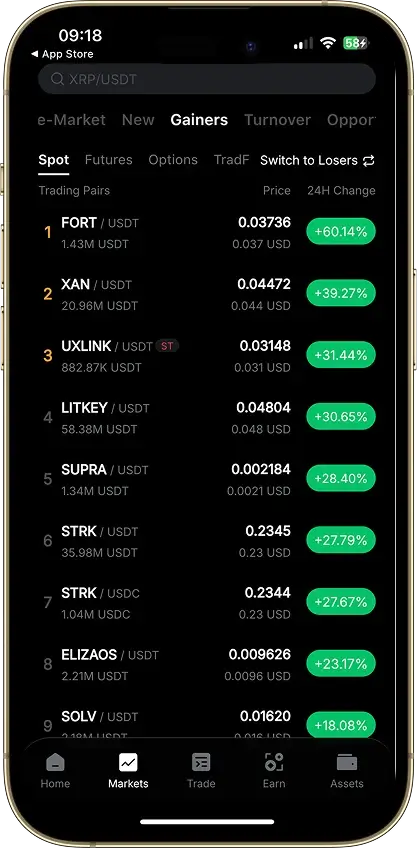
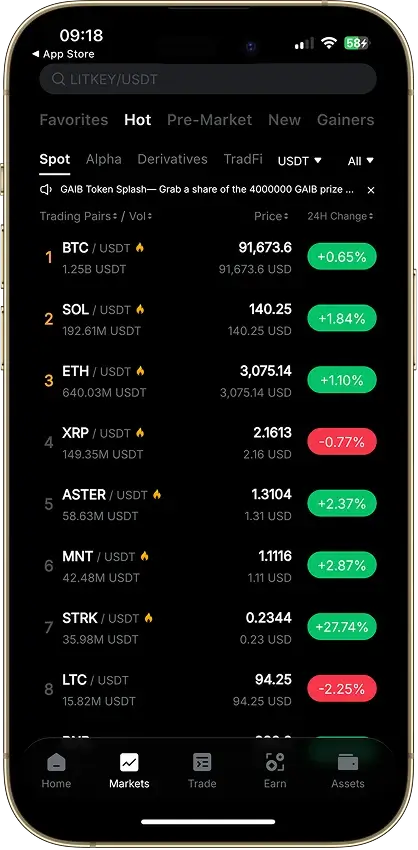
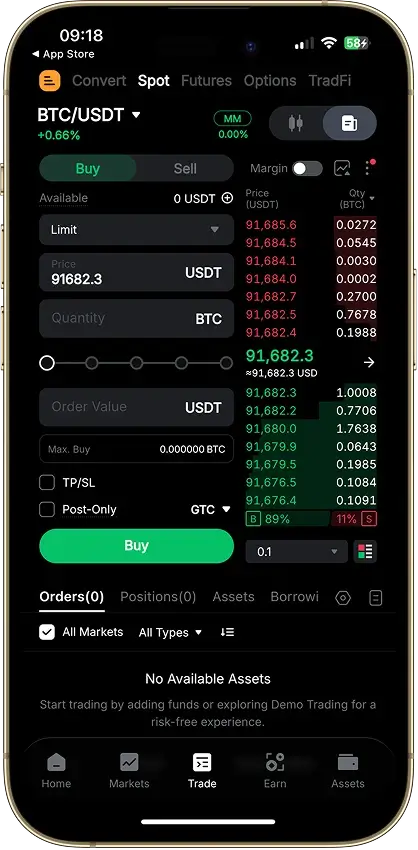
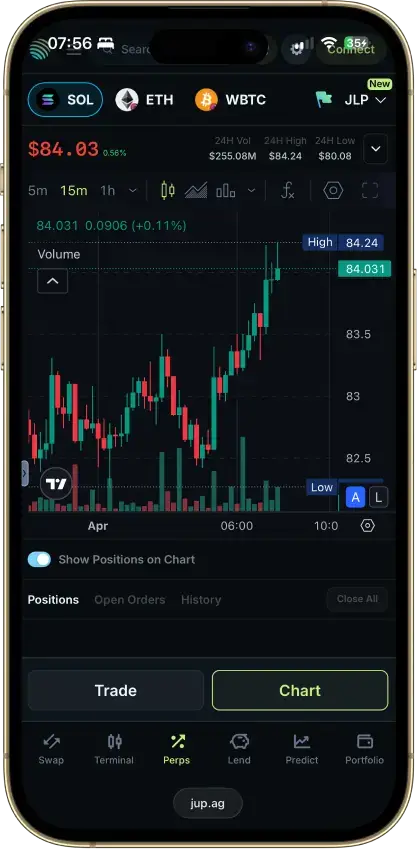
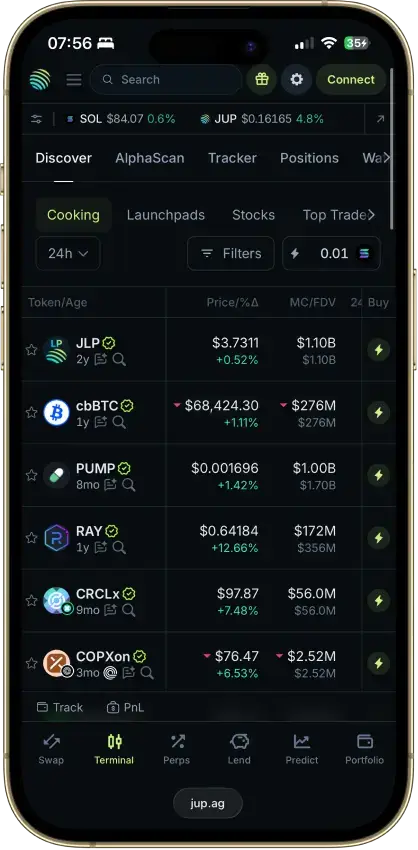
The risk controls on the platform should shape the strategy you use. Binance gives followers maximum loss limits and cleaner capital ring-fencing for copy portfolios. OKX adds hard controls such as total investment caps, total stop loss, and per-order take-profit and stop-loss settings. Bybit goes deeper with trailing stop, TP/SL, and perpetual copy stop loss controls. Jupiter gives you wallet visibility and alerts, but no exchange-native follower guardrails, which means the safer move is smaller sizing and more selective execution.
Leverage is where copy trading stops feeling simple. A lead trader with sharp short-term returns can still be using position sizes, liquidation thresholds, or holding periods that do not fit your tolerance for risk. Copying leveraged trades without understanding margin mode, funding costs, and liquidation behavior is one of the fastest ways to misunderstand what you actually signed up for. Spot copy trading is usually the better starting lane for beginners because it removes liquidation risk, even though it does not remove market risk.
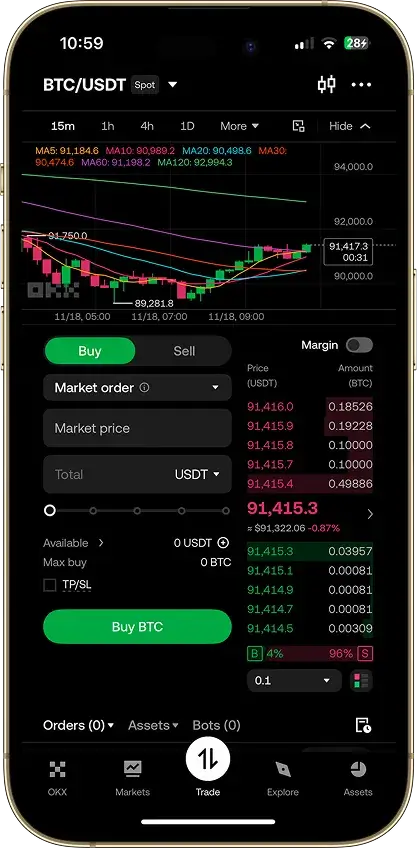
Slippage and latency also deserve more attention than most copy-trading leaderboards suggest. Your order does not always land at the same price as the lead trader’s order. Fast markets, shallow liquidity, minimum order thresholds, and mobile connection issues can all change the fill. That matters more on low-liquidity pairs, on-chain trades, and high-turnover strategies where a small execution gap gets repeated over and over.
Stopping a copy relationship should be based on behavior, not hope. A trader is harder to justify following when their leverage creeps up, their style changes, their drawdown deepens beyond your limit, or copied trades start failing because your balance and order size no longer match the setup. Weak strategy discipline matters more than a bad week.
| Platform | Useful Risk Controls |
|---|
| Binance | Fixed amount or fixed ratio, capital ring-fencing, maximum loss limits, stop copying |
| OKX | Total investment cap, total stop loss, per-order take profit, per-order stop loss, spread protection |
| Bybit | TP/SL, trailing stop, perpetual copy stop loss, manual close tools, follower parameter controls |
| Jupiter | Wallet alerts, live trade visibility, self-custody execution, but no exchange-native follower safety layer |