No exchange should be called safe just because it says the right things in marketing copy. The better question is what protections users can actually verify. For this page, that means looking at account-level security, withdrawal controls, proof-of-reserves or other transparency tools, and how clearly each exchange explains its safeguards. It also helps to distinguish between keeping assets on an exchange and using a custodial crypto wallet or a hot wallet.
Among the ranked exchanges here, Kraken makes the clearest case on user-checkable transparency, Coinbase leans on a mix of account protections and public-company transparency, and Crypto.com pairs app-level security controls with proof-of-reserves features that users can independently check.
| Exchange | Account security tools | Withdrawal protection | Transparency and custody signals | What users can directly verify |
|---|
| Kraken | Sign-in 2FA, passkeys, and the Global Settings Lock | Withdrawal address confirmation, account locking tools, and security holds after some funding methods | Regular proof-of-reserves reviews with a third-party accountant and Merkle-tree verification | Users can verify their inclusion in Kraken’s proof-of-reserves review and review advanced account-security settings |
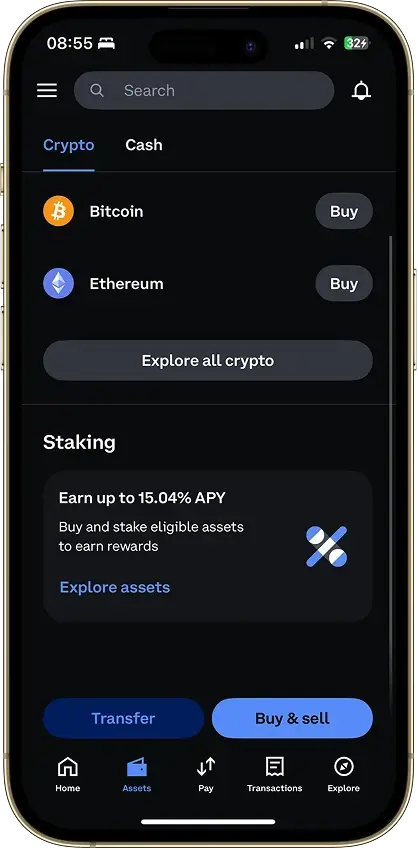
| Coinbase | Auto-enrolled 2-factor authentication, security key support, and Vault options with multi-approval withdrawals | Payment-method name matching, account verification checks, and standard withdrawal safeguards | Public-company disclosure, dedicated security resources, and a live status page | Users can review Coinbase’s security controls, status reporting, and payment-method verification rules |
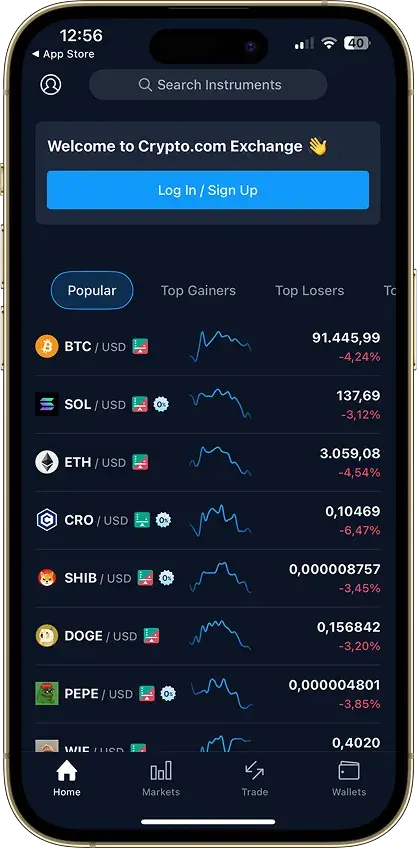
| Crypto.com | App 2FA, passkeys, trusted-device controls, and withdrawal-address whitelisting | Optional 24-hour withdrawal lock and passkey or 2FA checks on withdrawals | Proof of reserves with Merkle-tree balance checks and an independent auditor listed on its PoR materials | Users can verify balance inclusion in Crypto.com’s proof-of-reserves flow and enable visible withdrawal protections in-app |
Kraken makes the clearest case for users who put security and transparency first. Its proof-of-reserves workflow is unusually user-verifiable, and its account protections go beyond basic 2FA by adding passkeys and the Global Settings Lock, which is designed to slow down account changes if a login is compromised.
Coinbase takes a different route. Its case for trust is less about a consumer-facing proof-of-reserves workflow and more about its public-company status, security-key support, and the operational transparency that comes from a large, established platform with a visible status page and dedicated support coverage. That will matter more to mainstream users than to people who want direct reserve verification.
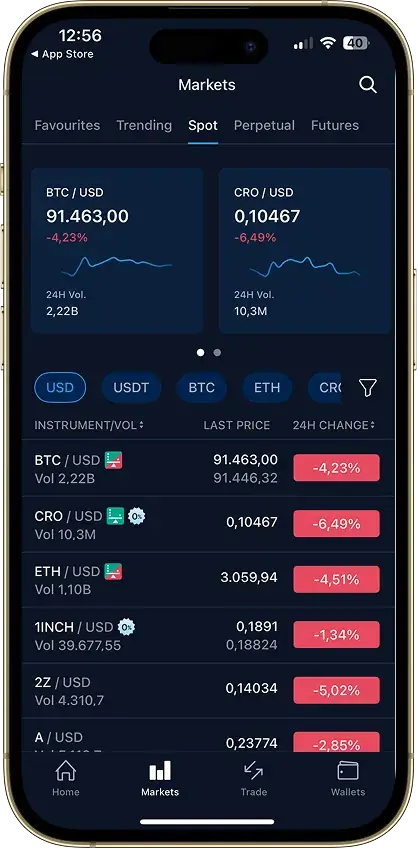
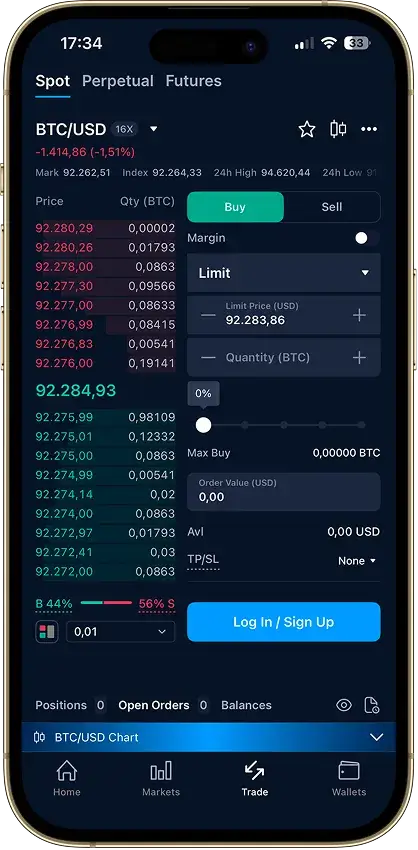
Crypto.com is stronger here than many users assume. It supports passkeys, 2FA, withdrawal-address whitelisting, and an optional 24-hour withdrawal lock, and it also gives users a proof-of-reserves path that includes Merkle-tree balance verification. That combination makes it more transparent than many app-led consumer platforms, even if it still does not feel as security-forward as Kraken.
For Canadians asking which is the safest crypto exchange in Canada, the most honest answer is that no platform is risk-free. What users can verify today is that Kraken combines hardened account controls with user-checkable reserve transparency, Coinbase offers a mature security stack with strong mainstream trust signals, and Crypto.com provides a more visible set of app protections and reserve checks than many people expect.