


Four.meme Overview
Four.meme Screenshots
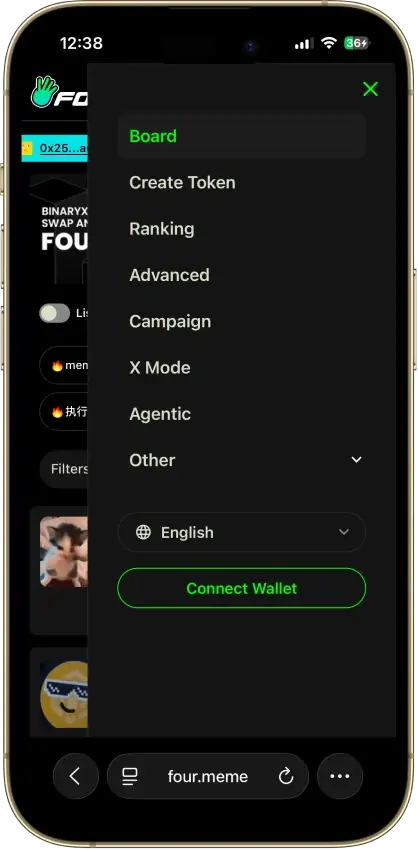
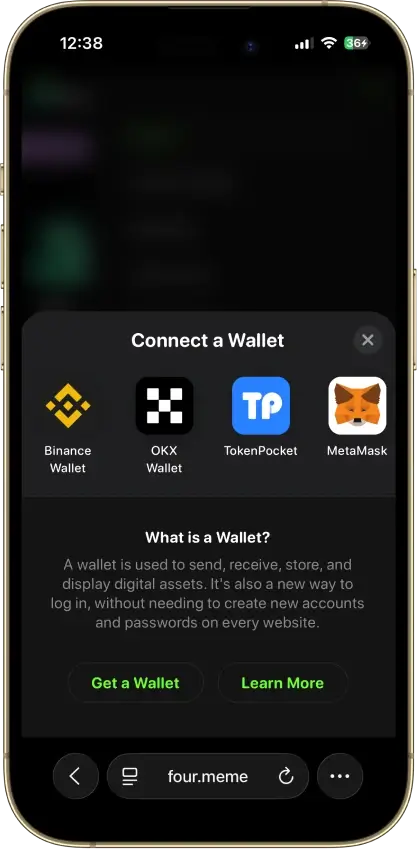
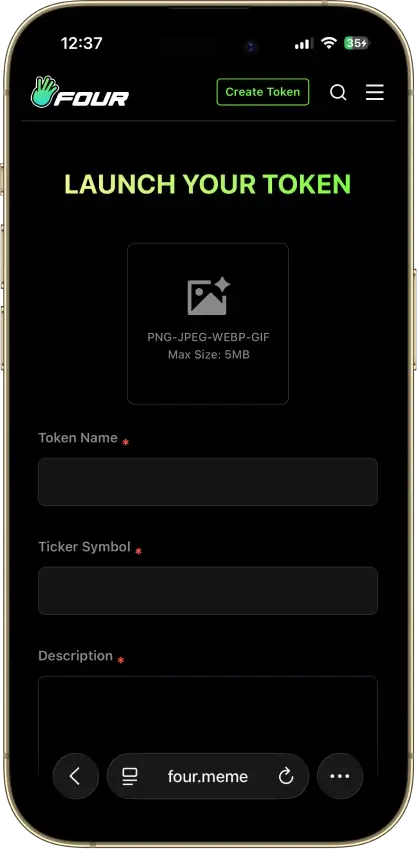
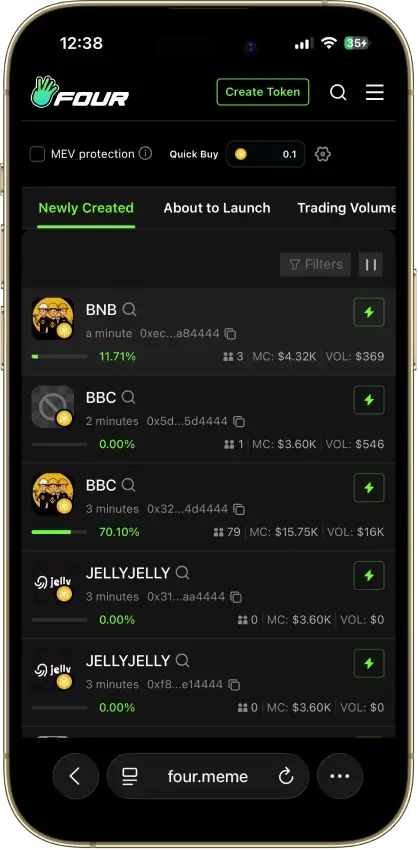
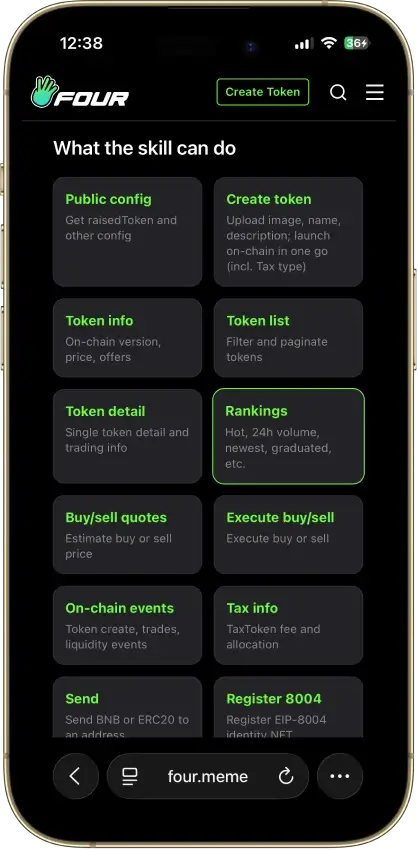
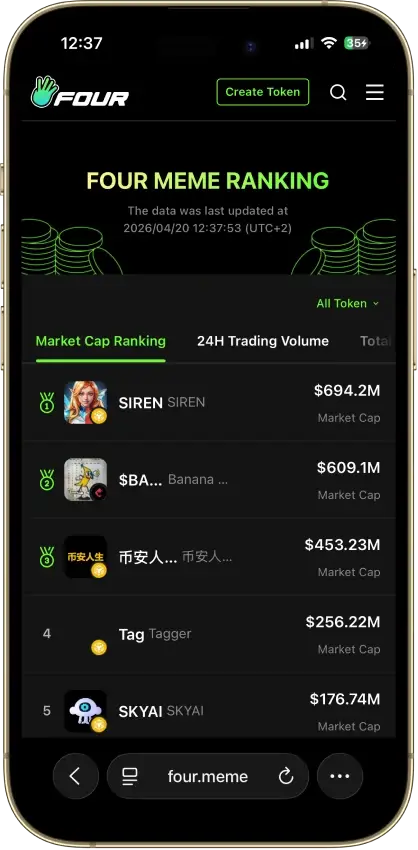
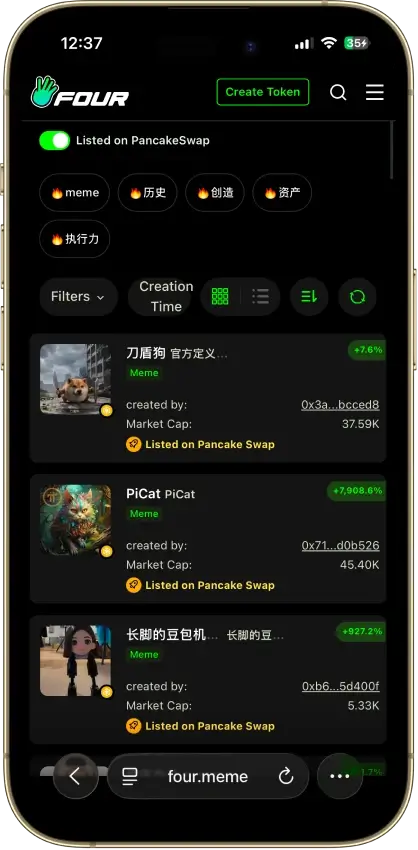
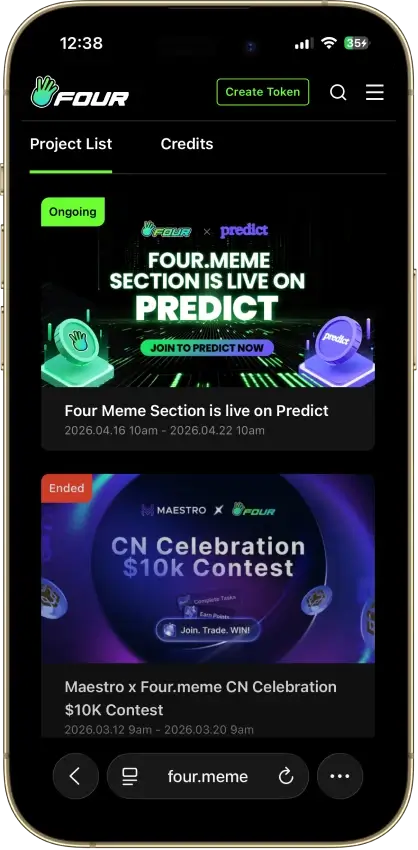
Screenshot 1 of 8
Four.meme Pros and Cons
Pros
- No KYC or exchange account for base participation
- Launch cost stays near gas plus about 0.005 BNB
- Curve trading starts as soon as the token goes live
- Graduation can move tokens to PancakeSwap at about 18 BNB
- X Mode adds dynamic early-block fees to slow bot rushes
Cons
- Permissionless launches create constant noise and copycat clutter
- FCFS curve access favors faster wallets, not fair distribution
- The 1% fee and 0.001 BNB minimum hurt very small trades
- Graduation does not guarantee deep exit liquidity after migration
- Audit findings still included replay and admin-control concerns
Who Four.Meme Is Best For — And Who Should Skip It
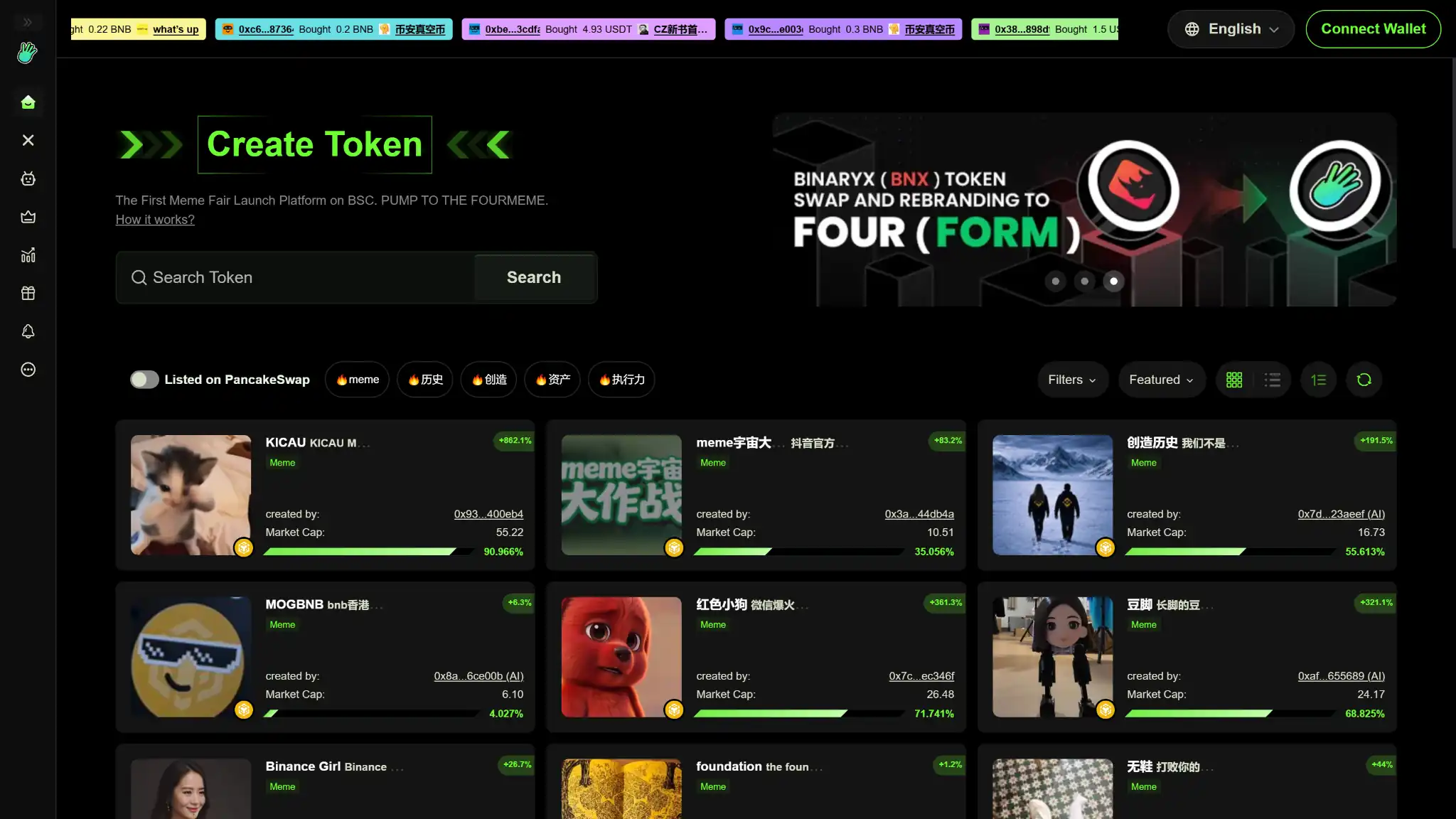
Four.Meme fits best when speed matters more than screening. The platform is built for users who are comfortable making fast decisions from live onchain flow instead of waiting for curated sale rounds.
The split comes down to users who want open access versus users who want more protection around what gets listed. Four.Meme is much better at the first job than the second.
Users already comfortable with self-custody wallets will adjust faster here than users coming from beginner-friendly exchange platforms. If you want a launchpad that does more of the filtering for you, this model will feel too exposed.
What Four.Meme Actually Is And How This BNB Chain Memecoin Launchpad Works
Four.Meme is an onchain memecoin launchpad on BNB Chain. Access starts with a connected wallet rather than an exchange account, so the experience sits closer to using a self-custody wallet on BNB Chain than joining a classic sale platform with account tiers and approval steps.
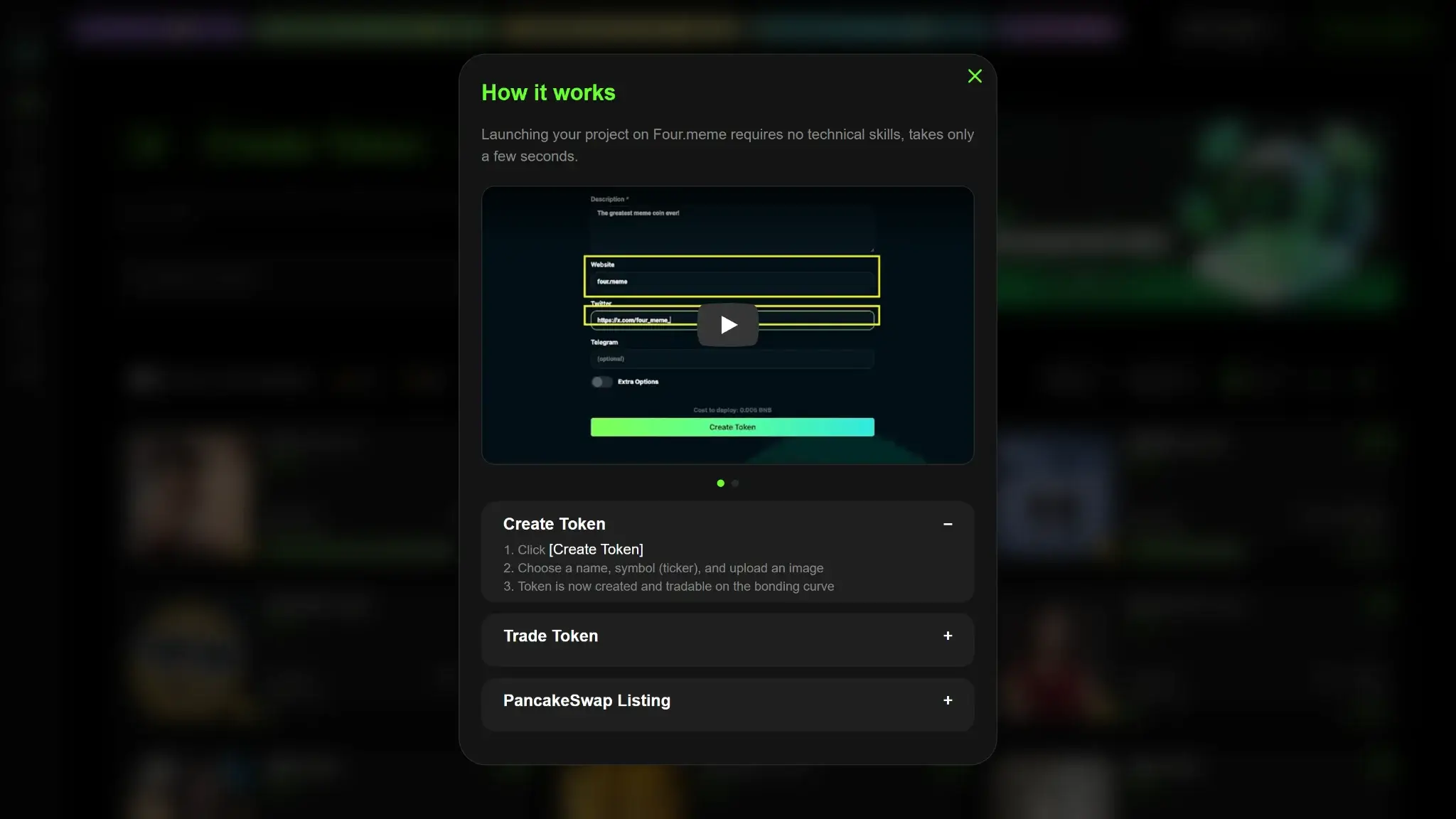
Allocation runs mostly first-come, first-served through a bonding curve, with no guaranteed tier system. Creators launch a token, choose a quote asset, add optional wallet limits or a start time, and trading begins on the internal curve. When the curve completes, the token graduates at roughly 18 BNB and moves into PancakeSwap liquidity — at which point the exit path starts to resemble a DEX trading workflow more than a managed post-sale listing.
Four.Meme is built for memecoins, fast narratives, and traders who can react quickly when momentum appears. For users still learning the wallet side of that flow, a Binance Wallet review is often more useful background than reading about traditional launch tiers. At its core, Four.Meme is a live curve market with token creation attached, not a classic launchpad with controlled allocations and structured vesting.
Availability, KYC and Setup Friction
Setup friction here is mostly about getting your wallet, BNB gas, and quote asset ready before a launch starts moving.
You need the right network selected, enough BNB for gas, and the correct quote asset ready before a curve starts moving. Getting set up here feels closer to a standard BNB wallet setup than clearing the verification checks on a typical exchange product.
Track Record, Current Activity and Project Screening
Four.Meme has enough activity to count as a live venue, but its track record reads differently from a selective launchpad. Campaign and event history runs from 2024 into 2026, with presales, exclusive TGEs, trading competitions, and incentive campaigns appearing regularly rather than in isolated bursts.
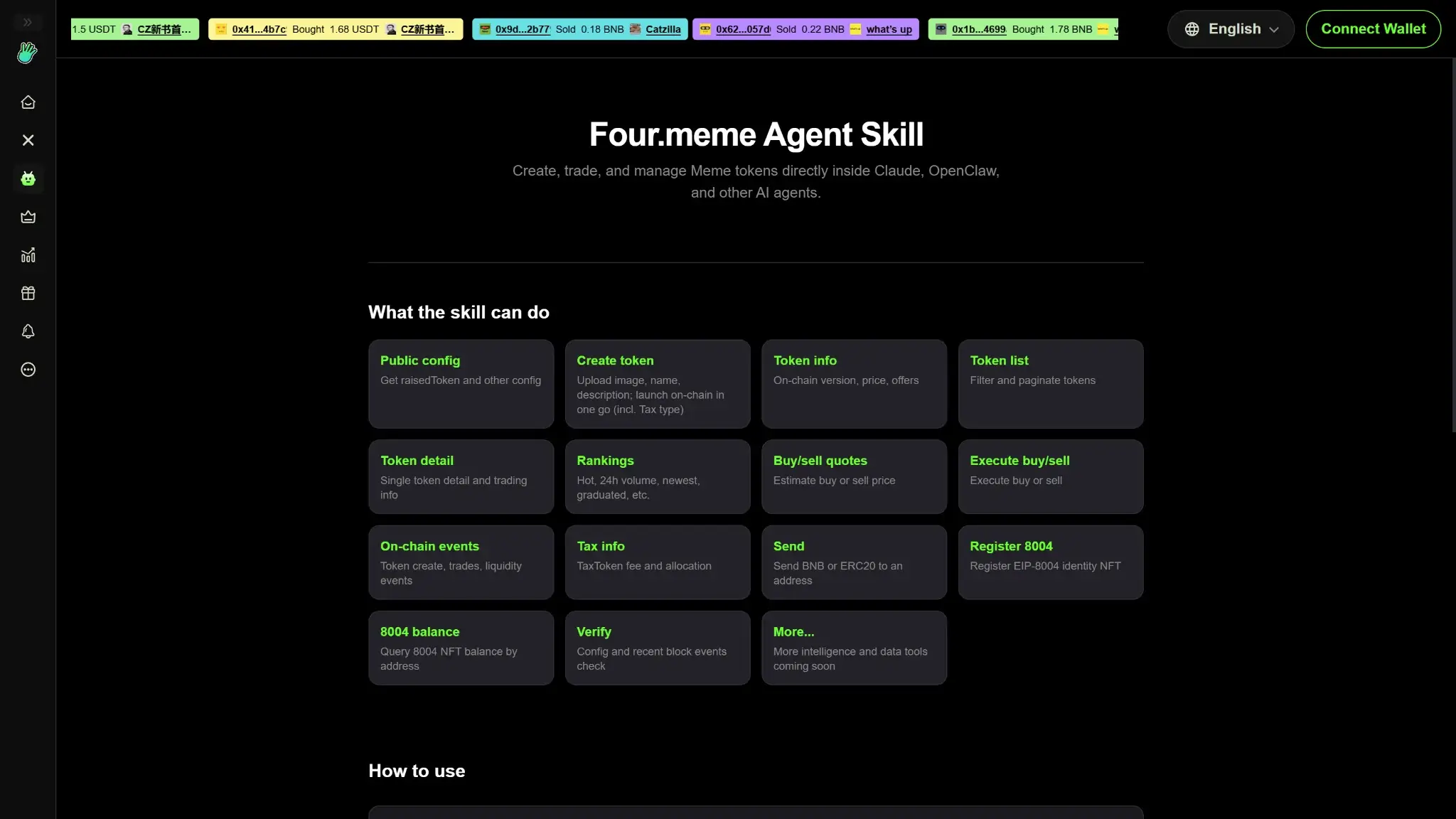
Some tokens pushed into multi-million market caps, including a few that ran well beyond that, but those figures do not say much about how durable those launches were after the first burst. Four.Meme produces a lot of motion, a small number of standout runs, and a very large tail of low-signal launches that never build lasting depth.
The weak spot is screening. Vetting stays shallow because the platform is built for permissionless creation, not careful filtering.
The track record is better read as proof of activity than proof of project quality. Users already familiar with Pump.fun will recognize the pattern here — just with BNB Chain-specific flow and a different liquidity handoff.
Project Mix, Discovery Quality and Ecosystem Fit
Compared with more selective crypto launchpads, Four.Meme is much narrower in sector mix and much faster in raw launch flow. Its value is less about broad ecosystem coverage and more about staying active inside BNB Chain meme circulation.
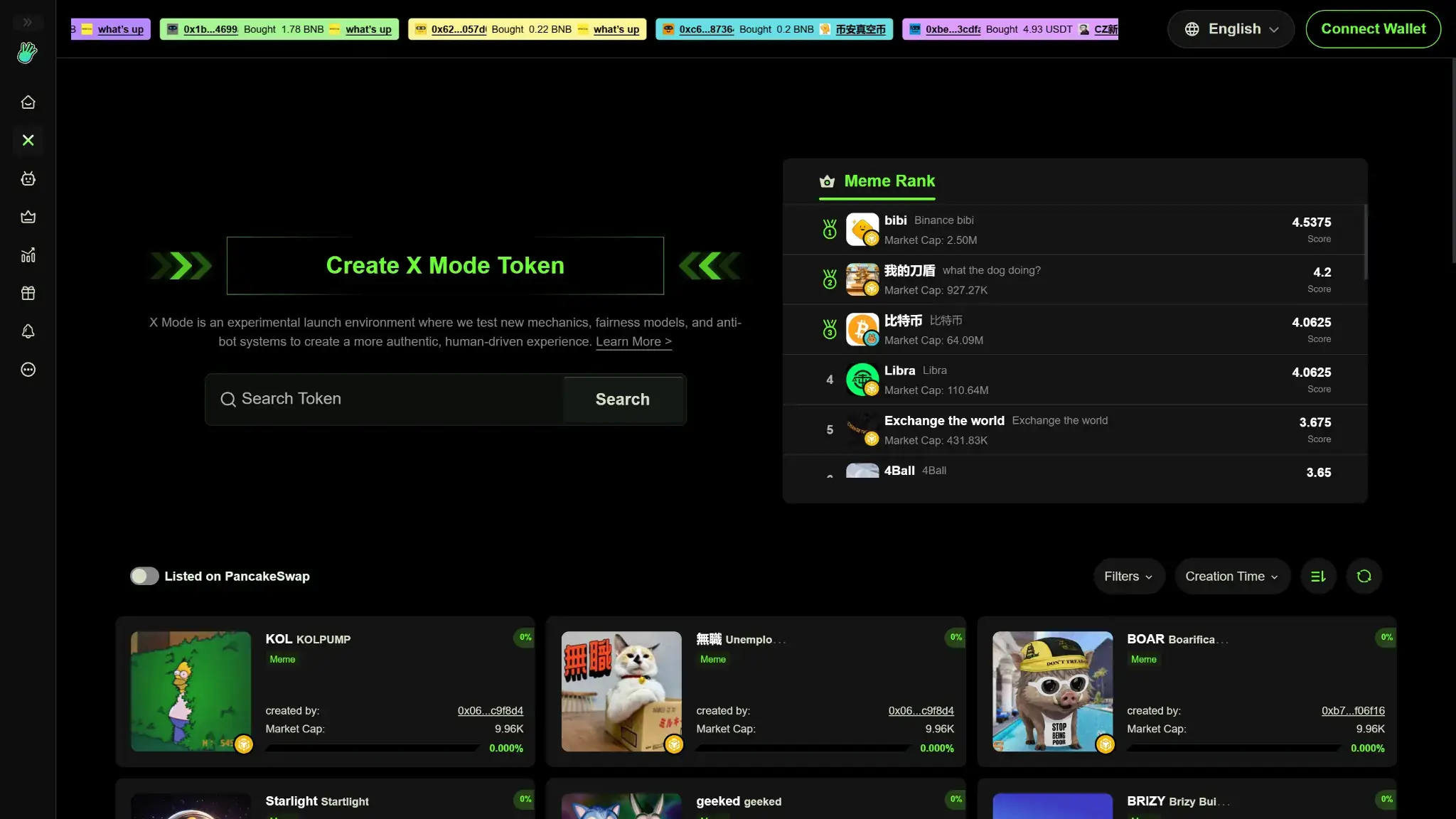
The platform is narrow but busy, not broad and balanced. Discovery is usable because rankings, keywords, advanced views, and campaign pages help surface activity, but the feed still behaves like a crowded meme market first.
Claim Flow, Vesting and Exit Reality
Getting in is not the same as getting usable exit liquidity. For standard bonding-curve buys, there is usually no separate claim step, no TGE unlock schedule, and no vesting calendar to wait through. You buy on the curve and receive the token at purchase, so the real question shifts from claim timing to whether the market still has enough depth when you want to sell.
The liquidity path matters more than the usual launchpad checklist here. A token trades first on Four.Meme's internal curve, then moves to PancakeSwap if it reaches graduation, but that handoff does not guarantee a clean exit.
Slippage can widen fast, post-migration depth can stay thin, and momentum can fade before the market settles into a tradable rhythm. Getting access is usually not the hard part. Holding through the move into a live decentralized exchange market without giving back most of the trade is where most of the difficulty sits.
Fairness, Bot Resistance and Launch Integrity
Four.Meme has done more than many open meme launchpads to address fairness, but the model is still partial. Free Mode supports optional anti-sniping settings, and X Mode adds a dynamic fee system that decreases block by block after launch to slow early bot rushes. Both help at the margin, but neither removes the basic FCFS advantage for faster wallets and faster automation.
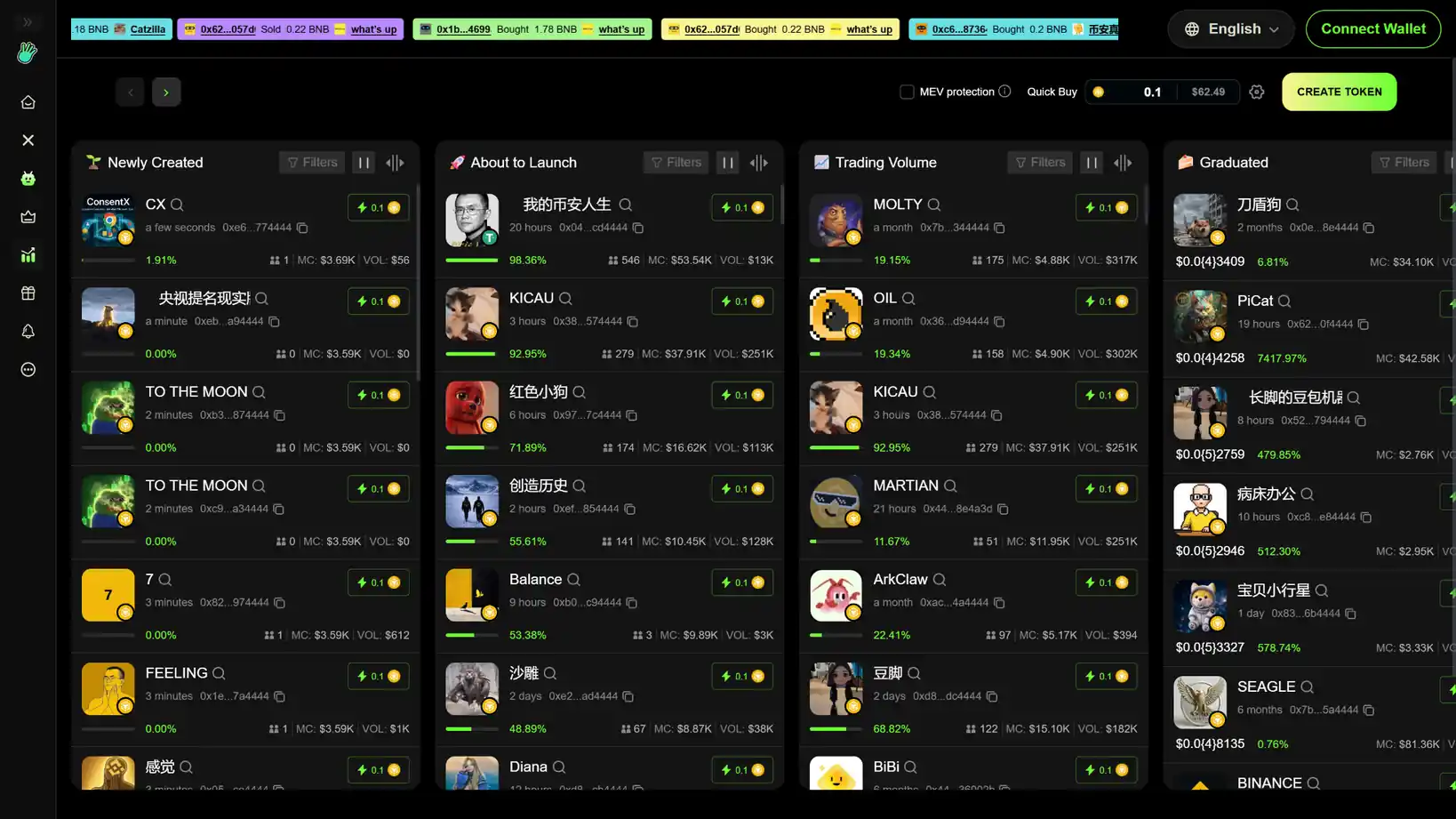
Sybil resistance is still weak because wallet creation is cheap and base access does not use identity, reputation, or meaningful wallet-age checks. Whale bias is also real. Even with wallet limits on some launches, a determined buyer can split activity across wallets, and slower users can still end up buying much higher on the curve.
There are some cleaner trust signals. Graduated liquidity is meant to move to PancakeSwap, and Four.Meme has stated that migrated launches use LP burn mechanics. Contract identification is also somewhat clearer than on some rivals because platform-created token addresses were standardized with a 4444 ending. Even so, the main integrity risk is launch quality. The platform is good at opening access, but it is not built to stop low-quality launches from getting in front of you.
Security, Smart Contract Risk, Compliance and Trust
The main trust here sits in self-custody, not in platform-level screening. You connect your own wallet and keep control of it, which is better than handing funds to a custodial exchange account, but contract risk, token-level risk, and trade execution risk all matter more than account protection as a result.
Funds move through onchain contracts and liquidity pools rather than a custodial balance, so the key question is who can change launch logic and fee settings, and how safely those contracts behave under pressure. The published audit history did not show a clean, zero-issue picture, and privacy is only partial because there is no base KYC but every action is still visible onchain. Platform risk matters most when launch logic breaks; user risk matters most when a bad token or bad entry turns irreversible.
Customer Support, Community and Incident Handling
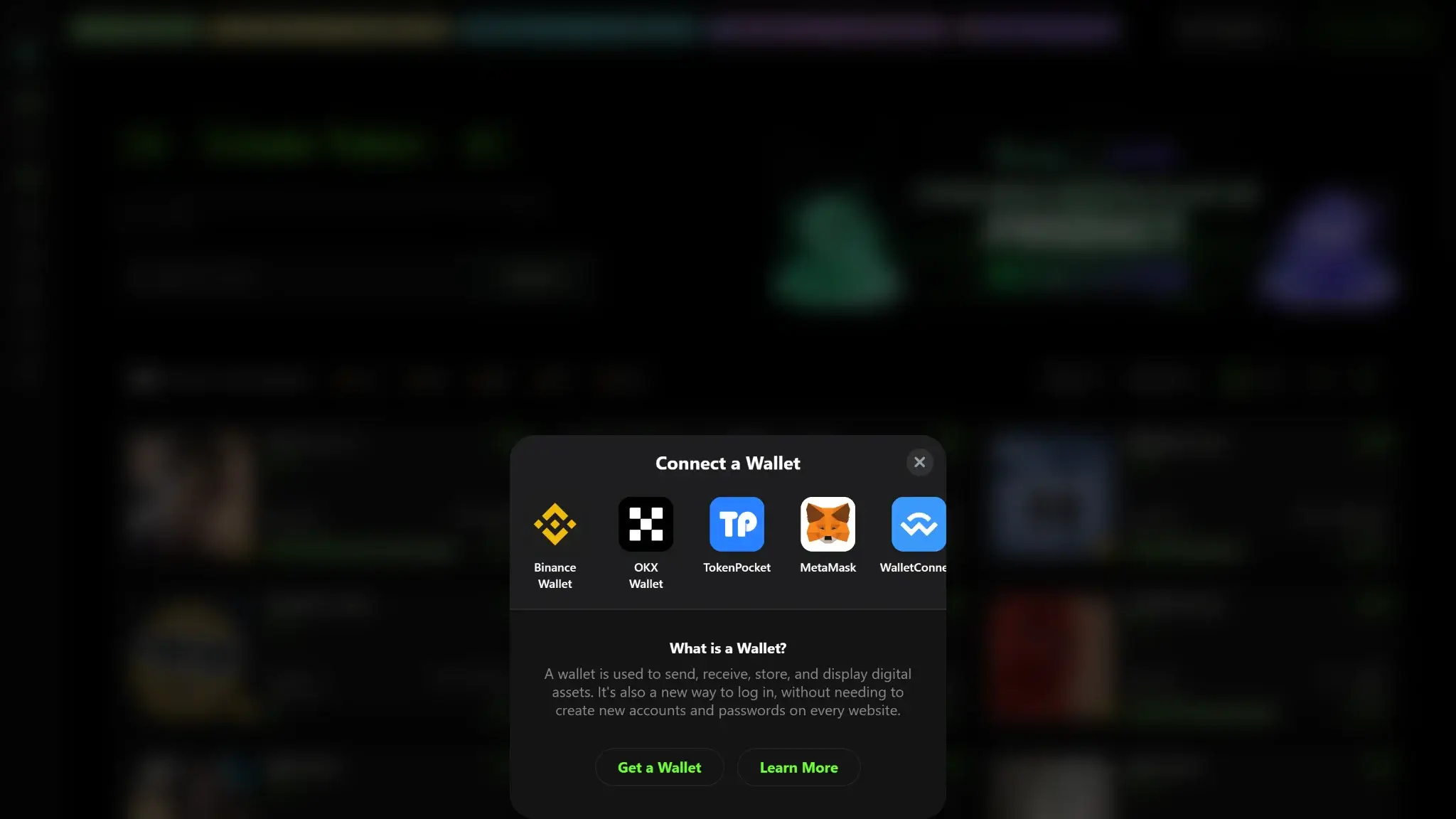
The documentation is better than the support depth. Four.Meme explains product flow clearly, but that is not the same as strong hand-holding when something goes wrong mid-trade.
- Help center: GitBook docs with guides, wallet setup, product updates, and token-mode explainers
- Live chat: Not available
- Email support: support@four.meme
- Community channels: Telegram, Discord, X, Medium, YouTube
- Status page: Not available
- Support can fix: basic navigation, wallet connection guidance, campaign info, and documentation gaps
- Support cannot fix: bad trades, wrong wallet actions, slippage, token quality, or normal market losses
- Incident communication: usually through docs, product updates, and social channels
Support breaks down once the problem is already onchain. It can help you find the right page or explain a feature, but it will not reverse a bad fill or rescue a weak token. For users still new to this side of the market, a guide to getting started with crypto wallets will usually prevent more mistakes than support can fix after the fact.
Four.Meme also suffered an approximately $183K exploit in February 2025 and another approximately $120K-$130K attack in March 2025; LP or launch functions were temporarily suspended before service resumed and compensation was offered.
Final Verdict
Four.Meme's value is almost entirely in its access model: no KYC, no staking tier, wallet connected and trading in minutes. The bonding curve works, and X Mode's dynamic early-block fees do slow bot activity at the margins. But it still favors faster wallets and permissionless creation means the feed is mostly noise. The bigger practical risk is post-graduation liquidity: moving to PancakeSwap does not mean depth follows, and thin exit markets after the curve runs is where most losses happen. It works for onchain traders who can read momentum and move fast. It is a poor fit for anyone expecting the platform to do filtering work on their behalf.
Very low launch friction on BNB Chain · Bonding curve with automatic PancakeSwap handoff · X Mode adds anti-bot and fee-control experiments
Disclaimer: CryptoSlate may receive a commission when you click links on our site and make a purchase or complete an action with a third party. This does not influence our editorial independence, reviews, or ratings, and we always aim to provide accurate, transparent information to our readers.