
Featured Review

Mar 11, 2026
Tangem Wallet Review

Tangem is a non-custodial NFC hardware cold wallet built around cards or a ring and a phone app rather than a USB device with its own screen. It suits phone-first users who want the lightest cold-storage routine possible. There is no cable, no battery, and no charging cycle. The trade-off is straightforward: you review transactions on the phone, and seedless recovery becomes unforgiving if every linked device is lost.

Read Featured Review
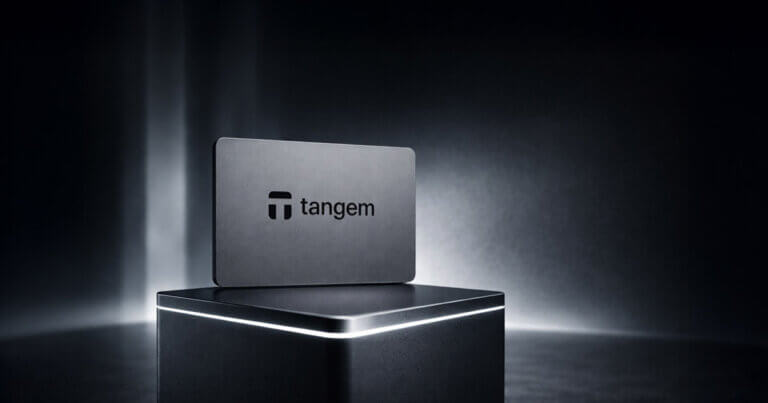
Tangem hardware crypto wallet card displayed on a pedestal with brand logo in the background, representing its security model, recovery process, fees, and supported assets in review

Yousra Anwar Ahmed Yousra Anwar Ahmed has published within the past 30 days.

Content Lead CryptoSlate

Author Stats

Total Reviews 50
Since Mar 2026
Last Active Apr 6, 2026
Primary Beat Crypto Wallets
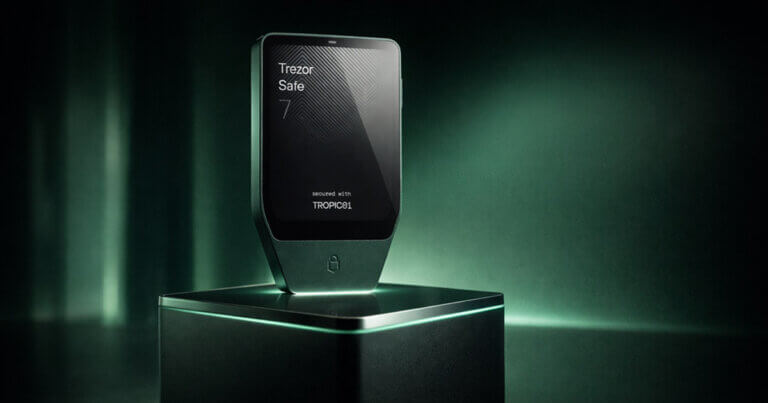
Trezor Safe 7 hardware crypto wallet displayed on a glowing pedestal with screen showing device branding, representing its security model, recovery options, supported assets, and price in review
Review Crypto Wallets

Trezor Safe 7 Wallet Review

Trezor Safe 7 is a premium cold hardware wallet with full phone support, a larger on-device review screen, and a written-backup recovery model. It suits buyers who want easier mobile use without moving away from standard self-custody basics. Bluetooth, battery power, and the larger touchscreen make day-to-day signing easier than it is on older Trezor devices. But at $249, it is expensive for a Trezor, and that premium does not solve key trade-offs like the lack of working Monero support or the fact that Safe 7 is still not an air-gapped wallet.

Ledger Nano S Plus hardware crypto wallet displayed open on a pedestal with internal components visible, representing its security model, recovery features, supported assets, and fees in review
Review Crypto Wallets

Ledger Nano S Plus Wallet Review

Ledger Nano S Plus is a cold hardware wallet built for simple, desktop-led self-custody. It suits people who want broad Ledger asset support, offline key storage, and on-device approval without paying for Bluetooth or a touchscreen. Its appeal is clear: low official pricing, current support, a standard 24-word recovery model, and a simple cable-only setup. Those strengths come with clear trade-offs. The small screen, two-button navigation, and lack of iPhone support make it a weaker fit for mobile-first users and frequent dApp signing.

Ledger Flex hardware crypto wallet displayed on a glowing pedestal with interface showing Bitcoin, Ethereum, Solana, and XRP apps, illustrating features reviewed against Ledger Stax for price, specs, and security
Review Crypto Wallets

Ledger Flex Review

Ledger Flex is a premium touchscreen hardware wallet for people who want a more comfortable signing experience than Nano-style devices usually offer. It is best for users who switch between phone and desktop, sign often enough to care about screen comfort, and want better mobile support without paying Stax pricing. Its biggest strength is the 2.8-inch E Ink touchscreen, which makes address checks, approvals, and transaction review easier than on Ledger’s smaller button-based devices. That convenience comes with clear trade-offs. Flex is expensive, not air-gapped, and still leans on Ledger Wallet and some third-party workflows instead of offering a fully open or fully isolated design.

Nexo Custodial Wallet Review
Review Crypto Wallets

Nexo Custodial Wallet Review

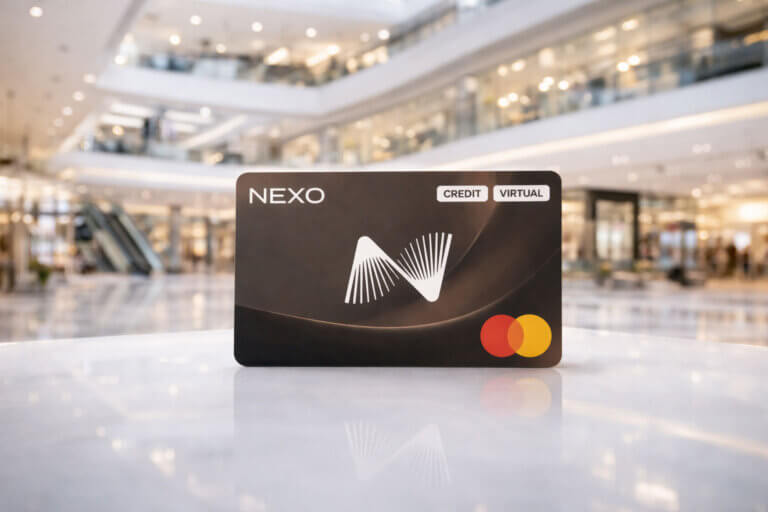
This review covers Nexo’s current custodial account wallet, not the older Nexo Web3 Wallet that was discontinued in 2025. It suits users who want one place to hold crypto, move funds across supported networks, swap assets, and use extras such as credit lines or the Nexo Card. Its biggest advantage is convenience. Nexo combines several account and wallet functions in one dashboard. The downside is reduced control. Nexo holds the keys, KYC is part of the experience, and the product is not built for direct dApp use or self-custody.

MoonPay Wallet Review
Review Crypto Wallets

MoonPay Wallet Review

MoonPay Wallet is the self-custody wallet inside the MoonPay app, not a dedicated browser wallet. It is best for mobile users who want to buy, sell, swap, and move crypto from one place without setting up a separate wallet stack first. Its biggest strength is convenience. MoonPay combines fiat ramps, in-app wallets, cross-chain conversion, and simple transfers through MoonTags in a single mobile flow. The main drawback is that the product is closely tied to account verification and regional checks, and it still lacks strong desktop and advanced Web3 tooling.

OKX Wallet Review
Review Crypto Wallets

OKX Wallet Review

OKX Wallet, also called OKX Web3 Wallet, is a non-custodial hot wallet for people who use DeFi, move assets across chains, and connect to dApps often. The OKX Wallet app and OKX Wallet browser extension combine broad chain support, built-in swaps, WalletConnect, and extra account tools in one product. That makes it more capable than a simple storage wallet, but also easier to misuse if you do not pay attention to approvals, networks, and backup setup.

Binance Wallet Review
Review Crypto Wallets

Binance Wallet Review

Binance Wallet is a self-custody MPC wallet built into the Binance app and extended across web and browser use. It suits existing Binance users who want a faster path from exchange balances into swaps, bridges, dApps, and on-chain trading without managing a separate seed-phrase wallet from day one. Its biggest strength is convenience inside the Binance ecosystem. The main trade-off is that it feels less independent and more workflow-tied to Binance than a standalone wallet.

Trust Wallet Review
Review Crypto Wallets

Trust Wallet Review

Trust Wallet is a non-custodial hot wallet built for people who want one app for multi-chain self-custody, swaps, staking, NFTs, and dApp access. It suits users who move across several ecosystems more than users who stay on one chain or want a hardware-first setup. Its main strength is breadth: Trust Wallet combines support for 100+ blockchains with built-in Web3 features in a single interface. The trade-off is a wider attack surface. That matters most when you use dApps, token approvals, browser extensions, and third-party buy or swap partners.