



Binance Launchpad Overview
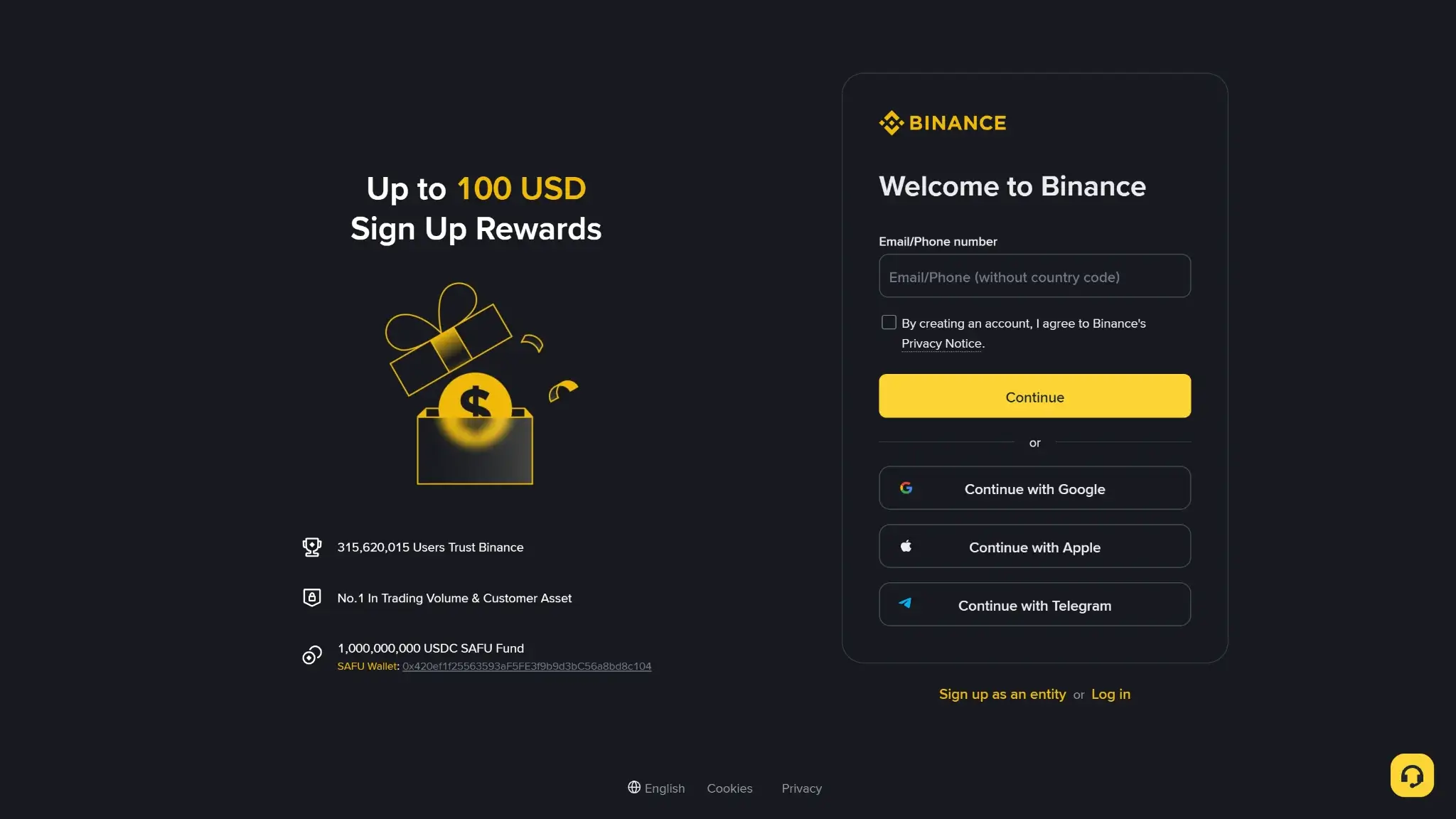
Binance Launchpad Screenshots
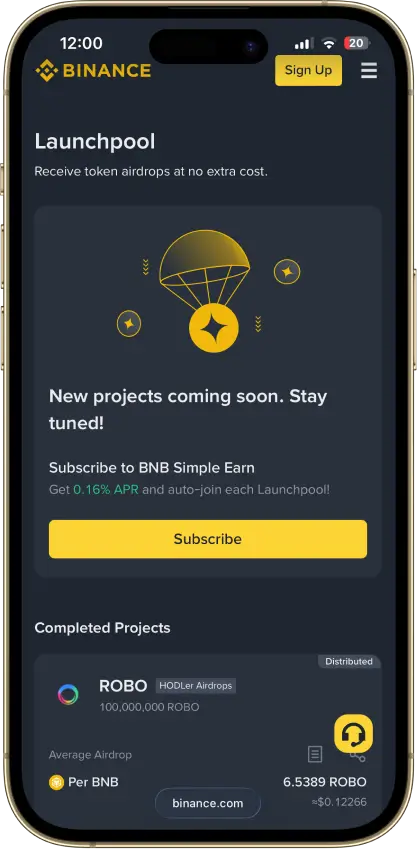
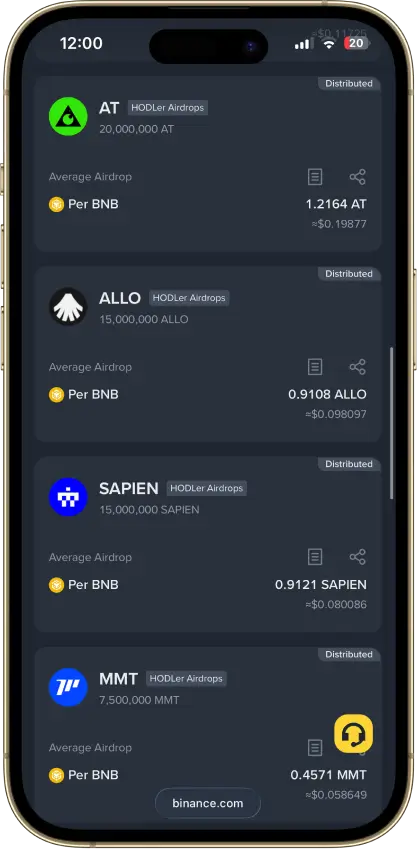
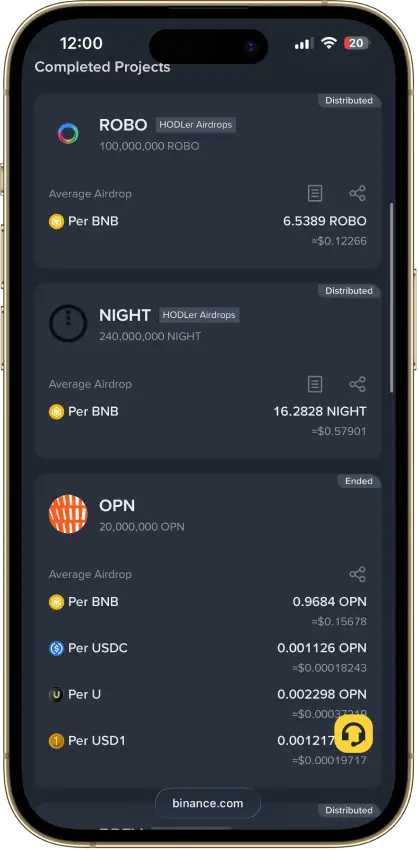
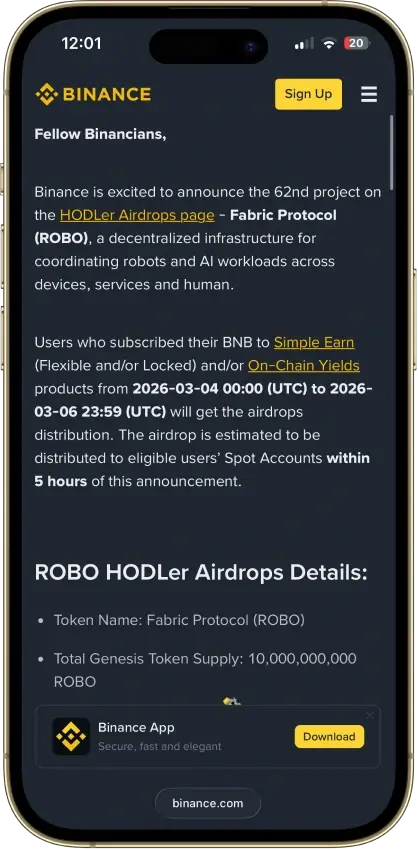
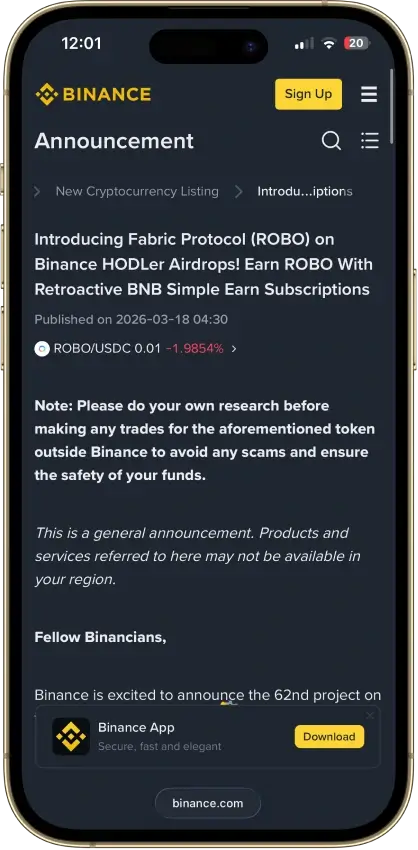
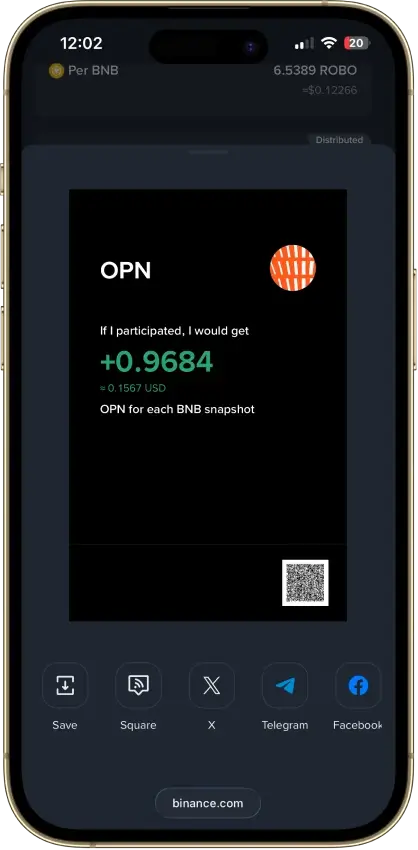
Screenshot 1 of 8
Binance Launchpad Pros and Cons
Pros
- Direct route from token distribution to Binance spot trading
- No wallet connection, bridge step, or gas spend for core participation
- Stronger liquidity on better launches than most retail launchpads
- BNB held in Binance's earn stack can feed newer reward formats
- Centralized account flow reduces claim friction and missed-claim risk
Cons
- Small BNB balances often produce tiny pro-rata allocations
- Full identity checks and region rules exclude many users upfront
- BNB exposure is part of the cost before the project proves itself
- Classic Launchpad sales no longer drive the whole experience
- Users give up self-custody and depend fully on Binance execution
Who Binance Launchpad Is Best For — And Who Should Skip It
Binance Launchpad fits users who are already active inside Binance and already accept its custody model, verification requirements, and BNB-linked incentives. It is much weaker as a cold-start launchpad for someone opening an account just to chase one sale.
The natural fit is someone who already keeps BNB in Binance, watches launch announcements closely, and cares more about clean execution than self-custody. For that user, Binance removes a lot of the usual launch-day friction.
Users who want meaningful access with small capital, lower verification barriers, or wallet-native participation should usually look elsewhere. A self-custody route makes more sense for anyone who prioritizes onchain access and direct contract interaction over exchange-side distribution.
What Binance Launchpad Is And How It Works
Binance Launchpad is best understood as Binance's centralized early-access lane, not as a single sale format. The older version is a BNB subscription sale. The more active version in recent cycles is Launchpool or another BNB-linked reward format inside the same broader launch stack.
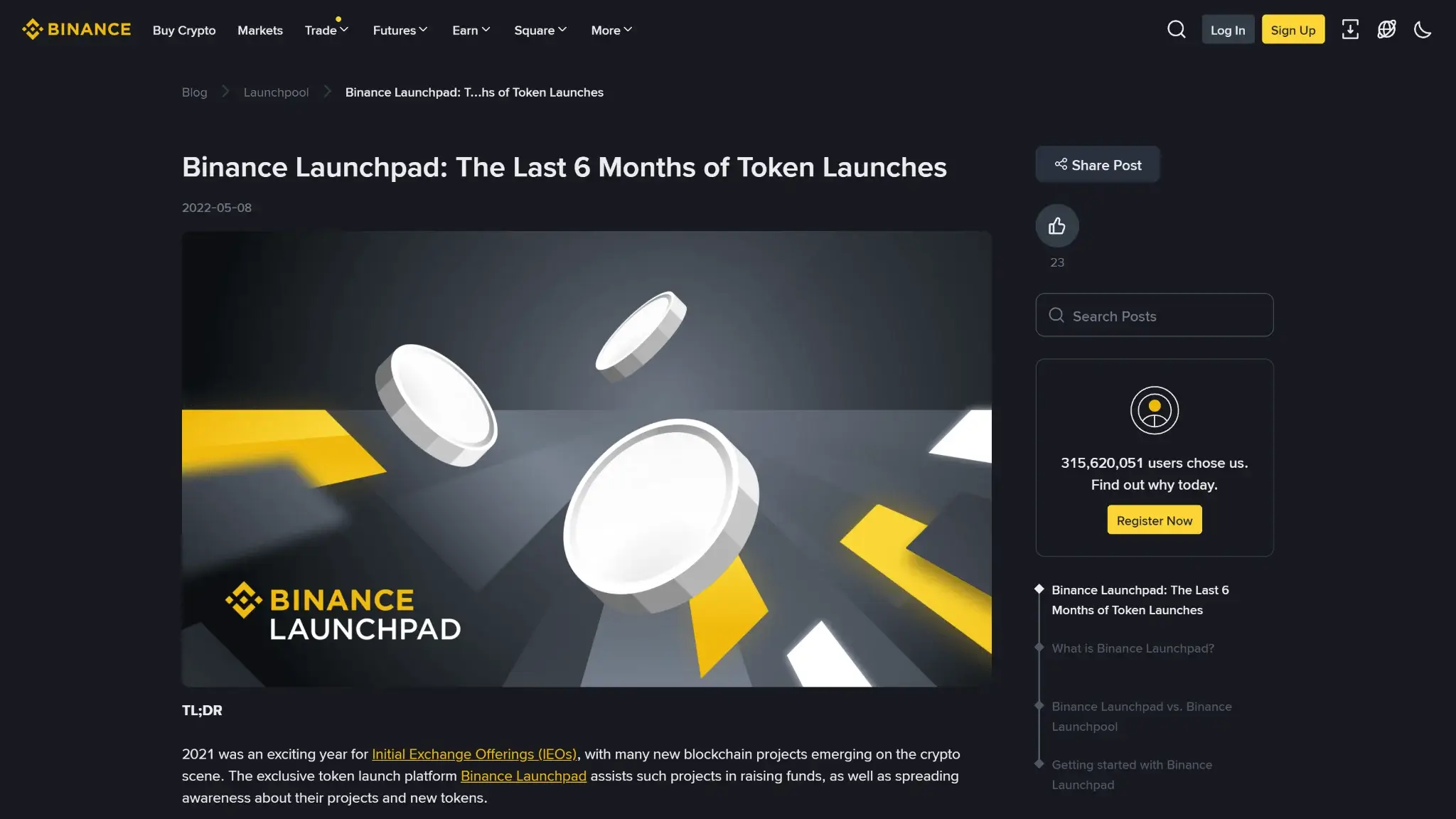
- Access starts with a verified Binance account in an eligible jurisdiction.
- For classic Launchpad sales, Binance records the user's average BNB balance during a snapshot window.
- That average sets the maximum BNB the user can commit.
- Final allocation is based on the user's share of total committed BNB, not a first-come queue.
- Unused BNB is returned after calculation, and allocated tokens are credited to the Binance account.
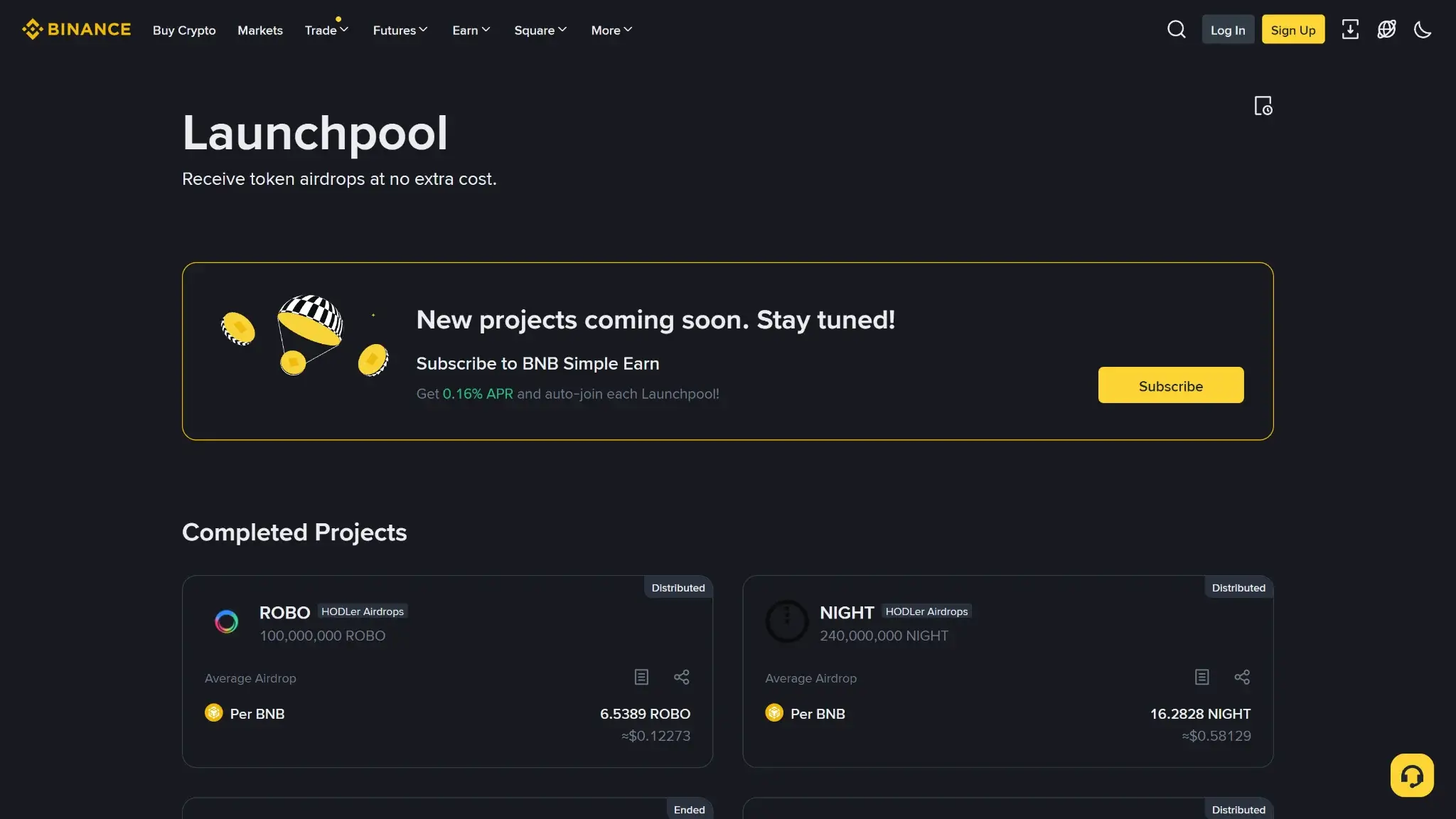
- For Launchpool campaigns, users lock BNB and sometimes stablecoins for a set period, and rewards accrue over time rather than through one fixed-price event.
- Exit timing depends on the format: Launchpool rewards accrue hourly and can be claimed anytime, classic Launchpad credits at final distribution, Alpha / Alpha 2.0 can trade through Binance Alpha surfaces, and Pre-TGE tokens can stay locked until the project enables trading.
This setup is built for users who want centralized access, fast account-side distribution, and immediate exchange liquidity. The logic is simple: hold BNB, qualify during the snapshot window, receive a share of launch supply, then decide on Binance whether to sell early or hold the position.
Availability, KYC and Setup Friction
Setup friction starts before the sale itself. The main issue is not wallet setup or chain switching. It is whether the user can pass KYC, live in an eligible region, and build the required BNB balance before the snapshot window closes.
What slows access in practice is not the interface but timing. If a user sees a sale late, still needs KYC, or has not built the required BNB balance before snapshots start, the chance to participate drops fast. Users who prioritize compliance and account-side protection over anonymity will generally be more comfortable with exchanges that take a stricter compliance approach than with open wallet-first platforms.
Track Record, Current Activity and Project Screening
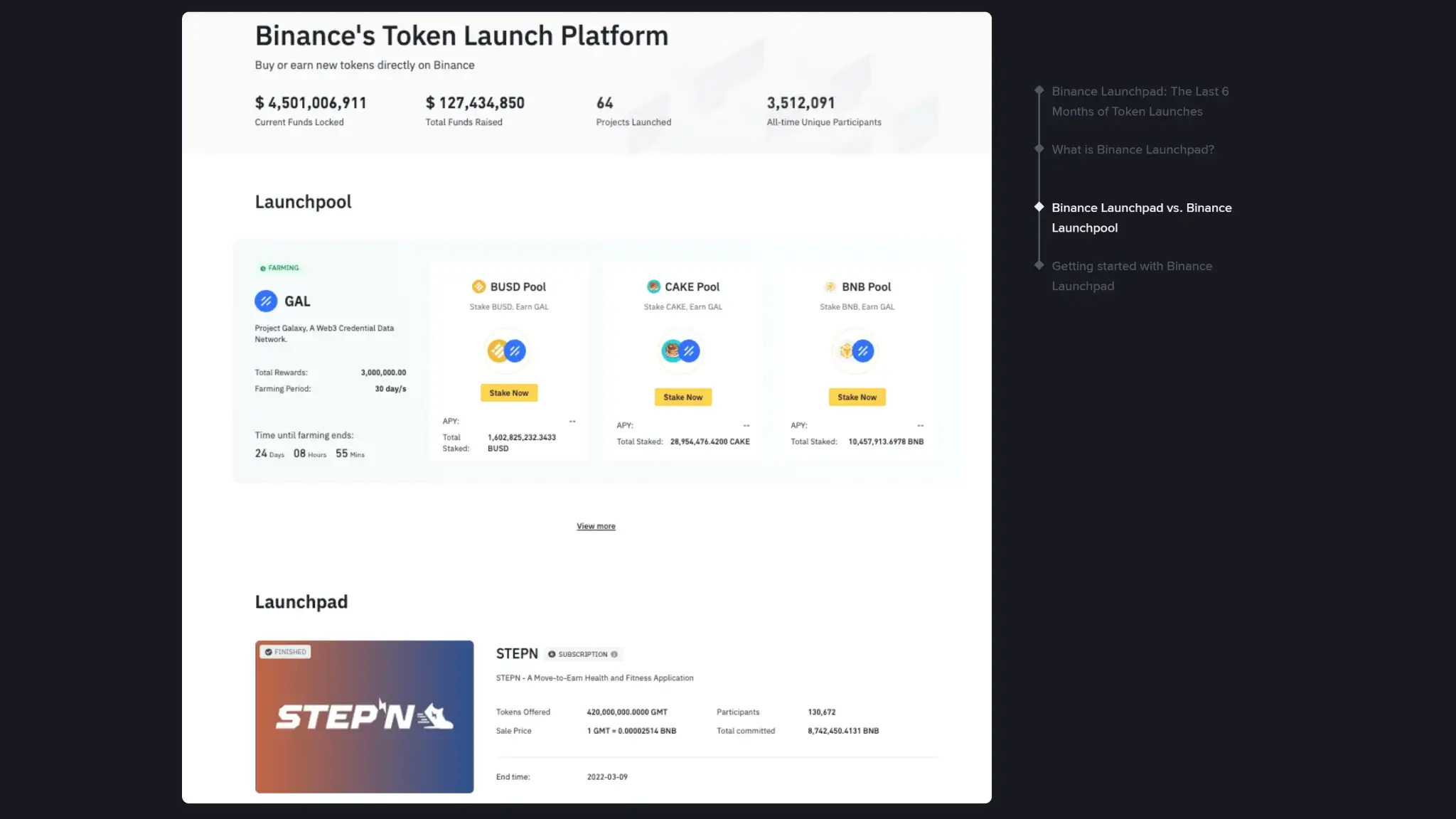
The classic fixed-price Launchpad brand still carries weight, yet real activity in 2025 and 2026 has leaned much more toward Launchpool, HODLer Airdrops, Alpha, and related Binance distribution channels. That matters for users looking for current projects or a clean project list, because the older Launchpad catalog and the active Binance launch stack are no longer the same thing.
Current quality still deserves attention, but the platform's reputation needs to be read in context. Binance remains one of the more selective retail-facing launch venues, yet users should judge it by recent format execution and current deal flow, not by a handful of bull-market wins that still dominate older comparisons.
Project Mix, Discovery Quality and Ecosystem Fit
Compared with direct rivals like OKX Jumpstart and KuCoin Spotlight, Binance stays broader and more selective at the top end. The difference now is that Binance spreads discovery across several surfaces, so finding the next relevant sale is less clean than the older single-page Launchpad model implied.
This is a broad but filtered launch stack. It gives users better signal than noisier retail pads, but it also requires tracking several Binance surfaces instead of one clean launch feed. For users monitoring upcoming projects, new token sale announcements, or the next Launchpad announcement, that fragmentation is the main practical drawback.
Claim Flow, Vesting and Exit Reality
Getting an allocation is only part of the picture. The more relevant question is when that allocation becomes usable, because Binance typically makes the claim path clean even when project-level supply overhang still sits ahead.
The exit path is cleaner than on most launchpads, as long as the user is willing to trade on Binance first and move off-platform later. The bigger risk is usually not claim failure or delayed liquidity. It is that the allocation ends up too small, or that later token unlocks weigh more heavily than the smooth first-day listing path suggests.
Fairness, Bot Resistance and Launch Integrity
Binance's fairness model is more credible than FCFS launchpads that turn every sale into a speed race. Verified accounts, snapshot-based eligibility, and pro-rata distribution reduce the classic bot and sniper abuse. The move from simple hourly balance logic to multiple daily snapshots also made it harder to game eligibility by moving borrowed BNB in and out at the right time.
That said, this is still a capital-weighted system. The main issue is whale bias, not bots. Large BNB holders do not need to break any rules to dominate the math, and small users can follow the process correctly and still end up with a token amount that barely matters. Queue abuse is less relevant here than on FCFS pads, but the system is far from equal.
Liquidity lock, burn rules, treasury unlocks, and team vesting visibility depend much more on the project than on Binance. The exchange usually gives users better token and contract clarity than smaller pads do, but it does not remove a core risk: users often trust the Binance wrapper more than they actually inspect a project's unlock schedule and supply structure.
Security, Smart Contract Risk, Compliance and Trust
The main trust relationship here is with Binance as the custodian, not with a self-custody contract flow. Funds stay inside the Binance account before allocation, during distribution, and often through the first sale into liquidity. That reduces wallet-level signing risk, but it also means Binance controls custody, execution, and access enforcement.
For most users, platform and compliance risk matter more here than smart contract risk. Full KYC and account monitoring are part of the trade, so privacy is limited by design. On the positive side, Binance publishes proof-of-reserves data and gives users tools like Binance Verify to check whether a contact is genuinely tied to the platform.
Users who would rather keep BNB off-exchange between events can look at wallets with BNB support, but that does not replace Binance account access for Launchpad participation itself.
Customer Support, Community and Incident Handling
Binance has more support surface area than most launchpads, but broad documentation is not the same as fast resolution. For general questions, the support stack is deep. For time-sensitive sale issues, getting the right answer before a window closes is still the hard part.
- Help center: large support center covering launchpad, launchpool, funding, KYC, and withdrawal topics
- Live chat: 24/7 chat support on web and app
- Email or ticket support: no clear public general support email; case handling runs through support chat threads and complaint forms
- Telegram / X presence: channels exist for updates but are not suited to account-specific issues
- Status page: real-time deposit and withdrawal status page plus maintenance announcements
- What support can fix: KYC issues, account access, deposit and withdrawal status, missing reward credits, and some eligibility questions
- What support cannot fix: missed snapshot windows, missed subscriptions, project vesting rules, market losses, or blocked jurisdictions
- How incidents are communicated: support announcements, maintenance feeds, in-app notices, and verified social channels
Support works well for account and process issues. It is weaker when the problem involves timing, since no support queue can reopen a sale window or reverse a bad entry after trading starts.
Final Verdict
The exit path is genuinely one of the better ones in this category. Tokens land directly in a Binance spot account, liquidity opens fast, and there are no bridge steps or gas fees to deal with after distribution. The vetting is also stronger than most retail launchpads, and the centralized account flow means fewer missed claims and cleaner execution overall. The trade-off is that access is balance-weighted, so the experience scales with how much BNB you hold. Smaller participants and anyone outside supported jurisdictions will hit limits quickly. It suits active Binance users who already hold meaningful BNB and want a clean, low-friction path from allocation to the first trade.
Direct path from early access to Binance spot trading · Better post-listing liquidity than most retail launchpads · Cleaner centralized flow than wallet-first IDO platforms
Disclaimer: CryptoSlate may receive a commission when you click links on our site and make a purchase or complete an action with a third party. This does not influence our editorial independence, reviews, or ratings, and we always aim to provide accurate, transparent information to our readers.