

About Lagrange

As zero-knowledge (ZK) technology becomes a foundational pillar of blockchain scalability and privacy, Lagrange is emerging as a pivotal player in this domain. With its dual product strategy—the Lagrange ZK Prover Network and the ZK Coprocessor—the project aims to transform how rollups and smart contracts scale and interact with complex onchain data. Central to its architecture is the LA token, which powers the economic and governance mechanisms of the Lagrange network.

Read more

A Production-Ready ZK Prover Network

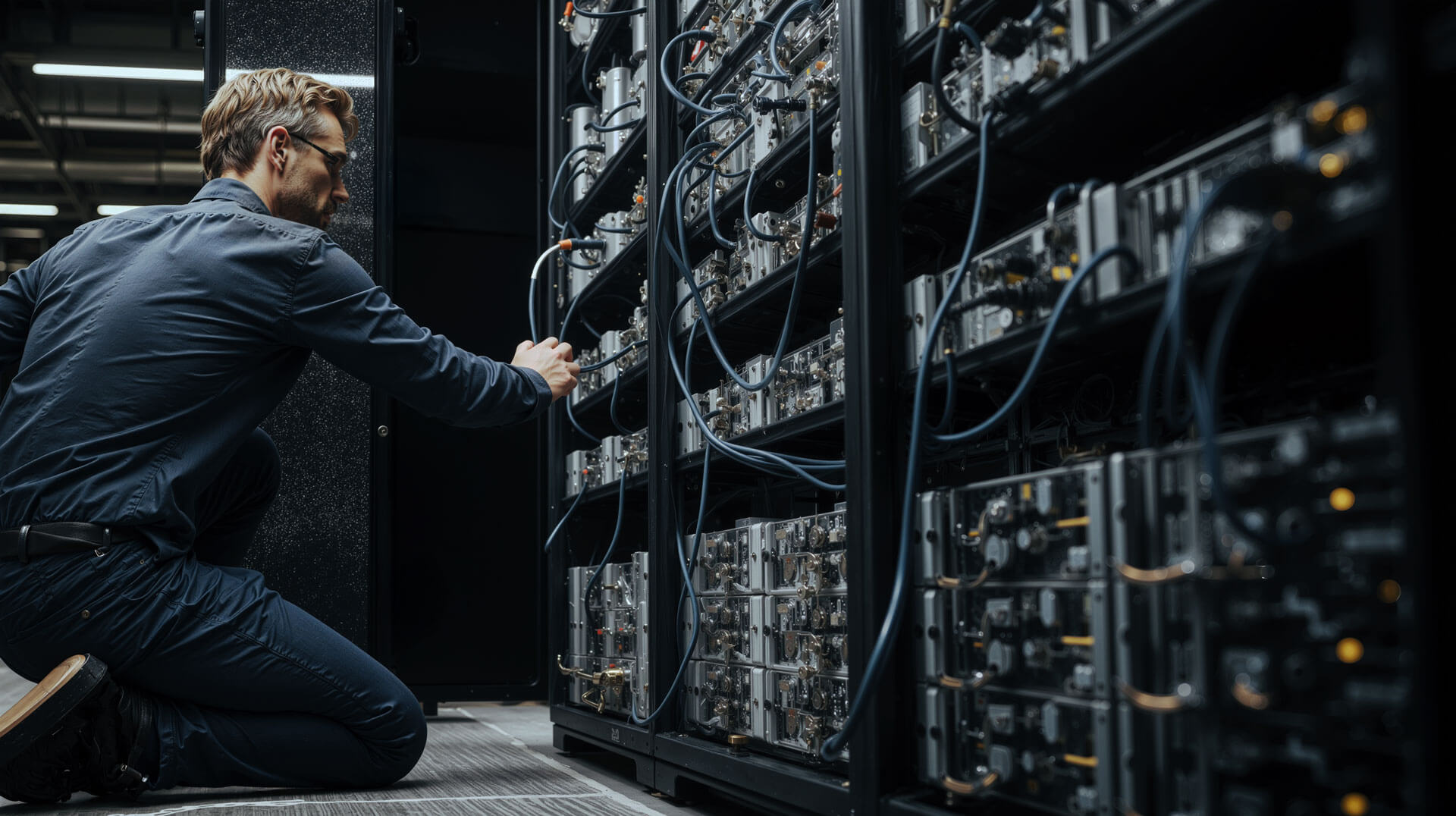
Lagrange has launched the first production-ready decentralized ZK Prover Network in the industry. This network facilitates proof generation for leading ZK rollups like ZKsync, Polygon, Linea, AltLayer, and Caldera. Operated by top-tier validators including Coinbase Cloud, Kraken, OKX, and Nethermind, the network addresses core challenges faced by rollups—enhancing liveness, security, and cost-efficiency through decentralization.

Each prover within the network participates in an auction to win the right to generate proofs. To ensure reliability, provers stake LA tokens as collateral. Failure to deliver proofs within a specified timeframe results in slashing or forfeiture, incentivizing consistent and honest participation. These design choices aim to ensure a robust, trustless infrastructure for the rapidly expanding ZK rollup ecosystem.

The SQL-Based ZK Coprocessor

In parallel, Lagrange is developing a ZK Coprocessor—an SQL-based infrastructure that enables DeFi protocols to verifiably compute over historical onchain storage, receipts, and transactions. This enables smart contracts to request complex data-heavy computations that would otherwise be unfeasible due to gas limits. Results are returned and verified asynchronously onchain.

Use cases for the ZK Coprocessor are already emerging, including:

  • Complex liquidity mining programs
  • Volume-based trading discounts on decentralized exchanges
  • Funding rate calculations for options and perpetuals protocols

Over 20,000 unique wallets have already interacted with the ZK Coprocessor, a testament to its early traction and utility.

The Role of the LA Token

The LA token is the cornerstone of Lagrange's ecosystem. It is staked into the Prover Network to determine eligibility for generating proofs, with fees from proof generation flowing back to stakers. As more rollups utilize Lagrange for ZK proving, the staking rewards for LA holders are expected to grow significantly.

Beyond utility, LA also serves a governance function. Token holders will participate in DAO-based voting to decide on protocol fees, treasury management, and other network-level decisions. This dual-purpose design reinforces the token's integral role in network security and evolution.

Growth and Community Adoption

Lagrange has demonstrated strong momentum in both institutional and community adoption:

  • Over 100,000 community members
  • More than 45,000 ETH stakers on EigenLayer
  • Support for major protocols including LayerZero, 1inch, Frax, Azuki, and EigenLayer

The team anticipates protocol revenue exceeding 8 figures annually as adoption scales. Furthermore, with its integral role in the ZKsync ecosystem—home to over 2.3 million unique wallets—Lagrange may explore token distribution strategies to broaden community participation.

Conclusion

Lagrange is pioneering a new standard in ZK infrastructure, marrying technical innovation with robust economic incentives. By delivering production-ready decentralized proving and a powerful ZK Coprocessor, Lagrange empowers developers, enhances rollup scalability, and brings verifiability to complex onchain logic. With the LA token at its core, the project is poised to play a foundational role in the next generation of decentralized computing.

Lagrange Technical Details

Network

Blockchain
Binance Chain, Ethereum

All images, branding and wording is copyright of Lagrange. All content on this page is used for informational purposes only. CryptoSlate has no affiliation or relationship with the coins, projects or people mentioned on this page. Data is provided by CoinMarketCap and TradingView.