


 Launched in 2013
- The largest coin list of any exchange we review
- Five funding rails, from card to OTC
- NextUp commit-to-earn token launches
Gate Overview
- Crypto Exchange Name
- Gate
- Launch Year
- 2013
- KYC
- Yes
- Total Assets
- 4,500+
- Staking
- Yes
- Copy Trading
- Yes
- Derivatives
- Yes
- Proof of Reserves
- Yes
- Trading Fees
- 0.02% - 0.2%
- Maker Fee
- 0.2%
- Payout Time
- 3 days
Additional details
- Products
- Spot, Margin, Futures or Perps, Options, OTC
- Restricted Countries
- United States of America, China, Singapore, Canada, France, Germany, Hong Kong, Malaysia, …United States of America, China, Singapore, Canada, France, Germany, Hong Kong, Malaysia, Malta, Cuba, Iran, North Korea, Spain, Netherlands, United Kingdom, Sudan, Myanmar, Venezuela, Uzbekistan, Austria, India, Indonesia, Japan, Argentina, Cambodia, United Arab Emirates, Thailand, South Korea, Philippines, Pakistan, Vietnam, Russia
Gate Screenshots
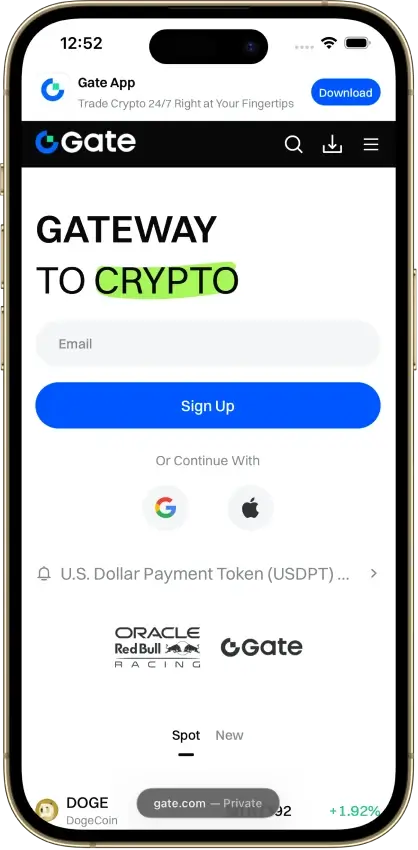
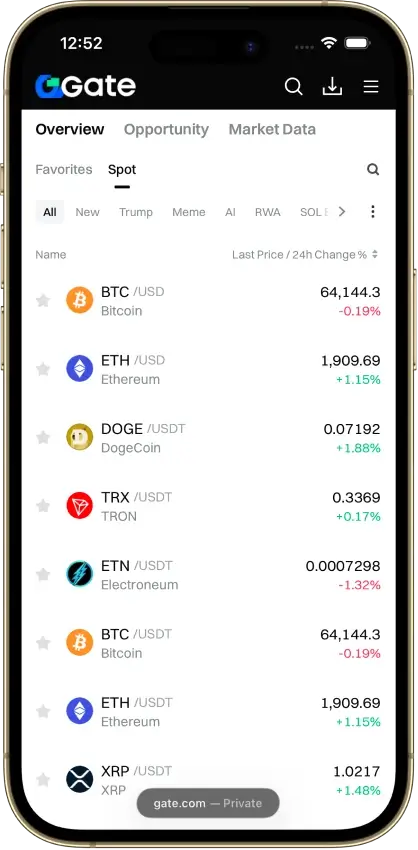
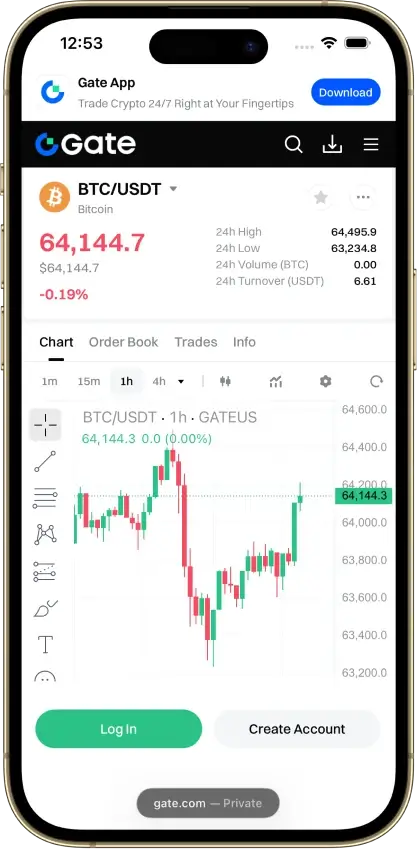
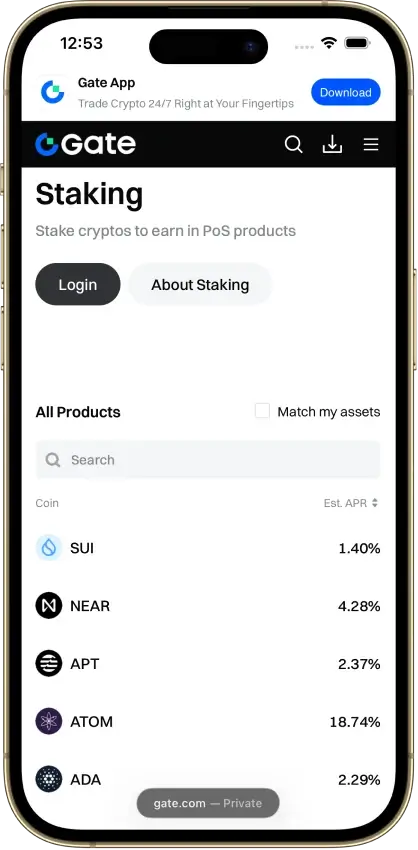
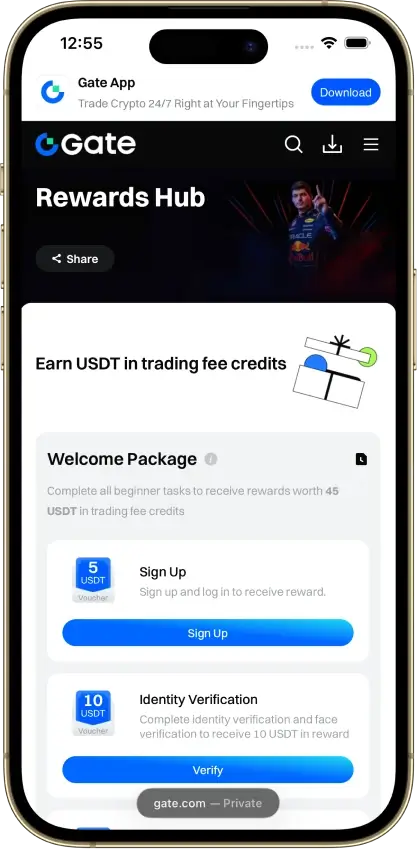
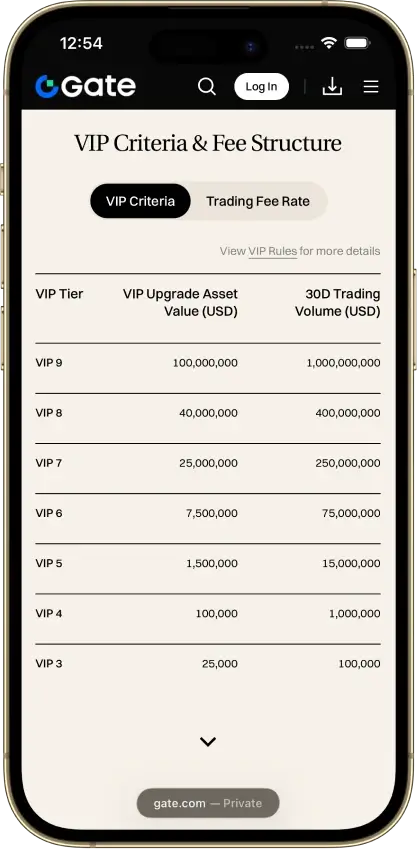
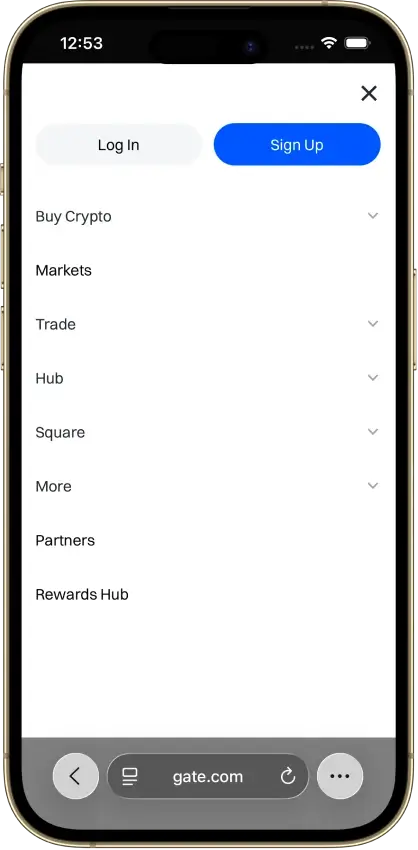
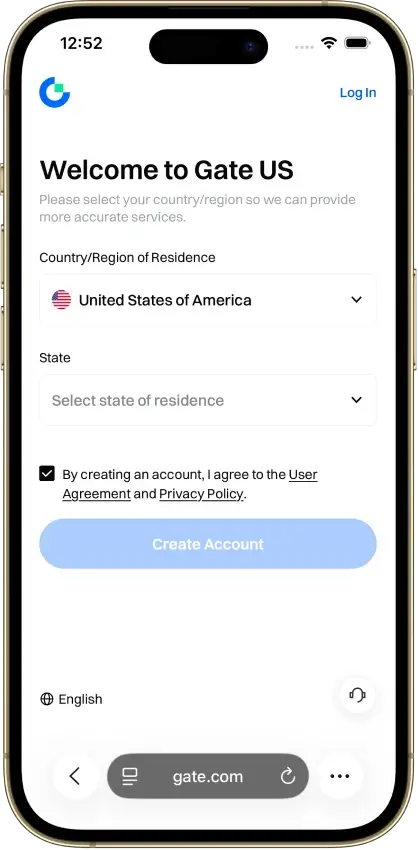
Screenshot 1 of 8
Gate Pros and Cons
Pros
- Futures, options, copy trading, and onchain tools
- Verifiable reserves via Merkle-tree and zk-SNARK
- Paying fees in GT or reaching VIP cuts spot costs
- Passkeys, whitelisting and anti-phishing codes
- Earn, staking, loans and lending built in
Cons
- Frozen-account and blocked-withdrawal complaints
- Support is weak on account-review tickets
- Long-tail assets risk delisting or withdrawal cuts
- $234M 2018 breach disclosed years later
Quick Decision: Is Gate Worth It?
Gate is worth it if you want one of the broadest altcoin books in the market and plan to trade beyond simple spot. The stack is wide. Launch products, bank-transfer funding and card spending all sit in one account, backed by user-verifiable proof of reserves.
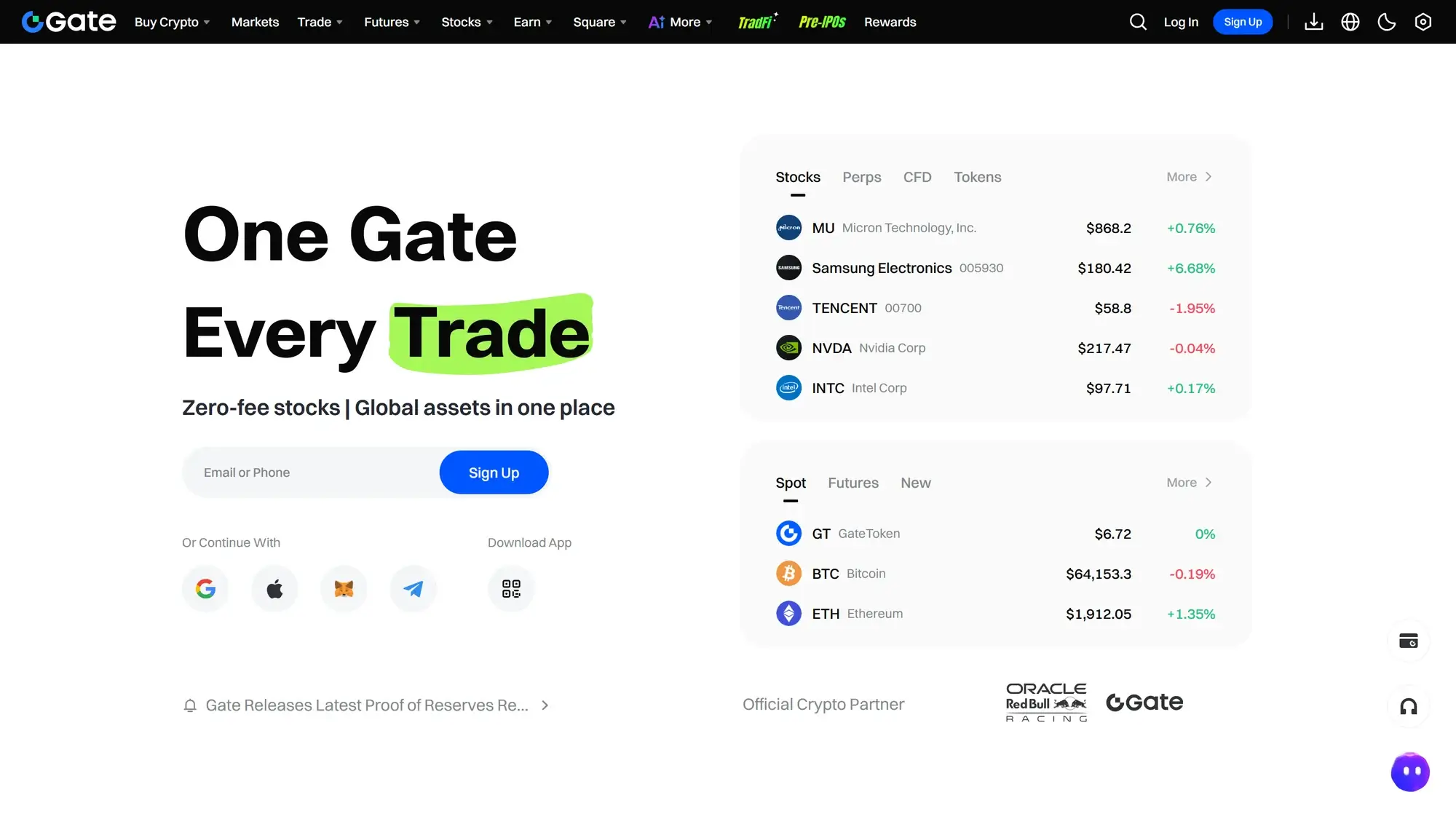
It is a weaker fit if you want predictable fund access or a simple local cash-out backed by fast human support. First-time buyers usually do better on beginner-friendly exchanges, where onboarding and support are gentler. Use Gate for its wide lineup and active-trader tooling outside the US. Skip it if your top priority is low-friction support when something goes wrong. Traders can also compare other crypto exchanges before deciding.
Who Gate Is Best For And Who Should Skip It
Gate splits cleanly into two camps. Power users who want new listings, derivatives and onchain access get a large, flexible venue. Users who want a quiet place to hold funds and reach a human quickly when a review hits run into the friction that shapes the platform's public reputation.
Gate fits an active non-US trader who wants the widest possible listing book and expects to use more than one product surface, whether that pulls them toward exchanges built for options trading or platforms that specialize in copy trading.
The friction becomes too much for anyone who treats an exchange as a quiet place to park and exit funds. Once a security or compliance review starts, the account feels slower and more opaque than the product size suggests.
Features And Services
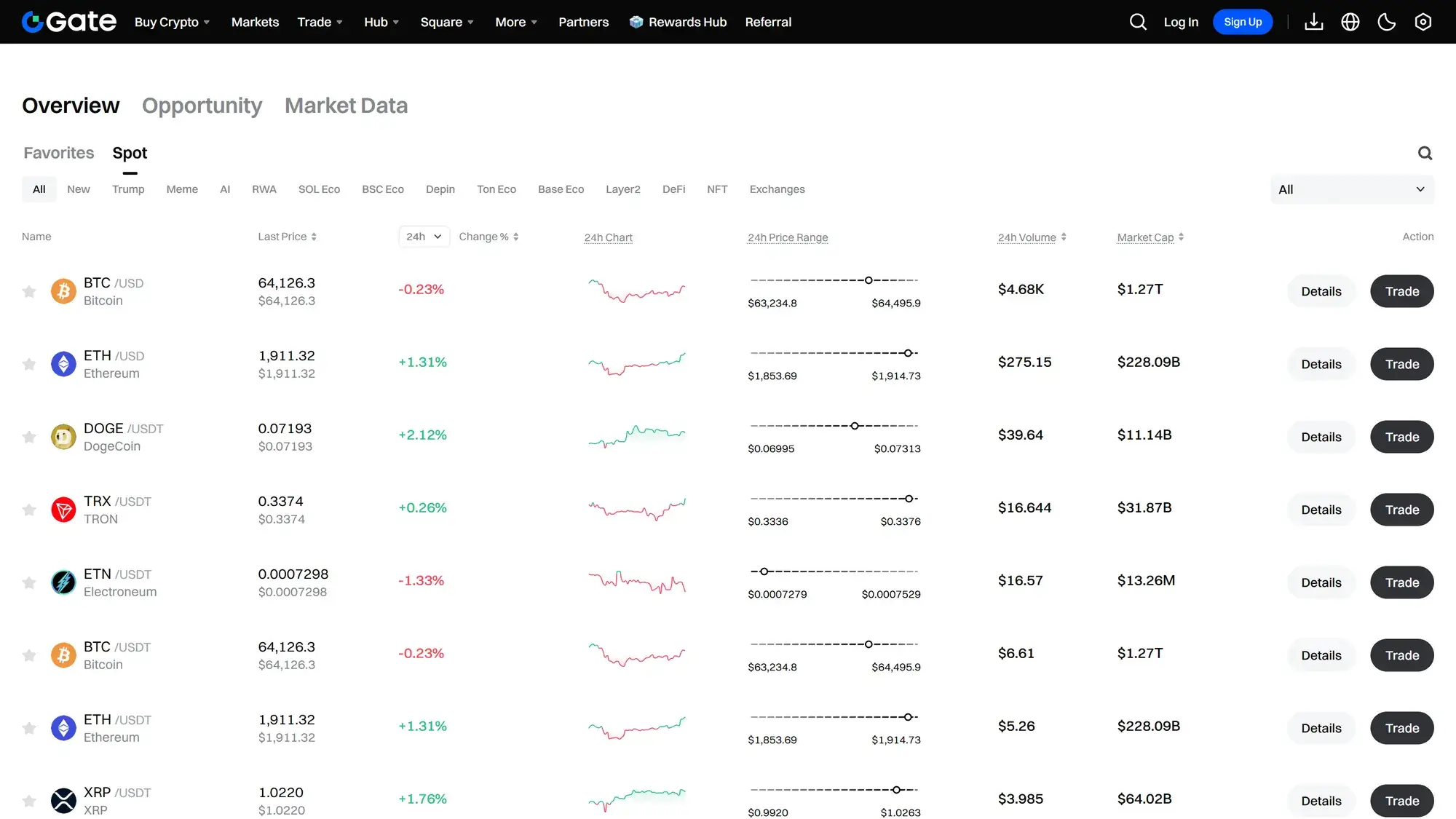
Gate offers a full multi-product ecosystem rather than a single trading screen. One account covers the full range, from simple buy and advanced spot through to launch products, card spending, and onchain access.
That size is the draw, and it is also the source of friction. New users meet a trader-first interface instead of a simple broker flow. Each product earns its own verdict below, so a large menu does not mean funding and withdrawal are equally smooth.
Most non-US users come to Gate for the listing book and the trading stack. The funding and spending routes are broad, but fund access still weighs more than product count when a user decides how much trust to place in the platform.
Supported Assets And Markets
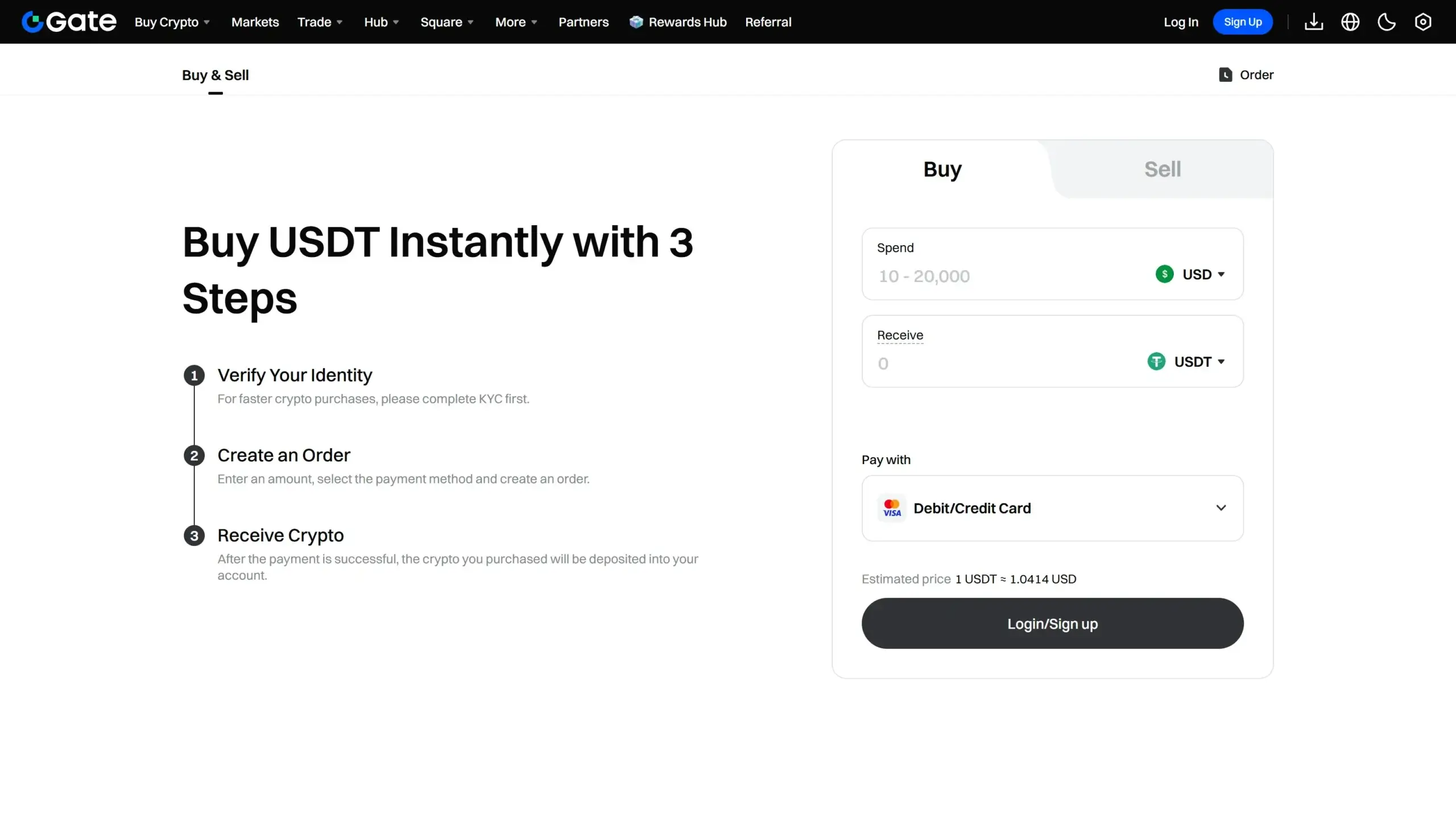
Gate's asset list is the headline number and its clearest edge. The book spans majors and long-tail altcoins, then extends into launch products and onchain assets. The real limit is not whether something is listed. It is whether liquidity and withdrawal support hold up after you buy it, and whether the market stays listed.
Gate is broad on paper and broad in practice for discovery and trading. The caution point is the long tail, where a small-cap asset can move from hot new listing to awkward exit faster than a beginner expects.
Staking And Rewards
Staking sits inside the wider ecosystem rather than standing as the reason to choose Gate. Several yield-style surfaces open from the same account, but that convenience does not erase account-review risk or region limits.
The staking offer works for users who already plan to keep part of their portfolio inside the Gate ecosystem. It is less compelling as a stand-alone reason to move funds there.
Wallet And Self-Custody Options
Gate is custodial by default. Balances left on the exchange stay under Gate's account controls and review process. Gate Wallet is the self-custody side of the ecosystem, and it changes that risk model.
Move funds from the exchange into self-custody and the exchange can no longer freeze them. In exchange, recovery and seed handling become your problem, and so does any network mistake.
That split matters most for anyone worried about discretionary holds. Self-custody removes the exchange-hold risk on those assets and removes the recovery safety net at the same time.
API And Programmatic Trading
Gate separates casual retail use from programmatic trading with a documented developer surface. The API matters most for active traders automating entries across a very large book.
The API is a real advantage for the audience Gate targets. It does nothing for a casual buyer facing support friction, but it strengthens the platform for active users and trading teams.
Fees And Pricing
Gate is standard on spot and more attractive once you move past the base tier. The short version: 0.2% spot is the headline rate, and the cheaper path runs through GT-based fee rates and VIP status.
Casual traders can still pay more than they expect by picking the wrong funding route or ignoring the GT and VIP discount structure.
Hidden Costs To Watch On Gate
The headline spot rate is not the whole bill. Gate gets more expensive in three specific places. The funding route, the GT and VIP structure, then the network you pick on withdrawal.
- Funding route matters. Card is often the fastest path, not the cheapest one. Bank transfer, OTC or a plain crypto deposit usually lands at a lower total cost.
- The better fee path is gated. Base spot fees improve once you move onto GT-based fee rates or higher VIP status.
- Withdrawal cost is set by network, not just by asset. Sending a stablecoin on the wrong chain can turn a normal cash-out into an avoidable expense.
The cheapest realistic path is a low-cost funding rail into the advanced screen, with GT-based fee reductions applied where they make sense. Withdraw on the cheapest compatible network.
VIP Tiers And Fee Discounts
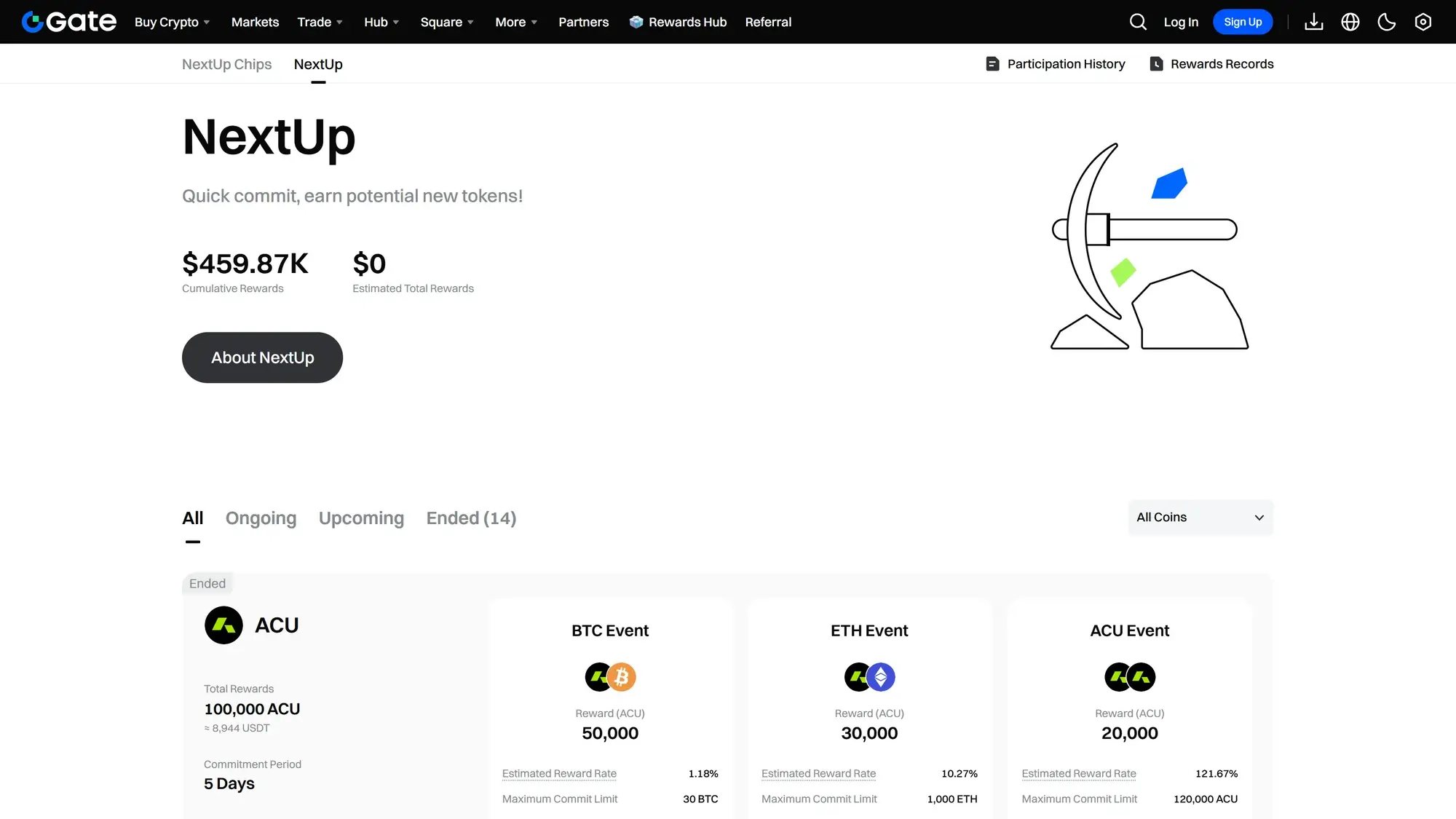
Gate prices on a tiered structure rather than one flat public rate. The base rate is where casual users land, and it is not where the savings are.
The takeaway is simple. Casual users do not reach the cheapest pricing by default. Better rates come from the GT path, the VIP ladder, or both together.
Deposits, Withdrawals, KYC And Availability
Funding and exit friction decide the Gate experience more than any feature does. The platform offers five funding rails, yet the review stays constrained by what happens when a security or compliance hold hits.
Verification and account status change the picture most. A clean verified account moves normally. A flagged account or stale documents can turn an ordinary withdrawal into a slow process, and so can any extra review.
What U.S. Users Need To Check Before Signing Up
Gate does not offer its services to US residents. Any separate US access should be checked on its own terms before signup.
Payment Rails, Networks, And Limits
Once money starts moving, Gate's behavior depends on the rail and the country, then on the review status of the account. Crypto rails are broad. Fiat rails work in many regions but stay uneven from one country to the next.
Fiat Rails By Region
The best-value path is not identical in every country. Some users get a reasonable mix of card, bank-transfer, OTC, P2P, and crypto rails. Others find support narrower than the main product list implies.
Speed, cost, and reliability split apart on fiat. The fastest rail is not always the cheapest, and the cheapest rail is not always the one with the least review friction.
Withdrawal Networks And Fees
A supported asset does not always mean a cheap exit. The same token can cost very different amounts to move depending on the chain you use.
The lowest-friction route is usually a stablecoin on the cheapest compatible network. The biggest avoidable mistake is paying for the wrong chain when a cheaper supported route exists.
Verification Levels And Withdrawal Limits
Verification is now part of normal account use, especially for deposits and withdrawals.
Extra review can trigger after a security-setting change or an account anomaly. A document issue or a risky-looking transaction pattern does the same. That is why the review keeps treating fund access as the main weakness.
Is Gate Safe? Security, Custody And Proof Of Reserves
Trust on Gate is mixed. The platform carries a broad regulatory and product footprint, and its proof-of-reserves setup is genuinely good. At the same time, frozen-account complaints and slow support on serious tickets cap how high the trust score can climb.
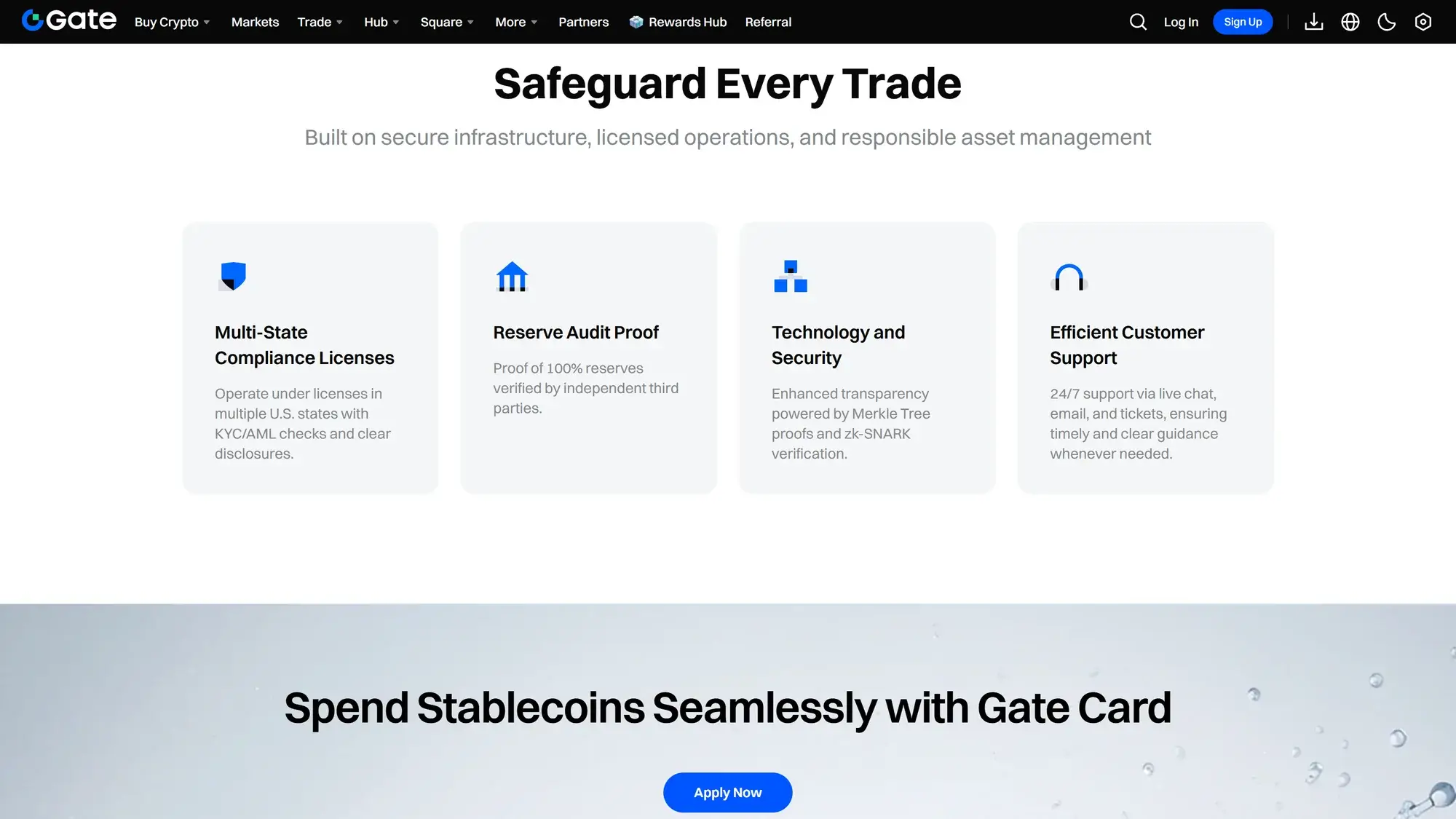
The danger here is not a clear insolvency signal. The larger risk is account control and review friction, plus how fast a user can reach real help.
Controls
Gate requires hardened account-security steps for sensitive actions and supports 2FA, passkeys, whitelisting, and anti-phishing protections. These controls cut account-takeover risk, and they can also add delay when a user changes a setting and then wants to withdraw quickly.
Custody And Insurance
Gate is custodial on the exchange side and presents cold-storage custody as a core protection. The platform also includes self-custody tools for users who want a different risk model. What it does not present as a core retail promise is a broad exchange-issued deposit guarantee or a simple all-users insurance backstop.
Proof Of Reserves Or Audits
Gate runs a user-verifiable proof-of-reserves system built on Merkle-tree and zk-SNARK verification. Gate's own January 2026 reserve update reported 125% overall coverage and $9.478 billion in reserves, a self-published figure that sits above the $4.129b third-party tracking number in the spec box above, because the two count different things. The proof-of-reserves implementation has also been audited.
That strengthens the trust picture without settling every trust question. Proof of reserves is useful, and it is not the same as a full financial audit of the entire business and every liability scenario.
Incidents And Remediation
Three incidents still matter when weighing Gate's history. The first is the 2018 breach that was disclosed years later, which on-chain investigators later tied to roughly $234 million. The second is the 2019 Ethereum Classic 51% double-spend incident. The third is the ongoing phishing and impersonation risk that follows every large exchange.
The long-term trust hit comes from the late disclosure of the 2018 breach. The live user-safety issue is impersonation, malicious links, and fake support routes.
App, UX And Customer Support
The Gate experience is trader-first and feature-dense. Beginners feel that density immediately. Finding the best funding route, the right product surface, and the right support channel takes more effort than a simpler broker app demands.
UI And Navigation
The interface packs spot, margin, futures, options, earn, launch products, bots, card tools, and onchain features into one account. That complexity is a strength for active users and a burden for beginners.
Mobile App
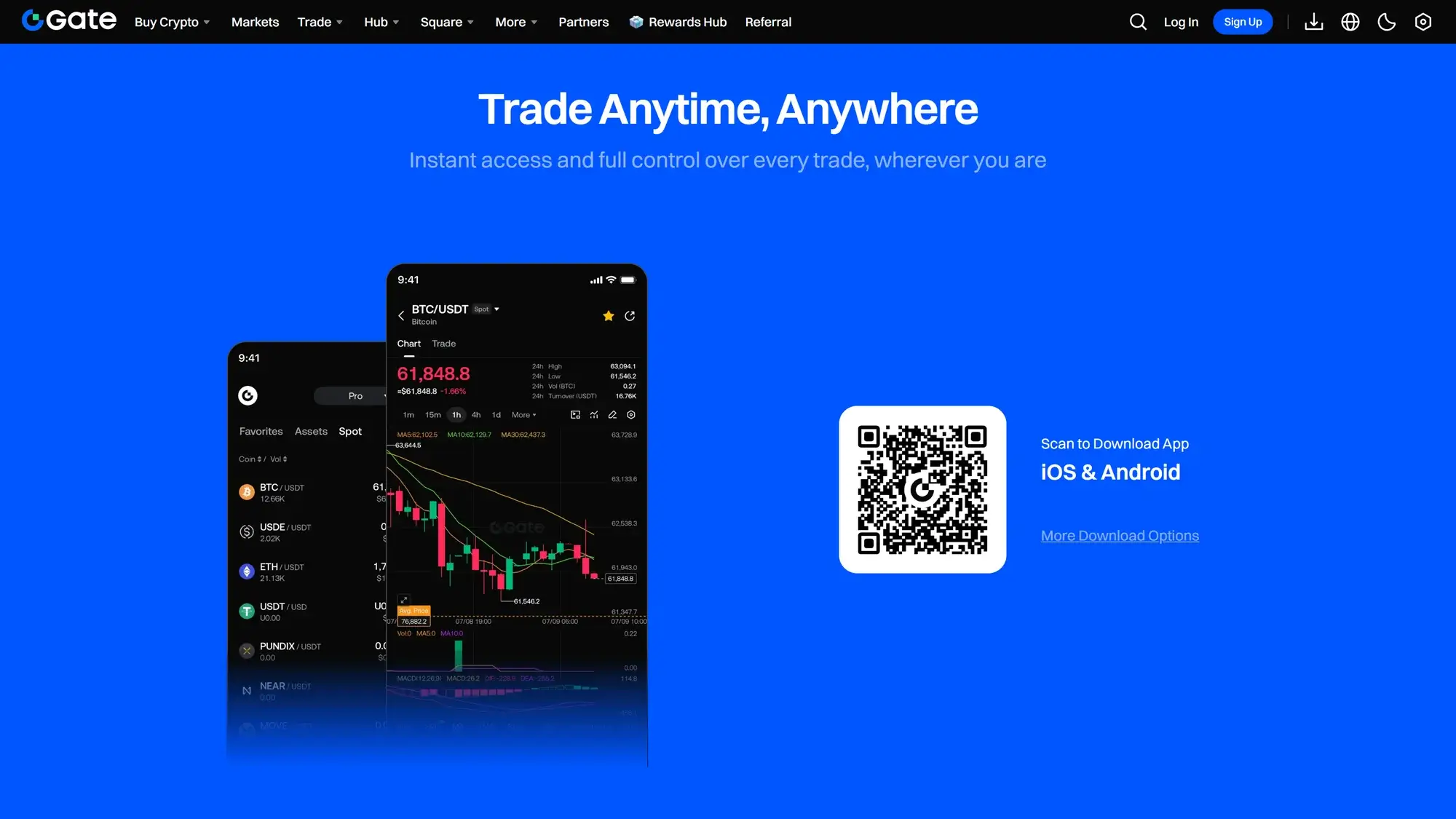
The mobile app carries most of the platform's product surface, which helps active traders and can still feel crowded. A user can fund, trade, and manage security controls in-app, and the same density that creates flexibility also creates friction.
Reliability And Status Page
Reliability concerns cluster around account access and withdrawal flow more than around a simple uptime question.
Users do not experience all friction as scheduled maintenance. Much of the frustration comes from account-level review rather than exchange-wide downtime.
Customer Support
Support quality splits sharply by ticket type. Routine questions get handled well. The tickets that touch fund access do not.
- Help center: broad self-service documentation
- Live chat: useful for simple issues, less useful for review disputes
- Email and tickets: the main route for serious cases
- Complaint pattern: blocked withdrawals, frozen accounts, and verification reviews
- Best-case support: routine product and account questions
- Weakest-case support: compliance holds and access disputes
Support remains one of the main reasons the verdict stays cautious.
Gate Alternatives
-


Kraken
Kraken combines quarterly reserve-inclusion checks with separate Pro trading tools and account security controls. Its entry spot fees and funding-related withdrawal holds are the main tradeoffs.
-

MEXC
MEXC offers a huge altcoin catalog, 0% spot maker fees, and a broad trading stack, but it still carries frozen-account and regulatory risk.
-

Coinbase
Coinbase fits U.S. users who fund by ACH and use Advanced, but Simple Buy costs and regional product rules require attention.
-

Binance
Binance.com combines 0.10% entry spot fees with deep liquidity and extensive trading tools, but access, fiat rails, and products vary by jurisdiction.
Users who want simpler onboarding, stronger day-to-day support, or a cleaner local cash-out should compare it against the wider field of crypto exchanges before committing. The right comparison depends on which Gate weakness matters most to you.
- Kraken Exchange — Stronger day-to-day trust profile and cleaner cash-out flow. Smaller long-tail listing book than Gate.
- MEXC Exchange — Broad altcoin access and fast listing culture. Similar caution points on support and regulatory comfort.
- Coinbase Exchange — Beginner UX, local rails, and easier onboarding. Higher cost and far smaller altcoin breadth.
- Binance Exchange — Deep liquidity and global scale. Region rules and regulatory complexity still matter.
A competitor beats Gate most clearly when the user wants cleaner fiat handling or a simpler support experience, which is why anyone anxious about fund access should look at the exchanges that rank highest on safety and read the full Kraken exchange review before deciding. Gate wins when the user wants breadth and product depth over simplicity.
Final Verdict
Gate is a large, feature-heavy exchange with broad product coverage and real trust tooling. It combines 4,700-plus coins, card and bank-transfer funding, OTC, a self-custody wallet, launch products, and user-verifiable proof of reserves under one ecosystem. None of that erases the main practical risk. The review stays constrained by one complaint cluster: frozen accounts, blocked withdrawals, and slow support when a ticket affects fund access. Use Gate for its lineup, launch access, and active trading outside the US. Look elsewhere if you need simpler onboarding, faster human support, or lower account-review risk.
Crypto trading involves market, liquidity, custody, network, tax, and eligibility risks. Coinbase terms, fees, availability, and asset support can change, and U.S. users should review current Coinbase legal, fee, and status pages before using the exchange.