

Quick Take
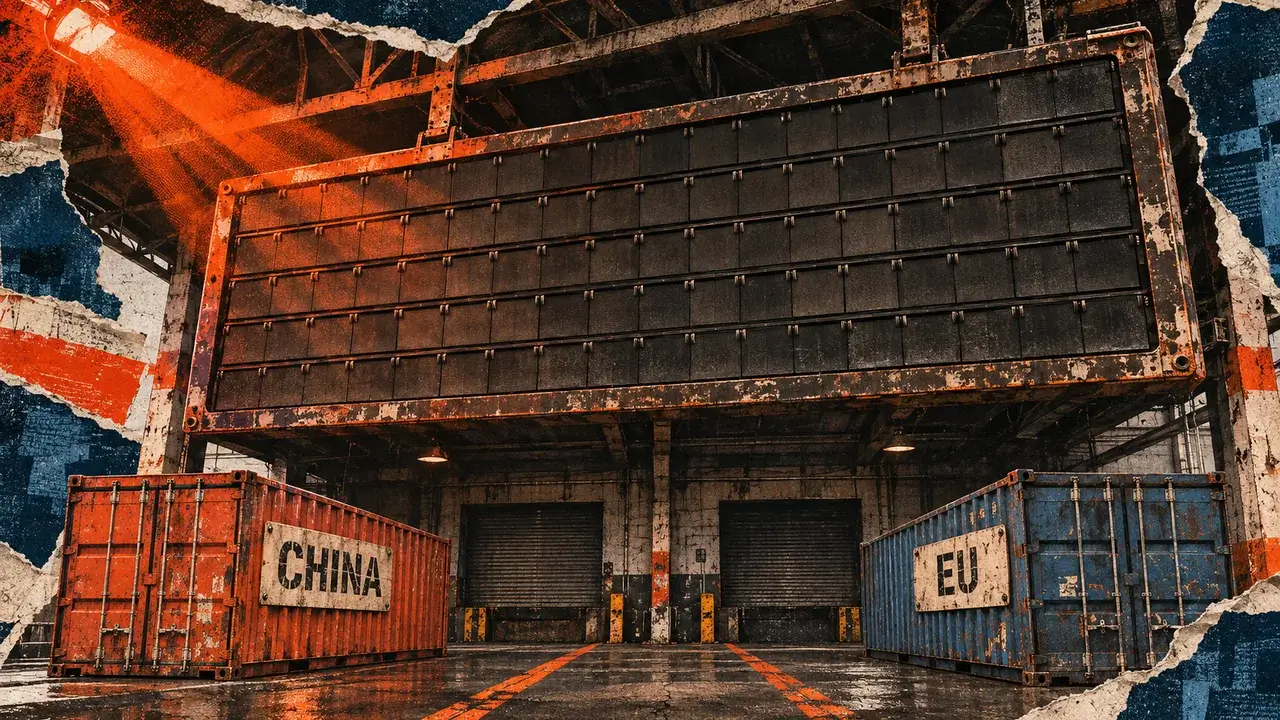
- The Wall Street Journal reported preparations for higher US tariffs on China, the European Union and other trading partners.
- The USTR docket showed no determination, tariff schedule or start date for the manufacturing overcapacity inquiry as of Nov. 24.
- A presidential post can alert markets before formal tariff terms establish which goods are covered, what rates apply and when.


The Wall Street Journal reported on Nov. 24 that the US was preparing higher tariffs on China, the European Union, and other trading partners, which could impact Bitcoin.
Citing people familiar with the plans, the Journal reported that US Trade Representative (USTR) Jamieson Greer could release the findings of a months-long investigation into manufacturing overcapacity as soon as this week.
On Nov. 24, the USTR docket still showed the investigation opened in March and four days of hearings in May, listing no determination or tariff schedule for the case. A check of published USTR notices in the Federal Register found none dated Nov. 19 through Nov. 24.
The available White House, Treasury, and Commerce trade agency listings carried no announcement of the action described in the report. Importers still have no published list of the goods that would face these duties, the rates that would apply or the date they would start.
Where the investigation stands
On Nov. 20, Greer told Bloomberg Television he expected the work to be finished by year-end. He declined to specify which economies might face additional tariffs.
USTR opened the investigations on March 11 under Section 301 of the Trade Act of 1974 and is examining whether policies such as subsidies sustain more manufacturing capacity than demand supports and whether those practices burden or restrict US commerce.
The agency’s fact sheet described the sectors it wanted to examine. An investigation of how a product is made or subsidized leaves open which products, if any, may face duties.
The inquiry covers 16 economies, including the EU. The March 17 initiation notice also lists Singapore, Switzerland, Norway, Indonesia, Malaysia, Cambodia, Thailand, South Korea, Vietnam, Taiwan, Bangladesh, Mexico, Japan and India. Hearings ran from May 5 through May 8.
Under Section 304 of the Trade Act, USTR must determine whether the practices are actionable. If it makes an affirmative finding, it must decide what action, if any, to take. The law requires the trade representative to publish the determination and the facts it rests on in the Federal Register.
Where the U.S. tariff case stands
Public hearings ended in May. The USTR docket still showed no determination on Nov. 24.
A USTR determination would establish whether the practices are actionable and, if so, what action USTR should take.
Scope is the public docket checked on Nov. 24, 2026. Marker spacing shows the order of events and does not measure elapsed time. No tariff outcome is assumed.
Sources and evidence
Sources
Supporting facts
- The USTR overcapacity docket still listed the March opening and the May 5–8 hearings when checked on Nov. 24, without a determination, notice of action, or tariff schedule for this inquiry. [1] [2] [3]
- On March 11, 2026, USTR opened Section 301(b) investigations into manufacturing overcapacity across China, the European Union, Singapore, Switzerland, Norway, Indonesia, Malaysia, Cambodia, Thailand, South Korea, Vietnam, Taiwan, Bangladesh, Mexico, Japan and India. [4] [5] [6]
- Under Section 304 of the Trade Act, the trade representative determines whether the practices are actionable and, if so, what action, if any, should follow. The law requires USTR to publish the determination and the facts it rests on in the Federal Register. [7] [6]
Method
The dates come from USTR’s initiation release and case docket. The lower diagram shows the determination and publication requirements in Section 304 of the Trade Act.
Scope
Scope is the public docket checked on Nov. 24, 2026. Marker spacing shows the order of events and does not measure elapsed time. No tariff outcome is assumed.
 CryptoSlate
On July 23, USTR announced final duties on 60 economies after separate investigations into their failures to impose and enforce bans on imports made with forced labor.
Bitcoin crashed when Trump announced a tariff change
On April 9, 2025, President Donald Trump posted that he had authorized a 90-day pause in some higher tariffs while raising the rate for China.
The executive order dated the same day amended the tariff schedule and applied the changes to covered goods entered for consumption, or withdrawn from warehouse for consumption, at or after 12:01 a.m. Eastern daylight time on April 10.
The reciprocal tariff changes came under different authority from the current investigation.
The written terms tell the company whether its goods fall under the amended tariff schedule and whether its shipment enters before or after the cutoff. The applicable rate can depend on those details and on whether an exemption applies.
After Trump signaled a possible tariff increase on China in October 2025, Bitcoin fell during a broader selloff. That episode shows why a tariff headline can impact crypto investors before importers have any new duties to enter on customs paperwork.
If the USTR determination leads to tariffs, the product coverage, rates, and entry dates will show where costs change and when. Until USTR publishes its findings, the docket remains the place to look for the public decision.
Mentioned in this article

Editorial credits