
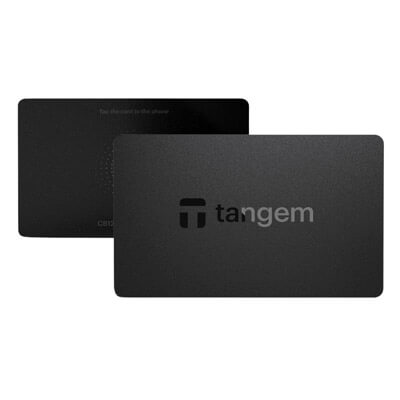
Tangem uses battery-free NFC cards for phone-based signing. Linked cards provide backup access, but there is no independent display, card firmware cannot be updated and lost backup cards cannot be replaced.
Tangem vs Trezor: Which Hardware Wallet Fits You?
Do you want to approve transactions on your phone or check them on a separate hardware screen? Tangem uses battery-free NFC cards. Trezor adds an approval display and recoverable words or shares, with phone compatibility varying by model.
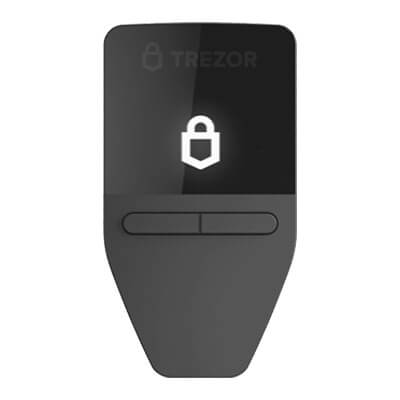
Trezor Safe 3 offers button-operated approval on a small hardware screen. USB signing works with computers and Android, not iPhone, while recovery depends on your saved words or shares.
Affiliate Disclosure
Some links in this comparison are affiliate links. CryptoSlate may earn a commission if you sign up through these links. Our ratings remain editorially independent.
Overview
Tangem’s linked cards can each sign independently. Trezor’s recovery shares instead rebuild a wallet when enough survive. That difference matters as much as the choice between NFC and a hardware approval screen.
Tangem Trezor Safe 3
Hardware compared
Wallet 2.0 two-card and three-card sets, Ring with two cards
Safe 3, Safe 5 and Safe 7
Ordinary custody
Hardware signs using owner-controlled keys
Hardware signs using owner-controlled keys
Transaction confirmation
Phone displays the request, hardware has no screen
Separate approval screen on each Safe model
Recovery arrangement
Linked devices, optional BIP39 phrase
BIP39 or SLIP39, including threshold recovery shares
iPhone signing
NFC with compatible iPhone
Bluetooth on Safe 7, unavailable on Safe 3 and Safe 5
Desktop use
Computer dApp connects through the phone and card
USB signing on all three, Bluetooth also on Safe 7
Main firmware
Closed and fixed on cards
Public, updateable core firmware, proprietary silicon components
US-dollar list prices
$59.90 two cards, $69.90 three cards, $160 Ring bundle
$59 Safe 3, $129 Safe 5, $249 Safe 7
Backup hardware in the box
Two or three usable signers
One signer, with recovery words recorded separately
Trezor Safe 3 wins overview
Comparison scope: Tangem Wallet 2.0 cards and Ring-with-two-cards bundle vs Trezor Safe 3, Safe 5 and Safe 7 with standard firmware. Documentation checked September 9–11, 2026, prices September 11. No device testing, measured performance or tested app/firmware versions. Hardware revisions and service availability require separate checks.
Screenshots
Tangem screenshots
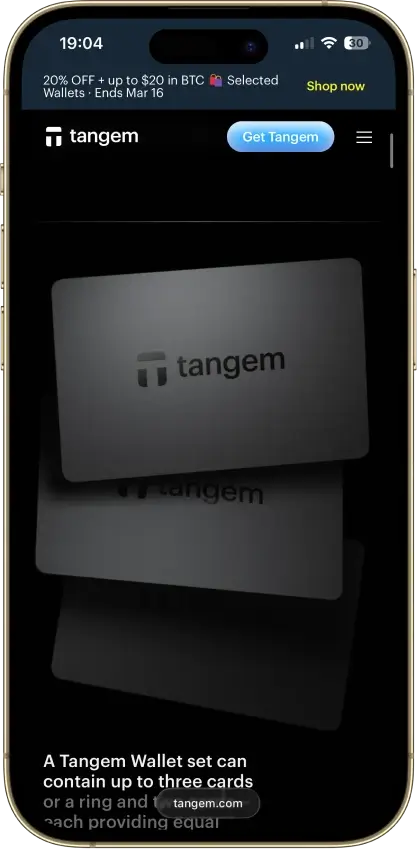
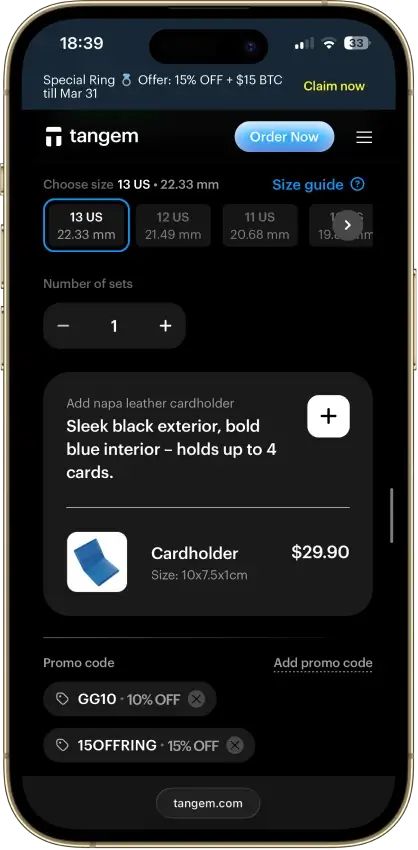
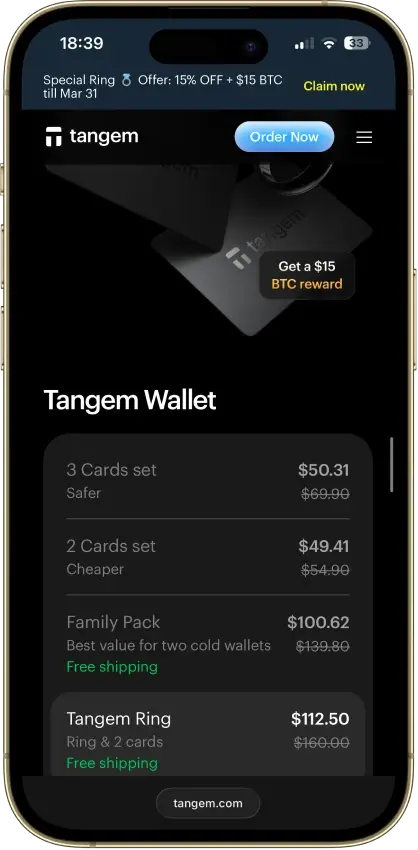
Screenshot 1 of 4
Trezor Safe 3 screenshots
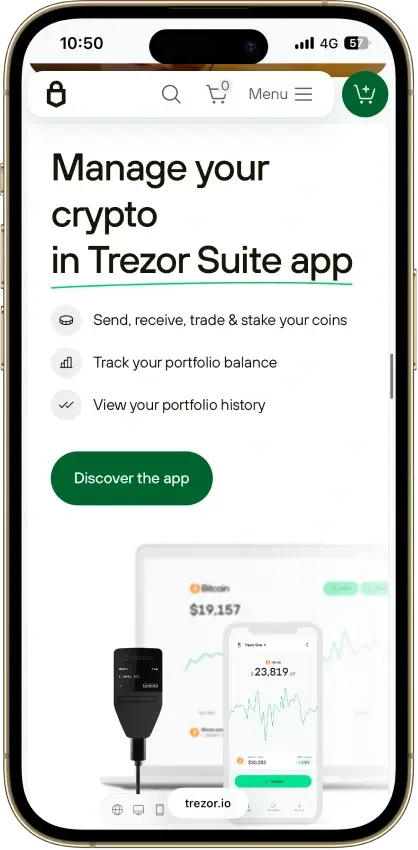
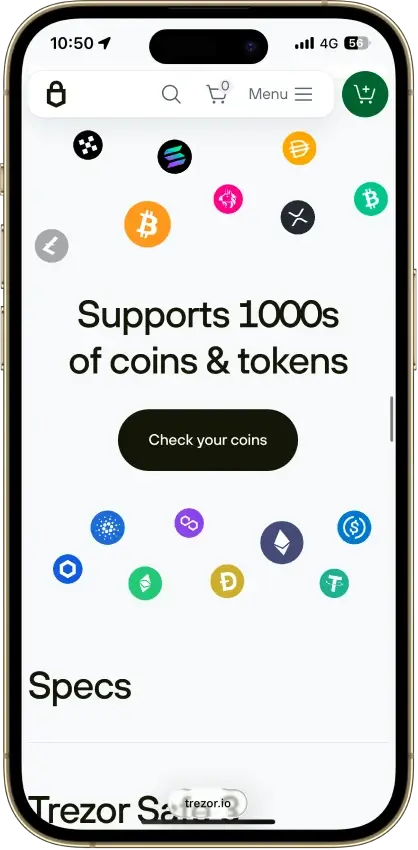
Screenshot 1 of 4
Winners By Category
Trezor has the clearer advantages for independent transaction review and updateable core firmware. Tangem avoids charging and cables. Recovery and service costs depend on the setup you choose.
Tangem Trezor Safe 3
Both give the owner control of ordinary hardware signing, with different key-generation and backup exposures.
Seedless in-chip key generation copied to linked cards, optional phone-generated phrase
Keys encrypted on the main microcontroller with OPTIGA and, on Safe 7, TROPIC01 secrets
A user checking a host-prepared request can compare it with details on a separate hardware screen, without assuming protection against every attack.
Phone displays the request, no hardware screen, fixed card firmware, Donjon laser reset disclosed July 2026
Separate approval screen on every Safe model, Clear Signing, TROPIC01 disclosure on Safe 7
Tangem favors separated backup devices, while Trezor favors recoverable words or threshold shares with compatible replacements.
Fixed set of linked signers, code reset needs another linked device, optional BIP39 phrase
BIP39 or 20-word SLIP39 with threshold shares, restore onto any compatible replacement
Both cover major native assets, but the chosen network, hardware model and application determine usable functions.
Native BTC, ETH, SOL and XRP, WalletConnect on Solana and supported EVM dApps
Native BTC, ETH, SOL and XRP in Suite, WalletConnect and third-party apps, Monero through Cake on Safe 7
Tangem needs a compatible NFC phone, while Trezor offers desktop signing and a wireless iPhone option only on Safe 7.
Battery-free NFC cards and Ring, compatible NFC phone required
Safe 3 and Safe 5 USB with desktop or Android, Safe 7 adds Bluetooth iPhone signing
Safe 3 has the lowest listed device price, Tangem includes backup signers, and service costs need comparable live quotes.
$59.90 two cards, $69.90 three, $160 Ring bundle, Yield Mode takes 15% of yield
$59 Safe 3, $129 Safe 5, $249 Safe 7, Everstake 10% ETH and 7% SOL commission
Suite offers configurable privacy controls, while Tangem makes limited-collection claims. Neither establishes lower total data exposure.
Stated no address collection or transfer tracking, possible IP visibility
Suite usage-data toggle, Tor and custom backends, ShipMonk and email-provider incidents
Owners who want a main-firmware patch route get one with Trezor, although the affected Safe 7 silicon cannot be repaired remotely.
Fixed card firmware, app updates only, 25-year limited hardware warranty
Public updateable core firmware with model changelogs, Safe 7 silicon flaw not remotely repairable
A separate display wins the named approval task, not every security scenario. Likewise, updateable firmware is a maintenance option, not a guarantee of indefinite support or a repair for faulty silicon.
Custody And Key Control
Both give the owner control of ordinary hardware signing, with different key-generation and backup exposures.
Tangem Trezor Safe 3
Ordinary Hardware Signing
Each linked device can sign with owner-controlled keys
Device signs with owner-controlled keys
Seedless Setup
Keys generated in the secure element; linked devices provide backup
External recovery words or shares retained by the owner
Tie
Both provide owner-controlled signing for ordinary transfers. Tangem changes its key-generation exposure when a phrase is created on the phone, while Trezor owners must protect their external backup as carefully as the device.
Key Generation And Storage
Tangem's seedless setup creates keys within its secure element and copies encrypted key material to linked backup devices. The phone coordinates that exchange without decrypting it, according to Tangem. Each linked card can sign independently. Possessing three cards does not make spending require three signatures.
Tangem also accepts keys from a phrase generated or imported through the phone app, with 12- or 24-word generation available. That introduces a recovery secret outside the cards and phone exposure during setup. Those keys did not originate solely inside the chip.
Safe 3 and Safe 5 encrypt private keys on their main microcontroller, where signing happens. Decryption combines the PIN with a secret held by OPTIGA. Safe 7 uses separate OPTIGA and TROPIC01 secrets to protect its stored wallet material. Chip count describes the architecture, not resistance to a particular attack.
Portability And Vendor Dependence
Trezor owners retain recovery words outside the device. Tangem's phrase option also creates a possible exit into compatible wallets, but a seedless Tangem wallet needs surviving linked hardware. Neither support team can reconstruct missing self-custody secrets from a customer account.
A centralized swap transfers crypto to its provider for processing. That temporary custody differs from either wallet's ordinary hardware-controlled transfers.
Security And Transaction Signing
A user checking a host-prepared request can compare it with details on a separate hardware screen, without assuming protection against every attack.
Tangem Trezor Safe 3
Independent Approval Display
None; transaction details appear on the phone
Separate approval screen on Safe 3, 5 and 7
Disclosed Physical Findings
Tested-card access-code and laser attacks; vendor disputes risk
Model/revision-specific Safe 3 and TROPIC01 findings
The independent display is useful for checking a potentially manipulated host request, provided the device and signing software behave correctly. Tangem also separates signing hardware from the phone, but offers no second display, and neither architecture eliminates the physical findings described above.
Signing And Scam Resistance
Tangem displays transactions on the phone and signs through a card or ring. If compromised phone software misrepresents the destination, Tangem hardware has no independent screen against which to check it.
Each Safe model has its own approval display. Trezor's September 7, 2026 Clear Signing expansion also covers supported Ethereum/EVM contracts on updated standard firmware, using ERC-7730 descriptions. Unsupported contracts still trigger blind-signing warnings. A readable approval can still authorize a malicious contract.
Code, Audits, And Disclosures
Proprietary licenses govern Tangem's public Android and iOS repositories, restricting reuse and distribution. Its card firmware is closed and fixed. Trezor uses GPLv3 for core firmware, a restricted reference-source license for Suite, and some proprietary silicon components. Neither complete product is unrestricted open-source.
Tangem's December 2024 app bug logged private keys during seeded setup. Keys could be exposed if logs were emailed to support within seven days of activation. Tangem fixed the bug and excluded seedless creation from its scope. Cointelegraph reported the incident.
Ledger's Donjon team, which works for a competing wallet maker, disclosed a physical access-code guessing-delay bypass in September 2025. Tangem disputed its practical feasibility. Donjon's separate July 2026 laser attack reset a card's password without its old code or another card. It required physical possession and invasive laboratory work. Tangem contested the everyday risk, and The Block covered both positions. The findings concern the tested cards. Ring and future revisions need their own assessment.
Donjon's March 2025 investigation altered firmware on an STM32F429 Safe 3 while bypassing authenticity checks. Trezor acknowledged the bypasses and said no private key or PIN was extracted. Safe 3 has multiple revisions. Trezor said Safe 5's newer microcontroller was unaffected by that particular attack.
In June 2026, Donjon disclosed a TROPIC01 laser fault-injection attack. Follow-up work by Tropic Square and Donjon also compromised its MAC-and-Destroy protection. Trezor says Safe 7's other layers still protect the wallet following a TROPIC01 compromise. That is a vendor assurance, not an independent complete-device test, and the affected silicon cannot be fixed remotely.
Audits And Physical Interfaces
Tangem's 2018 Kudelski summary excludes physical attack resistance, and its Riscure notice withholds the full 2023 report. Cure53's February 2026 SDK summary covers November 2025 testing: ten findings had validated fixes, with two low-impact issues left. Their differing dates and audit boundaries leave complete current-device safety unverified.
NFC powers Tangem and transports signing requests. Safe 3 and Safe 5 use USB. Trezor describes Safe 7's Bluetooth link as authenticated and encrypted, but its June 2026 vulnerability register records pairing without the code. These are data connections, not air gaps. Pairing checks, authentic software and careful approval remain necessary.
Recovery And Backup
Tangem favors separated backup devices, while Trezor favors recoverable words or threshold shares with compatible replacements.
Tangem Trezor Safe 3
Phone Fails
Use another compatible phone, linked hardware and credentials
Reconnect through a supported phone or computer
Signing Device Disappears
Use another linked device; missing card cannot be revoked
Restore the backup on a compatible replacement
Every Device Is Lost
Seedless access ends; a previously saved phrase may offer recovery
A usable backup and any passphrase can restore access
Required Secret Is Forgotten
Normal code reset needs another eligible linked device
PIN reset needs recovery; a forgotten passphrase has no reset
No clear winner
Choose the backup you can maintain: Tangem's fixed set of separately stored devices or Trezor's recovery words and shares. Trezor can recover without the original signer, but a lost passphrase or too few surviving shares still prevents access.
Linked Devices Or Recovery Shares
Tangem backup creation fixes the set of linked devices. You cannot later attach a replacement for a missing card, and the missing card cannot be remotely revoked. If that loss makes the wallet's security or recovery unacceptable, a fresh wallet and transfer move the balance under different keys.
One surviving card with usable access credentials can still sign. Resetting a forgotten code requires the target device and another linked device, with access-code recovery enabled on the participating devices. Disabling recovery prevents a device from acting as the reset target or as the second device. A lone surviving card cannot reset its own forgotten code through the normal backup process.
Trezor's SLIP39 format supports a single share or a threshold arrangement. A two-of-three backup needs two shares from that set to restore the wallet. This controls reconstruction, not the number of signatures on each payment. Creating a new backup does not invalidate an older usable copy, and shares from separate sets cannot be mixed.
Safe 5's optional microSD protection adds an access secret, not a recovery share or spare signer. Losing that card requires the wallet backup and any enabled passphrase for recovery.
Loss And Restore Compatibility
A 20-word Trezor backup uses SLIP39, not BIP39. Restoration outside Trezor needs support for the precise format, networks and derivation paths. Tangem's optional BIP39 backup has similar account-compatibility requirements. Neither word count nor a generic “seed phrase supported” label proves a replacement will recover every account.
Networks, Assets, And dApp Access
Both cover major native assets, but the chosen network, hardware model and application determine usable functions.
Tangem Trezor Safe 3
Native BTC, ETH, SOL And XRP
Supported through the companion app
Supported in Suite with standard firmware
dApp Connections
WalletConnect for supported EVM and Solana operations
Suite or compatible external apps, with model/chain limits
No clear winner
Both cover common holdings, while less common assets and dApp operations require a specific compatibility check. Tangem's network total cannot fairly be compared with a list limited to Suite-native accounts.
Networks And Tokens
Both support native Bitcoin, Ethereum, Solana and XRP through their companion applications. Trezor's standard firmware supports altcoins, unlike its Bitcoin-only build. Token variants, staking and contract operations have separate compatibility requirements.
Tangem's full supported asset list is viewable in its app before purchase. Trezor separates Suite-native assets from external-app routes. Cake Wallet announced Trezor Monero support, with Safe 7 identified in Trezor's forum despite older guidance saying support is pending. The same thread reports connection difficulties. Confirm the app version and platform before buying for Monero.
dApps And NFTs
Tangem connects to Solana and supported EVM dApps through WalletConnect. A computer can initiate the session, but the phone and Tangem hardware still authorize it. Its NFT support also has operation-specific limits, including no sending of Solana compressed or programmable NFTs.
Trezor can connect through Suite's WalletConnect integration or compatible third-party apps. The hardware model, network and app must all support the requested action. Safe 7's Bluetooth support does not establish that every browser wallet can use that connection.
Platforms, Hardware, And Daily Use
Tangem needs a compatible NFC phone, while Trezor offers desktop signing and a wireless iPhone option only on Safe 7.
Tangem Trezor Safe 3
iPhone Signing
Compatible NFC phone
Safe 7 Bluetooth only; not Safe 3 or Safe 5
Signing Without A Phone
Phone and Tangem hardware required
USB connection to a supported computer
No clear winner
Tangem's signer needs no charging and works through NFC. Trezor provides a separate approval screen and supports desktop signing. For iPhone owners, Safe 7 is the relevant Trezor alternative, not Safe 3 or Safe 5.
Choosing The Physical Controls
Tangem's phone-based card wallet uses the phone for setup prompts and approvals. Cards and Ring need no charging, but the phone must support the required NFC functions. Metal or thick cases can interfere with scanning, and the antenna position differs between phones.
The button-operated Trezor Safe 3 has a 0.96-inch monochrome screen and connects by USB to computers or Android phones. Small text and repeated button presses can make long approvals awkward.
The touchscreen Trezor Safe 5 increases the display to 1.54 inches and adds color and haptic feedback. Its USB connection still cannot provide iPhone signing. Spending more on this model changes the controls, not that phone restriction.
The wireless Trezor Safe 7 has a 2.5-inch color touchscreen and supports iPhone signing over Bluetooth. USB remains available for compatible computers and Android. Its battery is not user-replaceable, although Trezor says a depleted device can operate with USB power. USB does not become an iPhone signing connection when Bluetooth is disabled.
Setup And Support
Tangem owners establish their entire backup set during setup. Safe owners install firmware and check their recorded backup. Current Safe setup favors 20-word SLIP39, although older Safe 3 units and chosen formats can differ.
Tangem handles technical requests through its Help Center and support email. Trezor provides model-specific setup and recovery guidance. Neither support route can replace missing secrets. Reject unsolicited requests for them.
Swaps, Staking, And Costs
Safe 3 has the lowest listed device price, Tangem includes backup signers, and service costs need comparable live quotes.
Tangem Trezor Safe 3
September 11 Entry Price
Two-card set: $59.90
Safe 3 Cosmic Black: $59
Backup Hardware Included
Second linked signer in the two-card set
One signer; written backup can restore onto a replacement
No clear winner
Safe 3's lower entry price buys one signer. Tangem includes spare signing hardware. Swap spreads, network costs and optional lending or staking charges can outweigh that initial difference, so neither purchase price establishes the cheaper ownership experience.
Hardware And Backup Budget
The official US-dollar offers checked September 11, 2026 were $59.90 for two Tangem cards, $69.90 for three, and $160 for Ring with two cards. Trezor listed Safe 3 Cosmic Black at $59, Safe 5 at $129 and Safe 7 at $249. Checkout charges, selected editions and delivery can change the amount paid.
Safe 3 is $0.90 below Tangem's entry set, but Tangem supplies a second signer. Two Safe 3 devices would total $118 at those list prices. A second Trezor is optional because a usable written backup can restore onto a replacement bought later. Comparing two Tangem cards with two Trezors therefore answers a spare-device budget question, not the minimum cost of recovery.
Provider Charges And Staking
Tangem adds no commission to ordinary transfers, though network fees apply. Its swaps use third-party routes, and purchases include providers such as MoonPay and Mercuryo. Suite also charges no basic subscription, with purchases through providers such as Banxa or MoonPay and swaps through centralized or decentralized services. A centralized swap can transfer custody during processing and impose identity checks.
Tangem integrates staking through Yield.xyz and P2P.org, with costs and withdrawal conditions depending on the asset. Its separate Yield Mode lends eligible assets through Aave, charging 15% of earned yield plus applicable gas. Lending introduces contract risk and no guaranteed return.
Trezor lists Everstake reward commissions of 10% for ETH and 7% for SOL. ETH withdrawal depends on the provider's contracts and processing. SOL delegation requires activation and an unstaking cooldown. These September rates do not establish net returns against Tangem without matching the asset and service.
Privacy And Data Collection
Suite offers configurable privacy controls, while Tangem makes limited-collection claims. Neither establishes lower total data exposure.
Tangem Trezor Safe 3
Desktop Privacy Controls
Phone app with third-party blockchain services
Suite offers Tor and supported custom backends
Purchases And Other Services
Provider-specific identity checks and data recipients
Provider-specific identity checks and data recipients
No clear winner
Backend and telemetry settings give Trezor owners specific controls. Tangem states collection limits, with separate terms for its services. Collection claims alone cannot establish which complete workflow exposes less data once purchases and third-party services are included.
Wallet And Infrastructure Data
Tangem says it does not collect wallet addresses or track transfers, while acknowledging potential IP visibility. It uses public blockchain APIs alongside Tangem services for authenticity checks, token lists and prices. Those connections introduce data recipients beyond the wallet app.
Suite provides optional usage-data sharing and a setting to disable it. Its analytics documentation acknowledges that AWS and Sentry can see IP addresses, while saying Trezor removes them from its logs. Desktop Suite offers Tor, and supported networks can use custom Blockbook servers or, for Bitcoin, an Electrum server. Operating that infrastructure adds maintenance responsibilities. Blockchain transfers remain public even with a custom node.
Purchases, Support And Phishing
Trezor's September 4, 2026 ShipMonk update added approximately 67,000 affected US customers whose older order records remained with the provider. The Block reported the shipping and contact-data exposure, which can aid targeted scams. Customer records are separate from the signing device.
On September 9, Trezor warned of a breach at its email provider and identified an alleged STM32 entropy alert as phishing.
Tangem Pay has separate identity checks, as do eligible purchase and swap providers on either side. A wallet without registration can still expose personal data through an optional service or an order.
Updates, Longevity, And Ecosystem
Owners who want a main-firmware patch route get one with Trezor, although the affected Safe 7 silicon cannot be repaired remotely.
Tangem Trezor Safe 3
Core Firmware Updates
Sold cards have fixed firmware
Safe core firmware can be updated
Limits Of Updates
Phone app updates cannot patch card firmware
Firmware cannot remotely repair affected Safe 7 silicon
Its main firmware can receive corrections and be inspected through published code, which suits owners willing to maintain device software. That advantage does not remotely repair Safe 7's affected silicon or guarantee indefinite support, while Tangem's fixed cards avoid firmware-update handling entirely.
Tangem phone apps can change, but sold cards keep fixed firmware. Avoiding card updates removes one update step and also prevents a firmware repair for an affected card-level flaw. Its limited 25-year hardware warranty is not insurance for missing keys or a promise that every network integration will last that long.
Trezor publishes core firmware, build-verification instructions and model-specific changelogs. The Safe models have received transaction and confirmation fixes, although a firmware patch cannot correct every silicon problem. The TROPIC01 disclosure remains the relevant exception for affected Safe 7 hardware. A planned chip revision is not proof of the revision supplied in a retail order.
A recovery backup provides an alternative only when the receiving implementation supports it. Tangem's seedless configuration lacks that software-only restore option, while its proprietary app licenses also constrain unrestricted redistribution of replacement applications.
Final Verdict
Trezor Safe 3 is our higher-rated entry-level choice for computer or Android use. Tangem is the phone-first alternative when battery-free signing matters more than an independent display.
Affiliate Disclosure
Some links in this comparison are affiliate links. CryptoSlate may earn a commission if you sign up through these links. Our ratings remain editorially independent.
Trezor Safe 3 wins final rating
The displayed 7.5 rating belongs to Safe 3, compared with 6.5 for Tangem cards. Safe 5 and Safe 7 have their own reviews, interfaces and security considerations. An iPhone buyer must compare Tangem with Safe 7 rather than assume the winning Safe 3 card can sign on iOS.
Tangem vs Trezor FAQs
Is Tangem or Trezor safer against a compromised phone?
Trezor provides a separate screen for checking a phone-prepared request, whereas Tangem relies on the phone display. That favors Trezor for this specific threat, assuming correct device and signing-software behavior. Neither prevents every malicious contract approval, and both have disclosed physical-security issues. Safe 7 is the Trezor model here that supports iPhone signing.
How do Tangem and Trezor recover a lost device?
Tangem uses another linked card or ring with usable access credentials. A seedless wallet cannot recover after every linked device is lost. Trezor restores from a compatible backup and any exact passphrase onto a replacement. Tangem's optional BIP39 phrase offers another restore route, provided the receiving application supports the intended accounts.
Is Tangem or Trezor cheaper to buy?
Safe 3 had the lowest listed price at $59 on September 11, 2026, against $59.90 for two Tangem cards. Tangem includes another signer, while Trezor relies on a separately recorded backup. Safe 5 and Safe 7 cost $129 and $249. Delivered totals, optional backup accessories and later service fees remain separate costs.
Can Tangem and Trezor both sign with an iPhone?
Tangem can sign using a compatible iPhone's NFC connection. Trezor Safe 7 supports iPhone signing over Bluetooth, but Safe 3 and Safe 5 do not. An iPhone's USB-C connection cannot substitute for Safe 7's Bluetooth signing link. Individual trades and staking services can still have app-version or regional restrictions beyond basic wallet connectivity.
Are Tangem and Trezor open source?
Neither complete product has an unrestricted open-source stack. Tangem's app repositories use proprietary licenses and its card firmware is closed. Trezor licenses core firmware under GPLv3, but restricts reuse of Suite through its reference-source license. The devices also include proprietary silicon components. Public code access does not automatically permit redistribution.
Can Tangem and Trezor use the same recovery words?
Some BIP39 wallets can restore on compatible implementations from either brand, but matching words alone is insufficient. Network support, derivation paths and any passphrase must also match. Trezor's 20-word SLIP39 backups are a different format and cannot be treated as BIP39 input. A seedless Tangem wallet has no phrase to transfer.
Do Tangem and Trezor require identity verification?
Basic hardware-wallet creation does not require identity verification through a wallet account. Optional services have separate rules: Tangem Pay requires checks, and purchase or centralized-swap providers on either platform can request them. Ordering hardware also creates customer records. Those service and sales records are distinct from control of the hardware wallet's signing keys.
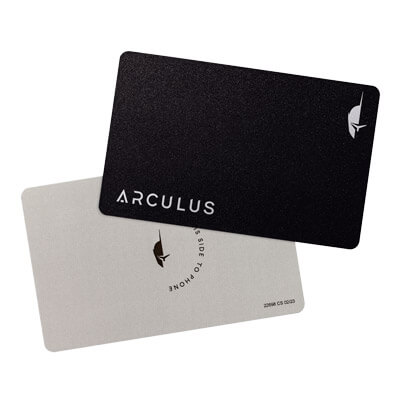
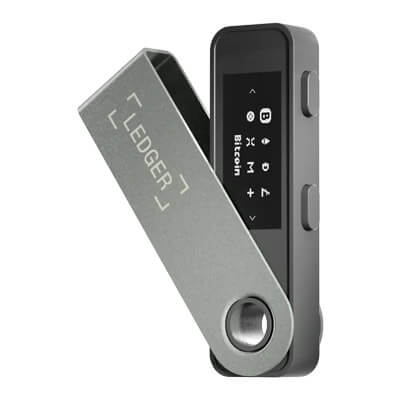

This is a family comparison of Tangem Wallet 2.0 card sets and the Ring bundle with Trezor Safe 3, Safe 5 and Safe 7. The rating cards use our Tangem card-wallet and Trezor Safe 3 reviews. Safe 3 is the entry-level reference, not a score for the entire Trezor range.