The best BNB wallets do more than hold a balance. They let you store BNB securely, receive and manage BEP-20 tokens, and connect to the apps and services built on BNB Smart Chain.
This guide focuses on wallets that support BNB on BNB Chain (BNB Smart Chain / BSC), not just exchange accounts that happen to list Binance Coin.
A good BNB wallet should support BNB on BNB Smart Chain (BSC), let you manage BEP-20 tokens, and connect to the dApps built on that network. BNB Chain is the broader ecosystem name. It includes BNB Smart Chain (BSC), opBNB, and BNB Greenfield. For most users on this page, the chain that matters most is BNB Smart Chain (BSC).
Top Binance Coin Wallets

- Custody
- Non-custodialPartially open-source
- Networks
- Platforms
- Tied for the cheapest hardware wallet we review
- Bitcoin-only firmware option
- FIDO2 authentication for compatible services
- Custody
- Non-custodialPartially open-source
- Networks
- Platforms
- Lowest price of any Bluetooth hardware wallet
- Wireless firmware updates from a phone
- Made by Ledger, a French company
- Custody
- Non-custodialPartially open-source
- Networks
- Platforms
- The widest network list of any wallet we review
- DEX aggregator draws on 100+ liquidity pools
- Create and trade NFTs inside the wallet
- Custody
- Non-custodialPartially open-source
- Networks
- Platforms
- Snaps add third-party wallet capabilities
- Social login that still signs on your device
- Transaction Shield cover on marked transactions
- Custody
- Non-custodialPartially open-source
- Networks
- Platforms
- Automatic network selection for dApps
- GasAccount pays gas across EVM networks
- Hardware support from Ledger to GridPlus
- Custody
- Non-custodialClosed-source
- Networks
- Platforms
- Battery-free NFC card signing
- Separate cards managed in one app
- MoneyGram cash pickup via USDC on Stellar
- Custody
- Non-custodialPartially open-source
- Networks
- Platforms
- Smart-wallet recovery key can replace a passkey
- USDC sends on Base with sponsored gas
- Coinbase-funded USDC Rewards for holders
- Custody
- Non-custodialPartially open-source
- Networks
- Platforms
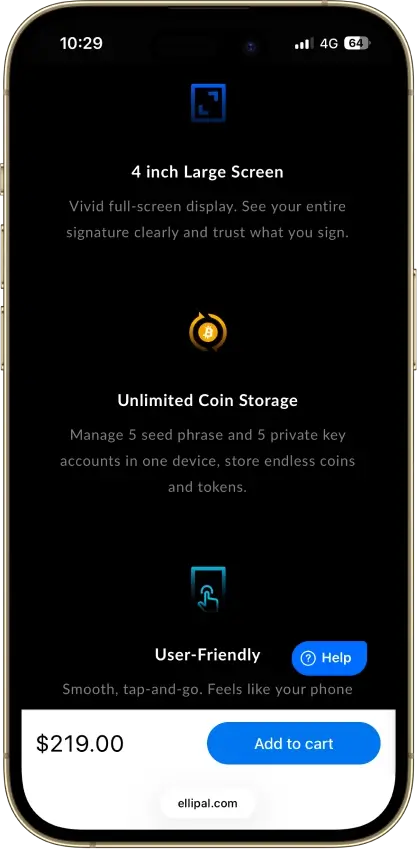
- Largest screen of any hardware wallet we review
- Public upgrade-file verification tool
- Room for five seed and five key accounts
- Custody
- Non-custodialClosed-source
- Networks
- Platforms
- Quick Backup moves keyless wallets to new phones
- Web trading through Secure Auto Sign
- Buy DEX tokens with your Binance balance
- Custody
- Non-custodialFully open-source
- Networks
- Platforms
- Duress Mode hides funds under coercion
- No seed phrase to write down or lose
- Recovery token plus optional 2FA layer
- Custody
- Non-custodialClosed-source
- Networks
- Platforms
- MoonTag usernames for MoonPay-to-MoonPay sends
- US Balance buy/sell waives MoonPay's fee
- Phrase export still works on a restricted account
- Custody
- Non-custodialPartially open-source
- Networks
- Platforms
- Ledger and Trezor portfolios in one app
- Cloud backup unlocked only by a passkey
- Listed company with public financial filings
- Custody
- CustodialClosed-source
- Networks
- Platforms
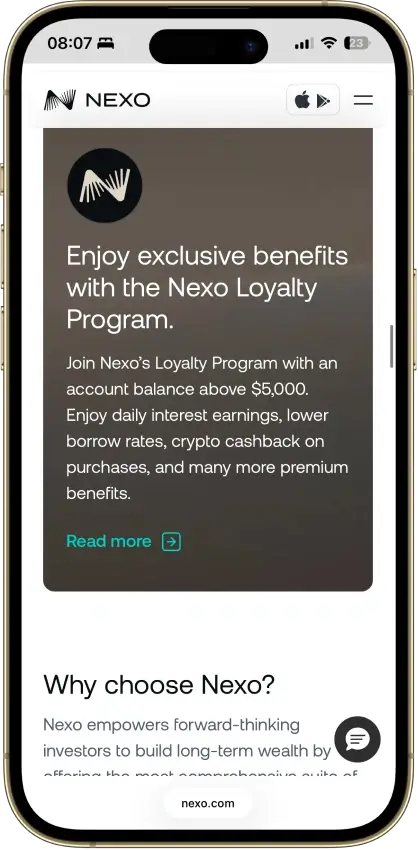
- Borrow against your crypto in the same app
- Anti-Scam Engine can pause risky withdrawals
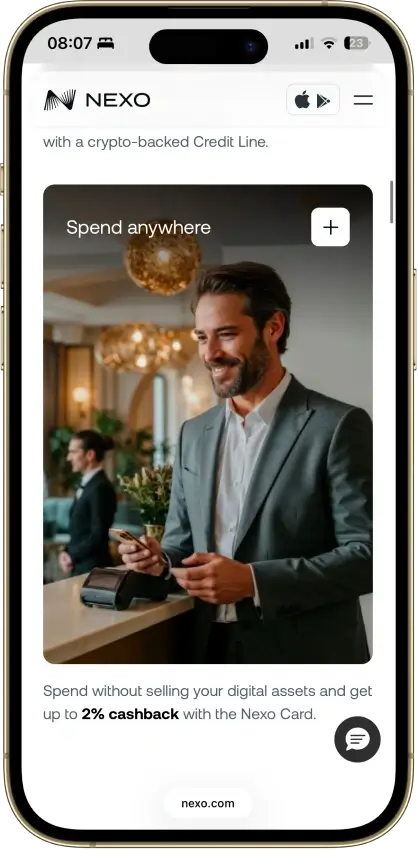
- Nexo Card with no monthly or annual fee
- Custody
- Non-custodialPartially open-source
- Networks
- Platforms
- SWIFT offers passkey-based wallet recovery
- Second only to OKX for network coverage
- Premium loyalty tiers reward wallet activity
CryptoSlate may earn a commission when you visit partner sites through links on this page, at no extra cost to you. Our rankings and reviews remain editorially independent and based on our published methodology. Read disclosure
Disclaimer: CryptoSlate may receive a commission when you click links on our site and make a purchase or complete an action with a third party. This does not influence our editorial independence, reviews, or ratings, and we always aim to provide accurate, transparent information to our readers.Taken together, the shortlist shows that there is no single best BNB wallet for every type of user. Trust Wallet and Coinbase Wallet make the most sense for people who want a straightforward mobile experience, while MetaMask and OKX Wallet are better suited to users who plan to interact with dApps, swaps, and the broader BNB Chain ecosystem. Ledger stands apart as the strongest BNB cold wallet for long-term holders, while options like MoonPay and Nexo lean more toward convenience. The comparison table below makes those trade-offs easier to scan side by side.
Comparison Table
| Name | Custody | Blockchains | Hardward Support | Staking | Fiat On-ramp |
|---|---|---|---|---|---|
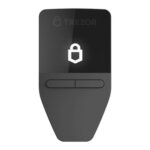 Trezor Safe 3 Trezor Safe 3 | Non-custodial | No | Limited | Yes | |
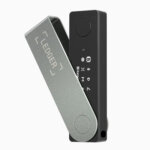 Ledger Nano X Ledger Nano X | Non-custodial | No | Limited | No | |
 OKX Wallet OKX Wallet | Non-custodial | Yes | Limited | Yes | |
 MetaMask MetaMask | Non-custodial | Yes | Full | Yes | |
 Rabby Wallet Rabby Wallet | Non-custodial | Yes | None | No | |
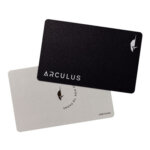 Arculus Wallet Arculus Wallet | Non-custodial | No | Limited | Yes | |
 Coinbase Wallet Coinbase Wallet | Non-custodial | Yes | Limited | Yes | |
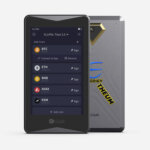 ELLIPAL Titan 2.0 ELLIPAL Titan 2.0 | Non-custodial | No | Limited | Yes | |
 Binance Wallet Binance Wallet | Non-custodial | No | Limited | Yes | |
 Edge Wallet Edge Wallet | Non-custodial | No | Limited | Yes | |
 MoonPay MoonPay | Non-custodial | No | None | Yes | |
 Exodus Exodus | Non-custodial | Yes | Full | Yes | |
 Nexo Nexo | Custodial | No | Limited | Yes | |
 Trust Wallet Trust Wallet | Non-custodial | Yes | Full | Yes |
The table makes the trade-offs clear: Trust Wallet is the most balanced option for a mobile-first BNB wallet, MetaMask is the best fit for BNB Chain dApps on desktop, and Ledger is the safer choice for long-term storage. If you already live inside Binance or Coinbase, their wallets can feel more natural, while MoonPay and Nexo lean more toward convenience than deep on-chain control.
Binance Coin Wallets Reviews
Trezor Safe 3
- Custody
- Non-custodialPartially open-source
- Networks
- Platforms
Pros
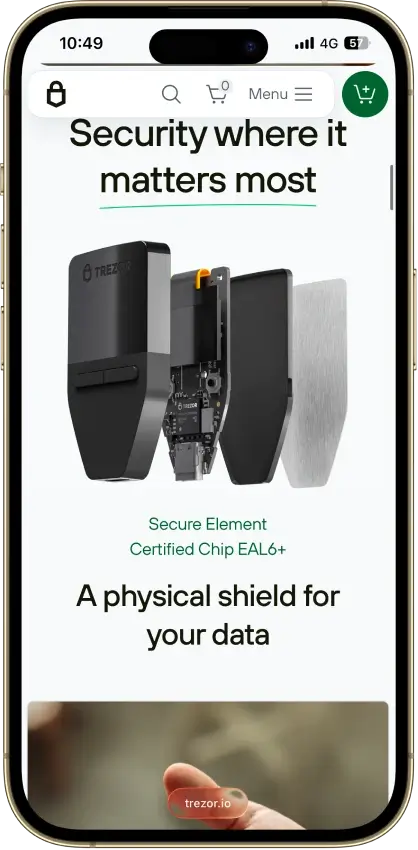
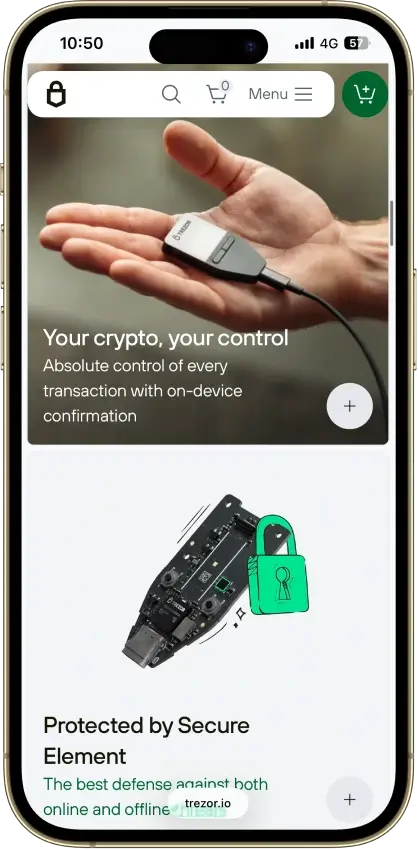
- USB power needs no battery maintenance
- Secure element guards the PIN
- Recovery words entered on the device
- SLIP39 supports distributed backup shares
- Core firmware can be inspected and rebuilt
Cons
- Cannot sign with an iPhone
- Small screen and repeated button navigation
- 2025 research bypassed its authenticity checks
- Secure element software is closed-source
- Shipping-data exposure raises phishing risk
Ledger Nano X
- Custody
- Non-custodialPartially open-source
- Networks
- Platforms
Pros
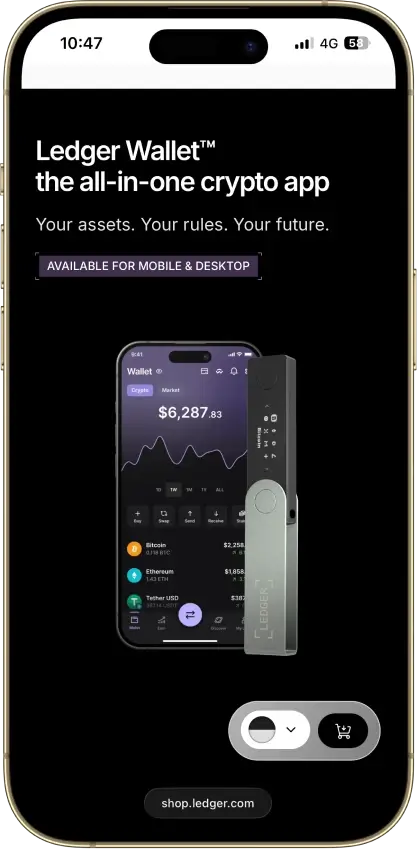
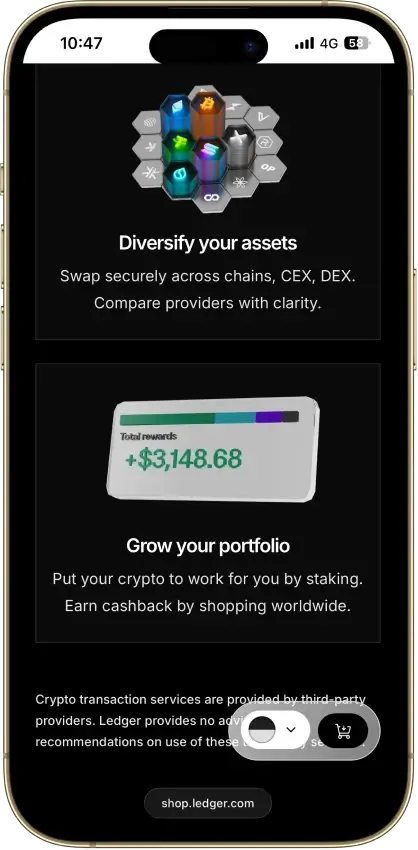
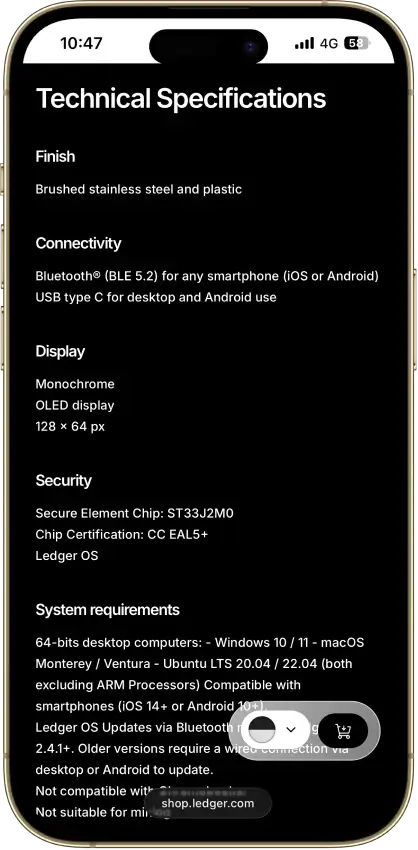
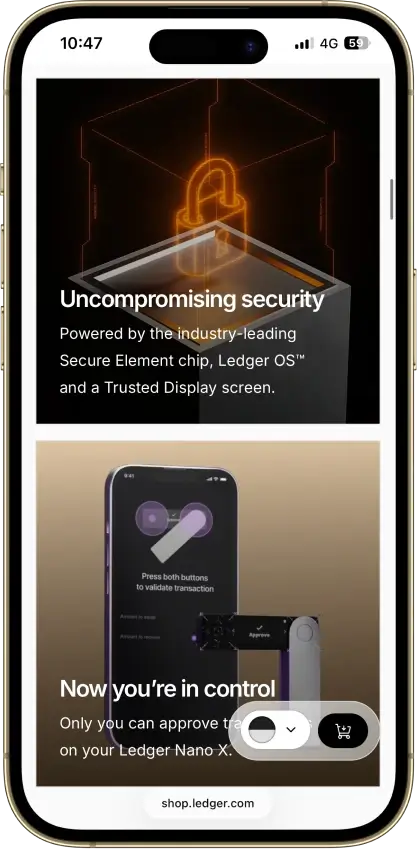
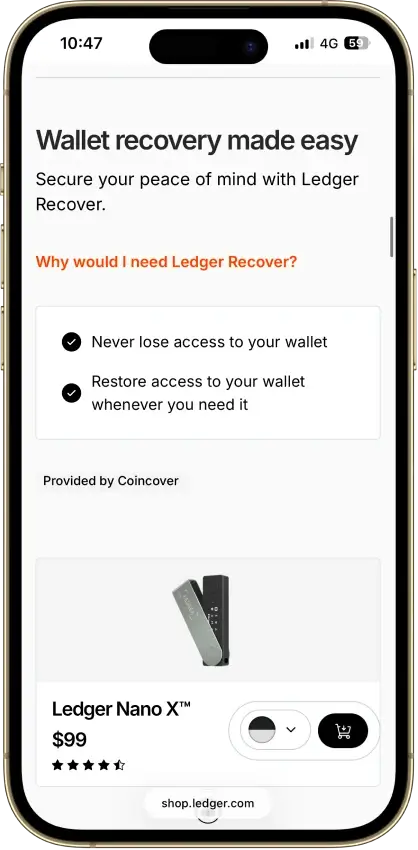
- CC EAL5+ certified Secure Element
- Public companion and device-app code
- Optional passphrase accounts
- Bluetooth for phones, USB-C for desktops
- Encrypted Bluetooth with pairing codes
Cons
- Small display requires scrolling
- Low-level firmware remains closed
- Apps need their own security updates
- 2026 Monero app flaw could expose keys
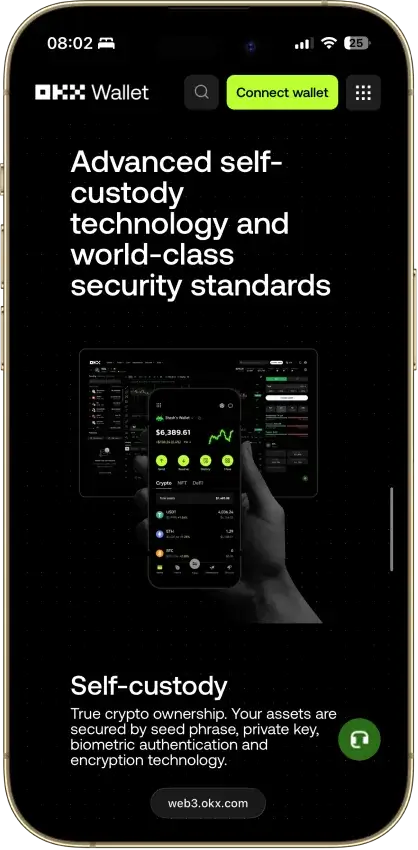
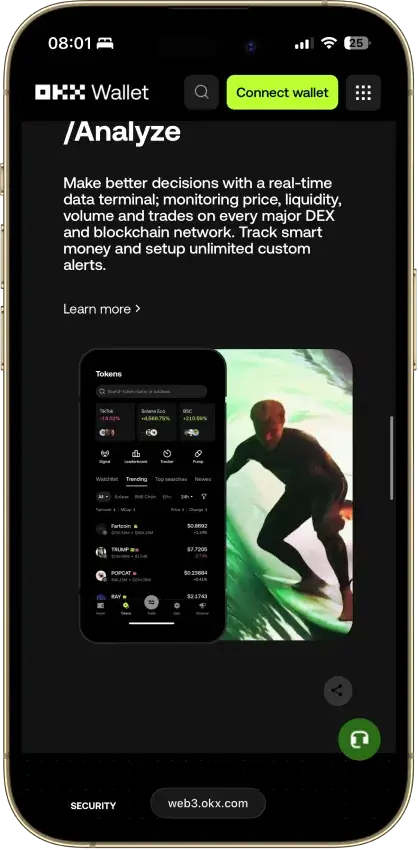
OKX Wallet
- Custody
- Non-custodialPartially open-source
- Networks
- Platforms
Pros
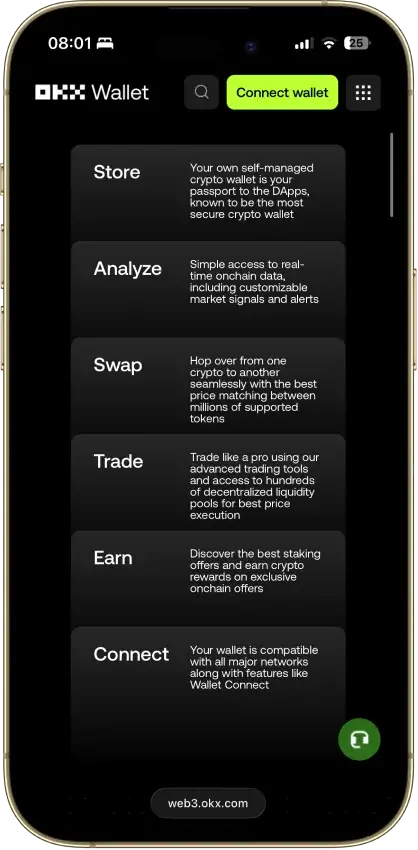
- Pre-approval scam and phishing alerts
- Built-in token-approval revoke tool
- CertiK and SlowMist audits plus bug bounty
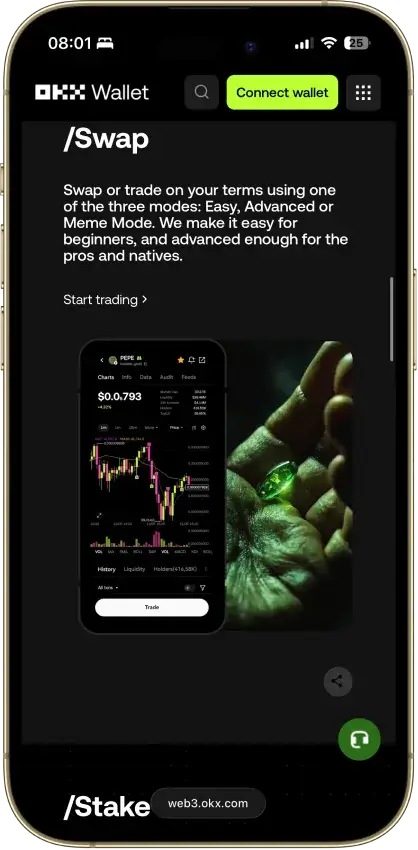
- Cross-chain bridging in one interface
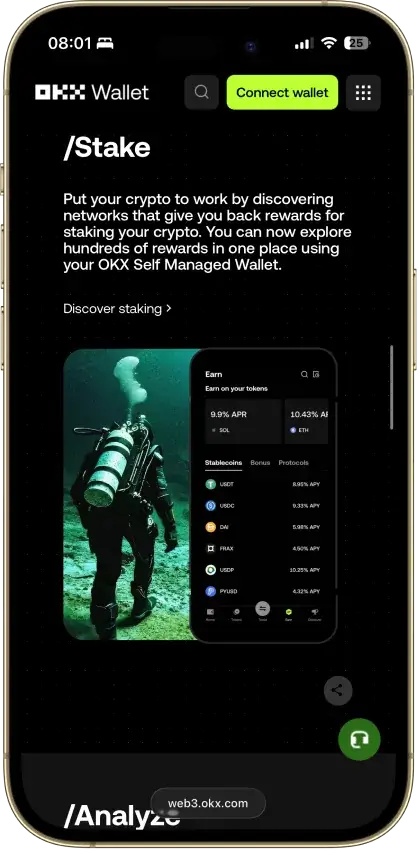
- Earn staking stays non-custodial
Cons
- $505M DOJ guilty plea, consultant to 2027
- Aggregator laundered ~$100M Bybit funds
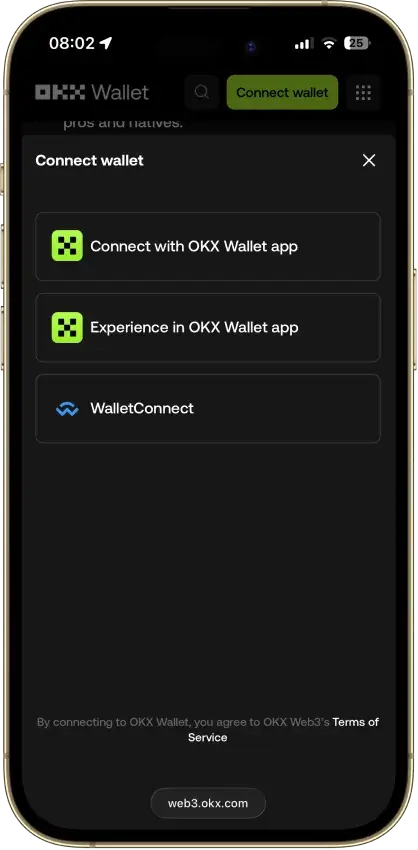
- Keyless mode hands OKX one key share
- Client code is not fully open source
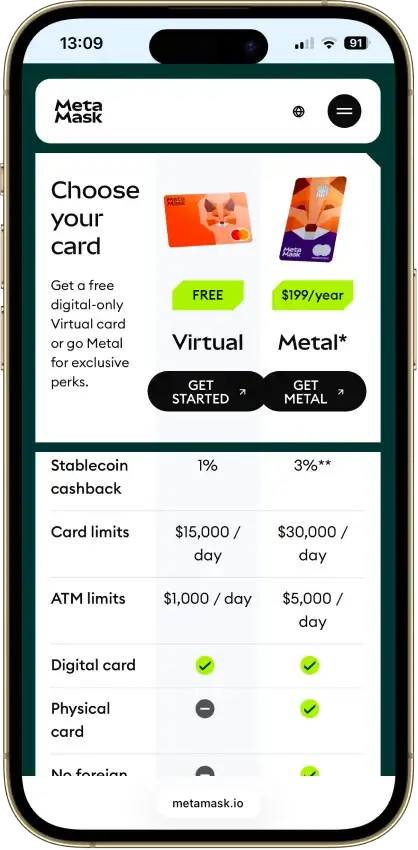
MetaMask
- Custody
- Non-custodialPartially open-source
- Networks
- Platforms
Pros
- Default-on transaction security alerts
- Mobile connections to compatible hardware
- ETH pooled staking without a product minimum
- Custom EVM networks alongside native Bitcoin
- Publicly accessible extension source code
Cons
- Swaps carry a 0.875% service fee
- Linked Ledger accounts are EVM-only
- Social login can't be changed or unlinked
- Passkeys unlock but can't restore the wallet
Rabby Wallet
- Custody
- Non-custodialPartially open-source
- Networks
- Platforms
Pros
- Simulation shows balance changes before signing
- Token approvals can be revoked in-app
- Tracks EVM tokens and DeFi positions
- Extension code released under MIT terms
- Optional encrypted mobile cloud backup
Cons
- No native Bitcoin, Solana or Tron
- Custom networks have fewer features
- Mobile hardware support is more limited
- Apple/Google Pay gas deposits cannot be withdrawn
- 2025 audits include unresolved findings
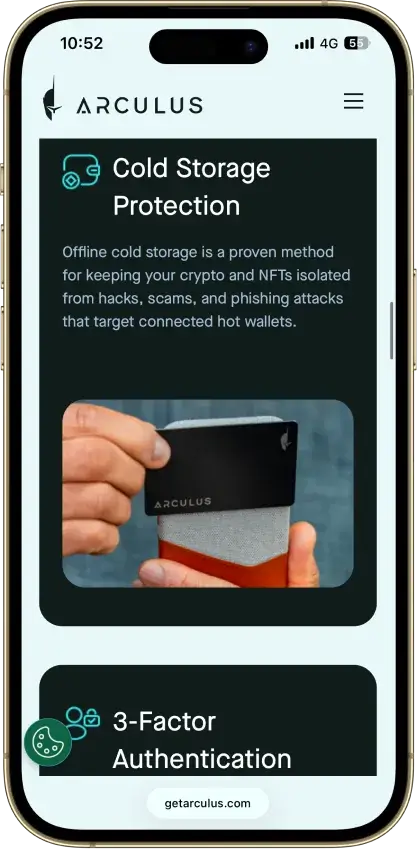
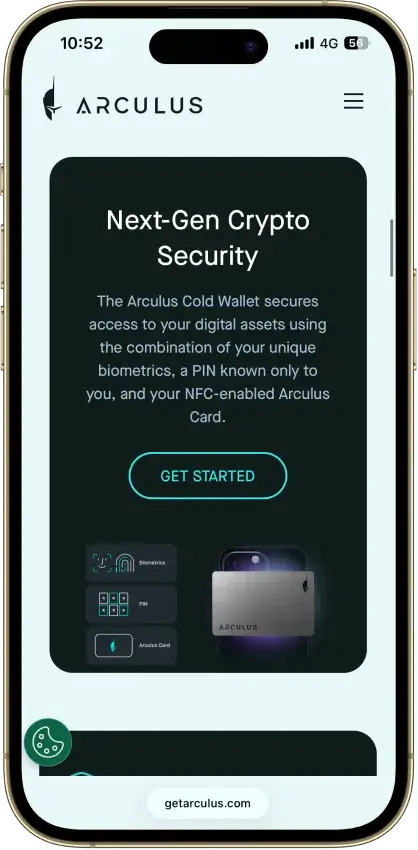
Arculus Wallet
- Custody
- Non-custodialClosed-source
- Networks
- Platforms
Pros
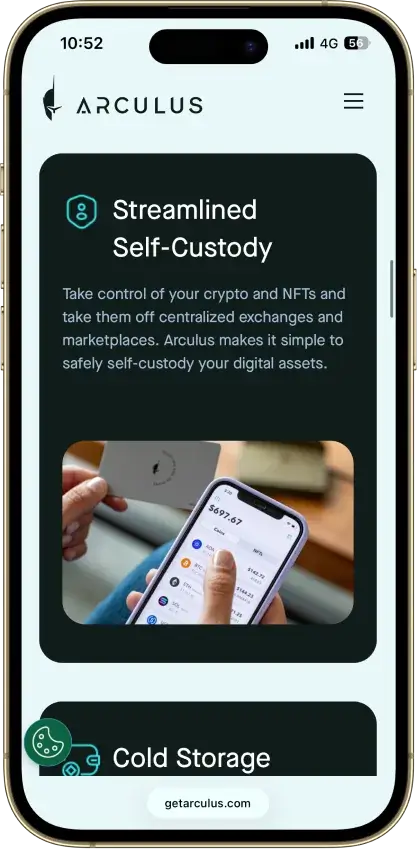
- MetaMask link through a webcam QR code
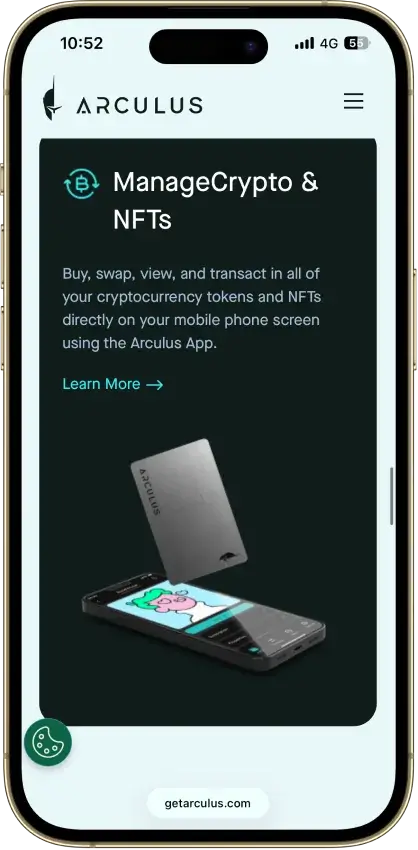
- Native ADA and SOL staking
- Safe integration through WalletConnect
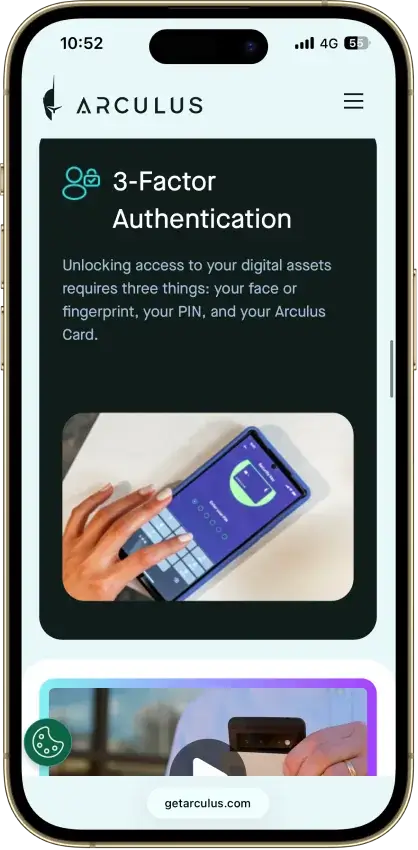
- Optional biometrics on top of a six-digit PIN
- Two-year limited card warranty
Cons
- No independent transaction screen
- Recovery words appear on the phone
- Proprietary wallet software license
- No public audit findings
- Three wrong PINs force a full restore
Coinbase Wallet
- Custody
- Non-custodialPartially open-source
- Networks
- Platforms
Pros
- Ledger approvals through the extension
- Audited, MIT-licensed smart-wallet contracts
- ETH staking below 32 ETH via Kiln
- Gasless swaps on Ethereum and Polygon
- Security Lock on opening and approvals
Cons
- Passkey smart wallets exclude BTC and SOL
- Dropped Dogecoin, Litecoin, XRP and custom chains
- Swap fee of up to 1% per trade
- No Bitcoin swaps in the app
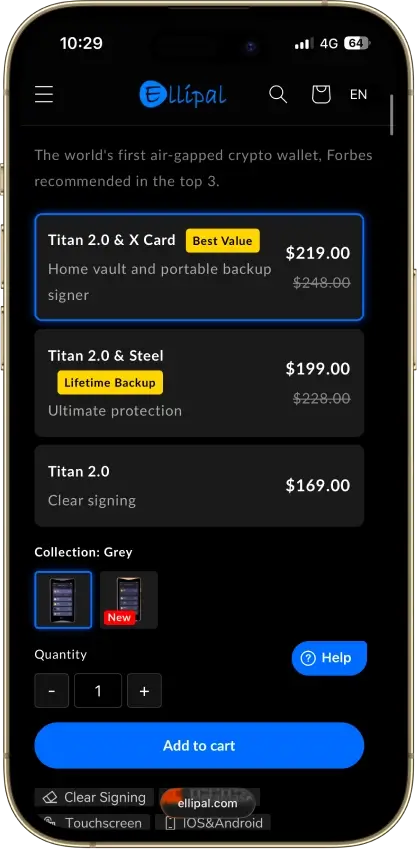
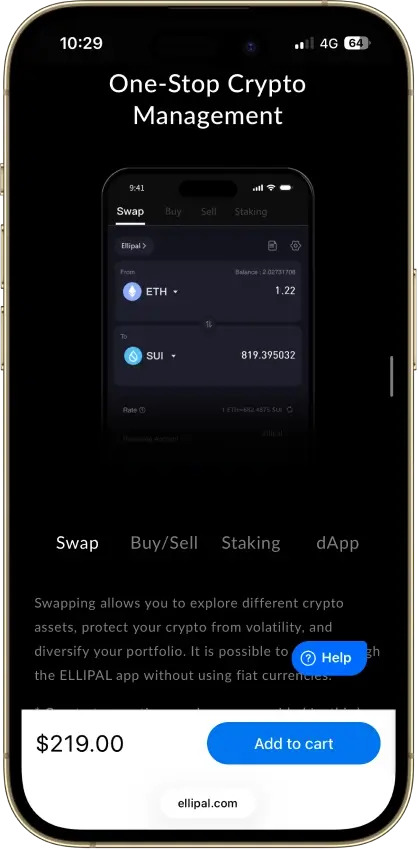
ELLIPAL Titan 2.0
- Custody
- Non-custodialPartially open-source
- Networks
- Platforms
Pros
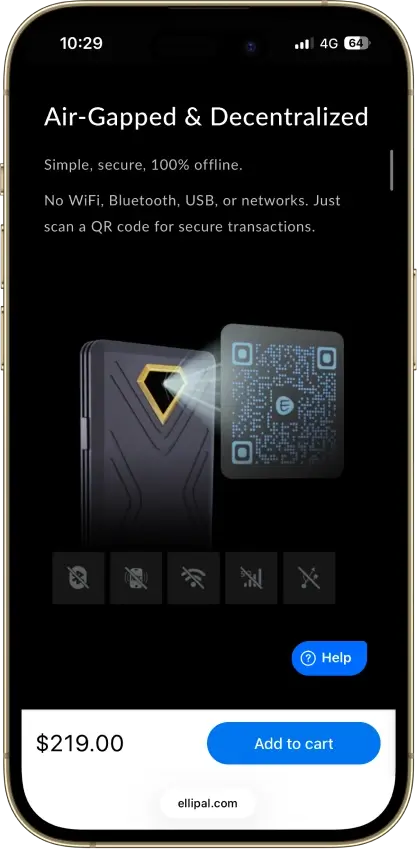
- No cable or radio link for transactions
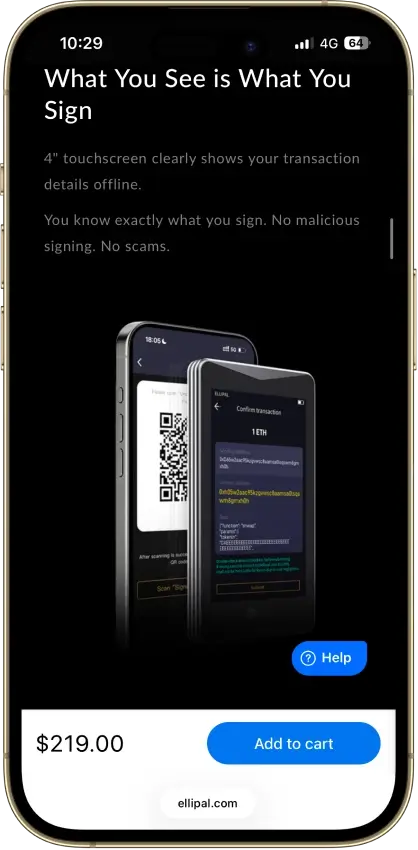
- On-device recovery phrase verification
- Optional passphrase-derived wallets
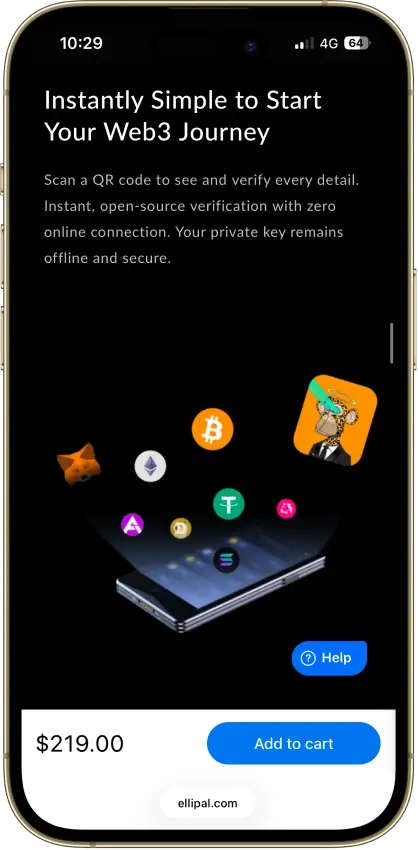
- 45+ blockchains in the ELLIPAL app
- 30-day change-of-mind returns
Cons
- Firmware transparency is partial
- Updates need a separate adapter and microSD
- SOL staking is still marked coming soon
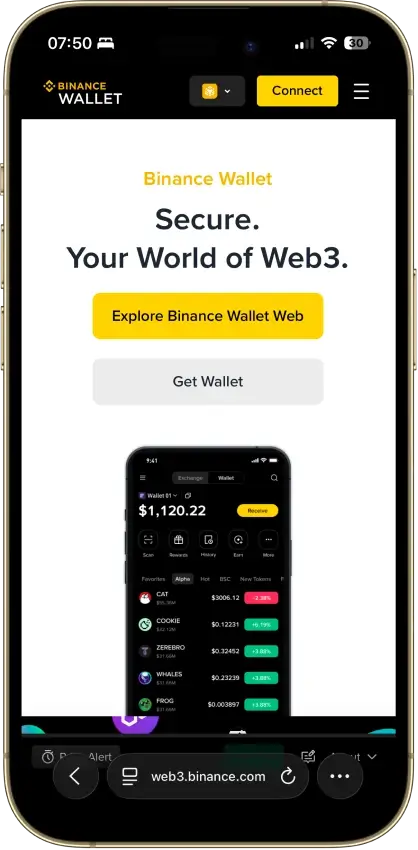
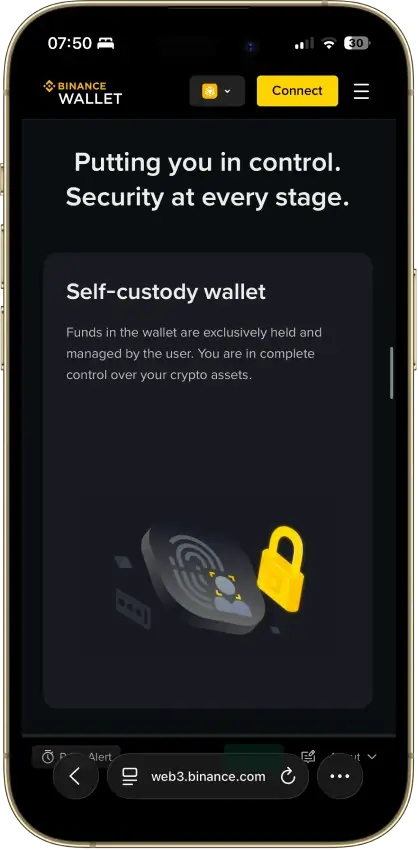
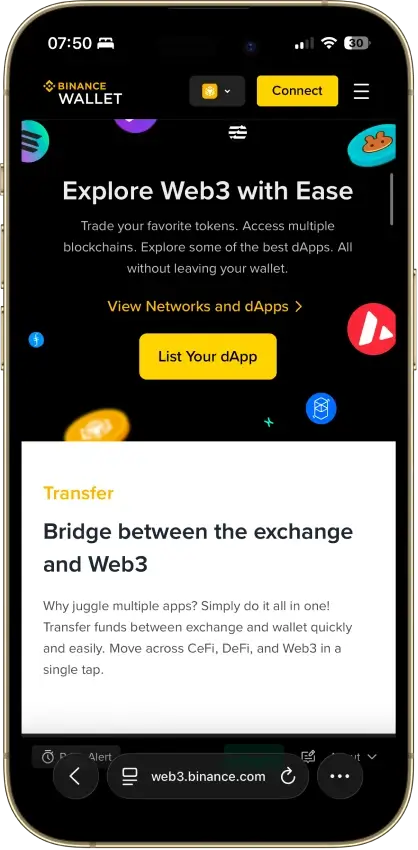
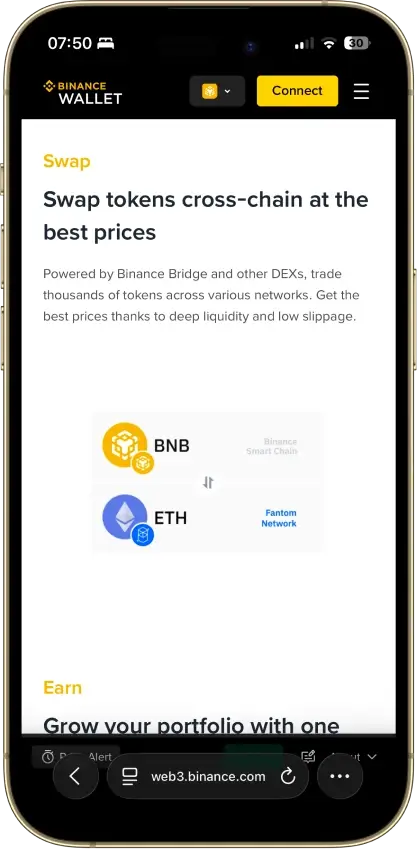
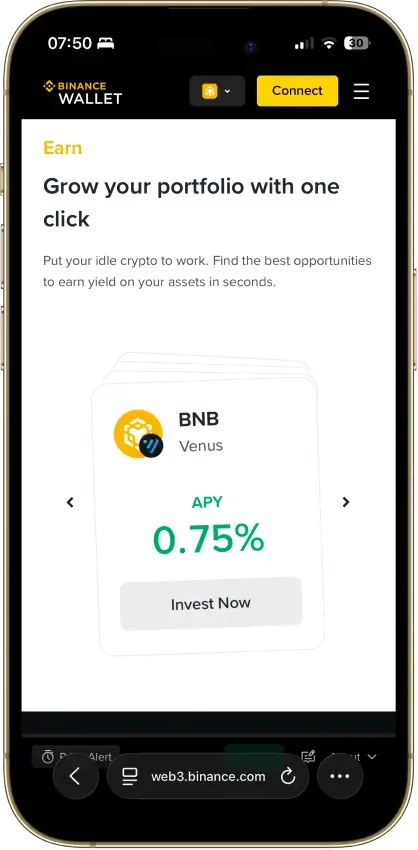
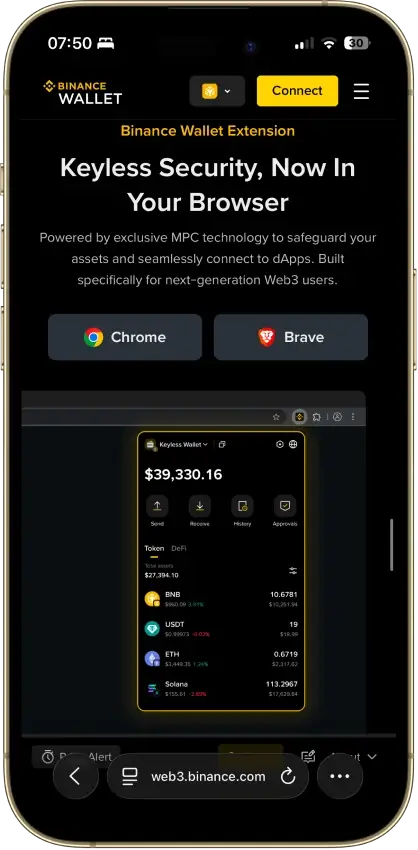
Binance Wallet
- Custody
- Non-custodialClosed-source
- Networks
- Platforms
Pros
- Existing-wallet imports in the extension
- Bitcoin controls in the mobile wallet
- Independent extension audit anyone can read
- Address-poisoning filters on sends
- Binance deposit-address option in Send
Cons
- Conversion removes keyless recovery
- Audit excludes backend verification
- No hardware wallet support
- Ordinals are treated as plain BTC
Edge Wallet
- Custody
- Non-custodialFully open-source
- Networks
- Platforms
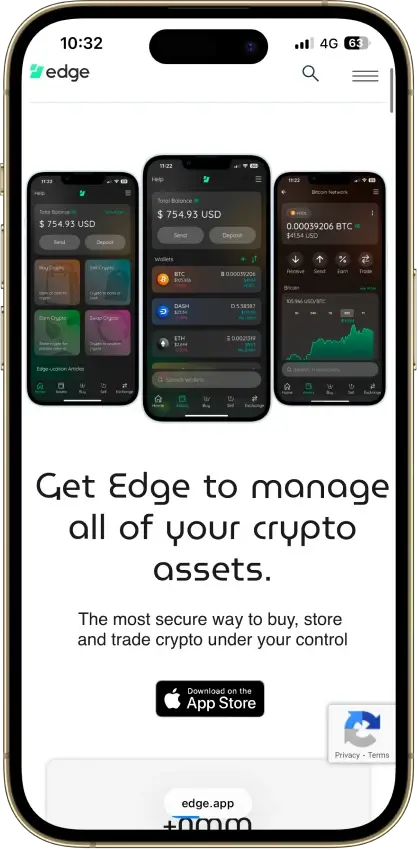
Pros
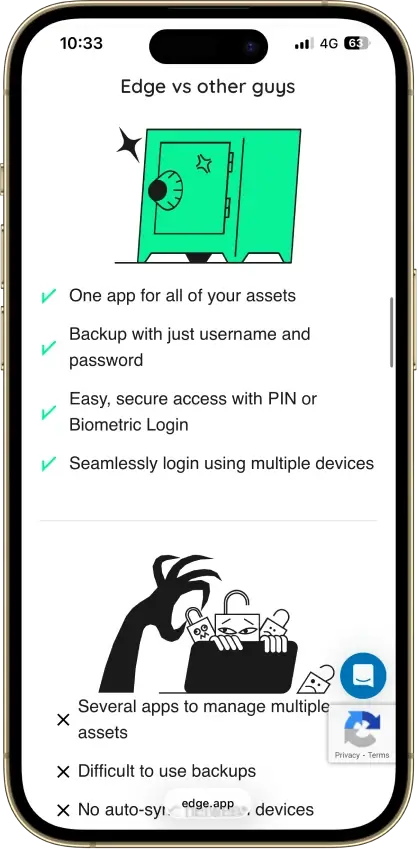
- Public, auditable code (BSD-3-Clause app)
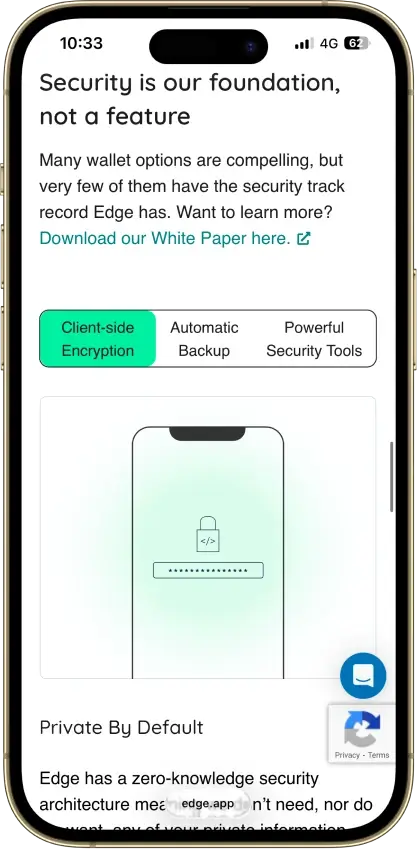
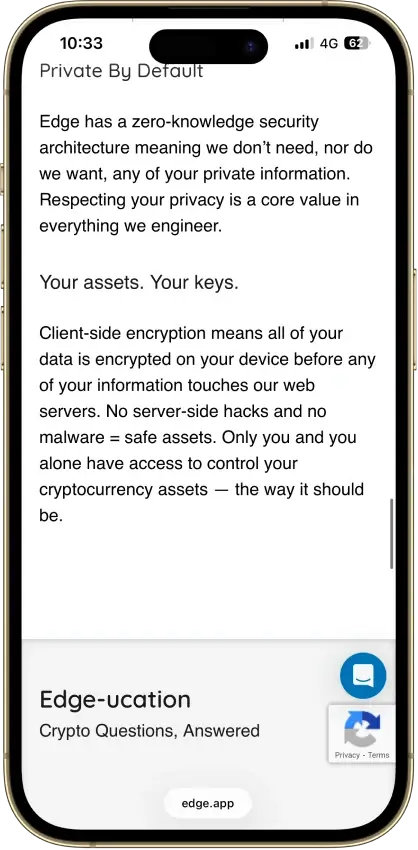
- Non-custodial, zero-knowledge encryption
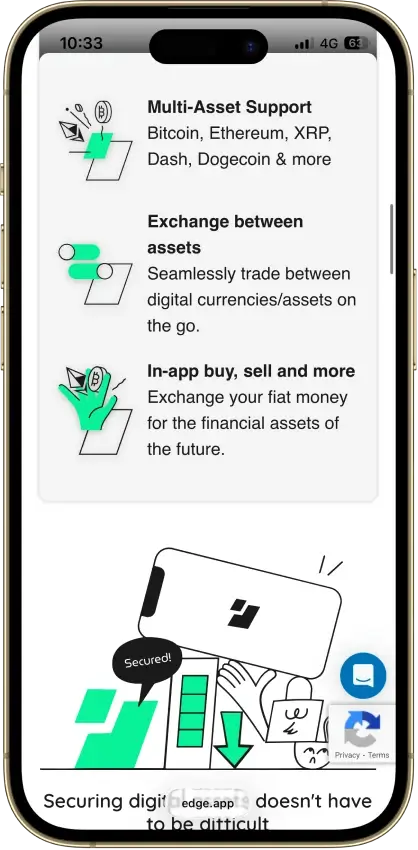
- 120+ assets plus major token standards
- Swaps shop quotes across several providers
- iOS app also runs on Apple Silicon Macs
Cons
- Weak passwords increase credential-guessing risk
- Encrypted key blobs sit on Edge servers
- 2023 bug exposed about 600 private keys
- No third-party audit made public
- No desktop app or browser extension
MoonPay
- Custody
- Non-custodialClosed-source
- Networks
- Platforms
Pros
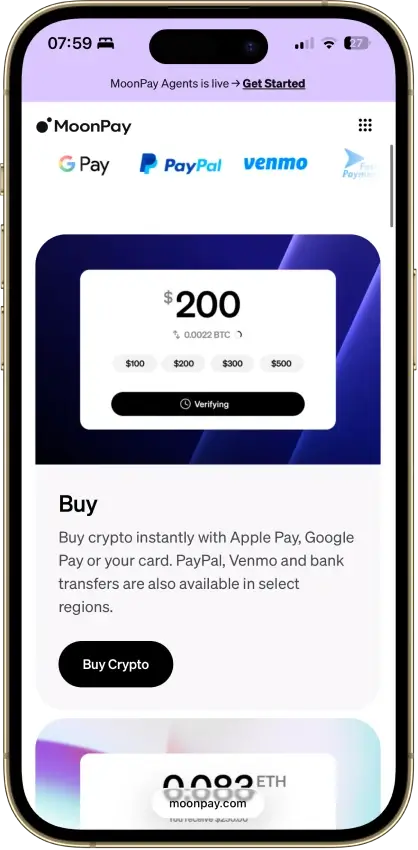
- Buying and wallet management in one app
- App Lock with biometrics or device PIN
- Supports Bitcoin, Solana, TRON and EVM networks
- PayPal, Apple Pay, card and bank options
- Trade can route across blockchains
Cons
- Fees up to 4.5% on US purchases
- Up to $3.99 minimum fee on small orders
- No staking since Pots closed in April 2026
- Wallet app code is not public
Exodus
- Custody
- Non-custodialPartially open-source
- Networks
- Platforms
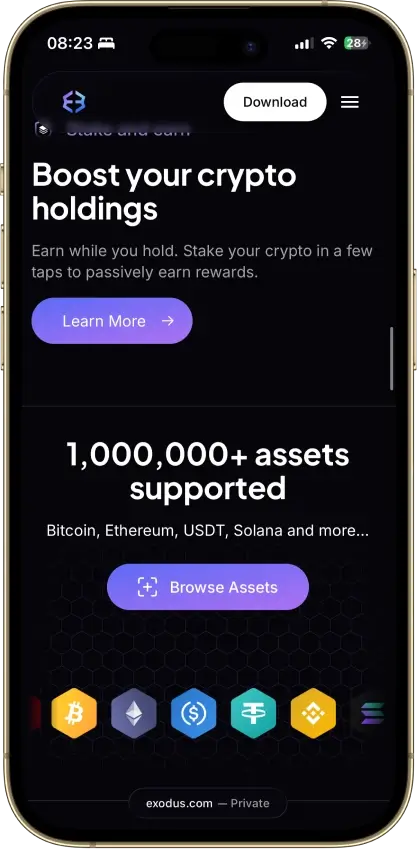
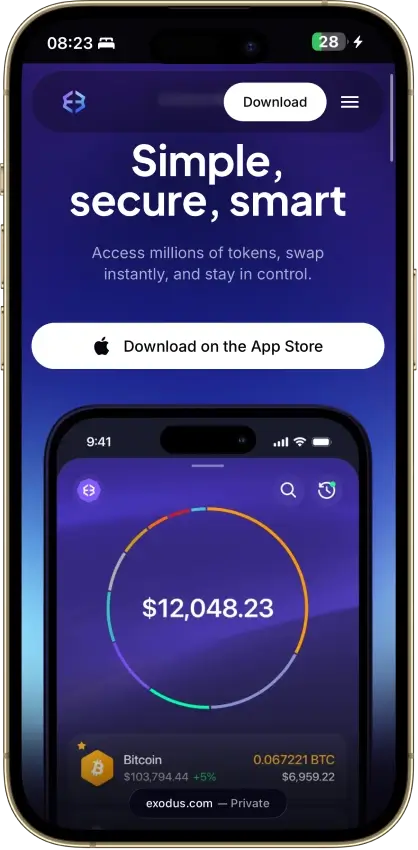
Pros
- Desktop app for Windows, macOS and Linux
- Desktop and mobile sync to one wallet
- Custom tokens on supported networks
- Human support alongside the chatbot
- Recovery phrase backup still available
Cons
- Complete wallet is not open source
- WalletConnect removed from the mobile app
- Ledger portfolios work on mobile only
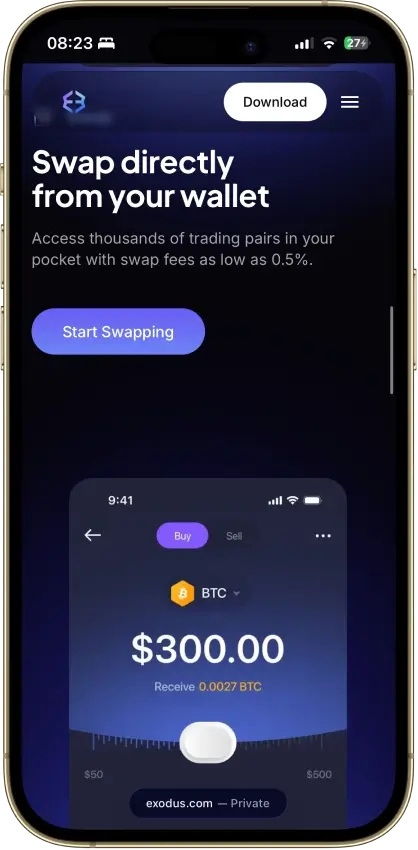
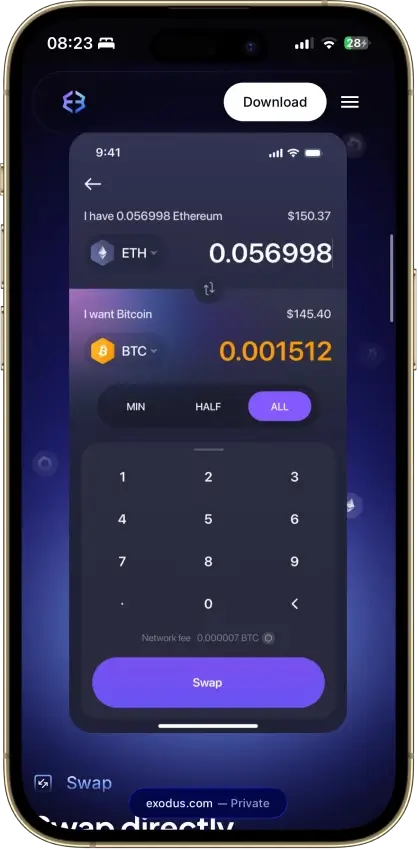
- Swap costs sit inside a quoted spread
- $3.1M OFAC sanctions settlement in 2025
Nexo
- Custody
- CustodialClosed-source
- Networks
- Platforms
Pros
- Ten major networks for deposits and withdrawals
- Address whitelisting and anti-phishing code
- Recover access without a seed phrase
- SOC 2 Type 2 audits three years running
- Nexo Pro trading inside the same account
Cons
- No seed phrase or key export
- No WalletConnect or browser extension
- Swap spread is built into the quote
Trust Wallet
- Custody
- Non-custodialPartially open-source
- Networks
- Platforms
Pros
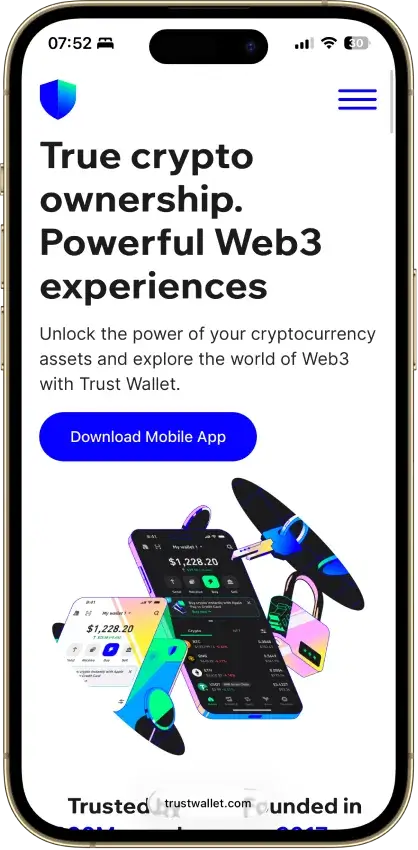
- Transaction previews on supported networks
- Optional encrypted cloud backup
- Ledger signing through the extension
- Staking for ETH, SOL, BNB and TRX
- No email account needed for a classic wallet
Cons
- December 2025 extension hack hit about $8.5M
- Mobile app builds lack public source access
- Dropped several networks in September 2026
- SWIFT covers only a handful of EVM chains
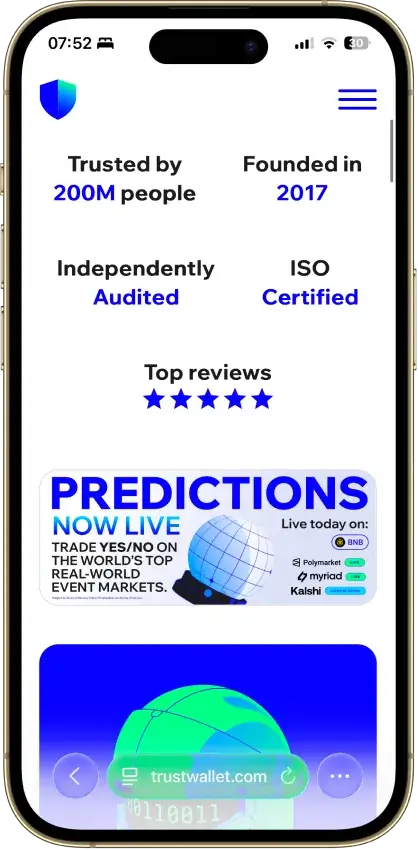
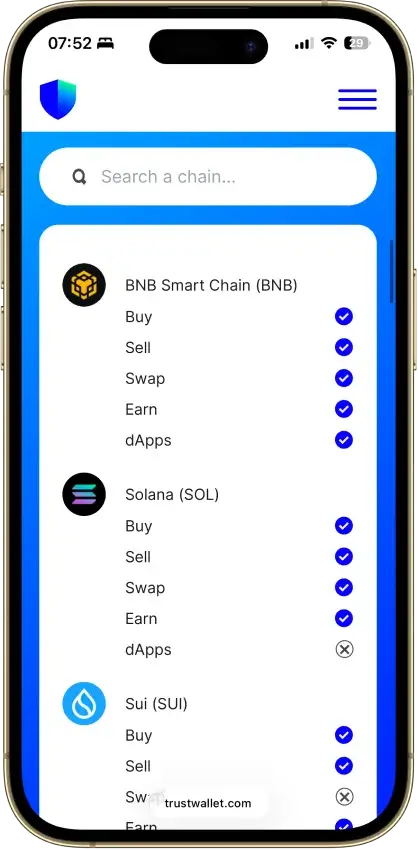
Trust Wallet stands out as the most balanced option if you want a BNB wallet app for everyday use, while MetaMask is the better fit when the priority is DeFi, swaps, and dApps on BNB Chain. Ledger is the safest route for long-term storage once the balance becomes meaningful, and it can still be paired with a hot wallet interface when you need to move funds. Binance Wallet is a strong choice if you already use Binance and want tighter ecosystem integration, and Coinbase Wallet / Base App makes sense if you want a more familiar interface and a straightforward way to manage BNB Chain assets. In-depth reviews for each wallet will be added in this section.
Best BNB Wallet By Use Case
Match the wallet to how you use BNB. The table below highlights the best pick for each common scenario.
| Use case | Best pick | Why it fits |
|---|---|---|
| Best BNB wallet overall | Trust Wallet | Strong all-around balance of mobile usability, BNB Smart Chain support, and straightforward self-custody. |
| Best BNB wallet app | Trust Wallet | Mobile-first experience that still covers core BNB and BEP-20 needs without feeling heavy. |
| Best BNB Smart Chain wallet | MetaMask | Best fit for dApps, DeFi tools, and frequent on-chain activity on BNB Smart Chain. |
| Best BNB Chain wallet extension | MetaMask | Familiar browser-based setup for swaps, dApps, and Web3 access on desktop. |
| Best BNB cold wallet | Ledger | Hardware security for long-term storage and larger balances, with safer signing isolated from the device. |
| Best wallet for BNB beginners | Trust Wallet | Easier setup and navigation than most extension-first or hardware-first options. |
| Best wallet for Coinbase users | Coinbase Wallet / Base App | More familiar flow if you already use Coinbase products and want an easier path to holding and using BNB. |
What Is A BNB Wallet?
A BNB wallet is a crypto wallet that lets you store, send, receive, and manage BNB. More importantly, it gives you control over the keys or access layer used to interact with your funds, which is why choosing the right wallet matters just as much as choosing the right exchange or app.
Many users also search for terms like Binance Coin wallet or BNB Smart Chain wallet, but in practice they are usually looking for the same thing: a wallet that supports BNB properly and works with the wider BNB Chain ecosystem. That includes not just holding BNB itself, but also managing BEP-20 tokens and connecting to apps built on BNB Chain.
That is why support for BNB Chain and BEP-20 matters more than branding alone. A wallet may mention BNB, but what really counts is whether it can handle the network and token standard most users actually need today.
BNB Smart Chain, BEP-20, And The Legacy BEP-2 Question
BNB wallet activity today is mainly about BNB Chain (often referred to as BNB Smart Chain or BSC) and BEP-20 assets. If a wallet supports BNB Smart Chain properly, it should let you hold BNB, manage BEP-20 tokens, and connect to dApps on the network.
The easiest way to avoid mistakes is to keep the terms straight:
| Term | What it is | What it means for wallet users today |
|---|---|---|
| BNB Smart Chain (BSC) | The main EVM chain in the BNB ecosystem | The network most readers here actually need for BNB, gas, dApps, and BEP-20 tokens |
| BEP-20 | The token standard on BNB Smart Chain | Used for BNB-chain stablecoins, DeFi tokens, and most wallet activity on BSC |
| opBNB | A Layer 2 in the BNB ecosystem | Relevant if a wallet explicitly supports it; do not assume BSC support automatically means opBNB support |
| BEP-2 / BNB Beacon Chain | The retired legacy chain and token format | No longer a current route for normal wallet use; only relevant for recovery or migration of older assets |
If you are choosing a BNB wallet today, prioritize BNB Smart Chain (BSC) support first. Treat BEP-2 / Beacon Chain as a recovery-only edge case.
How To Choose The Best Wallet For BNB
The best wallet for BNB depends on how you plan to use it. A long-term holder has different needs than someone swapping tokens on BNB Chain every day. Use the checklist below to narrow down the right fit.
| What to check | Why it matters for BNB | Quick way to verify |
|---|---|---|
| BNB Chain / BEP-20 support | BNB Chain is where most BNB activity happens, and BEP-20 is the token standard you’ll use for transfers and dApps. | Look for a BNB Smart Chain network option and a BEP-20 token view (not just “BNB” as a ticker). |
| Easy setup and backup | A wallet that is hard to back up correctly increases the risk of losing access later. | The app should guide you through backups and confirm the recovery phrase. |
| Mobile app vs extension | Mobile wallets are best for everyday use. Extensions are better for frequent dApp and DeFi activity on desktop. | Decide where you’ll actually use BNB most: phone, browser, or both. |
| dApp and WalletConnect support | This is what lets you use swaps, DeFi, and other BNB Smart Chain apps safely. | Check for WalletConnect support or a built-in dApp browser. |
| Security model | Better security reduces the risk of malware, phishing approvals, and account takeovers. | Look for clear info on key storage, biometrics, transaction warnings, and approval management. |
| Recovery method | Recovery determines what happens if you lose your phone, reinstall the app, or move devices. | Confirm you can restore with a recovery phrase (or an equivalent recovery flow that is explained clearly). |
| Hardware compatibility | If you hold larger amounts, a hardware wallet is one of the safest ways to secure BNB. | Check if the wallet supports Ledger (or works well as a companion to a hardware device). |
| BNB staking support | Staking can matter if you plan to hold BNB long term and want yield without constant trading. | See if staking is built-in or if the wallet supports staking through trusted dApps. |
| Fiat on-ramp options | Buying BNB inside the wallet can be convenient, especially for beginners. | Look for “Buy” support and check which providers and payment methods are available in your region. |
| Watch-only tracking | Watch-only helps track a BNB wallet address without exposing keys on a device. | See if the wallet supports watch-only addresses or portfolio tracking without importing a seed phrase. |
If you’re unsure, start with a reputable mobile wallet for everyday use, and add a hardware wallet later if your holdings grow. The key is choosing a wallet that matches how you actually use BNB, not the most feature-packed option on paper.
BNB Wallet Address Explained
A BNB wallet address is the public address you share when you want to receive BNB or BEP-20 tokens. On BNB Chain, addresses usually start with 0x (the same format used by Ethereum-style wallets). The address itself is not a secret, but you should still treat it carefully and always match it with the correct network when sending or withdrawing.
| What you’re doing | What to check first | Why it matters |
|---|---|---|
| Receiving BNB to a wallet | You selected BNB Chain in the wallet | A correct address on the wrong network can delay access or complicate recovery |
| Withdrawing from an exchange | The withdrawal network says BNB Chain (BSC) | Exchanges often offer multiple networks for the same asset |
| Sending to someone else | You’re sending to the right address + network pair | Address format alone does not guarantee the network is correct |
How To Get A BNB Wallet Address
Most wallets make this simple:
- Open your wallet app.
- Select BNB (or switch the network to BNB Chain).
- Tap Receive.
- Copy the address or use the QR code.
Before you send a larger amount, send a small test transfer first. Also verify the first and last few characters of the address after pasting it, since clipboard-replacing malware is a common scam.
What A BNB Watch-Only Wallet Address Is
A watch-only BNB wallet address is a way to track a wallet without importing the private keys or recovery phrase. It lets you monitor balances and transactions, but it does not let you spend funds.
| Address type | What you can do | What you can’t do | Best for |
|---|---|---|---|
| Regular wallet address | Receive, hold, and send funds | — | Everyday use |
| Watch-only address | Track balances and transactions | Spend or sign transactions | Monitoring a cold wallet, treasury wallet, or shared address |
Watch-only tracking is useful when you want visibility without increasing risk, for example, checking a hardware wallet’s balance from a phone. This is also what most users mean when they search for a BNB wallet tracker.
What A Free BNB Wallet Address Actually Means
A “free BNB wallet address” usually means you can create a wallet and generate an address without paying for the address itself. That part is typically free.
What is not free is moving funds on-chain. Any transfer on BNB Smart Chain requires a network fee (gas) paid in BNB. Depending on the app, you may also see fees for buying crypto, swapping tokens, or withdrawing from an exchange.
Why There Is No Safe Public BNB Wallet Address List To Copy
There is no safe reason to copy an address from a random “BNB wallet address list.” You can’t verify who controls those addresses, and scammers often publish lists to trick people into sending funds to them.
If you need an address to receive BNB, generate it inside your own wallet. If someone else is sending you BNB, give them your address from your wallet’s Receive screen, and make sure they select the BNB Chain network when they send it.
Types Of BNB Wallets
BNB wallets usually fall into a few common categories. The “best” type is the one that matches how you use BNB day to day, whether that is holding long term, swapping tokens on BNB Smart Chain, or just keeping a small balance for payments and transfers.
| Wallet type | Best for | Trade-off | Examples from this list |
|---|---|---|---|
| Mobile wallet app | Everyday use, quick transfers, on-the-go swaps | Phone security and phishing risk if you approve the wrong transaction | Trust Wallet, Binance Wallet, OKX Wallet, Coinbase Wallet / Base App |
| Browser extension | DeFi, dApps, and frequent on-chain activity on desktop | More exposure to malicious sites and fake popups | MetaMask, OKX Wallet, Binance Wallet, Coinbase Wallet extension |
| Cold wallet | Long-term holding, larger balances, stronger key security | Less convenient for constant dApp use | Ledger (often paired with MetaMask or Trust Wallet) |
| Custodial account wallet | Convenience, simpler onboarding | You rely on the provider for custody and access | Nexo |
BNB Wallet Apps / Mobile Wallets
A BNB mobile wallet is usually the simplest way to start. It works well for holding BNB, receiving BEP-20 tokens, and sending funds when you need to. If you want an all-around pick that feels straightforward, Trust Wallet is the default choice. If you already use Binance, Binance Wallet can be a practical option because it keeps you close to the BNB ecosystem. If you want a more familiar path from Coinbase tools, Coinbase Wallet / Base App makes the transition easier.
Mobile wallets are convenient, but they require good habits. Use a strong device passcode, enable biometrics, back up your recovery phrase properly, and avoid approving transactions you do not fully understand.
BNB Chain Wallet Extensions
A browser extension wallet is built for people who use BNB Smart Chain as a daily environment. It is the most natural setup for swaps, DeFi, and dApp activity on desktop because it can connect to sites directly or through WalletConnect.
MetaMask is the most familiar choice for this. OKX Wallet is a strong alternative if you want a multi-chain setup. If you prefer to keep everything inside the Binance ecosystem, Binance Wallet can also work well in a browser-first flow.
If you spend a lot of time in dApps, consider pairing an extension wallet with a hardware wallet for better security.
BNB Cold Wallets
A cold wallet is the right move when the main goal is security and long-term storage. Instead of keeping keys on an internet-connected device, a hardware wallet like Ledger keeps signing isolated and reduces the risk of malware draining funds.
Cold wallets are not just for “never touch it” storage. You can still use BNB Smart Chain apps by pairing Ledger with a software wallet interface, but the experience is slower than using a pure hot wallet. The trade-off is usually worth it once the balance becomes meaningful.
Custodial Vs Self-Custody BNB Wallets
Self-custody wallets put you in control of the keys. That is the main advantage of wallets like Trust Wallet, MetaMask, OKX Wallet, and Coinbase Wallet / Base App. The downside is that you are responsible for backups and for avoiding scams.
Custodial wallets trade some control for convenience. A platform like Nexo can feel simpler because access is account-based, but custody is handled by the provider. If you choose a custodial option, treat it more like a financial account and factor in platform risk and withdrawal rules as part of the decision.
Coinbase Wallet And Base App — How To Buy, Add, And Use BNB
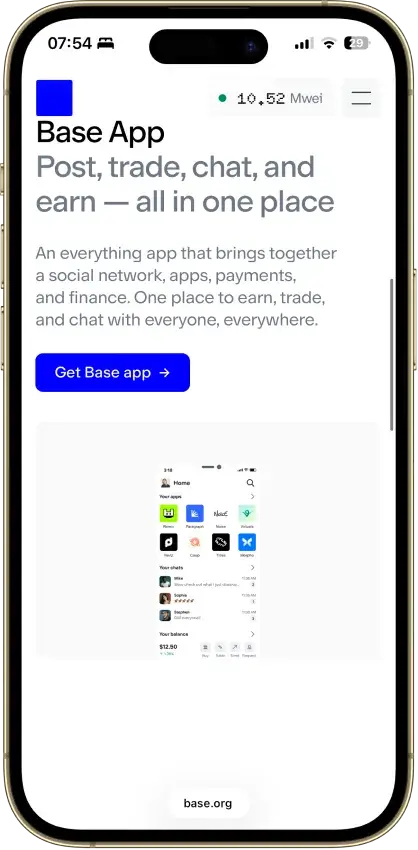
Coinbase Wallet is now called the Base app, and it supports BNB Chain as a preconfigured network. That means you can hold BNB and BEP-20 tokens, swap on BNB Chain, and use BNB Chain dApps without manually entering RPC settings.
| What you want to do | Best way to do it | Key thing to double-check |
|---|---|---|
| Get BNB into the app | Buy BNB on an exchange and send it to your Base app address | Withdraw on BNB Chain (BSC), not another network |
| Convert another token to BNB | Use the in-app swap on BNB Chain | Keep a little BNB for gas after the swap |
| Use BNB in dApps | Switch network to BNB Chain, then connect via WalletConnect or the dApp browser | Only connect to sites you trust |
Can You Buy BNB On Coinbase Wallet?
Sometimes. The Base app has a built-in buy flow, but what is available depends on region and payment provider support. If BNB is not available in the buy menu, there are two reliable alternatives:
- Buy BNB on an exchange (Coinbase or another supported platform) and withdraw it to your Base app address on BNB Chain (BSC).
- Swap for BNB inside the Base app by funding the app with a supported token on BNB Chain (for example, a stablecoin) and using the Trade/Swap feature.
Either way, make sure you end up with some BNB left over for gas fees, since BNB is used to pay transaction fees on BNB Chain.
How To Add BNB Network To Coinbase Wallet
You usually do not need to “add” it. BNB Chain is already included in the Base app’s default network list.
- Mobile (Base app): open Settings, find the active network option, and switch to BNB Chain.
- Browser extension: use the network selector and choose BNB Chain.
Only use “add custom network” if you are connecting to a different EVM chain that is not listed by default.
How Do I Add BNB To My Base Wallet?
If “Base wallet” means the Base app, adding BNB is simply receiving it to your wallet address.
- Open the Base app.
- Switch the network to BNB Chain.
- Tap Receive and copy your address.
- Send BNB to that address using the BNB Chain (BSC) network.
The most common mistake here is mixing up Base (the network) with Base (the app). The Base app can hold assets on many networks, including Base and BNB Chain, but you must send BNB on the BNB Chain (BSC) network to avoid routing problems.
If A BEP-20 Token Does Not Show Up In Your Wallet
Sometimes the transfer is confirmed on-chain but the wallet UI has not displayed the token yet.
Check the transaction or wallet address on a BNB Chain explorer first. If the token is there, switch to BNB Smart Chain in your wallet and add the token by contract address if needed. This is common with newer or custom BEP-20 assets and does not always mean the funds are missing.
How To Set Up A BNB Wallet Safely
Setting up a BNB wallet is simple, but a few small steps make a big difference in safety. The goal is to make sure you download the right app, back it up correctly, and send BNB on the correct network.
- Pick the right wallet type. Choose a BNB wallet app for everyday mobile access, a browser extension if you plan to use dApps and DeFi often, or a hardware wallet if you are storing a larger amount long term.
- Download from the official source. Only download the wallet from the official website or official app store listing. Fake wallet apps and cloned extensions are a common way people lose funds. If you’re trying to download BNB wallet apps, stick to official links and verified listings.
- Back up the wallet using its actual recovery model. For seed-phrase wallets, write the phrase down offline and store it securely. For keyless/MPC or passkey wallets, complete the wallet’s official backup flow exactly as prompted before funding the wallet. Do not save secrets in screenshots, notes, or cloud docs unless the wallet’s own encrypted backup flow explicitly uses that method.
- Confirm you are using BNB Chain (BSC). Before receiving or sending funds, check the active network. For most use cases, you want BNB Chain (BSC) so you can receive BNB and BEP-20 tokens and use BNB Chain apps.
- Create your receive address. Tap Receive and copy the address (or use the QR code). On BNB Chain, the address typically starts with 0x.
- Send a small test transaction first. If you are moving BNB from an exchange or another wallet, start with a small test amount. Make sure the sender selects BNB Chain (BSC) as the network.
- Keep a little BNB for gas. BNB pays for transaction fees on BNB Chain. Even if you mainly hold tokens, keep a small BNB balance so you can approve transactions, swap, or move funds when needed.
Revoke Token Approvals On BNB Chain Regularly
One of the biggest hot-wallet risks on BNB Smart Chain is not storage. It is bad approvals.
When you use a swap, bridge, staking app, or other dApp, you often give a smart contract permission to spend tokens from your wallet. If that approval is too broad or later becomes risky, your wallet can stay exposed even after you disconnect the site.
A simple rule helps here:
- review approvals after high-risk dApp use,
- revoke anything you no longer need,
- and do not treat “disconnect wallet” as the same thing as removing token access.
Common BNB Wallet Mistakes To Avoid
Most BNB wallet issues come down to a few avoidable mistakes. If you want a quick safety checklist, these are the ones that cause the most damage.
- Sending funds on the wrong network: when withdrawing or sending BNB, always select BNB Chain / BNB Smart Chain (BSC) if that’s where the receiving wallet is set. Do a small test transfer first.
- Mixing up BEP-2 and BEP-20: BEP-20 is the standard used on BNB Chain. BEP-2 is legacy. Treat them as different routes, not interchangeable labels.
- Not keeping enough BNB for gas: BNB is used to pay transaction fees on BNB Chain. Keep a small BNB buffer so you can move tokens, swap, or revoke approvals when needed.
- Connecting to unsafe dApps: fake “airdrops,” clone sites, and spoofed links are common. Bookmark the sites you use and avoid random links from ads, DMs, or social posts.
- Blind-signing transactions: if a prompt is unclear, pause. Many wallet drains rely on users approving a malicious signature without understanding what it does.
- Using random “BNB wallet address lists”: there is no legitimate reason to copy an address from a public list. Generate your own receive address inside your wallet.
- Keeping too much in a hot wallet: if the balance becomes meaningful, move long-term holdings to a hardware wallet and keep only what you need in a mobile wallet or extension.
How We Rank
- Custody and key security 30% weightWhat we assess
Who can authorize spending, protection of keys and signing, and independent access to every reviewed account type.
What earns 10/10 Users control spending and have complete independent access for every reviewed account type. Signing and authorization are isolated from the connected app, with key and recovery dependencies explained. - Security validation and track record 25% weightWhat we assess
Independent security assessments, their coverage and findings, plus updates and the handling of known incidents.
What earns 10/10 Independent assessments cover the current design and material changes. Material findings are resolved, and sustained maintenance records show no unresolved material incident consequences. - Transaction safety and signing 20% weightWhat we assess
Transaction details, signing warnings, scam checks, permission controls and the handling of unreadable requests.
What earns 10/10 Transfers and supported signing requests show readable details before consent. Risk warnings and integrated permission revocation cover relevant tasks, with unclear requests identified and easy to reject. - Backup and recovery 10% weightWhat we assess
Repeatable backup checks, complete restoration, recovery dependencies, costs and resilience after backup loss.
What earns 10/10 Repeatable checks verify complete backups without resetting the wallet. Recovery survives loss of a backup or dependency, with clear costs and no third party able to spend alone. - Usability, privacy and costs 10% weightWhat we assess
Setup and everyday tasks, accessibility, support guides, data-sharing choices and device, service and transaction costs.
What earns 10/10 Clear workflows, accessible controls and useful support guides make routine tasks straightforward. Nonessential data sharing is optional, and mandatory costs are transparent and reasonable. - Assets, networks and compatibility 5% weightWhat we assess
Asset and network support, devices, companion apps and connections needed for the uses covered in the review.
What earns 10/10 Official compatibility lists and setup guides cover the reviewed assets, networks, devices and connections. Required transfer routes are documented and available, with no known blocker.
The shortlist is built around practical BNB usage. Wallets ranked higher when they made it easy to use BNB Smart Chain, handle BEP-20 tokens reliably, and stay safe while connecting to swaps, DeFi tools, and dApps.
Two wallets can both “support BNB,” but still perform very differently in practice. One may make it easier to stay on the right network, avoid risky approvals, and recover access if something goes wrong. Those differences are why some wallets rank higher even when the headline feature list looks similar.
The Right BNB Wallet Depends On How You Use BNB
If you want a simple BNB wallet for day-to-day use, Trust Wallet is the easiest place to start. If you spend more time swapping tokens and using dApps on BNB Chain, MetaMask or OKX Wallet are usually a better fit on desktop. For long-term storage, a hardware wallet like Ledger is the safer choice, and it can still be paired with a hot wallet interface when you need to move funds. Coinbase Wallet / Base App is also a practical option if you already use Coinbase tools and want BNB Chain support without extra setup.
Whatever you choose, double-check the network before sending, keep a small BNB balance for gas, and test with a small transaction before moving larger amounts.
BNB Price and News

Latest BNB news
View all
Crypto exchange recovery rules split NES holders into winners and losers after $286M exploit fallout

BNB treasury company dumps its crypto manager after Nasdaq suspends its stock, leaving no one in charge of its treasury
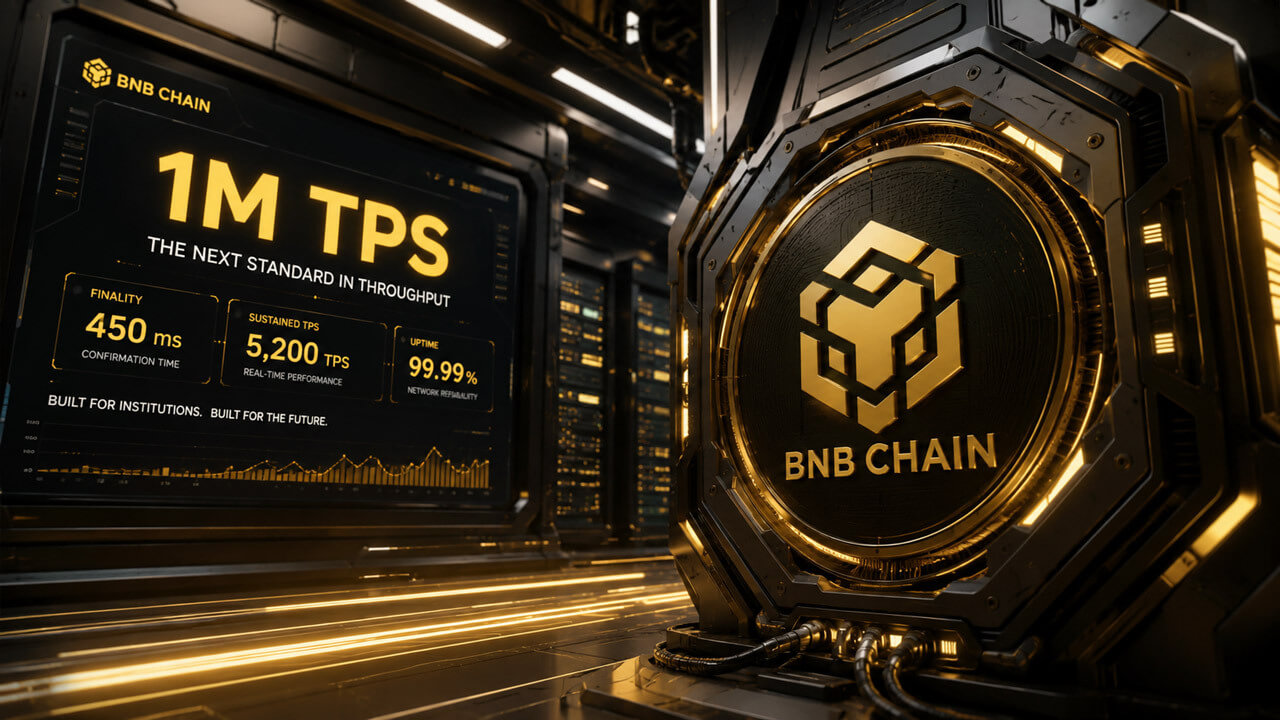
BNB Chain makes moonshot bet on 1,000,000 TPS for AI as BNB interest falls away
FAQ
What is the best BNB wallet?
What wallet supports BNB?
What is a BNB Smart Chain wallet?
Can you buy BNB on Coinbase Wallet?
How do I add BNB network to Coinbase Wallet?
How do I add BNB to my Base wallet?
- Switch the network to BNB Chain.
- Tap Receive and copy the address.
- Send BNB to that address using BNB Chain (BSC) as the network.A small test transfer first helps avoid wrong-network mistakes.