

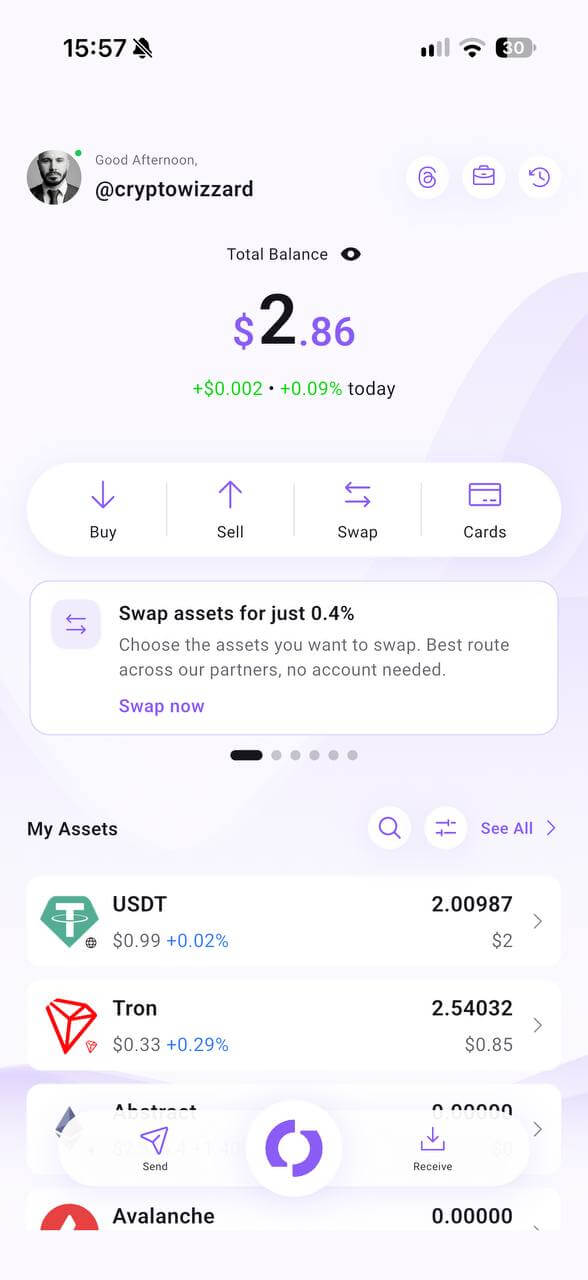
Lumo Wallet is a non-custodial cryptocurrency wallet product built for individuals and businesses that want direct control over digital assets. The wallet enables users to store, send, receive, swap, and manage cryptocurrencies through a self-custody model, while its wider product suite includes Lumo Pay, crypto invoicing, merchant tools, fiat on/off ramp access, staking integrations, debit card access, and PulseAI.
Product Overview
Lumo Wallet is designed around self-custody, meaning private keys and recovery phrases are generated and held by the user rather than by Lumo Wallet. This structure gives users control over their own onchain assets, but it also means the platform cannot recover lost seed phrases, reverse blockchain transactions, or access user funds if wallet credentials are lost.
The product is relevant to users and businesses working with digital assets such as Bitcoin, Ethereum, Tether, USDC, Solana, TRON, BNB, Litecoin, Dogecoin, Polygon, Arbitrum, Optimism, Base, and other supported assets. Lumo Wallet states that it does not issue, support, or have any affiliation with any cryptocurrency token.
Core Wallet Features
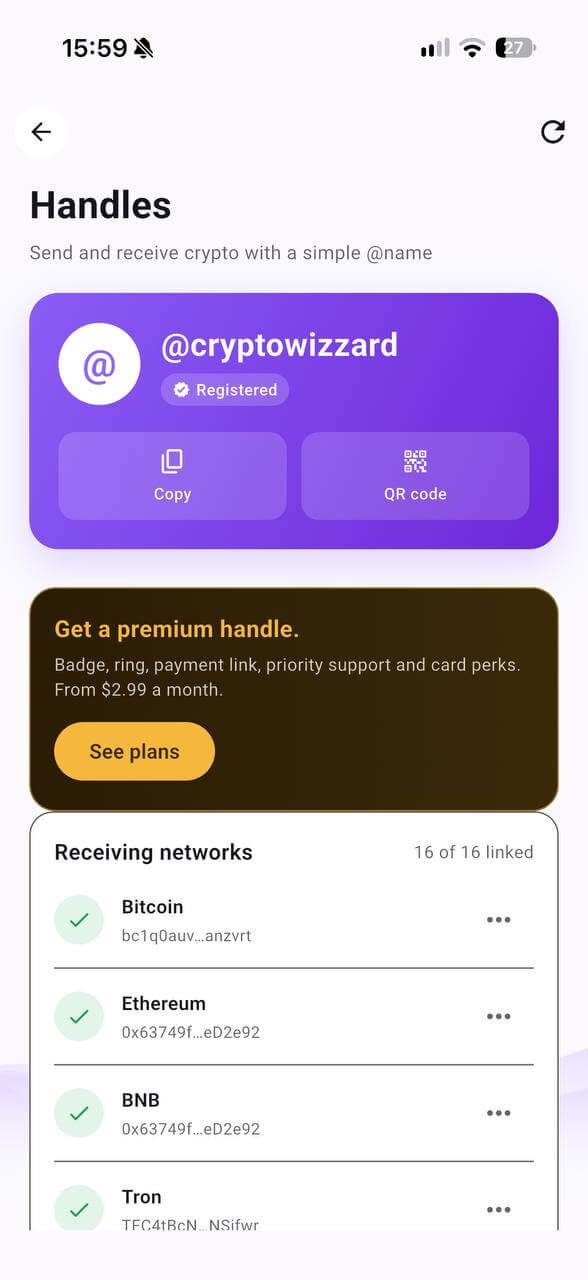
- Self-custody storage: Users control their private keys and recovery phrases while managing supported digital assets from the wallet interface.
- Send and receive: Lumo Wallet supports everyday crypto transfers across supported blockchain networks.
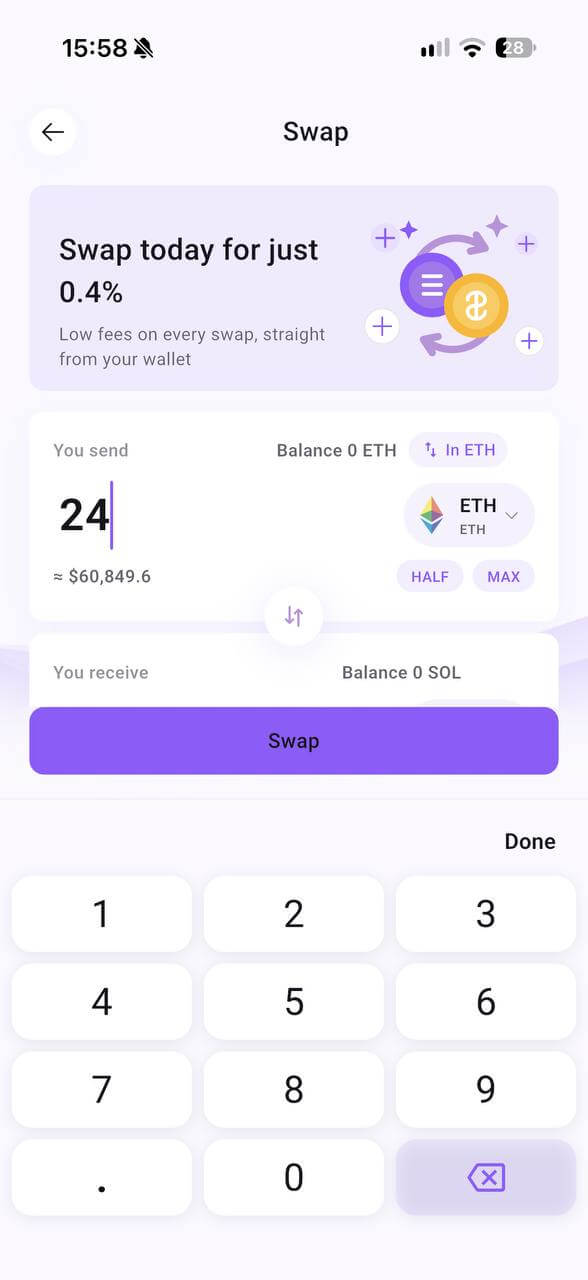
- Swaps: The wallet includes token swap functionality through partner integrations, allowing users to exchange supported assets without relying on a custodial exchange account.
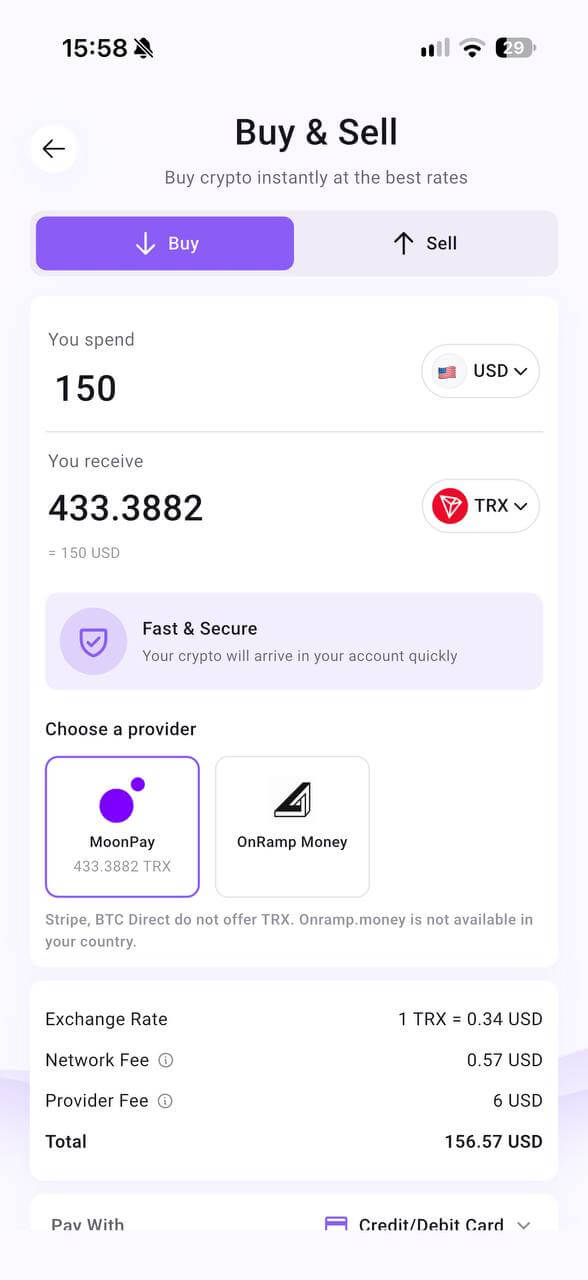
- Fiat on/off ramps: Users can access fiat-to-crypto and crypto-to-fiat services where available through third-party providers.
- Staking access: Lumo Wallet includes staking-related features provided through trusted third-party partners, subject to eligibility and regional availability.
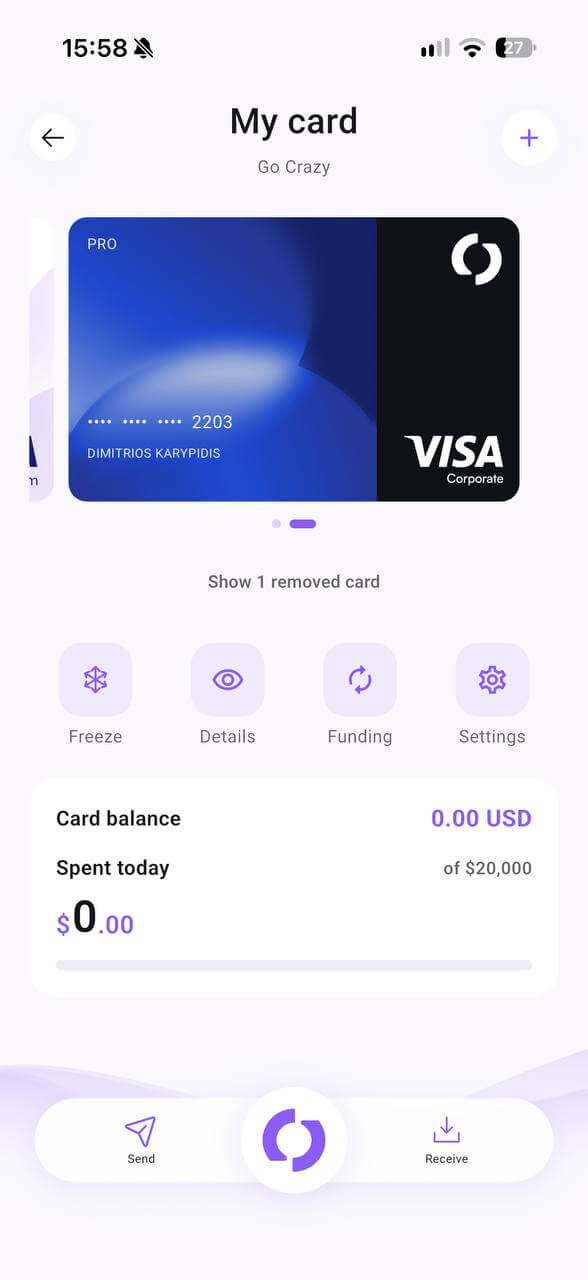
- Debit card access: Card-related functionality is designed to help users convert supported crypto balances for real-world spending through licensed partners.
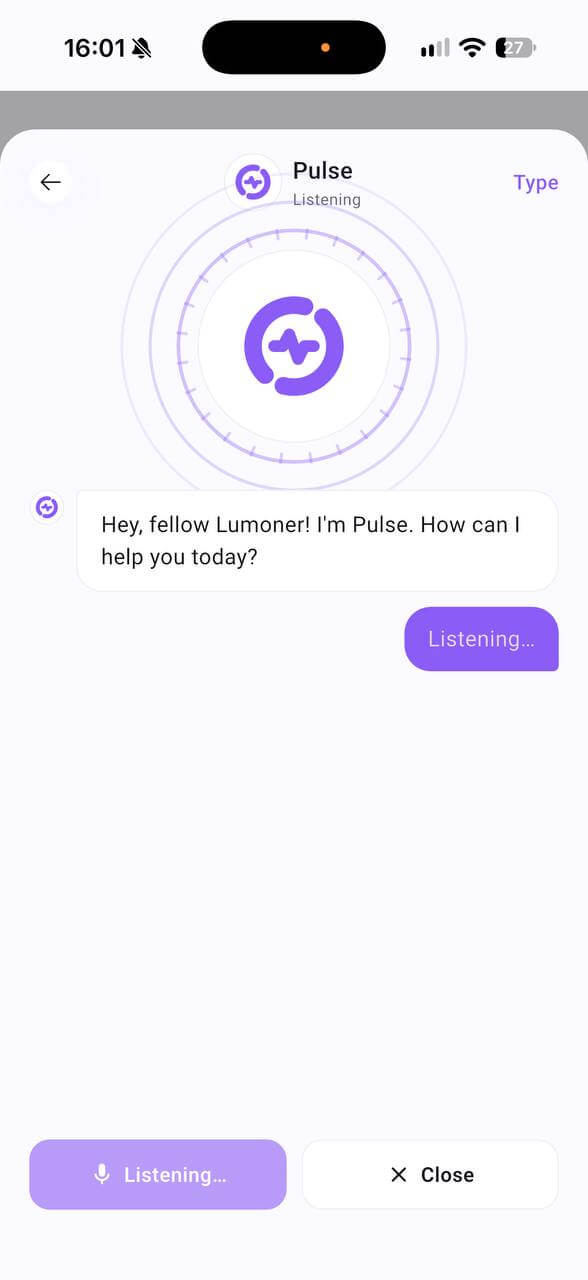
- PulseAI: The wallet includes an AI-powered assistant intended to help users navigate wallet activity, transactions, and product features.
Lumo Pay and Merchant Tools
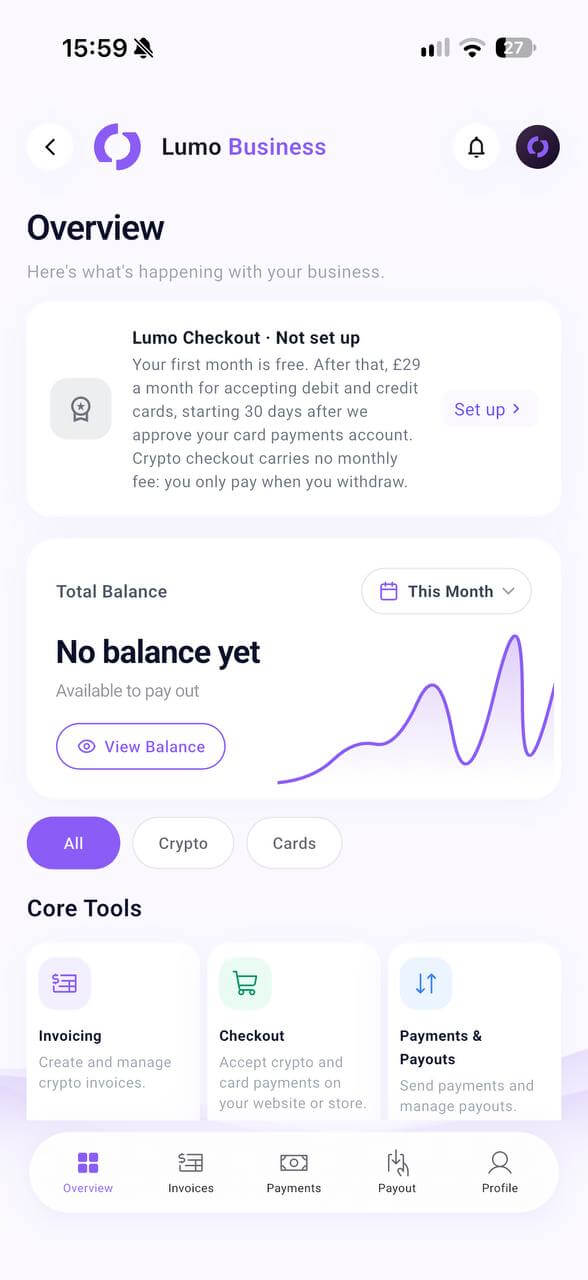
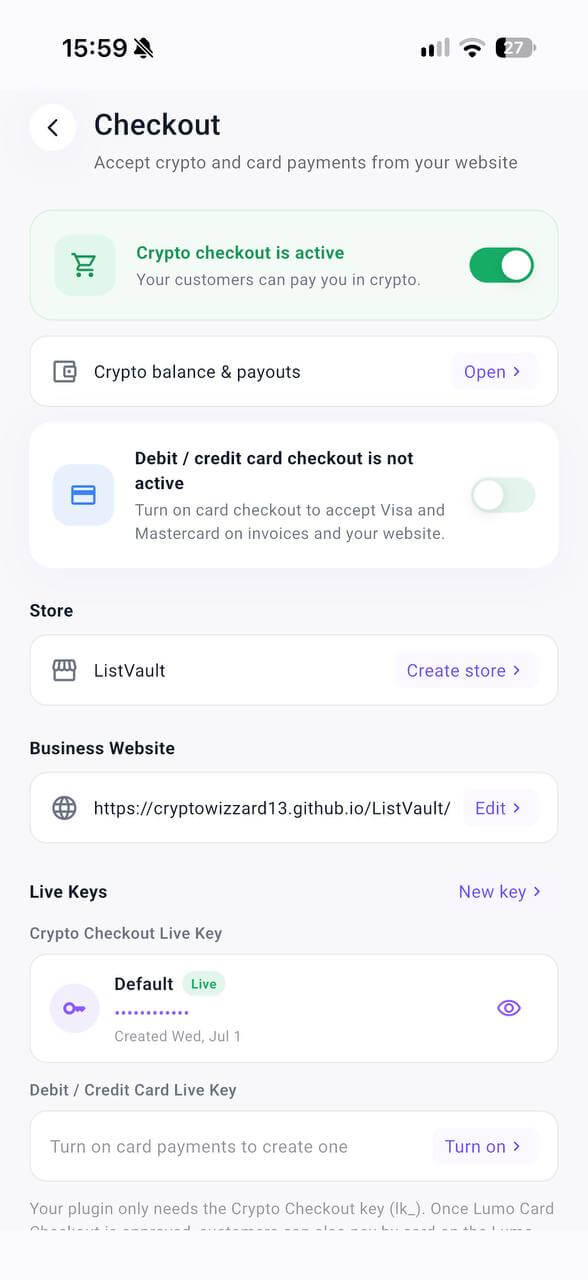
Lumo Pay is Lumo Wallet’s crypto checkout and payment service product for businesses. It allows merchants to accept crypto payments through checkout flows, QR payment requests, wallet-compatible payment links, and settlement tools. Customers can complete supported payments using compatible crypto wallets, meaning they do not need to be Lumo Wallet users to pay a participating merchant.
The business suite also includes Lumo Invoicing, which lets businesses create crypto invoices, track payment status, and receive payments into a connected Lumo Business Wallet. Lumo Business provides plugins, APIs, webhook-ready flows, and developer tools for merchants that want to integrate crypto payments into websites, billing systems, and custom checkout environments.
Business Integrations
Lumo Wallet’s business and developer hub supports merchant payment integrations for e-commerce, invoicing, and custom payment workflows. Public materials list integrations and implementation paths for platforms such as WordPress, WooCommerce, WHMCS, PHP websites, and other business systems. These tools position Lumo Wallet as both a consumer wallet product and a merchant-facing crypto payment product.
Lumo POS is listed as a planned point-of-sale product for in-store crypto payments. The product is intended to support merchant acceptance through a terminal and software interface, with public materials listing a Q1 2027 launch target.
Availability and Access
Lumo Wallet is available across mobile, desktop, and web environments, including iOS, Android, web, Windows, and macOS access. Its official media kit lists the product as founded in 2025 and publicly launched on July 1, 2026. Product availability, supported assets, card services, on/off ramps, and partner-powered features may vary by jurisdiction, provider, compliance status, and network availability.
Security and Compliance
Lumo Wallet’s security model is based on user-controlled keys, local recovery phrase responsibility, and non-custodial asset access. Regulated or partner-supported services, including fiat ramps, card access, merchant onboarding, withdrawals, and selected business tools, may require KYC, KYB, sanctions screening, transaction monitoring, or other compliance checks.
Risks and Considerations
Lumo Wallet users are responsible for safeguarding private keys, recovery phrases, passwords, and device access. Losing a recovery phrase may result in permanent loss of funds. Users and businesses should also consider crypto price volatility, blockchain network fees, irreversible transactions, unsupported assets, smart contract risk, phishing, third-party provider limitations, regional restrictions, tax obligations, and changing digital asset regulations before using Lumo Wallet, Lumo Pay, or related products.
