
Crypto Cards


Cocobet opens with the friendliest week in its lineup, returning half of a new bettor's net losses as cash and part-refunding a losing first bet on top, behind a board wider than most sites this young carry. The rules that govern a withdrawal are the part to read before you stake seriously.

Cocobet opened in June 2026 and has spent its first months filling a lobby of about 11,500 games, with Aviator offering Spribe’s full fairness verifier. Sign-up takes an email, username and password with no document upload, and the welcome is free spins on a first deposit. The terms around all of that are where the story turns.

FundedElite sells 49 challenge plans across eight families from $23.40 paid, at the cheapest end of the field CryptoSlate tracks. Its site answers the reset question with the word free while the catalog carries a reset fee on 48 of 49 plans, and its free retry carries a permanent 50% split.

Instant Funding sells 18 funded-account programs at instantfunding.com, 8 of them with no evaluation, from a $25 paid floor. It invites on-chain payout checks, and the check splits: $6.1M of VERIFIED stablecoin reached 3,830 wallets in 2024 and 2025, while the addresses show $552 for 2026.
Velotrade offers three evaluation plans from $40, with published static drawdown limits and stablecoin payouts. CryptoSlate’s original August review matched 60 payout records to on-chain transfers. Current rules permit mirroring between a trader’s own accounts, and the Terms now confirm that maximum drawdown is static and based on the starting account balance. September 2026 reassessment: 7.0/10.

Betride combines a crypto sportsbook and casino under one account. Its best coverage is top-league football and racing. Its main weaknesses are the promotion terms and withdrawal restrictions.

Betride combines a crypto casino and sportsbook under one account. Its appeal is the amount of choice available across both sides of the site. It suits players who value variety and convenience more than bonuses or loyalty rewards.

BrightFunded may appeal to traders who want flexible evaluation routes and the freedom to progress without a strict deadline or consistency target. The potential drawback is its drawdown structure: traders who prefer a simple, fixed loss limit may find some plans harder to monitor, particularly when open profits affect the available loss buffer.

OneFunded sells one-step, two-step and instant funding from $29, every plan on a static drawdown that never moves with profit. The advertised 90% split is an 80% default plus a paid upgrade, and with the verified AUGUST20 code applied the plan and the upgrade together cost the undiscounted plan fee.
KuCoin supports around 900 tokens, margin, futures, trading bots, and 0.1% spot fees for non-US traders, which puts it among the more capable altcoin venues on the market. That profile points to one clear user: a self-custody trader who keeps balances small and moves funds off the venue, rather than someone who wants to store wealth or cash out to a bank.
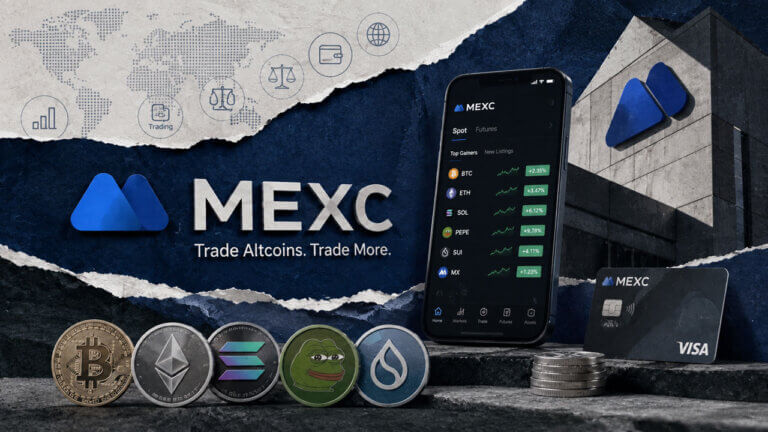
MEXC, still branded MEXC Global in some markets, earns its reputation on cheap altcoin trading. Spot maker fees sit at 0%, the live site lists more than 3,000 altcoins, and the platform now spans spot, futures, copy trading, earn, OTC, API access, card-linked fiat services, and RealStocks. That combination points to one user: the altcoin hunter or fee-sensitive global trader who keeps balances small and trades often.