
Crypto Cards

For Traders is a Saint Lucia and Dubai firm selling forex, crypto and futures evaluations from $23, on raw spreads and $3-per-lot commissions. Its contract designates a rules page that contains no prohibited-practices section, leaving termination rules on separate Terms and Help Center pages.

Crypto Fund Trader uses a Bybit-integrated interface across 715 crypto pairs, but its terms describe every account as simulated. Trustpilot withdrew its rating, and FINMA lists it.

The5ers has funded traders since 2016 across five CFD programs and two futures programs, none of which carry a deadline to pass. Its scaling ladder reaches $4 million, but two programs open at a 50/50 split and its own High Stakes page contradicts itself on whether the refund is withdrawable.

FTMO has run funded accounts since 2015 and refunds the two-step fee in full at your first payout, with a free trial before you commit. It is among the priciest entries anywhere, and its single-phase route is non-refundable with a drawdown floor that only a payout ever resets.

Goat Funded Trader has the cheapest entry of any prop firm we rate, at $5 up front on its Pay Later route, with two live codes cutting 40% and 50% off everything else. It also runs six separate drawdown models, and Trustpilot withdrew its rating after removing fake reviews.
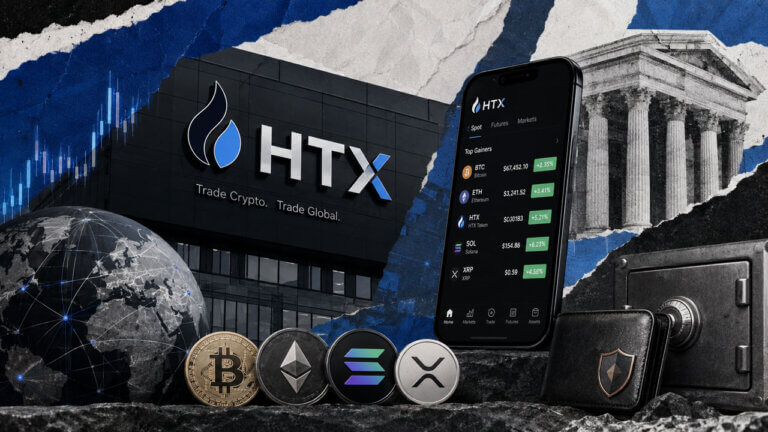
HTX (formerly Huobi) is a fast, liquid exchange spanning 700+ assets and a full derivatives lineup, drawing active non-US traders who withdraw to self-custody once a trade is done.
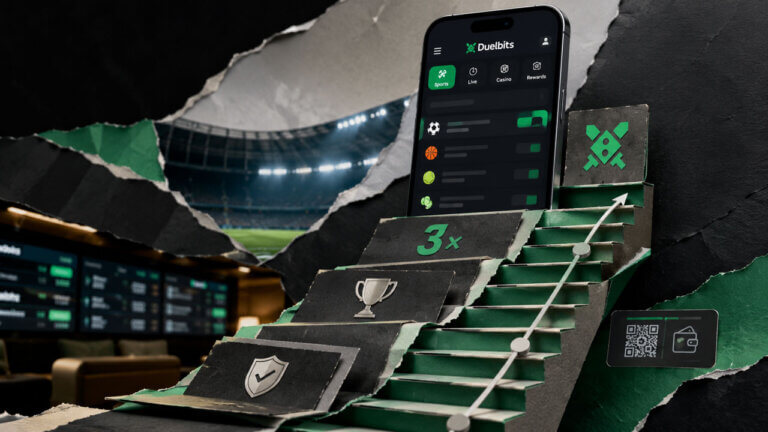
Duelbits pays rakeback from the first eligible sportsbook wager, and sports bets earn 3× leaderboard points. Crypto withdrawals are listed as instant. Racing has its own section with in-page streams. The signup offer is advertised as up to 500 free spins plus a $100 sports free bet, and the sampled pre-match margins give price-sensitive bettors a reason to compare quotes.

Both promotions on Dustbit's offers hub aim at sports bettors: an early payout that settles soccer bets at a two-goal lead, and a prediction giveaway that pays in free bets. For a sportsbook with a much larger casino, that is a large share of the promotional budget pointed at bettors. A sports wager still climbs the loyalty ladder at half the speed a casino wager does.

CyBet's sportsbook is fully functional, with market coverage across 35 sports, standard 6.6% margins on international soccer, and a first bet placed minutes after an email signup. The operator is casino-first, though. Sports is the smaller half of the business, and the rewards on offer show it.
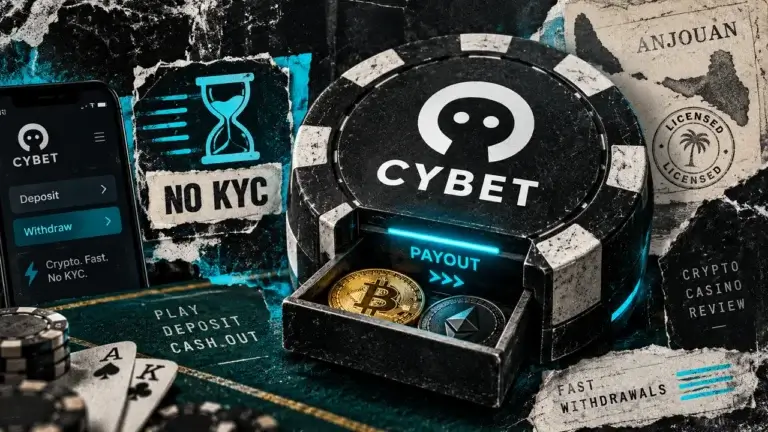
CyBet is a crypto casino that shows its workings, with a return-to-player (RTP) grade on every slot tile, a bonus-contribution table published in full and deposits from $1. Its Originals sit beside a broad slot catalog, and the bonus terms and account terms deserve a read before you fund anything.

Winna puts a live betslip in front of you within a minute of signing up, with no documents to upload and no verification to clear first. That account opens a full sportsbook, with racing across three codes and live streams that play before you fund it. Its rewards are sized by how long you stay, at rates that surface only as you climb.

Rainbet turns play into a steady stream of rewards, with rakeback you can claim every 15 minutes, daily bonuses, three prize races and a weekly raffle. The crypto casino launched in 2023 and is fronted by streamer Adin Ross. Its locked welcome path carries a 40x requirement, and the verification rules deserve a read before you fund the account.
