Crypto Cards
Chancer is a crypto-focused casino that does more with ongoing rewards than upfront promotions. It combines a large game catalog with seven Originals, recurring promos, a multi-level rewards ladder, achievements, and a rewards shop. It is a better fit for players who value cashback, rakeback, and extra perks than for those who prioritize top-tier regulation or simple bonus terms.
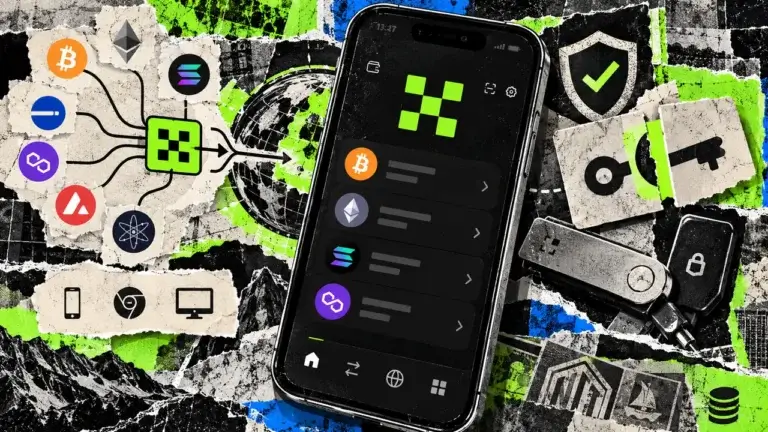
OKX Wallet is the self-custody arm of the OKX exchange, a closed-source software wallet that is non-custodial in its standard seed-phrase mode. Its pitch is consolidation: chain coverage deep enough to replace several wallets at once, with a real DEX aggregator handling swaps and bridging from the same interface. As software it largely delivers, backed by published audits and useful in-wallet scam defenses. The complication is the company shipping it, because an operator's record follows its wallet.
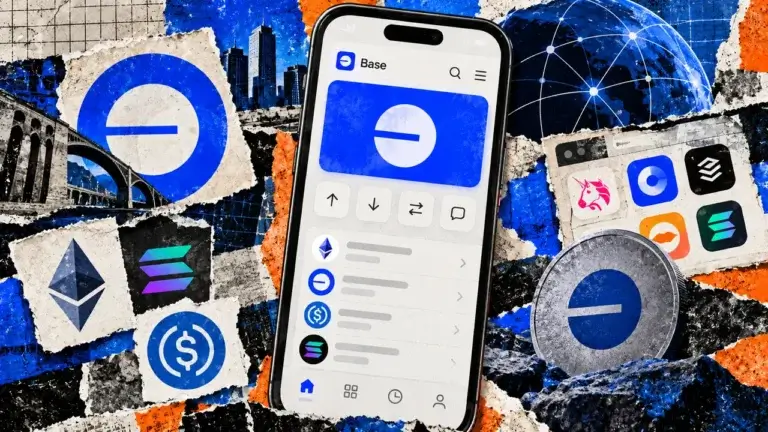
Coinbase Wallet is the name again, following the September 2026 reversal of its Base App rebrand. The current product emphasizes trading, with several ways to create and recover a self-custody account. Those choices affect more than sign-in convenience: a passkey smart wallet cannot hold Bitcoin or Solana, while other supported account types can. Existing users also face the closure of the classic interface and removal of several networks. Before moving funds or changing apps, check which account holds the assets and which backup restores access to it. Documentation checked September 13, 2026 underpins this update. CryptoSlate conducted no new transactions, recovery tests or independent software audit for this review.
Binance Wallet puts self-custody accounts, token swaps and DeFi access alongside the Binance exchange. Its clearest practical use is funding on-chain activity from an eligible Binance account. The keyless option removes the recovery phrase from setup, but access still depends on the backup method you choose and the services involved in restoring it. The browser extension also accepts existing seed-phrase wallets without a Binance account. That option has different recovery rules from the keyless wallet. Choosing between them matters more than the shared logo.
Trust Wallet combines multichain accounts with optional cloud backup and a separate SWIFT passkey wallet. Check account-specific recovery, swap costs and access after its announced September network changes.
Phantom combines multichain transfers, swaps and SOL staking. Local phrase accounts sign on your device, new Google/Apple accounts use remote signing, and compatible Ledger accounts sign on hardware.
Kraken Wallet is the self-custody counterpart to a major exchange, a free mobile app that needs no account, no identity check, and no trust in anyone else holding your keys. Few wallets let you verify as much, since the code is public, Kraken publishes reproducible-build instructions, and the security audit is published. The open question is the hardware it lives on, because a phone is a different vault than a dedicated signing device, and that gap shapes the verdict.
Solflare brings native SOL staking, Jupiter swaps and Solana NFTs into one wallet. Optional Shield signing works on mobile, but the screenless card leaves transaction review on your phone.

MetaMask combines EVM dApp access with native Bitcoin, Solana and TRON accounts. It offers hardware connections and optional linked-login recovery, with a 0.875% wallet swap fee.
Dexsport suits players who want to bet entirely in crypto, with no fiat detour and no drawn-out sign-up. It is a multi-chain casino with a sprawling game library, a standout Crash and instant-games section, and deposits that move freely across the major networks. The appeal is choice and speed: connect a wallet, fund it on whatever chain suits you, and play. On trust, the reviews split sharply. Dexsport's site dates the brand to 2021 and it operates under an Anjouan license, and player feedback splits to the extremes, with praise for fast payouts on one side and complaints about withdrawals and account restrictions on the other.
Crypto-Games.io is a slots-first casino that leans on a homegrown set of provably fair games you can verify yourself. It rewards players who stick around, with weekly rakeback that carries no wagering and lands straight in crypto. The welcome bonus looks generous too, though it comes wrapped in conditions worth reading closely, which makes this a casino for regulars who do their homework before they deposit.
Fortune Wheelz is an A1 Development sweepstakes casino advertising more than 1,000 games. Gold Coins are for entertainment, while Fortune Coins are used for promotional prize play, with gift cards from 25 FC and cash prizes from 100 FC.
