
Quick Take
- Strategy spent $1.4 billion repurchasing STRC at weekly average prices above $99, accounting for 52% of its $2.7 billion buyback spending.
- The heavy purchases contrast with management's July plan to scale back repurchases as STRC approached its $100 stated value.
- With just $332 million remaining, Strategy faces a decision on expanding its buyback program while Bitcoin acquisitions remain subdued.


Strategy has spent more repurchasing STRC near $100 than at deeper discounts, testing its stated strategy of slowing purchases as the preferred stock approaches face value.
A CryptoSlate analysis of the Michael Saylor-founded company's regulatory filings shows that it spent approximately $1.4 billion buying back STRC between Sept. 28 and Nov. 15, when weekly average purchase prices ranged from $99.06 to $99.93.
That represents 52% of the nearly $2.7 billion Strategy has spent under its preferred-stock repurchase program since July. By comparison, the company spent approximately $1.28 billion during the preceding 10 weeks, when its average purchase prices were below $99.
Averages are shown to two decimals by STRC.live, derived from issuer-reported share counts and buyback spending rounded to $0.1 million, so cents are approximate. The Nov. 9–15 average is calculated from Strategy’s $228.1 million and 2,282,510 shares. The $100 series is the security’s stated amount.
 CryptoSlate
The spending has coincided with STRC's recovery toward its $100 stated value. The preferred stock briefly touched $100 on Nov. 4 for the first time since May before retreating below that threshold.
However, the continued buying contrasts with the approach Strategy CEO Phong Le outlined in July.
Le said the company intended to scale purchases according to price and liquidity, buying “more at deeper discounts and less as the STRC trading price approaches $100 per share.”
Strategy's shrinking STRC discount raises questions over buyback strategy
The company's weekly disclosures show that its STRC spending generally increased as the discount narrowed.
Strategy initially spent $25 million repurchasing 288,930 shares at an average price of $86.52 between July 20 and July 26.
By Sept. 28-Oct. 4, weekly spending had climbed to $176.3 million at an average price of $99.39, even though the discount to stated value had narrowed from nearly 13.5% to approximately 0.6%.
Buyback spending is reported to the nearest $0.1 million. Each bar is assigned to its reporting period end date, not necessarily a calendar week. The Sep. 8–13 reporting interval contains six days. Companion chart shows average price per share.
CryptoSlatePurchases remained substantial in subsequent weeks, reaching a record $228.1 million between Nov. 9 and Nov. 15 at an implied average price of $99.93.
The sustained spending has also made Strategy a significant participant in STRC trading.
Pro-MSTR analyst Zaid estimated that the company's latest repurchases equaled 25.2% of STRC's total weekly trading volume, describing its presence as being toward the higher end of historical buyback activity.
Meanwhile, Crypto Banter founder Ran Neuner highlighted the scale of the intervention, observing that Strategy had repurchased nearly 30% of the STRC it had issued.
The company nevertheless has an economic incentive to continue retiring shares near face value.
STRC currently carries a 12% annualized dividend, meaning repurchases reduce future dividend obligations at the prevailing rate.
However, Strategy's ability to maintain its current buying pace under the existing program is diminishing.
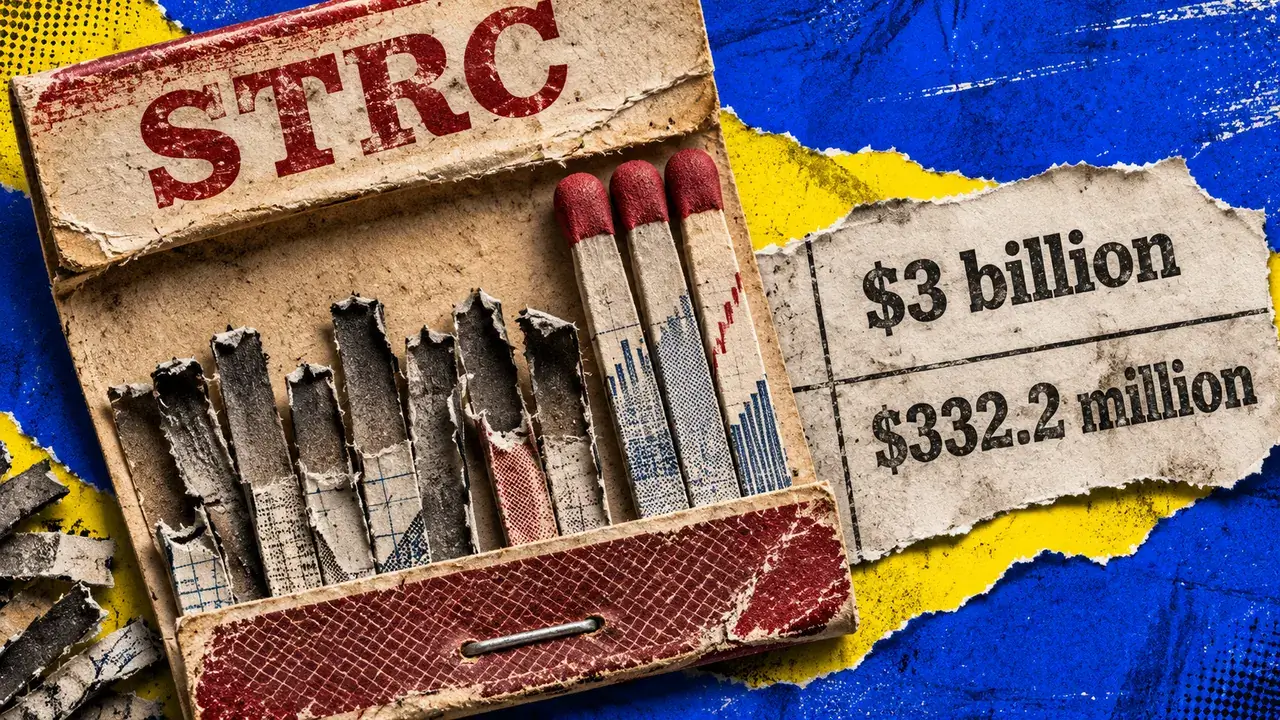
Its latest SEC filing showed just $332.2 million remaining under its $3 billion authorization, with nearly 89% already exhausted.
At the latest weekly pace, another $228.1 million in repurchases would leave approximately $104 million available.
Zaid suggested another expansion could arrive soon, given the spending pace. Strategy previously raised the authorization from $1 billion to $2 billion in September and to $3 billion in October.
Bitcoin purchases slow
Strategy has continued accumulating Bitcoin alongside its preferred-stock repurchases, although purchases have slowed considerably.
Between Sept. 28 and Nov. 15, the company acquired 3,183 BTC for approximately $253.1 million, compared with the $1.39 billion spent on STRC during the same period.
The gap was particularly pronounced last week, when Strategy spent $228.1 million to repurchase STRC, compared with just $33.4 million to acquire 485 BTC.
Those transactions increased its Bitcoin holdings to 850,849 BTC, acquired for approximately $64.2 billion at an average price of $75,452 per coin. The firm currently has unrealized losses of more than $10 billion.
Strategy funded $206.3 million of its latest STRC repurchases through MSTR common-stock sales, highlighting the trade-off between reducing preferred-dividend obligations and expanding its Bitcoin treasury.
That capital-allocation decision comes as the company faces another challenge.
Index provider MSCI has confirmed Strategy's removal from its global equity indexes, effective Dec. 1, under rules excluding companies classified as non-operating businesses.
The exclusion could create additional selling pressure from index-tracking funds, potentially weakening MSTR's share price and making equity-funded Bitcoin purchases less attractive.
With its STRC repurchase authorization nearly exhausted, Strategy must decide whether to expand the program again or reduce purchases near $100.
That decision will also help determine whether the company can return to the larger Bitcoin acquisitions seen earlier this year while its common stock adjusts to the loss of MSCI index membership.
Mentioned in this article



Editorial credits