Earnings
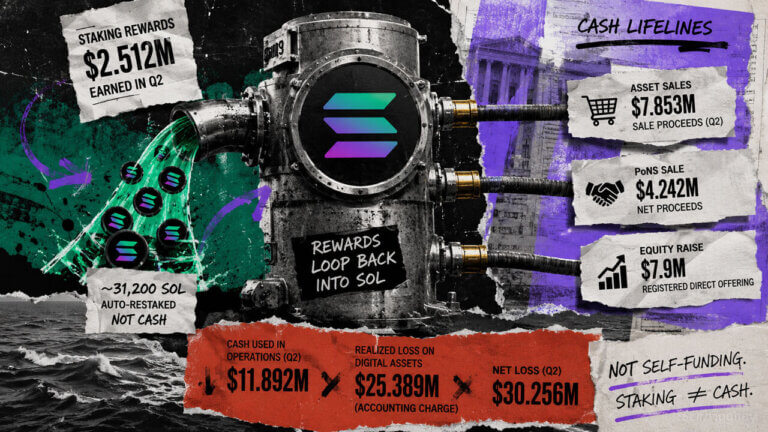
Solana treasury earns $2.5M in staking rewards but had to sell equity to raise $12M in cash for operations
Restaked rewards did not supply operating cash, while asset sales, a divestiture and equity financing supported the quarter.
Restaked rewards did not supply operating cash, while asset sales, a divestiture and equity financing supported the quarter.
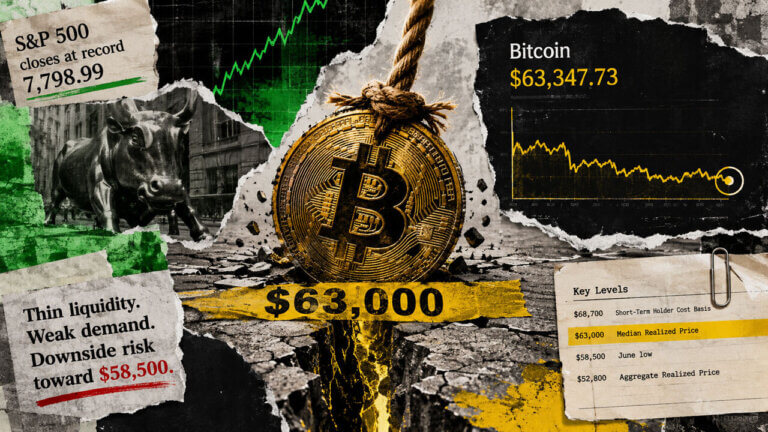
Sellers are showing signs of exhaustion, but weak ETF demand and historically thin spot liquidity are preventing Bitcoin from following stocks higher.
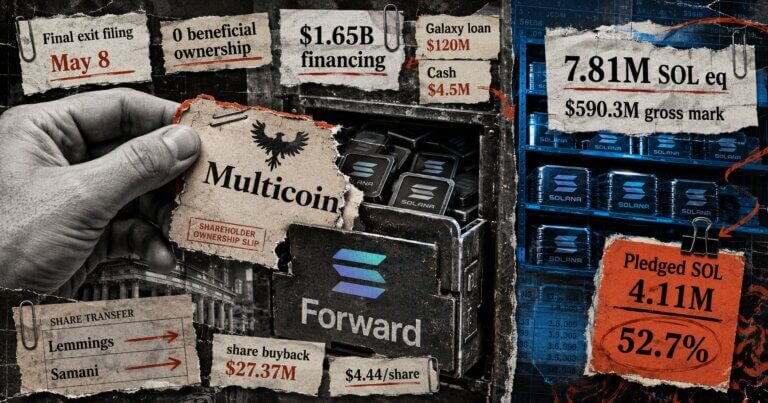
Samani remained Forward chairman and retained substantial exposure through Lemmings Holdings after leaving his management role at Multicoin.
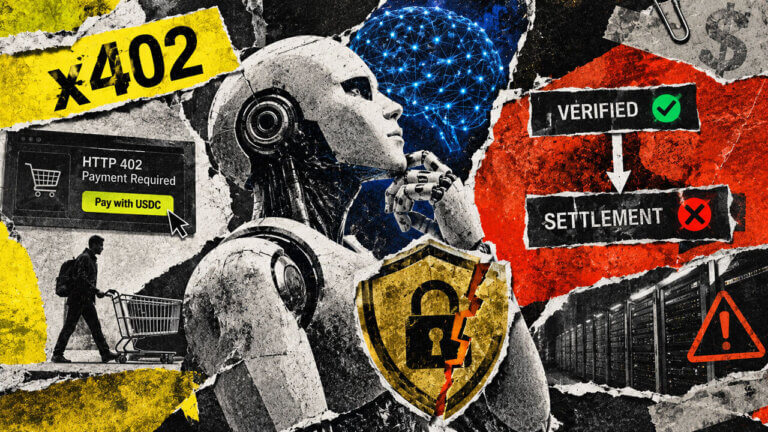
The study found vulnerabilities that could leave merchants unpaid, expose facilitator-held assets and force providers to absorb attacker-driven network costs.
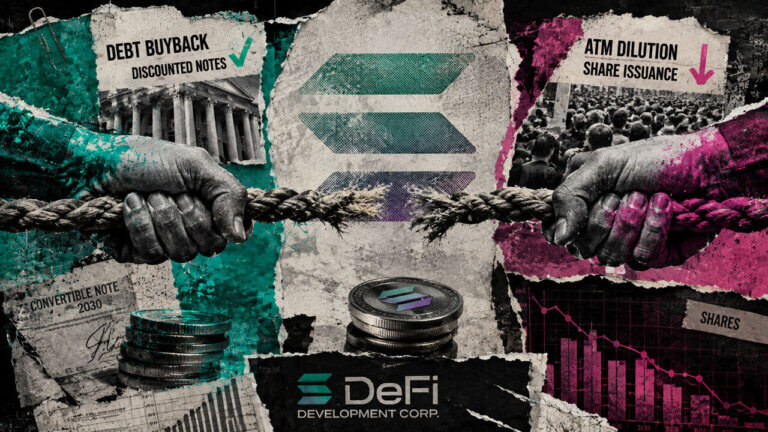
The company retired $3.5 million of principal for $2.3 million while issuing about 478,000 shares to fund operating costs.
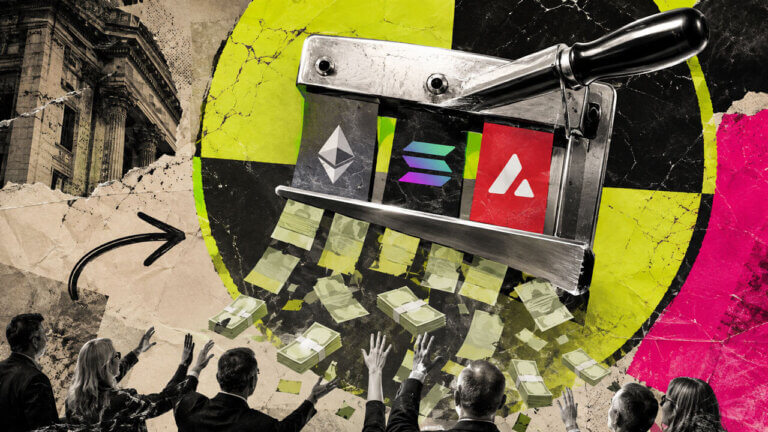
Grayscale funds ETHE, GSOL, and GAVA must sell earned rewards at least quarterly, creating recurring cash payouts.
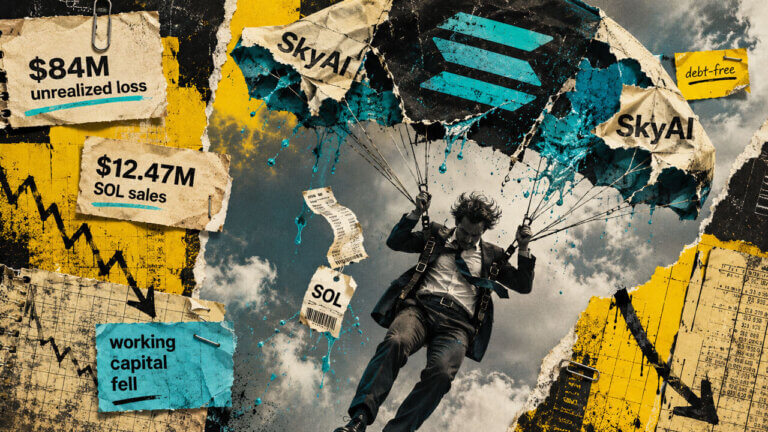
Its Aug. 7 filing keeps more token sales, equity or traditional financing on the table until operations can support themselves.
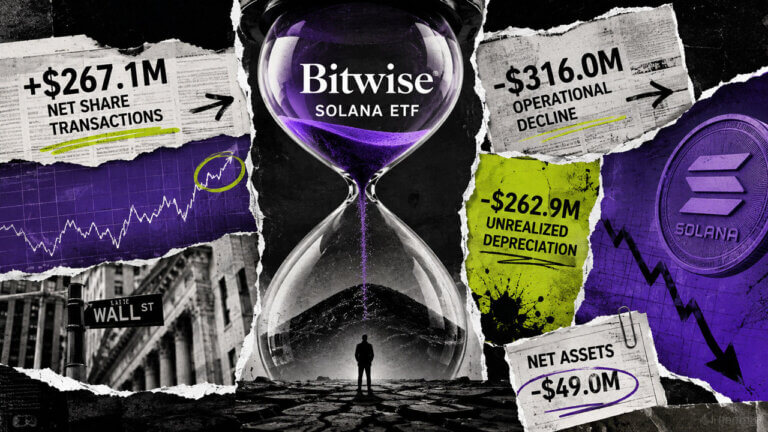
$262.9 million of unrealized SOL depreciation drove most of a $316 million operational loss.
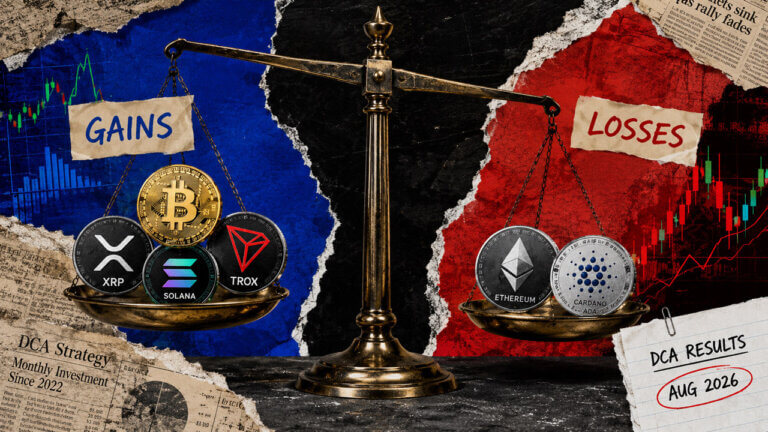
Putting $100 into crypto every month since 2022 produced a 195% gain in TRX but left Cardano buyers down more than 50%.
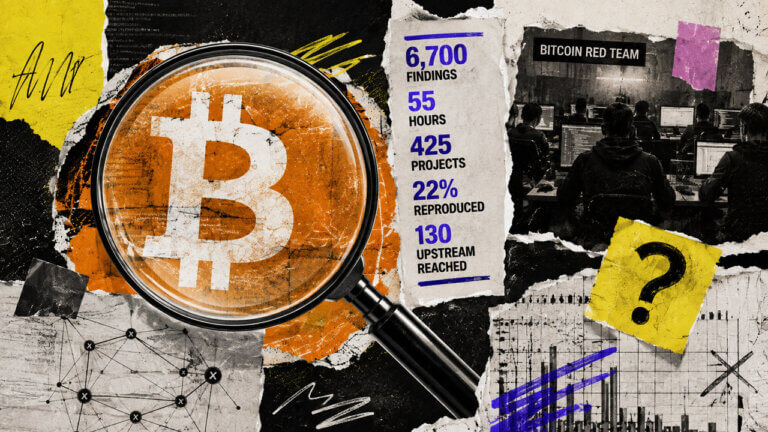
Bitcoin Red Team generated 6,700 findings in 55 hours, showing how quickly AI can flood security teams with issues to verify and fix.

Both proposals have cleared the 15% stake threshold, but Aug. 22 ends only discussion before voting and any implementation.

The product-wide pause followed an $18.1 million BSOL outflow while seed and conversion capital complicate the cumulative total.
