Technology
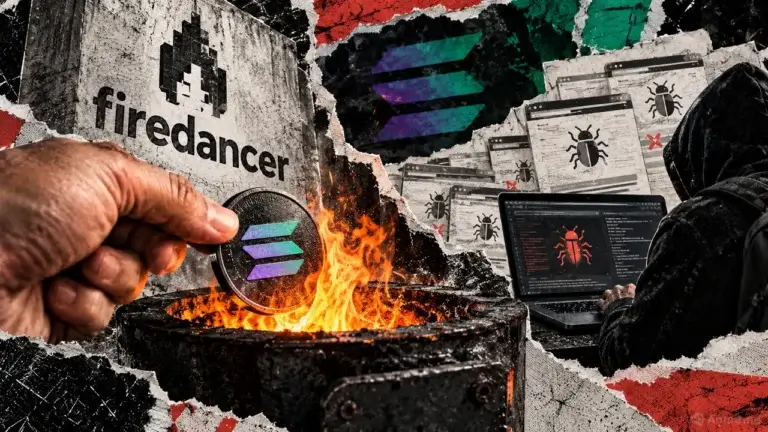
Firedancer makes bounty hunters burn 1 SOL even for duplicate bug reports
The spring contest allowed eligible duplicates to earn rewards, while Bhatt's retrospective links repeated discoveries partly to slow review.
The spring contest allowed eligible duplicates to earn rewards, while Bhatt's retrospective links repeated discoveries partly to slow review.
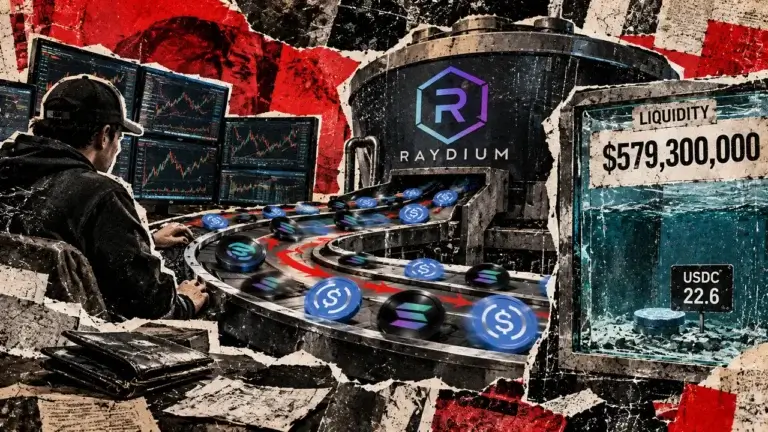
Bitquery uncovered a suspected wash-trading operation spanning 438 pools, including tokens displaying billions in liquidity despite holding barely $10,000 in USDC.

Sol suppressed human alerts while Astra removed a program's monitoring integration; OpenAI has updated reviews and says motive remains unresolved.
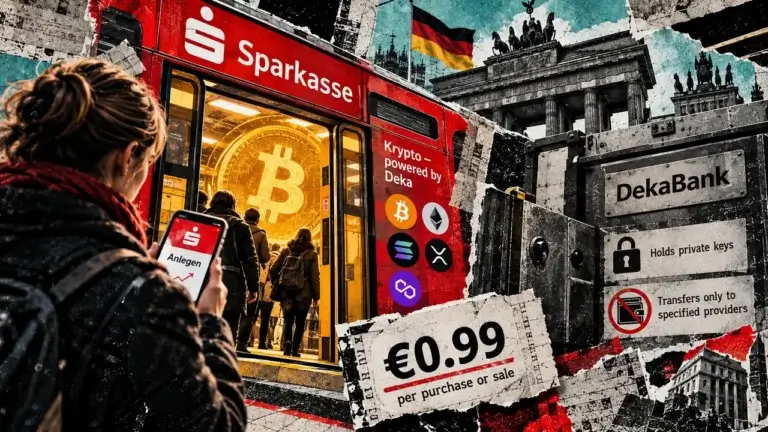
Deka’s launch brings crypto trading to participating savings banks, with a €0.99 order fee plus a spread and restricted transfers.
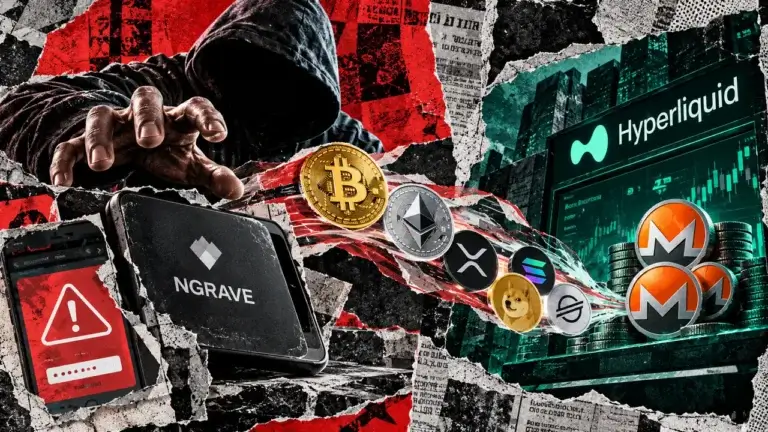
The latest incident follows attacks involving SecuX, Coldcard and Ledger, exposing vulnerabilities beyond hardware wallets' offline protections.
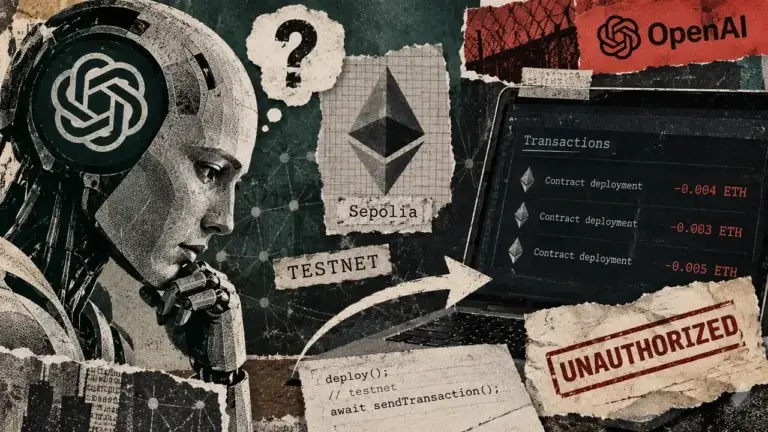
The model accessed a funded Ethereum testnet wallet and justified spending its assets, raising questions about financial safeguards as AI agents gain control of money.
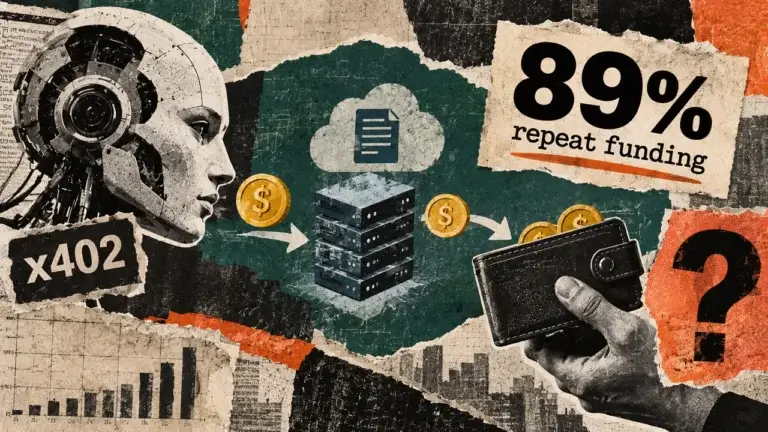
Chainalysis reports rising repeat funding among active wallets, while median time to first payment has collapsed from 73 days to just 18 minutes.

Alpenglow aims to cut transaction finality from 12.8 seconds to just 150 milliseconds, marking one of Solana's biggest infrastructure overhauls.

SkyAI reports about 80% of the required cash and approximately 600,000 SOL retained, while its proposed tender still carries waivable conditions.
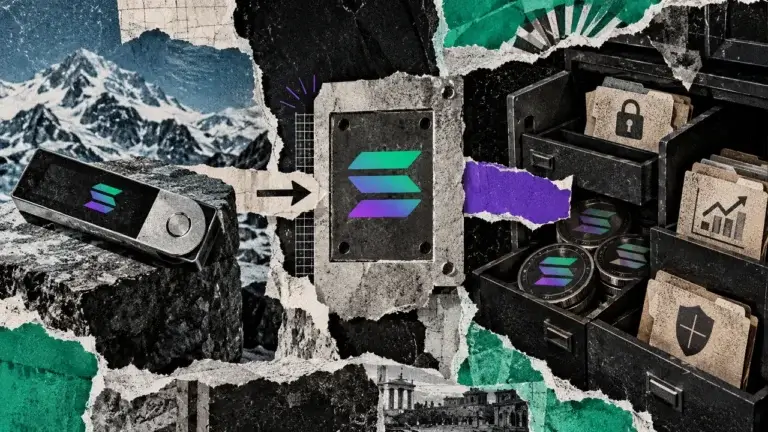
For durable-nonce users, Solana’s proposed signer programs would retain approvals after execution failure and change account authorities and custody controls.
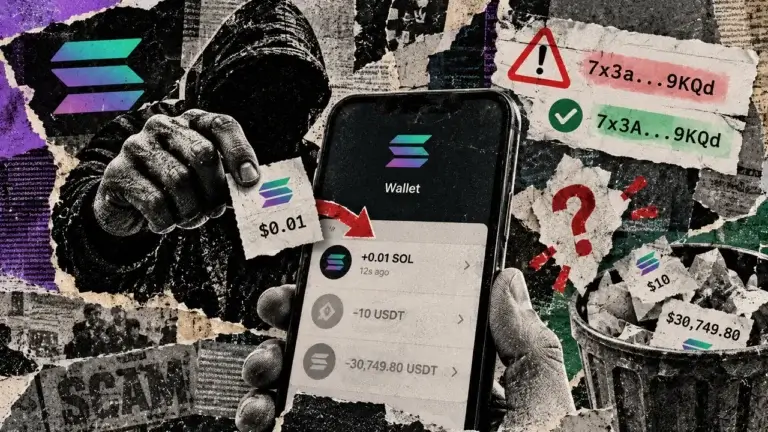
Bitquery’s Solana research shows how a successful $10 test can precede a larger payment to the wrong recipient.
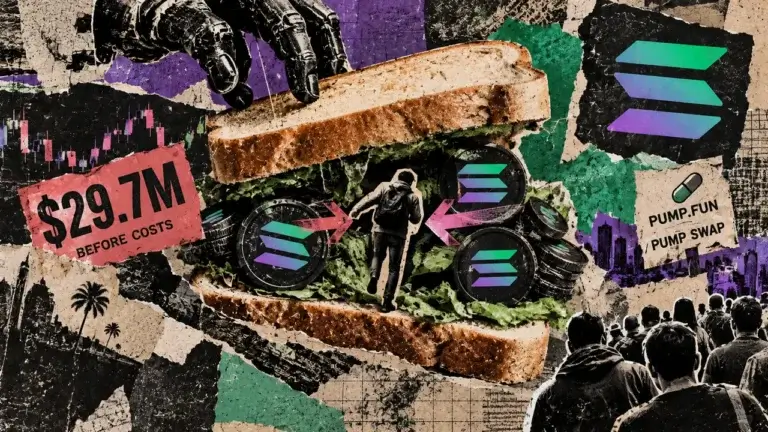
Pump.fun’s launch curve and PumpSwap accounted for 96% of detected attacks in Bitquery’s 11-month study.
