
- USDC borrowing inside Coinbase
- Borrowing network fees covered
- Optional automatic collateral top-up
Coinbase Borrow Overview
Key facts
- Product Name
- Coinbase Borrow
- Service model
- integrated defi
- Product status
- available
- Collateral & debt
- BTC converted to cbBTC on Base; Debt currency: USDC
- Borrowing rate
- Rate not quoted; variable; Variable · Moves with Morpho market utilization · May include a monthly Coinbase platform fee
Additional details
- Offer scope
- Coinbase Borrow · Variable BTC loan; Variable USDC loan for eligible, verified Coinbase customers in the US except New York, with limited UK and Canadian access. BTC collateral is converted to cbBTC and locked in a Morpho market on Base. Fixed-rate loans have separate fees, maturity, and early-repayment rules.
- Amount & term
- Account- and asset-dependent · Open-ended variable loan; Loan structure: Open-ended; Maximum: Unknown; Borrowing page lists BTC loans up to 5 million USDC · Setup guide says loans are limited to $15 million; Term: Open-ended
- LTV & liquidation
- 86% LTV for BTC · 4.38% penalty. Coinbase flags the loan as at risk at 90% of the threshold, about 77.4% LTV for BTC. Morpho rules allow partial liquidation.
- Fees
- 2% first $250,000 · 1% above · Added to debt · May include platform fee
- Repayment
- Partial or full · No due dates or minimum payments · Interest accrues
- Availability
- US except NY · Limited UK/Canada · Know-your-customer required; KYC: Required; Credit check: Not required
- Payout
- Coinbase USDC balance · After processing
- Custody
- Morpho contracts · cbBTC dependency
- Underlying protocol
- Morpho
Coinbase Borrow Screenshots
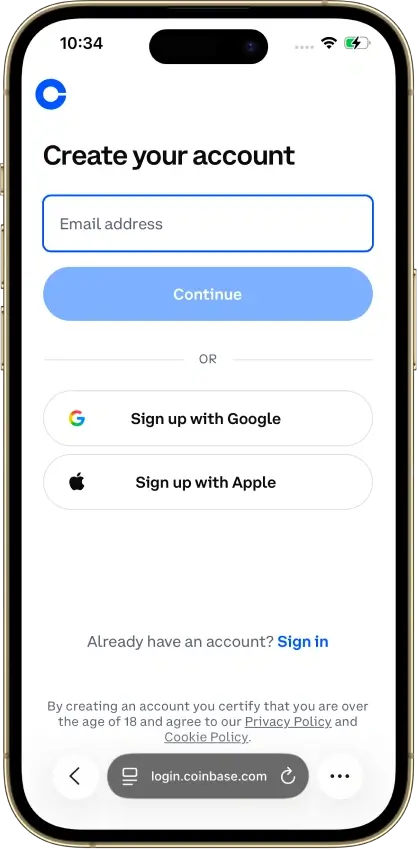
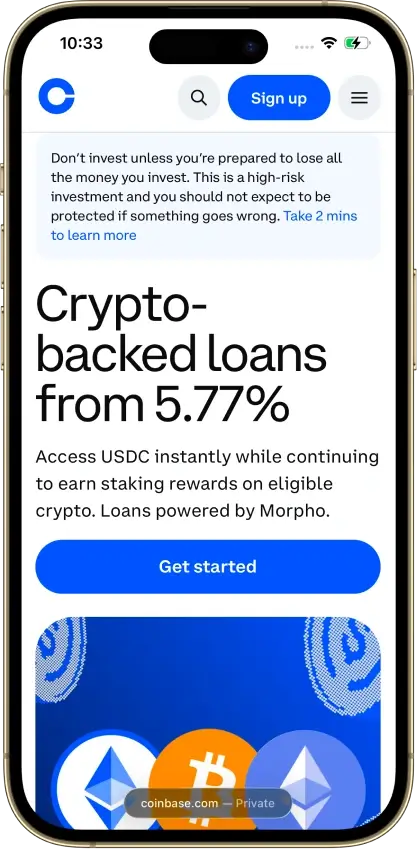
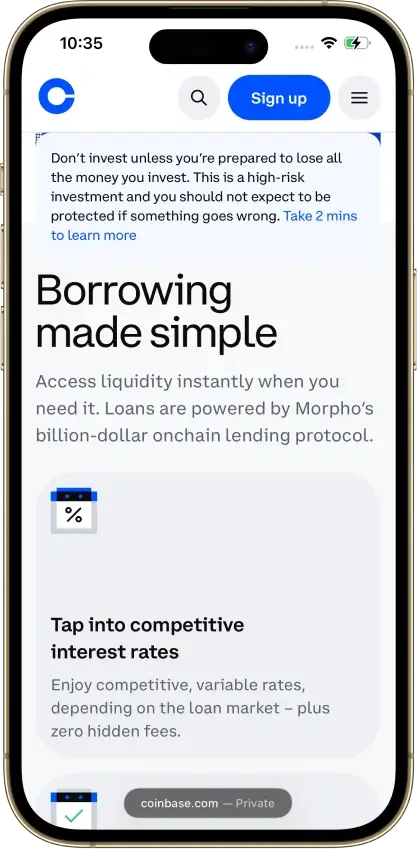
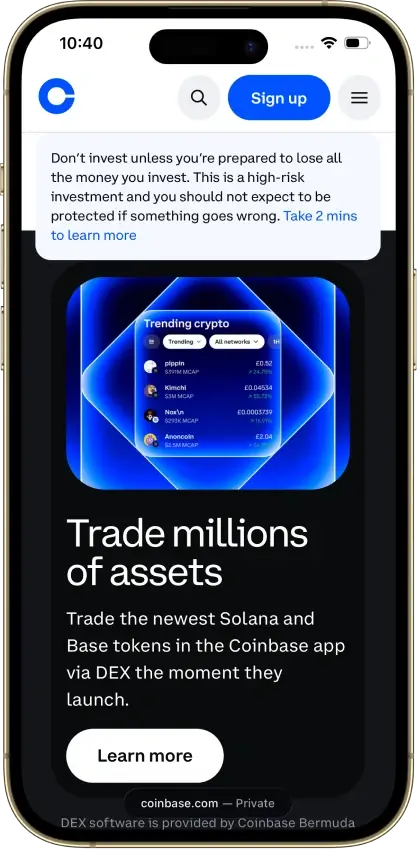
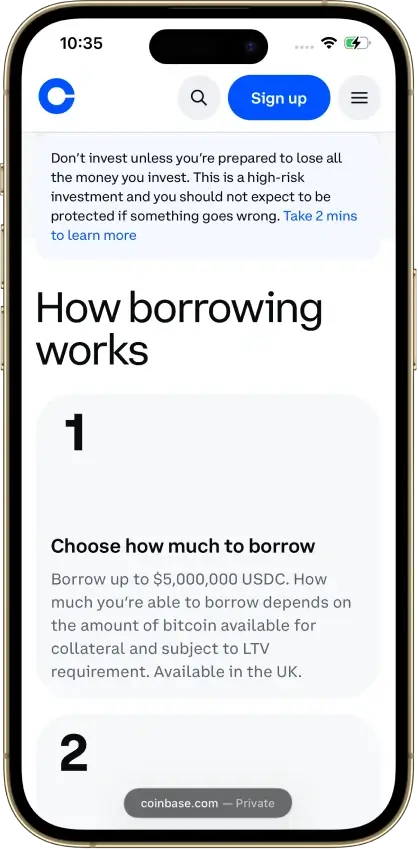
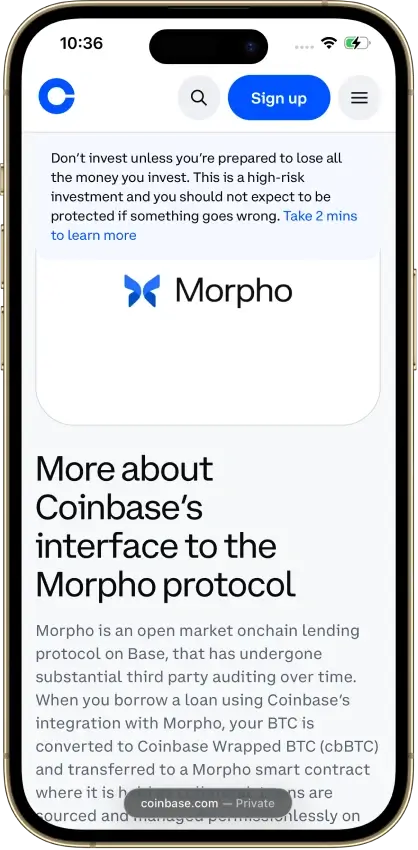

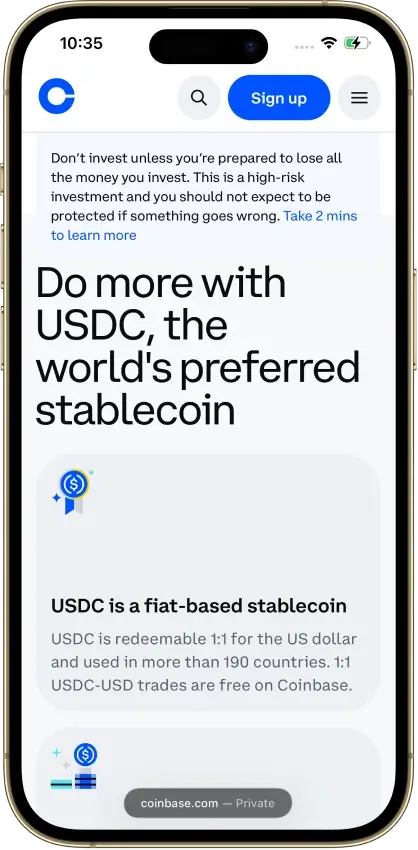
Screenshot 1 of 8
Coinbase Borrow Pros and Cons
Pros
- No fixed term on variable loans
- Partial repayments supported
- No credit check
Cons
- Processing fees also accrue interest
- BTC collateral adds a cbBTC dependency
- Loan protection must be funded and re-enabled
Rates and Fees
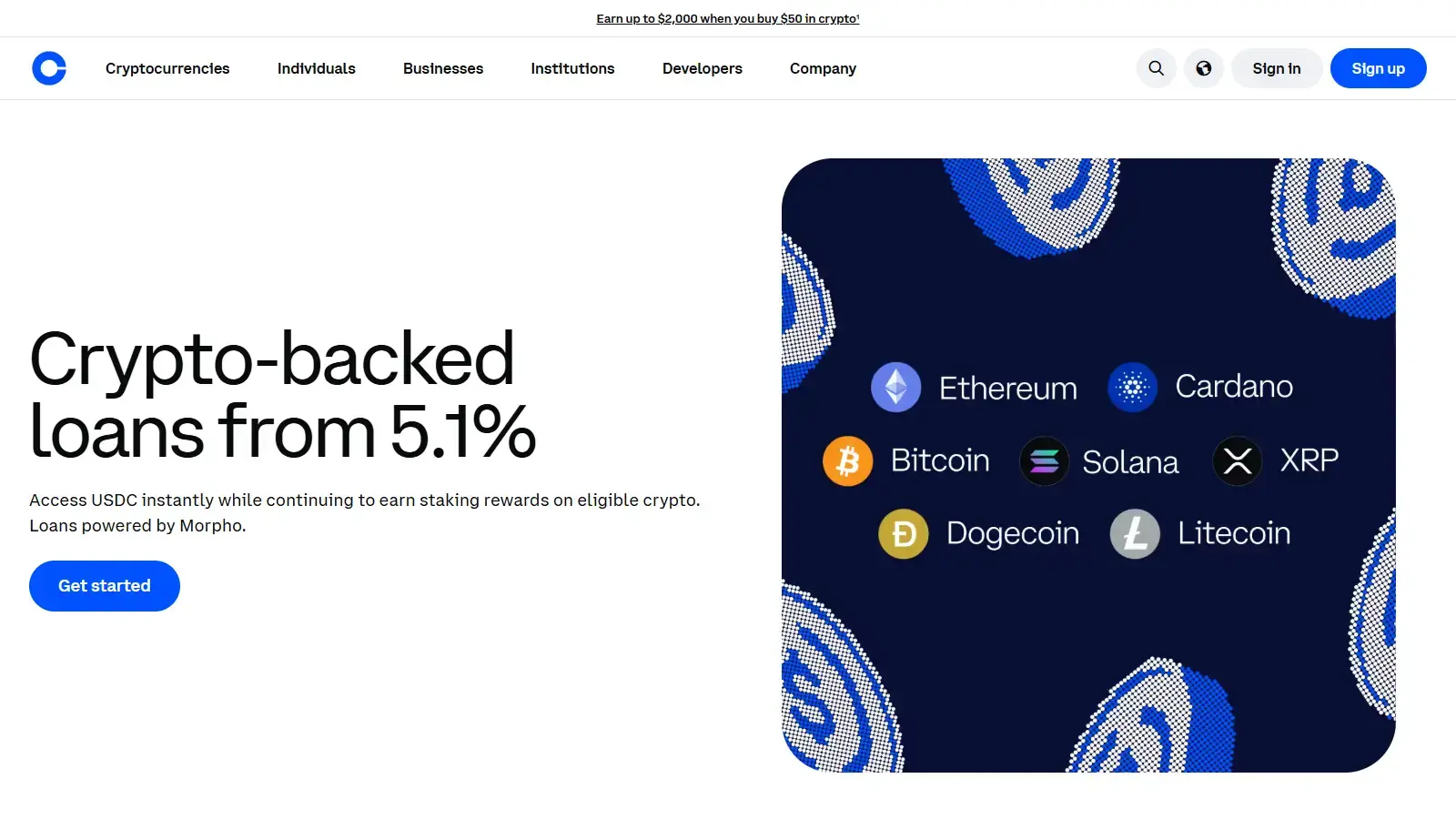
The variable rate changes with conditions in Morpho’s lending market and may include a Coinbase platform fee collected monthly. The starting rate on Coinbase’s borrowing page is a headline figure, not a quote. Morpho’s rate climbs as more of the market’s USDC is borrowed, so an open loan’s cost can change at any time. If the displayed rate already includes that charge, adding it again would overstate the cost. The processing fee is added to the debt the moment you borrow.
For variable borrowing, that fee is 2% on the first $250,000 and 1% on the portion above it. Each additional draw incurs another processing fee, and the financed fee accrues interest alongside principal. On a new 10,000 USDC draw in the first tier, assuming 1 USDC equals $1 and no other opening charge, you receive 10,000 USDC and begin with 10,200 USDC of debt:
Illustrative Opening Balance
- Proceeds received
10,000 USDC
- Processing fee added to debt
200 USDC
- Starting debt
10,200 USDC
No separate upfront payment is needed for the 200 USDC fee, which can make its cost less visible. It still raises the accrued balance and the collateral needed to maintain a given loan-to-value (LTV) ratio. For a borrower planning to add more debt later, each draw needs checking on both its payout and its new balance.
Fixed-rate loans have a 1% processing fee on the total amount, also added to the debt and accruing interest. Their platform fee, if any, is collected upfront rather than monthly. On the same 10,000 USDC amount, the fixed loan’s 1% processing fee is 100 USDC rather than the variable loan’s 200 USDC, before their separate platform fees and interest.
Collateral, Loan Amounts, and LTV
Bitcoin deposited through Coinbase supports the loan as cbBTC on Base. Wrapping BTC as cbBTC lets the token enter Morpho’s contracts, adding reliance on the token issuer to Bitcoin’s price risk. Coinbase also accepts other collateral, such as Solana (SOL), XRP, Dogecoin (DOGE), and Cardano (ADA), each with its own limits and liquidation threshold.
The borrowed asset is USDC credited to the Coinbase balance. If you need bank funds, conversion and withdrawal follow that receipt, potentially changing the amount that reaches the bank. Judge the loan by the usable proceeds at the endpoint you need, not only the USDC amount requested.
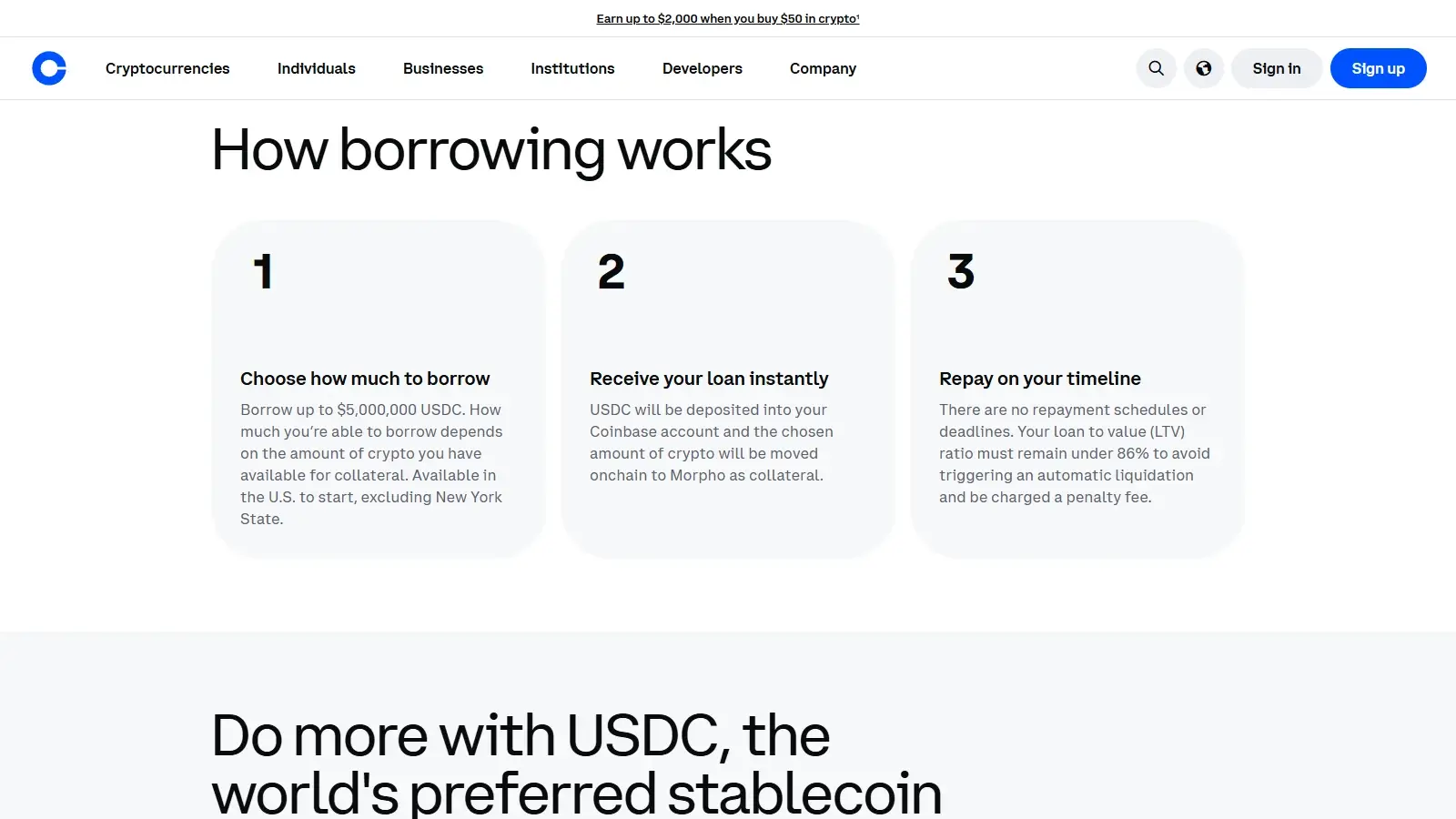
Coinbase’s borrowing page lists BTC-backed borrowing up to 5 million USDC, subject to collateral and account eligibility, while its loan setup guide says loans are limited to $15 million. LTV divides debt, including accrued interest, by the collateral’s market value. At an assumed 50% LTV, the 10,200 USDC opening debt needs $20,400 of cbBTC collateral, $400 more than the same loan without the fee. This calculation assumes 1 USDC equals $1 and is not an available quote.
Liquidation and Collateral Management
The selected lending market sets its liquidation threshold, which is 86% LTV for BTC loans and is shown in the in-app loan details. A larger debt, interest accrual, or a lower collateral price moves LTV toward it. Coinbase flags the loan as at risk at 90% of that threshold, about 77.4% LTV for a BTC loan, and sends an email notice, so the warning is relative to the market’s limit, not a universal 90% LTV.
That notice does not pause liquidation. Coinbase describes a sale that repays the loan plus a 4.38% penalty and returns any remaining Bitcoin to the account. Morpho’s underlying rules also allow partial liquidation, so review the loan status afterward for debt and collateral left.
Loan protection can respond by adding collateral from an available balance. It must be enabled for each loan, works once before needing to be re-enabled, and expires after a year. A volatile move can still lead to liquidation if the balance is insufficient or the transfer fails.
Fixed-rate loans have a separate maturity trigger. Missing the deadline can lead to liquidation even at healthy LTV unless an opted-in conversion to variable borrowing succeeds. A matured loan can still be repaid until it is liquidated, but the liquidation penalty rises to a maximum over about 15 minutes. That window is not a grace period.
Custody, Collateral Use, and Security
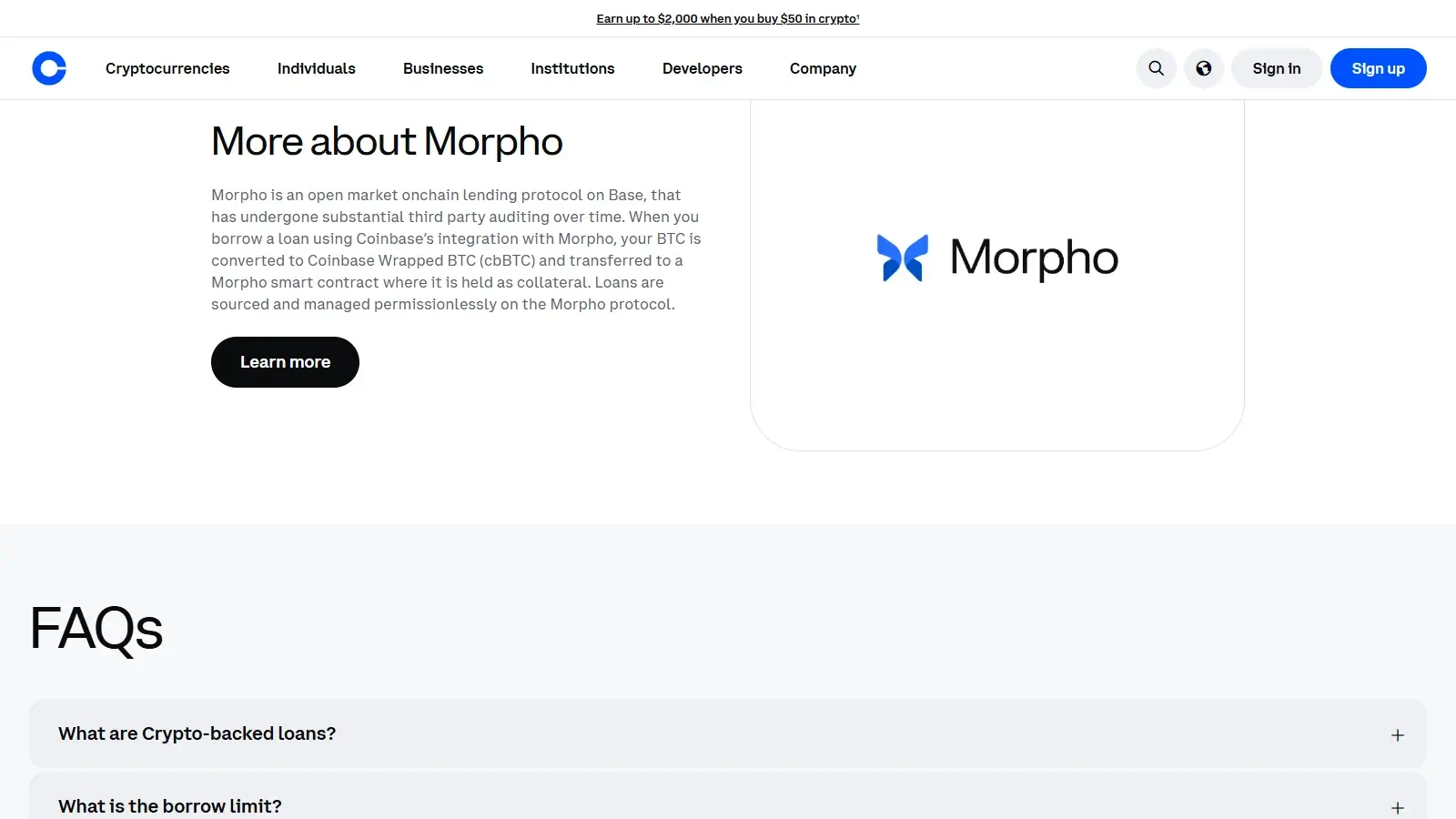
Coinbase supplies the account interface, and Morpho’s decentralized finance (DeFi) lending market supplies the funds. No Coinbase company is the lender. Managing the loan inside Coinbase still leaves the debt and collateral subject to Morpho’s rules.
The cbBTC remains locked onchain while securing the debt, so a withdrawal depends on the position’s collateral requirements being met. Failures in the contracts, price feeds, token wrapper, or Base network can delay recovery or cause collateral losses independently of Bitcoin’s market price.
Availability, KYC, and Credit Checks
Access is available to eligible, verified customers in the US except New York, with limited UK and Canadian availability. Coinbase’s borrowing page mentions only the US and UK, while its help center also lists Canada, where Coinbase Bermuda Technologies Inc. provides the service. Supported assets and loan variants can differ by region and account, so another customer’s offer does not establish which loan you can open. Moving to an ineligible location can also affect an existing position.
Know Your Customer (KYC) identity verification applies without a credit check. Coinbase’s terms prohibit using the proceeds to buy digital assets through Coinbase, which rules out borrowing to add to a Coinbase crypto holding.
Application, Payout, and Timing
In Borrow, select the collateral, loan type, and amount, then review the fee and amount owed before authorizing the transaction. Fixed-rate setup also includes a term and an indicative rate, with the final rate set at confirmation. Once processing completes, USDC reaches the Coinbase balance.
Coinbase covers network fees for in-app borrowing. Later transfers or conversion into money in a bank account can incur other charges, so that fee coverage does not make the complete cash-out process free. Allow for those later steps if the purpose of borrowing is to pay a bank-denominated expense.
Repayment, Renewal, and Collateral Return
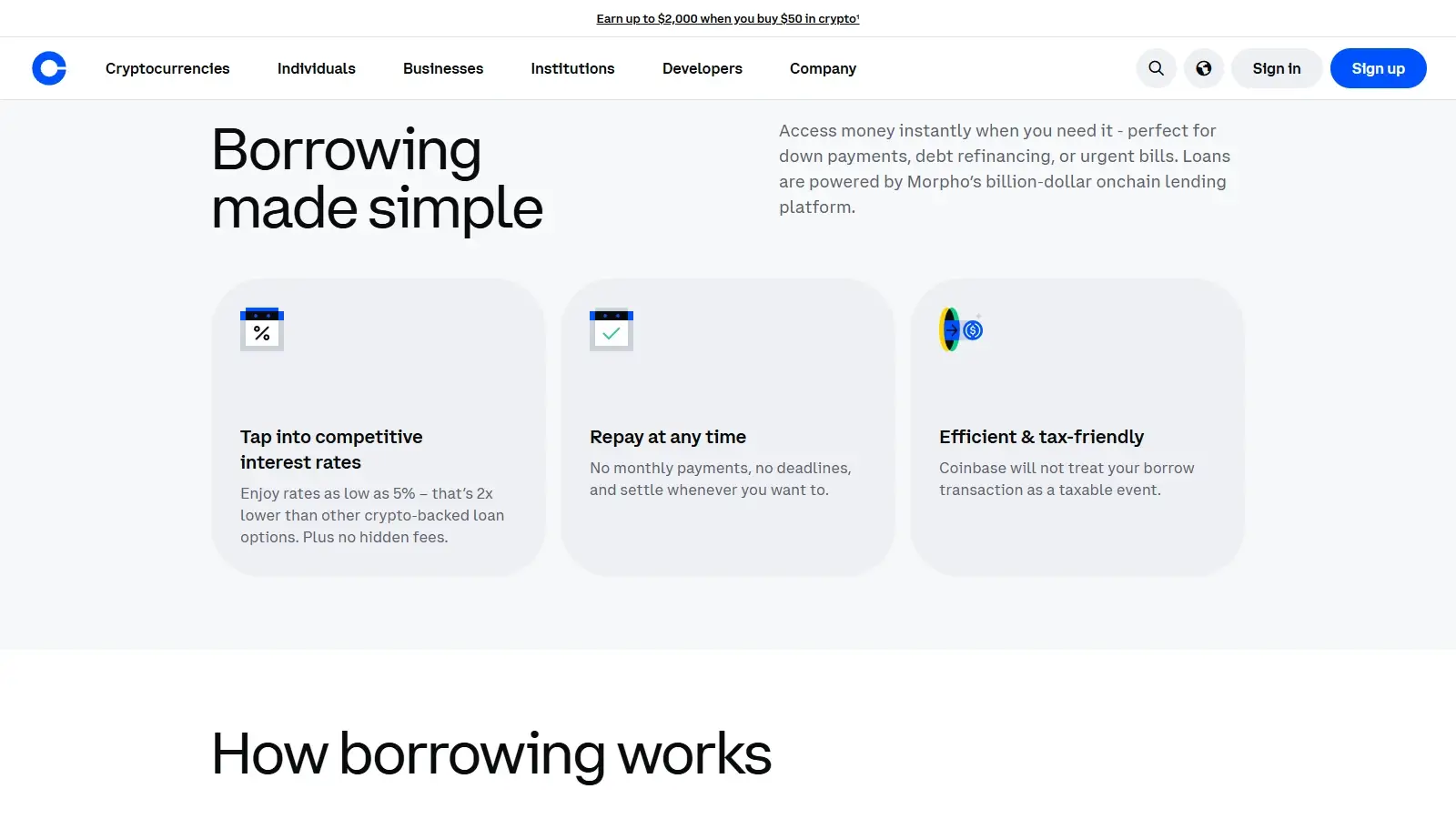
Variable loans allow partial or full repayment without scheduled due dates or minimum payments. Interest keeps accruing on an open balance, so choosing to wait also leaves the debt growing. Fresh deposits can be held temporarily, and a bank deposit made during a price drop may not clear in time to reduce LTV.
Fixed-Rate Loans
A fixed-rate loan must be repaid in full by maturity, and paying it early does not reduce the total interest due. If you need the USDC for only part of the term, a variable loan stops accruing interest once repaid, though its first-tier processing fee is 2% rather than 1%.
Fixed and variable borrowing are mutually exclusive for each collateral asset, and existing loans cannot be switched on request. A fixed-rate borrower can opt in beforehand for automatic conversion to variable borrowing 6 hours before maturity. Conversion requires a healthy position and enough funds in the variable lending market, so the borrower needs another way to repay at maturity if it fails.
Returning Collateral
Full repayment covers principal, accrued interest, and fees before the collateral is released. Sending it to an external wallet is another transfer, so allow for that step if you need the BTC outside Coinbase.
Account Controls and Support
The mobile app shows the rate, loan health, and collateral alongside repayment controls, and within Coinbase it is the only place to add collateral by hand during normal operation. The browser supports setup and repayment, so someone managing the loan on a computer still needs the app to add collateral during a price drop.
Coinbase’s backup site can add collateral during an outage through the individual link saved from the Borrow hub beforehand. Coinbase support will not provide it. Using the backup also requires a supported wallet, the correct collateral on Base, and Ether (ETH) on Base for network fees. For BTC borrowing, the token to add is cbBTC, so native BTC held elsewhere cannot complete the transfer until cbBTC on Base has been obtained.
Borrowers can also eject the Borrow Wallet from Coinbase and manage or repay the position directly on Morpho, signing with the passkey created during ejection. Adding collateral there still takes cbBTC on Base, and funds released after settlement go to the borrower’s primary Base account.
Alternatives
-

Ledn
Ledn’s Bitcoin-backed Dollar Loan can suit borrowers seeking a centralized 12-month term with regional bank or stablecoin payouts. It replaces the Morpho position with Ledn’s custody arrangement and contractual maturity, changing both who holds the collateral and when repayment is due.
-

Arch Lending
For US customers eligible for both services, Arch Lending offers fixed-term dollar or USDC borrowing. Arch deducts origination fees from the payout, and Coinbase adds variable-loan processing fees to the debt, so the same nominal principal does not produce the same opening cash and balance. Arch names Anchorage Digital as custodian and states that collateral is not reused. Compare the eligible state, actual amount received, and payout endpoint alongside those custody differences.
Pillar Scores
- Cost and pricing clarity 20% weight Interest, mandatory fees, pricing conditions, and the cost of early repayment.6.0 / 10
- Collateral control and counterparty risk 25% weight Custody, permitted collateral use, and recovery rights.6.0 / 10
- Liquidation rules and risk controls 20% weight Sale triggers, warnings, penalties, and tools for managing collateral.7.0 / 10
- Repayment and flexibility 15% weight Partial payments, maturity, renewal, and collateral return.8.0 / 10
- Access and funding 10% weight Eligibility, verification, payout routes, and usable funds.8.0 / 10
- Account controls and support 10% weight Security controls, loan records, monitoring tools, and customer support.7.0 / 10
Final Verdict
Coinbase Borrow fits verified customers who want USDC through an existing account instead of handling the main borrowing process through a separate wallet. The variable option lets them choose repayment timing, but financed fees and ongoing interest increase the balance they have to support. That convenience is most relevant when USDC in the Coinbase balance is already usable for the borrower’s purpose. Bank funds need a further conversion, and the Bitcoin-backed loan still relies on cbBTC, Morpho, price feeds, and Base. Anyone requiring native Bitcoin collateral or a direct bank payout has less reason to accept those dependencies to keep the loan inside Coinbase.
Best For
Coinbase customers who want USDC against Bitcoin and can manage a variable borrowing balance
Avoid If
- Borrowers needing native Bitcoin collateral or bank funds without a further conversion step
CryptoSlate may earn a commission when you use partner links, at no extra cost to you. Our reviews, ratings, and editorial decisions remain independent of advertisers. Read How CryptoSlate Makes Money for funding details.