Exchanges
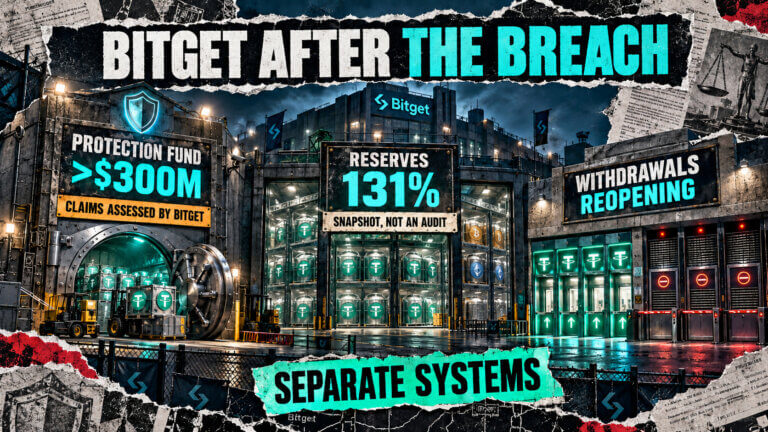
Bitget restores $300M fund after absorbing $388M security breach
The restored backstop is separate from customer reserves, and claims remain subject to Bitget's assessment as withdrawals reopen in phases.
The restored backstop is separate from customer reserves, and claims remain subject to Bitget's assessment as withdrawals reopen in phases.

The $468 million stablecoin is pairing deep launch liquidity with partner incentives across payments, cards and treasury products.

The Foundation found sharply different lost-credit fractions by stake weighting, raising a reward question ahead of any 200ms step.
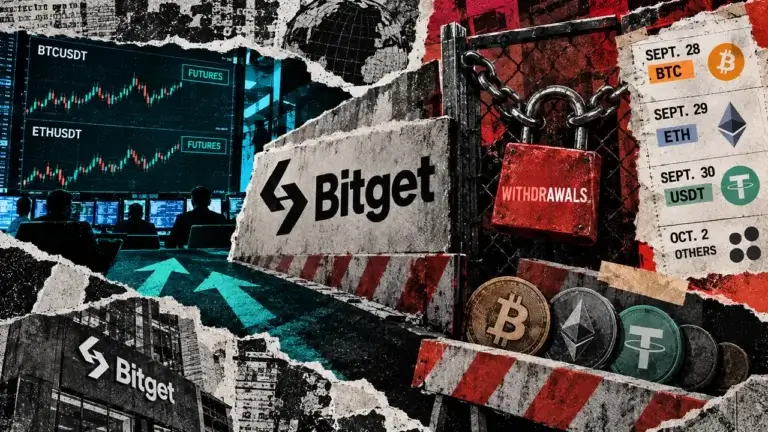
Bitget reported reopening BTC withdrawals after public fills showed futures trading during the pause, but individual transfers still need separate evidence.
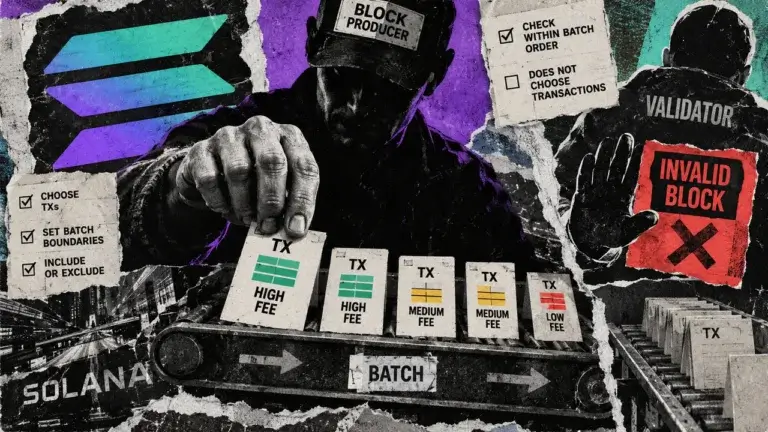
SIMD-0649 would police priority within batches, while leaders would retain control over inclusion and batch boundaries.

Expanded address labels lowered adjusted dollar volume, but the adjusted count fell less than 2% and payment use remains unmeasured.
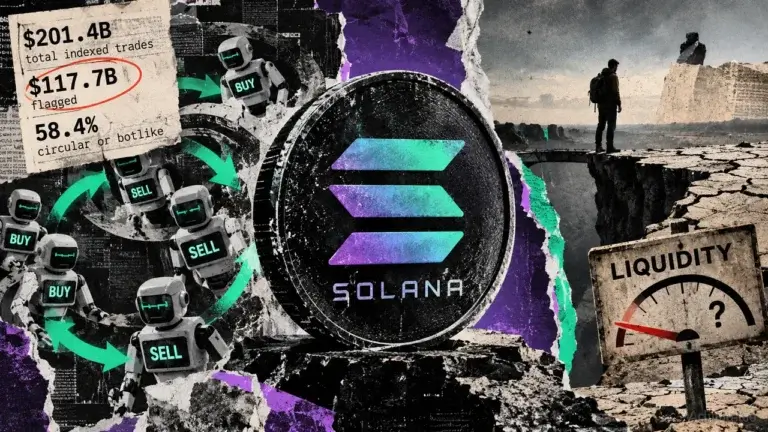
Bitquery's indexed-pool screen finds repeated round trips, but the depth available to independent traders has not been measured.
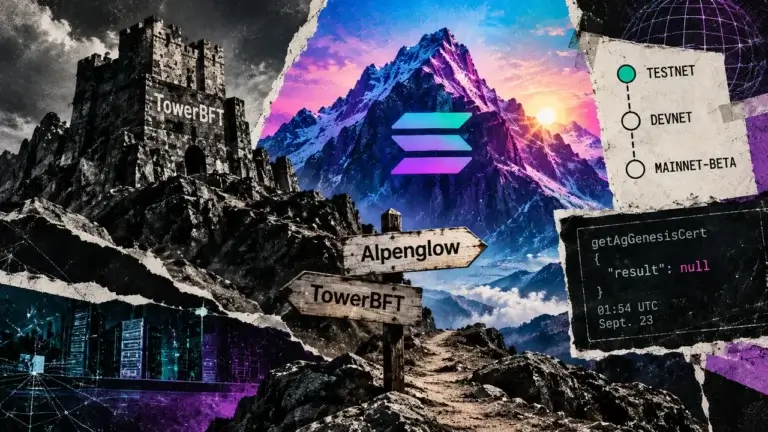
Alpenglow reaches testnet as SOL rallies and the network’s trading and tokenized-asset economy hit fresh milestones.

DefiLlama’s Sept. 22 snapshot and longer-window totals show why fee generation, staking receipts and holder returns require separate measures.

Qualified investors in Russia can now gain continuous exposure to five major cryptocurrencies through Moscow Exchange without buying or holding the underlying assets.
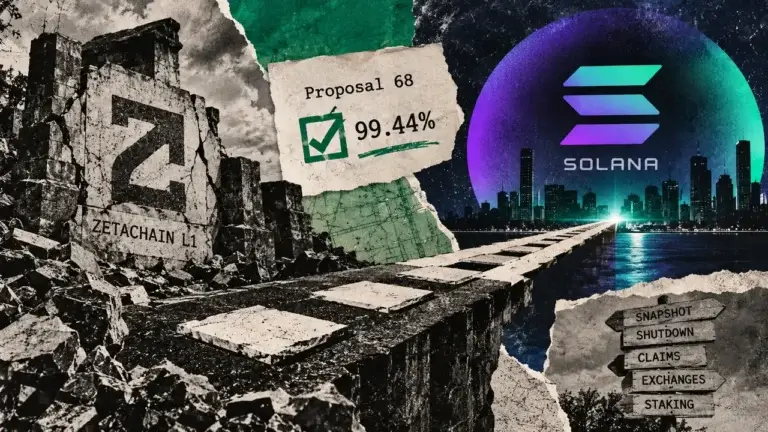
ZETA would become a native Solana token as contributors redirect resources from blockchain infrastructure toward Anuma and private AI.

Early mainnet data look stable, but Solana validator coordination at 200ms may depend on leader handoffs, client agreement and infrastructure diversity.
